 Forest Officer
Leading Professions
Explore various career paths and opportunities in Forest Officer
Forest Officer
Explore various career paths and opportunities in Forest Officer
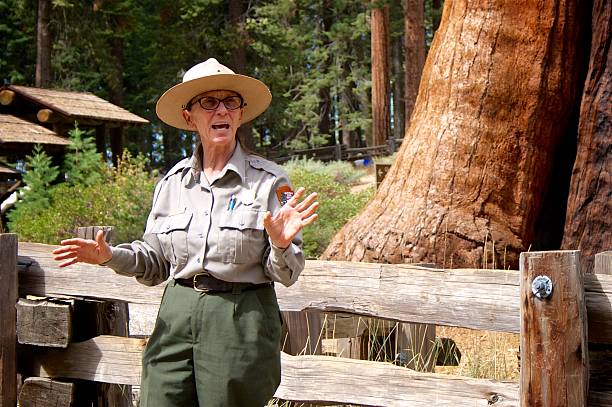
Entry-level professionals who patrol forests, monitor wildlife, and report illegal activities. They assist senior officers in basic conservation tasks and maintain forest records. They build foundational skills by learning field operations firsthand. Their role supports protection by ensuring ground-level vigilance.
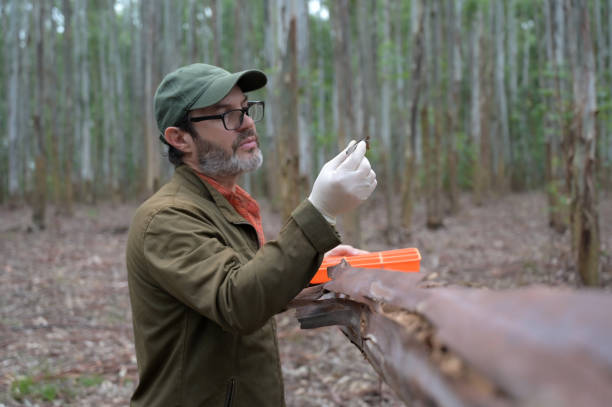
Early-career officers who manage specific forest ranges, oversee staff, and enforce laws. They handle local conservation projects, community interactions, and wildlife monitoring. Their work ensures safety by preventing illegal encroachments. Their contribution maintains regional ecosystems.
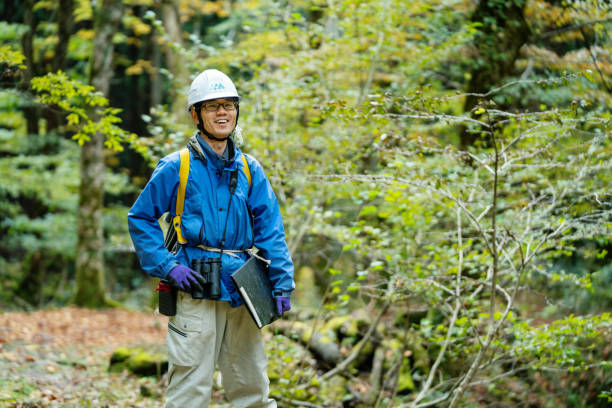
Mid-level experts who supervise multiple ranges, plan conservation strategies, and coordinate with state authorities. They manage budgets, disaster response, and policy implementation at a broader level. Their expertise drives preservation by aligning efforts with state goals. Their impact enhances forest health.
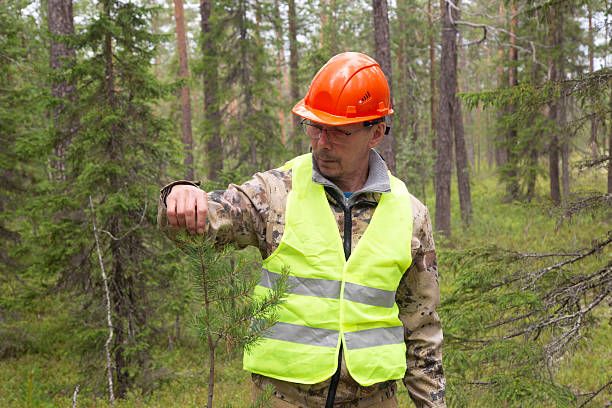
Experienced professionals who oversee district-level forest operations, lead major projects, and formulate policies. They represent the department in legal and administrative matters, ensuring large-scale conservation. Their leadership shapes outcomes by integrating development with ecology. Their role ensures systemic balance.
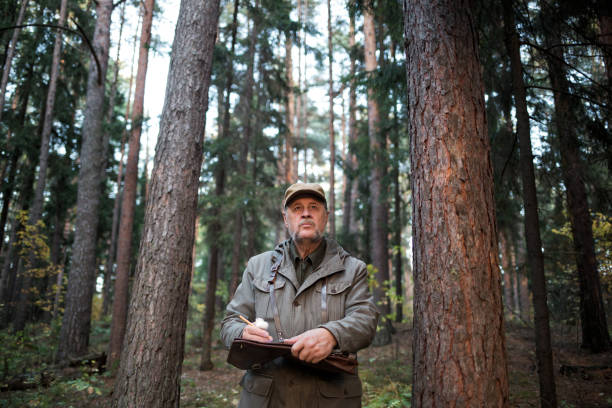
Senior roles responsible for state or regional forest management, policy-making, and inter-departmental coordination. They guide national conservation strategies, advocate for biodiversity, and mentor junior officers. Their vision transforms landscapes by pioneering sustainable practices. Their impact safeguards natural heritage.