 Forensic Medicine Doctor
Leading Professions
Explore various career paths and opportunities in Forensic Medicine Doctor
Forensic Medicine Doctor
Explore various career paths and opportunities in Forensic Medicine Doctor
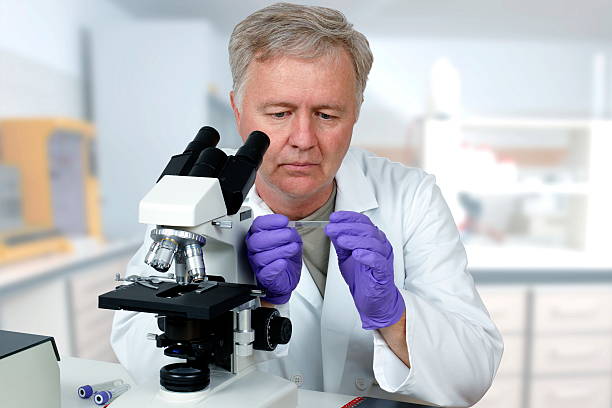
A Forensic Pathologist conducts autopsies to determine the cause and manner of death in unnatural or suspicious cases. They provide critical evidence for criminal investigations and legal proceedings by analyzing injuries and toxicological data.
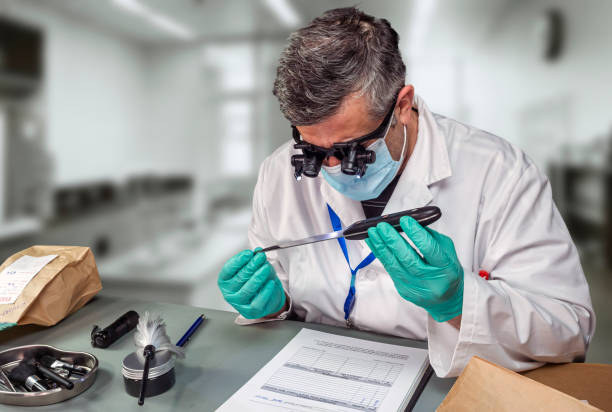
A Chief Medical Examiner oversees forensic investigations within a jurisdiction, managing a team of pathologists and ensuring compliance with legal standards. They often serve as the primary liaison between medical findings and law enforcement agencies.
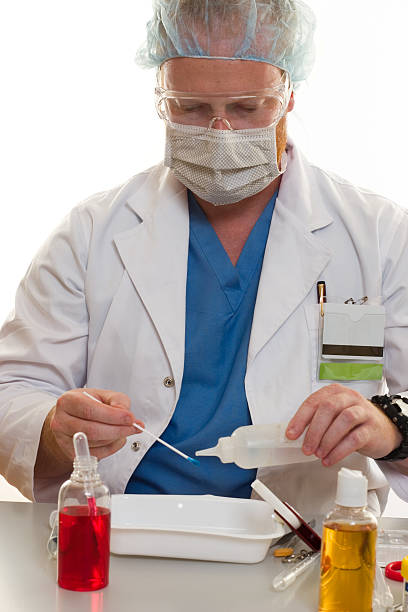
A Forensic Toxicologist specializes in detecting and analyzing drugs, poisons, and alcohol in biological samples to establish their role in a death. Their expertise is vital in cases of overdose, poisoning, or impaired driving fatalities.
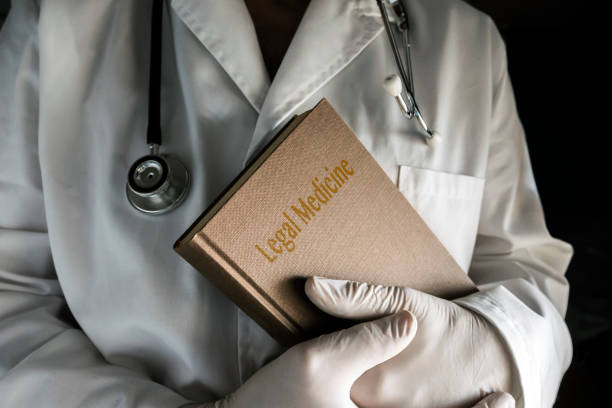
A Medico-Legal Consultant provides expert advice and testimony in legal cases involving medical issues, such as malpractice or injury claims. They bridge medical evidence with legal arguments to assist courts in reaching informed decisions.
A Forensic Medicine Specialist in Public Health investigates patterns of unnatural deaths to identify public health risks like epidemics or occupational hazards. They collaborate with government bodies to develop preventive measures and policies.

An Academic Forensic Medicine Expert teaches forensic principles at medical institutions while conducting research to advance the field. They contribute to developing new investigative techniques and train future forensic professionals.