 Epidemiologist
Leading Professions
Explore various career paths and opportunities in Epidemiologist
Epidemiologist
Explore various career paths and opportunities in Epidemiologist
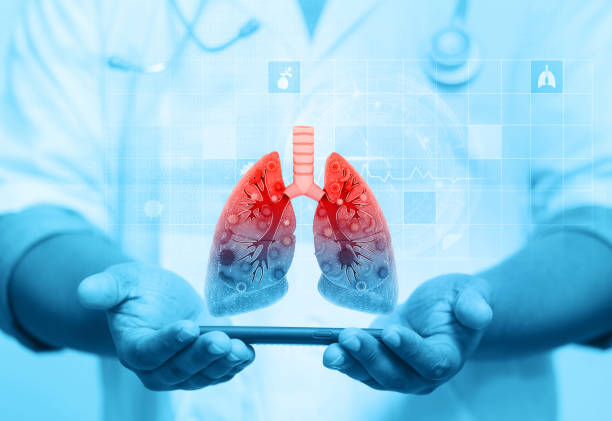
Early-career professionals assist in basic data collection under supervision. They build skills in analysis while ensuring accurate execution. Their practice builds experience through regular studies. They prepare for advanced roles by mastering core methods.

Experienced professionals manage routine health studies with high competence, using research skills. They offer expertise in disease tracking. Their skills improve outcomes by supporting policies. They are vital for health monitoring, often leading smaller projects.

Specialists oversee complex studies with exceptional competence. They integrate deep research knowledge with expertise in analytics for impactful results. Their proficiency aids outcomes through collaboration with teams. They are central to health strategies.

Senior professionals guide data-driven health strategies for organizations. They provide leadership by establishing research workflows for policy success. Their contributions enhance quality through strategic insights. They are essential for systemic impact.

Leaders focus on on-ground outbreak investigations in crisis zones. They provide strategic oversight by aligning efforts with emergency goals. Their vision fosters rapid response by integrating resources. They are critical for containment performance.

Top-tier professionals specialize in advancing epidemiological knowledge through studies. They handle innovative research and direction while ensuring alignment. Their leadership integrates science into broader health strategies. They play a key role in academic success.

Senior professionals advise governments or agencies on health policies. They ensure alignment with population needs, often leading advisory teams. Their expertise shapes health outcomes. They collaborate closely with stakeholders for balanced care.

Professionals focus on international disease control and health equity. They use specialized skills to enhance global standards. Their work is crucial in cross-border health. They contribute significantly to worldwide policies.

Experts develop long-term public health initiatives, focusing on impact. They work on integrating programs into practice, often leading large teams. Their skills are vital for systemic progress. They often lead transformative health trends.
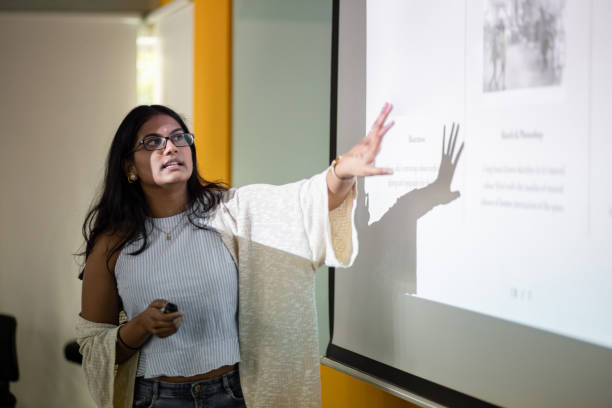
Experts train future professionals in university settings. They work on integrating theory with practice, often leading research programs. Their strategic skills are vital for shaping future epidemiologists. They often lead advancements in health education.