 Emergency Medicine Doctor
Leading Professions
Explore various career paths and opportunities in Emergency Medicine Doctor
Emergency Medicine Doctor
Explore various career paths and opportunities in Emergency Medicine Doctor
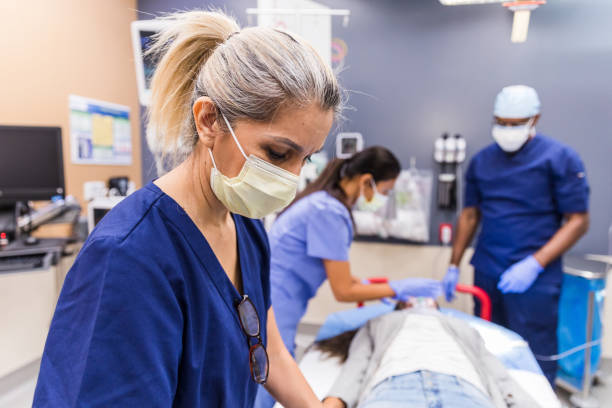
Undergoes intensive training in emergency protocols, handling diverse cases under supervision while mastering critical procedures. This stage builds foundational skills in rapid assessment and intervention. Their exposure to real emergencies shapes their ability to think on their feet.
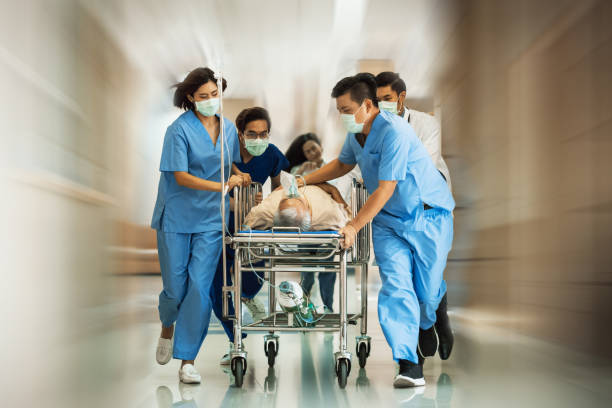
Begins independent practice in emergency departments, managing routine and moderately complex cases while building expertise. They often work under senior guidance to refine decision-making in high-stress scenarios. Their role is crucial in gaining confidence with diverse patient presentations.
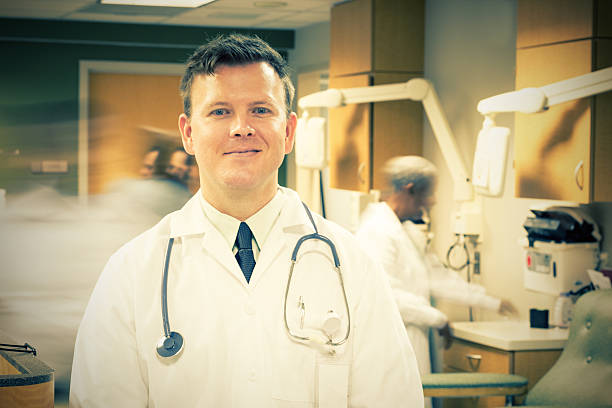
Handles a high volume of critical cases, often serving as a key decision-maker in trauma and acute care settings. They become a reliable resource for complex emergencies in busy hospitals. Their experience allows them to mentor junior staff effectively.
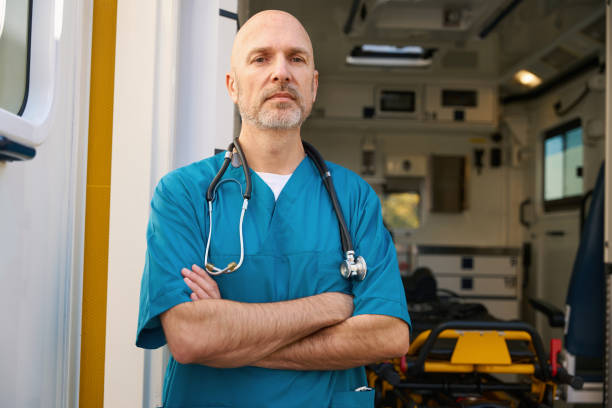
Leads emergency departments, sets protocols, and mentors younger doctors while overseeing operations. They ensure high standards of care and manage team dynamics during crises. Their leadership is vital for departmental efficiency and patient outcomes.
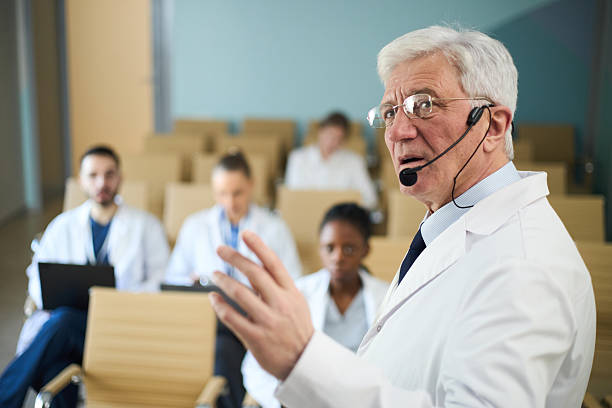
Manages hospital-wide emergency programs or academic departments, combining clinical leadership with teaching and research. They influence policy and curriculum while contributing to advancements in the field. Their role shapes future generations of emergency physicians.
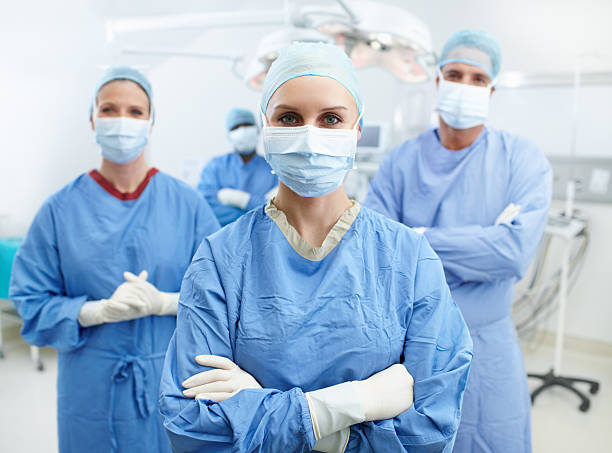
Focuses on severe injury cases, often working in dedicated trauma centers to provide specialized surgical and medical care. They are experts in managing life-threatening injuries with precision. Their work often involves collaboration with surgical teams for optimal results.
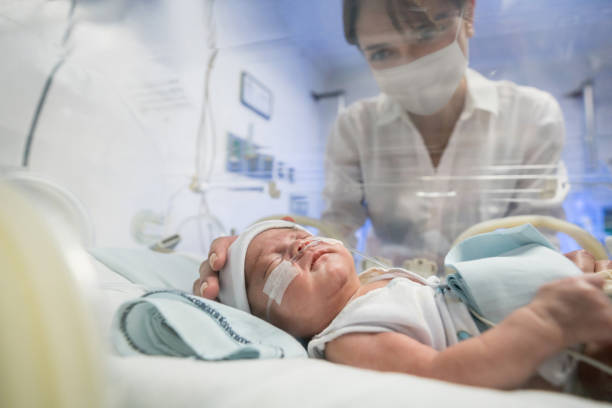
Specializes in acute care for children, addressing unique medical challenges in younger patients. They tailor interventions to suit pediatric physiology and emotional needs. Their expertise ensures better outcomes for vulnerable populations.
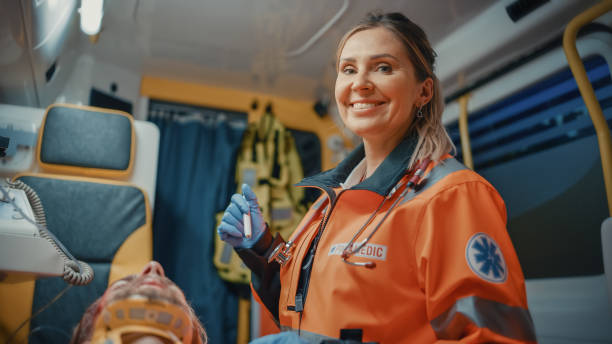
Plans and executes medical responses during crises, working with government and international bodies for large-scale emergencies. They develop triage systems to maximize survival rates in chaotic situations. Their strategic input is critical during natural disasters or pandemics.
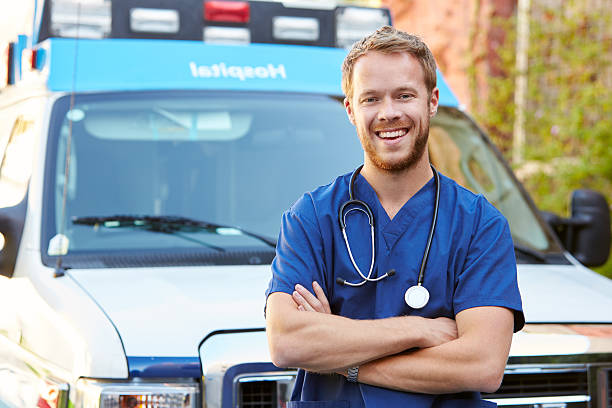
Oversees ambulance services and on-scene care, ensuring effective first response before hospital arrival. They train paramedics and design protocols for field interventions. Their work bridges the critical gap between injury and hospital care.