 Air-Traffic Controller
Leading Professions
Explore various career paths and opportunities in Air-Traffic Controller
Air-Traffic Controller
Explore various career paths and opportunities in Air-Traffic Controller

Junior Air Traffic Controllers are licensed professionals who independently manage air traffic in less complex sectors or smaller airports across India, such as in Tier-2 cities like Jaipur or Lucknow. They issue clearances for takeoffs and landings, ensuring safe aircraft separation under moderate traffic conditions. Their expertise grows with experience, preparing them for busier airspace and more challenging roles.
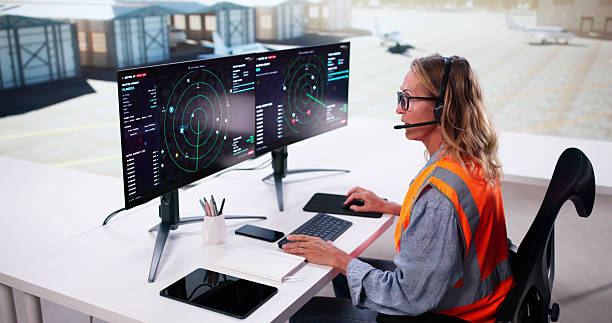
Senior Air Traffic Controllers are experienced professionals who handle high-traffic airports or critical en-route sectors in metro hubs like Bangalore and Chennai. They manage complex traffic patterns, coordinate during peak hours, and mentor junior controllers. Their role is pivotal in maintaining safety and efficiency in some of the busiest airspaces in India.
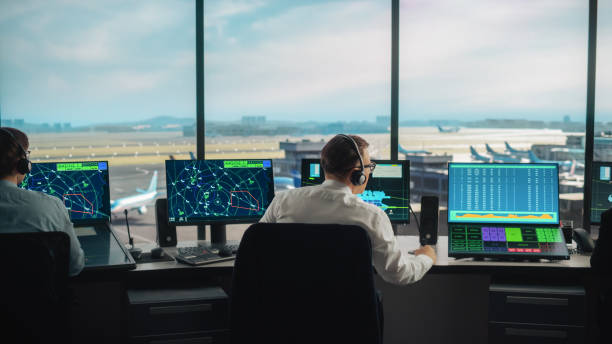
Air Traffic Control Supervisors oversee operations at major control towers or regional centers in cities like Kolkata or Hyderabad, ensuring smooth functioning of entire teams of controllers. They manage shift schedules, handle escalated emergency situations, and ensure compliance with safety protocols. Their leadership ensures operational excellence across multiple sectors or facilities.
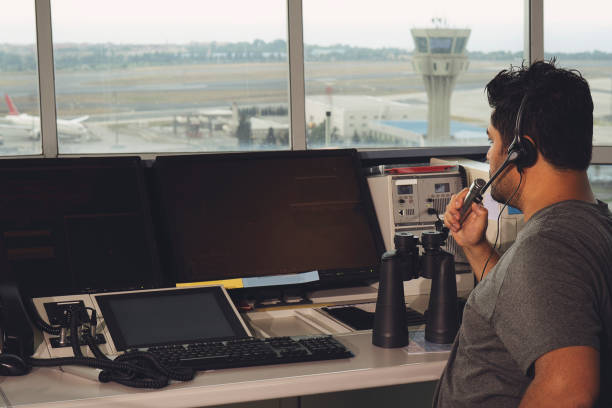
Air Traffic Control Managers are executive leaders responsible for strategic oversight of air traffic services at a national or regional level, often based in Delhi with organizations like AAI. They develop policies, implement new technologies, and coordinate with regulatory bodies to enhance airspace management. Their vision shapes the future of air traffic control systems in India.
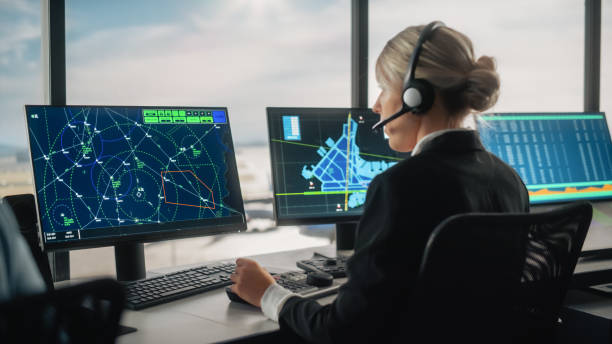
Approach Control Specialists focus on managing aircraft during the critical phases of approach and departure at busy airports across India. They ensure precise sequencing and spacing as planes transition between en-route and terminal areas. Their specialized skills are crucial for preventing congestion and maintaining safety during high-density operations.