
Yoga Instructor

Summary

A Yoga Instructor or Practitioner is a professional who teaches and guides individuals or groups in the practice of yoga, focusing on physical postures (asanas), breathing techniques (pranayama), meditation, and holistic wellness

Share :

Yoga Instructor Mind Map

Tap any branch to jump straight to the matching accordion sectionโ€”Overview, Education, Career Path, Industry Insights, Resources, or Conclusionโ€”and explore the detailed guidance below.

Interactive map of Yoga Instructor learning paths Overview Role, mission, mindset Introduction & Summary Education Study routes & eligibility Courses & specializations Career Path Career progression Employment areas Recruiters Industry Insights Industry trends Future outlook Pros & cons Resources Career media FAQs

Each colorful branch maps to an accordion section belowโ€”click to reveal overview, study plans, role journeys, industry insights, practice resources, or concluding tips.

Overview

A Yoga Instructor or Practitioner is a professional who teaches and guides individuals or groups in the practice of yoga, focusing on physical postures (asanas), breathing techniques (pranayama), meditation, and holistic wellness. They work in settings such as yoga studios, fitness centers, schools, corporate environments, or as independent practitioners, collaborating with clients, health professionals, and wellness communities. Yoga Instructors play a crucial role in promoting physical health, mental well-being, and spiritual growth in a field driven by ancient traditions, modern science, and personalized care.
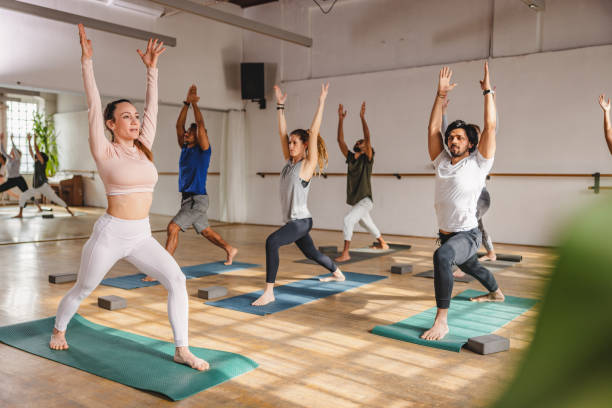
Yoga Instructors are compassionate and knowledgeable professionals who operate in diverse environments like studios, retreats, or virtual platforms, using tools such as yoga mats, props, and digital teaching aids. Their role involves designing and leading yoga sessions, providing personalized guidance, and addressing individual needs, often facing challenges like adapting to varying skill levels or managing client expectations. They combine expertise in yoga philosophy, anatomy, and therapeutic techniques to support holistic health. As key contributors to the wellness and fitness industries, they help shape the future of stress management, physical fitness, and mindfulness in a sector increasingly driven by digital accessibility, scientific validation, and global demand for well-being practices.

Roles and Responsibilities

๐Ÿ’ผ
Yoga Instructor
Roles and Responsibilities
Teaching Yoga Classes
Lead group or individual yoga sessions focusing on asanas, pranayama, and meditation.
Adapt sessions to suit different levels, ages, and physical abilities of participants.
Personalized Wellness Planning
Assess clientsโ€™ health goals and design tailored yoga programs for specific needs.
Provide guidance on lifestyle, diet, and mindfulness practices for holistic benefits.
Injury Prevention and Safety
Ensure proper alignment and technique to prevent injuries during yoga practice.
Educate students on safe modifications and the use of props for support.
Therapeutic Yoga Application
Use yoga as a therapeutic tool to address physical ailments like back pain or stress-related issues.
Collaborate with healthcare providers for rehabilitative or complementary care plans.
Workshop and Retreat Organization
Conduct specialized workshops on topics like stress management, prenatal yoga, or meditation.
Organize yoga retreats or immersive programs for deeper practice and relaxation.
Community Building and Engagement
Foster a supportive environment for students to connect and grow through yoga.
Promote yoga events or challenges to encourage consistent practice and awareness.
Digital Content Creation
Develop online yoga classes, tutorials, or guided meditations for virtual platforms.
Engage with a global audience through social media or streaming services.
Continuing Education and Research
Stay updated on yoga trends, scientific studies, and new teaching methodologies.
Contribute to yoga research or write content to educate others on its benefits.
Foundational Knowledge:
Strong understanding of yoga philosophy, anatomy, and physiology is essential for effective teaching.
Practical Skills:
Training in asanas, pranayama, and meditation develops core competencies for instruction.
Specialized Training:
Certifications from recognized bodies like Yoga Alliance are critical for credibility.
Technology Proficiency:
Familiarity with virtual platforms and digital tools is vital for modern teaching.
Interdisciplinary Knowledge:
Understanding psychology and nutrition enhances holistic yoga guidance.
Certification Importance:
Recognized teacher training programs boost professional recognition.
Continuing Education:
Regular updates on yoga research and wellness trends are necessary to stay relevant.
Global Standards:
Familiarity with international yoga teaching guidelines enhances opportunities for global roles.
Attention to Detail:
Precision in posture correction and safety guidance is critical for student well-being.
Entrance Examination Success:
Competitive exams may be required for admission to degree programs in yoga.
International Testing Requirements:
Language proficiency tests like IELTS may be needed for global opportunities.
MDNIY Entrance Exam:
For admission to Diploma and Bachelorโ€™s programs in Yoga Science at Morarji Desai National Institute of Yoga.
SVYASA Entrance Test:
For admission to degree programs in Yoga Therapy at Swami Vivekananda Yoga Anusandhana Samsthana.
University-Specific Yoga Entrance Exams (e.g., DevSanskritiVishwavidyalaya Test):
For admission to Bachelorโ€™s and Masterโ€™s programs in Yoga at specific universities.
GurukulKangri Entrance Exam:
For admission to Yoga Science programs at Gurukul Kangri Vishwavidyalaya.
PatanjaliYogpeeth Admission Test:
For admission to yoga and naturopathy programs at Patanjali Yogpeeth.
Merit-Based or Interview Selection:
Many institutes like The Yoga Institute or Kaivalyadhama admit based on prior education or personal interviews rather than entrance exams.
TOEFL (Test of English as a Foreign Language):
Minimum score of 80-100 required for non-native speakers applying to yoga training programs in English-speaking countries like the USA, Canada, or Australia.
IELTS (International English Language Testing System):
Minimum score of 6.0-6.5 required for admission to yoga teacher training or degree programs in the UK, Australia, and other English-speaking regions.
Yoga Alliance Prerequisites:
Many international programs require prior yoga experience or pre-course assignments rather than standardized tests for teacher training.
Portfolio or Personal Statement:
Some institutes, like Kripalu or Jivamukti, may require a statement of intent or proof of yoga practice for admission.
Interview or Practical Assessment:
Certain international programs assess candidates through live or recorded yoga practice demonstrations or interviews.
Country-Specific Requirements:
Some countries may have additional visa or language requirements for international yoga students or trainees.
Digital Transformation:
Increasing focus on online yoga platforms and virtual classes for global reach.
Rising Demand:
Growing need for Yoga Instructors skilled in therapeutic and mindfulness practices.
Technology Impact:
Enhanced use of apps and wearables for personalized yoga tracking and feedback.
Interdisciplinary Focus:
Emergence of collaboration with mental health professionals and fitness experts.
AI and Wellness Tools:
Adoption of AI for customized yoga plans and posture correction.
Global Market Needs:
Development of yoga programs for diverse populations like seniors or children.
Compliance-Centric Market:
Use of data to ensure transparency in teaching quality and outcomes.
Skill Development Needs:
Growing necessity for training in digital teaching and hybrid class models.
Sustainability Focus:
Increased efforts to promote eco-friendly yoga practices and products.
Hybrid Teaching Models:
Blending in-person and online yoga for broader accessibility and impact.
B.K.S. Iyengar (India):
Founder of Iyengar Yoga, known for precision in alignment and therapeutic applications. His method transformed yoga. His impact shapes global practice.
Pattabhi Jois (India):
Developer of Ashtanga Vinyasa Yoga, emphasizing dynamic flow and discipline. His style energizes practitioners. His impact drives modern yoga.
T.K.V. Desikachar (India):
Pioneer of therapeutic yoga through Viniyoga, focusing on personalized practice. His teachings heal individuals. His impact advances yoga therapy.
Sri Sri Ravi Shankar (India):
Founder of Art of Living, promoting yoga and meditation for stress relief worldwide. His programs reach millions. His impact boosts mindfulness.
Baba Ramdev (India):
Popularized yoga through Patanjali Yogpeeth and mass media, making it accessible in India. His sessions inspire health. His impact democratizes yoga.
Sharon Gannon (USA):
Co-founder of Jivamukti Yoga, blending spirituality and activism in practice. Her philosophy uplifts communities. Her impact integrates ethics in yoga.
Ana Forrest (USA):
Creator of Forrest Yoga, known for healing trauma through intense practice. Her approach restores lives. Her impact redefines therapeutic yoga.
Seane Corn (USA):
Yoga activist and instructor, using yoga for social change and emotional healing. Her work inspires action. Her impact ties yoga to advocacy.
Rodney Yee (USA):
Renowned instructor, popularized yoga through videos and accessible teaching styles. His content educates globally. His impact broadens yoga reach.
Tara Stiles (USA):
Founder of Strala Yoga, focusing on intuitive movement and relaxation over rigid rules. Her style invites freedom. Her impact modernizes yoga practice.

Roles and Responsibilities

  • Teaching Yoga Classes
    • Lead group or individual yoga sessions focusing on asanas, pranayama, and meditation.
    • Adapt sessions to suit different levels, ages, and physical abilities of participants.
  • Personalized Wellness Planning
    • Assess clientsโ€™ health goals and design tailored yoga programs for specific needs.
    • Provide guidance on lifestyle, diet, and mindfulness practices for holistic benefits.
  • Injury Prevention and Safety
    • Ensure proper alignment and technique to prevent injuries during yoga practice.
    • Educate students on safe modifications and the use of props for support.
  • Therapeutic Yoga Application
    • Use yoga as a therapeutic tool to address physical ailments like back pain or stress-related issues.
    • Collaborate with healthcare providers for rehabilitative or complementary care plans.
  • Workshop and Retreat Organization
    • Conduct specialized workshops on topics like stress management, prenatal yoga, or meditation.
    • Organize yoga retreats or immersive programs for deeper practice and relaxation.
  • Community Building and Engagement
    • Foster a supportive environment for students to connect and grow through yoga.
    • Promote yoga events or challenges to encourage consistent practice and awareness.
  • Digital Content Creation
    • Develop online yoga classes, tutorials, or guided meditations for virtual platforms.
    • Engage with a global audience through social media or streaming services.
  • Continuing Education and Research
    • Stay updated on yoga trends, scientific studies, and new teaching methodologies.
    • Contribute to yoga research or write content to educate others on its benefits.

ย 

Study Route & Eligibility Criteria

RouteSteps
Route 11. 10+2 in any stream
2. Certificate in Yoga Teacher Training (200 hours) (1-3 months)
3. Internship or assistant role at yoga studios
4. Practice as Junior Yoga Instructor
Route 21. 10+2 in any stream
2. Diploma in Yoga and Naturopathy (1-2 years)
3. Advanced Yoga Teacher Training (300-500 hours) (3-6 months)
4. Gain experience in studios or wellness centers
5. Work as Yoga Instructor or Specialist
Route 31. 10+2 in any stream
2. Bachelorโ€™s degree in Yoga Science or Naturopathy (3 years)
3. Internship or teaching experience in yoga institutions
4. Work as Yoga Practitioner or Educator
Route 41. 10+2 in any stream
2. Bachelorโ€™s degree in Yoga Science (3 years)
3. Masterโ€™s degree in Yoga Therapy or Applied Yoga (2 years)
4. Advanced certifications or research roles
5. Practice as Senior Yoga Therapist or Academic Lead

ย 

Significant Observations (Academic Related Points)

  • Foundational Knowledge:ย Strong understanding of yoga philosophy, anatomy, and physiology is essential for effective teaching.
  • Practical Skills:ย Training in asanas, pranayama, and meditation develops core competencies for instruction.
  • Specialized Training:ย Certifications from recognized bodies like Yoga Alliance are critical for credibility.
  • Technology Proficiency:ย Familiarity with virtual platforms and digital tools is vital for modern teaching.
  • Interdisciplinary Knowledge:ย Understanding psychology and nutrition enhances holistic yoga guidance.
  • Certification Importance:ย Recognized teacher training programs boost professional recognition.
  • Continuing Education:ย Regular updates on yoga research and wellness trends are necessary to stay relevant.
  • Global Standards:ย Familiarity with international yoga teaching guidelines enhances opportunities for global roles.
  • Attention to Detail:ย Precision in posture correction and safety guidance is critical for student well-being.
  • Entrance Examination Success:ย Competitive exams may be required for admission to degree programs in yoga.
  • International Testing Requirements:ย Language proficiency tests like IELTS may be needed for global opportunities.

ย 

Internships & Practical Exposure

  • Mandatory internships during diploma or degree programs at yoga centers or wellness institutes for real-world experience.
  • Rotations in group classes, private sessions, and therapeutic yoga for hands-on exposure to diverse teaching scenarios.
  • Internships under experienced Yoga Instructors for training in class management and student engagement.
  • Observerships at yoga retreats or wellness events for applied teaching insights.
  • Participation in mock yoga sessions for skill development in sequencing and cueing.
  • Training in virtual teaching platforms through real-world projects like online class delivery.
  • Exposure to community yoga programs during internships for skills in outreach and inclusivity.
  • Volunteer roles in local wellness initiatives or festivals to build a teaching portfolio.
  • Community engagement projects for promoting yoga awareness in underserved areas.
  • International yoga training attachments for global exposure to diverse teaching practices.

ย 

Courses & Specializations to Enter the Field

  • Certificate in Yoga Teacher Training (200/300/500 hours).
  • Diploma in Yoga and Naturopathy or Yogic Sciences.
  • Bachelorโ€™s in Yoga Science or Applied Yoga.
  • Masterโ€™s in Yoga Therapy, Applied Yoga, or Holistic Health.
  • Specialization in Therapeutic Yoga, Prenatal Yoga, or Meditation and Mindfulness.
  • Workshops on Yoga for Stress Management or Restorative Yoga.
  • Training in Yoga for Athletes or Yoga for Mental Health.
  • Specialization in Kidsโ€™ Yoga or Yoga for Seniors.
  • Certification in Ayurveda and Yoga Integration.
  • Short courses in Online Yoga Teaching or Yoga Philosophy.

ย 

Top Institutes for Yoga Education (India)

InstituteCourse/ProgramOfficial Link
Morarji Desai National Institute of Yoga (MDNIY), DelhiDiploma/Bachelorโ€™s in Yoga Sciencehttps://www.yogamdniy.nic.in/
Swami Vivekananda Yoga Anusandhana Samsthana (SVYASA), BangaloreBachelorโ€™s/Masterโ€™s in Yoga Therapyhttps://svyasa.edu.in/
Kaivalyadhama Yoga Institute, LonavalaCertificate/Diploma in Yoga Educationhttps://kdham.com/
The Yoga Institute, MumbaiCertificate in Yoga Teacher Traininghttps://www.theyogainstitute.org/
Patanjali Yogpeeth, HaridwarDiploma/Certificate in Yoga Sciencehttps://www.divyayoga.com/
Bihar School of Yoga, MungerCertificate/Diploma in Yogic Studieshttps://www.biharyoga.net/
Dev Sanskriti Vishwavidyalaya, HaridwarBachelorโ€™s/Masterโ€™s in Yoga and Human Consciousnesshttps://www.dsvv.ac.in/
Gurukul Kangri Vishwavidyalaya, HaridwarBachelorโ€™s/Masterโ€™s in Yoga Sciencehttps://www.gkv.ac.in/
Jain Vishva Bharati Institute, LadnunBachelorโ€™s/Masterโ€™s in Yoga and Science of Livinghttps://www.jvbi.ac.in/
Sivananda Yoga Vedanta Centre, Multiple LocationsYoga Teacher Training Certificatehttps://sivananda.org.in/

ย 

Top International Institutes

InstitutionCourseCountryOfficial Link
Yoga Alliance, Global (Accredited Schools)Yoga Teacher Training (200/300/500 hours)Globalhttps://www.yogaalliance.org/
Kripalu Center for Yoga & Health, MassachusettsYoga Teacher Training and CertificationsUSAhttps://kripalu.org/
Himalayan Institute, PennsylvaniaYoga Teacher Training and Wellness ProgramsUSAhttps://www.himalayaninstitute.org/
Sivananda Yoga Vedanta Centre, InternationalYoga Teacher Training CertificateMultiple Countrieshttps://sivananda.org/
Iyengar Yoga National Association of the United States (IYNUS)Iyengar Yoga Teacher TrainingUSAhttps://iynaus.org/
Ananda School of Yoga and Meditation, CaliforniaYoga Teacher Training and Spiritual ProgramsUSAhttps://www.ananda.org/
Jivamukti Yoga School, New YorkYoga Teacher Training (300 hours)USAhttps://jivamuktiyoga.com/
YogaWorks, Multiple Locations (USA)Yoga Teacher Training ProgramsUSAhttps://www.yogaworks.com/
Triyoga, LondonYoga Teacher Training and DiplomasUKhttps://triyoga.co.uk/
Australian School of Meditation & Yoga, Multiple LocationsYoga Teacher Training CertificateAustraliahttps://www.asmy.org.au/

ย 

Entrance Tests Required

India:

  • MDNIY Entrance Exam:ย For admission to Diploma and Bachelorโ€™s programs in Yoga Science at Morarji Desai National Institute of Yoga.
  • SVYASA Entrance Test:ย For admission to degree programs in Yoga Therapy at Swami Vivekananda Yoga Anusandhana Samsthana.
  • University-Specific Yoga Entrance Exams (e.g., DevSanskritiVishwavidyalaya Test):ย For admission to Bachelorโ€™s and Masterโ€™s programs in Yoga at specific universities.
  • GurukulKangri Entrance Exam:ย For admission to Yoga Science programs at Gurukul Kangri Vishwavidyalaya.
  • PatanjaliYogpeeth Admission Test:ย For admission to yoga and naturopathy programs at Patanjali Yogpeeth.
  • Merit-Based or Interview Selection:ย Many institutes like The Yoga Institute or Kaivalyadhama admit based on prior education or personal interviews rather than entrance exams.

International:

  • TOEFL (Test of English as a Foreign Language):ย Minimum score of 80-100 required for non-native speakers applying to yoga training programs in English-speaking countries like the USA, Canada, or Australia.
  • IELTS (International English Language Testing System):ย Minimum score of 6.0-6.5 required for admission to yoga teacher training or degree programs in the UK, Australia, and other English-speaking regions.
  • Yoga Alliance Prerequisites:ย Many international programs require prior yoga experience or pre-course assignments rather than standardized tests for teacher training.
  • Portfolio or Personal Statement:ย Some institutes, like Kripalu or Jivamukti, may require a statement of intent or proof of yoga practice for admission.
  • Interview or Practical Assessment:ย Certain international programs assess candidates through live or recorded yoga practice demonstrations or interviews.
  • Country-Specific Requirements:ย Some countries may have additional visa or language requirements for international yoga students or trainees.

ย 

Ideal Progressing Career Pathย 

Junior Yoga Instructor โ†’ Yoga Instructor โ†’ Senior Yoga Instructor โ†’ Yoga Therapist โ†’ Yoga Studio Manager โ†’ Director of Yoga Programs โ†’ Regional Yoga Coordinator โ†’ Chief Yoga Educator โ†’ Yoga Consultant โ†’ Yoga Research Scholar

ย 

Major Areas of Employment

  • Yoga studios for teaching group or private classes.
  • Fitness centers and gyms for integrating yoga into fitness programs.
  • Wellness retreats for immersive yoga and meditation experiences.
  • Corporate wellness programs for stress management and employee health.
  • Schools and universities for teaching yoga as part of physical education.
  • Hospitals and clinics for therapeutic yoga in rehabilitation or mental health.
  • Online platforms for virtual yoga classes and global outreach.
  • Community centers for promoting accessible yoga in local areas.
  • Sports teams for yoga-based injury prevention and performance enhancement.
  • Self-employment as freelance instructors or yoga entrepreneurs.

ย 

Prominent Employers

IndiaInternational
Art of Living Foundation, Multiple LocationsYogaWorks, USA
Isha Foundation, CoimbatoreCorePower Yoga, USA
Patanjali Yogpeeth, HaridwarKripalu Center for Yoga & Health, USA
The Yoga Institute, MumbaiSivananda Yoga Vedanta Centres, Global
Swami Vivekananda Yoga Anusandhana Samsthana (SVYASA), BangaloreJivamukti Yoga, USA
Kaivalyadhama Yoga Institute, LonavalaTriyoga, UK
Bihar School of Yoga, MungerHimalayan Institute, USA
Cult.fit, Multiple LocationsPure Yoga, Multiple Countries
Decathlon India (Wellness Programs), Multiple LocationsWanderlust, Global
Fitternity, Digital PlatformGaia, Digital Platform (USA)

ย 

Pros and Cons of the Profession

ProsCons
Opportunity to promote health and well-being through a fulfilling practiceOften involves irregular hours, including early mornings or weekends
High personal satisfaction in helping others achieve mental and physical balanceCan face physical demands from demonstrating poses or long teaching hours
Rewarding role in the growing wellness industryMay require continuous learning to master new styles or therapeutic methods
Diverse career paths across studios, corporates, and online platformsRisk of income instability, especially for freelancers or new instructors
Strong potential for growth with increasing global demand for yogaUncertainty in client retention due to competition or seasonal fluctuations

ย 

Industry Trends and Future Outlook

  • Digital Transformation:ย Increasing focus on online yoga platforms and virtual classes for global reach.
  • Rising Demand:ย Growing need for Yoga Instructors skilled in therapeutic and mindfulness practices.
  • Technology Impact:ย Enhanced use of apps and wearables for personalized yoga tracking and feedback.
  • Interdisciplinary Focus:ย Emergence of collaboration with mental health professionals and fitness experts.
  • AI and Wellness Tools:ย Adoption of AI for customized yoga plans and posture correction.
  • Global Market Needs:ย Development of yoga programs for diverse populations like seniors or children.
  • Compliance-Centric Market:ย Use of data to ensure transparency in teaching quality and outcomes.
  • Skill Development Needs:ย Growing necessity for training in digital teaching and hybrid class models.
  • Sustainability Focus:ย Increased efforts to promote eco-friendly yoga practices and products.
  • Hybrid Teaching Models:ย Blending in-person and online yoga for broader accessibility and impact.

ย 

Salary Expectations

Career LevelIndia (โ‚น per annum)International (USD per annum)
Junior Yoga Instructor (Early Career)1,50,000 - 3,00,00020,000 - 30,000
Yoga Instructor (Mid-Career)3,00,000 - 6,00,00030,000 - 45,000
Senior Yoga Instructor/Therapist6,00,000 - 10,00,00045,000 - 60,000
Yoga Studio Manager/Program Director10,00,000 - 15,00,00060,000 - 80,000
Chief Yoga Educator/Consultant15,00,000+80,000+
Note: Salaries may vary based on location, employer, experience, and specialization.ย ย 

ย 

Key Software Tools

  • Virtual Teaching Platforms (e.g., Zoom, Microsoft Teams) for online yoga classes.
  • Yoga Sequencing Apps (e.g., Tummee, Yoga Class Plan) for designing class flows.
  • Video Editing Tools (e.g., Adobe Premiere Pro, Canva) for creating yoga tutorials.
  • Social Media Management Platforms (e.g., Hootsuite, Buffer) for promoting classes and engagement.
  • Wellness Tracking Apps (e.g., MyFitnessPal, Headspace) for monitoring client progress.
  • Content Management Systems (CMS) (e.g., WordPress) for managing yoga blogs or websites.
  • Live Streaming Tools (e.g., OBS Studio) for real-time online yoga sessions.
  • Booking and Scheduling Software (e.g., Mindbody, Acuity Scheduling) for class management.
  • Cloud Collaboration Platforms (e.g., Google Workspace) for team coordination and resource sharing.
  • Wearable Integration Tools (e.g., Fitbit) for tracking student activity or stress levels.

ย 

Professional Organizations and Networks

  • Yoga Alliance, Global.
  • International Association of Yoga Therapists (IAYT), Global.
  • Indian Yoga Association (IYA), India.
  • British Wheel of Yoga (BWY), UK.
  • Yoga Australia, Australia.
  • Canadian Yoga Alliance, Canada.
  • European Union of Yoga (EUY), Europe.
  • Asia-Pacific Yoga Network (APYN), Asia-Pacific.
  • American Yoga Association (AYA), USA.
  • World Yoga Federation (WYF), Global.

ย 

Notable Yoga Instructors and Industry Leaders (Top 10)

  • B.K.S. Iyengar (India):ย Founder of Iyengar Yoga, known for precision in alignment and therapeutic applications. His method transformed yoga. His impact shapes global practice.
    ย 
  • Pattabhi Jois (India):ย Developer of Ashtanga Vinyasa Yoga, emphasizing dynamic flow and discipline. His style energizes practitioners. His impact drives modern yoga.
    ย 
  • T.K.V. Desikachar (India):ย Pioneer of therapeutic yoga through Viniyoga, focusing on personalized practice. His teachings heal individuals. His impact advances yoga therapy.
    ย 
  • Sri Sri Ravi Shankar (India):ย Founder of Art of Living, promoting yoga and meditation for stress relief worldwide. His programs reach millions. His impact boosts mindfulness.
    ย 
  • Baba Ramdev (India):ย Popularized yoga through Patanjali Yogpeeth and mass media, making it accessible in India. His sessions inspire health. His impact democratizes yoga.
    ย 
  • Sharon Gannon (USA):ย Co-founder of Jivamukti Yoga, blending spirituality and activism in practice. Her philosophy uplifts communities. Her impact integrates ethics in yoga.
    ย 
  • Ana Forrest (USA):ย Creator of Forrest Yoga, known for healing trauma through intense practice. Her approach restores lives. Her impact redefines therapeutic yoga.
    ย 
  • Seane Corn (USA):ย Yoga activist and instructor, using yoga for social change and emotional healing. Her work inspires action. Her impact ties yoga to advocacy.
    ย 
  • Rodney Yee (USA):ย Renowned instructor, popularized yoga through videos and accessible teaching styles. His content educates globally. His impact broadens yoga reach.
    ย 
  • Tara Stiles (USA):ย Founder of Strala Yoga, focusing on intuitive movement and relaxation over rigid rules. Her style invites freedom. Her impact modernizes yoga practice.
    ย 

Advice for Aspiring Yoga Instructors

  • Build a strong foundation in yoga practice and philosophy to guide others authentically.
  • Seek early exposure to teaching roles through assistantships to confirm interest in yoga instruction.
  • Prepare thoroughly for teacher training programs with recognized bodies like Yoga Alliance.
  • Pursue short courses in therapeutic yoga or mindfulness to gain expertise in niche areas.
  • Stay updated on wellness trends by following resources like Yoga Journal or IAYT publications.
  • Develop hands-on skills in class sequencing and student safety through practical teaching.
  • Engage in internships at yoga studios or wellness centers for real-world teaching experience.
  • Join professional associations like Yoga Alliance or IYA for networking and resources.
  • Work on precision in posture guidance and safety to ensure student trust and well-being.
  • Explore international opportunities for exposure to global yoga teaching standards and styles.
  • Volunteer in community yoga programs or events to understand diverse student needs.
  • Cultivate adaptability to handle varying skill levels and evolving wellness landscapes.
  • Attend continuing education programs to stay abreast of yoga tools and research.
  • Build a network with wellness professionals and instructors for collaborative growth.
  • Develop resilience to manage the physical and emotional demands of teaching yoga.
  • Balance personal practice with teaching passion to adapt to evolving wellness challenges.


A career as a Yoga Instructor offers a profound opportunity to transform lives, driving progress through mindful practice and holistic care, fostering balance with every session. Yoga Instructors are the architects of well-being, using their skills to empower individuals, address health challenges, and promote mindfulness across diverse settings. This profession blends ancient wisdom with modern wellness, providing pathways in studios, corporates, therapy, and beyond. For those passionate about health and mindfulness, driven by a desire to inspire balance, and eager to embrace the evolving landscape of digital tools and global outreach, becoming a Yoga Instructor is a deeply rewarding journey. It empowers individuals to shape wellness outcomes, address critical health needs, and advance human progress through the transformative power of yoga.

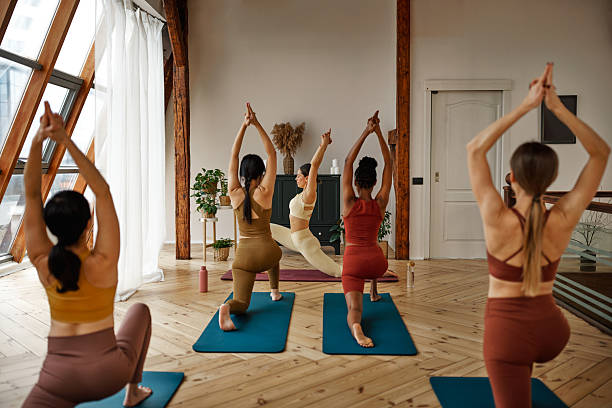
Study Route & Eligibility Criteria

Study Route & Eligibility Criteria
Yoga Instructor
Route 1
๐ŸŽ“
1
10+2 in any stream
๐Ÿ“š
2
Certificate in Yoga Teacher Training
1-3 months
๐Ÿ’ผ
3
Internship or assistant role at yoga studios
๐Ÿ’ผ
4
Practice as Junior Yoga Instructor
Route 2
๐ŸŽ“
1
10+2 in any stream
๐ŸŽ“
2
Diploma in Yoga and Naturopathy
1-2 years
๐Ÿ“š
3
Advanced Yoga Teacher Training
3-6 months
๐Ÿ’ผ
4
Gain experience in studios or wellness centers
๐Ÿ’ผ
5
Work as Yoga Instructor or Specialist
Route 3
๐ŸŽ“
1
10+2 in any stream
๐Ÿ›๏ธ
2
Bachelorโ€™s degree in Yoga Science or Naturopathy
3 years
๐Ÿ’ผ
3
Internship or teaching experience in yoga institutions
๐Ÿ’ผ
4
Work as Yoga Practitioner or Educator
Route 4
๐ŸŽ“
1
10+2 in any stream
๐Ÿ›๏ธ
2
Bachelorโ€™s degree in Yoga Science
3 years
๐Ÿ›๏ธ
3
Masterโ€™s degree in Yoga Therapy or Applied Yoga
2 years
๐Ÿ’ผ
4
Advanced certifications or research roles
๐Ÿ’ผ
5
Practice as Senior Yoga Therapist or Academic Lead
๐ŸŽฏ Yoga Instructor - Professional

Significant Observations (Academic Related Points)

๐Ÿ’ก
Yoga Instructor
Academic Related Points
1
Foundational Knowledge:
Strong understanding of yoga philosophy, anatomy, and physiology is essential for effective teaching.
2
Practical Skills:
Training in asanas, pranayama, and meditation develops core competencies for instruction.
3
Specialized Training:
Certifications from recognized bodies like Yoga Alliance are critical for credibility.
4
Technology Proficiency:
Familiarity with virtual platforms and digital tools is vital for modern teaching.
5
Interdisciplinary Knowledge:
Understanding psychology and nutrition enhances holistic yoga guidance.
6
Certification Importance:
Recognized teacher training programs boost professional recognition.
7
Continuing Education:
Regular updates on yoga research and wellness trends are necessary to stay relevant.
8
Global Standards:
Familiarity with international yoga teaching guidelines enhances opportunities for global roles.
9
Attention to Detail:
Precision in posture correction and safety guidance is critical for student well-being.
10
Entrance Examination Success:
Competitive exams may be required for admission to degree programs in yoga.
11
International Testing Requirements:
Language proficiency tests like IELTS may be needed for global opportunities.
12
MDNIY Entrance Exam:
For admission to Diploma and Bachelorโ€™s programs in Yoga Science at Morarji Desai National Institute of Yoga.
13
SVYASA Entrance Test:
For admission to degree programs in Yoga Therapy at Swami Vivekananda Yoga Anusandhana Samsthana.
14
University-Specific Yoga Entrance Exams (e.g., DevSanskritiVishwavidyalaya Test):
For admission to Bachelorโ€™s and Masterโ€™s programs in Yoga at specific universities.
15
GurukulKangri Entrance Exam:
For admission to Yoga Science programs at Gurukul Kangri Vishwavidyalaya.
16
PatanjaliYogpeeth Admission Test:
For admission to yoga and naturopathy programs at Patanjali Yogpeeth.
17
Merit-Based or Interview Selection:
Many institutes like The Yoga Institute or Kaivalyadhama admit based on prior education or personal interviews rather than entrance exams.
18
TOEFL (Test of English as a Foreign Language):
Minimum score of 80-100 required for non-native speakers applying to yoga training programs in English-speaking countries like the USA, Canada, or Australia.
19
IELTS (International English Language Testing System):
Minimum score of 6.0-6.5 required for admission to yoga teacher training or degree programs in the UK, Australia, and other English-speaking regions.
20
Yoga Alliance Prerequisites:
Many international programs require prior yoga experience or pre-course assignments rather than standardized tests for teacher training.
21
Portfolio or Personal Statement:
Some institutes, like Kripalu or Jivamukti, may require a statement of intent or proof of yoga practice for admission.
22
Interview or Practical Assessment:
Certain international programs assess candidates through live or recorded yoga practice demonstrations or interviews.
23
Country-Specific Requirements:
Some countries may have additional visa or language requirements for international yoga students or trainees.
24
Digital Transformation:
Increasing focus on online yoga platforms and virtual classes for global reach.
25
Rising Demand:
Growing need for Yoga Instructors skilled in therapeutic and mindfulness practices.
26
Technology Impact:
Enhanced use of apps and wearables for personalized yoga tracking and feedback.
27
Interdisciplinary Focus:
Emergence of collaboration with mental health professionals and fitness experts.
28
AI and Wellness Tools:
Adoption of AI for customized yoga plans and posture correction.
29
Global Market Needs:
Development of yoga programs for diverse populations like seniors or children.
30
Compliance-Centric Market:
Use of data to ensure transparency in teaching quality and outcomes.
31
Skill Development Needs:
Growing necessity for training in digital teaching and hybrid class models.
32
Sustainability Focus:
Increased efforts to promote eco-friendly yoga practices and products.
33
Hybrid Teaching Models:
Blending in-person and online yoga for broader accessibility and impact.
34
B.K.S. Iyengar (India):
Founder of Iyengar Yoga, known for precision in alignment and therapeutic applications. His method transformed yoga. His impact shapes global practice.
35
Pattabhi Jois (India):
Developer of Ashtanga Vinyasa Yoga, emphasizing dynamic flow and discipline. His style energizes practitioners. His impact drives modern yoga.
36
T.K.V. Desikachar (India):
Pioneer of therapeutic yoga through Viniyoga, focusing on personalized practice. His teachings heal individuals. His impact advances yoga therapy.
37
Sri Sri Ravi Shankar (India):
Founder of Art of Living, promoting yoga and meditation for stress relief worldwide. His programs reach millions. His impact boosts mindfulness.
38
Baba Ramdev (India):
Popularized yoga through Patanjali Yogpeeth and mass media, making it accessible in India. His sessions inspire health. His impact democratizes yoga.
39
Sharon Gannon (USA):
Co-founder of Jivamukti Yoga, blending spirituality and activism in practice. Her philosophy uplifts communities. Her impact integrates ethics in yoga.
40
Ana Forrest (USA):
Creator of Forrest Yoga, known for healing trauma through intense practice. Her approach restores lives. Her impact redefines therapeutic yoga.
41
Seane Corn (USA):
Yoga activist and instructor, using yoga for social change and emotional healing. Her work inspires action. Her impact ties yoga to advocacy.
42
Rodney Yee (USA):
Renowned instructor, popularized yoga through videos and accessible teaching styles. His content educates globally. His impact broadens yoga reach.
43
Tara Stiles (USA):
Founder of Strala Yoga, focusing on intuitive movement and relaxation over rigid rules. Her style invites freedom. Her impact modernizes yoga practice.

Internships & Practical Exposure

๐Ÿ’ผ
Yoga Instructor
Internships & Practical Experience
1
Mandatory internships during diploma or degree programs at yoga centers or wellness institutes for real-world experience.
2
Rotations in group classes, private sessions, and therapeutic yoga for hands-on exposure to diverse teaching scenarios.
3
Internships under experienced Yoga Instructors for training in class management and student engagement.
4
Observerships at yoga retreats or wellness events for applied teaching insights.
5
Participation in mock yoga sessions for skill development in sequencing and cueing.
6
Training in virtual teaching platforms through real-world projects like online class delivery.
7
Exposure to community yoga programs during internships for skills in outreach and inclusivity.
8
Volunteer roles in local wellness initiatives or festivals to build a teaching portfolio.
9
Community engagement projects for promoting yoga awareness in underserved areas.
10
International yoga training attachments for global exposure to diverse teaching practices.
11
Certificate in Yoga Teacher Training (200/300/500 hours).
12
Diploma in Yoga and Naturopathy or Yogic Sciences.
13
Bachelorโ€™s in Yoga Science or Applied Yoga.
14
Masterโ€™s in Yoga Therapy, Applied Yoga, or Holistic Health.
15
Specialization in Therapeutic Yoga, Prenatal Yoga, or Meditation and Mindfulness.
16
Workshops on Yoga for Stress Management or Restorative Yoga.
17
Training in Yoga for Athletes or Yoga for Mental Health.
18
Specialization in Kidsโ€™ Yoga or Yoga for Seniors.
19
Certification in Ayurveda and Yoga Integration.
20
Short courses in Online Yoga Teaching or Yoga Philosophy.
21
MDNIY Entrance Exam:For admission to Diploma and Bachelorโ€™s programs in Yoga Science at Morarji Desai National Institute of Yoga.
22
SVYASA Entrance Test:For admission to degree programs in Yoga Therapy at Swami Vivekananda Yoga Anusandhana Samsthana.
23
University-Specific Yoga Entrance Exams (e.g., DevSanskritiVishwavidyalaya Test):For admission to Bachelorโ€™s and Masterโ€™s programs in Yoga at specific universities.
24
GurukulKangri Entrance Exam:For admission to Yoga Science programs at Gurukul Kangri Vishwavidyalaya.
25
PatanjaliYogpeeth Admission Test:For admission to yoga and naturopathy programs at Patanjali Yogpeeth.
26
Merit-Based or Interview Selection:Many institutes like The Yoga Institute or Kaivalyadhama admit based on prior education or personal interviews rather than entrance exams.
27
TOEFL (Test of English as a Foreign Language):Minimum score of 80-100 required for non-native speakers applying to yoga training programs in English-speaking countries like the USA, Canada, or Australia.
28
IELTS (International English Language Testing System):Minimum score of 6.0-6.5 required for admission to yoga teacher training or degree programs in the UK, Australia, and other English-speaking regions.
29
Yoga Alliance Prerequisites:Many international programs require prior yoga experience or pre-course assignments rather than standardized tests for teacher training.
30
Portfolio or Personal Statement:Some institutes, like Kripalu or Jivamukti, may require a statement of intent or proof of yoga practice for admission.
31
Interview or Practical Assessment:Certain international programs assess candidates through live or recorded yoga practice demonstrations or interviews.
32
Country-Specific Requirements:Some countries may have additional visa or language requirements for international yoga students or trainees.
33
Yoga studios for teaching group or private classes.
34
Fitness centers and gyms for integrating yoga into fitness programs.
35
Wellness retreats for immersive yoga and meditation experiences.
36
Corporate wellness programs for stress management and employee health.
37
Schools and universities for teaching yoga as part of physical education.
38
Hospitals and clinics for therapeutic yoga in rehabilitation or mental health.
39
Online platforms for virtual yoga classes and global outreach.
40
Community centers for promoting accessible yoga in local areas.
41
Sports teams for yoga-based injury prevention and performance enhancement.
42
Self-employment as freelance instructors or yoga entrepreneurs.
43
Digital Transformation:Increasing focus on online yoga platforms and virtual classes for global reach.
44
Rising Demand:Growing need for Yoga Instructors skilled in therapeutic and mindfulness practices.
45
Technology Impact:Enhanced use of apps and wearables for personalized yoga tracking and feedback.
46
Interdisciplinary Focus:Emergence of collaboration with mental health professionals and fitness experts.
47
AI and Wellness Tools:Adoption of AI for customized yoga plans and posture correction.
48
Global Market Needs:Development of yoga programs for diverse populations like seniors or children.
49
Compliance-Centric Market:Use of data to ensure transparency in teaching quality and outcomes.
50
Skill Development Needs:Growing necessity for training in digital teaching and hybrid class models.
51
Sustainability Focus:Increased efforts to promote eco-friendly yoga practices and products.
52
Hybrid Teaching Models:Blending in-person and online yoga for broader accessibility and impact.
53
Virtual Teaching Platforms (e.g., Zoom, Microsoft Teams) for online yoga classes.
54
Yoga Sequencing Apps (e.g., Tummee, Yoga Class Plan) for designing class flows.
55
Video Editing Tools (e.g., Adobe Premiere Pro, Canva) for creating yoga tutorials.
56
Social Media Management Platforms (e.g., Hootsuite, Buffer) for promoting classes and engagement.
57
Wellness Tracking Apps (e.g., MyFitnessPal, Headspace) for monitoring client progress.
58
Content Management Systems (CMS) (e.g., WordPress) for managing yoga blogs or websites.
59
Live Streaming Tools (e.g., OBS Studio) for real-time online yoga sessions.
60
Booking and Scheduling Software (e.g., Mindbody, Acuity Scheduling) for class management.
61
Cloud Collaboration Platforms (e.g., Google Workspace) for team coordination and resource sharing.
62
Wearable Integration Tools (e.g., Fitbit) for tracking student activity or stress levels.
63
Yoga Alliance, Global.
64
International Association of Yoga Therapists (IAYT), Global.
65
Indian Yoga Association (IYA), India.
66
British Wheel of Yoga (BWY), UK.
67
Yoga Australia, Australia.
68
Canadian Yoga Alliance, Canada.
69
European Union of Yoga (EUY), Europe.
70
Asia-Pacific Yoga Network (APYN), Asia-Pacific.
71
American Yoga Association (AYA), USA.
72
World Yoga Federation (WYF), Global.
73
B.K.S. Iyengar (India):Founder of Iyengar Yoga, known for precision in alignment and therapeutic applications. His method transformed yoga. His impact shapes global practice.
74
Pattabhi Jois (India):Developer of Ashtanga Vinyasa Yoga, emphasizing dynamic flow and discipline. His style energizes practitioners. His impact drives modern yoga.
75
T.K.V. Desikachar (India):Pioneer of therapeutic yoga through Viniyoga, focusing on personalized practice. His teachings heal individuals. His impact advances yoga therapy.
76
Sri Sri Ravi Shankar (India):Founder of Art of Living, promoting yoga and meditation for stress relief worldwide. His programs reach millions. His impact boosts mindfulness.
77
Baba Ramdev (India):Popularized yoga through Patanjali Yogpeeth and mass media, making it accessible in India. His sessions inspire health. His impact democratizes yoga.
78
Sharon Gannon (USA):Co-founder of Jivamukti Yoga, blending spirituality and activism in practice. Her philosophy uplifts communities. Her impact integrates ethics in yoga.
79
Ana Forrest (USA):Creator of Forrest Yoga, known for healing trauma through intense practice. Her approach restores lives. Her impact redefines therapeutic yoga.
80
Seane Corn (USA):Yoga activist and instructor, using yoga for social change and emotional healing. Her work inspires action. Her impact ties yoga to advocacy.
81
Rodney Yee (USA):Renowned instructor, popularized yoga through videos and accessible teaching styles. His content educates globally. His impact broadens yoga reach.
82
Tara Stiles (USA):Founder of Strala Yoga, focusing on intuitive movement and relaxation over rigid rules. Her style invites freedom. Her impact modernizes yoga practice.
83
Build a strong foundation in yoga practice and philosophy to guide others authentically.
84
Seek early exposure to teaching roles through assistantships to confirm interest in yoga instruction.
85
Prepare thoroughly for teacher training programs with recognized bodies like Yoga Alliance.
86
Pursue short courses in therapeutic yoga or mindfulness to gain expertise in niche areas.
87
Stay updated on wellness trends by following resources like Yoga Journal or IAYT publications.
88
Develop hands-on skills in class sequencing and student safety through practical teaching.
89
Engage in internships at yoga studios or wellness centers for real-world teaching experience.
90
Join professional associations like Yoga Alliance or IYA for networking and resources.
91
Work on precision in posture guidance and safety to ensure student trust and well-being.
92
Explore international opportunities for exposure to global yoga teaching standards and styles.
93
Volunteer in community yoga programs or events to understand diverse student needs.
94
Cultivate adaptability to handle varying skill levels and evolving wellness landscapes.
95
Attend continuing education programs to stay abreast of yoga tools and research.
96
Build a network with wellness professionals and instructors for collaborative growth.
97
Develop resilience to manage the physical and emotional demands of teaching yoga.
98
Balance personal practice with teaching passion to adapt to evolving wellness challenges.

Courses & Specializations to Enter the Field

๐Ÿ“š
Yoga Instructor
Courses & Specializations
๐Ÿ“–
Certificate in Yoga Teacher Training (200/300/500 hours).
๐Ÿ“–
Diploma in Yoga and Naturopathy or Yogic Sciences.
๐Ÿ“–
Bachelorโ€™s in Yoga Science or Applied Yoga.
๐Ÿ“–
Masterโ€™s in Yoga Therapy, Applied Yoga, or Holistic Health.
๐Ÿ“–
Specialization in Therapeutic Yoga, Prenatal Yoga, or Meditation and Mindfulness.
๐Ÿ“–
Workshops on Yoga for Stress Management or Restorative Yoga.
๐Ÿ“–
Training in Yoga for Athletes or Yoga for Mental Health.
๐Ÿ“–
Specialization in Kidsโ€™ Yoga or Yoga for Seniors.
๐Ÿ“–
Certification in Ayurveda and Yoga Integration.
๐Ÿ“–
Short courses in Online Yoga Teaching or Yoga Philosophy.
๐Ÿ“–
MDNIY Entrance Exam:For admission to Diploma and Bachelorโ€™s programs in Yoga Science at Morarji Desai National Institute of Yoga.
๐Ÿ“–
SVYASA Entrance Test:For admission to degree programs in Yoga Therapy at Swami Vivekananda Yoga Anusandhana Samsthana.
๐Ÿ“–
University-Specific Yoga Entrance Exams (e.g., DevSanskritiVishwavidyalaya Test):For admission to Bachelorโ€™s and Masterโ€™s programs in Yoga at specific universities.
๐Ÿ“–
GurukulKangri Entrance Exam:For admission to Yoga Science programs at Gurukul Kangri Vishwavidyalaya.
๐Ÿ“–
PatanjaliYogpeeth Admission Test:For admission to yoga and naturopathy programs at Patanjali Yogpeeth.
๐Ÿ“–
Merit-Based or Interview Selection:Many institutes like The Yoga Institute or Kaivalyadhama admit based on prior education or personal interviews rather than entrance exams.
๐Ÿ“–
TOEFL (Test of English as a Foreign Language):Minimum score of 80-100 required for non-native speakers applying to yoga training programs in English-speaking countries like the USA, Canada, or Australia.
๐Ÿ“–
IELTS (International English Language Testing System):Minimum score of 6.0-6.5 required for admission to yoga teacher training or degree programs in the UK, Australia, and other English-speaking regions.
๐Ÿ“–
Yoga Alliance Prerequisites:Many international programs require prior yoga experience or pre-course assignments rather than standardized tests for teacher training.
๐Ÿ“–
Portfolio or Personal Statement:Some institutes, like Kripalu or Jivamukti, may require a statement of intent or proof of yoga practice for admission.
๐Ÿ“–
Interview or Practical Assessment:Certain international programs assess candidates through live or recorded yoga practice demonstrations or interviews.
๐Ÿ“–
Country-Specific Requirements:Some countries may have additional visa or language requirements for international yoga students or trainees.
๐Ÿ“–
Yoga studios for teaching group or private classes.
๐Ÿ“–
Fitness centers and gyms for integrating yoga into fitness programs.
๐Ÿ“–
Wellness retreats for immersive yoga and meditation experiences.
๐Ÿ“–
Corporate wellness programs for stress management and employee health.
๐Ÿ“–
Schools and universities for teaching yoga as part of physical education.
๐Ÿ“–
Hospitals and clinics for therapeutic yoga in rehabilitation or mental health.
๐Ÿ“–
Online platforms for virtual yoga classes and global outreach.
๐Ÿ“–
Community centers for promoting accessible yoga in local areas.
๐Ÿ“–
Sports teams for yoga-based injury prevention and performance enhancement.
๐Ÿ“–
Self-employment as freelance instructors or yoga entrepreneurs.
๐Ÿ“–
Digital Transformation:Increasing focus on online yoga platforms and virtual classes for global reach.
๐Ÿ“–
Rising Demand:Growing need for Yoga Instructors skilled in therapeutic and mindfulness practices.
๐Ÿ“–
Technology Impact:Enhanced use of apps and wearables for personalized yoga tracking and feedback.
๐Ÿ“–
Interdisciplinary Focus:Emergence of collaboration with mental health professionals and fitness experts.
๐Ÿ“–
AI and Wellness Tools:Adoption of AI for customized yoga plans and posture correction.
๐Ÿ“–
Global Market Needs:Development of yoga programs for diverse populations like seniors or children.
๐Ÿ“–
Compliance-Centric Market:Use of data to ensure transparency in teaching quality and outcomes.
๐Ÿ“–
Skill Development Needs:Growing necessity for training in digital teaching and hybrid class models.
๐Ÿ“–
Sustainability Focus:Increased efforts to promote eco-friendly yoga practices and products.
๐Ÿ“–
Hybrid Teaching Models:Blending in-person and online yoga for broader accessibility and impact.
๐Ÿ“–
Virtual Teaching Platforms (e.g., Zoom, Microsoft Teams) for online yoga classes.
๐Ÿ“–
Yoga Sequencing Apps (e.g., Tummee, Yoga Class Plan) for designing class flows.
๐Ÿ“–
Video Editing Tools (e.g., Adobe Premiere Pro, Canva) for creating yoga tutorials.
๐Ÿ“–
Social Media Management Platforms (e.g., Hootsuite, Buffer) for promoting classes and engagement.
๐Ÿ“–
Wellness Tracking Apps (e.g., MyFitnessPal, Headspace) for monitoring client progress.
๐Ÿ“–
Content Management Systems (CMS) (e.g., WordPress) for managing yoga blogs or websites.
๐Ÿ“–
Live Streaming Tools (e.g., OBS Studio) for real-time online yoga sessions.
๐Ÿ“–
Booking and Scheduling Software (e.g., Mindbody, Acuity Scheduling) for class management.
๐Ÿ“–
Cloud Collaboration Platforms (e.g., Google Workspace) for team coordination and resource sharing.
๐Ÿ“–
Wearable Integration Tools (e.g., Fitbit) for tracking student activity or stress levels.
๐Ÿ“–
Yoga Alliance, Global.
๐Ÿ“–
International Association of Yoga Therapists (IAYT), Global.
๐Ÿ“–
Indian Yoga Association (IYA), India.
๐Ÿ“–
British Wheel of Yoga (BWY), UK.
๐Ÿ“–
Yoga Australia, Australia.
๐Ÿ“–
Canadian Yoga Alliance, Canada.
๐Ÿ“–
European Union of Yoga (EUY), Europe.
๐Ÿ“–
Asia-Pacific Yoga Network (APYN), Asia-Pacific.
๐Ÿ“–
American Yoga Association (AYA), USA.
๐Ÿ“–
World Yoga Federation (WYF), Global.
๐Ÿ“–
B.K.S. Iyengar (India):Founder of Iyengar Yoga, known for precision in alignment and therapeutic applications. His method transformed yoga. His impact shapes global practice.
๐Ÿ“–
Pattabhi Jois (India):Developer of Ashtanga Vinyasa Yoga, emphasizing dynamic flow and discipline. His style energizes practitioners. His impact drives modern yoga.
๐Ÿ“–
T.K.V. Desikachar (India):Pioneer of therapeutic yoga through Viniyoga, focusing on personalized practice. His teachings heal individuals. His impact advances yoga therapy.
๐Ÿ“–
Sri Sri Ravi Shankar (India):Founder of Art of Living, promoting yoga and meditation for stress relief worldwide. His programs reach millions. His impact boosts mindfulness.
๐Ÿ“–
Baba Ramdev (India):Popularized yoga through Patanjali Yogpeeth and mass media, making it accessible in India. His sessions inspire health. His impact democratizes yoga.
๐Ÿ“–
Sharon Gannon (USA):Co-founder of Jivamukti Yoga, blending spirituality and activism in practice. Her philosophy uplifts communities. Her impact integrates ethics in yoga.
๐Ÿ“–
Ana Forrest (USA):Creator of Forrest Yoga, known for healing trauma through intense practice. Her approach restores lives. Her impact redefines therapeutic yoga.
๐Ÿ“–
Seane Corn (USA):Yoga activist and instructor, using yoga for social change and emotional healing. Her work inspires action. Her impact ties yoga to advocacy.
๐Ÿ“–
Rodney Yee (USA):Renowned instructor, popularized yoga through videos and accessible teaching styles. His content educates globally. His impact broadens yoga reach.
๐Ÿ“–
Tara Stiles (USA):Founder of Strala Yoga, focusing on intuitive movement and relaxation over rigid rules. Her style invites freedom. Her impact modernizes yoga practice.
๐Ÿ“–
Build a strong foundation in yoga practice and philosophy to guide others authentically.
๐Ÿ“–
Seek early exposure to teaching roles through assistantships to confirm interest in yoga instruction.
๐Ÿ“–
Prepare thoroughly for teacher training programs with recognized bodies like Yoga Alliance.
๐Ÿ“–
Pursue short courses in therapeutic yoga or mindfulness to gain expertise in niche areas.
๐Ÿ“–
Stay updated on wellness trends by following resources like Yoga Journal or IAYT publications.
๐Ÿ“–
Develop hands-on skills in class sequencing and student safety through practical teaching.
๐Ÿ“–
Engage in internships at yoga studios or wellness centers for real-world teaching experience.
๐Ÿ“–
Join professional associations like Yoga Alliance or IYA for networking and resources.
๐Ÿ“–
Work on precision in posture guidance and safety to ensure student trust and well-being.
๐Ÿ“–
Explore international opportunities for exposure to global yoga teaching standards and styles.
๐Ÿ“–
Volunteer in community yoga programs or events to understand diverse student needs.
๐Ÿ“–
Cultivate adaptability to handle varying skill levels and evolving wellness landscapes.
๐Ÿ“–
Attend continuing education programs to stay abreast of yoga tools and research.
๐Ÿ“–
Build a network with wellness professionals and instructors for collaborative growth.
๐Ÿ“–
Develop resilience to manage the physical and emotional demands of teaching yoga.
๐Ÿ“–
Balance personal practice with teaching passion to adapt to evolving wellness challenges.

Prominent Employers

๐Ÿข
Yoga Instructor
๐ŸŒŸ Top Companies & Organizations
๐Ÿ‡ฎ๐Ÿ‡ณ India
๐Ÿ›๏ธ
Art of Living Foundation, Multiple Locations
๐Ÿ›๏ธ
Isha Foundation, Coimbatore
๐Ÿ›๏ธ
Patanjali Yogpeeth, Haridwar
๐Ÿ›๏ธ
The Yoga Institute, Mumbai
๐Ÿ›๏ธ
Swami Vivekananda Yoga Anusandhana Samsthana (SVYASA), Bangalore
๐Ÿ›๏ธ
Kaivalyadhama Yoga Institute, Lonavala
๐Ÿ›๏ธ
Bihar School of Yoga, Munger
๐Ÿ›๏ธ
Cult.fit, Multiple Locations
๐Ÿ›๏ธ
Decathlon India (Wellness Programs), Multiple Locations
๐Ÿ›๏ธ
Fitternity, Digital Platform
๐ŸŒ International
๐ŸŒ
YogaWorks, USA
๐ŸŒ
CorePower Yoga, USA
๐ŸŒ
Kripalu Center for Yoga & Health, USA
๐ŸŒ
Sivananda Yoga Vedanta Centres, Global
๐ŸŒ
Jivamukti Yoga, USA
๐ŸŒ
Triyoga, UK
๐ŸŒ
Himalayan Institute, USA
๐ŸŒ
Pure Yoga, Multiple Countries
๐ŸŒ
Wanderlust, Global
๐ŸŒ
Gaia, Digital Platform (USA)

Advice for Aspiring Yoga Instructors

๐Ÿ’ก
Yoga Instructor
๐ŸŒŸ Tips for Students & Parents
1
Build a strong foundation in yoga practice and philosophy to guide others authentically.
2
Seek early exposure to teaching roles through assistantships to confirm interest in yoga instruction.
3
Prepare thoroughly for teacher training programs with recognized bodies like Yoga Alliance.
4
Pursue short courses in therapeutic yoga or mindfulness to gain expertise in niche areas.
5
Stay updated on wellness trends by following resources like Yoga Journal or IAYT publications.
6
Develop hands-on skills in class sequencing and student safety through practical teaching.
7
Engage in internships at yoga studios or wellness centers for real-world teaching experience.
8
Join professional associations like Yoga Alliance or IYA for networking and resources.
9
Work on precision in posture guidance and safety to ensure student trust and well-being.
10
Explore international opportunities for exposure to global yoga teaching standards and styles.
11
Volunteer in community yoga programs or events to understand diverse student needs.
12
Cultivate adaptability to handle varying skill levels and evolving wellness landscapes.
13
Attend continuing education programs to stay abreast of yoga tools and research.
14
Build a network with wellness professionals and instructors for collaborative growth.
15
Develop resilience to manage the physical and emotional demands of teaching yoga.
16
Balance personal practice with teaching passion to adapt to evolving wellness challenges.
๐ŸŽ“ Final Message
A career as a Yoga Instructor offers a profound opportunity to transform lives, driving progress through mindful practice and holistic care, fostering balance with every session. Yoga Instructors are the architects of well-being, using their skills to empower individuals, address health challenges, and promote mindfulness across diverse settings. This profession blends ancient wisdom with modern wellness, providing pathways in studios, corporates, therapy, and beyond. For those passionate about health and mindfulness, driven by a desire to inspire balance, and eager to embrace the evolving landscape of digital tools and global outreach, becoming a Yoga Instructor is a deeply rewarding journey. It empowers individuals to shape wellness outcomes, address critical health needs, and advance human progress through the transformative power of yoga.
Knowledge & Skills You Will Learn
1
Rising Demand:Growing need for Yoga Instructors skilled in therapeutic and mindfulness practices.
2
Skill Development Needs:Growing necessity for training in digital teaching and hybrid class models.
3
Sustainability Focus:Increased efforts to promote eco-friendly yoga practices and products.
4
Pursue short courses in therapeutic yoga or mindfulness to gain expertise in niche areas.
5
Develop hands-on skills in class sequencing and student safety through practical teaching.
6
Cultivate adaptability to handle varying skill levels and evolving wellness landscapes.
Junior Yoga Instructor:

Junior Yoga Instructor:

Entry-level individuals who assist in teaching basic yoga classes or support senior instructors with group sessions. They gain initial experience...

0.0LPA

Yoga Instructor:

Yoga Instructor:

Early-career professionals who independently lead yoga classes, guide students in asanas, and provide basic wellness advice under mentorship. They...

0.0LPA

Senior Yoga Instructor:

Senior Yoga Instructor:

Mid-level professionals who lead advanced classes, mentor junior instructors, and design specialized yoga programs. They handle diverse student...

0.0LPA
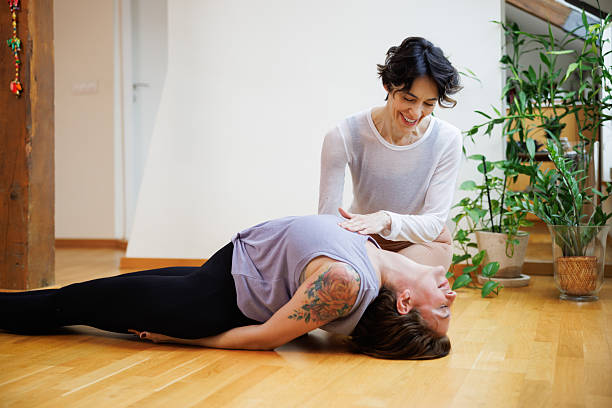
Interested in this career?

Take the next step and explore more about Yoga Instructor.