Thoracic Surgeon

A Thoracic Surgeon is a specialized medical professional who performs surgical procedures on the organs within the chest, including the heart, lungs, esophagus, and other structures in the thoracic cavity. They treat conditions such as lung cancer, heart disease, and esophageal disorders, often managing life-threatening situations. Working in hospitals, cardiac centers, and specialized surgical units, Thoracic Surgeons are pivotal in saving lives and improving respiratory and cardiovascular health. This career falls under the Health Sciences career cluster, emphasizing advanced surgical intervention and critical care.

Share :
โœจ Radial Mind Map - Thoracic Surgeon
Nodes arranged in concentric circles

Loading radial mind map...

Overview

A Thoracic Surgeon is a specialized medical professional who performs surgical procedures on the organs within the chest, including the heart, lungs, esophagus, and other structures in the thoracic cavity. They treat conditions such as lung cancer, heart disease, and esophageal disorders, often managing life-threatening situations. Working in hospitals, cardiac centers, and specialized surgical units, Thoracic Surgeons are pivotal in saving lives and improving respiratory and cardiovascular health. This career falls under the Health Sciences career cluster, emphasizing advanced surgical intervention and critical care.

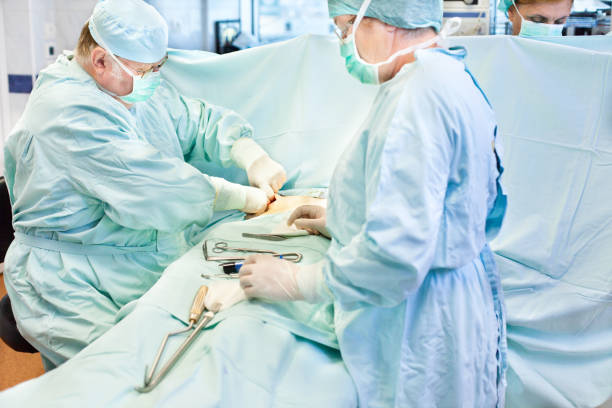
Thoracic Surgeons undertake complex surgeries to address diseases and injuries affecting the chest, employing techniques ranging from open-heart surgeries like coronary artery bypass to minimally invasive procedures like video-assisted thoracoscopic surgery (VATS) for lung conditions. They diagnose issues using advanced imaging, plan intricate operations, and provide post-operative care to ensure recovery. Their expertise is vital in treating cancers, congenital defects, and trauma within the thoracic region, blending precision with life-saving urgency. By focusing on the heart and lungs, they significantly enhance patientsโ€™ survival and quality of life.

Roles and Responsibilities

๐Ÿ’ผ
Thoracic Surgeon
Roles and Responsibilities
Diagnostic Assessment:
Evaluate patients with thoracic conditions using imaging tools like CT scans and MRIs.
Determine the severity of diseases such as lung cancer or heart valve defects for surgical planning.
Surgical Interventions:
Perform major surgeries like lobectomies for lung cancer or heart transplants.
Conduct minimally invasive procedures to reduce recovery time and complications.
Emergency Response:
Manage acute thoracic emergencies such as traumatic chest injuries or cardiac tamponade.
Provide immediate surgical solutions to stabilize critical patients.
Post-Operative Management:
Monitor patients in intensive care units post-surgery for complications like infections.
Develop recovery plans including rehabilitation and medication regimens.
Patient Consultation:
Discuss surgical risks, benefits, and expected outcomes with patients and families.
Educate on lifestyle changes to prevent further thoracic health issues.
Interdisciplinary Collaboration:
Work with cardiologists, oncologists, and pulmonologists for comprehensive treatment.
Coordinate with anesthesiologists and critical care teams during surgeries.
Research and Innovation:
Engage in clinical studies to advance thoracic surgical techniques and outcomes.
Stay updated on technologies like robotic surgery for enhanced precision.
Documentation and Follow-Up:
Maintain detailed surgical records and patient progress reports.
Schedule regular check-ups to assess long-term surgical success and health.

Roles and Responsibilities:

  • Diagnostic Assessment:
    • Evaluate patients with thoracic conditions using imaging tools like CT scans and MRIs.
    • Determine the severity of diseases such as lung cancer or heart valve defects for surgical planning.
  • Surgical Interventions:
    • Perform major surgeries like lobectomies for lung cancer or heart transplants.
    • Conduct minimally invasive procedures to reduce recovery time and complications.
  • Emergency Response:
    • Manage acute thoracic emergencies such as traumatic chest injuries or cardiac tamponade.
    • Provide immediate surgical solutions to stabilize critical patients.
  • Post-Operative Management:
    • Monitor patients in intensive care units post-surgery for complications like infections.
    • Develop recovery plans including rehabilitation and medication regimens.
  • Patient Consultation:
    • Discuss surgical risks, benefits, and expected outcomes with patients and families.
    • Educate on lifestyle changes to prevent further thoracic health issues.
  • Interdisciplinary Collaboration:
    • Work with cardiologists, oncologists, and pulmonologists for comprehensive treatment.
    • Coordinate with anesthesiologists and critical care teams during surgeries.
  • Research and Innovation:
    • Engage in clinical studies to advance thoracic surgical techniques and outcomes.
    • Stay updated on technologies like robotic surgery for enhanced precision.
  • Documentation and Follow-Up:
    • Maintain detailed surgical records and patient progress reports.
    • Schedule regular check-ups to assess long-term surgical success and health.

ย 

Study Route & Eligibility Criteria

Study Route & Eligibility Criteria
Thoracic Surgeon
Route 1
๐ŸŽ“
1
10+2 with Physics, Chemistry, Biology
Route 2
๐ŸŽ“
1
10+2 with Physics, Chemistry, Biology
Route 3
๐ŸŽ“
1
10+2 with Physics, Chemistry, Biology
(International)
๐ŸŽ“
1
10+2 with Physics, Chemistry, Biology
๐ŸŽฏ Thoracic Surgeon - Professional

Internships & Practical Exposure

๐Ÿ’ผ
Thoracic Surgeon
Internships & Practical Experience
1
Surgical rotations in general surgery departments during MBBS internship.
2
Hands-on training in cardiothoracic procedures during postgraduate and super-specialty studies.
3
Participation in emergency thoracic surgeries for trauma and cardiac events.
4
Exposure to minimally invasive techniques in advanced surgical labs.
5
Observerships with esteemed thoracic surgeons for cutting-edge procedural learning.
6
Involvement in managing thoracic oncology cases with multidisciplinary teams.
7
Training in post-operative critical care for thoracic surgery patients.
8
Attendance at cardiothoracic surgery conferences and workshops for professional growth.
9
Collaboration with pulmonologists and cardiologists on complex case management.
10
Experience in using surgical simulation platforms for thoracic procedure practice.

Courses & Specializations to Enter the Field

๐Ÿ“š
Thoracic Surgeon
Courses & Specializations
๐Ÿ“–
MBBS (Bachelor of Medicine and Bachelor of Surgery)
๐Ÿ“–
MS/DNB in General Surgery
๐Ÿ“–
MCh/DNB in Cardiothoracic Surgery
๐Ÿ“–
Fellowship in Thoracic Surgery
๐Ÿ“–
Fellowship in Minimally Invasive Thoracic Surgery
๐Ÿ“–
Certification in Robotic Cardiothoracic Surgery
๐Ÿ“–
Training in Lung Transplant Surgery
๐Ÿ“–
Specialized courses in Esophageal Surgery
๐Ÿ“–
Certification in Pediatric Cardiothoracic Surgery
๐Ÿ“–
Continuing Medical Education in Advanced Thoracic Surgical Techniques

Prominent Employers

๐Ÿข
Thoracic Surgeon
๐ŸŒŸ Top Companies & Organizations
๐Ÿ‡ฎ๐Ÿ‡ณ India
๐Ÿ›๏ธ
All India Institute of Medical Sciences (AIIMS)
๐Ÿ›๏ธ
Apollo Hospitals
๐Ÿ›๏ธ
Fortis Healthcare
๐Ÿ›๏ธ
Max Healthcare
๐Ÿ›๏ธ
Medanta - The Medicity
๐Ÿ›๏ธ
Narayana Institute of Cardiac Sciences
๐Ÿ›๏ธ
Sir Ganga Ram Hospital
๐Ÿ›๏ธ
Kokilaben Dhirubhai Ambani Hospital
๐Ÿ›๏ธ
Manipal Hospitals
๐Ÿ›๏ธ
Christian Medical College (CMC), Vellore
๐ŸŒ International
๐ŸŒ
Mayo Clinic, USA
๐ŸŒ
Johns Hopkins Hospital, USA
๐ŸŒ
Cleveland Clinic, USA
๐ŸŒ
Royal Brompton Hospital, UK
๐ŸŒ
Massachusetts General Hospital, USA
๐ŸŒ
Toronto General Hospital, Canada
๐ŸŒ
The Alfred Hospital, Australia
๐ŸŒ
Charitรฉ - Universitรคtsmedizin, Germany
๐ŸŒ
Singapore General Hospital, Singapore
๐ŸŒ
Texas Heart Institute, USA

Advice for Aspiring Thoracic Surgeons

๐Ÿ’ก
Thoracic Surgeon
๐ŸŒŸ Tips for Students & Parents
1
Build a robust foundation in anatomy and surgical skills during early medical training.
2
Gain broad surgical experience in general surgery before specializing in thoracic care.
3
Focus on mastering diagnostic tools to assess complex thoracic conditions accurately.
4
Pursue super-specialty training in cardiothoracic surgery for advanced expertise.
5
Stay informed about innovations like robotic and minimally invasive thoracic techniques.
6
Develop resilience to manage the intense pressure of critical thoracic emergencies.
7
Network with cardiologists and oncologists for collaborative learning and case management.
8
Enhance rapid decision-making skills for life-saving interventions in urgent scenarios.
9
Explore subspecialties like lung transplantation or thoracic oncology for niche focus.
10
Commit to lifelong learning to keep pace with evolving thoracic surgical advancements.
๐ŸŽ“ Final Message
Venturing into the realm of a Thoracic Surgeon presents a remarkable chance to preserve life by navigating the vital intricacies of the chestโ€™s core organs. These experts serve as champions of survival, employing surgical artistry to mend hearts and lungs under the most demanding circumstances. With opportunities spanning emergency rescues to pioneering research, this discipline appeals to those driven by a relentless pursuit of precision and patient recovery. For anyone eager to embrace the profound responsibility of safeguarding vital functions, thoracic surgery offers an immensely rewarding and dynamic professional voyage.
Knowledge & Skills You Will Learn
1
Surgical mastery to execute precise and complex thoracic procedures with accuracy
2
Diagnostic proficiency to interpret imaging and tests for thoracic condition assessment
3
Technical expertise in using robotic systems and minimally invasive surgical tools
4
Critical decision-making to handle emergencies and unexpected surgical challenges
5
Patient communication to explain high-risk procedures and recovery processes clearly
6
Physical stamina to endure extended hours in intense operating room environments
7
Team collaboration to work effectively with other specialists in multidisciplinary care
8
Problem-solving ability to address intraoperative complications swiftly and effectively
9
Continuous adaptation to incorporate new thoracic surgical techniques and innovations
10
Emotional fortitude to cope with the high-pressure nature of life-saving surgeries
Thoracic Surgeon (General)

Thoracic Surgeon (General)

A General Thoracic Surgeon performs surgeries on the lungs, esophagus, and other chest organs, addressing conditions like lung cancer and...

0.0LPA

Cardiothoracic Surgeon

Cardiothoracic Surgeon

A Cardiothoracic Surgeon specializes in surgeries involving both the heart and thoracic cavity, such as coronary artery bypass grafting and valve...

0.0LPA
Senior Thoracic Surgeon

Senior Thoracic Surgeon

A Senior Thoracic Surgeon handles intricate cases, mentors junior surgeons, and often leads surgical teams in major medical centers. They bring...

0.0LPA

Interested in this career?

Take the next step and explore more about Thoracic Surgeon.