
Textile Technologist

Textile Technology is a specialized field that merges scientific innovation, engineering principles, and creative design to develop, test, and produce textiles for diverse applications ranging from fashion to industrial uses. In India, textile technology is a cornerstone of the nationโ€™s economy, underpinned by a deep-rooted heritage of textile craftsmanship, a massive manufacturing base, and escalating global demand for innovative and sustainable fabrics. With advancements in smart textiles, eco-friendly materials, and automated production, this career is instrumental in redefining how textiles are created and utilized. Textile Technologists are vital for integrating technical expertise with practical solutions, enhancing fabric functionality, and addressing evolving market needs. This profession contributes to industry progress through trends like wearable technology, biodegradable fibers, and digital textile design.
Share :
โœจ Radial Mind Map - Textile Technologist
Nodes arranged in concentric circles

Loading radial mind map...

Overview

Textile Technology is a specialized field that merges scientific innovation, engineering principles, and creative design to develop, test, and produce textiles for diverse applications ranging from fashion to industrial uses. In India, textile technology is a cornerstone of the nationโ€™s economy, underpinned by a deep-rooted heritage of textile craftsmanship, a massive manufacturing base, and escalating global demand for innovative and sustainable fabrics. With advancements in smart textiles, eco-friendly materials, and automated production, this career is instrumental in redefining how textiles are created and utilized. Textile Technologists are vital for integrating technical expertise with practical solutions, enhancing fabric functionality, and addressing evolving market needs. This profession contributes to industry progress through trends like wearable technology, biodegradable fibers, and digital textile design.

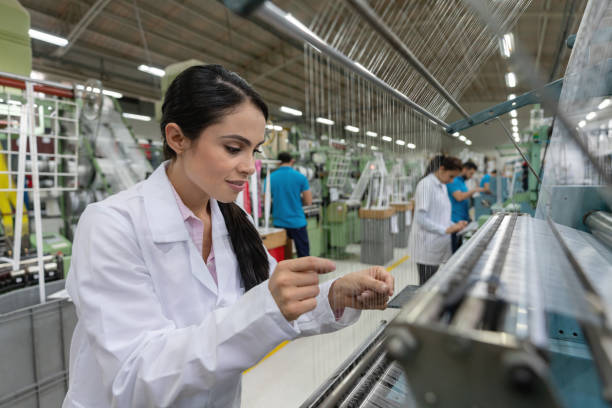
Textile Technologists operate in varied settings such as textile mills, research laboratories, fashion brands, technical textile firms, or as independent consultants, frequently collaborating with designers, engineers, and quality assurance teams. Their responsibilities include researching new materials, optimizing production techniques, ensuring fabric quality, and innovating for specialized applications like medical or automotive textiles. They confront challenges such as adapting to rapid technological shifts, managing production costs, and meeting sustainability demands in Indiaโ€™s competitive textile landscape. By applying proficiency in fiber science, textile engineering, and market analysis, they deliver fabrics that balance performance with aesthetics. As essential contributors to Indiaโ€™s textile and apparel industry, they advance progress through trends like nanotechnology in fabrics, zero-waste production, and digital weaving technologies.

Roles and Responsibilities

๐Ÿ’ผ
Textile Technologist
Roles and Responsibilities
Material Research and Development
Investigate and develop new fibers, yarns, and fabrics, including smart textiles and sustainable alternatives.
Conduct experiments to enhance fabric properties like strength, flexibility, or moisture resistance.
Production Process Enhancement
Design and improve manufacturing processes such as spinning, weaving, knitting, and finishing to boost efficiency.
Integrate automation and advanced technologies to minimize defects and optimize output in textile mills.
Quality Testing and Assurance
Test textiles for durability, colorfastness, shrinkage, and other performance metrics to meet industry standards.
Ensure compliance with client specifications and international quality norms during production cycles.
Innovation in Technical Textiles
Create specialized fabrics for non-apparel uses, such as medical bandages, automotive upholstery, or protective gear.
Collaborate with interdisciplinary teams to embed functionalities like conductivity or antimicrobial properties into textiles.
Sustainability and Environmental Focus
Promote eco-friendly practices by using biodegradable materials, reducing chemical usage, and recycling textile waste.
Ensure adherence to environmental certifications like GOTS (Global Organic Textile Standard) in production.
Trend Analysis and Product Customization
Study global textile trends and consumer preferences to guide fabric development for fashion or industrial sectors.
Customize textile solutions to meet specific client needs or seasonal market demands.
Technical Documentation and Reporting
Document research findings, production processes, and quality reports for internal records and client submissions.
Contribute to patents or industry publications to advance textile technology knowledge.
Training and Industry Collaboration
Train production staff and junior technologists on innovative techniques, machinery, and safety measures.
Partner with research institutes, fashion brands, and tech firms to drive cutting-edge textile solutions.

Roles and Responsibilities

  • Material Research and Development
    • Investigate and develop new fibers, yarns, and fabrics, including smart textiles and sustainable alternatives.
    • Conduct experiments to enhance fabric properties like strength, flexibility, or moisture resistance.
  • Production Process Enhancement
    • Design and improve manufacturing processes such as spinning, weaving, knitting, and finishing to boost efficiency.
    • Integrate automation and advanced technologies to minimize defects and optimize output in textile mills.
  • Quality Testing and Assurance
    • Test textiles for durability, colorfastness, shrinkage, and other performance metrics to meet industry standards.
    • Ensure compliance with client specifications and international quality norms during production cycles.
  • Innovation in Technical Textiles
    • Create specialized fabrics for non-apparel uses, such as medical bandages, automotive upholstery, or protective gear.
    • Collaborate with interdisciplinary teams to embed functionalities like conductivity or antimicrobial properties into textiles.
  • Sustainability and Environmental Focus
    • Promote eco-friendly practices by using biodegradable materials, reducing chemical usage, and recycling textile waste.
    • Ensure adherence to environmental certifications like GOTS (Global Organic Textile Standard) in production.
  • Trend Analysis and Product Customization
    • Study global textile trends and consumer preferences to guide fabric development for fashion or industrial sectors.
    • Customize textile solutions to meet specific client needs or seasonal market demands.
  • Technical Documentation and Reporting
    • Document research findings, production processes, and quality reports for internal records and client submissions.
    • Contribute to patents or industry publications to advance textile technology knowledge.
  • Training and Industry Collaboration
    • Train production staff and junior technologists on innovative techniques, machinery, and safety measures.
    • Partner with research institutes, fashion brands, and tech firms to drive cutting-edge textile solutions.

ย 

Study Route & Eligibility Criteria

Study Route & Eligibility Criteria
Textile Technologist
Bachelorโ€™s in Textile Technology - Direct Entry
๐ŸŽ“
1
Complete 10+2 in Science stream with minimum 50% marks.
๐Ÿ›๏ธ
2
Pursue B.Tech/B.E. in Textile Technology or Engineering .
4 years
๐Ÿ’ผ
3
Join textile firms or manufacturing units after gaining initial experience.
๐Ÿ’ผ
4
Progress to Textile Technologist through technical and research roles.
Diploma to Degree Pathway
๐ŸŽ“
1
Complete 10+2 and enroll in a 1-3 year Diploma in Textile Technology or Textile Engineering.
๐Ÿ›๏ธ
2
Gain lateral entry into degree programs or start working in technical roles.
๐Ÿ“š
3
Build skills through hands-on projects or certifications.
๐Ÿ’ผ
4
Join firms or pursue advanced studies for career advancement.
Masterโ€™s Specialization (M.Tech/M.Sc)
๐Ÿ›๏ธ
1
Complete Bachelorโ€™s in Textile Technology, Textile Engineering, or related field.
๐Ÿ“š
2
Pursue M.Tech in Textile Technology or M.Sc in Textile Science via entrance exams like GATE.
๐ŸŽ“
3
Gain advanced skills through postgraduate research or industry exposure.
๐Ÿ’ผ
4
Join senior roles in textile innovation or start own ventures.
International Education Path
๐ŸŽ“
1
Complete 10+2 and clear relevant entrance exams or language tests .
๐Ÿ›๏ธ
2
Pursue textile technology or engineering degree from international universities .
๐Ÿ’ผ
3
Gain global exposure through international internships or projects.
๐Ÿ’ผ
4
Return to India or work internationally with textile brands.
Short-Term Courses and Practical Entry
๐ŸŽ“
1
Complete 10+2 or basic education in any stream.
๐Ÿ“š
2
Enroll in short-term certificate courses in Textile Technology or Fabric Testing.
3-6 months
๐Ÿ’ผ
3
Work as assistants in textile labs or production units for hands-on learning.
๐Ÿ’ผ
4
Build experience and network to establish roles in firms or freelance work.
๐ŸŽฏ Textile Technologist - Professional

Significant Observations (Academic Related Points)

๐Ÿ’ก
Textile Technologist
Academic Related Points
1
Eligibility Criteria
10+2 in Science stream (PCM preferred) is generally required for B.Tech programs; relevant bachelorโ€™s degree for M.Tech/M.Sc programs with an interest in textiles and innovation.
2
Competitive Examinations
Entrance exams like JEE Main, NIFT, or institute-specific tests are required for premier institutes in India; international programs may require IELTS, TOEFL, or SAT.
3
Practical Skills
Hands-on training in textile labs, fabric testing, and production processes is critical for success.
4
Physical Standards
Not typically mandatory, though roles may require extended hours in lab or factory environments.
5
Technical Knowledge
Proficiency in textile chemistry, engineering software, and material science is essential.
6
Continuous Training
Workshops on smart textiles, sustainable practices, and digital tools are crucial for staying relevant.
7
Field Readiness
Exposure to real-world textile challenges and manufacturing dynamics builds practical competence.
8
Strategic Awareness
Understanding global textile markets and consumer needs aids in material innovation.
9
Scientific and Creative Balance
Combining technical precision with innovative thinking is key to success.
10
Ethical Commitment
Adherence to environmental sustainability and labor ethics builds professional credibility.
11
Teamwork Ability
Collaboration with researchers, designers, and production teams is crucial for project execution.

Courses & Specializations to Enter the Field

๐Ÿ“š
Textile Technologist
Courses & Specializations
๐Ÿ“–
Bachelor of Technology (B.Tech) in Textile Technology for comprehensive training in textile engineering.
๐Ÿ“–
Bachelor of Engineering (B.E.) in Textile Engineering for technical expertise in fabric production.
๐Ÿ“–
Master of Technology (M.Tech) in Textile Technology for advanced research and innovation skills.
๐Ÿ“–
Master of Science (M.Sc) in Textile Science for in-depth material and process studies.
๐Ÿ“–
Diploma in Textile Technology for entry-level practical roles in manufacturing.
๐Ÿ“–
Specialization in Smart Textiles, Sustainable Textile Production, or Technical Textiles.
๐Ÿ“–
Short-term courses on Textile Testing, Fabric Dyeing Techniques, and Digital Textile Design.
๐Ÿ“–
Certifications in Quality Control for Textiles, Textile Chemistry, and Eco-Friendly Production for professional credibility.

Prominent Employers

๐Ÿข
Textile Technologist
๐ŸŒŸ Top Companies & Organizations
๐Ÿ‡ฎ๐Ÿ‡ณ India
๐ŸŒ International

Advice for Aspiring Textile Technologists

๐Ÿ’ก
Textile Technologist
๐ŸŒŸ Tips for Students & Parents
1
Build a strong foundation in textile science, material engineering, and production technology for academic and professional success.
2
Pursue early exposure through lab experiments or industry projects to gain practical experience in fabric development.
3
Create a detailed portfolio showcasing textile innovations, quality testing, or research outcomes.
4
Stay updated on textile technology trends like smart fabrics and sustainability through industry journals and webinars.
5
Develop proficiency in textile software, testing equipment, and data analysis for a competitive advantage.
6
Join reputed institutes like IIT Delhi or international universities for quality education and global connections.
7
Work on resilience to handle rigorous research timelines and high-pressure production environments.
8
Explore entry-level or contract roles in smaller textile units to build experience if corporate positions are delayed.
9
Network with textile professionals and researchers at trade fairs to stay informed and inspired.
10
Cultivate adaptability to manage diverse textile challenges, emerging technologies, and market demands.
11
Focus on societal impact by innovating sustainable and functional textiles that address global needs.
๐ŸŽ“ Final Message
A career in Textile Technology offers a unique opportunity to shape the future of materials by mastering scientific innovation and practical application, fostering progress through cutting-edge textile solutions, and empowering industries with every fabric developed. Textile Technologists are the innovators of Indiaโ€™s textile landscape, using their expertise and passion to ensure advanced material creation across diverse contexts. This profession blends technical mastery with creative exploration, providing pathways in fabric development, quality enhancement, technical textiles, and sustainable production practices. For those passionate about transforming materials through technology, driven by a desire to innovate through functionality, and eager to embrace the evolving landscape of textile challenges, a career as a Textile Technologist is a deeply rewarding journey. It empowers individuals to address performance and environmental needs, enhance material experiences, and advance societal progress through the transformative power of well-engineered textiles.
Knowledge & Skills You Will Learn
1
Technical Proficiency in textile engineering, fibre science, and production processes for fabric development
2
Analytical Expertise to test fabric properties, interpret data, and ensure compliance with quality standards
3
Innovation Skills to research and create new textiles, sustainable materials, and technical applications
4
Problem-Solving Abilities to address production challenges, material defects, or cost inefficiencies
5
Material Knowledge of fibres, yarns, and finishes to optimize fabric performance and aesthetics
6
Project Management to oversee textile development timelines, budgets, and team coordination
7
Market Awareness to align textile innovations with consumer trends and industrial demands
8
Adaptability to incorporate emerging technologies, eco-friendly methods, and market shifts
9
Communication Skills for collaborating with designers, engineers, and clients, and documenting findings
10
Attention to Detail to ensure precision in testing, quality control, and production specifications
Junior Textile Technician (Entry Level)

Junior Textile Technician (Entry Level)

Entry-level professionals who assist in fabric testing, basic production tasks, and data collection in textile mills or labs. They support routine...

0.0LPA

Textile Technologist (Early-Mid Level)

Textile Technologist (Early-Mid Level)

Early-to-mid-level technologists who develop fabrics, manage production segments, and test quality for companies like Welspun India. They handle...

0.0LPA
Senior Textile Technologist (Mid-Level)

Senior Textile Technologist (Mid-Level)

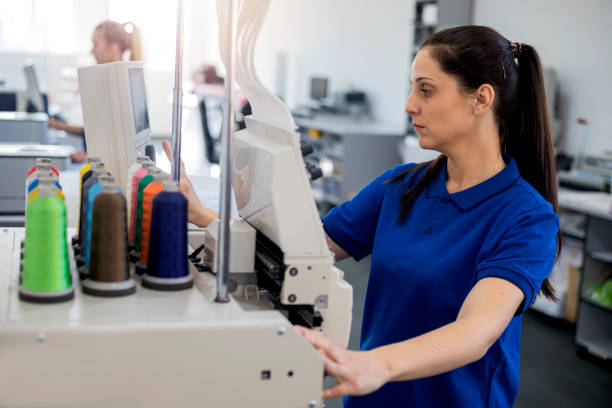
Mid-level experts who lead complex fabric development projects and mentor juniors for firms like Arvind Limited, focusing on advanced...

0.0LPA

Interested in this career?

Take the next step and explore more about Textile Technologist.