Telemedicine Specialist

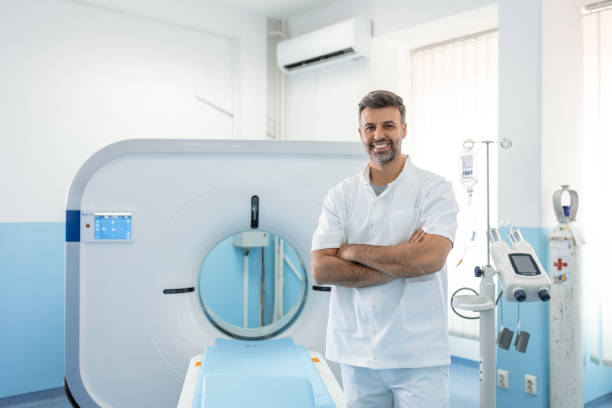
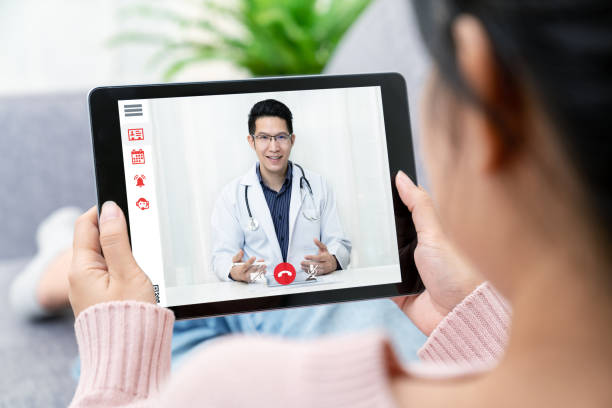
A Telemedicine Specialist is a trained healthcare professional or physician who utilizes telecommunication technologies to provide medical consultations, diagnoses, and treatments remotely. Operating through virtual platforms, they bridge geographical barriers to deliver healthcare services, often working in collaboration with hospitals, clinics, or telemedicine companies. This career falls under the Health Sciences career cluster, emphasizing remote patient care, digital health solutions, and accessibility in modern medical practice. Telemedicine Specialists play a crucial role in expanding healthcare access, particularly in underserved or rural areas, by leveraging technology to manage both routine and urgent medical needs.
Share :
✨ Radial Mind Map - Telemedicine Specialist
Nodes arranged in concentric circles

Loading radial mind map...

Overview

A Telemedicine Specialist is a trained healthcare professional or physician who utilizes telecommunication technologies to provide medical consultations, diagnoses, and treatments remotely. Operating through virtual platforms, they bridge geographical barriers to deliver healthcare services, often working in collaboration with hospitals, clinics, or telemedicine companies. This career falls under the Health Sciences career cluster, emphasizing remote patient care, digital health solutions, and accessibility in modern medical practice. Telemedicine Specialists play a crucial role in expanding healthcare access, particularly in underserved or rural areas, by leveraging technology to manage both routine and urgent medical needs.

Telemedicine Specialists are at the forefront of digital healthcare, providing medical advice, monitoring chronic conditions, and offering follow-up care through video calls, phone consultations, and online platforms. Their work involves assessing patient symptoms remotely, prescribing medications when appropriate, referring patients to in-person care when needed, and educating individuals on health management. They often operate in flexible, technology-driven environments, balancing patient interaction with digital documentation. These specialists are integral to modern healthcare systems, ensuring continuity of care, reducing hospital overcrowding, and improving health outcomes in regions with limited access to traditional medical facilities.

Roles and Responsibilities

💼
Telemedicine Specialist
Roles and Responsibilities
Remote Patient Consultation
Conduct virtual appointments to assess patient symptoms and medical histories via video or audio platforms.
Provide medical advice and guidance for non-emergency conditions.
Diagnosis and Treatment Planning
Diagnose common ailments based on patient-reported symptoms and available digital diagnostics.
Prescribe medications or recommend treatments within the scope of telemedicine guidelines.
Chronic Disease Management
Monitor patients with chronic conditions like diabetes or hypertension through regular virtual check-ins.
Adjust treatment plans based on remote health data or wearable device feedback.
Patient Referral and Coordination
Identify cases requiring in-person care and refer patients to specialists or local facilities.
Coordinate with healthcare teams to ensure seamless transitions between virtual and physical care.
Health Education and Counseling
Educate patients on preventive care, lifestyle modifications, and medication adherence via digital channels.
Offer mental health support or counseling for stress, anxiety, or other concerns.
Digital Documentation
Maintain accurate electronic health records (EHR) of virtual consultations for legal and medical purposes.
Ensure data privacy and compliance with telemedicine regulations like HIPAA or Indian telemedicine guidelines.
Technology Integration
Utilize telemedicine platforms, mobile apps, and remote monitoring tools to deliver care.
Troubleshoot minor technical issues during consultations to ensure smooth patient interaction.
Emergency Triage Support
Provide initial guidance for urgent cases, advising patients on whether to seek immediate in-person care.
Collaborate with emergency services for critical situations when necessary.
Training and Collaboration
Train other healthcare providers or staff on telemedicine tools and protocols.
Work with multidisciplinary teams to integrate telemedicine into broader healthcare systems.

Roles and Responsibilities

  • Remote Patient Consultation:
    • Conduct virtual appointments to assess patient symptoms and medical histories via video or audio platforms.
    • Provide medical advice and guidance for non-emergency conditions.
  • Diagnosis and Treatment Planning:
    • Diagnose common ailments based on patient-reported symptoms and available digital diagnostics.
    • Prescribe medications or recommend treatments within the scope of telemedicine guidelines.
  • Chronic Disease Management:
    • Monitor patients with chronic conditions like diabetes or hypertension through regular virtual check-ins.
    • Adjust treatment plans based on remote health data or wearable device feedback.
  • Patient Referral and Coordination:
    • Identify cases requiring in-person care and refer patients to specialists or local facilities.
    • Coordinate with healthcare teams to ensure seamless transitions between virtual and physical care.
  • Health Education and Counseling:
    • Educate patients on preventive care, lifestyle modifications, and medication adherence via digital channels.
    • Offer mental health support or counseling for stress, anxiety, or other concerns.
  • Digital Documentation:
    • Maintain accurate electronic health records (EHR) of virtual consultations for legal and medical purposes.
    • Ensure data privacy and compliance with telemedicine regulations like HIPAA or Indian telemedicine guidelines.
  • Technology Integration:
    • Utilize telemedicine platforms, mobile apps, and remote monitoring tools to deliver care.
    • Troubleshoot minor technical issues during consultations to ensure smooth patient interaction.
  • Emergency Triage Support:
    • Provide initial guidance for urgent cases, advising patients on whether to seek immediate in-person care.
    • Collaborate with emergency services for critical situations when necessary.
  • Training and Collaboration:
    • Train other healthcare providers or staff on telemedicine tools and protocols.
    • Work with multidisciplinary teams to integrate telemedicine into broader healthcare systems.


Study Route & Eligibility Criteria

Study Route & Eligibility Criteria
Telemedicine Specialist
(Medical Path)
🎓
1
10+2 with Physics, Chemistry, Biology
🏛️
2
MBBS degree
📚
3
MD/MS in a relevant field like General Medicine or Family Medicine
3 years
📚
4
Certification or short course in Telemedicine
3-6 months
(Allied Health Path)
🎓
1
10+2 with Science or any stream
🏛️
2
Bachelor’s degree in Nursing, Pharmacy, or Allied Health Sciences
3-4 years
🎓
3
Certificate or Diploma in Telemedicine or Digital Health
3-6 months
💼
4
Practical training in virtual healthcare delivery
(Technology-Focused Path)
🎓
1
10+2 with Science or IT stream
🏛️
2
Bachelor’s degree in Health Informatics, IT, or related field
3-4 years
📚
3
Certificate in Telemedicine Technology or Digital Health
3-6 months
💼
4
On-the-job training with telemedicine providers
(Short-Term Vocational Path)
🎓
1
10+2 or equivalent
📚
2
Certificate course in Telemedicine or e-Health
1-3 months
💼
3
Internship or practical exposure with telemedicine platforms
💼
4
Entry-level roles with additional on-the-job learning
(International Path)
🎓
1
10+2 with Physics, Chemistry, Biology
🏛️
2
MBBS or equivalent degree
📚
3
International licensing exams like USMLE/PLAB
💼
4
Specialized training or certification in Telemedicine
3-6 months
🎯 Telemedicine Specialist - Professional

Significant Observations (Academic Related Points)

💡
Telemedicine Specialist
Academic Related Points
1
Varied Entry Points
Offers multiple pathways, from medical degrees to vocational certificates, depending on the desired role (clinical vs. technical).
2
Technology-Driven Role
Requires familiarity with digital tools and platforms alongside healthcare knowledge.
3
Flexible Training Duration
Ranges from 1-3 months for vocational certificates to 9-12 years for full medical qualifications.
4
Remote Work Opportunities
Often allows for work-from-home or hybrid setups, unlike traditional medical roles.
5
Regulatory Awareness
Necessitates understanding of telemedicine laws and patient privacy guidelines.
6
Interdisciplinary Scope
Combines elements of medicine, technology, and patient communication.
7
Growing Accessibility Focus
Emphasizes healthcare delivery to rural and underserved populations.
8
Continuous Learning
Requires staying updated on digital health advancements and telemedicine protocols.
9
Patient Interaction Skills
Demands strong virtual communication to build trust without physical presence.
10
Scalable Impact
Plays a key role in public health by expanding access during pandemics or crises.

Internships & Practical Exposure

💼
Telemedicine Specialist
Internships & Practical Experience
1
Virtual internships with telemedicine platforms like Practo or Apollo Telehealth for hands-on experience.
2
Clinical rotations in hospitals with telemedicine departments during MBBS or nursing training.
3
Exposure to electronic health record (EHR) systems for documentation practice.
4
Participation in online patient consultation simulations to develop virtual bedside manners.
5
Training in remote monitoring tools and wearable health devices for chronic disease management.
6
Observerships with established telemedicine providers for real-world case handling.
7
Involvement in public health campaigns using telemedicine for rural outreach.
8
Attendance at digital health conferences and workshops for industry insights.
9
Collaboration with IT teams to understand telemedicine software and troubleshooting.
10
Exposure to mental health telemedicine platforms for counseling practice.

Courses & Specializations to Enter the Field

📚
Telemedicine Specialist
Courses & Specializations
📖
MBBS (Bachelor of Medicine and Bachelor of Surgery)
📖
MD in General Medicine or Family Medicine
📖
Bachelor of Science in Nursing (B.Sc. Nursing)
📖
Bachelor’s in Health Informatics or Digital Health
📖
Certificate in Telemedicine and e-Health
📖
Diploma in Digital Health and Telemedicine Technology
📖
Certification in Remote Patient Monitoring
📖
Short Course in Telemedicine Ethics and Legal Guidelines
📖
Training in Health Information Technology (HIT)
📖
Continuing Medical Education in Telehealth Innovations

Prominent Employers

🏢
Telemedicine Specialist
🌟 Top Companies & Organizations
🇮🇳 India
🏛️
Apollo Telehealth
🏛️
Practo
🏛️
1mg (Tata Digital)
🏛️
Fortis Healthcare (Telemedicine Division)
🏛️
Medanta Telemedicine
🏛️
Max Healthcare (Digital Health)
🏛️
Lybrate
🏛️
Narayana Health (e-Health)
🏛️
Aster Telehealth
🏛️
Portea Medical
🌍 International
🌐
Teladoc Health, USA
🌐
Amwell, USA
🌐
Doctor on Demand, USA
🌐
Babylon Health, UK
🌐
MDLive, USA
🌐
HealthTap, USA
🌐
Maple, Canada
🌐
Push Doctor, UK
🌐
Kry, Sweden
🌐
Ping An Good Doctor, China

Advice for Aspiring Telemedicine Specialists

💡
Telemedicine Specialist
🌟 Tips for Students & Parents
1
Build a strong foundation in healthcare or IT, depending on your career path.
2
Gain early exposure to telemedicine platforms through internships or volunteering.
3
Develop virtual communication skills to connect with patients effectively.
4
Pursue certifications in telemedicine to enhance credibility and expertise.
5
Stay updated on digital health trends and regulatory changes in telehealth.
6
Network with telemedicine professionals for mentorship and opportunities.
7
Focus on patient privacy and ethical considerations in virtual care.
8
Learn to troubleshoot basic technical issues for seamless consultations.
9
Consider specializing in high-demand areas like mental health or chronic care.
10
Maintain a balance between clinical knowledge and technological proficiency.
🎓 Final Message
A career as a Telemedicine Specialist offers a unique opportunity to be at the forefront of digital healthcare, addressing medical needs through innovative technology and remote access. These professionals are essential in expanding healthcare reach, blending clinical expertise with digital tools to provide compassionate and efficient care. With opportunities spanning telemedicine platforms, hospitals, and public health initiatives, this field is ideal for those passionate about healthcare accessibility and technological integration. For individuals ready to embrace the future of medicine, telemedicine presents a profoundly impactful and flexible path in a world increasingly reliant on digital solutions.
Knowledge & Skills You Will Learn
1
Proficiency in using telemedicine platforms, EHR systems, and remote monitoring tools for effective virtual care
2
Understanding of medical conditions, diagnostics, and treatment options to provide accurate remote consultations
3
Ability to convey empathy and clarity over virtual mediums to build patient trust and understanding
4
Capacity to address technical issues or diagnostic limitations during remote consultations creatively
5
Focus on personalized health advice and education tailored to individual needs via digital channels
6
Efficiency in handling multiple virtual appointments while maintaining quality and documentation
7
Knowledge of telemedicine laws, patient privacy (e.g., HIPAA), and ethical guidelines for remote care
8
Flexibility to keep up with evolving digital health tools and changing healthcare regulations
9
Skill to work with IT staff, clinicians, and administrators to integrate telemedicine services
10
Understanding diverse patient backgrounds to provide inclusive and respectful virtual care
Telemedicine Assistant

Telemedicine Assistant

Supports telemedicine operations by scheduling virtual appointments, assisting with patient data entry, and ensuring smooth technical setup for...

0.0LPA
Telemedicine Technician

Telemedicine Technician

Manages the technical aspects of telemedicine platforms, troubleshooting software issues, and integrating remote monitoring tools for patient...

0.0LPA

Junior Telemedicine Specialist

Junior Telemedicine Specialist

Conducts basic virtual consultations for non-complex cases, often under supervision, while gaining experience in remote diagnostics and patient...

0.0LPA

Interested in this career?

Take the next step and explore more about Telemedicine Specialist.