Substance Abuse Counsellor

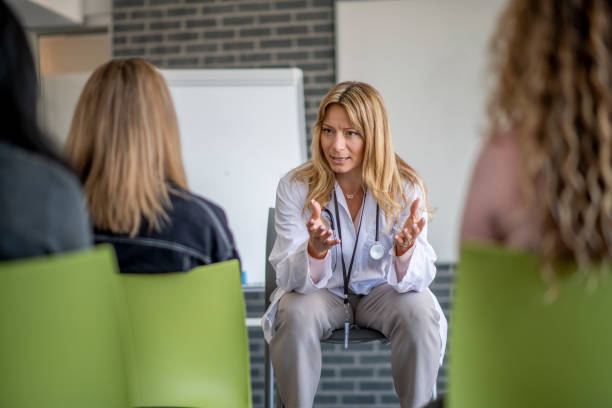
A Substance Abuse Counsellor is a dedicated professional who supports individuals struggling with addiction to drugs, alcohol, or other substances, helping them achieve recovery through therapeutic interventions, emotional support, and personalized treatment plans. They work in rehabilitation centers, hospitals, community organizations, and private practices, collaborating with psychologists, social workers, and medical professionals to address the complex needs of clients and promote long-term wellness. Substance Abuse Counsellors play a vital role in improving lives and communities in an era where addiction is a growing public health concern, requiring compassionate and evidence-based approaches to rehabilitation.

Share :
โœจ Radial Mind Map - Substance Abuse Counsellor
Nodes arranged in concentric circles

Loading radial mind map...

Overview

A Substance Abuse Counsellor is a dedicated professional who supports individuals struggling with addiction to drugs, alcohol, or other substances, helping them achieve recovery through therapeutic interventions, emotional support, and personalized treatment plans. They work in rehabilitation centers, hospitals, community organizations, and private practices, collaborating with psychologists, social workers, and medical professionals to address the complex needs of clients and promote long-term wellness. Substance Abuse Counsellors play a vital role in improving lives and communities in an era where addiction is a growing public health concern, requiring compassionate and evidence-based approaches to rehabilitation.

Substance Abuse Counsellors are empathetic practitioners who guide clients through the challenges of addiction, employing counselling techniques, behavioural therapies, and support systems to help individuals overcome dependency and rebuild their lives. Their work involves assessing clientsโ€™ needs, developing tailored recovery plans, and providing ongoing emotional and psychological support to prevent relapse. Operating in diverse settings such as inpatient facilities, outpatient clinics, or community outreach programs, they combine active listening, clinical knowledge, and a deep commitment to client well-being to facilitate transformative change. As key contributors to health and rehabilitation science, Substance Abuse Counsellors drive progress in a landscape increasingly focused on mental health, addiction recovery, and holistic care.


Roles and Responsibilities

๐Ÿ’ผ
Substance Abuse Counsellor
Roles and Responsibilities
Client Assessment and Evaluation:
Conduct initial assessments to understand the severity of addiction, co-occurring mental health issues, and personal circumstances.
Use standardized tools and interviews to identify triggers, patterns, and underlying causes of substance abuse.
Development of Treatment Plans:
Create individualized recovery plans incorporating therapy, coping strategies, and lifestyle changes to support sobriety.
Set achievable goals with clients to track progress and adjust interventions as needed.
Therapeutic Counselling:
Provide one-on-one and group counselling sessions using evidence-based approaches like Cognitive Behavioural Therapy (CBT) or Motivational Interviewing (MI).
Help clients develop skills to manage cravings, stress, and emotional challenges associated with recovery.
Support and Relapse Prevention:
Offer ongoing emotional support and guidance to help clients maintain sobriety and navigate life post-rehabilitation.
Teach relapse prevention techniques and connect clients with support groups like Alcoholics Anonymous (AA) or Narcotics Anonymous (NA).
Collaboration with Healthcare Teams:
Work alongside psychologists, psychiatrists, and medical staff to address dual diagnoses (addiction and mental health disorders).
Coordinate with social workers or family therapists to involve loved ones in the recovery process when appropriate.
Education and Advocacy:
Educate clients, families, and communities about addiction, its effects, and the importance of seeking help.
Advocate for policies and resources that improve access to addiction treatment and reduce stigma.
Documentation and Follow-Up:
Maintain detailed records of client progress, treatment plans, and session outcomes for accountability and continuity of care.
Conduct follow-up sessions or check-ins to monitor long-term recovery and provide additional support if needed.
Crisis Intervention:
Respond to emergencies or crises, such as overdose risks or severe withdrawal symptoms, by connecting clients to immediate medical or psychiatric care.
Provide de-escalation techniques and emotional stabilization during high-stress situations.

Roles and Responsibilities:

  • Client Assessment and Evaluation:
    • Conduct initial assessments to understand the severity of addiction, co-occurring mental health issues, and personal circumstances.
    • Use standardized tools and interviews to identify triggers, patterns, and underlying causes of substance abuse.
  • Development of Treatment Plans:
    • Create individualized recovery plans incorporating therapy, coping strategies, and lifestyle changes to support sobriety.
    • Set achievable goals with clients to track progress and adjust interventions as needed.
  • Therapeutic Counselling:
    • Provide one-on-one and group counselling sessions using evidence-based approaches like Cognitive Behavioural Therapy (CBT) or Motivational Interviewing (MI).
    • Help clients develop skills to manage cravings, stress, and emotional challenges associated with recovery.
  • Support and Relapse Prevention:
    • Offer ongoing emotional support and guidance to help clients maintain sobriety and navigate life post-rehabilitation.
    • Teach relapse prevention techniques and connect clients with support groups like Alcoholics Anonymous (AA) or Narcotics Anonymous (NA).
  • Collaboration with Healthcare Teams:
    • Work alongside psychologists, psychiatrists, and medical staff to address dual diagnoses (addiction and mental health disorders).
    • Coordinate with social workers or family therapists to involve loved ones in the recovery process when appropriate.
  • Education and Advocacy:
    • Educate clients, families, and communities about addiction, its effects, and the importance of seeking help.
    • Advocate for policies and resources that improve access to addiction treatment and reduce stigma.
  • Documentation and Follow-Up:
    • Maintain detailed records of client progress, treatment plans, and session outcomes for accountability and continuity of care.
    • Conduct follow-up sessions or check-ins to monitor long-term recovery and provide additional support if needed.
  • Crisis Intervention:
    • Respond to emergencies or crises, such as overdose risks or severe withdrawal symptoms, by connecting clients to immediate medical or psychiatric care.
    • Provide de-escalation techniques and emotional stabilization during high-stress situations.

ย 

Study Route & Eligibility Criteria

Study Route & Eligibility Criteria
Substance Abuse Counsellor
Route 1
๐ŸŽ“
1
10+2 in any stream
Route 2
๐ŸŽ“
1
10+2 in any stream
Route 3
๐ŸŽ“
1
10+2 in any stream
Route 4
๐ŸŽ“
1
10+2 in any stream
๐ŸŽฏ Substance Abuse Counsellor - Professional

Significant Observations (Academic Related Points)

๐Ÿ’ก
Substance Abuse Counsellor
Academic Related Points
1
Psychological Foundation:
A strong base in psychology, human behaviour, and mental health principles is crucial for Substance Abuse Counsellors.
2
Empathetic Mindset:
Skills in understanding emotions and building trust are essential for effective client relationships.
3
Specialized Training:
Certifications or diplomas in addiction counselling provide focused expertise in substance abuse recovery.
4
Therapeutic Competence:
Familiarity with evidence-based therapies like CBT or MI enhances counselling effectiveness.
5
Interdisciplinary Knowledge:
Understanding social work, psychiatry, or public health broadens support capabilities.
6
Certification Importance:
Recognized credentials or licensure boost professional credibility in a sensitive field.
7
Continuing Education:
Workshops on new addiction treatment methods or trauma-informed care are necessary to stay updated.
8
Ethical Standards:
Adherence to confidentiality and ethical guidelines is critical in handling sensitive client information.
9
Attention to Detail:
Precision in assessing client needs and documenting progress ensures tailored and effective interventions.
10
Career Preparation:
Competitive roles often require practical experience, supervised internships, or specialized training.
11
Global Opportunities:
Cultural sensitivity and language skills open doors to international roles in addiction support.

Internships & Practical Exposure

๐Ÿ’ผ
Substance Abuse Counsellor
Internships & Practical Experience
1
Participation in internships at rehabilitation centers during or after academic programs for hands-on experience with addiction recovery processes.
2
Involvement in university-led mental health projects focusing on substance abuse prevention or intervention for practical learning.
3
Assisting senior counsellors in clinics or community programs to gain insights into client assessment and therapeutic techniques.
4
Observerships with hospitals or NGOs for exposure to applied addiction counselling in diverse settings.
5
Participation in workshops or support group facilitation for skill development and professional networking.
6
Training through collaborative projects like community outreach or addiction awareness campaigns for real-world exposure.
7
Exposure to industry-standard practices such as conducting group therapy sessions or using assessment tools.
8
Project-based learning in specialized areas like adolescent addiction, dual diagnosis, or relapse prevention for focused experience.
9
Community health initiatives to apply counselling knowledge in practical settings like de-addiction drives.
10
International volunteering or online addiction counselling courses for exposure to global addiction challenges and approaches.

Courses & Specializations to Enter the Field

๐Ÿ“š
Substance Abuse Counsellor
Courses & Specializations
๐Ÿ“–
Bachelor of Arts/Science (B.A./B.Sc.) in Psychology, Social Work, or Counselling.
๐Ÿ“–
Master of Arts/Science (M.A./M.Sc.) in Counselling Psychology, Clinical Psychology, or Social Work.
๐Ÿ“–
Ph.D. or M.Phil. in Psychology or Counselling.
๐Ÿ“–
Specialization in Addiction Counselling or Substance Abuse Rehabilitation.
๐Ÿ“–
Certification in Addiction Counselling or Behavioural Therapy.
๐Ÿ“–
Training in Trauma-Informed Care or Motivational Interviewing.
๐Ÿ“–
Workshops on Dual Diagnosis (Addiction and Mental Health).
๐Ÿ“–
Short Courses in Relapse Prevention Strategies.
๐Ÿ“–
Advanced Training in Group Therapy for Addiction Recovery.
๐Ÿ“–
Courses in Family Therapy and Addiction Support.

Prominent Employers

๐Ÿข
Substance Abuse Counsellor
๐ŸŒŸ Top Companies & Organizations
๐Ÿ‡ฎ๐Ÿ‡ณ India
๐Ÿ›๏ธ
National Institute of Mental Health and Neurosciences (NIMHANS), Bangalore
๐Ÿ›๏ธ
All India Institute of Medical Sciences (AIIMS), Delhi
๐Ÿ›๏ธ
Tata Institute of Social Sciences (TISS), Mumbai
๐Ÿ›๏ธ
De-addiction Centres under Ministry of Social Justice and Empowerment, India
๐Ÿ›๏ธ
Sankalp Rehabilitation Trust, Mumbai
๐Ÿ›๏ธ
Kripa Foundation, Mumbai
๐Ÿ›๏ธ
The Banyan, Chennai
๐Ÿ›๏ธ
T.T. Ranganathan Clinical Research Foundation, Chennai
๐Ÿ›๏ธ
Hope Trust, Hyderabad
๐Ÿ›๏ธ
Anatta Rehabilitation Centre, Pune
๐ŸŒ International
๐ŸŒ
Mayo Clinic, USA
๐ŸŒ
Hazelden Betty Ford Foundation, USA
๐ŸŒ
Priory Group, UK
๐ŸŒ
Caron Treatment Centers, USA
๐ŸŒ
Odyssey House, Australia
๐ŸŒ
Phoenix House, USA
๐ŸŒ
Turning Point, UK
๐ŸŒ
Canadian Centre on Substance Use and Addiction, Canada
๐ŸŒ
St. Jude Retreat, USA
๐ŸŒ
Crossroads Centre, Antigua (Global Outreach)

Advice for Aspiring Substance Abuse Counsellors

๐Ÿ’ก
Substance Abuse Counsellor
๐ŸŒŸ Tips for Students & Parents
1
Develop a solid grounding in psychology and mental health principles to address addiction complexities.
2
Seek early exposure through internships or volunteer roles in rehabilitation to confirm dedication to this field.
3
Prepare thoroughly for entrance exams or university-specific tests to gain admission to reputable programs.
4
Pursue specialized training in addiction counselling or trauma care for a distinct professional advantage.
5
Stay informed on therapeutic advancements by attending workshops and reading mental health literature.
6
Build practical skills by assisting in small-scale counselling sessions or community outreach programs.
7
Engage in public health or addiction awareness initiatives to apply knowledge in meaningful ways.
8
Join professional associations like NAADAC or IACP for networking and access to critical resources.
9
Cultivate emotional resilience to handle the intense, often challenging nature of addiction recovery work.
10
Explore international volunteering or training to understand diverse cultural perspectives on addiction.
11
Volunteer in de-addiction centers or support groups to grasp real-world client dynamics and needs.
12
Enhance empathetic and analytical skills to address unique client challenges in substance abuse recovery.
13
Participate in continuing education to keep abreast of evolving counselling techniques and tools.
14
Build connections with counsellors, psychologists, and healthcare providers for collaborative growth.
15
Maintain perseverance to manage emotional burnout and the unpredictability of client progress.
16
Balance academic learning with hands-on experience to adapt to the dynamic field of addiction support.
๐ŸŽ“ Final Message
Pursuing a career as a Substance Abuse Counsellor opens a unique pathway to transform lives, offering hope and healing to those battling addiction through compassionate guidance and therapeutic expertise. From facilitating personal recovery to strengthening community resilience, Substance Abuse Counsellors are pivotal in combating a pervasive health crisis. This profession blends deep empathy, clinical insight, and a resolute dedication to fostering positive change, presenting varied opportunities in rehabilitation, healthcare, and advocacy. For those inspired by the prospect of aiding others through their darkest struggles, ready to embrace evolving therapeutic practices, and committed to making a tangible difference in mental health, a career as a Substance Abuse Counsellor offers an incredibly fulfilling and impactful professional journey, with the capacity to reshape individual destinies and societal well-being through the power of recovery.
Knowledge & Skills You Will Learn
1
Expertise in addiction counselling techniques like CBT, MI, or 12-step facilitation with sensitivity
2
Empathetic listening to build trust and understand clientsโ€™ emotional and psychological struggles
3
In-depth knowledge of substance abuse, mental health disorders, and recovery processes for informed interventions
4
Assessment skills to evaluate addiction severity, triggers, and co-occurring conditions accurately
5
Crisis management to handle emergencies like overdose risks or severe emotional distress effectively
6
Cultural competence to work with diverse populations and respect individual backgrounds in treatment
7
Adaptability to tailor approaches based on client needs or evolving therapeutic practices
8
Collaboration skills for working with healthcare teams, families, and support networks in recovery plans
9
Problem-solving ability to address barriers to recovery, such as social stigma or lack of resources
10
Communication skills to convey empathy, educate clients, and advocate for addiction support services
Junior Counsellor

Junior Counsellor

Early-career professionals assist in client intake, basic counselling, and support under supervision, gaining experience in addiction recovery...

0.0LPA
Substance Abuse Counsellor

Substance Abuse Counsellor

Specialists provide direct counselling to individuals with addiction, developing treatment plans and facilitating therapy sessions. They work...

0.0LPA

Senior Substance Abuse Counsellor

Senior Substance Abuse Counsellor

Experienced counsellors manage complex cases, often specializing in dual diagnosis or specific substances, guiding junior staff and leading group...

0.0LPA

Interested in this career?

Take the next step and explore more about Substance Abuse Counsellor.