Armed Forces Medical Services (AFMS)
Medical Officer (Lieutenant/Captain)
Explore Career
A Sub-Divisional Magistrate (SDM) is an administrative officer dedicated to serving as the chief executive and judicial authority of a sub-division within a district under the Government of India, overseeing governance, law and order, revenue administration, and public welfare at the sub-district level. They work in sectors such as sub-divisional administration, disaster management, public health, and rural development, collaborating with district officials, local bodies, and law enforcement agencies. Sub-Divisional Magistrates play a critical role in driving effective governance and societal development in a country focused on policy implementation, public safety, and equitable progress at the grassroots level.

Sub-Divisional Magistrates (SDMs) are civil servants responsible for managing all aspects of sub-divisional administration, ensuring the implementation of state and central government policies, maintaining law and order, and addressing challenges like poverty, infrastructure deficits, and public grievances within their jurisdiction. Their role involves tactical decision-making, field oversight, and public engagement, often working in settings such as sub-divisional offices, field locations, or during emergency operations. They combine expertise in governance, legal authority, and crisis management to tackle issues like bureaucratic inefficiencies, resource disparities, and local disputes. As key contributors to societal advancement, they help state governments and communities thrive in an era prioritizing inclusive development, transparency, and responsive public administration.
| Route | Steps |
| Route 1 |
1. 10+2 in any stream (Science/Commerce/Arts). 2. Bachelor’s degree in any discipline from a recognized university (3-5 years). 3. Prepare for civil services exams conducted by UPSC or State Public Service Commissions (1-2 years). 4. Clear preliminary, mains, and interview stages to secure entry-level roles in IAS or State Civil Services, progressing to SDM (2-5 years of service). |
| Route 2 |
1. 10+2 in any stream (Science/Commerce/Arts). 2. Bachelor’s degree in any discipline from a recognized university (3-5 years). 3. Pursue optional diploma or certificate courses in public administration or governance (6 months-1 year, optional). 4. Prepare for and clear UPSC Civil Services Exam or State PSC exams (1-2 years). 5. Join as an IAS or State Civil Services Officer and advance to SDM through promotions (2-5 years). |
| Route 3 |
1. 10+2 in any stream (Science/Commerce/Arts). 2. Bachelor’s degree in any discipline from a recognized university (3-5 years). 3. Master’s degree in Public Administration, Political Science, or related field (2 years, optional). 4. Prepare for UPSC or state civil services exams through self-study or coaching (1-2 years). 5. Secure a position in IAS or State Civil Services and rise to SDM with experience and seniority (2-5 years). |
| Route 4 |
1. 10+2 in any stream (Science/Commerce/Arts). 2. Bachelor’s degree in any discipline from a recognized university (3-5 years). 3. Join coaching institutes for structured preparation for UPSC or State PSC exams (1-2 years). 4. Gain practical exposure through voluntary work or local governance projects (6 months-1 year, optional). 5. Clear civil services exams, start as an officer, and progress to SDM through service tenure (2-5 years). |
| Institute | Course/Program | Official Link |
| Chanakya IAS Academy, Delhi | Civil Services Coaching | https://chanakyaiasacademy.com/ |
| Vajiram & Ravi, Delhi | Civil Services Coaching | https://www.vajiramandravi.com/ |
| Rau’s IAS Study Circle, Delhi | Civil Services Coaching | https://www.rauias.com/ |
| Drishti IAS, Delhi | Civil Services Coaching | https://www.drishtiias.com/ |
| ALS IAS Academy, Delhi | Civil Services Coaching | https://www.alsias.net/ |
| Vision IAS, Delhi | Civil Services Coaching | https://visionias.in/ |
| Shankar IAS Academy, Chennai | Civil Services Coaching | https://www.shankariasacademy.com/ |
| KSG India (Khan Study Group), Delhi | Civil Services Coaching | https://www.ksgindia.com/ |
| Unacademy, Bangalore (Online Platform) | Civil Services Coaching | https://unacademy.com/ |
| BYJU’S IAS, Bangalore (Online Platform) | Civil Services Coaching | https://byjus.com/ias/ |
India:
Note: Eligibility criteria such as age limits (generally 21-32 years for UPSC/State PSC with relaxations for reserved categories) and number of attempts vary by exam and state. Candidates must check specific UPSC or state PSC notifications for details. Progression to SDM typically requires 2-5 years of service after initial recruitment as an IAS or State Civil Services Officer.
Assistant Collector/Trainee IAS Officer → Sub-Divisional Magistrate (SDM) → Additional District Magistrate (ADM) → District Magistrate (DM)/Collector → Divisional Commissioner → Secretary (State Government) → Principal Secretary → Chief Secretary → Policy Consultant/Academician
India (State Governments and Departments)
| Pros | Cons |
| Direct impact on society through leading sub-divisional policies that transform local welfare and governance | High-pressure role due to accountability for sub-divisional issues and urgent deadlines in crisis situations |
| Job security and prestige due to government employment and societal respect as sub-divisional head | Challenges in addressing bureaucratic inefficiencies, resource shortages, and local political pressures |
| Opportunity to drive grassroots development in education, health, infrastructure, and disaster response | Emotional stress from managing public unrest, disaster failures, or unresolved grievances |
| Varied responsibilities in administration, revenue, law enforcement, and sub-divisional policy execution | Frequent transfers and postings to diverse or remote sub-divisions with challenging living conditions |
| Potential for societal change through inclusive schemes for marginalized communities and sub-divisional upliftment | Limited immediate visibility of impact, as policy outcomes often take time to fully materialize |
| Career Level | India (₹ per annum) |
| Assistant Collector/Trainee IAS Officer (Early Career) | 6,00,000 - 8,00,000 |
| Sub-Divisional Magistrate (SDM) | 8,00,000 - 10,00,000 |
| Additional District Magistrate (ADM) | 10,00,000 - 13,00,000 |
| District Magistrate (DM)/Collector | 13,00,000 - 16,00,000 |
| Divisional Commissioner/Secretary (State Government)/Principal Secretary/Chief Secretary/Policy Consultant/Academician | 16,00,000 - 25,00,000+ |
Note: Salaries may vary based on state, seniority, postings, and additional allowances (e.g., HRA, DA). Figures are updated estimates based on current pay scales under the 7th Pay Commission as of 2025, reflecting revisions, inflation, and state-specific variations for IAS and State Civil Services Officers progressing to SDM roles in India. Data is sourced from government notifications, UPSC/State PSC reports, and public sector trends. These are approximations and may differ based on real-time policy changes or state-specific rules.
A career as a Sub-Divisional Magistrate (SDM) offers a unique opportunity to contribute to societal progress by leading sub-divisional policies that transform local welfare and governance across diverse regions of India. From managing revenue administration to spearheading disaster response, SDMs play a pivotal role in grassroots governance and citizen-centric development. This field combines expertise in tactical leadership, legal authority, and a commitment to societal advancement, offering diverse paths in sub-divisional administration, law enforcement, welfare, and state policy execution. For those passionate about shaping the future of sub-divisional governance, adapting to dynamic challenges, and addressing critical public needs in an era of increasing focus on inclusive growth, a career as a Sub-Divisional Magistrate provides an intellectually stimulating and professionally rewarding journey with the potential to make significant contributions to society by advancing equitable development, public safety, and effective service delivery across India.
Entry-level officers assist senior administrators in sub-divisional or district tasks, often under UPSC IAS or State PSC postings during training...
0.0LPA
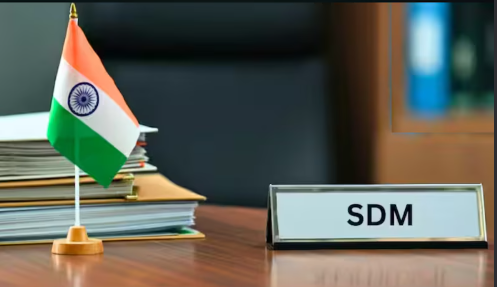
SDMs manage sub-divisions within districts, handling law and order, revenue, and development for the state government in sub-divisional...
0.0LPA
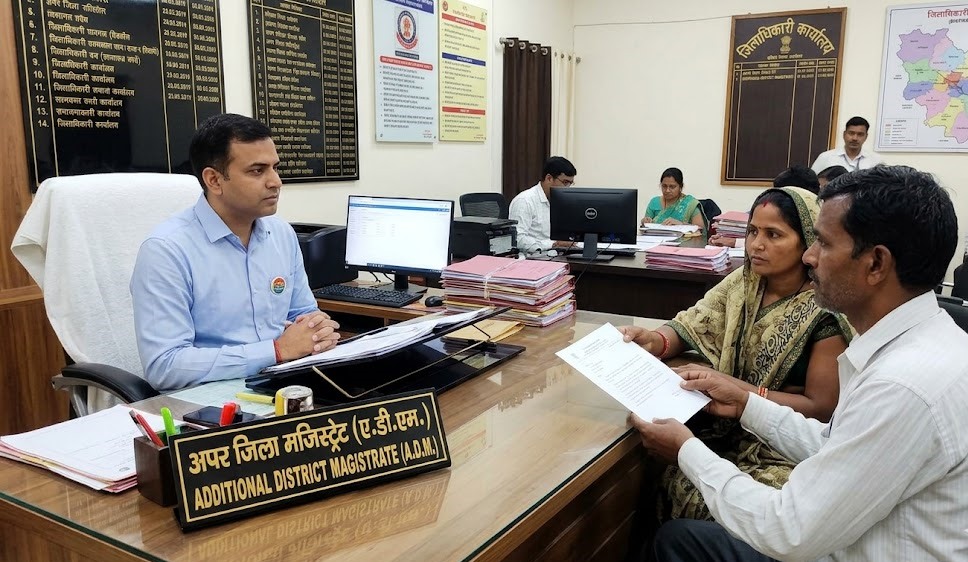
ADMs support the DM in district administration, overseeing specific portfolios like revenue or development under state government jurisdiction in...
0.0LPA
Take the next step and explore more about Sub-Divisional Magistrate.
Explore similar career paths that might interest you