Strength & Conditioning Coach

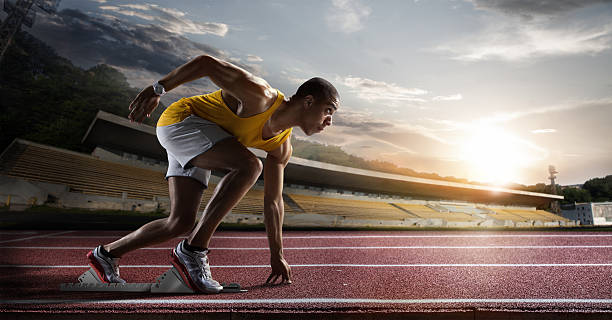
A Strength & Conditioning Coach is a professional responsible for designing and implementing physical training programs to enhance athletes’ strength, endurance, and overall performance, often working in dynamic environments such as sports teams, training facilities, and fitness centers. They operate in settings like professional sports organizations, university athletic departments, and private gyms. Strength & Conditioning Coaches apply expertise in exercise science, biomechanics, and nutrition to optimize athletic performance and prevent injuries. By combining scientific knowledge with practical training skills, they play a crucial role in preparing athletes for competition in a world increasingly focused on physical optimization in sports.
Share :
Career tree mind map (horizontal) — Strength & Conditioning Coach
Colored branches, hub circles, and underlined topics — same style as counselor course classic (types 18–19 in admin).
Loading mind map…

Strength & Conditioning Coaches are specialists who focus on improving athletes’ physical capabilities through tailored fitness programs, applying their knowledge to build strength, speed, agility, and endurance. Their work involves program design, training supervision, injury prevention strategies, and performance monitoring. They often operate in high-energy, results-driven environments across professional sports, collegiate athletics, and individual athlete training, balancing scientific precision with motivational coaching. Strength & Conditioning Coaches are vital to fields like athletic performance, injury prevention, physical conditioning, and sports science, serving as key contributors to competitive success through physical preparation, advancing training standards, and ensuring accessibility to fitness expertise. They tackle critical physical challenges through systematic approaches and improve outcomes through innovative training methods in a landscape where physical fitness and injury resilience remain essential for athletic and team success.

  • Training Program Design
    • Create individualized and team-based strength and conditioning programs to meet specific athletic goals.
    • Incorporate exercises for strength, power, speed, agility, and endurance based on sport-specific needs.
  • Athlete Supervision and Coaching
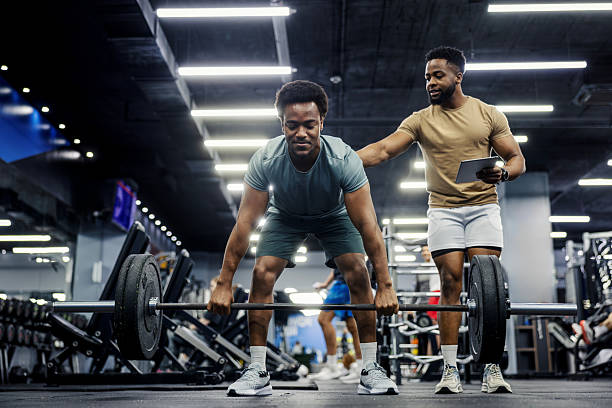
    • Oversee training sessions to ensure proper technique, form, and safety during workouts.
    • Motivate and guide athletes to maximize effort and adherence to training protocols.
  • Performance Assessment
    • Conduct tests to evaluate athletes’ strength, speed, endurance, and other physical metrics.
    • Analyze results to adjust programs and track progress over time.
  • Injury Prevention Strategies
    • Implement exercises and routines to reduce the risk of injuries through improved mobility and stability.
    • Collaborate with medical staff to design rehab programs for injured athletes.
  • Nutrition Guidance
    • Provide basic advice on nutrition and hydration to support training and recovery goals.
    • Work with dieticians to ensure athletes maintain optimal energy and body composition.
  • Sport-Specific Conditioning
    • Tailor conditioning drills to mimic the physical demands of specific sports or positions.
    • Focus on functional movements to enhance game-day performance.
  • Recovery and Regeneration
    • Incorporate recovery techniques such as stretching, foam rolling, and rest protocols to aid muscle repair.
    • Monitor workload to prevent overtraining and fatigue-related injuries.
  • Technology Integration
    • Use wearable tech and performance tracking tools to monitor athlete data during training.
    • Leverage software for program design and progress analysis.
  • Team Collaboration
    • Work closely with head coaches, sports scientists, and physiotherapists to align training with team strategies.
    • Communicate progress and concerns regarding athlete readiness to relevant staff.
  • Education and Workshops
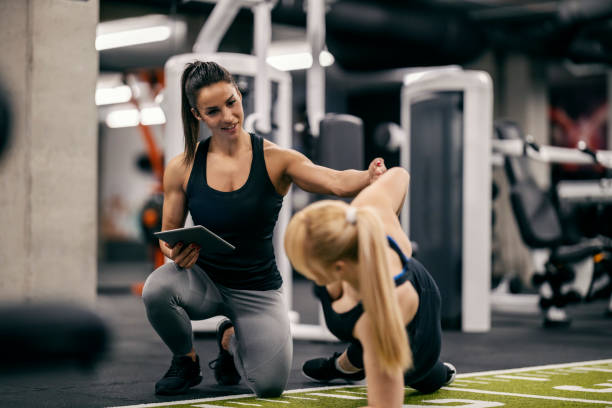
    • Educate athletes and coaches on the importance of strength training, proper form, and injury prevention.
    • Conduct workshops or clinics to share knowledge on fitness and conditioning best practices.

RouteSteps
Route 11. 10+2 in Science stream (preferably with Biology or Physical Education).
2. Bachelor's degree in Sports Science, Kinesiology, or Exercise Science (3-4 years).
3. Master's degree in Strength & Conditioning or Sports Science (2 years, optional).
4. PhD in Exercise Physiology or Sports Performance (3-5 years, optional).
5. Specialized certifications in strength and conditioning (e.g., CSCS) (optional).
Route 21. 10+2 in any stream with Physical Education.
2. Diploma in Sports Coaching or Fitness Training (1-2 years).
3. Bachelor's degree in Sports Science (lateral entry, 2-3 years, optional).
4. Certification in strength and conditioning or personal training (6 months-1 year).
5. Practical experience through internships with sports teams or gyms.
Route 31. 10+2 in any stream with a focus on Physical Education or Science.
2. Bachelor's degree in any field with sports or fitness-related coursework (3 years).
3. Diploma or Certificate in Strength & Conditioning (1-2 years).
4. Practical training under experienced coaches or at sports facilities.
5. Industry-specific certification for professional credibility.
Route 41. 10+2 in any stream.
2. Bachelor's degree from India in relevant field (3 years).
3. Master's or specialized certification in Strength & Conditioning abroad (2-3 years).
4. Training or licensure for international strength and conditioning standards (1-2 years).
5. Specialized courses in advanced exercise science or biomechanics (if applicable).

  • Internships with sports teams assisting with strength training and conditioning sessions.
  • Placements with athletic departments focusing on performance enhancement and injury prevention.
  • Observerships under experienced strength coaches in professional or university settings.
  • Participation in fitness programs for athletes for hands-on learning with training equipment.
  • Training in program design and athlete assessment at certified gyms or sports centers.
  • Experience in conducting strength tests or conditioning drills for teams or individual athletes.
  • Involvement in research initiatives to develop new training methodologies or performance metrics.
  • Attendance at strength and conditioning conferences, workshops, and certification programs.
  • Exposure to sports science technologies and wearable devices for modern practices.
  • Collaborative fieldwork in international strength and conditioning projects or exchange programs for global exposure.

  • Bachelor’s in Sports Science with a focus on Strength & Conditioning.
  • Bachelor’s in Kinesiology or Exercise Science with electives in Athletic Performance.
  • Diploma in Strength & Conditioning or Sports Coaching.
  • Master’s in Strength & Conditioning or Exercise Physiology.
  • PhD in Sports Performance or Biomechanics.
  • Certification courses in Strength Training and Personal Coaching.
  • Training in Injury Prevention and Rehabilitation Techniques.
  • Specialized courses in Sport-Specific Conditioning.
  • Master’s in Sports Science with Strength & Conditioning Focus.
  • Continuing Education courses in Advanced Training Methodologies.

InstituteCourse/ProgramOfficial Link
National Institute of Sports (NIS), PatialaDiploma in Sports Coaching (Strength Focus)https://www.nsnis.org/
Lakshmibai National Institute of Physical Education (LNIPE), GwaliorBachelor’s/Master’s in Sports Sciencehttps://www.lnipe.edu.in/
Symbiosis School of Sports Sciences, PuneMBA in Sports Management (Fitness Focus)https://ssss.edu.in/
Amity School of Physical Education & Sports Sciences, NoidaBachelor’s in Sports Sciencehttps://www.amity.edu/
University of Delhi, DelhiBachelor’s in Physical Educationhttps://www.du.ac.in/
Christ University, BangaloreBachelor’s in Sports Sciencehttps://www.christuniversity.in/
Banaras Hindu University (BHU), VaranasiBachelor’s/Master’s in Physical Educationhttps://www.bhu.ac.in/
University of Mumbai, MumbaiBachelor’s in Sports Sciencehttps://mu.ac.in/
Anna University, ChennaiBachelor’s in Sports Technologyhttps://www.annauniv.edu/
IGNOU (Indira Gandhi National Open University), New DelhiCertificate in Fitness Managementhttps://www.ignou.ac.in/

InstitutionCourseCountryOfficial Link
University of Southern California (USC)BS/MS in Kinesiology (Strength Focus)USAhttps://www.usc.edu/
Loughborough UniversityBSc/MSc in Strength & ConditioningUKhttps://www.lboro.ac.uk/
University of QueenslandBachelor of Exercise and Sport SciencesAustraliahttps://www.uq.edu.au/
University of TorontoBachelor of KinesiologyCanadahttps://www.utoronto.ca/
Florida State UniversityBS/MS in Exercise PhysiologyUSAhttps://www.fsu.edu/
University of FloridaBS in Applied Physiology and KinesiologyUSAhttps://www.ufl.edu/
University of BirminghamBSc in Sport and Exercise ScienceUKhttps://www.birmingham.ac.uk/
University of British ColumbiaBachelor of Kinesiology (Strength Track)Canadahttps://www.ubc.ca/
Edith Cowan UniversityMaster of Strength & ConditioningAustraliahttps://www.ecu.edu.au/
University of OtagoBachelor of Physical EducationNew Zealandhttps://www.otago.ac.nz/

India:

  • University-specific entrance exams for Bachelor's and Master's programs in Sports Science or Physical Education.
  • Common Entrance Test (CET) for Diploma and Degree programs in certain states or institutes.
  • UGC-NET for eligibility to pursue PhD or academic roles in sports science.
  • National-level fitness or coaching certification exams for professional credentials.

International:

  • Graduate Record Examination (GRE) for postgraduate programs in Kinesiology or Sports Science in the USA and Canada.
  • International English Language Testing System (IELTS) with a minimum score of 6.5-7.0 for international programs.
  • Test of English as a Foreign Language (TOEFL) with a minimum score of 90-100 for programs in English-speaking countries.
  • Specific licensure or certification exams for international strength and conditioning practice (e.g., CSCS by NSCA in the USA).

Undergraduate/Diploma Student → Strength & Conditioning Intern → Junior Strength & Conditioning Coach → Established Strength & Conditioning Coach → Senior Strength & Conditioning Coach → Head Strength & Conditioning Director

  • Professional sports teams designing training programs for elite athletes.
  • University athletic departments supporting student-athletes’ physical development.
  • Private gyms and fitness centers offering personalized conditioning for athletes.
  • Sports academies focusing on youth athlete strength and conditioning.
  • National sports federations preparing elite athletes for international competitions.
  • Rehabilitation centers aiding athletes in physical recovery post-injury.
  • Corporate wellness programs integrating strength training for employee fitness.
  • Government sports bodies promoting physical conditioning programs for athletes.
  • International sports organizations supporting global competitors and teams.
  • Freelance consultancies providing tailored conditioning services to athletes.

IndiaInternational
Board of Control for Cricket in India (BCCI), MumbaiNFL (National Football League), USA
Sports Authority of India (SAI), New DelhiNBA (National Basketball Association), USA
Indian Premier League (IPL) Teams, Pan-IndiaMLB (Major League Baseball), USA
Indian Olympic Association (IOA), New DelhiPremier League Clubs, UK
Indian Super League (ISL), Pan-IndiaFIFA, Global
Hockey India, New DelhiUEFA, Europe
All India Tennis Association (AITA), New DelhiUnited States Olympic Committee (USOC), USA
Pro Kabaddi League, Pan-IndiaAustralian Institute of Sport (AIS), Australia
JSW Sports, MumbaiBritish Olympic Association, UK
Rhiti Sports Management, New DelhiCanadian Sport Institute, Canada

ProsCons
Significant contribution to athletes’ performance and success through tailored physical training programs.High pressure to deliver results, especially during competitive seasons or major events.
Intellectually stimulating work combining exercise science, biomechanics, and coaching in dynamic environments.Physically demanding role requiring long hours on the field or in the gym.
High demand across sports sectors for skilled coaches as physical optimization gains importance.Risk of burnout due to intense schedules and the need to constantly motivate athletes.
Opportunities for specialization in diverse areas like injury prevention, sport-specific training, or youth development.Limited job security in early career stages or when working with smaller organizations.
Growing relevance due to increasing focus on fitness, injury prevention, and performance in sports.Need for continuous learning to stay updated with evolving training methods and technologies.

Career LevelIndia (₹ per annum)International (US$ per annum)
Trainee/Strength & Conditioning Intern2,00,000 - 4,00,000$25,000 - $35,000
Junior Strength & Conditioning Coach4,00,000 - 7,00,000$40,000 - $55,000
Established Strength & Conditioning Coach7,00,000 - 12,00,000$55,000 - $80,000
Senior Strength & Conditioning Coach12,00,000 - 18,00,000$80,000 - $110,000
Head Strength & Conditioning Director18,00,000 - 30,00,000$110,000 - $150,000+

  • Performance Tracking Software: Tools like TeamBuildr for designing and monitoring training programs.
  • Wearable Tech Integration Apps: Platforms like Catapult or WHOOP for real-time athlete data analysis.
  • Video Analysis Tools: Software like Hudl for reviewing form and technique during training sessions.
  • Biomechanical Analysis Platforms: Applications like Dartfish for assessing movement patterns and efficiency.
  • Nutrition Planning Software: Tools like MyFitnessPal for basic dietary tracking and guidance.
  • Workout Management Apps: Resources like TrainHeroic for organizing and sharing training plans with athletes.
  • Data Visualization Tools: Platforms like Tableau for presenting performance metrics to teams and coaches.
  • Recovery Monitoring Apps: Software like Oura for tracking sleep and recovery metrics.
  • Spreadsheet Tools: Applications like Microsoft Excel for basic program planning and progress tracking.
  • Collaboration Platforms: Tools like Slack for coordinating with coaching staff and other support personnel.

  • Indian Association of Strength & Conditioning (IASC), India
  • National Strength and Conditioning Association (NSCA), USA/Global
  • United Kingdom Strength and Conditioning Association (UKSCA), UK
  • Australian Strength and Conditioning Association (ASCA), Australia
  • International Strength & Conditioning Society (ISCS), Global
  • Collegiate Strength and Conditioning Coaches Association (CSCCa), USA
  • European Strength and Conditioning Network (ESCN), Europe
  • Canadian Strength and Conditioning Association (CSCA), Canada
  • Asian Strength and Conditioning Association (ASCA-Asia), Asia
  • Sports Science and Strength Conditioning Network (SSSCN), Global

  • Mike Boyle (Contemporary, USA): Known for pioneering functional training and authoring "Functional Training for Sports," active since the 1980s.
     
  • Ian Jeffreys (Contemporary, UK): Recognized for expertise in speed and agility training, active since the 1990s.
     
  • Ashley Jones (Contemporary, Australia): Noted for work with rugby teams like the All Blacks, active since the 1990s.
     
  • Dan Pfaff (Contemporary, USA): Known for coaching Olympic track and field athletes, active since the 1980s.
     
  • Loren Landow (Contemporary, USA): Recognized for training NFL athletes and founding Landow Performance, active since the 2000s.
     
  • RamjiSrinivasan (Contemporary, India): Noted for conditioning the Indian Cricket Team during the 2011 World Cup, active since the 2000s.
     
  • ShayamalVallabhjee (Contemporary, India): Known for sports science contributions and work with Indian athletes, active since the 2000s.
     
  • Vern Gambetta (Contemporary, USA): Recognized for developing functional sports training methodologies, active since the 1970s.
     
  • Al Vermeil (Contemporary, USA): Noted for strength coaching with NBA and NFL teams, active since the 1980s.
     
  • Kelly Starrett (Contemporary, USA): Known for mobility training and founding MobilityWOD, active since the 2000s.
     

  • Build a strong foundation in sports science, kinesiology, or exercise physiology during undergraduate studies to prepare for coaching roles.
  • Seek early exposure through internships, assistant positions, or volunteer work with sports teams or gyms to gain practical experience.
  • Develop skills in program design, biomechanics, and athlete assessment during academic programs for a competitive edge.
  • Engage in sport-specific learning by focusing on conditioning needs or injury prevention to build expertise and credibility.
  • Pursue mentorship opportunities under experienced strength coaches to learn advanced training techniques and build professional networks.
  • Stay updated with advancements in sports science, training technologies, and injury prevention strategies.
  • Obtain certifications in strength and conditioning, personal training, or specialized fitness areas to enhance professional capabilities.
  • Publish articles or share insights on training methodologies through blogs or social media to establish thought leadership.
  • Consider international exposure through strength and conditioning conferences, exchange programs, or certifications abroad to broaden perspectives.
  • Balance scientific training expertise with motivational coaching skills and sports knowledge to connect with athletes and drive career success.


A career as a Strength & Conditioning Coach offers a unique opportunity to impact athletes’ performance and well-being by designing physical training programs that optimize strength, endurance, and injury resilience in competitive sports. From enhancing athletic capabilities through tailored workouts to preventing injuries and supporting recovery, Strength & Conditioning Coaches play a pivotal role in advancing athlete outcomes and team success through science-based training solutions for diverse sports disciplines. This field combines exercise science expertise, practical coaching skills, and sports understanding, offering diverse paths in teams, universities, fitness centers, and freelance consultancies. For those passionate about fitness, sports, and performance optimization, a career as a Strength & Conditioning Coach provides a deeply rewarding journey with significant potential for making meaningful contributions to society in an era where physical conditioning and technological innovations continue to shape athletic performance, competitive strategies, and cultural engagement across all sectors.

Knowledge & Skills You Will Learn
1
Sustainability in Training:Increased attention to long-term athlete health over short-term performance gains.
Junior Strength & Conditioning Coach

Junior Strength & Conditioning Coach

Early-career professionals establish roles in smaller teams or support positions in larger organizations, developing expertise in training design...

0.0LPA
Established Strength & Conditioning Coach

Established Strength & Conditioning Coach

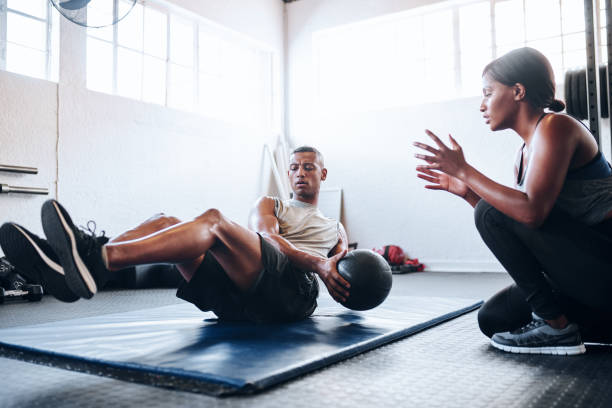
Mid-career professionals maintain active roles in training athletes, often developing subspecialty interests within areas such as injury...

0.0LPA
Senior Strength & Conditioning Coach

Senior Strength & Conditioning Coach

Experienced professionals often take leadership roles, overseeing training programs for major teams or organizations while mentoring staff and...

0.0LPA

Interested in this career?

Take the next step and explore more about Strength & Conditioning Coach.