
Sports Referee or Umpire

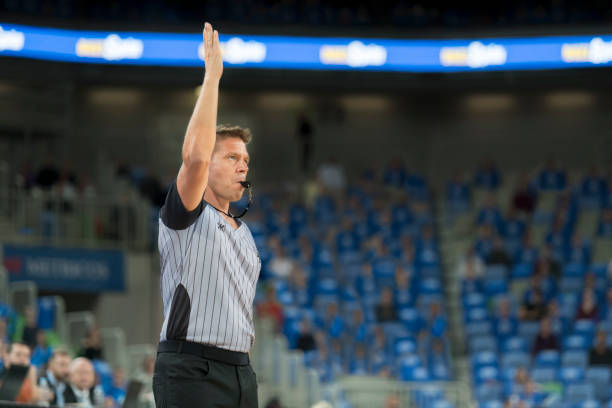
A Sports Referee or Umpire is a trained professional responsible for enforcing the rules of a sport during games, ensuring fair play, player safety, and the integrity of the competition. They work in various sports such as cricket, football, basketball, tennis, or hockey, officiating at local, national, or international levels for sports organizations, leagues, or governing bodies, collaborating with other officials, coaches, and players to maintain the flow and fairness of events. Sports Referees/Umpires are crucial in upholding the spirit of sports in an era where competitive integrity and precise decision-making are paramount to the credibility of athletic contests.
Share :
✨ Radial Mind Map - Sports Referee or Umpire
Nodes arranged in concentric circles

Loading radial mind map...

Overview

A Sports Referee or Umpire is a trained professional responsible for enforcing the rules of a sport during games, ensuring fair play, player safety, and the integrity of the competition. They work in various sports such as cricket, football, basketball, tennis, or hockey, officiating at local, national, or international levels for sports organizations, leagues, or governing bodies, collaborating with other officials, coaches, and players to maintain the flow and fairness of events. Sports Referees/Umpires are crucial in upholding the spirit of sports in an era where competitive integrity and precise decision-making are paramount to the credibility of athletic contests.

Sports Referees and Umpires are authoritative figures who oversee sporting events by making real-time decisions on rule violations, scoring, and player conduct, ensuring that competitions adhere to established guidelines while maintaining a safe environment for participants. Their work involves extensive knowledge of sport-specific rules, physical endurance to keep up with game pace, and the ability to remain impartial under pressure. Operating in dynamic settings like stadiums, courts, or fields, they combine a deep passion for sports, sharp observational skills, and unwavering composure to manage high-stakes situations. As essential contributors to the sports and physical education cluster, Sports Referees/Umpires safeguard the fairness of athletic competitions in a landscape driven by the increasing professionalization of sports and the demand for accurate, technology-assisted officiating.

Roles and Responsibilities

💼
Sports Referee or Umpire
Roles and Responsibilities
Rule Enforcement and Decision-Making:
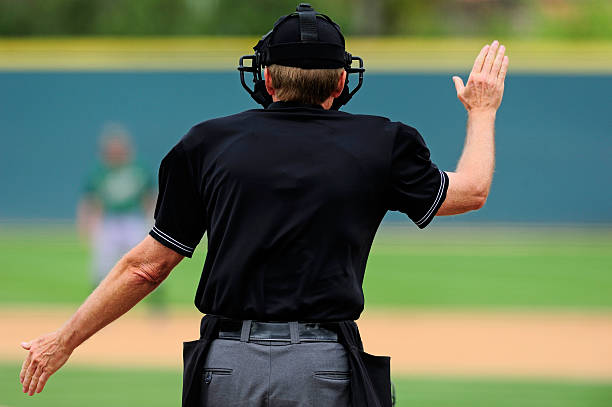
Apply sport-specific rules during games, making immediate calls on fouls, penalties, scoring, or rule infractions to ensure fair play.
Use judgment to interpret ambiguous situations or disputes, maintaining the integrity of the competition.
Game Management and Flow Control:
Manage the pace and flow of the game by signaling starts, stops, and timeouts, ensuring adherence to time limits and schedules.
Coordinate with other officials, such as linesmen or scorekeepers, to ensure consistent and accurate rulings across the event.
Player and Coach Interaction:
Communicate decisions clearly to players, coaches, and spectators, addressing protests or queries with authority and calmness.
Mediate conflicts or heated situations on the field or court to prevent escalation and maintain order.
Safety and Welfare Oversight:
Monitor player safety by enforcing rules that prevent dangerous play and stopping games if injuries or hazards occur.
Ensure playing conditions, such as field or court quality, meet safety standards before and during events.
Pre-Game and Post-Game Duties:
Conduct pre-game inspections of equipment, uniforms, and playing areas to confirm compliance with regulations.
Submit post-game reports detailing decisions, incidents, or penalties for league or governing body review.
Collaboration with Technology and Review Systems:
Utilize video replay systems or technology (e.g., VAR in football, DRS in cricket) to review and confirm critical decisions when applicable.
Stay updated on technological advancements in officiating to integrate them into decision-making processes.
Continuous Rule Knowledge Update:
Regularly study updates to sport rules or guidelines issued by governing12 governing bodies to maintain current expertise.
Attend training sessions, workshops, or certification programs to refine skills and stay abreast of evolving standards.
Professional Conduct and Impartiality:
Maintain neutrality and avoid bias, ensuring decisions are based solely on observed events and rules.
Uphold a professional demeanor, even under intense scrutiny or criticism from players, coaches, or fans.

Roles and Responsibilities:

  • Rule Enforcement and Decision-Making:
    • Apply sport-specific rules during games, making immediate calls on fouls, penalties, scoring, or rule infractions to ensure fair play.
    • Use judgment to interpret ambiguous situations or disputes, maintaining the integrity of the competition.
  • Game Management and Flow Control:
    • Manage the pace and flow of the game by signaling starts, stops, and timeouts, ensuring adherence to time limits and schedules.
    • Coordinate with other officials, such as linesmen or scorekeepers, to ensure consistent and accurate rulings across the event.
  • Player and Coach Interaction:
    • Communicate decisions clearly to players, coaches, and spectators, addressing protests or queries with authority and calmness.
    • Mediate conflicts or heated situations on the field or court to prevent escalation and maintain order.
  • Safety and Welfare Oversight:
    • Monitor player safety by enforcing rules that prevent dangerous play and stopping games if injuries or hazards occur.
    • Ensure playing conditions, such as field or court quality, meet safety standards before and during events.
  • Pre-Game and Post-Game Duties:
    • Conduct pre-game inspections of equipment, uniforms, and playing areas to confirm compliance with regulations.
    • Submit post-game reports detailing decisions, incidents, or penalties for league or governing body review.
  • Collaboration with Technology and Review Systems:
    • Utilize video replay systems or technology (e.g., VAR in football, DRS in cricket) to review and confirm critical decisions when applicable.
    • Stay updated on technological advancements in officiating to integrate them into decision-making processes.
  • Continuous Rule Knowledge Update:
    • Regularly study updates to sport rules or guidelines issued by governing12 governing bodies to maintain current expertise.
    • Attend training sessions, workshops, or certification programs to refine skills and stay abreast of evolving standards.
  • Professional Conduct and Impartiality:
    • Maintain neutrality and avoid bias, ensuring decisions are based solely on observed events and rules.
    • Uphold a professional demeanor, even under intense scrutiny or criticism from players, coaches, or fans.


Study Route & Eligibility Criteria

Study Route & Eligibility Criteria
Sports Referee or Umpire
Route 1
🎓
1
10+2 in any stream
Route 2
🎓
1
10+2 in any stream
Route 3
🎓
1
10+2 in any stream
Route 4
🎓
1
10+2 in any stream
🎯 Sports Referee or Umpire - Professional

Significant Observations (Academic Related Points)

💡
Sports Referee or Umpire
Academic Related Points
1
Physical Education Base:
A background in physical education or sports science provides foundational knowledge of athletics and rules.
2
Sport-Specific Expertise:
Deep understanding of a particular sport’s rules and nuances is critical for accurate officiating.
3
Certification Necessity:
Official certifications from sports federations or associations are mandatory for credibility and career progression.
4
Practical Experience:
Hands-on experience through local games is essential to build confidence and decision-making skills.
5
Interdisciplinary Insight:
Knowledge of psychology or conflict resolution aids in managing high-pressure game situations.
6
Continuous Learning:
Regular updates on rule changes and officiating technologies are necessary to remain relevant.
7
Physical Fitness:
Maintaining personal fitness ensures the ability to keep up with fast-paced games and maintain on-field presence.
8
Ethical Standards:
Commitment to fairness and impartiality is paramount to uphold the sport’s integrity.
9
Attention to Detail:
Sharp observational skills are crucial for spotting rule violations or critical game moments.
10
Career Preparation:
Competitive roles often require mentorship from experienced officials and a proven track record at lower levels.
11
Global Opportunities:
Proficiency in international rules and language skills can lead to officiating at worldwide events.

Internships & Practical Exposure

💼
Sports Referee or Umpire
Internships & Practical Experience
1
Participation in local sports events as an assistant official during or after academic programs for hands-on experience in game management.
2
Involvement in school or college tournaments to practice rule enforcement and decision-making in real-time settings.
3
Assisting senior referees/umpires at district or state-level matches to gain insights into professional conduct and game control.
4
Observerships with national sports federations or leagues for exposure to high-stakes officiating environments.
5
Participation in officiating clinics or workshops organized by sports bodies for skill refinement and networking.
6
Training through mock games or simulated match scenarios to develop quick thinking and rule application under pressure.
7
Exposure to industry-standard practices such as using communication devices or video review systems during practice matches.
8
Project-based learning in specific sports like cricket umpiring or football refereeing for focused expertise in rule interpretation.
9
Community sports event officiating to apply skills in practical settings like local leagues or charity matches.
10
International refereeing seminars or online courses for exposure to global officiating standards and cross-cultural game dynamics.

Courses & Specializations to Enter the Field

📚
Sports Referee or Umpire
Courses & Specializations
📖
Bachelor of Physical Education (B.P.Ed.) or Sports Science.
📖
Master of Physical Education (M.P.Ed.) with a focus on Sports Officiating.
📖
Certification in Officiating (Basic and Advanced) from sport-specific governing bodies.
📖
Specialization in Refereeing/Umpiring for a specific sport (e.g., Cricket, Football, Basketball).
📖
Diploma in Sports Coaching or Administration with officiating modules.
📖
Training in Conflict Resolution and Game Management.
📖
Workshops on Video Review Systems and Technology in Officiating.
📖
Short Courses in Sports Psychology for Decision-Making Under Pressure.
📖
Advanced Training in International Sports Rules and Regulations.
📖
Courses in Physical Fitness and Endurance for Officials.

Prominent Employers

🏢
Sports Referee or Umpire
🌟 Top Companies & Organizations
🇮🇳 India
🏛️
Board of Control for Cricket in India (BCCI), Mumbai
🏛️
All India Football Federation (AIFF), Delhi
🏛️
Hockey India, Delhi
🏛️
Basketball Federation of India (BFI), Delhi
🏛️
Badminton Association of India (BAI), Delhi
🏛️
Sports Authority of India (SAI), Delhi
🏛️
Indian Premier League (IPL), Multiple Locations
🏛️
Pro Kabaddi League, Multiple Locations
🏛️
Indian Super League (ISL), Mumbai
🏛️
Khelo India, Multiple Locations
🌍 International
🌐
International Cricket Council (ICC), UAE
🌐
FIFA, Switzerland
🌐
International Hockey Federation (FIH), Switzerland
🌐
International Basketball Federation (FIBA), Switzerland
🌐
Badminton World Federation (BWF), Malaysia
🌐
International Olympic Committee (IOC), Switzerland
🌐
UEFA, Switzerland
🌐
World Rugby, Ireland
🌐
International Tennis Federation (ITF), UK
🌐
World Athletics, Monaco

Advice for Aspiring Sports Referee or Umpires

💡
Sports Referee or Umpire
🌟 Tips for Students & Parents
1
Build a strong foundation in sport-specific rules and physical fitness to excel in on-field officiating.
2
Seek early exposure through volunteering at local games to develop practical decision-making skills.
3
Prepare diligently for certification exams or fitness tests to secure officiating credentials from sports bodies.
4
Pursue specialized training in a chosen sport’s rules and technology for a competitive edge in refereeing.
5
Stay updated on rule changes and officiating innovations by attending clinics and following federation updates.
6
Build practical skills by officiating small-scale matches or creating a portfolio of game reports for credibility.
7
Engage in community sports leagues or school events to apply officiating talents in real-world scenarios.
8
Join professional networks like FIFA or ICC panels for connections and access to vital officiating resources.
9
Cultivate resilience to handle the intense pressure and criticism inherent in real-time game decisions.
10
Explore international opportunities or diverse sports to understand varied competitive and cultural contexts.
11
Volunteer at local tournaments or charity matches to grasp the dynamics of live game management.
12
Sharpen observational and communication skills to make accurate calls and explain rulings effectively.
13
Participate in continuing education to keep pace with evolving officiating tools and global standards.
14
Build ties with senior officials, coaches, and federations for mentorship and career growth opportunities.
15
Maintain determination to navigate the competitive and often sporadic nature of officiating assignments.
16
Balance theoretical learning with hands-on match experience to adapt to the fast-paced world of sports officiating.
🎓 Final Message
Venturing into a career as a Sports Referee or Umpire offers a unique chance to stand at the forefront of athletic competition, safeguarding fairness and integrity while shaping the very essence of the games that captivate millions. From officiating grassroots matches to commanding the stage at global championships, Referees and Umpires are the unsung guardians of sportsmanship, ensuring every play unfolds with justice and precision. This vocation intertwines a fervent love for sports, unshakeable resolve, and a profound dedication to upholding rules under pressure, revealing diverse opportunities across local fields, national arenas, and international spectacles. For those drawn to the challenge of maintaining the spirit of fair play, equipped to master cutting-edge officiating technologies, and inspired to leave an indelible mark on the world of athletics, a career as a Sports Referee or Umpire delivers an extraordinarily meaningful and influential professional voyage, with the capacity to transform how the essence of competition is preserved and revered for years to come.
Knowledge & Skills You Will Learn
1
Expertise in sport-specific rules and regulations to make accurate, rule-based decisions during games
2
Strong observational skills to detect rule violations, player actions, or game incidents in real time
3
Physical fitness and endurance to keep up with the pace of play and maintain on-field positioning
4
Decision-making under pressure to render quick, fair judgments in high-stakes or contentious situations
5
Communication proficiency to explain rulings clearly to players, coaches, and spectators with authority
6
Emotional resilience to remain calm and impartial amid criticism, protests, or intense game atmospheres
7
Conflict resolution skills to de-escalate disputes or tensions between players or teams during matches
8
Adaptability to handle varying game conditions, rule updates, or integration of officiating technology
9
Professional integrity to uphold fairness, avoid bias, and maintain the sport’s credibility
10
Teamwork ability to collaborate with other officials, such as assistants or video reviewers, for cohesive rulings
District/State Level Referee/Umpire

District/State Level Referee/Umpire

Professionals officiate regional tournaments or state championships, handling more competitive matches with greater scrutiny. They establish...

0.0LPA
National Level Referee/Umpire

National Level Referee/Umpire

Experienced officials manage high-profile domestic leagues or national tournaments, often under media and fan attention. They refine...

0.0LPA
Elite Panel Referee/Umpire

Elite Panel Referee/Umpire

High-level officials are part of a select group chosen by national federations to officiate premier domestic or significant regional events. They...

0.0LPA

Interested in this career?

Take the next step and explore more about Sports Referee or Umpire.