
Sports Physiotherapy

A Sports Physiotherapist is a healthcare professional who specializes in the prevention, assessment, treatment, and rehabilitation of injuries related to sports and physical activity. They work in settings such as sports teams, clinics, hospitals, or private practice, collaborating with athletes, coaches, and medical teams. Sports Physiotherapists play a crucial role in optimizing athletic performance, ensuring injury recovery, and promoting long-term physical health in a field driven by biomechanics, evidence-based practice, and athlete-centered care.
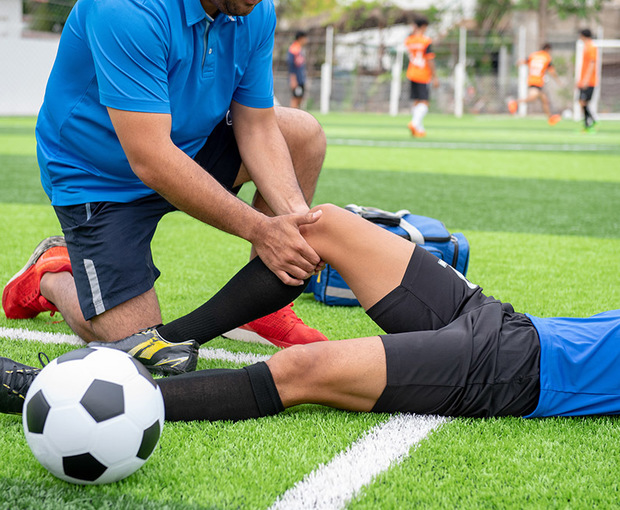
Share :
Career tree mind map (horizontal) — Sports Physiotherapy
Colored branches, hub circles, and underlined topics — same style as counselor course classic (types 18–19 in admin).
Loading mind map…

Sports Physiotherapists are dedicated and skilled professionals who operate in dynamic environments like training facilities, sidelines at sports events, or clinical settings, using tools such as therapeutic equipment, diagnostic technology, and rehabilitation protocols. Their role involves assessing injuries, designing recovery programs, and providing hands-on treatment, often facing challenges like time-sensitive recovery goals or complex injury cases. They combine expertise in musculoskeletal health, exercise science, and sports-specific demands to support athletes at all levels. As key contributors to the sports and healthcare industries, they help shape the future of injury prevention, performance enhancement, and athlete well-being in a sector increasingly driven by technology, personalized care, and global sports demands.

  • Injury Assessment and Diagnosis
    • Evaluate athletes’ injuries through physical examinations, movement analysis, and diagnostic tools.
    • Identify the root causes of pain or dysfunction to develop targeted treatment plans.
  • Treatment and Rehabilitation
    • Administer manual therapy, electrotherapy, or other modalities to alleviate pain and promote healing.
    • Design and oversee rehabilitation programs to restore strength, mobility, and function.
  • Injury Prevention Strategies
    • Develop conditioning programs to minimize the risk of injuries in athletes.
    • Educate athletes and coaches on proper techniques, warm-ups, and injury prevention protocols.
  • Performance Optimization
    • Collaborate with coaches to enhance athletes’ physical capabilities through tailored exercise plans.
    • Use biomechanical analysis to improve movement efficiency and reduce strain.
  • On-Field Emergency Care
    • Provide immediate care for acute injuries during sports events, including first aid and stabilization.
    • Assess whether an athlete can continue playing or requires further medical attention.
  • Post-Injury Recovery Monitoring
    • Track athletes’ progress during rehabilitation and adjust treatment plans as needed.
    • Ensure safe return-to-play by conducting fitness and functional tests.
  • Collaboration with Multidisciplinary Teams
    • Work with doctors, nutritionists, and sports psychologists to provide holistic athlete care.
    • Communicate recovery timelines and restrictions to coaches and team management.
  • Education and Research
    • Stay updated on the latest sports medicine research to apply evidence-based practices.
    • Conduct workshops or training sessions for athletes and staff on injury management.

Route Steps
Route 1

1. 10+2 in Science stream (Physics, Chemistry, Biology)

2. Bachelor’s degree in Physiotherapy (BPT) (4.5 years including internship)

3. Internship or assistant role in sports clinics or teams

4. Practice as Junior Sports Physiotherapist

Route 2

1. 10+2 in Science stream (PCB)

2. Bachelor’s degree in Physiotherapy (BPT) (4.5 years)

3. Master’s degree in Sports Physiotherapy or Sports Medicine (2 years)

4. Gain practical experience with sports teams or clinics

5. Work as Sports Physiotherapist or Specialist

Route 3

1. 10+2 in Science stream (PCB)

2. Diploma in Physiotherapy (DPT) (2-3 years)

3. Certificate in Sports Rehabilitation or Sports Therapy (6 months-1 year)

4. Internship in sports injury clinics

5. Practice as Sports Physiotherapy Assistant

Route 4

1. 10+2 in Science stream (PCB)

2. Bachelor’s degree in Physiotherapy (BPT) (4.5 years)

3. Master’s degree in Sports Physiotherapy (2 years)

4. Ph.D. in Sports Rehabilitation or related field (3-5 years)

5. Practice as Senior Sports Physiotherapist or Research Lead

  • Mandatory internships during BPT or MPT programs at hospitals, sports clinics, or teams for real-world experience.
  • Rotations in orthopedic, sports injury, and rehabilitation departments for hands-on exposure to diverse cases.
  • Internships under experienced Sports Physiotherapists for training in athlete assessment and recovery planning.
  • Observerships at sports events or training camps for applied injury management insights.
  • Participation in mock rehabilitation sessions for skill development in therapeutic techniques.
  • Training in diagnostic technology through real-world projects like using ultrasound for injury assessment.
  • Exposure to on-field emergency care during internships for skills in acute injury response.
  • Volunteer roles in community sports programs or marathons to build a portfolio.
  • Community engagement projects for promoting physical health awareness in local areas.
  • International physiotherapy attachments for global exposure to advanced sports rehab practices.

  • Certificate in Sports Rehabilitation or Athletic Taping.
  • Diploma in Physiotherapy with a focus on Sports Injuries.
  • Bachelor’s in Physiotherapy (BPT).
  • Master’s in Sports Physiotherapy, Sports Medicine, or Orthopedic Physiotherapy.
  • Specialization in Biomechanical Analysis, Sports Injury Prevention, or Post-Surgical Rehabilitation.
  • Workshops on Manual Therapy Techniques or Kinesiology Taping for Sports.
  • Training in Sports Emergency Care or Functional Movement Screening.
  • Specialization in Pediatric Sports Physiotherapy or Elite Athlete Rehabilitation.
  • Certification in Dry Needling or Hydrotherapy for Sports Injuries.
  • Short courses in Wearable Technology for Athlete Monitoring.

Institute Course/Program Official Link
All India Institute of Medical Sciences (AIIMS), Delhi Bachelor’s/Master’s in Physiotherapy https://www.aiims.edu/
Christian Medical College (CMC), Vellore BPT/MPT in Physiotherapy https://www.cmch-vellore.edu/
Manipal College of Health Professions, Manipal BPT/MPT in Sports Physiotherapy https://www.manipal.edu/
Seth GS Medical College & KEM Hospital, Mumbai BPT/MPT in Physiotherapy https://www.kem.edu/
Nizam’s Institute of Medical Sciences (NIMS), Hyderabad BPT/MPT in Physiotherapy https://www.nims.edu.in/
Amity Institute of Physiotherapy, Noida BPT/MPT in Sports Physiotherapy https://www.amity.edu/
Lovely Professional University (LPU), Punjab BPT/MPT in Physiotherapy https://www.lpu.in/
SRM College of Physiotherapy, Chennai BPT/MPT in Sports Physiotherapy https://www.srmist.edu.in/
Jamia Hamdard University, Delhi BPT/MPT in Sports Physiotherapy https://www.jamiahamdard.edu/
Guru Gobind Singh Indraprastha University (GGSIPU), Delhi BPT/MPT in Physiotherapy https://www.ipu.ac.in/

Institution Course Country Official Link
University of Queensland, School of Health and Rehabilitation Sciences Bachelor’s/Master’s in Physiotherapy (Sports Focus) Australia https://www.uq.edu.au/
University of Birmingham, School of Sport, Exercise and Rehabilitation Sciences MSc in Sports Physiotherapy UK https://www.birmingham.ac.uk/
McMaster University, School of Rehabilitation Science Master’s in Physiotherapy (Sports Focus) Canada https://www.science.mcmaster.ca/
University of Southern California, Division of Biokinesiology and Physical Therapy DPT/MS in Sports Physiotherapy USA https://pt.usc.edu/
Loughborough University, School of Sport, Exercise and Health Sciences MSc in Sports Rehabilitation UK https://www.lboro.ac.uk/
University of Sydney, Faculty of Health Sciences Master’s in Sports Physiotherapy Australia https://www.sydney.edu.au/
University of British Columbia, Department of Physical Therapy Master’s in Physiotherapy (Sports Focus) Canada https://www.ubc.ca/
La Trobe University, School of Allied Health Master’s in Sports Physiotherapy Australia https://www.latrobe.edu.au/
University of Illinois at Chicago, Department of Physical Therapy | DPT/MS in Physical Therapy (Sports Focus) USA https://ahs.uic.edu/
Karolinska Institutet, Department of Neurobiology, Care Sciences and Society Master’s in Sports Physiotherapy Sweden https://www.ki.se/

India:

  • NEET (National Eligibility cum Entrance Test): For admission to undergraduate physiotherapy programs like BPT at many institutes in India, including AIIMS and state colleges.
  • CET (Common Entrance Test) for Physiotherapy (State-Level): For admission to BPT programs in state-run or affiliated colleges (e.g., Maharashtra CET, Karnataka CET).
  • AIIMS Paramedical Entrance Exam: For admission to BPT and other paramedical courses at All India Institute of Medical Sciences.
  • Manipal Entrance Test (MET): For admission to physiotherapy programs at Manipal College of Health Professions.
  • SRMJEEH (SRM Joint Entrance Examination for Health Sciences): For admission to physiotherapy programs at SRM Institute of Science and Technology.
  • University-Specific Tests (e.g., JamiaHamdard Entrance Test): For admission to BPT/MPT programs at specific universities like Jamia Hamdard.


International:

  • GRE (Graduate Record Examination): Required for some Master’s or graduate admissions in Physiotherapy or related fields at universities in the USA, Canada, and other countries.
  • TOEFL (Test of English as a Foreign Language): Minimum score of 80-100 required for non-native speakers applying to programs in English-speaking countries like the USA, Canada, or Australia.
  • IELTS (International English Language Testing System): Minimum score of 6.5-7.0 required for admission to universities in the UK, Australia, and other English-speaking regions for physiotherapy courses.
  • SAT (Scholastic Aptitude Test): Often required for undergraduate admissions in the USA or Canada for programs leading to Physiotherapy or Sports Physiotherapy studies.
  • ACT (American College Testing): Alternative to SAT for undergraduate admissions in the USA for physiotherapy-related programs.
  • Physical Therapy Centralized Application Service (PTCAS) Requirements (USA): Many US programs require applications through PTCAS, which may include specific prerequisites or exams like the GRE.

Junior Sports Physiotherapist → Sports Physiotherapist → Senior Sports Physiotherapist → Sports Physiotherapy Specialist → Sports Rehabilitation Manager → Director of Sports Physiotherapy → Regional Sports Health Coordinator → Chief Sports Physiotherapist → Sports Physiotherapy Consultant → Sports Physiotherapy Educator

  • Professional sports teams for on-field injury management and athlete rehabilitation.
  • Sports clinics for outpatient treatment and recovery programs for athletes.
  • Hospitals for acute injury care and post-surgical sports rehabilitation.
  • Fitness centers for injury prevention and performance enhancement programs.
  • Rehabilitation centers for long-term recovery and functional restoration.
  • National sports academies for talent development and injury management.
  • Private practice for personalized sports physiotherapy services.
  • Corporate wellness programs for employee fitness and injury prevention.
  • Research institutions for advancing sports physiotherapy techniques and protocols.
  • Academic institutions for teaching and training future sports physiotherapists.

India International
Sports Authority of India (SAI), Multiple Locations International Olympic Committee (IOC), Global
Board of Control for Cricket in India (BCCI), Mumbai FIFA Medical Network, Global
Indian Premier League (IPL) Teams, Multiple Locations NFL (National Football League), USA
Pro Kabaddi League Teams, Multiple Locations NBA (National Basketball Association), USA
Khelo India Initiative, Multiple Locations Premier League Clubs, UK
Fortis Healthcare, Multiple Locations Mayo Clinic Sports Medicine, USA
Apollo Hospitals, Multiple Locations Aspetar Orthopaedic and Sports Medicine Hospital, Qatar
Max Healthcare, Multiple Locations Andrews Sports Medicine & Orthopaedic Center, USA
Manipal Hospitals, Multiple Locations La Trobe Sport and Exercise Medicine Research Centre, Australia
Narayana Health, Multiple Locations British Olympic Association, UK

Pros Cons
Opportunity to directly impact athletes’ health and performance Often involves irregular hours, including weekends and travel with teams
High personal satisfaction in aiding recovery and return-to-play Can face physical demands and emotional stress from high-stakes cases
Rewarding role in the growing sports health industry May require continuous learning to keep up with evolving techniques
Diverse career paths across teams, clinics, and private practice Risk of burnout due to intense schedules during sports seasons
Strong potential for growth with increasing focus on sports medicine Uncertainty in income for freelancers due to client or contract variability

Career Level India (₹ per annum) International (USD per annum)
Junior Sports Physiotherapist (Early Career) 2,50,000 - 5,00,000 30,000 - 45,000
Sports Physiotherapist (Mid-Career) 5,00,000 - 10,00,000 45,000 - 65,000
Senior Sports Physiotherapist 10,00,000 - 18,00,000 65,000 - 85,000
Sports Physiotherapy Specialist/Manager 18,00,000 - 25,00,000 85,000 - 110,000
Chief Sports Physiotherapist/Director 25,00,000+ 110,000+
Note: Salaries may vary based on location, employer, experience, and specialization.    

  • Rehabilitation Tracking Apps (e.g., Physitrack, Rehab Guru) for monitoring athlete progress.
  • Biomechanical Analysis Software (e.g., Vicon, Dartfish) for movement assessment.
  • Electronic Medical Records (EMR) Systems (e.g., Cliniko) for patient data management.
  • Wearable Integration Tools (e.g., Fitbit, WHOOP) for real-time health and performance data.
  • Telehealth Platforms (e.g., Doxy.me, Zoom) for remote consultations and follow-ups.
  • Ultrasound Imaging Software for diagnostic assessments of soft tissue injuries.
  • Video Analysis Tools (e.g., Hudl Technique) for form correction and rehab feedback.
  • Exercise Prescription Software (e.g., Exercise Pro Live) for designing tailored programs.
  • Cloud Collaboration Platforms (e.g., Google Workspace) for team coordination and data sharing.
  • Performance Analytics Tools (e.g., Catapult) for advanced athlete metrics and recovery tracking.

  • International Federation of Sports Physical Therapy (IFSPT), Global.
  • Chartered Society of Physiotherapy (CSP), UK.
  • Indian Association of Physiotherapists (IAP), India.
  • European Network of Physiotherapy in Higher Education (ENPHE), Europe.
  • Sports Physiotherapy Canada (SPC), Canada.
  • Asia-Pacific Association for Sports Physiotherapy (APASP), Asia-Pacific.
  • World Confederation for Physical Therapy (WCPT), Global.

  • Mike Reinold (USA): Renowned sports physiotherapist and founder of Champion Physical Therapy, known for baseball rehab expertise. His methods aid elite athletes. His impact drives sports rehab innovation.
     
  • Jill Cook (Australia): Professor at La Trobe University, a leading researcher in tendon injuries and sports physiotherapy. Her studies shape treatments. Her impact advances tendon care.
     
  • Peter Brukner (Australia): Former Australian cricket team physiotherapist, co-author of “Clinical Sports Medicine,” a key resource. His books educate professionals. His impact standardizes sports medicine.
     
  • Alison Rose (UK): Sports physiotherapist for British Athletics, known for Olympic-level rehab and injury prevention. Her work supports champions. Her impact boosts elite performance.
     
  • Swati Jha (India): Sports physiotherapist with Indian national teams, focusing on cricket and athlete recovery programs. Her care aids players. Her impact elevates Indian sports health.
     
  • John Orchard (Australia): Sports physician and physiotherapist for Cricket Australia, known for injury surveillance research. His data prevents harm. His impact improves sports safety.
     
  • Lynn Booth (UK): Lead physiotherapist for England Rugby, specializing in rugby-specific rehab and prevention. Her strategies protect players. Her impact strengthens team health.
     
  • AnandShetty (India/USA): Sports physiotherapy expert, contributed to athlete rehab in international cricket and US sports. His techniques heal fast. His impact bridges global practices.
     
  • Enda King (Ireland): Head of Performance at Aspetar, known for ACL rehab and return-to-play protocols. His programs rebuild careers. His impact redefines recovery.
     
  • Joanne Elphinston (UK): Sports physiotherapist and movement specialist, author of stability and performance books for athletes. Her insights optimize movement. Her impact transforms training.
     

  • Build a strong foundation in anatomy and physiology to understand sports injury mechanisms.
  • Seek early exposure to clinical roles through internships to confirm interest in sports physiotherapy.
  • Prepare thoroughly for competitive exams like NEET or AIIMS Paramedical with structured study plans.
  • Pursue certifications in sports rehab or taping to gain expertise in key therapeutic areas.
  • Stay updated on industry trends by following journals like the British Journal of Sports Medicine.
  • Develop hands-on skills in injury assessment and rehab design through practical experience.
  • Engage in internships at sports clinics or with teams for real-world athlete care exposure.
  • Join professional associations like IFSPT or IAP for networking and resources.
  • Work on precision in diagnosis and treatment to ensure athlete trust and recovery results.
  • Explore international opportunities for exposure to global sports health standards and practices.
  • Volunteer in community sports events or marathons to understand diverse athlete needs.
  • Cultivate adaptability to handle varying injury types and evolving sports health innovations.
  • Attend continuing education programs to stay abreast of rehab tools and research.
  • Build a network with sports doctors and coaches for collaborative athlete care growth.
  • Develop resilience to manage the physical and emotional demands of athlete recovery support.
  • Balance scientific knowledge with empathy to adapt to evolving sports health landscapes.


A career as a Sports Physiotherapist offers a profound opportunity to transform athletes’ lives, driving progress through clinical expertise and personalized care, fostering resilience with every recovery. Sports Physiotherapists are the architects of athletic health, using their skills to empower athletes, address injury challenges, and promote well-being across diverse sports settings. This profession blends scientific precision with a passion for sports, providing pathways in teams, clinics, research, and beyond. For those passionate about health and athletics, driven by a desire to restore performance, and eager to embrace the evolving landscape of digital tools and holistic care, becoming a Sports Physiotherapist is a deeply rewarding journey. It empowers individuals to shape recovery outcomes, address critical health needs, and advance human progress through the transformative power of sports physiotherapy.

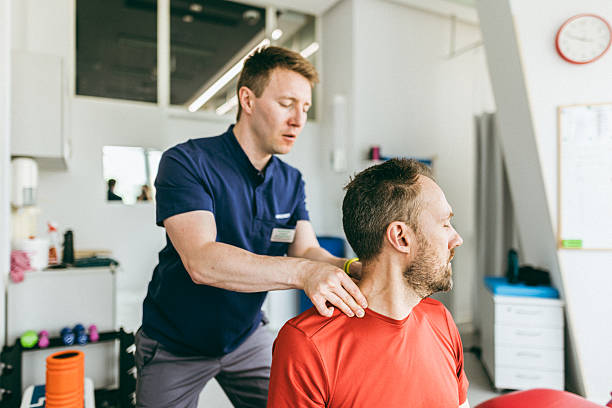
Knowledge & Skills You Will Learn
1
Rising Demand:Growing need for Sports Physiotherapists skilled in personalized and preventive care.
2
Skill Development Needs:Growing necessity for training in digital tools and advanced rehab tech.
3
Sustainability Focus:Increased efforts to promote eco-friendly practices in sports health facilities.
Sports Physiotherapist

Sports Physiotherapist

Early-career professionals who independently treat athletes, design rehab plans, and provide on-field support under guidance. They focus on...

0.0LPA
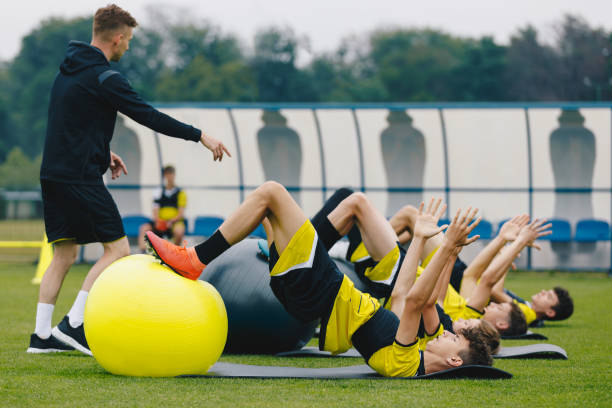
Senior Sports Physiotherapist

Senior Sports Physiotherapist

Mid-level professionals who lead complex injury cases, oversee rehabilitation, and ensure treatment efficacy for athletes. They implement advanced...

0.0LPA
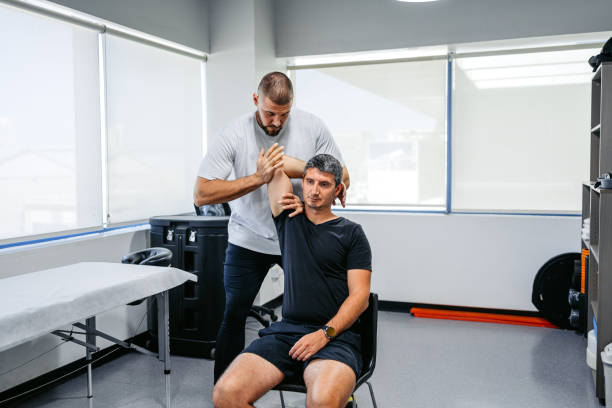
Sports Physiotherapy Specialist

Sports Physiotherapy Specialist

Experienced professionals who focus on niche areas like biomechanical analysis or elite athlete rehab, providing advanced care or consultation....

0.0LPA

Interested in this career?

Take the next step and explore more about Sports Physiotherapy.