Sports Bio mechanist

A Sports Biomechanist is a specialized professional who applies principles of mechanics and physics to analyze and enhance athletic performance, prevent injuries, and optimize training techniques through the study of human movement in sports. They work in diverse environments such as sports institutes, universities, professional teams, or research facilities, collaborating with coaches, athletes, physiotherapists, and engineers to improve performance and equipment design. Sports Biomechanists are integral to advancing athletic science in an era where data-driven insights and injury prevention are critical to sports excellence and athlete longevity.
Share :
โœจ Radial Mind Map - Sports Bio mechanist
Nodes arranged in concentric circles

Loading radial mind map...

Overview

A Sports Biomechanist is a specialized professional who applies principles of mechanics and physics to analyze and enhance athletic performance, prevent injuries, and optimize training techniques through the study of human movement in sports. They work in diverse environments such as sports institutes, universities, professional teams, or research facilities, collaborating with coaches, athletes, physiotherapists, and engineers to improve performance and equipment design. Sports Biomechanists are integral to advancing athletic science in an era where data-driven insights and injury prevention are critical to sports excellence and athlete longevity.

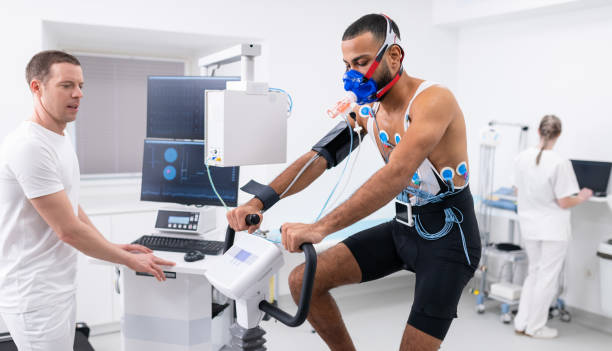
Sports Biomechanists are scientific experts who investigate the mechanics of human motion in sports, using advanced tools like motion capture systems, force plates, and computer simulations to assess techniques, identify inefficiencies, and recommend improvements for athletes. Their work involves analyzing movements to enhance performance, designing injury prevention strategies, and contributing to the development of sports equipment tailored to biomechanical needs. Operating in labs, training centers, or on-field settings, they merge a passion for sports with expertise in biomechanics, physiology, and technology to support athletes at all levels. As vital contributors to the sports and physical education cluster, Sports Biomechanists drive innovation in athletic training and safety in a landscape shaped by the growing reliance on scientific analysis to achieve competitive edges and protect athlete well-being.
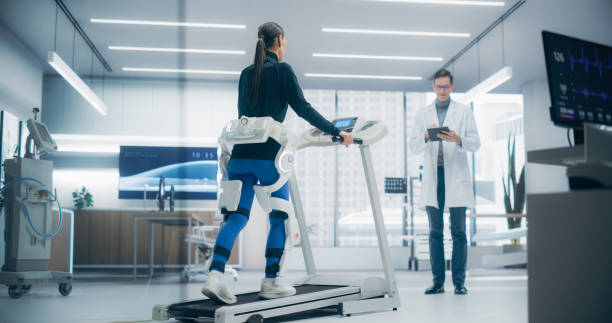
Roles and Responsibilities

๐Ÿ’ผ
Sports Bio mechanist
Roles and Responsibilities
Movement Analysis and Performance Optimization:
Conduct detailed biomechanical assessments of athletesโ€™ movements using tools like 3D motion capture to identify strengths and weaknesses.
Provide data-driven recommendations to coaches and athletes for technique refinement, such as optimizing running form or swing mechanics.
Injury Prevention and Rehabilitation Support:
Analyze movement patterns to pinpoint risk factors for injuries, such as improper joint loading or muscle imbalances, and suggest corrective measures.
Collaborate with physiotherapists to design rehabilitation programs that restore optimal movement mechanics post-injury.
Equipment and Gear Development:
Work with manufacturers to design sports equipment (e.g., shoes, prosthetics) that aligns with biomechanical principles for enhanced performance and safety.
Test and evaluate gear prototypes to ensure they meet athletesโ€™ biomechanical needs under real-world conditions.
Research and Data Collection:
Conduct research studies on sports movements, publishing findings to contribute to the scientific understanding of biomechanics in athletics.
Collect and analyze data on force, velocity, and joint angles to develop evidence-based training protocols.
Training Program Development:
Assist coaches in creating individualized training plans based on biomechanical data to maximize performance and minimize injury risks.
Monitor athletesโ€™ progress through periodic assessments, adjusting programs as needed based on biomechanical feedback.
Collaboration with Multidisciplinary Teams:
Partner with sports scientists, strength coaches, and medical professionals to integrate biomechanical insights into holistic athlete development plans.
Communicate complex biomechanical data in an accessible manner to athletes and staff for practical application.
Technology Integration and Innovation:
Utilize cutting-edge technologies like wearable sensors or virtual reality to assess and simulate athletic movements for analysis.
Stay updated on advancements in biomechanical tools and software to enhance research and application accuracy.
Education and Mentorship:
Educate athletes, coaches, and students on biomechanical principles to improve understanding of movement efficiency and safety.
Mentor aspiring biomechanists or sports science students through academic or professional guidance in research or applied settings.

Roles and Responsibilities:

  • Movement Analysis and Performance Optimization:
    • Conduct detailed biomechanical assessments of athletesโ€™ movements using tools like 3D motion capture to identify strengths and weaknesses.
    • Provide data-driven recommendations to coaches and athletes for technique refinement, such as optimizing running form or swing mechanics.
  • Injury Prevention and Rehabilitation Support:
    • Analyze movement patterns to pinpoint risk factors for injuries, such as improper joint loading or muscle imbalances, and suggest corrective measures.
    • Collaborate with physiotherapists to design rehabilitation programs that restore optimal movement mechanics post-injury.
  • Equipment and Gear Development:
    • Work with manufacturers to design sports equipment (e.g., shoes, prosthetics) that aligns with biomechanical principles for enhanced performance and safety.
    • Test and evaluate gear prototypes to ensure they meet athletesโ€™ biomechanical needs under real-world conditions.
  • Research and Data Collection:
    • Conduct research studies on sports movements, publishing findings to contribute to the scientific understanding of biomechanics in athletics.
    • Collect and analyze data on force, velocity, and joint angles to develop evidence-based training protocols.
  • Training Program Development:
    • Assist coaches in creating individualized training plans based on biomechanical data to maximize performance and minimize injury risks.
    • Monitor athletesโ€™ progress through periodic assessments, adjusting programs as needed based on biomechanical feedback.
  • Collaboration with Multidisciplinary Teams:
    • Partner with sports scientists, strength coaches, and medical professionals to integrate biomechanical insights into holistic athlete development plans.
    • Communicate complex biomechanical data in an accessible manner to athletes and staff for practical application.
  • Technology Integration and Innovation:
    • Utilize cutting-edge technologies like wearable sensors or virtual reality to assess and simulate athletic movements for analysis.
    • Stay updated on advancements in biomechanical tools and software to enhance research and application accuracy.
  • Education and Mentorship:
    • Educate athletes, coaches, and students on biomechanical principles to improve understanding of movement efficiency and safety.
    • Mentor aspiring biomechanists or sports science students through academic or professional guidance in research or applied settings.

ย 

Study Route & Eligibility Criteria

Study Route & Eligibility Criteria
Sports Bio mechanist
Route 1
๐ŸŽ“
1
10+2 in Science stream
Route 2
๐ŸŽ“
1
10+2 in Science stream
Route 3
๐ŸŽ“
1
10+2 in Science stream
Route 4
๐ŸŽ“
1
10+2 in Science stream
๐ŸŽฏ Sports Bio mechanist - Professional

Significant Observations (Academic Related Points)

๐Ÿ’ก
Sports Bio mechanist
Academic Related Points
1
Scientific Foundation:
A strong base in physics, biology, and mathematics is crucial for understanding biomechanical principles.
2
Sports Science Knowledge:
Familiarity with human anatomy, physiology, and sports dynamics aids in practical application to athletes.
3
Specialized Training:
Advanced degrees or certifications in biomechanics provide expertise in motion analysis and research methodologies.
4
Technical Proficiency:
Skills in using biomechanical tools and software are essential for accurate data collection and interpretation.
5
Interdisciplinary Insight:
Knowledge of engineering, physiotherapy, or computer science enhances equipment design and analysis capabilities.
6
Research Orientation:
A focus on research skills is vital for contributing to academic advancements or innovative sports solutions.
7
Continuing Education:
Workshops on emerging technologies like AI in biomechanics or wearable sensors are necessary to stay current.
8
Analytical Mindset:
Precision in data analysis ensures actionable insights for performance or injury prevention strategies.
9
Practical Exposure:
Hands-on experience through labs or internships bridges theoretical learning with real-world sports applications.
10
Career Preparation:
Competitive roles often require a robust portfolio of research or applied projects with athletes or teams.
11
Global Opportunities:
Skills in international sports science standards and collaboration open pathways to elite or global research roles.

Internships & Practical Exposure

๐Ÿ’ผ
Sports Bio mechanist
Internships & Practical Experience
1
Participation in internships at sports science labs or with professional teams during or after academic programs for hands-on experience in motion analysis.
2
Involvement in university-led sports research projects or athlete assessments for practical learning in biomechanical applications.
3
Assisting senior biomechanists at sports institutes to gain insights into data collection, analysis, and athlete feedback processes.
4
Observerships with national sports bodies or rehabilitation centers for exposure to real-world injury prevention and performance enhancement strategies.
5
Participation in biomechanics workshops or conferences for skill enhancement and professional networking in sports science.
6
Training through collaborative projects like analyzing athlete movements for local teams or clubs for real-world exposure.
7
Exposure to industry-standard practices such as using motion capture systems or force plates during practical sessions.
8
Project-based learning in specialized areas like gait analysis, equipment testing, or sport-specific biomechanics for focused expertise.
9
Community sports program support to apply biomechanical skills in practical settings like amateur athlete training or school sports.
10
International sports science volunteering or online courses for exposure to global biomechanical research standards and methodologies.

Courses & Specializations to Enter the Field

๐Ÿ“š
Sports Bio mechanist
Courses & Specializations
๐Ÿ“–
Bachelor of Science (B.Sc.) in Sports Science, Kinesiology, or Biomechanics.
๐Ÿ“–
Master of Science (M.Sc.) in Sports Biomechanics, Kinesiology, or Exercise Science.
๐Ÿ“–
Ph.D. in Sports Biomechanics or Biomedical Engineering for research-focused roles.
๐Ÿ“–
Certification in Biomechanical Analysis or Sports Performance Technology.
๐Ÿ“–
Specialization in Injury Biomechanics or Sports Equipment Design.
๐Ÿ“–
Diploma in Sports Science with Biomechanics modules.
๐Ÿ“–
Training in Motion Capture Technology and Data Analysis.
๐Ÿ“–
Workshops on Wearable Sensors and Sports Analytics.
๐Ÿ“–
Short Courses in Athlete Rehabilitation and Movement Optimization.
๐Ÿ“–
Advanced Training in Computational Biomechanics and Simulation Software.

Prominent Employers

๐Ÿข
Sports Bio mechanist
๐ŸŒŸ Top Companies & Organizations
๐Ÿ‡ฎ๐Ÿ‡ณ India
๐Ÿ›๏ธ
Sports Authority of India (SAI), Delhi
๐Ÿ›๏ธ
National Institute of Sports (NIS), Patiala
๐Ÿ›๏ธ
Indian Institute of Technology (IIT), Delhi
๐Ÿ›๏ธ
Board of Control for Cricket in India (BCCI), Mumbai
๐Ÿ›๏ธ
All India Football Federation (AIFF), Delhi
๐Ÿ›๏ธ
Manipal Academy of Higher Education, Manipal
๐Ÿ›๏ธ
Lakshmibai National Institute of Physical Education (LNIPE), Gwalior
๐Ÿ›๏ธ
Indian Premier League (IPL) Teams, Multiple Locations
๐Ÿ›๏ธ
Amity University, Noida
๐Ÿ›๏ธ
Reliance Sports, Mumbai
๐ŸŒ International
๐ŸŒ
Nike Sports Research Lab, USA
๐ŸŒ
Adidas Innovation Team, Germany
๐ŸŒ
ASICS Institute of Sport Science, Japan
๐ŸŒ
International Olympic Committee (IOC), Switzerland
๐ŸŒ
FIFA Medical Centre of Excellence, Switzerland
๐ŸŒ
Under Armour Human Performance Lab, USA
๐ŸŒ
Australian Institute of Sport (AIS), Australia
๐ŸŒ
Red Bull Athlete Performance Center, Austria
๐ŸŒ
Aspetar Orthopaedic and Sports Medicine Hospital, Qatar
๐ŸŒ
Manchester United Performance Lab, UK

Advice for Aspiring Sports Bio mechanists

๐Ÿ’ก
Sports Bio mechanist
๐ŸŒŸ Tips for Students & Parents
1
Build a strong foundation in science and biomechanics principles to excel in analyzing athletic movements.
2
Seek early exposure through internships or volunteer roles at sports labs to develop practical analysis skills.
3
Prepare diligently for entrance exams or university tests to secure admission to reputable sports science programs.
4
Pursue specialized training in biomechanical tools or injury prevention for a competitive edge in the field.
5
Stay updated on technological advancements and research trends by attending conferences and following scientific journals.
6
Build practical skills by assisting in small-scale athlete assessments or creating research projects for potential employers.
7
Engage in community sports programs or university labs to apply biomechanical talents in real-world scenarios.
8
Join professional networks like ISB or IASS for connections and access to essential sports science resources.
9
Cultivate resilience to handle the rigorous, often research-intensive nature of biomechanical studies and applications.
10
Explore international opportunities or diverse sports to understand varied biomechanical and cultural contexts.
11
Volunteer at local sports events or clinics to grasp the dynamics of athlete movement analysis.
12
Sharpen analytical and technical skills to process data and use advanced tools effectively for performance insights.
13
Participate in continuing education to keep pace with evolving biomechanical technologies and methodologies.
14
Build ties with sports scientists, coaches, and engineers for collaborative career growth in multidisciplinary teams.
15
Maintain determination to navigate the niche and competitive landscape of sports biomechanics.
16
Balance academic learning with hands-on research experience to adapt to the innovative world of sports science.
๐ŸŽ“ Final Message
Stepping into a career as a Sports Biomechanist offers a fascinating chance to decode the science behind athletic prowess, revolutionizing how performance is enhanced and injuries are prevented through the lens of human movement. From analyzing the strides of local athletes to shaping cutting-edge solutions for global champions, Sports Biomechanists are the unseen pioneers who merge physics with passion to elevate sports. This role combines a profound curiosity for science, technical mastery, and a relentless dedication to athlete betterment, presenting a range of opportunities in research labs, elite teams, and innovative design fields. For those captivated by the challenge of unlocking the mechanics of sport, ready to leverage groundbreaking technologies, and driven to make a transformative impact on athletic achievement, a career as a Sports Biomechanist provides an incredibly profound and forward-thinking professional journey, with the potential to reshape how the art and science of movement are understood and optimized for future generations.
Knowledge & Skills You Will Learn
1
Expertise in biomechanical principles and human movement science to analyze athletic performance accurately
2
Technical proficiency with motion capture systems, force plates, and biomechanical software for data collection and interpretation
3
Strong analytical skills to process complex data and translate findings into actionable recommendations for athletes or coaches
4
Knowledge of anatomy and physiology to understand muscle and joint interactions during sports activities
5
Research skills to design studies, publish findings, and contribute to the scientific body of sports biomechanics
6
Communication ability to explain technical biomechanical concepts to non-experts like athletes, coaches, or designers
7
Problem-solving skills to identify movement inefficiencies or injury risks and develop effective solutions
8
Collaboration skills to work with multidisciplinary teams, including coaches, physiotherapists, and engineers, for holistic athlete support
9
Adaptability to stay updated on emerging technologies and integrate them into biomechanical assessments
10
Attention to detail to ensure precision in data collection, analysis, and reporting for reliable outcomes
Biomechanics Analyst/Sports Biomechanist

Biomechanics Analyst/Sports Biomechanist

This role encompasses professionals at various stages of their career, from early-career analysts to experienced biomechanists. At the junior...

0.0LPA
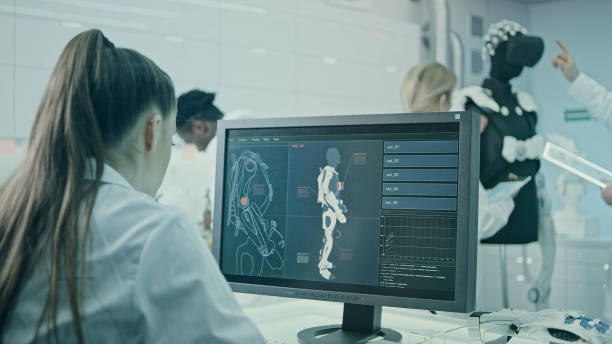
Lead Biomechanics Researcher

Lead Biomechanics Researcher

High-level professionals oversee research initiatives in sports biomechanics, publishing findings and driving innovation at institutes or...

0.0LPA
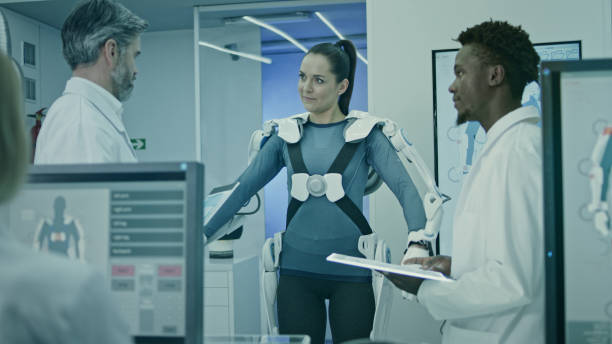
Biomechanics Program Director

Biomechanics Program Director

Senior leaders manage biomechanics departments or programs at sports organizations, setting research agendas and strategic goals. They are key...

0.0LPA

Interested in this career?

Take the next step and explore more about Sports Bio mechanist.