
Sound Engineer

Summary

A Sound Engineer is a technical and creative professional who designs, records, mixes, and manipulates audio for various media, including music, film, television, live events, and digital content, to ensure high-quality sound output.

Share :
✨ Radial Mind Map - Sound Engineer
Nodes arranged in concentric circles

Loading radial mind map...

Overview

A Sound Engineer is a technical and creative professional who designs, records, mixes, and manipulates audio for various media, including music, film, television, live events, and digital content, to ensure high-quality sound output. They operate within recording studios, film production houses, live event venues, or as freelancers, collaborating with musicians, directors, producers, and other technical staff to achieve the desired auditory experience. Sound Engineers play a crucial role in shaping the audio landscape of entertainment and communication in an era where immersive sound, digital platforms, and high-fidelity experiences are central to audience engagement.
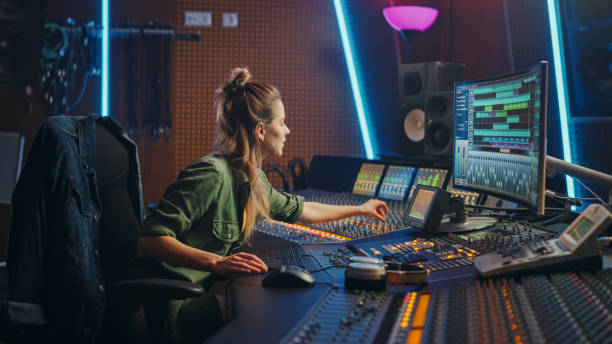
Sound Engineers are detail-oriented and technically proficient individuals tasked with capturing, editing, and enhancing audio to meet artistic and production goals. Their role includes operating complex equipment, troubleshooting technical issues, and addressing challenges ranging from acoustic environments to client specifications. They combine skills in audio technology, sound design, and creative problem-solving, working in dynamic environments like studios, on-location sets, or live concert venues to craft impactful soundscapes. As key contributors to media production, Sound Engineers drive auditory excellence and emotional impact in a landscape increasingly focused on surround sound, streaming content, and experiential audio.

Roles and Responsibilities

💼
Sound Engineer
Roles and Responsibilities
Audio Recording and Capture
Record sound for music, dialogue, or effects using microphones and recording equipment.
Ensure optimal audio quality by adjusting levels and positioning equipment appropriately.
Sound Mixing and Editing
Mix multiple audio tracks to create a balanced and cohesive final product.
Edit recordings to remove noise, enhance clarity, or add effects as needed.
Sound Design and Effects
Create or source sound effects to enhance storytelling in films, games, or theater.
Design audio elements to evoke specific moods or atmospheres.
Live Sound Management
Operate soundboards and equipment during live events, concerts, or broadcasts.
Monitor and adjust audio in real-time to ensure consistent quality for audiences.
Equipment Setup and Maintenance
Set up and test audio equipment before recording or live performances.
Maintain and repair gear to ensure optimal functionality and prevent downtime.
Collaboration with Creative Teams
Work with directors, producers, and artists to understand and achieve their audio vision.
Provide technical input on how sound can enhance the overall project.
Trend Monitoring and Adaptation
Stay updated on audio technology advancements, software updates, and industry trends.
Adapt techniques to suit modern demands like spatial audio or podcast production.
Project Management and Deadlines
Manage audio projects, ensuring timely delivery within budget constraints.
Coordinate with other departments to align sound with visual or performance elements.
Technical Foundation
: Strong knowledge of audio physics and equipment is essential for sound engineers.
Creative Mindset
: A flair for sound design and artistic audio enhancement is critical for success.
Specialized Training
: Certifications in audio software or mixing techniques offer niche expertise.
Cultural Awareness
: Understanding audience preferences and genre-specific audio needs improves output relevance.
Interdisciplinary Knowledge
: Familiarity with film production or music theory enhances audio integration.
Certification Importance
: Industry-recognized certifications can enhance opportunities for advanced roles.
Continuing Education
: Regular workshops on audio trends and tools are necessary to stay updated.
Global Standards
: Compliance with international audio quality standards enhances career prospects.
Attention to Detail
: Precision in sound editing and mixing is critical for credibility.
Entrance Examination Success
: Competitive exams may be required for admission to top programs.
International Testing Requirements
: For global roles, language proficiency tests or additional certifications may be needed.
Resul Pookutty (Contemporary, India)
: Sound Designer since the 1990s. Known forSlumdog Millionaire(Oscar winner). His vision drives cinematic audio. His impact shapes Indian sound design.
George Massenburg (Contemporary, USA)
: Sound Engineer since the 1960s. Known for pioneering digital audio and GML equipment. His creativity fosters innovation. His legacy impacts recording technology.
Bishwadeep Chatterjee (Contemporary, India)
: Sound Designer since the 1980s. Known for3 IdiotsandBajrangiBhaijaan. His leadership drives audio excellence. His contributions impact Bollywood sound.
Chris Lord-Alge (Contemporary, USA)
: Mixing Engineer since the 1980s. Known for work with Green Day and Muse. His vision shapes modern music mixes. His work influences rock and pop audio.
Nakula Sawant (Contemporary, India)
: Sound Engineer since the 2000s. Known for work in Indian cinema and live events. His creativity drives immersive sound. His impact shapes regional audio production.
Susan Rogers (Contemporary, USA)
: Sound Engineer since the 1980s. Known for work with Prince (Purple Rain). Her leadership fosters artist collaboration. Her contributions impact music engineering.
Amala Popuri (Contemporary, India)
: Sound Engineer since the 2010s. Known for work in Telugu cinema and innovative audio design. Her vision drives regional excellence. Her work influences South Indian sound.
Al Schmitt (Historical, USA)
: Sound Engineer since the 1950s. Known for work with Frank Sinatra and Steely Dan (multiple Grammys). His creativity drives recording standards. His legacy impacts audio history.
Debajit Changmai (Contemporary, India)
: Sound Engineer since the 2000s. Known forBaahubaliand epic soundscapes. His leadership shapes blockbuster audio. His contributions impact Indian cinema.
Eddie Kramer (Historical, USA)
: Sound Engineer since the 1960s. Known for work with Jimi Hendrix and Led Zeppelin. His vision drives iconic rock sound. His legacy impacts music production.

Roles and Responsibilities

  • Audio Recording and Capture
    • Record sound for music, dialogue, or effects using microphones and recording equipment.
    • Ensure optimal audio quality by adjusting levels and positioning equipment appropriately.
  • Sound Mixing and Editing
    • Mix multiple audio tracks to create a balanced and cohesive final product.
    • Edit recordings to remove noise, enhance clarity, or add effects as needed.
  • Sound Design and Effects
    • Create or source sound effects to enhance storytelling in films, games, or theater.
    • Design audio elements to evoke specific moods or atmospheres.
  • Live Sound Management
    • Operate soundboards and equipment during live events, concerts, or broadcasts.
    • Monitor and adjust audio in real-time to ensure consistent quality for audiences.
  • Equipment Setup and Maintenance
    • Set up and test audio equipment before recording or live performances.
    • Maintain and repair gear to ensure optimal functionality and prevent downtime.
  • Collaboration with Creative Teams
    • Work with directors, producers, and artists to understand and achieve their audio vision.
    • Provide technical input on how sound can enhance the overall project.
  • Trend Monitoring and Adaptation
    • Stay updated on audio technology advancements, software updates, and industry trends.
    • Adapt techniques to suit modern demands like spatial audio or podcast production.
  • Project Management and Deadlines
    • Manage audio projects, ensuring timely delivery within budget constraints.
    • Coordinate with other departments to align sound with visual or performance elements.


Study Route & Eligibility Criteria

RouteSteps
Route 11. 10+2 in any stream (preferably with Science or Physics focus)
 2. Bachelor’s degree in Sound Engineering, Audio Production, or Media Studies (3-4 years)
 3. Gain practical experience through internships or assistant roles (6 months-1 year)
 4. Start as a Junior Sound Engineer in studios or production houses
Route 21. 10+2 in any stream
 2. Bachelor’s degree in any discipline (3 years)
 3. Diploma or Certificate in Sound Engineering or Audio Technology (3-12 months)
 4. Work as a Sound Engineer after gaining hands-on experience
Route 31. 10+2 in any stream
 2. Bachelor’s degree in Audio Engineering, Music Technology, or related field (3-4 years)
 3. Master’s degree in Sound Design or Audio Production (1-2 years)
 4. Work as a Senior Sound Engineer with specialized expertise
Route 41. 10+2 in any stream
 2. International degree or certification in Sound Engineering or Audio Production (1-2 years)
 3. Additional qualifications as per country or industry requirements
 4. Serve as Sound Engineer in multinational studios or media companies


Significant Observations (Academic Related Points)

  • Technical Foundation: Strong knowledge of audio physics and equipment is essential for sound engineers.
  • Creative Mindset: A flair for sound design and artistic audio enhancement is critical for success.
  • Specialized Training: Certifications in audio software or mixing techniques offer niche expertise.
  • Cultural Awareness: Understanding audience preferences and genre-specific audio needs improves output relevance.
  • Interdisciplinary Knowledge: Familiarity with film production or music theory enhances audio integration.
  • Certification Importance: Industry-recognized certifications can enhance opportunities for advanced roles.
  • Continuing Education: Regular workshops on audio trends and tools are necessary to stay updated.
  • Global Standards: Compliance with international audio quality standards enhances career prospects.
  • Attention to Detail: Precision in sound editing and mixing is critical for credibility.
  • Entrance Examination Success: Competitive exams may be required for admission to top programs.
  • International Testing Requirements: For global roles, language proficiency tests or additional certifications may be needed.


Internships & Practical Exposure

  • Mandatory practical training during degree programs through internships.
  • Rotations in recording studios, film sets, or live event venues for hands-on experience.
  • Internships under senior sound engineers or audio supervisors for exposure to workflows.
  • Observerships in post-production facilities or live sound setups for real-world learning.
  • Participation in audio competitions or project showcases for skill development.
  • Training in collaborative projects through real-world recording sessions or live mixes.
  • Exposure to industry-standard audio software and hardware during internships.
  • Project-based learning focusing on diverse sound challenges.
  • Public outreach initiatives like contributing to community events or non-profit audio projects.
  • International attachments or online collaborations for exposure to global audio practices.


Courses & Specializations to Enter the Field

  • Bachelor’s in Sound Engineering or Audio Production.
  • Bachelor’s in Music Technology or Media Studies.
  • Master’s in Audio Engineering or Sound Design.
  • Diploma in Sound Recording and Mixing.
  • Specialization in Film Sound Design.
  • Certification in Digital Audio Workstations (DAWs) like Pro Tools.
  • Workshops on Live Sound Reinforcement.
  • Training in Foley Art and Sound Effects Creation.
  • Specialization in Game Audio Design.
  • Short Courses in Podcast Production and Audio Editing.


Top Institutes for Sound Engineer Education (India)

InstituteCourse/ProgramOfficial Link
Film and Television Institute of India (FTII), PunePG Diploma in Sound Recording & Sound Designhttps://www.ftii.ac.in/
Satyajit Ray Film & Television Institute (SRFTI), KolkataPG Diploma in Sound Recording & Designhttps://srfti.ac.in/
Whistling Woods International, MumbaiBA & Diploma in Sound Recording & Designhttps://www.whistlingwoods.net/
Annapurna College of Film and Media, HyderabadBA in Sound Design & Audio Productionhttps://www.annapurnacollege.edu.in/
Zee Institute of Media Arts (ZIMA), MumbaiDiploma in Sound Engineeringhttps://www.zimainstitute.com/
Mumbai Music Institute, MumbaiDiploma in Audio Engineering & Music Productionhttps://www.mumbaimusicinstitute.in/
Symbiosis School of Media & Communication, PuneBA in Media (Audio Production Focus)https://www.simc.edu/
Amity School of Film & Drama, NoidaBA in Film & Television Production (Sound Focus)https://www.amity.edu/
Christ University, BangaloreBA in Media Studies (Audio Production Focus)https://www.christuniversity.in/
AAFT School of Cinema, NoidaDiploma in Sound Engineeringhttps://aaft.com/


Top International Institutes

InstitutionCourseCountryOfficial Link
Berklee College of Music, BostonBS in Music Production and EngineeringUSAhttps://www.berklee.edu/
SAE Institute, Multiple LocationsBA/BSc in Audio ProductionGlobalhttps://www.sae.edu/
Full Sail University, Winter ParkBS in Audio ProductionUSAhttps://www.fullsail.edu/
University of Surrey, GuildfordBMus in Music and Sound Recording (Tonmeister)UKhttps://www.surrey.ac.uk/
New York University (NYU), Steinhardt SchoolBS & MA in Music Technology (Audio Focus)USAhttps://steinhardt.nyu.edu/
Middle Tennessee State University (MTSU)BS in Audio ProductionUSAhttps://www.mtsu.edu/recording-industry/
Queensland University of Technology (QUT)Bachelor of Fine Arts (Sound Design)Australiahttps://www.qut.edu.au/
University of Toronto, Faculty of MusicCertificate in Music Technology & Digital MediaCanadahttps://music.utoronto.ca/
Abbey Road Institute, LondonAdvanced Diploma in Music Production & Sound EngineeringUKhttps://abbeyroadinstitute.co.uk/
École Nationale Supérieure Louis-LumièreMaster’s in Sound EngineeringFrancehttps://www.ens-louis-lumiere.fr/


Entrance Tests Required

India:

  • FTII Entrance Exam: For admission to Film and Television Institute of India programs.
  • SRFTI Entrance Exam: For admission to Satyajit Ray Film & Television Institute programs.
  • Whistling Woods Entrance Test (WWIEE): For admission to Whistling Woods International.
  • University-Specific Entrance Tests: Many institutes like Christ University conduct their own exams for media and audio programs.
  • Portfolio or Practical Test: Often required for sound engineering programs to assess technical skills or prior work.


International:

  • SAT (Scholastic Aptitude Test): Required for undergraduate programs in the USA and other countries.
  • TOEFL (Test of English as a Foreign Language): Minimum score of 80-100 required for non-native speakers applying to programs in English-speaking countries.
  • IELTS (International English Language Testing System): Minimum score of 6.5-7.5 required for admission to universities in the UK, Australia, and other English-speaking regions.
  • PTE Academic (Pearson Test of English Academic): Accepted by many international institutes as an alternative to TOEFL or IELTS for English proficiency.
  • Duolingo English Test: Accepted by some institutions as a convenient alternative for English language proficiency testing.


Ideal Progressing Career Path

Junior Sound Engineer → Sound Engineer → Senior Sound Engineer → Sound Designer → Audio Director → Mixing Engineer → Mastering Engineer → Independent Audio Consultant → Studio Owner → Sound Engineering Educator


Major Areas of Employment

  • Recording studios for music production and voice-overs.
  • Film and television production for dialogue and sound effects.
  • Live event management for concerts, theater, and conferences.
  • Broadcasting companies for radio and TV audio.
  • Gaming industry for immersive audio and sound design.
  • Advertising agencies for commercial jingles and branded content.
  • Freelance or independent roles for personalized audio services.
  • Corporate sector for training videos and virtual events.
  • Podcasting platforms for audio production and editing.
  • Non-profit organizations for documentary and advocacy audio.


Prominent Employers

IndiaInternational
Yash Raj Films (YRF Studios)Warner Bros. Sound, USA
T-SeriesUniversal Music Group, USA
Sony Music IndiaSony Music Entertainment, USA
Zee Music CompanyDisney Music Group, USA
Red Chillies EntertainmentNetflix (Audio Division), USA
Dharma ProductionsDolby Laboratories, USA
Balaji TelefilmsBBC Sound, UK
Eros InternationalSpotify (Audio Production), USA
Viacom18Apple Music, USA
Excel EntertainmentAbbey Road Studios, UK


Pros and Cons of the Profession

ProsCons
Opportunity to work in creative and technically stimulating environmentsHigh stress due to tight deadlines and perfection demands
High demand for sound engineers in growing digital content and entertainment sectorsLong and irregular hours during recordings or live events
Rewarding impact through enhancing audience experiences with quality audioRisk of project delays or technical failures during critical moments
Diverse career paths across music, film, live events, and freelance rolesLimited stability in freelance or project-based roles
Strong potential for influence with award-winning sound design or mixesDependency on evolving technology and software updates


Industry Trends and Future Outlook

  • Growing adoption of digital platforms for audio content distribution and streaming.
  • Rising demand for sound engineers due to expanding podcasting and immersive media needs.
  • Advancements in audio tech for spatial audio, 3D sound, and virtual reality.
  • Heightened focus on high-fidelity audio for premium user experiences.
  • Expansion of sound engineering in gaming and interactive media.
  • Development of AI tools for automated audio editing and noise reduction.
  • Increased emphasis on remote audio production and cloud-based collaboration.
  • Enhanced collaboration between sound engineers and content creators for impact.
  • Growing need for continuous training to master emerging audio methodologies.
  • Focus on global audio standards to align practices internationally.


Salary Expectations

Career LevelIndia (₹ per annum)International (USD per annum)
Junior Sound Engineer (Early Career)2,50,000 - 5,00,00025,000 - 40,000
Sound Engineer (Mid-Career)5,00,000 - 10,00,00040,000 - 60,000
Senior Sound Engineer/Sound Designer10,00,000 - 18,00,00060,000 - 90,000
Audio Director/Mixing Engineer18,00,000 - 30,00,00090,000 - 130,000
Mastering Engineer/Independent Consultant30,00,000+130,000+

Note: Salaries vary based on location, experience, employer, and industry. International figures are approximate and depend on the country and sector. Freelance earnings often depend on project rates.


Key Software Tools

  • Digital Audio Workstations (DAWs) like Pro Tools for recording and mixing.
  • Audio Editing Software like Adobe Audition for post-production.
  • Sound Design Tools like Logic Pro X for music and effects creation.
  • Live Sound Software like QLab for theater and event audio.
  • Noise Reduction Tools like iZotope RX for cleaning audio.
  • Virtual Instruments and Plugins like Native Instruments for sound synthesis.
  • Collaboration Platforms like Soundtrap for remote audio projects.
  • Project Management Tools like Asana for tracking audio deadlines.
  • Cloud Storage like Dropbox for audio file sharing and backups.
  • Monitoring Tools like Waves for real-time audio analysis.


Professional Organizations and Networks

  • Audio Engineering Society (AES), Global.
  • Indian Recording Arts Academy (IRAA), India.
  • National Association of Broadcasters (NAB), USA.
  • Society of Motion Picture and Television Engineers (SMPTE), USA.
  • European Broadcasting Union (EBU), Europe.
  • Asia-Pacific Broadcasting Union (ABU), Asia-Pacific.
  • International Association of Sound and Audiovisual Archives (IASA), Global.
  • British Institute of Professional Sound (IPS), UK.
  • Recording Academy (GRAMMYs), USA.
  • Canadian Academy of Recording Arts and Sciences (CARAS), Canada.


Notable Sound Engineers and Industry Leaders (Top 10)

  • Resul Pookutty (Contemporary, India): Sound Designer since the 1990s. Known for Slumdog Millionaire (Oscar winner). His vision drives cinematic audio. His impact shapes Indian sound design.
     
  • George Massenburg (Contemporary, USA): Sound Engineer since the 1960s. Known for pioneering digital audio and GML equipment. His creativity fosters innovation. His legacy impacts recording technology.
     
  • Bishwadeep Chatterjee (Contemporary, India): Sound Designer since the 1980s. Known for 3 Idiots and BajrangiBhaijaan. His leadership drives audio excellence. His contributions impact Bollywood sound.
     
  • Chris Lord-Alge (Contemporary, USA): Mixing Engineer since the 1980s. Known for work with Green Day and Muse. His vision shapes modern music mixes. His work influences rock and pop audio.
     
  • Nakula Sawant (Contemporary, India): Sound Engineer since the 2000s. Known for work in Indian cinema and live events. His creativity drives immersive sound. His impact shapes regional audio production.
     
  • Susan Rogers (Contemporary, USA): Sound Engineer since the 1980s. Known for work with Prince (Purple Rain). Her leadership fosters artist collaboration. Her contributions impact music engineering.
     
  • Amala Popuri (Contemporary, India): Sound Engineer since the 2010s. Known for work in Telugu cinema and innovative audio design. Her vision drives regional excellence. Her work influences South Indian sound.
     
  • Al Schmitt (Historical, USA): Sound Engineer since the 1950s. Known for work with Frank Sinatra and Steely Dan (multiple Grammys). His creativity drives recording standards. His legacy impacts audio history.
     
  • Debajit Changmai (Contemporary, India): Sound Engineer since the 2000s. Known for Baahubali and epic soundscapes. His leadership shapes blockbuster audio. His contributions impact Indian cinema.
     
  • Eddie Kramer (Historical, USA): Sound Engineer since the 1960s. Known for work with Jimi Hendrix and Led Zeppelin. His vision drives iconic rock sound. His legacy impacts music production.
     

Advice for Aspiring Sound Engineers

  • Build a strong foundation in audio technology and acoustics to handle complex sound challenges.
  • Seek early exposure to studios or live events through internships to confirm interest.
  • Prepare thoroughly for certifications like Pro Tools or sound design to build credibility.
  • Pursue advanced training in areas like spatial audio or game sound for expertise.
  • Stay updated on audio trends and technology by attending industry expos and workshops.
  • Develop hands-on skills in recording and mixing through personal projects or collaborations.
  • Engage in audio challenges or online communities to build real-world experience.
  • Join professional associations like AES for networking and resources.
  • Work on precision and adaptability to ensure high-quality audio outcomes.
  • Explore international sound engineering programs for exposure to diverse technical standards.
  • Volunteer in community events or non-profit audio projects to understand client needs and build experience.
  • Cultivate adaptability to handle complex technical and creative challenges.
  • Attend continuing education programs to stay abreast of evolving audio methodologies.
  • Build a network with musicians, filmmakers, and producers for collaborative efforts.
  • Develop resilience to manage the pressure and uncertainty of project-based roles.
  • Balance technical duties with continuous learning to adapt to rapid advancements in audio technology.


A career as a Sound Engineer offers a unique opportunity to contribute to auditory storytelling, audience immersion, and media impact by navigating complex technical and creative landscapes for diverse projects. From crafting pristine recordings to designing immersive soundscapes and driving emotional resonance, Sound Engineers play a pivotal role in modern entertainment and communication ecosystems. This field combines technical expertise, creative vision, and a commitment to solving intricate audio challenges, offering diverse paths in music, film, live events, and beyond. For those passionate about sound, adapting to dynamic audio trends, and addressing client needs in an era of digital evolution, a career as a Sound Engineer provides an intellectually stimulating and professionally rewarding journey with the potential to make significant contributions to society by advancing the art and application of audio engineering worldwide.


Study Route & Eligibility Criteria

Study Route & Eligibility Criteria
Sound Engineer
Route 1
🎓
1
10+2 in any stream
Route 2
🎓
1
10+2 in any stream
Route 3
🎓
1
10+2 in any stream
Route 4
🎓
1
10+2 in any stream
🎯 Sound Engineer - Professional

Significant Observations (Academic Related Points)

💡
Sound Engineer
Academic Related Points
1
Technical Foundation
Strong knowledge of audio physics and equipment is essential for sound engineers.
2
Creative Mindset
A flair for sound design and artistic audio enhancement is critical for success.
3
Specialized Training
Certifications in audio software or mixing techniques offer niche expertise.
4
Cultural Awareness
Understanding audience preferences and genre-specific audio needs improves output relevance.
5
Interdisciplinary Knowledge
Familiarity with film production or music theory enhances audio integration.
6
Certification Importance
Industry-recognized certifications can enhance opportunities for advanced roles.
7
Continuing Education
Regular workshops on audio trends and tools are necessary to stay updated.
8
Global Standards
Compliance with international audio quality standards enhances career prospects.
9
Attention to Detail
Precision in sound editing and mixing is critical for credibility.
10
Entrance Examination Success
Competitive exams may be required for admission to top programs.
11
International Testing Requirements
For global roles, language proficiency tests or additional certifications may be needed.
12
Resul Pookutty (Contemporary, India)
Sound Designer since the 1990s. Known forSlumdog Millionaire(Oscar winner). His vision drives cinematic audio. His impact shapes Indian sound design.
13
George Massenburg (Contemporary, USA)
Sound Engineer since the 1960s. Known for pioneering digital audio and GML equipment. His creativity fosters innovation. His legacy impacts recording technology.
14
Bishwadeep Chatterjee (Contemporary, India)
Sound Designer since the 1980s. Known for3 IdiotsandBajrangiBhaijaan. His leadership drives audio excellence. His contributions impact Bollywood sound.
15
Chris Lord-Alge (Contemporary, USA)
Mixing Engineer since the 1980s. Known for work with Green Day and Muse. His vision shapes modern music mixes. His work influences rock and pop audio.
16
Nakula Sawant (Contemporary, India)
Sound Engineer since the 2000s. Known for work in Indian cinema and live events. His creativity drives immersive sound. His impact shapes regional audio production.
17
Susan Rogers (Contemporary, USA)
Sound Engineer since the 1980s. Known for work with Prince (Purple Rain). Her leadership fosters artist collaboration. Her contributions impact music engineering.
18
Amala Popuri (Contemporary, India)
Sound Engineer since the 2010s. Known for work in Telugu cinema and innovative audio design. Her vision drives regional excellence. Her work influences South Indian sound.
19
Al Schmitt (Historical, USA)
Sound Engineer since the 1950s. Known for work with Frank Sinatra and Steely Dan (multiple Grammys). His creativity drives recording standards. His legacy impacts audio history.
20
Debajit Changmai (Contemporary, India)
Sound Engineer since the 2000s. Known forBaahubaliand epic soundscapes. His leadership shapes blockbuster audio. His contributions impact Indian cinema.
21
Eddie Kramer (Historical, USA)
Sound Engineer since the 1960s. Known for work with Jimi Hendrix and Led Zeppelin. His vision drives iconic rock sound. His legacy impacts music production.

Internships & Practical Exposure

💼
Sound Engineer
Internships & Practical Experience
1
Mandatory practical training during degree programs through internships.
2
Rotations in recording studios, film sets, or live event venues for hands-on experience.
3
Internships under senior sound engineers or audio supervisors for exposure to workflows.
4
Observerships in post-production facilities or live sound setups for real-world learning.
5
Participation in audio competitions or project showcases for skill development.
6
Training in collaborative projects through real-world recording sessions or live mixes.
7
Exposure to industry-standard audio software and hardware during internships.
8
Project-based learning focusing on diverse sound challenges.
9
Public outreach initiatives like contributing to community events or non-profit audio projects.
10
International attachments or online collaborations for exposure to global audio practices.
11
Bachelor’s in Sound Engineering or Audio Production.
12
Bachelor’s in Music Technology or Media Studies.
13
Master’s in Audio Engineering or Sound Design.
14
Diploma in Sound Recording and Mixing.
15
Specialization in Film Sound Design.
16
Certification in Digital Audio Workstations (DAWs) like Pro Tools.
17
Workshops on Live Sound Reinforcement.
18
Training in Foley Art and Sound Effects Creation.
19
Specialization in Game Audio Design.
20
Short Courses in Podcast Production and Audio Editing.
21
FTII Entrance Exam: For admission to Film and Television Institute of India programs.
22
SRFTI Entrance Exam: For admission to Satyajit Ray Film & Television Institute programs.
23
Whistling Woods Entrance Test (WWIEE): For admission to Whistling Woods International.
24
University-Specific Entrance Tests: Many institutes like Christ University conduct their own exams for media and audio programs.
25
Portfolio or Practical Test: Often required for sound engineering programs to assess technical skills or prior work.
26
SAT (Scholastic Aptitude Test): Required for undergraduate programs in the USA and other countries.
27
TOEFL (Test of English as a Foreign Language): Minimum score of 80-100 required for non-native speakers applying to programs in English-speaking countries.
28
IELTS (International English Language Testing System): Minimum score of 6.5-7.5 required for admission to universities in the UK, Australia, and other English-speaking regions.
29
PTE Academic (Pearson Test of English Academic): Accepted by many international institutes as an alternative to TOEFL or IELTS for English proficiency.
30
Duolingo English Test: Accepted by some institutions as a convenient alternative for English language proficiency testing.
31
Recording studios for music production and voice-overs.
32
Film and television production for dialogue and sound effects.
33
Live event management for concerts, theater, and conferences.
34
Broadcasting companies for radio and TV audio.
35
Gaming industry for immersive audio and sound design.
36
Advertising agencies for commercial jingles and branded content.
37
Freelance or independent roles for personalized audio services.
38
Corporate sector for training videos and virtual events.
39
Podcasting platforms for audio production and editing.
40
Non-profit organizations for documentary and advocacy audio.
41
Growing adoption of digital platforms for audio content distribution and streaming.
42
Rising demand for sound engineers due to expanding podcasting and immersive media needs.
43
Advancements in audio tech for spatial audio, 3D sound, and virtual reality.
44
Heightened focus on high-fidelity audio for premium user experiences.
45
Expansion of sound engineering in gaming and interactive media.
46
Development of AI tools for automated audio editing and noise reduction.
47
Increased emphasis on remote audio production and cloud-based collaboration.
48
Enhanced collaboration between sound engineers and content creators for impact.
49
Growing need for continuous training to master emerging audio methodologies.
50
Focus on global audio standards to align practices internationally.
51
Digital Audio Workstations (DAWs) like Pro Tools for recording and mixing.
52
Audio Editing Software like Adobe Audition for post-production.
53
Sound Design Tools like Logic Pro X for music and effects creation.
54
Live Sound Software like QLab for theater and event audio.
55
Noise Reduction Tools like iZotope RX for cleaning audio.
56
Virtual Instruments and Plugins like Native Instruments for sound synthesis.
57
Collaboration Platforms like Soundtrap for remote audio projects.
58
Project Management Tools like Asana for tracking audio deadlines.
59
Cloud Storage like Dropbox for audio file sharing and backups.
60
Monitoring Tools like Waves for real-time audio analysis.
61
Audio Engineering Society (AES), Global.
62
Indian Recording Arts Academy (IRAA), India.
63
National Association of Broadcasters (NAB), USA.
64
Society of Motion Picture and Television Engineers (SMPTE), USA.
65
European Broadcasting Union (EBU), Europe.
66
Asia-Pacific Broadcasting Union (ABU), Asia-Pacific.
67
International Association of Sound and Audiovisual Archives (IASA), Global.
68
British Institute of Professional Sound (IPS), UK.
69
Recording Academy (GRAMMYs), USA.
70
Canadian Academy of Recording Arts and Sciences (CARAS), Canada.
71
Resul Pookutty (Contemporary, India): Sound Designer since the 1990s. Known forSlumdog Millionaire(Oscar winner). His vision drives cinematic audio. His impact shapes Indian sound design.
72
George Massenburg (Contemporary, USA): Sound Engineer since the 1960s. Known for pioneering digital audio and GML equipment. His creativity fosters innovation. His legacy impacts recording technology.
73
Bishwadeep Chatterjee (Contemporary, India): Sound Designer since the 1980s. Known for3 IdiotsandBajrangiBhaijaan. His leadership drives audio excellence. His contributions impact Bollywood sound.
74
Chris Lord-Alge (Contemporary, USA): Mixing Engineer since the 1980s. Known for work with Green Day and Muse. His vision shapes modern music mixes. His work influences rock and pop audio.
75
Nakula Sawant (Contemporary, India): Sound Engineer since the 2000s. Known for work in Indian cinema and live events. His creativity drives immersive sound. His impact shapes regional audio production.
76
Susan Rogers (Contemporary, USA): Sound Engineer since the 1980s. Known for work with Prince (Purple Rain). Her leadership fosters artist collaboration. Her contributions impact music engineering.
77
Amala Popuri (Contemporary, India): Sound Engineer since the 2010s. Known for work in Telugu cinema and innovative audio design. Her vision drives regional excellence. Her work influences South Indian sound.
78
Al Schmitt (Historical, USA): Sound Engineer since the 1950s. Known for work with Frank Sinatra and Steely Dan (multiple Grammys). His creativity drives recording standards. His legacy impacts audio history.
79
Debajit Changmai (Contemporary, India): Sound Engineer since the 2000s. Known forBaahubaliand epic soundscapes. His leadership shapes blockbuster audio. His contributions impact Indian cinema.
80
Eddie Kramer (Historical, USA): Sound Engineer since the 1960s. Known for work with Jimi Hendrix and Led Zeppelin. His vision drives iconic rock sound. His legacy impacts music production.
81
Build a strong foundation in audio technology and acoustics to handle complex sound challenges.
82
Seek early exposure to studios or live events through internships to confirm interest.
83
Prepare thoroughly for certifications like Pro Tools or sound design to build credibility.
84
Pursue advanced training in areas like spatial audio or game sound for expertise.
85
Stay updated on audio trends and technology by attending industry expos and workshops.
86
Develop hands-on skills in recording and mixing through personal projects or collaborations.
87
Engage in audio challenges or online communities to build real-world experience.
88
Join professional associations like AES for networking and resources.
89
Work on precision and adaptability to ensure high-quality audio outcomes.
90
Explore international sound engineering programs for exposure to diverse technical standards.
91
Volunteer in community events or non-profit audio projects to understand client needs and build experience.
92
Cultivate adaptability to handle complex technical and creative challenges.
93
Attend continuing education programs to stay abreast of evolving audio methodologies.
94
Build a network with musicians, filmmakers, and producers for collaborative efforts.
95
Develop resilience to manage the pressure and uncertainty of project-based roles.
96
Balance technical duties with continuous learning to adapt to rapid advancements in audio technology.

Courses & Specializations to Enter the Field

📚
Sound Engineer
Courses & Specializations
📖
Bachelor’s in Sound Engineering or Audio Production.
📖
Bachelor’s in Music Technology or Media Studies.
📖
Master’s in Audio Engineering or Sound Design.
📖
Diploma in Sound Recording and Mixing.
📖
Specialization in Film Sound Design.
📖
Certification in Digital Audio Workstations (DAWs) like Pro Tools.
📖
Workshops on Live Sound Reinforcement.
📖
Training in Foley Art and Sound Effects Creation.
📖
Specialization in Game Audio Design.
📖
Short Courses in Podcast Production and Audio Editing.
📖
FTII Entrance Exam: For admission to Film and Television Institute of India programs.
📖
SRFTI Entrance Exam: For admission to Satyajit Ray Film & Television Institute programs.
📖
Whistling Woods Entrance Test (WWIEE): For admission to Whistling Woods International.
📖
University-Specific Entrance Tests: Many institutes like Christ University conduct their own exams for media and audio programs.
📖
Portfolio or Practical Test: Often required for sound engineering programs to assess technical skills or prior work.
📖
SAT (Scholastic Aptitude Test): Required for undergraduate programs in the USA and other countries.
📖
TOEFL (Test of English as a Foreign Language): Minimum score of 80-100 required for non-native speakers applying to programs in English-speaking countries.
📖
IELTS (International English Language Testing System): Minimum score of 6.5-7.5 required for admission to universities in the UK, Australia, and other English-speaking regions.
📖
PTE Academic (Pearson Test of English Academic): Accepted by many international institutes as an alternative to TOEFL or IELTS for English proficiency.
📖
Duolingo English Test: Accepted by some institutions as a convenient alternative for English language proficiency testing.
📖
Recording studios for music production and voice-overs.
📖
Film and television production for dialogue and sound effects.
📖
Live event management for concerts, theater, and conferences.
📖
Broadcasting companies for radio and TV audio.
📖
Gaming industry for immersive audio and sound design.
📖
Advertising agencies for commercial jingles and branded content.
📖
Freelance or independent roles for personalized audio services.
📖
Corporate sector for training videos and virtual events.
📖
Podcasting platforms for audio production and editing.
📖
Non-profit organizations for documentary and advocacy audio.
📖
Growing adoption of digital platforms for audio content distribution and streaming.
📖
Rising demand for sound engineers due to expanding podcasting and immersive media needs.
📖
Advancements in audio tech for spatial audio, 3D sound, and virtual reality.
📖
Heightened focus on high-fidelity audio for premium user experiences.
📖
Expansion of sound engineering in gaming and interactive media.
📖
Development of AI tools for automated audio editing and noise reduction.
📖
Increased emphasis on remote audio production and cloud-based collaboration.
📖
Enhanced collaboration between sound engineers and content creators for impact.
📖
Growing need for continuous training to master emerging audio methodologies.
📖
Focus on global audio standards to align practices internationally.
📖
Digital Audio Workstations (DAWs) like Pro Tools for recording and mixing.
📖
Audio Editing Software like Adobe Audition for post-production.
📖
Sound Design Tools like Logic Pro X for music and effects creation.
📖
Live Sound Software like QLab for theater and event audio.
📖
Noise Reduction Tools like iZotope RX for cleaning audio.
📖
Virtual Instruments and Plugins like Native Instruments for sound synthesis.
📖
Collaboration Platforms like Soundtrap for remote audio projects.
📖
Project Management Tools like Asana for tracking audio deadlines.
📖
Cloud Storage like Dropbox for audio file sharing and backups.
📖
Monitoring Tools like Waves for real-time audio analysis.
📖
Audio Engineering Society (AES), Global.
📖
Indian Recording Arts Academy (IRAA), India.
📖
National Association of Broadcasters (NAB), USA.
📖
Society of Motion Picture and Television Engineers (SMPTE), USA.
📖
European Broadcasting Union (EBU), Europe.
📖
Asia-Pacific Broadcasting Union (ABU), Asia-Pacific.
📖
International Association of Sound and Audiovisual Archives (IASA), Global.
📖
British Institute of Professional Sound (IPS), UK.
📖
Recording Academy (GRAMMYs), USA.
📖
Canadian Academy of Recording Arts and Sciences (CARAS), Canada.
📖
Resul Pookutty (Contemporary, India): Sound Designer since the 1990s. Known forSlumdog Millionaire(Oscar winner). His vision drives cinematic audio. His impact shapes Indian sound design.
📖
George Massenburg (Contemporary, USA): Sound Engineer since the 1960s. Known for pioneering digital audio and GML equipment. His creativity fosters innovation. His legacy impacts recording technology.
📖
Bishwadeep Chatterjee (Contemporary, India): Sound Designer since the 1980s. Known for3 IdiotsandBajrangiBhaijaan. His leadership drives audio excellence. His contributions impact Bollywood sound.
📖
Chris Lord-Alge (Contemporary, USA): Mixing Engineer since the 1980s. Known for work with Green Day and Muse. His vision shapes modern music mixes. His work influences rock and pop audio.
📖
Nakula Sawant (Contemporary, India): Sound Engineer since the 2000s. Known for work in Indian cinema and live events. His creativity drives immersive sound. His impact shapes regional audio production.
📖
Susan Rogers (Contemporary, USA): Sound Engineer since the 1980s. Known for work with Prince (Purple Rain). Her leadership fosters artist collaboration. Her contributions impact music engineering.
📖
Amala Popuri (Contemporary, India): Sound Engineer since the 2010s. Known for work in Telugu cinema and innovative audio design. Her vision drives regional excellence. Her work influences South Indian sound.
📖
Al Schmitt (Historical, USA): Sound Engineer since the 1950s. Known for work with Frank Sinatra and Steely Dan (multiple Grammys). His creativity drives recording standards. His legacy impacts audio history.
📖
Debajit Changmai (Contemporary, India): Sound Engineer since the 2000s. Known forBaahubaliand epic soundscapes. His leadership shapes blockbuster audio. His contributions impact Indian cinema.
📖
Eddie Kramer (Historical, USA): Sound Engineer since the 1960s. Known for work with Jimi Hendrix and Led Zeppelin. His vision drives iconic rock sound. His legacy impacts music production.
📖
Build a strong foundation in audio technology and acoustics to handle complex sound challenges.
📖
Seek early exposure to studios or live events through internships to confirm interest.
📖
Prepare thoroughly for certifications like Pro Tools or sound design to build credibility.
📖
Pursue advanced training in areas like spatial audio or game sound for expertise.
📖
Stay updated on audio trends and technology by attending industry expos and workshops.
📖
Develop hands-on skills in recording and mixing through personal projects or collaborations.
📖
Engage in audio challenges or online communities to build real-world experience.
📖
Join professional associations like AES for networking and resources.
📖
Work on precision and adaptability to ensure high-quality audio outcomes.
📖
Explore international sound engineering programs for exposure to diverse technical standards.
📖
Volunteer in community events or non-profit audio projects to understand client needs and build experience.
📖
Cultivate adaptability to handle complex technical and creative challenges.
📖
Attend continuing education programs to stay abreast of evolving audio methodologies.
📖
Build a network with musicians, filmmakers, and producers for collaborative efforts.
📖
Develop resilience to manage the pressure and uncertainty of project-based roles.
📖
Balance technical duties with continuous learning to adapt to rapid advancements in audio technology.

Prominent Employers

🏢
Sound Engineer
🌟 Top Companies & Organizations
🇮🇳 India
🏛️
Yash Raj Films (YRF Studios)
🏛️
T-Series
🏛️
Sony Music India
🏛️
Zee Music Company
🏛️
Red Chillies Entertainment
🏛️
Dharma Productions
🏛️
Balaji Telefilms
🏛️
Eros International
🏛️
Viacom18
🏛️
Excel Entertainment
🌍 International
🌐
Warner Bros. Sound, USA
🌐
Universal Music Group, USA
🌐
Sony Music Entertainment, USA
🌐
Disney Music Group, USA
🌐
Netflix (Audio Division), USA
🌐
Dolby Laboratories, USA
🌐
BBC Sound, UK
🌐
Spotify (Audio Production), USA
🌐
Apple Music, USA
🌐
Abbey Road Studios, UK

Advice for Aspiring Sound Engineers

💡
Sound Engineer
🌟 Tips for Students & Parents
1
Build a strong foundation in audio technology and acoustics to handle complex sound challenges.
2
Seek early exposure to studios or live events through internships to confirm interest.
3
Prepare thoroughly for certifications like Pro Tools or sound design to build credibility.
4
Pursue advanced training in areas like spatial audio or game sound for expertise.
5
Stay updated on audio trends and technology by attending industry expos and workshops.
6
Develop hands-on skills in recording and mixing through personal projects or collaborations.
7
Engage in audio challenges or online communities to build real-world experience.
8
Join professional associations like AES for networking and resources.
9
Work on precision and adaptability to ensure high-quality audio outcomes.
10
Explore international sound engineering programs for exposure to diverse technical standards.
11
Volunteer in community events or non-profit audio projects to understand client needs and build experience.
12
Cultivate adaptability to handle complex technical and creative challenges.
13
Attend continuing education programs to stay abreast of evolving audio methodologies.
14
Build a network with musicians, filmmakers, and producers for collaborative efforts.
15
Develop resilience to manage the pressure and uncertainty of project-based roles.
16
Balance technical duties with continuous learning to adapt to rapid advancements in audio technology.
🎓 Final Message
A career as a Sound Engineer offers a unique opportunity to contribute to auditory storytelling, audience immersion, and media impact by navigating complex technical and creative landscapes for diverse projects. From crafting pristine recordings to designing immersive soundscapes and driving emotional resonance, Sound Engineers play a pivotal role in modern entertainment and communication ecosystems. This field combines technical expertise, creative vision, and a commitment to solving intricate audio challenges, offering diverse paths in music, film, live events, and beyond. For those passionate about sound, adapting to dynamic audio trends, and addressing client needs in an era of digital evolution, a career as a Sound Engineer provides an intellectually stimulating and professionally rewarding journey with the potential to make significant contributions to society by advancing the art and application of audio engineering worldwide.
Knowledge & Skills You Will Learn
1
Pursue advanced training in areas like spatial audio or game sound for expertise.
2
Develop hands-on skills in recording and mixing through personal projects or collaborations.
3
Work on precision and adaptability to ensure high-quality audio outcomes.
4
Cultivate adaptability to handle complex technical and creative challenges.
Junior Sound Engineer

Junior Sound Engineer

Early-career professionals assist in basic audio tasks under supervision. They build skills in recording while ensuring accurate execution. Their...

0.0LPA

Sound Engineer

Sound Engineer

Experienced professionals manage specific audio projects with high competence, using technical skills. They offer expertise in mixing. Their...

0.0LPA

Senior Sound Engineer

Senior Sound Engineer

Specialists oversee complex audio assignments with exceptional competence. They integrate deep technical knowledge with expertise in sound design...

0.0LPA

Interested in this career?

Take the next step and explore more about Sound Engineer.