
Solar Energy Specialist

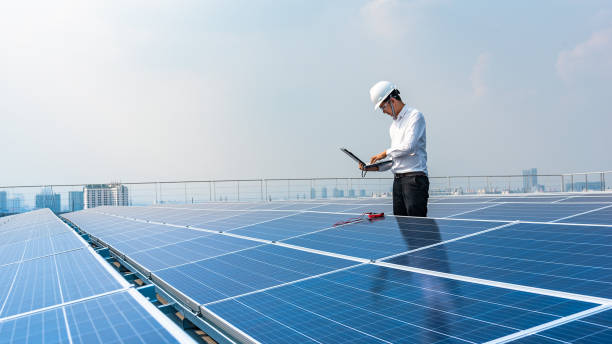
A Solar Energy Specialist is a professional who focuses on the design, installation, and management of solar energy systems to harness sunlight for power generation, promoting sustainability and reducing dependence on fossil fuels. They work in government agencies, private solar companies, research institutions, and environmental consultancies, collaborating with engineers, policymakers, and energy providers. Solar Energy Specialists play a critical role in advancing clean energy solutions by leveraging solar technology to combat climate change and ensure energy access in a world increasingly focused on green transitions, carbon neutrality, and sustainable development.
Share :
Career tree mind map (horizontal) — Solar Energy Specialist
Colored branches, hub circles, and underlined topics — same style as counselor course classic (types 18–19 in admin).
Loading mind map…

Solar Energy Specialists are experts in solar power technologies, responsible for assessing solar potential, designing photovoltaic (PV) systems, and ensuring their efficient operation while minimizing environmental impact. Their role involves conducting site evaluations, overseeing installations, and ensuring compliance with regulations, often working in diverse settings such as solar farms, rooftops, or corporate offices. They combine expertise in engineering, environmental science, and energy systems to address issues like energy inefficiency and high carbon emissions through solar solutions. As key contributors to sustainability, they help organizations and governments transition to cleaner energy in an era prioritizing decarbonization, technological innovation, and energy equity.

  • Solar Resource Assessment
    • Evaluate solar potential in specific locations using data on sunlight exposure and geographic conditions.
    • Analyze site suitability for solar installations based on shading, orientation, and structural factors.
  • System Design and Planning
    • Design solar PV systems, including panels, inverters, and storage solutions, tailored to energy needs.
    • Create blueprints and technical specifications for solar installations.
  • Installation and Integration
    • Oversee the installation of solar systems on rooftops, ground mounts, or large-scale solar farms.
    • Ensure integration with existing electrical grids or off-grid setups for seamless operation.
  • Performance Optimization
    • Monitor and optimize solar system performance to maximize energy output and efficiency.
    • Troubleshoot technical issues like panel degradation or inverter failures.
  • Feasibility and Cost Analysis
    • Conduct feasibility studies to assess the economic viability of solar projects.
    • Estimate installation costs, energy savings, and return on investment for stakeholders.
  • Regulatory Compliance and Documentation
    • Ensure solar projects comply with local, national, and international energy and safety regulations.
    • Prepare reports and documentation for regulatory approvals and subsidies.
  • Stakeholder Engagement
    • Collaborate with clients, government bodies, and communities to promote solar energy adoption.
    • Educate stakeholders on solar benefits, maintenance, and long-term cost savings.
  • Maintenance and Upgrades
    • Coordinate routine maintenance of solar systems to ensure longevity and reliability.
    • Recommend upgrades or retrofits to incorporate advanced solar technologies.

RouteSteps
Route 1

1. 10+2 with Physics, Chemistry, Mathematics (PCM).

2. Bachelor’s degree in Renewable Energy, Electrical Engineering, or Mechanical Engineering (3-4 years).

3. Gain practical experience through internships or field training in solar energy firms (3-6 months).

4. Pursue entry-level roles like Junior Solar Energy Specialist or Solar Technician (1-2 years).

Route 2

1. 10+2 with PCM.

2. Bachelor’s degree in Energy Engineering, Environmental Science, or related field (3-4 years).

3. Master’s degree in Solar Energy Systems, Renewable Energy, or Energy Technology (2 years, optional).

4. Work in solar system design or installation roles to gain experience (1-2 years).

5. Transition to Solar Energy Specialist roles with enhanced skills and knowledge.

Route 3

1. 10+2 with PCM.

2. Bachelor’s degree in Renewable Energy, Engineering, or related field (3-4 years).

3. Pursue professional certifications like Certified Solar Energy Professional or PV Installation Specialist (1-2 years).

4. Gain hands-on experience through roles in solar system maintenance or project support (1-2 years).

5. Establish a career as a Solar Energy Specialist in government agencies or private firms.

Route 4

1. 10+2 with PCM.

2. Bachelor’s degree from India in Renewable Energy, Engineering, or related field (3-4 years).

3. Pursue international solar energy certifications or advanced degrees abroad (1-2 years).

4. Gain exposure through roles in global solar energy projects or multinational companies (1-2 years).

5. Work as a Solar Energy Specialist in international markets or global organizations.

  • Mandatory field training during degree programs at solar installation sites or labs.
  • Rotations in solar energy companies for hands-on experience in PV system setup and testing.
  • Internships under senior solar energy specialists for exposure to real-time project design and execution.
  • Observerships in energy policy bodies for insights into solar subsidies and regulatory processes.
  • Participation in solar system installation simulations for practical skill development.
  • Training in solar resource assessment techniques through real-world site engagements.
  • Exposure to tools like solar inverters and monitoring systems during internships.
  • Field projects on solar integration into residential or industrial settings during training.
  • Community outreach programs to educate locals on solar energy benefits and adoption.
  • International solar energy project attachments for global exposure to advanced technologies.

  • Certificate in Solar Energy Systems and Installation
  • Bachelor’s in Renewable Energy, Electrical Engineering, or Mechanical Engineering
  • Master’s in Solar Energy Systems, Renewable Energy, or Energy Technology
  • Ph.D. in Solar Energy Technologies or Energy Engineering
  • Specialization in Photovoltaic (PV) System Design
  • Certification in Solar Thermal Energy
  • Workshops on Solar Energy Storage Solutions
  • Training in Off-Grid Solar Systems
  • Specialization in Solar Farm Development
  • Certification in Solar Energy Efficiency and Maintenance

InstituteCourse/ProgramOfficial Link
Indian Institute of Technology (IIT), BombayM.Tech in Energy Systems Engineeringhttps://www.iitb.ac.in/
National Institute of Solar Energy (NISE), GurugramTraining in Solar Energy Technologieshttps://nise.res.in/
TERI School of Advanced Studies, New DelhiM.Tech in Renewable Energy Engineering (Solar Focus)https://www.terisas.ac.in/
Anna University, ChennaiM.E. in Energy Engineeringhttps://www.annauniv.edu/
University of Delhi, DelhiM.Sc. in Environmental Studies (Energy Focus)https://www.du.ac.in/
Banaras Hindu University (BHU), VaranasiM.Tech in Energy Systemshttps://www.bhu.ac.in/
Indian Institute of Science (IISc), BangaloreM.Tech in Energy Engineeringhttps://www.iisc.ac.in/
Savitribai Phule Pune University, PuneM.Tech in Energy Systemshttps://www.unipune.ac.in/
Amity University, NoidaB.Tech/M.Tech in Solar and Alternate Energyhttps://www.amity.edu/
National Institute of Technology (NIT), TrichyM.Tech in Energy Engineeringhttps://www.nitt.edu/

InstitutionCourseCountryOfficial Link
Stanford UniversityEnergy Resources Engineering (Solar Focus)USAhttps://www.stanford.edu/
University of California, BerkeleyEnergy and Resources GroupUSAhttps://www.berkeley.edu/
Wageningen University & ResearchSustainable Energy TechnologyNetherlandshttps://www.wur.nl/
University of OxfordEnergy Systems ProgramsUKhttps://www.ox.ac.uk/
Massachusetts Institute of Technology (MIT)Energy Studies (Solar Technologies)USAhttps://www.mit.edu/
University of MelbourneEnergy Systems EngineeringAustraliahttps://www.unimelb.edu.au/
University of British ColumbiaClean Energy EngineeringCanadahttps://www.ubc.ca/
ETH ZurichEnergy Science and TechnologySwitzerlandhttps://www.ethz.ch/
University of CopenhagenSustainable Energy ProgramsDenmarkhttps://www.ku.dk/
National University of Singapore (NUS)Energy Systems and ManagementSingaporehttps://www.nus.edu.sg/

India:

  • GATE (Graduate Aptitude Test in Engineering): For admission to M.Tech programs in energy engineering at IITs and other institutes.
  • JEE Main (Joint Entrance Examination): For admission to B.Tech programs in energy or related engineering fields.
  • State-Level Entrance Exams: Various states conduct exams for admission to energy programs in state universities.

International:

  • TOEFL (Test of English as a Foreign Language): Minimum score of 80-100 required for non-native speakers applying to programs in English-speaking countries.
  • IELTS (International English Language Testing System): Minimum score of 6.0-7.0 required for admission to universities in the UK, Australia, and other regions.
  • PTE Academic (Pearson Test of English Academic): Accepted by many international institutes as an alternative to TOEFL or IELTS for English proficiency.

Junior Solar Energy Specialist → Senior Solar Energy Specialist → Solar Project Coordinator → Solar Energy Consultant → Solar Program Manager → Solar Technology Innovator → Academician/Researcher

  • Government agencies for promoting solar energy policies and programs.
  • Private solar companies for designing and implementing solar projects.
  • Research institutions for innovating new solar energy technologies.
  • Environmental consultancies for advising on solar energy adoption.
  • Non-profit organizations for advocating solar energy awareness and access.
  • Academic institutions for teaching and researching solar energy systems.
  • Construction companies for integrating solar energy into building projects.
  • Energy utilities for managing solar energy integration into grids.
  • International organizations for global solar energy initiatives and funding.
  • Manufacturing sectors for producing solar panels and related equipment.

IndiaInternational
Ministry of New and Renewable Energy (MNRE)International Renewable Energy Agency (IRENA), Global
Tata Power Solar Systems LimitedTesla, Inc. (Solar Division), USA
Adani SolarFirst Solar, Inc., USA
Azure Power Global LimitedSunPower Corporation, USA
Waaree Energies LimitedJinkoSolar, China
Vikram Solar LimitedTrina Solar, China
Reliance Industries Limited (Solar Division)Canadian Solar Inc., Canada
Solar Energy Corporation of India (SECI)Enphase Energy, USA
National Solar Mission, Government of IndiaSolarEdge Technologies, Israel
Sterling and Wilson Solar LimitedYingli Green Energy, China

ProsCons
Direct impact on reducing carbon emissions through solar energy adoptionHigh initial costs and funding challenges for large-scale solar projects
Growing demand due to India’s focus on solar as a key renewable sourceIntermittency issues with solar energy requiring storage or backup systems
Opportunity to contribute to energy access and climate change mitigationLimited grid infrastructure in rural areas for solar integration
Varied career paths in engineering, consultancy, and policyDependence on weather conditions affecting solar energy reliability
Potential for societal change through affordable and clean solar powerNeed for constant updates on rapidly evolving solar technologies

Career LevelIndia (₹ per annum)International (USD per annum)
Junior Solar Energy Specialist (Early Career)3,00,000 - 5,50,00050,000 - 65,000
Senior Solar Energy Specialist (Mid-Career)5,50,000 - 9,00,00065,000 - 80,000
Solar Project Coordinator9,00,000 - 12,50,00080,000 - 95,000
Solar Energy Consultant/Program Manager12,50,000 - 18,00,00095,000 - 120,000
Solar Technology Innovator/Academician/Researcher18,00,000+120,000+

Note: Salaries may vary based on location, employer, experience, and specialization. International figures are based on data from the U.S. and Canada as of December 2025, reflecting averages and medians from multiple sources. Indian figures are estimated based on industry standards and prior trends due to limited real-time data in the search results.

  • Geographic Information Systems (GIS) for mapping solar resource potential and site suitability.
  • Solar Design Software (e.g., PVsyst, HelioScope) for simulating PV system performance.
  • Data Analytics Tools (e.g., Tableau, Excel) for analyzing solar output and efficiency.
  • Remote Sensing Software for assessing environmental and geographic factors for solar projects.
  • Energy Modeling Tools (e.g., SAM, RETScreen) for solar project feasibility studies.
  • Teleconferencing tools like Zoom for collaboration with solar project teams.
  • Cloud Platforms (e.g., Google Cloud) for storing and sharing solar project data.
  • Microsoft Office Suite for documentation and project presentations.
  • Project Management Tools (e.g., Trello, Monday.com) for coordinating solar initiatives.
  • CAD Software (e.g., AutoCAD) for designing solar system layouts and installations.

  • Indian Solar Energy Society (ISES)
  • National Institute of Solar Energy (NISE), India
  • International Solar Energy Society (ISES)
  • Global Solar Council (GSC)
  • International Renewable Energy Agency (IRENA)
  • Solar Energy Industries Association (SEIA), USA
  • European Solar Thermal Electricity Association (ESTELA)
  • Solar Power Europe
  • Asia-Pacific Solar Energy Network (APSEN)

  • Dr.Chetan Singh Solanki (Contemporary, India): Professor at IIT Bombay, known as the “Solar Man of India” for promoting solar energy adoption. His initiatives drive rural electrification. His leadership inspires grassroots solar movements. He founded the Solar Urja Lamp program.
     
  • Dr.Ashvini Kumar (Contemporary, India): Former Managing Director of Solar Energy Corporation of India (SECI), instrumental in scaling up solar projects. His efforts support India’s solar targets. His policies attract global investments. He shapes solar bidding frameworks.
     
  • Dr.SumantSinha (Contemporary, India): Chairman and CEO of ReNew Power, a leading renewable company with a strong solar focus in India. His vision drives large-scale solar projects. His leadership fosters clean energy growth. He champions sustainable business models.
     
  • Dr.Anand Mahindra (Contemporary, India): Chairman of Mahindra Group, promoting solar energy through Mahindra Susten. His initiatives support sustainable energy solutions. His influence drives corporate solar adoption. He advocates for green industrial practices.
     
  • Dr.GautamAdani (Contemporary, India): Chairman of Adani Group, leading Adani Solar, one of India’s largest solar manufacturers and developers. His vision builds massive solar capacity. His contributions shape India’s solar landscape. He targets global renewable leadership.
     
  • Dr.Elon Musk (Contemporary, USA/South Africa): CEO of Tesla, Inc., revolutionizing solar energy with products like Solar Roofs and Powerwall storage. His vision promotes sustainable energy globally. His innovations redefine solar integration. He drives electric-solar synergy.
     
  • Dr.Zhengrong Shi (Contemporary, China/Australia): Founder of Suntech Power, once the world’s largest solar panel manufacturer. His innovations lowered solar costs globally. His leadership shaped the solar industry. He pioneered affordable PV technology.
     
  • Dr. Martin Green (Contemporary, Australia): Professor at UNSW, known as the “Father of Photovoltaics” for developing high-efficiency solar cells. His research revolutionized solar technology. His contributions set efficiency records. He mentors global solar innovators.
     
  • Dr. Lyndon Rive (Contemporary, South Africa/USA): Co-founder of SolarCity (now Tesla Energy), instrumental in scaling residential solar in the U.S. His vision made solar accessible to homeowners. His leadership drove market expansion. He pioneered solar leasing models.
     
  • Dr. Francesco La Camera (Contemporary, Italy): Director-General of International Renewable Energy Agency (IRENA), promoting global solar energy adoption. His policies foster international solar cooperation. His work supports energy transitions. He advocates for solar investments.
     

  • Build a strong foundation in electrical engineering, physics, and renewable energy to understand solar systems.
  • Seek early exposure to solar installation projects or fieldwork through internships to confirm interest in the field.
  • Prepare thoroughly for entrance exams or certification requirements specific to your chosen program or region.
  • Pursue certifications in solar PV design, installation, or energy storage to gain expertise.
  • Stay updated on advancements in solar technology by attending industry conferences and workshops.
  • Develop hands-on skills in solar system design, installation, and performance analysis through practical training.
  • Engage in solar energy research or implementation projects to build real-world experience.
  • Join professional associations like the Indian Solar Energy Society (ISES) for networking and resources.
  • Work on precision and innovation to ensure efficient and cost-effective solar solutions.
  • Explore international solar projects for exposure to diverse technological challenges.
  • Volunteer in community solar access or clean energy awareness programs to understand local needs.
  • Cultivate adaptability to handle technical and regulatory constraints in solar energy settings.
  • Attend continuing education programs to stay abreast of evolving solar technologies.
  • Build a network with solar experts, policymakers, and industry leaders for collaborative efforts.
  • Develop resilience to manage the logistical and financial pressures of solar energy projects.
  • Balance technical skills with policy understanding to adapt to rapid changes in solar energy standards.

A career as a Solar Energy Specialist offers a unique opportunity to contribute to environmental protection and global sustainability by designing and implementing solar power solutions across various sectors. From developing rooftop installations to shaping large-scale solar farms, Solar Energy Specialists play a pivotal role in modern environmental stewardship and energy security. This field combines technical innovation, strategic planning, and a commitment to ecological and societal well-being, offering diverse paths in engineering, consultancy, and research. For those passionate about combating climate change, adapting to global energy challenges, and addressing critical sustainability needs in an era of increasing environmental urgency, a career as a Solar Energy Specialist provides an intellectually stimulating and professionally rewarding journey with the potential to make significant contributions to society by enhancing energy access and environmental quality worldwide.

Knowledge & Skills You Will Learn
1
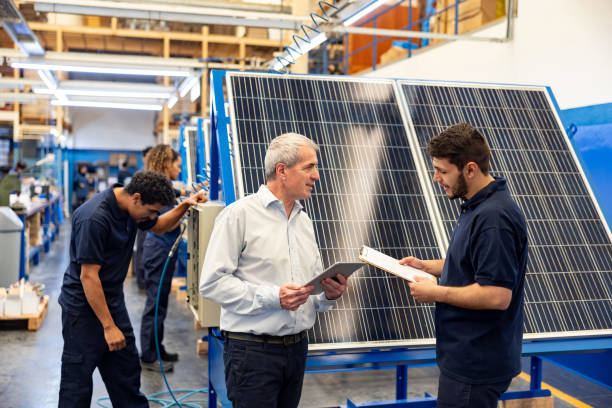
Skill Development Needs: Demand for training in advanced solar technologies and interdisciplinary energy management approaches.
Senior Solar Energy Specialist

Senior Solar Energy Specialist

Experienced specialists oversee the implementation of solar projects in organizations like Azure Power or Waaree Energies. They provide expertise...

0.0LPA
Solar Project Coordinator

Solar Project Coordinator

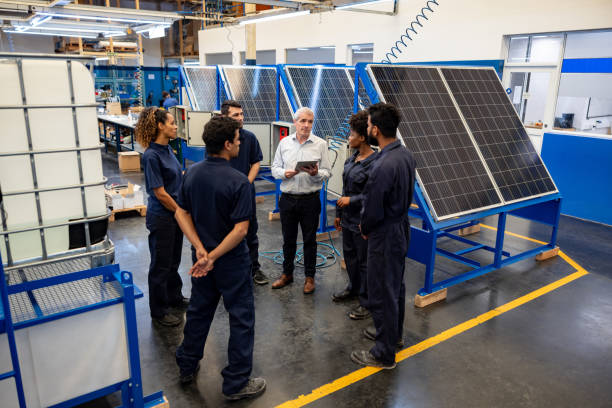
Professionals manage end-to-end solar projects, from planning to commissioning, in entities like Adani Solar or Vikram Solar. They integrate...

0.0LPA

Solar Energy Consultant

Solar Energy Consultant

Experts offer specialized guidance on solar adoption to Indian industries, state governments like Rajasthan’s solar initiatives, or international...

0.0LPA

Interested in this career?

Take the next step and explore more about Solar Energy Specialist.