Robotic-Surgery Specialist

Summary

Robotic-Surgery Specialist

Share :
✨ Radial Mind Map - Robotic-Surgery Specialist
Nodes arranged in concentric circles

Loading radial mind map...

Overview

A Robotic-Surgery Specialist is a highly trained medical professional who utilizes advanced robotic systems to perform minimally invasive surgical procedures with enhanced precision, control, and flexibility. They operate across various specialties, including urology, gynaecology, cardiothoracic surgery, and general surgery, often working in hospitals, specialized surgical centers, or academic institutions. Robotic-Surgery Specialists play a critical role in modern healthcare by reducing patient recovery times, minimizing surgical risks, and improving outcomes through cutting-edge technology. By leveraging robotic platforms like the da Vinci Surgical System, they contribute significantly to advancing surgical care in a world where demand for less invasive, high-precision interventions continues to grow due to aging populations and complex medical conditions.
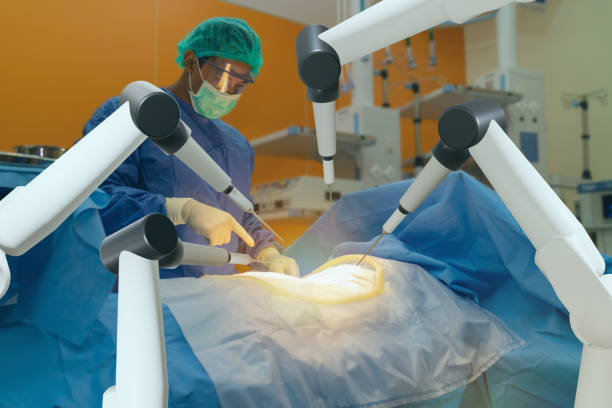
Robotic-Surgery Specialists are expert surgeons who integrate robotic technology into their practice to perform complex surgeries with greater accuracy and smaller incisions compared to traditional methods. Their work involves operating robotic systems for procedures such as prostatectomies, hysterectomies, and cardiac repairs, while also managing pre- and post-operative care. They often balance clinical practice with training others on robotic systems, conducting research on surgical innovations, and collaborating with multidisciplinary teams. Robotic-Surgery Specialists are essential to healthcare, serving as pioneers in surgical technology, enhancing patient safety, and driving the adoption of minimally invasive techniques in a landscape where technological advancements are reshaping medical interventions globally.

Roles and Responsibilities

💼
Robotic-Surgery Specialist
Roles and Responsibilities
Diagnosis and Surgical Planning
Assess patients through medical history, physical exams, and diagnostic imaging
Develop surgical plans using robotic systems tailored to patient-specific conditions
Robotic Surgical Procedures
Operate robotic platforms like da Vinci for precise, minimally invasive surgeries
Perform complex interventions across specialties with enhanced visualization and dexterity
Patient Management
Monitor patient recovery post-surgery to ensure optimal outcomes
Manage complications or adverse events during and after robotic procedures
Technology Integration
Stay proficient in the latest robotic surgical systems and software updates
Troubleshoot technical issues during procedures in collaboration with tech support teams
Training and Mentorship
Train other surgeons and medical staff on robotic surgery techniques and safety protocols
Conduct workshops or simulations to enhance robotic surgical skills in the medical community
Referral and Collaboration
Work with specialists like urologists, gynecologists, or cardiologists for interdisciplinary cases
Coordinate with engineers and tech developers for system improvements or customizations
Research and Development
Participate in clinical trials to evaluate new robotic tools or surgical techniques
Publish findings on robotic surgery outcomes to advance the field
Patient Education and Advocacy
Educate patients on the benefits and risks of robotic surgery compared to traditional methods
Advocate for broader access to robotic surgical technologies in healthcare systems
Medical Foundation
: A robust background in basic medical sciences during MBBS is essential for surgical training.
Surgical Exposure
: Early training in general surgery during postgraduate studies builds critical operative skills.
Specialized Training
: Fellowships or certifications in robotic surgery provide expertise in advanced technology.
Technical Proficiency
: Mastery of robotic systems and software is vital for successful surgical outcomes.
Interdisciplinary Knowledge
: Understanding specialties like urology or gynecology aids in applying robotic techniques across fields.
Certification Importance
: Registration with medical councils (like MCI in India) is mandatory for legal practice.
Continuing Education
: Regular participation in CME (Continuing Medical Education) programs is necessary to stay updated on robotic advancements.
Global Standards
: Aligning with international surgical guidelines boosts opportunities for practice abroad.
Patient Interaction
: Strong communication skills are crucial for explaining complex robotic procedures to patients.
Entrance Examination Success
: Clearing exams like NEET-UG for MBBS or NEET-PG for MS/MD is mandatory in India.
International Testing Requirements
: For practice abroad, strong performance in exams like USMLE, PLAB, or AMC is necessary.
Dr. Mani Menon (Contemporary, USA)
: Pioneer of robotic prostatectomy since the 2000s. He developed the first standardized robotic surgery program for prostate cancer at Henry Ford Hospital, reducing recovery times and complications. His techniques have been adopted globally, transforming urological surgery and setting a benchmark for robotic precision.
Dr. Catherine Mohr (Contemporary, USA)
: Innovator in robotic surgery and medical technology since the 2000s. As a leader at Intuitive Surgical, she contributed to the development of the da Vinci system and advocates for accessible robotic training. Her work bridges engineering and surgery, driving advancements in minimally invasive tools.
Dr.Inderbir Gill (Contemporary, USA)
: Leader in robotic urological surgery since the 1990s. As chair of Urology at USC, he pioneered laparoscopic and robotic techniques for kidney and prostate surgeries, including the first robotic partial nephrectomy. His innovations have minimized patient trauma and hospital stays, while his research continues to push boundaries in surgical technology and patient outcomes.
Dr.AshutoshTewari (Contemporary, USA/India)
: Innovator in robotic prostate cancer surgery since the 2000s. Leading the Mount Sinai Urology program, he developed advanced robotic techniques like ART (Advanced Robotic Technique) to improve cancer control and functional outcomes. His global influence includes mentoring surgeons and publishing extensively, bridging urological advancements between continents.
Dr.Vipul Patel (Contemporary, USA)
: Renowned for robotic prostate surgery since the 2000s. As the medical director of the Global Robotics Institute, he has performed over 16,000 robotic prostatectomies, setting records for precision and patient recovery. His training programs have educated thousands of surgeons worldwide, expanding the reach of robotic surgery.
Dr.AnupRamani (Contemporary, India)
: Specialist in robotic urological surgeries since the 2000s. Based in Mumbai, he has performed thousands of robotic procedures for prostate and kidney cancers, pioneering their adoption in India. His international training programs have helped spread robotic urology expertise across Asia, enhancing surgical standards.
Dr. David Samadi (Contemporary, USA)
: Expert in robotic prostate surgery since the 2000s. Known for his SMART (Samadi Modified Advanced Robotic Technique) surgery, he focuses on preserving quality of life post-prostatectomy. His high-profile cases and media presence have raised awareness of robotic surgery benefits for cancer patients.
Dr. Rajesh Ahlawat (Contemporary, India)
: Leader in robotic kidney transplantation since the 2010s. Practicing at Medanta – The Medicity, he pioneered robotic techniques for kidney transplants in India, improving outcomes for end-stage renal disease patients. His work has positioned India as a hub for advanced robotic transplant surgeries.
Dr. Pier CristoforoGiulianotti (Contemporary, Italy/USA)
: Pioneer of robotic general surgery since the 2000s. As a leader at the University of Illinois, he performed the world’s first robotic Whipple procedure for pancreatic cancer. His contributions have expanded robotic surgery into complex abdominal procedures, inspiring global adoption across specialties.
Dr.SudhirSrivastava (Contemporary, India/USA)
: Innovator in robotic cardiothoracic surgery since the 2000s. Founder of SS Innovations, he developed the Mantra Surgical Robotic System, an affordable alternative to existing platforms. His work focuses on making robotic surgery accessible in developing countries, revolutionizing cardiac care with minimally invasive techniques.

Roles and Responsibilities

  • Diagnosis and Surgical Planning
    • Assess patients through medical history, physical exams, and diagnostic imaging
    • Develop surgical plans using robotic systems tailored to patient-specific conditions
  • Robotic Surgical Procedures
    • Operate robotic platforms like da Vinci for precise, minimally invasive surgeries
    • Perform complex interventions across specialties with enhanced visualization and dexterity
  • Patient Management
    • Monitor patient recovery post-surgery to ensure optimal outcomes
    • Manage complications or adverse events during and after robotic procedures
  • Technology Integration
    • Stay proficient in the latest robotic surgical systems and software updates
    • Troubleshoot technical issues during procedures in collaboration with tech support teams
  • Training and Mentorship
    • Train other surgeons and medical staff on robotic surgery techniques and safety protocols
    • Conduct workshops or simulations to enhance robotic surgical skills in the medical community
  • Referral and Collaboration
    • Work with specialists like urologists, gynecologists, or cardiologists for interdisciplinary cases
    • Coordinate with engineers and tech developers for system improvements or customizations
  • Research and Development
    • Participate in clinical trials to evaluate new robotic tools or surgical techniques
    • Publish findings on robotic surgery outcomes to advance the field
  • Patient Education and Advocacy
    • Educate patients on the benefits and risks of robotic surgery compared to traditional methods
    • Advocate for broader access to robotic surgical technologies in healthcare systems


Study Route & Eligibility Criteria

RouteSteps
Route 11. 10+2 with Physics, Chemistry, Biology (PCB)
2. MBBS degree (5.5 years including internship)
3. MS/MD in General Surgery or relevant specialty (3 years)
4. Fellowship in Robotic Surgery (1-2 years)
5. Clinical practice as Robotic-Surgery Specialist
Route 21. 10+2 with Physics, Chemistry, Biology (PCB)
2. MBBS degree (5.5 years including internship)
3. DNB in General Surgery or relevant specialty (3 years)
4. Certification in Robotic Surgery (6 months-1 year)
5. Specialized clinical role
Route 31. 10+2 with Physics, Chemistry, Biology (PCB)
2. MBBS degree (5.5 years including internship)
3. MS/MD in General Surgery or specialty (3 years)
4. MCh/DM in subspecialty (e.g., Urology, Cardiothoracic) (3 years)
5. Robotic Surgery training (1-2 years)
6. Practice in specific robotic surgical areas
Route 41. 10+2 with Physics, Chemistry, Biology (PCB)
2. MBBS degree (5.5 years including internship)
3. International residency or fellowship in Robotic Surgery (2-5 years)
4. Clinical role abroad or in India


Significant Observations

  • Medical Foundation: A robust background in basic medical sciences during MBBS is essential for surgical training.
  • Surgical Exposure: Early training in general surgery during postgraduate studies builds critical operative skills.
  • Specialized Training: Fellowships or certifications in robotic surgery provide expertise in advanced technology.
  • Technical Proficiency: Mastery of robotic systems and software is vital for successful surgical outcomes.
  • Interdisciplinary Knowledge: Understanding specialties like urology or gynecology aids in applying robotic techniques across fields.
  • Certification Importance: Registration with medical councils (like MCI in India) is mandatory for legal practice.
  • Continuing Education: Regular participation in CME (Continuing Medical Education) programs is necessary to stay updated on robotic advancements.
  • Global Standards: Aligning with international surgical guidelines boosts opportunities for practice abroad.
  • Patient Interaction: Strong communication skills are crucial for explaining complex robotic procedures to patients.
  • Entrance Examination Success: Clearing exams like NEET-UG for MBBS or NEET-PG for MS/MD is mandatory in India.
  • International Testing Requirements: For practice abroad, strong performance in exams like USMLE, PLAB, or AMC is necessary.


Internships & Practical Exposure

  • Mandatory internship during MBBS in hospital settings across specialties
  • Rotations in general surgery and relevant subspecialties during internship and residency
  • Postgraduate residency in surgery for hands-on patient management and operative experience
  • Observerships with experienced robotic surgeons in specialized centers
  • Participation in surgical health camps for community outreach and basic surgical exposure
  • Training in robotic surgical systems through simulations and live procedures
  • Exposure to post-operative care in robotic surgery through patient follow-ups
  • Clinical projects on robotic surgical outcomes during medical training
  • Public health initiatives for awareness on minimally invasive surgery benefits
  • International clinical attachments for global exposure to robotic surgical practices


Courses & Specializations to Enter the Field

  • MBBS (Bachelor of Medicine and Bachelor of Surgery)
  • MS in General Surgery
  • MD in relevant surgical specialty
  • MCh in subspecialties like Urology or Cardiothoracic Surgery
  • DNB in General Surgery or relevant specialty
  • Fellowship in Robotic Surgery
  • Certification in Minimally Invasive and Robotic Surgery
  • Training in Robotic Urological Surgery
  • Specialization in Robotic Gynaecological Surgery
  • Workshops on da Vinci Surgical System and other robotic platforms


Top Institutes for Robotic-Surgery Specialist Education (India)

InstituteCourse/ProgramOfficial Link
All India Institute of Medical Sciences (AIIMS), New DelhiFellowship in Minimally Invasive Surgeryhttps://www.aiims.edu/
Postgraduate Institute of Medical Education and Research (PGIMER), ChandigarhRobotic Surgery Traininghttps://pgimer.edu.in/
Christian Medical College (CMC), VelloreRobotic Surgery Workshopshttps://www.cmch-vellore.edu/
Maulana Azad Medical College (MAMC), New DelhiAdvanced Surgical Traininghttps://www.mamc.ac.in/
Armed Forces Medical College (AFMC), PuneRobotic Surgery Certificationhttps://www.afmc.nic.in/
Jawaharlal Institute of Postgraduate Medical Education & Research (JIPMER), PuducherryRobotic Surgery Traininghttps://www.jipmer.edu.in/
Seth GS Medical College & KEM Hospital, MumbaiFellowship in Robotic Surgeryhttps://www.kem.edu/
Madras Medical College (MMC), ChennaiAdvanced Surgical Programshttps://www.mmc.ac.in/
King George’s Medical University (KGMU), LucknowRobotic Surgery Traininghttps://www.kgmu.org/
Medanta – The Medicity, GurugramRobotic Surgery Fellowshiphttps://www.medanta.org/


Top International Institutes

InstitutionCourseCountryOfficial Link
Harvard Medical SchoolRobotic Surgery FellowshipUSAhttps://www.harvard.edu/
Johns Hopkins UniversityRobotic Surgery Training ProgramUSAhttps://www.jhu.edu/
University College London (UCL)MSc in Surgical InnovationUKhttps://www.ucl.ac.uk/
University of California, Los Angeles (UCLA)Robotic Surgery Residency/FellowshipUSAhttps://www.ucla.edu/
University of OxfordClinical Research in Surgical TechnologyUKhttps://www.ox.ac.uk/
McGill UniversityRobotic Surgery Training ProgramCanadahttps://www.mcgill.ca/
University of MelbourneAdvanced Training in Robotic SurgeryAustraliahttps://www.unimelb.edu.au/
Karolinska InstitutetResearch Program in Surgical InnovationSwedenhttps://ki.se/en
University of TorontoRobotic Surgery FellowshipCanadahttps://www.utoronto.ca/
Stanford UniversityRobotic Surgery Residency ProgramUSAhttps://www.stanford.edu/


Entrance Tests Required

India:

  • NEET Super Speciality (NEET-SS) for MCh in subspecialties
  • AIIMS MBBS Entrance Examination (now merged with NEET-UG)
  • JIPMER MBBS Entrance Exam (now merged with NEET-UG)
  • State-level medical entrance exams for MBBS admissions
  • INI-CET (Institute of National Importance Combined Entrance Test) for postgraduate courses
  • University-specific entrance tests for fellowship or certification programs


International:

  • United States Medical Licensing Examination (USMLE) for residency in the USA
  • Medical College Admission Test (MCAT) for MD programs in the USA and Canada
  • Professional and Linguistic Assessments Board (PLAB) for practice in the UK
  • Australian Medical Council (AMC) exams for practice in Australia
  • Medical Council of Canada Qualifying Examination (MCCQE) for Canada
  • Test of English as a Foreign Language (TOEFL) with a minimum score of 100-110
  • International English Language Testing System (IELTS) with a minimum score of 7.0-7.5
  • Pearson Test of English Academic (PTE Academic)
  • Duolingo English Test (accepted by some institutions)


Ideal Progressing Career Path

Medical Student → Intern → Junior Resident → Surgeon (General/Subspecialty) → Robotic-Surgery Specialist → Senior Robotic Surgeon → Robotic Surgery Department Head/Academic Faculty → Hospital Administrator/Research Director


Major Areas of Employment

  • Hospitals for advanced robotic surgical procedures
  • Specialized surgical centers for minimally invasive interventions
  • Academic institutions for teaching and research in robotic surgery
  • Private clinics for outpatient robotic surgical consultations
  • Research institutes for developing new robotic surgical technologies
  • Government health departments for implementing robotic surgery programs
  • Telemedicine platforms for remote surgical planning and consultations
  • Medical device companies for robotic system testing and development
  • Rehabilitation centers for post-robotic surgery patient recovery
  • Public health organizations for promoting minimally invasive surgery awareness


Prominent Employers

IndiaInternational
All India Institute of Medical Sciences (AIIMS)Mayo Clinic, USA
Postgraduate Institute of Medical Education and Research (PGIMER)Cleveland Clinic, USA
Apollo HospitalsJohns Hopkins Hospital, USA
Fortis HealthcareMassachusetts General Hospital, USA
Max HealthcareRoyal Marsden Hospital, UK
Christian Medical College (CMC), VelloreToronto General Hospital, Canada
Medanta – The MedicityMount Sinai Hospital, USA
Narayana HealthRoyal Melbourne Hospital, Australia
Manipal HospitalsStanford Health Care, USA
Sir Ganga Ram Hospital, New DelhiUCLA Medical Center, USA


Pros and Cons of the Profession

ProsCons
Opportunity to pioneer cutting-edge surgical technologyHigh stress from mastering complex robotic systems
High demand for robotic surgeons due to minimally invasive trendLong training periods and steep learning curve
Rewarding work in improving patient outcomes with less invasive methodsEmotional toll from high-stakes surgical cases
Diverse roles in clinical care, training, and innovationRisk of burnout due to intense focus during procedures
High earning potential and career growth in advanced surgeryDependence on expensive technology with limited access in some regions


Industry Trends and Future Outlook

  • Increasing adoption of robotic surgery across specialties due to better outcomes
  • Growth in telemedicine for remote robotic surgical consultations and planning
  • Advances in robotic systems with AI integration for enhanced precision
  • Rising focus on personalized surgical approaches using robotic technology
  • Expansion of robotic surgery training programs to meet growing demand
  • Development of smaller, more affordable robotic systems for wider access
  • Growing emphasis on robotic surgery in emerging markets and rural areas
  • Integration of virtual reality (VR) and augmented reality (AR) in surgical training
  • Increased collaboration between surgeons and tech companies for innovation
  • Rising importance of robotic surgery in complex pediatric and oncologic cases


Salary Expectations

Career LevelIndia (₹ per annum)International (USD per annum)
Intern/Junior Resident3,00,000 - 6,00,00040,000 - 60,000
Surgeon (Early Career)10,00,000 - 20,00,000100,000 - 200,000
Robotic-Surgery Specialist (Early Career)20,00,000 - 40,00,000200,000 - 350,000
Senior Robotic Surgeon40,00,000 - 70,00,000350,000 - 500,000
Robotic Surgery Department Head/Academic Faculty60,00,000 - 1 Crore+450,000 - 600,000+
Hospital Administrator/Research Director80,00,000+500,000+


Key Software Tools

  • da Vinci Surgical System software for robotic surgery control
  • Electronic Medical Record (EMR) systems for patient data management
  • Surgical planning software for pre-operative simulations
  • Imaging software for analyzing MRI, CT scans, and 3D models
  • Telehealth platforms like Teladoc for virtual consultations
  • Virtual reality (VR) tools for robotic surgery training
  • Diagnostic support tools for clinical decision-making
  • Research databases like PubMed for staying updated
  • Microsoft Office Suite for documentation and presentations
  • Secure messaging tools for communication with healthcare teams


Professional Organizations and Networks

  • Society of Robotic Surgery (SRS)
  • Minimally Invasive Robotic Association (MIRA)
  • American College of Surgeons (ACS)
  • European Association for Endoscopic Surgery (EAES)
  • Indian Association of Gastrointestinal Endo-Surgeons (IAGES)
  • International Society for Medical Robotics (ISMR)
  • Association of Surgeons of India (ASI)
  • Royal College of Surgeons of England (RCS)
  • World Association of Laparoscopic Surgeons (WALS)
  • Clinical Robotic Surgery Association (CRSA)


Notable Robotic-Surgery Specialists and Industry Leaders (Top 10)

  • Dr. Mani Menon (Contemporary, USA): Pioneer of robotic prostatectomy since the 2000s. He developed the first standardized robotic surgery program for prostate cancer at Henry Ford Hospital, reducing recovery times and complications. His techniques have been adopted globally, transforming urological surgery and setting a benchmark for robotic precision.
     
  • Dr. Catherine Mohr (Contemporary, USA): Innovator in robotic surgery and medical technology since the 2000s. As a leader at Intuitive Surgical, she contributed to the development of the da Vinci system and advocates for accessible robotic training. Her work bridges engineering and surgery, driving advancements in minimally invasive tools.
     
  • Dr.Inderbir Gill (Contemporary, USA): Leader in robotic urological surgery since the 1990s. As chair of Urology at USC, he pioneered laparoscopic and robotic techniques for kidney and prostate surgeries, including the first robotic partial nephrectomy. His innovations have minimized patient trauma and hospital stays, while his research continues to push boundaries in surgical technology and patient outcomes.
     
  • Dr.AshutoshTewari (Contemporary, USA/India): Innovator in robotic prostate cancer surgery since the 2000s. Leading the Mount Sinai Urology program, he developed advanced robotic techniques like ART (Advanced Robotic Technique) to improve cancer control and functional outcomes. His global influence includes mentoring surgeons and publishing extensively, bridging urological advancements between continents.
     
  • Dr.Vipul Patel (Contemporary, USA): Renowned for robotic prostate surgery since the 2000s. As the medical director of the Global Robotics Institute, he has performed over 16,000 robotic prostatectomies, setting records for precision and patient recovery. His training programs have educated thousands of surgeons worldwide, expanding the reach of robotic surgery.
     
  • Dr.AnupRamani (Contemporary, India): Specialist in robotic urological surgeries since the 2000s. Based in Mumbai, he has performed thousands of robotic procedures for prostate and kidney cancers, pioneering their adoption in India. His international training programs have helped spread robotic urology expertise across Asia, enhancing surgical standards.
     
  • Dr. David Samadi (Contemporary, USA): Expert in robotic prostate surgery since the 2000s. Known for his SMART (Samadi Modified Advanced Robotic Technique) surgery, he focuses on preserving quality of life post-prostatectomy. His high-profile cases and media presence have raised awareness of robotic surgery benefits for cancer patients.
     
  • Dr. Rajesh Ahlawat (Contemporary, India): Leader in robotic kidney transplantation since the 2010s. Practicing at Medanta – The Medicity, he pioneered robotic techniques for kidney transplants in India, improving outcomes for end-stage renal disease patients. His work has positioned India as a hub for advanced robotic transplant surgeries.
     
  • Dr. Pier CristoforoGiulianotti (Contemporary, Italy/USA): Pioneer of robotic general surgery since the 2000s. As a leader at the University of Illinois, he performed the world’s first robotic Whipple procedure for pancreatic cancer. His contributions have expanded robotic surgery into complex abdominal procedures, inspiring global adoption across specialties.
     
  • Dr.SudhirSrivastava (Contemporary, India/USA): Innovator in robotic cardiothoracic surgery since the 2000s. Founder of SS Innovations, he developed the Mantra Surgical Robotic System, an affordable alternative to existing platforms. His work focuses on making robotic surgery accessible in developing countries, revolutionizing cardiac care with minimally invasive techniques.
     

Advice for Aspiring Robotic-Surgery Specialists

  • Build a strong foundation in medical and surgical sciences during MBBS to prepare for advanced training.
  • Seek early exposure to general surgery through internships and residencies to confirm interest in surgical fields.
  • Prepare thoroughly for entrance exams like NEET-PG and NEET-SS to secure seats in reputed surgical programs.
  • Pursue fellowships or certifications in robotic surgery to gain hands-on experience with systems like da Vinci.
  • Stay updated on technological advancements by attending workshops and conferences on robotic surgery.
  • Develop technical skills in simulation labs to master robotic systems before live procedures.
  • Engage in research projects to contribute to robotic surgical innovations and strengthen your profile.
  • Join professional associations like the Society of Robotic Surgery (SRS) for networking and resources.
  • Work on communication skills to explain the benefits and risks of robotic surgery to patients effectively.
  • Explore international fellowships for exposure to cutting-edge robotic surgical practices and global standards.
  • Volunteer in surgical outreach programs to understand diverse patient needs and build practical experience.
  • Cultivate empathy to support patients undergoing high-tech procedures, addressing their concerns with clarity.
  • Attend CME programs to stay abreast of evolving robotic technologies and surgical guidelines.
  • Build a network with healthcare professionals and tech experts for interdisciplinary collaboration.
  • Develop resilience to handle the steep learning curve and high-pressure demands of robotic surgery.
  • Balance clinical practice with continuous learning to adapt to rapid advancements in surgical technology.


A career as a Robotic-Surgery Specialist offers a transformative opportunity to serve at the forefront of surgical innovation, providing cutting-edge care to patients through minimally invasive, high-precision techniques. From mastering robotic systems to perform complex surgeries across specialties to improving patient outcomes with reduced recovery times, Robotic-Surgery Specialists play a pivotal role in modern healthcare. This field combines surgical expertise, technological proficiency, and a commitment to advancing medical practice, offering diverse paths in hospitals, specialized centers, and research. For those passionate about merging medicine with technology to make a direct impact on individual lives and address the growing demand for advanced surgical solutions, a career as a Robotic-Surgery Specialist provides an intellectually stimulating and professionally rewarding journey with the potential to make significant contributions to medicine and society by enhancing the quality of surgical care worldwide.

 

Study Route & Eligibility Criteria

Study Route & Eligibility Criteria
Robotic-Surgery Specialist
Route 1
🎓
1
10+2 with Physics, Chemistry, Biology
🏛️
2
MBBS degree
📚
3
MS/MD in General Surgery or relevant specialty
3 years
💼
4
Fellowship in Robotic Surgery
1-2 years
💼
5
Clinical practice as Robotic-Surgery Specialist
Route 2
🎓
1
10+2 with Physics, Chemistry, Biology
🏛️
2
MBBS degree
📚
3
DNB in General Surgery or relevant specialty
3 years
💼
4
Certification in Robotic Surgery
🌍
5
Specialized clinical role
Route 3
🎓
1
10+2 with Physics, Chemistry, Biology
🏛️
2
MBBS degree
📚
3
MS/MD in General Surgery or specialty
3 years
💼
4
MCh/DM in subspecialty
3 years
🌍
5
Robotic Surgery training
1-2 years
💼
6
Practice in specific robotic surgical areas
Route 4
🎓
1
10+2 with Physics, Chemistry, Biology
🏛️
2
MBBS degree
📚
3
International residency or fellowship in Robotic Surgery
2-5 years
💼
4
Clinical role abroad or in India
🎯 Robotic-Surgery Specialist - Professional

Significant Observations (Academic Related Points)

💡
Robotic-Surgery Specialist
Academic Related Points
1
Medical Foundation
A robust background in basic medical sciences during MBBS is essential for surgical training.
2
Surgical Exposure
Early training in general surgery during postgraduate studies builds critical operative skills.
3
Specialized Training
Fellowships or certifications in robotic surgery provide expertise in advanced technology.
4
Technical Proficiency
Mastery of robotic systems and software is vital for successful surgical outcomes.
5
Interdisciplinary Knowledge
Understanding specialties like urology or gynecology aids in applying robotic techniques across fields.
6
Certification Importance
Registration with medical councils (like MCI in India) is mandatory for legal practice.
7
Continuing Education
Regular participation in CME (Continuing Medical Education) programs is necessary to stay updated on robotic advancements.
8
Global Standards
Aligning with international surgical guidelines boosts opportunities for practice abroad.
9
Patient Interaction
Strong communication skills are crucial for explaining complex robotic procedures to patients.
10
Entrance Examination Success
Clearing exams like NEET-UG for MBBS or NEET-PG for MS/MD is mandatory in India.
11
International Testing Requirements
For practice abroad, strong performance in exams like USMLE, PLAB, or AMC is necessary.
12
Dr. Mani Menon (Contemporary, USA)
Pioneer of robotic prostatectomy since the 2000s. He developed the first standardized robotic surgery program for prostate cancer at Henry Ford Hospital, reducing recovery times and complications. His techniques have been adopted globally, transforming urological surgery and setting a benchmark for robotic precision.
13
Dr. Catherine Mohr (Contemporary, USA)
Innovator in robotic surgery and medical technology since the 2000s. As a leader at Intuitive Surgical, she contributed to the development of the da Vinci system and advocates for accessible robotic training. Her work bridges engineering and surgery, driving advancements in minimally invasive tools.
14
Dr.Inderbir Gill (Contemporary, USA)
Leader in robotic urological surgery since the 1990s. As chair of Urology at USC, he pioneered laparoscopic and robotic techniques for kidney and prostate surgeries, including the first robotic partial nephrectomy. His innovations have minimized patient trauma and hospital stays, while his research continues to push boundaries in surgical technology and patient outcomes.
15
Dr.AshutoshTewari (Contemporary, USA/India)
Innovator in robotic prostate cancer surgery since the 2000s. Leading the Mount Sinai Urology program, he developed advanced robotic techniques like ART (Advanced Robotic Technique) to improve cancer control and functional outcomes. His global influence includes mentoring surgeons and publishing extensively, bridging urological advancements between continents.
16
Dr.Vipul Patel (Contemporary, USA)
Renowned for robotic prostate surgery since the 2000s. As the medical director of the Global Robotics Institute, he has performed over 16,000 robotic prostatectomies, setting records for precision and patient recovery. His training programs have educated thousands of surgeons worldwide, expanding the reach of robotic surgery.
17
Dr.AnupRamani (Contemporary, India)
Specialist in robotic urological surgeries since the 2000s. Based in Mumbai, he has performed thousands of robotic procedures for prostate and kidney cancers, pioneering their adoption in India. His international training programs have helped spread robotic urology expertise across Asia, enhancing surgical standards.
18
Dr. David Samadi (Contemporary, USA)
Expert in robotic prostate surgery since the 2000s. Known for his SMART (Samadi Modified Advanced Robotic Technique) surgery, he focuses on preserving quality of life post-prostatectomy. His high-profile cases and media presence have raised awareness of robotic surgery benefits for cancer patients.
19
Dr. Rajesh Ahlawat (Contemporary, India)
Leader in robotic kidney transplantation since the 2010s. Practicing at Medanta – The Medicity, he pioneered robotic techniques for kidney transplants in India, improving outcomes for end-stage renal disease patients. His work has positioned India as a hub for advanced robotic transplant surgeries.
20
Dr. Pier CristoforoGiulianotti (Contemporary, Italy/USA)
Pioneer of robotic general surgery since the 2000s. As a leader at the University of Illinois, he performed the world’s first robotic Whipple procedure for pancreatic cancer. His contributions have expanded robotic surgery into complex abdominal procedures, inspiring global adoption across specialties.
21
Dr.SudhirSrivastava (Contemporary, India/USA)
Innovator in robotic cardiothoracic surgery since the 2000s. Founder of SS Innovations, he developed the Mantra Surgical Robotic System, an affordable alternative to existing platforms. His work focuses on making robotic surgery accessible in developing countries, revolutionizing cardiac care with minimally invasive techniques.

Internships & Practical Exposure

💼
Robotic-Surgery Specialist
Internships & Practical Experience
1
Mandatory internship during MBBS in hospital settings across specialties
2
Rotations in general surgery and relevant subspecialties during internship and residency
3
Postgraduate residency in surgery for hands-on patient management and operative experience
4
Observerships with experienced robotic surgeons in specialized centers
5
Participation in surgical health camps for community outreach and basic surgical exposure
6
Training in robotic surgical systems through simulations and live procedures
7
Exposure to post-operative care in robotic surgery through patient follow-ups
8
Clinical projects on robotic surgical outcomes during medical training
9
Public health initiatives for awareness on minimally invasive surgery benefits
10
International clinical attachments for global exposure to robotic surgical practices
11
MBBS (Bachelor of Medicine and Bachelor of Surgery)
12
MS in General Surgery
13
MD in relevant surgical specialty
14
MCh in subspecialties like Urology or Cardiothoracic Surgery
15
DNB in General Surgery or relevant specialty
16
Fellowship in Robotic Surgery
17
Certification in Minimally Invasive and Robotic Surgery
18
Training in Robotic Urological Surgery
19
Specialization in Robotic Gynaecological Surgery
20
Workshops on da Vinci Surgical System and other robotic platforms
21
NEET Super Speciality (NEET-SS) for MCh in subspecialties
22
AIIMS MBBS Entrance Examination (now merged with NEET-UG)
23
JIPMER MBBS Entrance Exam (now merged with NEET-UG)
24
State-level medical entrance exams for MBBS admissions
25
INI-CET (Institute of National Importance Combined Entrance Test) for postgraduate courses
26
University-specific entrance tests for fellowship or certification programs
27
United States Medical Licensing Examination (USMLE) for residency in the USA
28
Medical College Admission Test (MCAT) for MD programs in the USA and Canada
29
Professional and Linguistic Assessments Board (PLAB) for practice in the UK
30
Australian Medical Council (AMC) exams for practice in Australia
31
Medical Council of Canada Qualifying Examination (MCCQE) for Canada
32
Test of English as a Foreign Language (TOEFL) with a minimum score of 100-110
33
International English Language Testing System (IELTS) with a minimum score of 7.0-7.5
34
Pearson Test of English Academic (PTE Academic)
35
Duolingo English Test (accepted by some institutions)
36
Hospitals for advanced robotic surgical procedures
37
Specialized surgical centers for minimally invasive interventions
38
Academic institutions for teaching and research in robotic surgery
39
Private clinics for outpatient robotic surgical consultations
40
Research institutes for developing new robotic surgical technologies
41
Government health departments for implementing robotic surgery programs
42
Telemedicine platforms for remote surgical planning and consultations
43
Medical device companies for robotic system testing and development
44
Rehabilitation centers for post-robotic surgery patient recovery
45
Public health organizations for promoting minimally invasive surgery awareness
46
Increasing adoption of robotic surgery across specialties due to better outcomes
47
Growth in telemedicine for remote robotic surgical consultations and planning
48
Advances in robotic systems with AI integration for enhanced precision
49
Rising focus on personalized surgical approaches using robotic technology
50
Expansion of robotic surgery training programs to meet growing demand
51
Development of smaller, more affordable robotic systems for wider access
52
Growing emphasis on robotic surgery in emerging markets and rural areas
53
Integration of virtual reality (VR) and augmented reality (AR) in surgical training
54
Increased collaboration between surgeons and tech companies for innovation
55
Rising importance of robotic surgery in complex pediatric and oncologic cases
56
da Vinci Surgical System software for robotic surgery control
57
Electronic Medical Record (EMR) systems for patient data management
58
Surgical planning software for pre-operative simulations
59
Imaging software for analyzing MRI, CT scans, and 3D models
60
Telehealth platforms like Teladoc for virtual consultations
61
Virtual reality (VR) tools for robotic surgery training
62
Diagnostic support tools for clinical decision-making
63
Research databases like PubMed for staying updated
64
Microsoft Office Suite for documentation and presentations
65
Secure messaging tools for communication with healthcare teams
66
Society of Robotic Surgery (SRS)
67
Minimally Invasive Robotic Association (MIRA)
68
American College of Surgeons (ACS)
69
European Association for Endoscopic Surgery (EAES)
70
Indian Association of Gastrointestinal Endo-Surgeons (IAGES)
71
International Society for Medical Robotics (ISMR)
72
Association of Surgeons of India (ASI)
73
Royal College of Surgeons of England (RCS)
74
World Association of Laparoscopic Surgeons (WALS)
75
Clinical Robotic Surgery Association (CRSA)
76
Dr. Mani Menon (Contemporary, USA): Pioneer of robotic prostatectomy since the 2000s. He developed the first standardized robotic surgery program for prostate cancer at Henry Ford Hospital, reducing recovery times and complications. His techniques have been adopted globally, transforming urological surgery and setting a benchmark for robotic precision.
77
Dr. Catherine Mohr (Contemporary, USA): Innovator in robotic surgery and medical technology since the 2000s. As a leader at Intuitive Surgical, she contributed to the development of the da Vinci system and advocates for accessible robotic training. Her work bridges engineering and surgery, driving advancements in minimally invasive tools.
78
Dr.Inderbir Gill (Contemporary, USA): Leader in robotic urological surgery since the 1990s. As chair of Urology at USC, he pioneered laparoscopic and robotic techniques for kidney and prostate surgeries, including the first robotic partial nephrectomy. His innovations have minimized patient trauma and hospital stays, while his research continues to push boundaries in surgical technology and patient outcomes.
79
Dr.AshutoshTewari (Contemporary, USA/India): Innovator in robotic prostate cancer surgery since the 2000s. Leading the Mount Sinai Urology program, he developed advanced robotic techniques like ART (Advanced Robotic Technique) to improve cancer control and functional outcomes. His global influence includes mentoring surgeons and publishing extensively, bridging urological advancements between continents.
80
Dr.Vipul Patel (Contemporary, USA): Renowned for robotic prostate surgery since the 2000s. As the medical director of the Global Robotics Institute, he has performed over 16,000 robotic prostatectomies, setting records for precision and patient recovery. His training programs have educated thousands of surgeons worldwide, expanding the reach of robotic surgery.
81
Dr.AnupRamani (Contemporary, India): Specialist in robotic urological surgeries since the 2000s. Based in Mumbai, he has performed thousands of robotic procedures for prostate and kidney cancers, pioneering their adoption in India. His international training programs have helped spread robotic urology expertise across Asia, enhancing surgical standards.
82
Dr. David Samadi (Contemporary, USA): Expert in robotic prostate surgery since the 2000s. Known for his SMART (Samadi Modified Advanced Robotic Technique) surgery, he focuses on preserving quality of life post-prostatectomy. His high-profile cases and media presence have raised awareness of robotic surgery benefits for cancer patients.
83
Dr. Rajesh Ahlawat (Contemporary, India): Leader in robotic kidney transplantation since the 2010s. Practicing at Medanta – The Medicity, he pioneered robotic techniques for kidney transplants in India, improving outcomes for end-stage renal disease patients. His work has positioned India as a hub for advanced robotic transplant surgeries.
84
Dr. Pier CristoforoGiulianotti (Contemporary, Italy/USA): Pioneer of robotic general surgery since the 2000s. As a leader at the University of Illinois, he performed the world’s first robotic Whipple procedure for pancreatic cancer. His contributions have expanded robotic surgery into complex abdominal procedures, inspiring global adoption across specialties.
85
Dr.SudhirSrivastava (Contemporary, India/USA): Innovator in robotic cardiothoracic surgery since the 2000s. Founder of SS Innovations, he developed the Mantra Surgical Robotic System, an affordable alternative to existing platforms. His work focuses on making robotic surgery accessible in developing countries, revolutionizing cardiac care with minimally invasive techniques.
86
Build a strong foundation in medical and surgical sciences during MBBS to prepare for advanced training.
87
Seek early exposure to general surgery through internships and residencies to confirm interest in surgical fields.
88
Prepare thoroughly for entrance exams like NEET-PG and NEET-SS to secure seats in reputed surgical programs.
89
Pursue fellowships or certifications in robotic surgery to gain hands-on experience with systems like da Vinci.
90
Stay updated on technological advancements by attending workshops and conferences on robotic surgery.
91
Develop technical skills in simulation labs to master robotic systems before live procedures.
92
Engage in research projects to contribute to robotic surgical innovations and strengthen your profile.
93
Join professional associations like the Society of Robotic Surgery (SRS) for networking and resources.
94
Work on communication skills to explain the benefits and risks of robotic surgery to patients effectively.
95
Explore international fellowships for exposure to cutting-edge robotic surgical practices and global standards.
96
Volunteer in surgical outreach programs to understand diverse patient needs and build practical experience.
97
Cultivate empathy to support patients undergoing high-tech procedures, addressing their concerns with clarity.
98
Attend CME programs to stay abreast of evolving robotic technologies and surgical guidelines.
99
Build a network with healthcare professionals and tech experts for interdisciplinary collaboration.
100
Develop resilience to handle the steep learning curve and high-pressure demands of robotic surgery.
101
Balance clinical practice with continuous learning to adapt to rapid advancements in surgical technology.

Courses & Specializations to Enter the Field

📚
Robotic-Surgery Specialist
Courses & Specializations
📖
MBBS (Bachelor of Medicine and Bachelor of Surgery)
📖
MS in General Surgery
📖
MD in relevant surgical specialty
📖
MCh in subspecialties like Urology or Cardiothoracic Surgery
📖
DNB in General Surgery or relevant specialty
📖
Fellowship in Robotic Surgery
📖
Certification in Minimally Invasive and Robotic Surgery
📖
Training in Robotic Urological Surgery
📖
Specialization in Robotic Gynaecological Surgery
📖
Workshops on da Vinci Surgical System and other robotic platforms
📖
NEET Super Speciality (NEET-SS) for MCh in subspecialties
📖
AIIMS MBBS Entrance Examination (now merged with NEET-UG)
📖
JIPMER MBBS Entrance Exam (now merged with NEET-UG)
📖
State-level medical entrance exams for MBBS admissions
📖
INI-CET (Institute of National Importance Combined Entrance Test) for postgraduate courses
📖
University-specific entrance tests for fellowship or certification programs
📖
United States Medical Licensing Examination (USMLE) for residency in the USA
📖
Medical College Admission Test (MCAT) for MD programs in the USA and Canada
📖
Professional and Linguistic Assessments Board (PLAB) for practice in the UK
📖
Australian Medical Council (AMC) exams for practice in Australia
📖
Medical Council of Canada Qualifying Examination (MCCQE) for Canada
📖
Test of English as a Foreign Language (TOEFL) with a minimum score of 100-110
📖
International English Language Testing System (IELTS) with a minimum score of 7.0-7.5
📖
Pearson Test of English Academic (PTE Academic)
📖
Duolingo English Test (accepted by some institutions)
📖
Hospitals for advanced robotic surgical procedures
📖
Specialized surgical centers for minimally invasive interventions
📖
Academic institutions for teaching and research in robotic surgery
📖
Private clinics for outpatient robotic surgical consultations
📖
Research institutes for developing new robotic surgical technologies
📖
Government health departments for implementing robotic surgery programs
📖
Telemedicine platforms for remote surgical planning and consultations
📖
Medical device companies for robotic system testing and development
📖
Rehabilitation centers for post-robotic surgery patient recovery
📖
Public health organizations for promoting minimally invasive surgery awareness
📖
Increasing adoption of robotic surgery across specialties due to better outcomes
📖
Growth in telemedicine for remote robotic surgical consultations and planning
📖
Advances in robotic systems with AI integration for enhanced precision
📖
Rising focus on personalized surgical approaches using robotic technology
📖
Expansion of robotic surgery training programs to meet growing demand
📖
Development of smaller, more affordable robotic systems for wider access
📖
Growing emphasis on robotic surgery in emerging markets and rural areas
📖
Integration of virtual reality (VR) and augmented reality (AR) in surgical training
📖
Increased collaboration between surgeons and tech companies for innovation
📖
Rising importance of robotic surgery in complex pediatric and oncologic cases
📖
da Vinci Surgical System software for robotic surgery control
📖
Electronic Medical Record (EMR) systems for patient data management
📖
Surgical planning software for pre-operative simulations
📖
Imaging software for analyzing MRI, CT scans, and 3D models
📖
Telehealth platforms like Teladoc for virtual consultations
📖
Virtual reality (VR) tools for robotic surgery training
📖
Diagnostic support tools for clinical decision-making
📖
Research databases like PubMed for staying updated
📖
Microsoft Office Suite for documentation and presentations
📖
Secure messaging tools for communication with healthcare teams
📖
Society of Robotic Surgery (SRS)
📖
Minimally Invasive Robotic Association (MIRA)
📖
American College of Surgeons (ACS)
📖
European Association for Endoscopic Surgery (EAES)
📖
Indian Association of Gastrointestinal Endo-Surgeons (IAGES)
📖
International Society for Medical Robotics (ISMR)
📖
Association of Surgeons of India (ASI)
📖
Royal College of Surgeons of England (RCS)
📖
World Association of Laparoscopic Surgeons (WALS)
📖
Clinical Robotic Surgery Association (CRSA)
📖
Dr. Mani Menon (Contemporary, USA): Pioneer of robotic prostatectomy since the 2000s. He developed the first standardized robotic surgery program for prostate cancer at Henry Ford Hospital, reducing recovery times and complications. His techniques have been adopted globally, transforming urological surgery and setting a benchmark for robotic precision.
📖
Dr. Catherine Mohr (Contemporary, USA): Innovator in robotic surgery and medical technology since the 2000s. As a leader at Intuitive Surgical, she contributed to the development of the da Vinci system and advocates for accessible robotic training. Her work bridges engineering and surgery, driving advancements in minimally invasive tools.
📖
Dr.Inderbir Gill (Contemporary, USA): Leader in robotic urological surgery since the 1990s. As chair of Urology at USC, he pioneered laparoscopic and robotic techniques for kidney and prostate surgeries, including the first robotic partial nephrectomy. His innovations have minimized patient trauma and hospital stays, while his research continues to push boundaries in surgical technology and patient outcomes.
📖
Dr.AshutoshTewari (Contemporary, USA/India): Innovator in robotic prostate cancer surgery since the 2000s. Leading the Mount Sinai Urology program, he developed advanced robotic techniques like ART (Advanced Robotic Technique) to improve cancer control and functional outcomes. His global influence includes mentoring surgeons and publishing extensively, bridging urological advancements between continents.
📖
Dr.Vipul Patel (Contemporary, USA): Renowned for robotic prostate surgery since the 2000s. As the medical director of the Global Robotics Institute, he has performed over 16,000 robotic prostatectomies, setting records for precision and patient recovery. His training programs have educated thousands of surgeons worldwide, expanding the reach of robotic surgery.
📖
Dr.AnupRamani (Contemporary, India): Specialist in robotic urological surgeries since the 2000s. Based in Mumbai, he has performed thousands of robotic procedures for prostate and kidney cancers, pioneering their adoption in India. His international training programs have helped spread robotic urology expertise across Asia, enhancing surgical standards.
📖
Dr. David Samadi (Contemporary, USA): Expert in robotic prostate surgery since the 2000s. Known for his SMART (Samadi Modified Advanced Robotic Technique) surgery, he focuses on preserving quality of life post-prostatectomy. His high-profile cases and media presence have raised awareness of robotic surgery benefits for cancer patients.
📖
Dr. Rajesh Ahlawat (Contemporary, India): Leader in robotic kidney transplantation since the 2010s. Practicing at Medanta – The Medicity, he pioneered robotic techniques for kidney transplants in India, improving outcomes for end-stage renal disease patients. His work has positioned India as a hub for advanced robotic transplant surgeries.
📖
Dr. Pier CristoforoGiulianotti (Contemporary, Italy/USA): Pioneer of robotic general surgery since the 2000s. As a leader at the University of Illinois, he performed the world’s first robotic Whipple procedure for pancreatic cancer. His contributions have expanded robotic surgery into complex abdominal procedures, inspiring global adoption across specialties.
📖
Dr.SudhirSrivastava (Contemporary, India/USA): Innovator in robotic cardiothoracic surgery since the 2000s. Founder of SS Innovations, he developed the Mantra Surgical Robotic System, an affordable alternative to existing platforms. His work focuses on making robotic surgery accessible in developing countries, revolutionizing cardiac care with minimally invasive techniques.
📖
Build a strong foundation in medical and surgical sciences during MBBS to prepare for advanced training.
📖
Seek early exposure to general surgery through internships and residencies to confirm interest in surgical fields.
📖
Prepare thoroughly for entrance exams like NEET-PG and NEET-SS to secure seats in reputed surgical programs.
📖
Pursue fellowships or certifications in robotic surgery to gain hands-on experience with systems like da Vinci.
📖
Stay updated on technological advancements by attending workshops and conferences on robotic surgery.
📖
Develop technical skills in simulation labs to master robotic systems before live procedures.
📖
Engage in research projects to contribute to robotic surgical innovations and strengthen your profile.
📖
Join professional associations like the Society of Robotic Surgery (SRS) for networking and resources.
📖
Work on communication skills to explain the benefits and risks of robotic surgery to patients effectively.
📖
Explore international fellowships for exposure to cutting-edge robotic surgical practices and global standards.
📖
Volunteer in surgical outreach programs to understand diverse patient needs and build practical experience.
📖
Cultivate empathy to support patients undergoing high-tech procedures, addressing their concerns with clarity.
📖
Attend CME programs to stay abreast of evolving robotic technologies and surgical guidelines.
📖
Build a network with healthcare professionals and tech experts for interdisciplinary collaboration.
📖
Develop resilience to handle the steep learning curve and high-pressure demands of robotic surgery.
📖
Balance clinical practice with continuous learning to adapt to rapid advancements in surgical technology.

Prominent Employers

🏢
Robotic-Surgery Specialist
🌟 Top Companies & Organizations
🇮🇳 India
🏛️
All India Institute of Medical Sciences (AIIMS)
🏛️
Postgraduate Institute of Medical Education and Research (PGIMER)
🏛️
Apollo Hospitals
🏛️
Fortis Healthcare
🏛️
Max Healthcare
🏛️
Christian Medical College (CMC), Vellore
🏛️
Medanta – The Medicity
🏛️
Narayana Health
🏛️
Manipal Hospitals
🏛️
Sir Ganga Ram Hospital, New Delhi
🌍 International
🌐
Mayo Clinic, USA
🌐
Cleveland Clinic, USA
🌐
Johns Hopkins Hospital, USA
🌐
Massachusetts General Hospital, USA
🌐
Royal Marsden Hospital, UK
🌐
Toronto General Hospital, Canada
🌐
Mount Sinai Hospital, USA
🌐
Royal Melbourne Hospital, Australia
🌐
Stanford Health Care, USA
🌐
UCLA Medical Center, USA

Advice for Aspiring Robotic-Surgery Specialists

💡
Robotic-Surgery Specialist
🌟 Tips for Students & Parents
1
Build a strong foundation in medical and surgical sciences during MBBS to prepare for advanced training.
2
Seek early exposure to general surgery through internships and residencies to confirm interest in surgical fields.
3
Prepare thoroughly for entrance exams like NEET-PG and NEET-SS to secure seats in reputed surgical programs.
4
Pursue fellowships or certifications in robotic surgery to gain hands-on experience with systems like da Vinci.
5
Stay updated on technological advancements by attending workshops and conferences on robotic surgery.
6
Develop technical skills in simulation labs to master robotic systems before live procedures.
7
Engage in research projects to contribute to robotic surgical innovations and strengthen your profile.
8
Join professional associations like the Society of Robotic Surgery (SRS) for networking and resources.
9
Work on communication skills to explain the benefits and risks of robotic surgery to patients effectively.
10
Explore international fellowships for exposure to cutting-edge robotic surgical practices and global standards.
11
Volunteer in surgical outreach programs to understand diverse patient needs and build practical experience.
12
Cultivate empathy to support patients undergoing high-tech procedures, addressing their concerns with clarity.
13
Attend CME programs to stay abreast of evolving robotic technologies and surgical guidelines.
14
Build a network with healthcare professionals and tech experts for interdisciplinary collaboration.
15
Develop resilience to handle the steep learning curve and high-pressure demands of robotic surgery.
16
Balance clinical practice with continuous learning to adapt to rapid advancements in surgical technology.
🎓 Final Message
A career as a Robotic-Surgery Specialist offers a transformative opportunity to serve at the forefront of surgical innovation, providing cutting-edge care to patients through minimally invasive, high-precision techniques. From mastering robotic systems to perform complex surgeries across specialties to improving patient outcomes with reduced recovery times, Robotic-Surgery Specialists play a pivotal role in modern healthcare. This field combines surgical expertise, technological proficiency, and a commitment to advancing medical practice, offering diverse paths in hospitals, specialized centers, and research. For those passionate about merging medicine with technology to make a direct impact on individual lives and address the growing demand for advanced surgical solutions, a career as a Robotic-Surgery Specialist provides an intellectually stimulating and professionally rewarding journey with the potential to make significant contributions to medicine and society by enhancing the quality of surgical care worldwide.
Knowledge & Skills You Will Learn
1
Dr.AnupRamani (Contemporary, India): Specialist in robotic urological surgeries since the 2000s. Based in Mumbai, he has performed thousands of robotic procedures for prostate and kidney cancers, pioneering their adoption in India. His international training programs have helped spread robotic urology expertise across Asia, enhancing surgical standards.
2
Develop technical skills in simulation labs to master robotic systems before live procedures.
3
Work on communication skills to explain the benefits and risks of robotic surgery to patients effectively.
Medical Student

Medical Student

Students complete foundational medical training with exposure to various specialties. They build clinical basics. Their education forms a medical...

0.0LPA

Intern

Intern

Early-career doctors gain hands-on experience in hospital settings across departments. They develop clinical skills. Their rotations provide broad...

0.0LPA

Junior Resident

Junior Resident

Trainees focus on general surgery or subspecialties, building expertise in operative care. They gain practical knowledge. Their training hones...

0.0LPA

Interested in this career?

Take the next step and explore more about Robotic-Surgery Specialist.