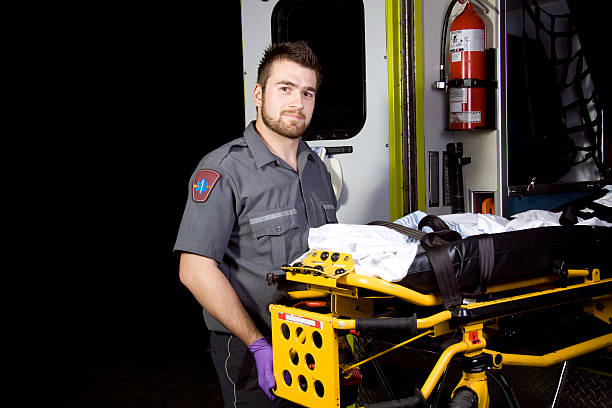
Respiratory Therapist

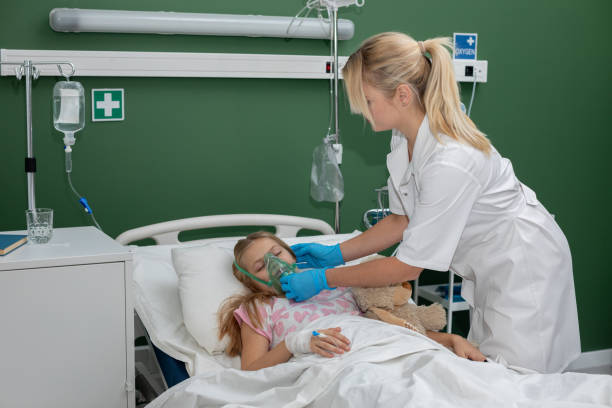
A Respiratory Therapist is a specialized healthcare professional who diagnoses, treats, and manages patients with breathing or cardiopulmonary disorders. They work with individuals suffering from conditions like asthma, chronic obstructive pulmonary disease (COPD), or respiratory distress, often in critical care settings. Employed in hospitals, clinics, rehabilitation centers, and home care environments, Respiratory Therapists are vital in ensuring patients receive adequate oxygen and respiratory support. This career falls under the Health Sciences career cluster, focusing on life-saving respiratory care and patient recovery.
Share :
Career tree mind map (horizontal) — Respiratory Therapist
Colored branches, hub circles, and underlined topics — same style as counselor course classic (types 18–19 in admin).
Loading mind map…

Respiratory Therapists assess patients’ respiratory health, administer treatments such as oxygen therapy or mechanical ventilation, and educate patients on managing chronic respiratory conditions. They collaborate with physicians and nurses to develop care plans, often working in high-pressure environments like intensive care units (ICUs) to stabilize patients with acute breathing difficulties. Their expertise extends to diagnostic testing, such as pulmonary function tests, to evaluate lung capacity and guide treatment. By providing critical interventions and long-term management strategies, Respiratory Therapists play an essential role in improving patients’ quality of life and survival rates.

  • Patient Assessment:
    • Evaluate patients’ respiratory status through physical exams, medical history, and diagnostic tests like arterial blood gas analysis.
    • Monitor vital signs and lung function to identify abnormalities or distress.
  • Therapeutic Interventions:
    • Administer treatments such as oxygen therapy, aerosol medications, or chest physiotherapy to improve breathing.
    • Manage mechanical ventilators and other life-support equipment for patients in critical condition.
  • Diagnostic Testing:
    • Perform pulmonary function tests to measure lung capacity and airflow for diagnostic purposes.
    • Conduct sleep studies or stress tests to assess respiratory issues during rest or activity.
  • Emergency Response:
    • Provide immediate care during respiratory emergencies, including intubation or CPR in life-threatening situations.
    • Respond to code blue alerts in hospitals to stabilize patients with acute respiratory failure.
  • Patient Education:
    • Teach patients and families about managing chronic conditions like asthma or COPD through lifestyle changes and medication use.
    • Instruct on the use of respiratory equipment, such as inhalers or home oxygen systems.
  • Collaboration with Healthcare Teams:
    • Work with physicians, nurses, and other specialists to develop and adjust respiratory care plans.
    • Participate in multidisciplinary rounds to discuss patient progress and treatment strategies.
  • Equipment Maintenance and Safety:
    • Ensure respiratory equipment is properly maintained, sterilized, and functioning to prevent complications.
    • Follow infection control protocols to minimize risks in clinical settings.
  • Documentation and Reporting:
    • Record patient assessments, treatments, and outcomes accurately in medical records.
    • Communicate respiratory care updates to healthcare teams for coordinated patient management.

RouteSteps
Route 11. 10+2 with Physics, Chemistry, Biology (PCB)
 2. Diploma in Respiratory Therapy or Technology (2-3 years)
 3. Internship or clinical training in a hospital setting (3-6 months)
 4. Registration with relevant health authority (if applicable in India)
Route 21. 10+2 with Physics, Chemistry, Biology (PCB)
 2. Bachelor’s degree in Respiratory Therapy or Allied Health Sciences (3-4 years)
 3. Clinical internship in respiratory care units (6-12 months)
 4. Optional certification for enhanced employability
Route 31. 10+2 with Physics, Chemistry, Biology (PCB)
 2. Certificate course in Respiratory Therapy (1-2 years)
 3. Hands-on experience through internships in critical care settings (3-6 months)
Route 4 (International)1. 10+2 with Physics, Chemistry, Biology (PCB)
 2. Diploma or Bachelor’s in Respiratory Therapy from India (2-4 years)
 3. Advanced certification or degree in Respiratory Care abroad (1-2 years)
 4. Clinical internship in international hospitals (6-12 months)
 5. Licensing as per country requirements (e.g., RRT in USA via National Board for Respiratory Care - NBRC)

  • Moderate Training Period: Requires 1-4 years of education, shorter than many medical specialties.
  • Critical Care Focus: Often works in high-stakes environments like ICUs or emergency rooms.
  • Patient Impact: Directly influences survival and recovery in respiratory distress cases.
  • Collaborative Role: Works closely with multidisciplinary teams for comprehensive patient care.
  • Growing Demand: Rising incidence of respiratory diseases and aging populations boost job prospects.
  • Diverse Settings: Opportunities in hospitals, home care, and rehabilitation facilities.
  • Technical Expertise: Combines medical knowledge with proficiency in respiratory equipment.
  • Emotional Reward: Offers fulfillment from saving lives and improving breathing conditions.
  • Evolving Field: Increasing relevance with advancements in ventilator technology and telehealth.
  • Global Opportunities: Skills are highly transferable internationally with proper certification.

  • Internships in hospital ICUs or respiratory care units to practice ventilator management and patient assessments.
  • Hands-on training in administering oxygen therapy, nebulizer treatments, and chest physiotherapy.
  • Participation in emergency response drills to handle acute respiratory crises effectively.
  • Exposure to pulmonary function testing and sleep study labs for diagnostic experience.
  • Observerships with senior respiratory therapists to learn advanced critical care techniques.
  • Involvement in multidisciplinary rounds to understand collaborative patient management.
  • Training in infection control and equipment sterilization for safety in respiratory care.
  • Attendance at respiratory care conferences or workshops for updates on treatment protocols.
  • Collaboration with pulmonologists to assist in bronchoscopy or other respiratory procedures.
  • Experience in patient education on home respiratory equipment during clinical rotations.

  • Diploma in Respiratory Therapy
  • Bachelor’s Degree in Respiratory Therapy
  • Certificate Course in Respiratory Care Technology
  • Bachelor’s in Allied Health Sciences with Respiratory Focus
  • Certification in Critical Care Respiratory Therapy
  • Training in Pulmonary Function Testing
  • Specialized Courses in Neonatal and Pediatric Respiratory Care
  • Certification in Sleep Study and Polysomnography
  • Training in Mechanical Ventilation Management
  • Continuing Education in Advanced Respiratory Care Practices

InstituteCourse/ProgramOfficial Link
Apollo MedSkills, Multiple LocationsDiploma in Respiratory Therapyhttps://www.apollomedskills.com/
Christian Medical College (CMC), VelloreDiploma/Bachelor’s in Respiratory Therapyhttps://www.cmch-vellore.edu/
Manipal Academy of Higher Education, ManipalBachelor’s in Respiratory Therapyhttps://manipal.edu/
Amrita Institute of Medical Sciences, KochiBachelor’s in Respiratory Therapyhttps://www.amrita.edu/
Sri Ramachandra Institute of Higher Education, ChennaiBachelor’s in Respiratory Therapyhttps://www.sriramachandra.edu.in/
JSS Medical College, MysoreDiploma/Bachelor’s in Respiratory Therapyhttps://www.jssuni.edu.in/
KLE University, BelagaviBachelor’s in Respiratory Therapyhttps://www.kleuniversity.edu.in/
Symbiosis Institute of Health Sciences, PuneBachelor’s in Respiratory Therapyhttps://www.sihspune.org/
Nizam’s Institute of Medical Sciences, HyderabadDiploma in Respiratory Therapyhttps://www.nims.edu.in/
Fortis Institute of Nursing, Multiple LocationsDiploma in Respiratory Care Technologyhttps://www.fortishealthcare.com/

InstitutionCourseCountryOfficial Link
Georgia State UniversityBachelor’s/Master’s in Respiratory TherapyUSAhttps://www.gsu.edu/
University of Toronto Faculty of MedicineRespiratory Therapy Advanced TrainingCanadahttps://www.utoronto.ca/
King’s College London School of Life SciencesMSc in Respiratory Care (Therapy Focus)UKhttps://www.kcl.ac.uk/
University of Melbourne School of Health SciencesMaster of Advanced Respiratory CareAustraliahttps://www.unimelb.edu.au/
Ohio State University Wexner Medical CenterBachelor’s in Respiratory TherapyUSAhttps://wexnermedical.osu.edu/
University of British Columbia Faculty of MedicineRespiratory Therapy ProgramCanadahttps://www.ubc.ca/
University of Sydney School of Health SciencesMaster of Respiratory TherapyAustraliahttps://www.sydney.edu.au/
Karolinska Institutet Department of Clinical ScienceAdvanced Respiratory Care ProgramSwedenhttps://ki.se/en
University of Otago School of MedicinePostgraduate Diploma in Respiratory CareNew Zealandhttps://www.otago.ac.nz/
Loma Linda University School of Allied Health ProfessionsBachelor’s/Master’s in Respiratory CareUSAhttps://alliedhealth.llu.edu/

India:

  • No mandatory national-level entrance exams for most Diploma programs; admission often based on 10+2 marks with PCB.
  • Institute-specific entrance exams for Bachelor’s or Diploma courses in Respiratory Therapy (e.g., CMC Vellore Entrance Test).
  • State-level allied health entrance exams for admission to government institutes in some states.
  • National Eligibility cum Entrance Test (NEET-UG) may be required for certain allied health programs in select institutions.

International:

  • No specific entrance exams for most Respiratory Therapy programs; admission often based on high school completion with science subjects.
  • Graduate Record Examination (GRE) may be required for advanced or Master’s programs in some countries like the USA.
  • International English Language Testing System (IELTS) with a minimum score of 6.5-7.0 for non-native speakers in countries like Canada, UK, or Australia.
  • Test of English as a Foreign Language (TOEFL) with a minimum score of 90-100 for programs in the USA or Canada.
  • Country-specific licensing exams for practicing as a Registered Respiratory Therapist (RRT) in the USA (via National Board for Respiratory Care - NBRC exams: TMC and CSE)

Respiratory Therapist → Senior Respiratory Therapist → Respiratory Therapy Supervisor → Respiratory Therapy Educator → Respiratory Care Manager

  • Hospitals for providing respiratory care in ICUs, emergency rooms, and general wards.
  • Intensive care units for managing ventilators and critical respiratory conditions.
  • Rehabilitation centers for supporting patients with chronic respiratory diseases in recovery.
  • Home healthcare services for assisting patients with long-term respiratory equipment like oxygen concentrators.
  • Sleep disorder clinics for conducting sleep studies and managing respiratory issues during sleep.
  • Outpatient clinics for diagnostic testing and therapy for non-critical respiratory conditions.
  • Public health organizations for developing respiratory health programs and education.
  • Government health departments for roles in national health initiatives targeting lung diseases.
  • Academic institutions for teaching and training future respiratory therapists.
  • Emergency medical services for providing on-site respiratory support during crises.

IndiaInternational
Apollo HospitalsMayo Clinic, USA
Fortis HealthcareJohns Hopkins Hospital, USA
Max HealthcareCleveland Clinic, USA
Medanta - The MedicityMassachusetts General Hospital, USA
Narayana HealthKaiser Permanente, USA
Manipal HospitalsToronto General Hospital, Canada
Sir Ganga Ram HospitalRoyal Brompton Hospital, UK
Kokilaben Dhirubhai Ambani HospitalThe Alfred Hospital, Australia
Christian Medical College (CMC), VelloreSingapore General Hospital, Singapore
All India Institute of Medical Sciences (AIIMS)Cedars-Sinai Medical Center, USA

ProsCons
Direct impact on saving lives in critical respiratory situationsHigh-stress environment, especially in ICUs or emergency settings
Growing demand due to rising respiratory diseases like COPDPhysically demanding with long shifts and on-call responsibilities
Opportunity to work in diverse healthcare settingsEmotional strain from working with critically ill or terminal patients
Shorter training compared to physicians with significant responsibilityExposure to infectious respiratory diseases and workplace hazards
Rewarding role in improving patients’ breathing and quality of lifeLimited autonomy; must follow physician directives for most treatments

(Figures are approximate and based on latest available data as of 2026, subject to change.)

Career LevelIndia (₹ per annum)International (US$ per annum)
Respiratory Therapist (Entry-Level)3,00,000 - 5,00,000$50,000 - $65,000
Senior Respiratory Therapist5,00,000 - 8,00,000$65,000 - $80,000
Respiratory Therapy Supervisor8,00,000 - 12,00,000$80,000 - $100,000
Respiratory Therapy Educator9,00,000 - 15,00,000$85,000 - $110,000
Respiratory Care Manager12,00,000 - 20,00,000$100,000 - $130,000

  • Electronic Health Records (EHR) Software for documenting patient respiratory assessments and treatments.
  • Pulmonary Function Testing Software for analyzing lung capacity and airflow data.
  • Ventilator Management Systems for monitoring and adjusting mechanical ventilation settings.
  • Sleep Study Software for conducting polysomnography and diagnosing respiratory sleep disorders.
  • Telehealth Platforms for remote patient consultations and respiratory monitoring.
  • Patient Monitoring Software for tracking vital signs and oxygen levels in real-time.
  • Respiratory Therapy Documentation Tools for recording treatment plans and outcomes.
  • Equipment Maintenance Software for ensuring ventilators and devices are functioning properly.
  • Clinical Decision Support Systems for aiding in respiratory diagnosis and care planning.
  • Mobile Apps for Patient Education to share breathing exercises and therapy instructions.

  • Indian Association of Respiratory Care (IARC)
  • American Association for Respiratory Care (AARC)
  • Canadian Society of Respiratory Therapists (CSRT)
  • Australian and New Zealand Society of Respiratory Science (ANZSRS)
  • International Council for Respiratory Care (ICRC)
  • National Board for Respiratory Care (NBRC), USA

  • Mr. Anil Kumar (India): A senior respiratory therapist at AIIMS, New Delhi, since the 1990s, Mr. Kumar has trained numerous therapists and improved ICU respiratory protocols in India.
     
  • Ms.Priya Nair (India): Based in Kochi at Amrita Institute since the 2000s, Ms. Nair has focused on neonatal respiratory care, enhancing outcomes for premature infants.
     
  • Dr. Rajesh Sharma (India): Working at Apollo Hospitals, Chennai, since the 2010s, Dr. Sharma has led respiratory therapy advancements during public health crises like COVID-19.
     
  • Ms.Sneha Mathew (India): A respiratory therapist at CMC Vellore since the 2000s, Ms. Mathew has contributed to pulmonary rehabilitation programs for chronic lung patients in India.
     
  • Mr.Vikram Singh (India): Based in Bangalore at Manipal Hospitals since the 1990s, Mr. Singh has pioneered respiratory care education for allied health professionals in southern India.
     
  • Mr. David Pierson (USA): A prominent respiratory therapist and educator since the 1980s at the University of Washington, Mr. Pierson has authored key texts on critical care respiratory therapy.
     
  • Ms. Anne Holland (Australia): A leader in pulmonary rehabilitation since the 2000s at Monash University, Ms. Holland has shaped respiratory therapy for chronic disease management globally.
     
  • Mr. Dean Hess (USA): A respiratory care expert since the 1980s at Massachusetts General Hospital, Mr. Hess has influenced ventilator management standards through research and AARC leadership.
     
  • Ms. Louise Rose (Canada): A professor at the University of Toronto since the 2000s, Ms. Rose focuses on critical care respiratory therapy, impacting ICU practices in Canada and beyond.
     
  • Mr.Martyn Partridge (UK): A respiratory care advocate since the 1980s at Imperial College London, Mr. Partridge has advanced patient education and therapy for asthma and COPD internationally.
     

  • Build a strong foundation in biology and respiratory physiology during early education.
  • Gain practical experience through clinical internships in critical care or respiratory units.
  • Develop quick decision-making skills to handle emergencies and acute respiratory distress.
  • Pursue certifications like RRT or specialized training to enhance credibility and expertise.
  • Stay updated on advancements in ventilator technology and respiratory care protocols.
  • Cultivate empathy to support patients and families facing breathing challenges or chronic illness.
  • Network with pulmonologists and critical care specialists for collaborative career opportunities.
  • Enhance technical skills to master complex equipment like ventilators and diagnostic tools.
  • Consider specializing in neonatal, pediatric, or pulmonary rehab for niche career growth.
  • Maintain dedication to improving patient outcomes through innovative respiratory interventions.

Embarking on the path of a Respiratory Therapist presents a vital chance to breathe life into patient care by mastering the art and science of respiratory support in critical and chronic conditions. These professionals stand as guardians of breath, delivering essential interventions that sustain life and foster recovery. With opportunities spanning intensive care to community health and educational roles, this field calls to those passionate about making a profound impact on human survival. For anyone eager to champion wellness through the power of air, respiratory therapy offers a deeply meaningful and exhilarating professional expedition.


Knowledge & Skills You Will Learn
1
Clinical expertise to assess respiratory conditions and administer therapies like oxygen or ventilation
2
Diagnostic proficiency to perform and interpret pulmonary function tests and blood gas analyses
3
Critical thinking to make quick decisions during respiratory emergencies or patient deterioration
4
Technical aptitude to operate and troubleshoot complex respiratory equipment like ventilators
5
Communication skills to explain treatments and educate patients and families on respiratory care
6
Empathy and patience to support patients struggling with breathing difficulties or chronic conditions
7
Organizational ability to manage multiple patients and maintain accurate medical documentation
8
Teamwork capability to collaborate with physicians, nurses, and healthcare staff in high-pressure settings
9
Physical stamina to handle long shifts and assist with patient positioning or emergency responses
10
Adaptability to stay updated on respiratory care advancements and evolving patient needs
Respiratory Therapist

Respiratory Therapist

A Respiratory Therapist provides direct care to patients with breathing disorders, managing ventilators, and administering therapies in hospitals...

0.0LPA

Senior Respiratory Therapist

Senior Respiratory Therapist

A Senior Respiratory Therapist handles complex cases, mentors junior therapists, and often leads critical care protocols in high-acuity settings...

0.0LPA
Respiratory Therapy Supervisor

Respiratory Therapy Supervisor

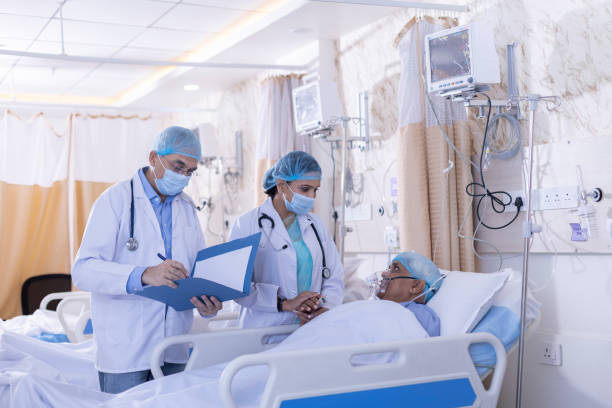
A Respiratory Therapy Supervisor oversees a team of therapists, ensures quality of respiratory care, and manages departmental operations in...

0.0LPA

Interested in this career?

Take the next step and explore more about Respiratory Therapist.