Recording Artist

Recording Artist is a vibrant and creative field within mass communication and media that focuses on producing and performing music for public consumption, often through recordings, live performances, and digital platforms. In India, the role of a Recording Artist is a celebrated career path, fueled by the countryโ€™s rich musical heritage, the booming entertainment industry, and the rise of digital streaming platforms like Spotify and JioSaavn. With advancements in music production technology, social media promotion, and global connectivity, this career plays a pivotal role in shaping cultural narratives and entertaining millions. Recording Artists are essential for creating original music, collaborating with producers, and engaging audiences through their artistry. This profession contributes to industry progress through trends like independent music distribution, genre fusion, and interactive fan engagement via digital media.

Share :
โœจ Radial Mind Map - Recording Artist
Nodes arranged in concentric circles

Loading radial mind map...

Overview

Recording Artist is a vibrant and creative field within mass communication and media that focuses on producing and performing music for public consumption, often through recordings, live performances, and digital platforms. In India, the role of a Recording Artist is a celebrated career path, fueled by the countryโ€™s rich musical heritage, the booming entertainment industry, and the rise of digital streaming platforms like Spotify and JioSaavn. With advancements in music production technology, social media promotion, and global connectivity, this career plays a pivotal role in shaping cultural narratives and entertaining millions. Recording Artists are essential for creating original music, collaborating with producers, and engaging audiences through their artistry. This profession contributes to industry progress through trends like independent music distribution, genre fusion, and interactive fan engagement via digital media.

Recording Artists work in diverse environments such as recording studios, live performance venues, music labels, or as independent creators, often collaborating with producers, songwriters, sound engineers, and media professionals. Their responsibilities include composing or performing music, recording tracks, promoting their work through media channels, and building a fan base. They face challenges like intense competition in Indiaโ€™s music industry, adapting to digital trends, and balancing artistic expression with commercial demands. By applying expertise in music creation, performance, and audience engagement, they contribute to the cultural and entertainment landscape. As key contributors to Indiaโ€™s mass communication and media sectors, they drive advancements through trends like cross-cultural collaborations, music streaming dominance, and social media-driven marketing.


Roles and Responsibilities

๐Ÿ’ผ
Recording Artist
Roles and Responsibilities
Music Creation and Composition
Write original songs, melodies, and lyrics or collaborate with songwriters to create music that resonates with target audiences.
Experiment with different genres, styles, and instruments to develop a unique sound or artistic identity.
Recording and Production
Work in studios to record vocals and instrumental tracks, ensuring high-quality sound with the help of producers and engineers.
Review and refine recordings, providing input on mixing, mastering, and production to achieve the desired output.
Live Performances and Tours
Perform at concerts, events, or festivals to connect with fans, showcase music, and build a live following.
Plan and execute tours, managing logistics, stage presence, and audience interaction for memorable experiences.
Media Promotion and Branding
Utilize social media, music videos, and interviews to promote releases, engage with fans, and build a personal brand.
Collaborate with marketing teams or media outlets to increase visibility through radio, TV, or online platforms.
Fan Engagement and Community Building
Interact with fans through digital platforms, live Q&A sessions, or fan meets to maintain loyalty and grow a fan base.
Create content like behind-the-scenes videos or vlogs to foster a personal connection with listeners.
Collaboration and Networking
Partner with other artists, producers, or composers for duets, remixes, or feature tracks to expand reach and creativity.
Network with industry professionals at events or through digital platforms to secure opportunities and collaborations.
Music Distribution and Monetization
Release music on streaming platforms like Spotify, Apple Music, or YouTube to reach global audiences and generate revenue.
Manage royalties, licensing deals, and merchandise sales to monetize creative output effectively.
Adaptation to Industry Trends
Stay updated on music technology, trending genres, and digital marketing strategies to remain relevant in a fast-evolving industry.
Experiment with new formats like virtual concerts or NFTs to engage tech-savvy audiences and explore innovative revenue streams.

Roles and Responsibilities

  • Music Creation and Composition
    • Write original songs, melodies, and lyrics or collaborate with songwriters to create music that resonates with target audiences.
    • Experiment with different genres, styles, and instruments to develop a unique sound or artistic identity.
  • Recording and Production
    • Work in studios to record vocals and instrumental tracks, ensuring high-quality sound with the help of producers and engineers.
    • Review and refine recordings, providing input on mixing, mastering, and production to achieve the desired output.
  • Live Performances and Tours
    • Perform at concerts, events, or festivals to connect with fans, showcase music, and build a live following.
    • Plan and execute tours, managing logistics, stage presence, and audience interaction for memorable experiences.
  • Media Promotion and Branding
    • Utilize social media, music videos, and interviews to promote releases, engage with fans, and build a personal brand.
    • Collaborate with marketing teams or media outlets to increase visibility through radio, TV, or online platforms.
  • Fan Engagement and Community Building
    • Interact with fans through digital platforms, live Q&A sessions, or fan meets to maintain loyalty and grow a fan base.
    • Create content like behind-the-scenes videos or vlogs to foster a personal connection with listeners.
  • Collaboration and Networking
    • Partner with other artists, producers, or composers for duets, remixes, or feature tracks to expand reach and creativity.
    • Network with industry professionals at events or through digital platforms to secure opportunities and collaborations.
  • Music Distribution and Monetization
    • Release music on streaming platforms like Spotify, Apple Music, or YouTube to reach global audiences and generate revenue.
    • Manage royalties, licensing deals, and merchandise sales to monetize creative output effectively.
  • Adaptation to Industry Trends
    • Stay updated on music technology, trending genres, and digital marketing strategies to remain relevant in a fast-evolving industry.
    • Experiment with new formats like virtual concerts or NFTs to engage tech-savvy audiences and explore innovative revenue streams.

ย 

Study Route & Eligibility Criteria

Study Route & Eligibility Criteria
Recording Artist
Formal Music Training - Direct Entry
๐ŸŽ“
1
Complete 10+2 in any stream with minimum 50% marks.
๐ŸŽ“
2
Pursue a Bachelorโ€™s degree or diploma in Music, Performing Arts, or Sound Engineering via merit or entrance exams.
3-4 years
๐Ÿ’ผ
3
Gain experience through performances or studio internships.
๐Ÿ’ผ
4
Progress to Recording Artist with skills and a portfolio of work.
Self-Taught to Professional Pathway
๐ŸŽ“
1
Complete 10+2 and self-learn music through online courses, private lessons, or mentorships.
๐Ÿ’ผ
2
Build skills in singing, playing instruments, or production via practice and local gigs.
๐Ÿ“š
3
Record and release music independently on digital platforms.
๐Ÿ’ผ
4
Transition to a full-time Recording Artist with a growing fan base and industry recognition.
Diploma to Degree Pathway
๐ŸŽ“
1
Complete 10+2 and enroll in a Diploma in Music Production or Vocal Performance .
1-2 years
๐Ÿ›๏ธ
2
Transition to a Bachelorโ€™s degree in Music or Media via lateral entry or direct admission.
๐Ÿ’ผ
3
Work on small projects or collaborations for practical learning.
๐Ÿ’ผ
4
Build expertise to secure Recording Artist opportunities with a strong portfolio.
International Education Path
๐ŸŽ“
1
Complete 10+2 and clear relevant language tests .
๐Ÿ›๏ธ
2
Pursue degrees in Music Performance, Production, or Media Arts from international universities .
๐ŸŒ
3
Gain global exposure through international music projects or performances.
๐Ÿ’ผ
4
Return to India or work internationally as a Recording Artist with global credentials.
Talent Development to Professional Pathway
๐ŸŽ“
1
Complete 10th or 12th standard and participate in talent shows, local events, or online platforms to showcase skills.
๐Ÿ“š
2
Pursue short-term courses or workshops in music and media production.
๐Ÿ’ผ
3
Work as a freelance artist or collaborate on small projects for experience.
๐Ÿ’ผ
4
Build a fan base and network to secure full-time Recording Artist roles with recognition.
๐ŸŽฏ Recording Artist - Professional

Significant Observations (Academic Related Points)

๐Ÿ’ก
Recording Artist
Academic Related Points
1
Eligibility Criteria
10+2 in any stream is generally required for formal programs; no strict academic prerequisites for self-taught paths, though a background in music or arts is beneficial; advanced degrees or certifications are advantageous for credibility.
2
Competitive Examinations
Entrance exams like university-specific tests may be required for music or media programs in India; international programs may require IELTS or TOEFL.
3
Practical Skills
Hands-on experience in music performance, recording, and digital promotion is critical for industry readiness.
4
Physical Standards
Not typically mandatory, though vocal health, stamina, and stage presence are beneficial for live performances.
5
Technical Knowledge
Proficiency in music production software, recording equipment, and digital platforms is essential.
6
Continuous Training
Workshops on music production, vocal techniques, and social media marketing are crucial for staying relevant.
7
Field Readiness
Exposure to real-world performances, studio recording, and audience interaction builds practical competence.
8
Cultural Awareness
Understanding Indiaโ€™s diverse musical traditions and global trends aids in creating relatable and innovative content.
9
Creative and Marketing Skills
Combining artistic talent with promotional strategies is key to building a successful career.
10
Ethical Commitment
Adherence to originality, copyright laws, and fair collaboration builds professional credibility.
11
Networking Ability
Building relationships with producers, labels, and media professionals is crucial for career growth.

Courses & Specializations to Enter the Field

๐Ÿ“š
Recording Artist
Courses & Specializations
๐Ÿ“–
Bachelor of Arts (BA) in Music or Performing Arts for foundational skills in music theory, performance, and composition.
๐Ÿ“–
Bachelor of Technology (B.Tech.) in Sound Engineering for technical expertise in recording and music production.
๐Ÿ“–
Diploma in Music Production or Vocal Performance for practical training in creating and recording music.
๐Ÿ“–
Certificate Course in Audio Engineering or Digital Music Production for short-term skill development in studio work.
๐Ÿ“–
Specialization in Vocal Performance, Instrumental Music, Music Production, Songwriting, or Music Marketing.
๐Ÿ“–
Short-term courses on Music Software (e.g., FL Studio, Ableton Live), Vocal Techniques, and Social Media for Artists.
๐Ÿ“–
Certifications in Music Production (from platforms like Coursera or Berklee Online), Sound Engineering, and Digital Marketing for Musicians (international bodies) for professional credibility.

Prominent Employers

๐Ÿข
Recording Artist
๐ŸŒŸ Top Companies & Organizations
๐Ÿ‡ฎ๐Ÿ‡ณ India
๐ŸŒ International

Advice for Aspiring Recording Artists

๐Ÿ’ก
Recording Artist
๐ŸŒŸ Tips for Students & Parents
1
Build a strong foundation in music theory, vocal or instrumental skills, and production basics to excel in creating impactful tracks.
2
Pursue early exposure through local performances, online platforms, or talent shows to understand audience reactions and build confidence.
3
Create a portfolio showcasing original songs, covers, or live performances to demonstrate your talent to labels or collaborators.
4
Stay updated on music production software, streaming trends, and digital marketing strategies through continuous learning and workshops.
5
Develop proficiency in recording techniques, stage performance, and social media engagement for a competitive edge in the industry.
6
Join reputed institutes like KM Music Conservatory or international programs for high-quality training and valuable industry connections in music.
7
Work on resilience to manage rejection, financial instability, and the pressure of staying relevant in a competitive field effectively.
8
Explore opportunities in smaller gigs, online releases, or regional music scenes to gain practical experience if larger breaks are initially out of reach.
9
Network with producers, songwriters, and media professionals at music events or online to expand career opportunities and collaborations.
10
Cultivate adaptability to experiment with genres, adopt new technologies, and address evolving listener preferences with confidence.
11
Focus on societal impact by creating music that inspires, unites, or reflects cultural narratives, contributing to emotional and social resonance.
๐ŸŽ“ Final Message
A career in Recording Artist offers an exhilarating chance to ignite passion and connect with the world by weaving musical talent with heartfelt expression, crafting melodies that echo in countless lives, and forging an indelible mark with every note sung or played. Recording Artists stand as the soulful storytellers of Indiaโ€™s vibrant cultural tapestry, channeling their creativity and performance flair to captivate audiences in a rapidly digitizing music realm. This field blends artistic innovation with a mission to entertain and inspire, unlocking pathways in studio recording, live stage artistry, cinematic soundscapes, and pioneering digital music ventures. For those captivated by the dream of enriching lives through song, driven by the ambition to resonate with global listeners, and prepared to face the dynamic hurdles of fierce competition, trend shifts, and relentless creative demands, a career as a Recording Artist presents a uniquely fulfilling odyssey. It equips individuals to meet the profound call for emotional connection through music, amplify the heartbeat of cultural expression, and contribute to a more harmonious, inspired society through the transformative power of sound.
Knowledge & Skills You Will Learn
1
Musical Talent for singing, playing instruments, or composing original music with creativity and emotional depth
2
Vocal/Instrumental Proficiency to deliver high-quality performances or recordings that captivate audiences
3
Music Production Knowledge to understand recording, mixing, and mastering processes using software like FL Studio or Pro Tools
4
Stage Presence Skills to engage live audiences through charisma, energy, and performance dynamics during concerts
5
Songwriting Abilities to craft meaningful lyrics and melodies that resonate with listeners across genres
6
Digital Marketing Expertise to promote music on social media, streaming platforms, and online channels effectively
7
Collaboration Skills to work with producers, songwriters, and other artists for creative and professional growth
8
Audience Engagement Capabilities to build and retain a fan base through interaction on digital and live platforms
9
Adaptability to Trends to stay relevant by experimenting with new genres, technologies, and promotional strategies
10
Resilience and Persistence to handle rejection, competition, and the uncertainties of the music industry with determination
Established Recording Artist (Mid-Level)

Established Recording Artist (Mid-Level)

Established Artists perform at larger venues and release music with recognized labels in hubs like Delhi or Bangalore, gaining wider recognition....

0.0LPA
Music Producer/Artist (Senior Level)

Music Producer/Artist (Senior Level)

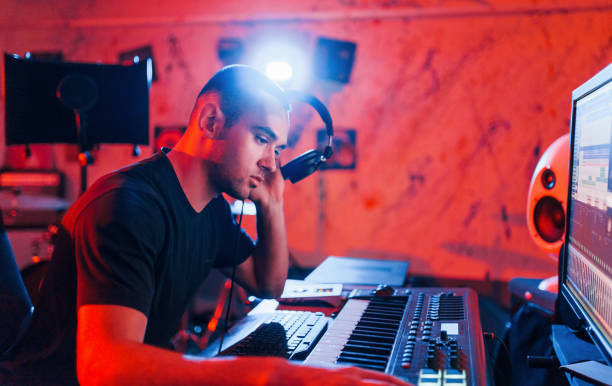
Music Producer/Artists produce their own tracks and for others in metro cities like Kolkata or Hyderabad, balancing creativity and technical...

0.0LPA

Music Director (Top Tier)

Music Director (Top Tier)

Music Directors oversee music for films, albums, or major projects across India, focusing on creative and commercial success. They guide...

0.0LPA

Interested in this career?

Take the next step and explore more about Recording Artist.