Prosthetic Technician

A Prosthetic Technician is a skilled professional who designs, fabricates, fits, and maintains artificial limbs (prostheses) for individuals who have lost limbs due to injury, illness, or congenital conditions. They work closely with prosthetists, orthotists, and healthcare teams to ensure that prosthetic devices are customized to meet patientsโ€™ functional and aesthetic needs. Employed in hospitals, rehabilitation centers, and private prosthetic clinics, Prosthetic Technicians play a vital role in improving the quality of life for amputees. This career falls under the Health Sciences career cluster, focusing on restorative and assistive technology in healthcare.

Share :
โœจ Radial Mind Map - Prosthetic Technician
Nodes arranged in concentric circles

Loading radial mind map...

Overview

A Prosthetic Technician is a skilled professional who designs, fabricates, fits, and maintains artificial limbs (prostheses) for individuals who have lost limbs due to injury, illness, or congenital conditions. They work closely with prosthetists, orthotists, and healthcare teams to ensure that prosthetic devices are customized to meet patientsโ€™ functional and aesthetic needs. Employed in hospitals, rehabilitation centers, and private prosthetic clinics, Prosthetic Technicians play a vital role in improving the quality of life for amputees. This career falls under the Health Sciences career cluster, focusing on restorative and assistive technology in healthcare.

Prosthetic Technicians are hands-on experts in crafting and assembling prosthetic devices using materials like plastics, metals, and composites. They interpret prescriptions from prosthetists, take precise measurements, and create molds or digital designs to build functional and comfortable prostheses. Beyond fabrication, they adjust and repair devices to ensure proper fit and functionality, often working directly with patients to address their unique mobility challenges. Their expertise combines technical craftsmanship with an understanding of human anatomy, enabling them to contribute significantly to patient rehabilitation and independence in diverse healthcare settings.
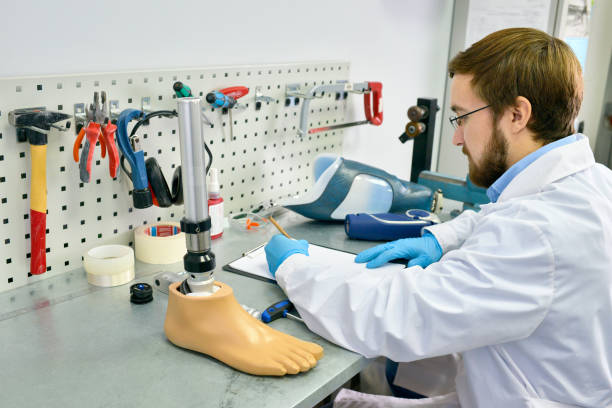
Roles and Responsibilities

๐Ÿ’ผ
Prosthetic Technician
Roles and Responsibilities
Design and Fabrication:
Create prosthetic devices based on prosthetist prescriptions and patient measurements.
Use manual tools, machinery, and computer-aided design (CAD) software to craft artificial limbs.
Fitting and Adjustment:
Assist in fitting prostheses to patients, ensuring comfort, alignment, and functionality.
Make necessary adjustments to improve fit and movement during patient trials.
Material Selection and Assembly:
Choose appropriate materials (e.g., carbon fiber, silicone) for durability and lightweight design.
Assemble components such as joints, sockets, and liners to complete the prosthetic device.
Maintenance and Repair:
Perform routine maintenance on prostheses to ensure long-term usability.
Repair damaged or worn-out components to restore functionality for patients.
Patient Interaction:
Collaborate with patients to understand their needs and provide guidance on prosthetic care.
Offer emotional support during the adaptation process to new devices.
Collaboration with Healthcare Teams:
Work alongside prosthetists, physical therapists, and physicians to optimize patient outcomes.
Provide technical input during rehabilitation planning and follow-up assessments.
Quality Control and Safety:
Ensure prosthetic devices meet safety and quality standards before delivery to patients.
Test devices for structural integrity and biomechanical performance.
Documentation and Record-Keeping:
Maintain detailed records of designs, materials used, and patient feedback for future reference.
Document modifications and repairs to track the lifecycle of each prosthesis.

Roles and Responsibilities:

  • Design and Fabrication:
    • Create prosthetic devices based on prosthetist prescriptions and patient measurements.
    • Use manual tools, machinery, and computer-aided design (CAD) software to craft artificial limbs.
  • Fitting and Adjustment:
    • Assist in fitting prostheses to patients, ensuring comfort, alignment, and functionality.
    • Make necessary adjustments to improve fit and movement during patient trials.
  • Material Selection and Assembly:
    • Choose appropriate materials (e.g., carbon fiber, silicone) for durability and lightweight design.
    • Assemble components such as joints, sockets, and liners to complete the prosthetic device.
  • Maintenance and Repair:
    • Perform routine maintenance on prostheses to ensure long-term usability.
    • Repair damaged or worn-out components to restore functionality for patients.
  • Patient Interaction:
    • Collaborate with patients to understand their needs and provide guidance on prosthetic care.
    • Offer emotional support during the adaptation process to new devices.
  • Collaboration with Healthcare Teams:
    • Work alongside prosthetists, physical therapists, and physicians to optimize patient outcomes.
    • Provide technical input during rehabilitation planning and follow-up assessments.
  • Quality Control and Safety:
    • Ensure prosthetic devices meet safety and quality standards before delivery to patients.
    • Test devices for structural integrity and biomechanical performance.
  • Documentation and Record-Keeping:
    • Maintain detailed records of designs, materials used, and patient feedback for future reference.
    • Document modifications and repairs to track the lifecycle of each prosthesis.

ย 

Study Route & Eligibility Criteria

Study Route & Eligibility Criteria
Prosthetic Technician
Route 1
๐ŸŽ“
1
10+2 with Physics, Chemistry, Mathematics/Biology or any stream
Route 2
๐ŸŽ“
1
10+2 with Physics, Chemistry, Mathematics/Biology or any stream
Route 3
๐ŸŽ“
1
10+2 in any stream
(International)
๐ŸŽ“
1
10+2 in any stream
๐ŸŽฏ Prosthetic Technician - Professional

Internships & Practical Exposure

๐Ÿ’ผ
Prosthetic Technician
Internships & Practical Experience
1
Internships in prosthetic and orthotic clinics to gain experience in device fabrication and fitting.
2
Hands-on training in crafting prostheses using materials like plastics and carbon fiber.
3
Participation in patient fittings to understand customization and adjustment processes.
4
Exposure to CAD software and 3D printing for modern prosthetic design under supervision.
5
Observerships with senior technicians to learn advanced techniques in socket design.
6
Involvement in repair and maintenance tasks during clinical rotations in hospitals.
7
Training in patient interaction to address individual needs and provide device care instructions.
8
Attendance at assistive technology workshops for insights into emerging prosthetic innovations.
9
Collaboration with rehabilitation teams to support patient recovery and adaptation.
10
Experience in quality testing of prosthetic devices to ensure safety and functionality.

Courses & Specializations to Enter the Field

๐Ÿ“š
Prosthetic Technician
Courses & Specializations
๐Ÿ“–
Diploma in Prosthetics and Orthotics Technology
๐Ÿ“–
Bachelorโ€™s Degree in Prosthetics and Orthotics (BPO)
๐Ÿ“–
Certificate Course in Prosthetic Technology
๐Ÿ“–
Training in Computer-Aided Design (CAD) for Prosthetics
๐Ÿ“–
Certification in Prosthetic Fabrication Techniques
๐Ÿ“–
Specialized Course in Lower Limb Prosthetics
๐Ÿ“–
Training in Upper Limb Prosthetic Design
๐Ÿ“–
Certification in Prosthetic Material Science
๐Ÿ“–
Workshop on 3D Printing in Prosthetics
๐Ÿ“–
Continuing Education in Advanced Prosthetic Technology

Prominent Employers

๐Ÿข
Prosthetic Technician
๐ŸŒŸ Top Companies & Organizations
๐Ÿ‡ฎ๐Ÿ‡ณ India
๐Ÿ›๏ธ
All India Institute of Physical Medicine and Rehabilitation (AIIPMR)
๐Ÿ›๏ธ
National Institute for Locomotor Disabilities (NILD)
๐Ÿ›๏ธ
Pt. Deendayal Upadhyaya National Institute
๐Ÿ›๏ธ
Swami Vivekanand National Institute of Rehabilitation (SVNIRTAR)
๐Ÿ›๏ธ
Christian Medical College (CMC), Vellore
๐Ÿ›๏ธ
Indian Spinal Injuries Centre
๐Ÿ›๏ธ
Mobility India
๐Ÿ›๏ธ
Apollo Hospitals
๐Ÿ›๏ธ
Fortis Healthcare
๐Ÿ›๏ธ
Narayana Health
๐ŸŒ International
๐ŸŒ
ร–ssur, Iceland/USA
๐ŸŒ
Ottobock, Germany/USA
๐ŸŒ
Hanger, Inc., USA
๐ŸŒ
Fillauer, USA
๐ŸŒ
Blatchford, UK
๐ŸŒ
Endolite, UK/USA
๐ŸŒ
Freedom Innovations, USA
๐ŸŒ
Touch Bionics, UK/USA
๐ŸŒ
College Park Industries, USA
๐ŸŒ
Prosthetic Design, Inc., USA

Advice for Aspiring Prosthetic Technicians

๐Ÿ’ก
Prosthetic Technician
๐ŸŒŸ Tips for Students & Parents
1
Build a strong base in prosthetic technology through structured education or apprenticeships.
2
Gain practical experience in workshops to master fabrication and fitting techniques.
3
Develop manual skills for precision in crafting and assembling prosthetic components.
4
Seek certifications from bodies like RCI or ABC to boost professional credibility.
5
Stay abreast of technological trends like 3D printing and robotics in prosthetics.
6
Cultivate empathy to connect with patients and support their emotional journey.
7
Network with prosthetists and rehabilitation experts for broader industry exposure.
8
Focus on anatomical understanding to design prostheses that mimic natural movement.
9
Consider specializing in areas like pediatric or sports prosthetics for unique opportunities.
10
Maintain dedication to transforming lives through innovative and functional prosthetic solutions.
๐ŸŽ“ Final Message
Venturing into the role of a Prosthetic Technician offers a meaningful chance to empower individuals by restoring their mobility and dignity through expertly crafted artificial limbs. These specialists are vital artisans in healthcare, blending technical skill with compassion to create life-altering assistive devices. With career paths spanning from hands-on fabrication to leadership in technology development across international platforms, this profession appeals to those eager to combine craftsmanship with human impact. For anyone inspired to make a tangible difference in the lives of amputees, a career in prosthetic technology presents a deeply fulfilling and progressive journey.
Knowledge & Skills You Will Learn
1
Greater emphasis on sustainability, with recyclable materials in prosthetic design.
Prosthetic Technician

Prosthetic Technician

A Prosthetic Technician designs, fabricates, and fits artificial limbs for patients, ensuring functionality and comfort. They work under...

0.0LPA
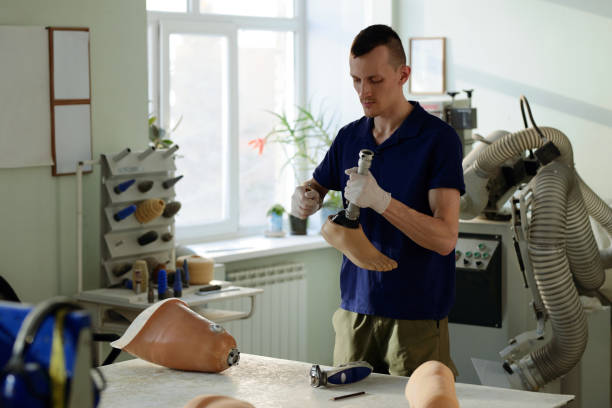
Senior Prosthetic Technician

Senior Prosthetic Technician

A Senior Prosthetic Technician handles complex prosthetic designs, mentors junior technicians, and oversees quality control in fabrication. They...

0.0LPA
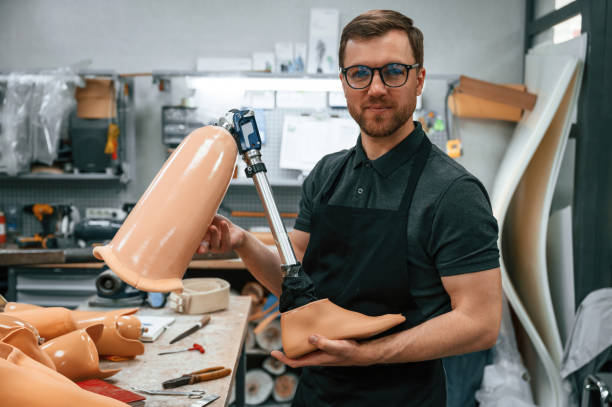
Prosthetic Workshop Supervisor

Prosthetic Workshop Supervisor

A Prosthetic Workshop Supervisor manages a team of technicians in a fabrication lab, coordinates workflow, and ensures timely delivery of...

0.0LPA

Interested in this career?

Take the next step and explore more about Prosthetic Technician.