Pathologist

A Pathologist is a specialized medical professional who studies the causes and effects of diseases by examining tissues, cells, bodily fluids, and autopsies. Often referred to as "medical detectives," they play a critical role in diagnosing illnesses, guiding treatment plans, and contributing to medical research. Working primarily in laboratories, hospitals, and research facilities, Pathologists provide insights that are foundational to patient care. This career falls under the Health Sciences career cluster, focusing on diagnostic precision and scientific investigation to improve health outcomes.

Share :
Career tree mind map (horizontal) — Pathologist
Colored branches, hub circles, and underlined topics — same style as counselor course classic (types 18–19 in admin).
Loading mind map…

Pathologists are essential to the healthcare ecosystem, analyzing samples such as blood, tissue biopsies, and other specimens to identify abnormalities at a cellular level. Their expertise helps in diagnosing conditions ranging from infections to cancers, determining the cause of death through autopsies, and monitoring disease progression. They collaborate closely with clinicians to ensure accurate diagnoses and often contribute to developing new diagnostic techniques through research. Pathologists are vital in uncovering hidden aspects of diseases, enabling effective medical interventions, and advancing scientific understanding of human health.

  • Sample Analysis and Diagnosis:
    • Examine tissue, blood, and fluid samples using microscopes and laboratory tests.
    • Identify abnormalities to diagnose diseases like cancer, infections, or autoimmune disorders.
  • Autopsy Performance:
    • Conduct post-mortem examinations to determine the cause of death.
    • Document findings for legal, medical, or research purposes.
  • Consultation with Clinicians:
    • Provide diagnostic reports to physicians to guide patient treatment plans.
    • Discuss complex cases to recommend further testing or therapies.
  • Laboratory Oversight:
    • Supervise clinical labs to ensure accuracy and compliance with standards.
    • Manage quality control of diagnostic tests and equipment.
  • Research and Development:
    • Investigate disease mechanisms and contribute to medical research studies.
    • Develop or refine diagnostic tools and methodologies.
  • Disease Monitoring:
    • Track the progression of chronic conditions through repeated testing.
    • Assess the effectiveness of treatments via laboratory results.
  • Forensic Analysis:
    • Assist in legal investigations by providing pathological evidence in criminal cases.
    • Testify as expert witnesses in court regarding findings.
  • Education and Training:
    • Teach medical students and train junior pathologists in diagnostic techniques.
    • Conduct workshops and seminars on pathology advancements.

RouteSteps
Route 11. 10+2 with Physics, Chemistry, Biology (PCB)
 2. MBBS degree (5.5 years including internship)
 3. MD/DNB in Pathology (3 years)
 4. Certification from relevant medical board
Route 21. 10+2 with Physics, Chemistry, Biology (PCB)
 2. MBBS degree (5.5 years including internship)
 3. Diploma in Clinical Pathology (DCP) (2 years)
 4. Practical experience in diagnostic laboratories
Route 31. 10+2 with Physics, Chemistry, Biology (PCB)
 2. MBBS degree (5.5 years including internship)
 3. MD in Microbiology or Biochemistry (3 years)
 4. Fellowship in Clinical Pathology (1-2 years)
Route 4 (International)1. 10+2 with Physics, Chemistry, Biology (PCB)
 2. MBBS from India (5.5 years including internship)
 3. USMLE/PLAB or equivalent international licensing exams
 4. Residency in Pathology in US/UK/Australia (3-5 years)
 5. Board certification in Pathology (e.g., American Board of Pathology)

  • Extended Educational Path: Requires 9-12 years of training after high school to become a certified pathologist.
  • Precision-Oriented Work: Demands high accuracy in diagnosing diseases from minute samples.
  • Limited Patient Interaction: Focuses more on laboratory analysis than direct patient care.
  • Research Opportunities: Offers significant scope for contributing to medical advancements.
  • Subspecialty Diversity: Includes areas like forensic, clinical, or surgical pathology.
  • Technological Dependence: Relies heavily on advanced laboratory equipment and software.
  • Legal Implications: Findings often have critical importance in forensic and medico-legal cases.
  • Continuous Learning: Necessitates staying updated with evolving diagnostic techniques.
  • Collaborative Role: Requires close coordination with other medical specialties for holistic care.
  • Global Demand: High need for pathologists in both clinical and academic settings worldwide.

  • Clinical rotations in pathology labs during MBBS internship.
  • Hands-on training in histopathology and cytology during postgraduate studies.
  • Exposure to autopsy procedures under supervision.
  • Participation in diagnostic test interpretation in hospital labs.
  • Observerships in specialized pathology centers for advanced techniques.
  • Involvement in research projects related to disease pathology.
  • Training in forensic pathology for medico-legal case analysis.
  • Attendance at pathology conferences and workshops for skill enhancement.
  • Experience in managing laboratory workflows and quality assurance.
  • Collaboration with multidisciplinary teams during case studies.

  • MBBS (Bachelor of Medicine and Bachelor of Surgery)
  • MD/DNB in Pathology
  • Diploma in Clinical Pathology (DCP)
  • Fellowship in Surgical Pathology
  • Fellowship in Forensic Pathology
  • Certification in Cytopathology
  • Training in Hematopathology
  • Specialized courses in Molecular Pathology
  • Certification in Dermatopathology
  • Continuing Medical Education in Clinical Biochemistry

InstituteCourse/ProgramOfficial Link
All India Institute of Medical Sciences (AIIMS), New DelhiMD in Pathologyhttps://www.aiims.edu/
Postgraduate Institute of Medical Education and Research (PGIMER), ChandigarhMD in Pathologyhttps://pgimer.edu.in/
Christian Medical College (CMC), VelloreMD in Pathologyhttps://www.cmch-vellore.edu/
King George's Medical University, LucknowMD in Pathologyhttps://www.kgmu.org/
Jawaharlal Institute of Postgraduate Medical Education and Research (JIPMER), PuducherryMD in Pathologyhttps://jipmer.edu.in/
Maulana Azad Medical College, New DelhiMD in Pathologyhttps://www.mamc.ac.in/
Seth GS Medical College and KEM Hospital, MumbaiMD in Pathologyhttps://www.kem.edu/
Madras Medical College, ChennaiMD in Pathologyhttps://www.mmc.ac.in/
Grant Medical College, MumbaiMD in Pathologyhttps://www.gmcjjh.org/
Sanjay Gandhi Postgraduate Institute of Medical Sciences, LucknowMD in Pathologyhttps://www.sgpgi.ac.in/

InstitutionCourseCountryOfficial Link
Johns Hopkins UniversityPathology ResidencyUSAhttps://www.hopkinsmedicine.org/
Harvard Medical SchoolPathology FellowshipUSAhttps://hms.harvard.edu/
University of OxfordMSc in Clinical PathologyUKhttps://www.ox.ac.uk/
University of TorontoPathology ResidencyCanadahttps://www.utoronto.ca/
University of MelbournePathology Training ProgramAustraliahttps://www.unimelb.edu.au/
Mayo Clinic College of Medicine and SciencePathology ResidencyUSAhttps://college.mayo.edu/
University College London (UCL)MSc in PathologyUKhttps://www.ucl.ac.uk/
Karolinska InstitutetPathology Research TrainingSwedenhttps://ki.se/en
University of California, Los Angeles (UCLA)Pathology ResidencyUSAhttps://www.ucla.edu/
McGill UniversityPathology FellowshipCanadahttps://www.mcgill.ca/

India:

  • National Eligibility cum Entrance Test (NEET-UG) for MBBS programs.
  • National Eligibility cum Entrance Test for Postgraduate courses (NEET-PG) for MD/DNB programs.
  • National Eligibility cum Entrance Test for Superspeciality courses (NEET-SS) for advanced fellowships.
  • AIIMS Entrance Examination for MD programs at AIIMS.
  • PGIMER Entrance Examination for postgraduate courses.
  • JIPMER Entrance Examination for MD programs.
  • State-level entrance exams for medical institutions.
  • National Board of Examinations Diplomate of National Board (DNB) entrance tests.
  • Institute-specific exams for fellowships in Pathology.


International:

  • United States Medical Licensing Examination (USMLE) for practice in the USA.
  • Medical College Admission Test (MCAT) for medical school admission in North America.
  • Professional and Linguistic Assessments Board (PLAB) test for practice in the UK.
  • International English Language Testing System (IELTS) with a minimum score of 7.0-7.5.
  • Test of English as a Foreign Language (TOEFL) with a minimum score of 100-110 for US programs.
  • American Board of Pathology (ABP) Certification Examination.
  • Royal College of Pathologists (RCPath) exams in the UK.
  • Australian Medical Council Examination for practice in Australia.
  • Medical Council of Canada Qualifying Examination for practice in Canada.

Medical Student → Pathology Resident → Junior Pathologist → Senior Pathologist → Head of Pathology Department → Pathology Consultant/Professor

  • Hospital pathology departments for diagnostic services.
  • Private diagnostic laboratories for clinical testing.
  • Academic institutions for teaching and research.
  • Forensic science laboratories for medico-legal investigations.
  • Public health organizations for disease surveillance.
  • Pharmaceutical companies for drug development research.
  • Government health agencies for policy and epidemiology studies.
  • Cancer research centers for oncological pathology.
  • Blood banks for transfusion medicine and hematology.
  • Biotechnology firms for molecular pathology innovations.

IndiaInternational
All India Institute of Medical Sciences (AIIMS)Mayo Clinic, USA
Apollo HospitalsJohns Hopkins Hospital, USA
Fortis HealthcareCleveland Clinic, USA
Max HealthcareRoyal Marsden Hospital, UK
Medanta - The MedicityMassachusetts General Hospital, USA
Sir Ganga Ram HospitalToronto General Hospital, Canada
Kokilaben Dhirubhai Ambani HospitalAlfred Hospital, Australia
Narayana HealthCharité - Universitätsmedizin, Germany
Manipal HospitalsSingapore General Hospital, Singapore
Tata Memorial HospitalKing’s College Hospital, UK

ProsCons
Crucial role in accurate disease diagnosisLimited direct patient interaction
Opportunities for research and innovationProlonged training and education period
Diverse subspecialties for focused expertiseHigh responsibility for diagnostic accuracy
Stable work hours compared to other medical fieldsEmotional strain from handling fatal cases
Growing demand for pathologists globallyRepetitive nature of laboratory work

(Figures are approximate and based on latest available data as of 2026, subject to change.)

Career LevelIndia (₹ per annum)International (US$ per annum)
Junior Pathologist10,00,000 - 18,00,000$150,000 - $220,000
Senior Pathologist20,00,000 - 35,00,000$220,000 - $300,000
Head of Pathology Department40,00,000 - 60,00,000$300,000 - $400,000
Pathology Consultant/Professor60,00,000 - 1,00,00,000$400,000 - $550,000
Specialized Pathologist (Forensic/Surgical)35,00,000 - 70,00,000$350,000 - $500,000

  • Laboratory Information Management Systems (LIMS) for sample tracking and data management.
  • Digital Pathology Platforms for whole-slide imaging and remote analysis.
  • Electronic Health Record (EHR) systems for integrating patient data with lab results.
  • Molecular Diagnostic Software for genetic and biomarker analysis.
  • Image Analysis Tools for microscopic examination of tissue samples.
  • Telepathology Systems for virtual consultations and second opinions.
  • Clinical Decision Support Systems for correlating lab findings with diagnoses.
  • Research Databases for accessing pathology studies and publications.
  • Quality Control Software for ensuring lab test accuracy and compliance.
  • Forensic Analysis Tools for documenting evidence in medico-legal cases.

  • Indian Association of Pathologists and Microbiologists (IAPM)
  • Association of Indian Pathologists in North America (AIPNA)
  • College of American Pathologists (CAP)
  • Royal College of Pathologists (RCPath), UK
  • European Society of Pathology (ESP)
  • World Association of Societies of Pathology and Laboratory Medicine (WASPaLM)
  • American Society for Clinical Pathology (ASCP)
  • Canadian Association of Pathologists (CAP-ACP)
  • Australasian Society of Anatomical Pathologists (ASAP)
  • International Academy of Pathology (IAP)

  • Dr.Kusum Verma (India): A pioneer in cytopathology, Dr. Verma served as Head of Pathology at AIIMS, New Delhi, and has been instrumental in advancing diagnostic techniques since the 1980s. Her work on fine-needle aspiration cytology has improved cancer diagnosis in India.
     
  • Dr.Vinay Kumar (India/USA): Co-author of the renowned textbook "Robbins and Cotran Pathologic Basis of Disease," Dr. Kumar has shaped pathology education globally since the 1970s. Originally from India, he has held prestigious positions at the University of Illinois, USA.
     
  • Dr. Anita Borges (India): A leading surgical pathologist, Dr. Borges has contributed to oncopathology at Tata Memorial Hospital, Mumbai, since the 1980s. Her expertise in breast and soft tissue tumors has guided countless treatment plans.
     
  • Dr.Prashant Jani (India): Known for his work in forensic pathology, Dr. Jani has been active in medico-legal investigations in Gujarat since the 1990s. His contributions have aided criminal justice through precise autopsy findings.
     
  • Dr.Tejinder Singh (India): A respected figure in clinical pathology, Dr. Singh has advanced laboratory diagnostics at Maulana Azad Medical College, Delhi, since the 1980s. He has trained numerous pathologists and published extensively on hematology.
     
  • Dr. Sir William Osler (Canada, Historical): Often called the "Father of Modern Medicine," Osler made significant contributions to pathology in the late 19th century while at McGill University. His emphasis on autopsy studies laid the foundation for modern diagnostic pathology.
     
  • Dr. Lauren V. Ackerman (USA, Historical): A key figure in surgical pathology, Dr. Ackerman pioneered cancer classification systems in the mid-20th century at Washington University, USA. His textbook on surgical pathology remains a seminal work in the field.
     
  • Dr. Elizabeth H. Blackburn (Australia/USA): Nobel Laureate for her work on telomeres, Dr. Blackburn has influenced molecular pathology since the 1980s. Her research at UC San Francisco has provided insights into aging and cancer development.
     
  • Dr. Robin Warren (Australia): Co-discoverer of Helicobacter pylori as a cause of peptic ulcers, Dr. Warren revolutionized gastrointestinal pathology in the 1980s. His work earned him a Nobel Prize and transformed diagnostic approaches worldwide.
     
  • Dr. Virginia Apgar (USA, Historical): Though primarily known for the Apgar Score, Dr. Apgar contributed to neonatal pathology in the mid-20th century at Columbia University. Her work on birth defects and infant mortality bridged clinical and pathological insights.
     

  • Focus on mastering biology and chemistry during early education for a strong foundation.
  • Gain exposure to laboratory settings through internships during medical school.
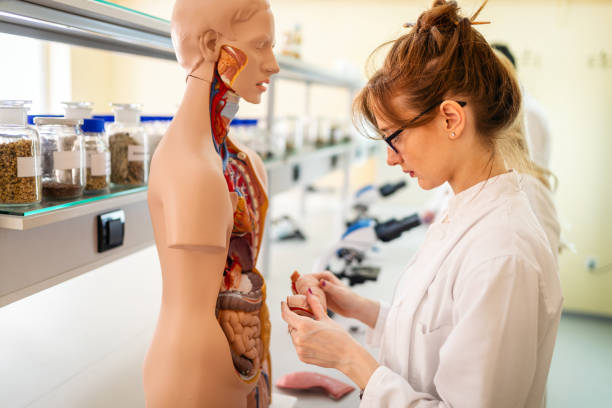
  • Develop meticulous observation skills for accurate microscopic analysis.
  • Pursue postgraduate training in pathology with a focus on subspecialties of interest.
  • Stay updated on digital pathology and molecular diagnostic advancements.
  • Build research experience to contribute to disease understanding and innovation.
  • Network with experienced pathologists for mentorship and career guidance.
  • Hone technical skills in handling advanced lab equipment and software.
  • Consider forensic or clinical subspecialties for diverse career opportunities.
  • Maintain ethical standards in handling sensitive diagnostic and legal data.

Embarking on a career as a Pathologist offers an extraordinary opportunity to unravel the mysteries of disease at a microscopic level, directly influencing patient outcomes through precise diagnoses. These professionals stand as the backbone of medical decision-making, merging scientific curiosity with clinical relevance. With pathways leading to clinical labs, forensic investigations, or groundbreaking research, this field suits those captivated by the intricacies of human biology and dedicated to enhancing healthcare. For individuals eager to dive into the unseen world of pathology, this journey promises immense satisfaction and the chance to leave a lasting mark on medicine.

Knowledge & Skills You Will Learn
1
Analytical precision to interpret complex laboratory results and microscopic findings accurately
2
Attention to detail to detect subtle abnormalities in tissue or fluid samples for correct diagnosis
3
Scientific knowledge of disease mechanisms, histology, and molecular biology for informed analysis
4
Technical proficiency in operating advanced laboratory equipment and diagnostic software
5
Critical thinking to solve diagnostic puzzles and correlate clinical data with lab results
6
Communication ability to convey complex findings clearly to physicians and other healthcare professionals
7
Time management to handle multiple samples and deliver timely reports for urgent cases
8
Research aptitude to contribute to studies on disease pathology and diagnostic advancements
9
Ethical judgment to maintain confidentiality and integrity in medico-legal and clinical cases
10
Adaptability to keep pace with evolving technologies and diagnostic methodologies in pathology
Anatomic Pathologist

Anatomic Pathologist

An Anatomic Pathologist specializes in examining tissues and organs, often through biopsies or autopsies, to diagnose diseases such as cancer or...

0.0LPA
Clinical Pathologist

Clinical Pathologist

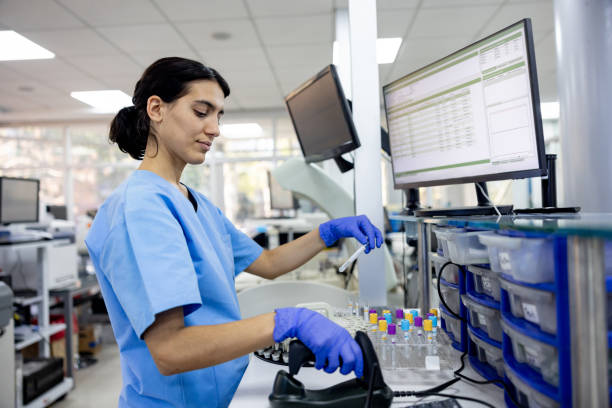
A Clinical Pathologist focuses on diagnosing diseases through the analysis of bodily fluids like blood, urine, and cerebrospinal fluid in...

0.0LPA
Forensic Pathologist

Forensic Pathologist

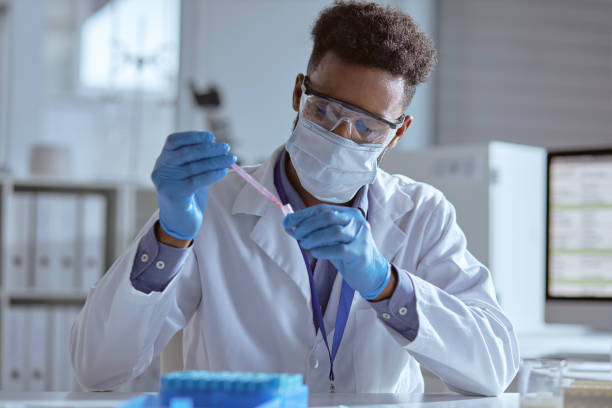
A Forensic Pathologist investigates unnatural or suspicious deaths by conducting autopsies and providing evidence for legal proceedings. They work...

0.0LPA

Interested in this career?

Take the next step and explore more about Pathologist.