Pathologist

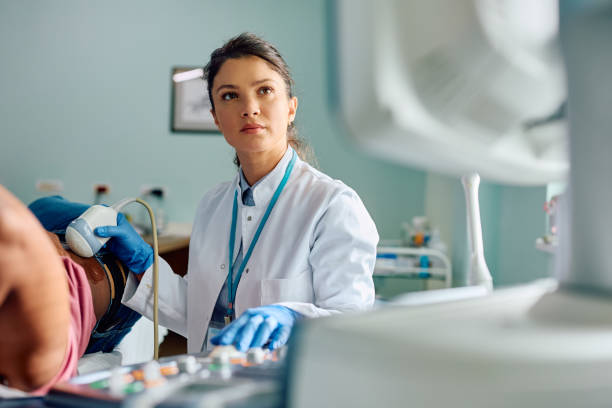
A Pathologist is a specialized medical professional who studies the causes and effects of diseases by examining tissues, cells, bodily fluids, and autopsies. Often referred to as "medical detectives," they play a critical role in diagnosing illnesses, guiding treatment plans, and contributing to medical research. Working primarily in laboratories, hospitals, and research facilities, Pathologists provide insights that are foundational to patient care. This career falls under the Health Sciences career cluster, focusing on diagnostic precision and scientific investigation to improve health outcomes.

Share :
✨ Radial Mind Map - Pathologist
Nodes arranged in concentric circles

Loading radial mind map...

Overview

A Pathologist is a specialized medical professional who studies the causes and effects of diseases by examining tissues, cells, bodily fluids, and autopsies. Often referred to as "medical detectives," they play a critical role in diagnosing illnesses, guiding treatment plans, and contributing to medical research. Working primarily in laboratories, hospitals, and research facilities, Pathologists provide insights that are foundational to patient care. This career falls under the Health Sciences career cluster, focusing on diagnostic precision and scientific investigation to improve health outcomes.

Pathologists are essential to the healthcare ecosystem, analyzing samples such as blood, tissue biopsies, and other specimens to identify abnormalities at a cellular level. Their expertise helps in diagnosing conditions ranging from infections to cancers, determining the cause of death through autopsies, and monitoring disease progression. They collaborate closely with clinicians to ensure accurate diagnoses and often contribute to developing new diagnostic techniques through research. Pathologists are vital in uncovering hidden aspects of diseases, enabling effective medical interventions, and advancing scientific understanding of human health.

Roles and Responsibilities

💼
Pathologist
Roles and Responsibilities
Sample Analysis and Diagnosis:
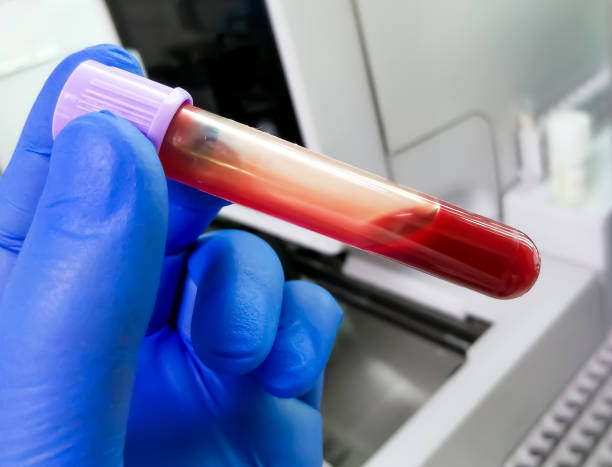
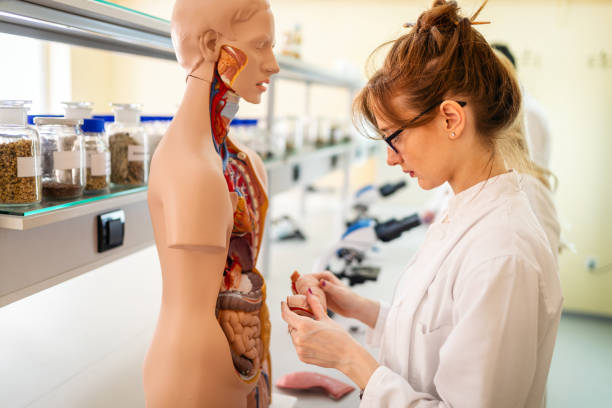
Examine tissue, blood, and fluid samples using microscopes and laboratory tests.
Identify abnormalities to diagnose diseases like cancer, infections, or autoimmune disorders.
Autopsy Performance:
Conduct post-mortem examinations to determine the cause of death.
Document findings for legal, medical, or research purposes.
Consultation with Clinicians:
Provide diagnostic reports to physicians to guide patient treatment plans.
Discuss complex cases to recommend further testing or therapies.
Laboratory Oversight:
Supervise clinical labs to ensure accuracy and compliance with standards.
Manage quality control of diagnostic tests and equipment.
Research and Development:
Investigate disease mechanisms and contribute to medical research studies.
Develop or refine diagnostic tools and methodologies.
Disease Monitoring:
Track the progression of chronic conditions through repeated testing.
Assess the effectiveness of treatments via laboratory results.
Forensic Analysis:
Assist in legal investigations by providing pathological evidence in criminal cases.
Testify as expert witnesses in court regarding findings.
Education and Training:
Teach medical students and train junior pathologists in diagnostic techniques.
Conduct workshops and seminars on pathology advancements.

Roles and Responsibilities:

  • Sample Analysis and Diagnosis:
    • Examine tissue, blood, and fluid samples using microscopes and laboratory tests.
    • Identify abnormalities to diagnose diseases like cancer, infections, or autoimmune disorders.
  • Autopsy Performance:
    • Conduct post-mortem examinations to determine the cause of death.
    • Document findings for legal, medical, or research purposes.
  • Consultation with Clinicians:
    • Provide diagnostic reports to physicians to guide patient treatment plans.
    • Discuss complex cases to recommend further testing or therapies.
  • Laboratory Oversight:
    • Supervise clinical labs to ensure accuracy and compliance with standards.
    • Manage quality control of diagnostic tests and equipment.
  • Research and Development:
    • Investigate disease mechanisms and contribute to medical research studies.
    • Develop or refine diagnostic tools and methodologies.
  • Disease Monitoring:
    • Track the progression of chronic conditions through repeated testing.
    • Assess the effectiveness of treatments via laboratory results.
  • Forensic Analysis:
    • Assist in legal investigations by providing pathological evidence in criminal cases.
    • Testify as expert witnesses in court regarding findings.
  • Education and Training:
    • Teach medical students and train junior pathologists in diagnostic techniques.
    • Conduct workshops and seminars on pathology advancements.


Study Route & Eligibility Criteria

Study Route & Eligibility Criteria
Pathologist
Route 1
🎓
1
10+2 with Physics, Chemistry, Biology
Route 2
🎓
1
10+2 with Physics, Chemistry, Biology
Route 3
🎓
1
10+2 with Physics, Chemistry, Biology
(International)
🎓
1
10+2 with Physics, Chemistry, Biology
🎯 Pathologist - Professional

Internships & Practical Exposure

💼
Pathologist
Internships & Practical Experience
1
Clinical rotations in pathology labs during MBBS internship.
2
Hands-on training in histopathology and cytology during postgraduate studies.
3
Exposure to autopsy procedures under supervision.
4
Participation in diagnostic test interpretation in hospital labs.
5
Observerships in specialized pathology centers for advanced techniques.
6
Involvement in research projects related to disease pathology.
7
Training in forensic pathology for medico-legal case analysis.
8
Attendance at pathology conferences and workshops for skill enhancement.
9
Experience in managing laboratory workflows and quality assurance.
10
Collaboration with multidisciplinary teams during case studies.

Courses & Specializations to Enter the Field

📚
Pathologist
Courses & Specializations
📖
MBBS (Bachelor of Medicine and Bachelor of Surgery)
📖
MD/DNB in Pathology
📖
Diploma in Clinical Pathology (DCP)
📖
Fellowship in Surgical Pathology
📖
Fellowship in Forensic Pathology
📖
Certification in Cytopathology
📖
Training in Hematopathology
📖
Specialized courses in Molecular Pathology
📖
Certification in Dermatopathology
📖
Continuing Medical Education in Clinical Biochemistry

Prominent Employers

🏢
Pathologist
🌟 Top Companies & Organizations
🇮🇳 India
🏛️
All India Institute of Medical Sciences (AIIMS)
🏛️
Apollo Hospitals
🏛️
Fortis Healthcare
🏛️
Max Healthcare
🏛️
Medanta - The Medicity
🏛️
Sir Ganga Ram Hospital
🏛️
Kokilaben Dhirubhai Ambani Hospital
🏛️
Narayana Health
🏛️
Manipal Hospitals
🏛️
Tata Memorial Hospital
🌍 International
🌐
Mayo Clinic, USA
🌐
Johns Hopkins Hospital, USA
🌐
Cleveland Clinic, USA
🌐
Royal Marsden Hospital, UK
🌐
Massachusetts General Hospital, USA
🌐
Toronto General Hospital, Canada
🌐
Alfred Hospital, Australia
🌐
Charité - Universitätsmedizin, Germany
🌐
Singapore General Hospital, Singapore
🌐
King’s College Hospital, UK

Advice for Aspiring Pathologists

💡
Pathologist
🌟 Tips for Students & Parents
1
Focus on mastering biology and chemistry during early education for a strong foundation.
2
Gain exposure to laboratory settings through internships during medical school.
3
Develop meticulous observation skills for accurate microscopic analysis.
4
Pursue postgraduate training in pathology with a focus on subspecialties of interest.
5
Stay updated on digital pathology and molecular diagnostic advancements.
6
Build research experience to contribute to disease understanding and innovation.
7
Network with experienced pathologists for mentorship and career guidance.
8
Hone technical skills in handling advanced lab equipment and software.
9
Consider forensic or clinical subspecialties for diverse career opportunities.
10
Maintain ethical standards in handling sensitive diagnostic and legal data.
🎓 Final Message
Embarking on a career as a Pathologist offers an extraordinary opportunity to unravel the mysteries of disease at a microscopic level, directly influencing patient outcomes through precise diagnoses. These professionals stand as the backbone of medical decision-making, merging scientific curiosity with clinical relevance. With pathways leading to clinical labs, forensic investigations, or groundbreaking research, this field suits those captivated by the intricacies of human biology and dedicated to enhancing healthcare. For individuals eager to dive into the unseen world of pathology, this journey promises immense satisfaction and the chance to leave a lasting mark on medicine.
Knowledge & Skills You Will Learn
1
Analytical precision to interpret complex laboratory results and microscopic findings accurately
2
Attention to detail to detect subtle abnormalities in tissue or fluid samples for correct diagnosis
3
Scientific knowledge of disease mechanisms, histology, and molecular biology for informed analysis
4
Technical proficiency in operating advanced laboratory equipment and diagnostic software
5
Critical thinking to solve diagnostic puzzles and correlate clinical data with lab results
6
Communication ability to convey complex findings clearly to physicians and other healthcare professionals
7
Time management to handle multiple samples and deliver timely reports for urgent cases
8
Research aptitude to contribute to studies on disease pathology and diagnostic advancements
9
Ethical judgment to maintain confidentiality and integrity in medico-legal and clinical cases
10
Adaptability to keep pace with evolving technologies and diagnostic methodologies in pathology
Anatomic Pathologist

Anatomic Pathologist

An Anatomic Pathologist specializes in examining tissues and organs, often through biopsies or autopsies, to diagnose diseases such as cancer or...

0.0LPA

Clinical Pathologist

Clinical Pathologist

A Clinical Pathologist focuses on diagnosing diseases through the analysis of bodily fluids like blood, urine, and cerebrospinal fluid in...

0.0LPA
Forensic Pathologist

Forensic Pathologist

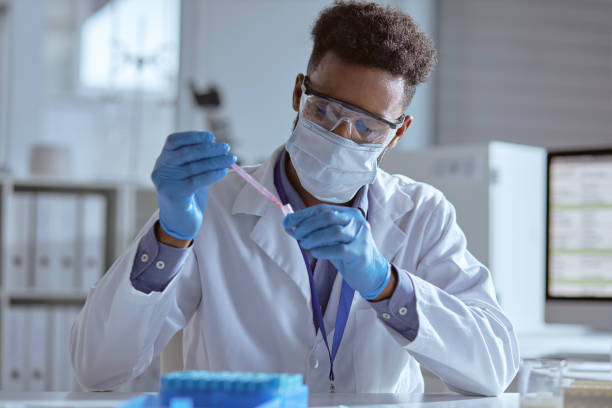
A Forensic Pathologist investigates unnatural or suspicious deaths by conducting autopsies and providing evidence for legal proceedings. They work...

0.0LPA

Interested in this career?

Take the next step and explore more about Pathologist.