Orthotic Technician

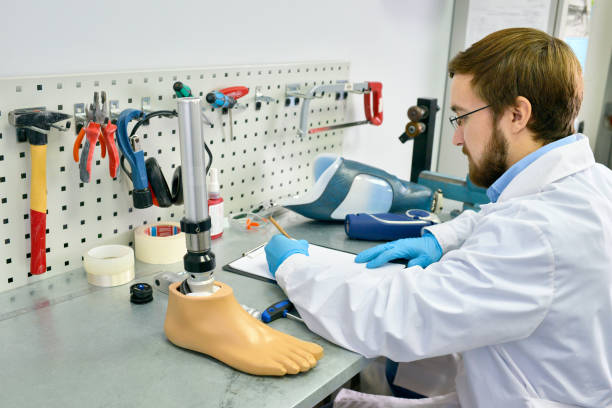
An Orthotic Technician is a specialized professional who designs, fabricates, fits, and maintains orthotic devices such as braces, splints, and supports to assist individuals with physical disabilities, injuries, or deformities. These devices help improve mobility, correct alignment, and reduce pain for patients. Working in hospitals, rehabilitation centers, and private orthotic clinics, Orthotic Technicians collaborate with orthotists, physical therapists, and medical teams to enhance patientsโ€™ quality of life. This career falls under the Health Sciences career cluster, emphasizing assistive technology and rehabilitation support in healthcare.
Share :
โœจ Radial Mind Map - Orthotic Technician
Nodes arranged in concentric circles

Loading radial mind map...

Overview

An Orthotic Technician is a specialized professional who designs, fabricates, fits, and maintains orthotic devices such as braces, splints, and supports to assist individuals with physical disabilities, injuries, or deformities. These devices help improve mobility, correct alignment, and reduce pain for patients. Working in hospitals, rehabilitation centers, and private orthotic clinics, Orthotic Technicians collaborate with orthotists, physical therapists, and medical teams to enhance patientsโ€™ quality of life. This career falls under the Health Sciences career cluster, emphasizing assistive technology and rehabilitation support in healthcare.

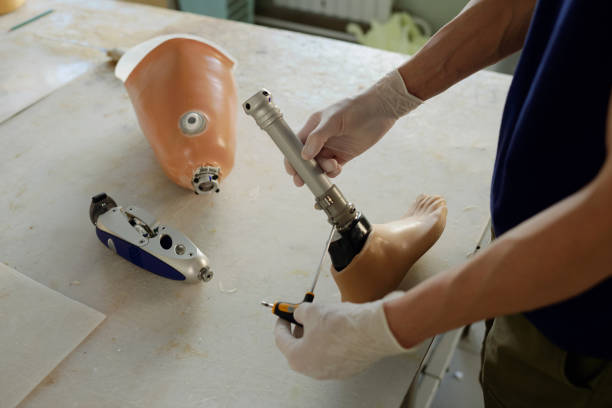
Orthotic Technicians are skilled craftsmen who build custom orthotic devices based on prescriptions from orthotists or physicians. They use a variety of materials like plastics, metals, and fabrics to create braces and supports tailored to patientsโ€™ specific anatomical needs. Their work involves taking measurements, creating molds or digital designs, and ensuring a proper fit through adjustments. Additionally, they repair and maintain orthoses to prolong functionality, often interacting with patients to address comfort and usability concerns. Their technical expertise and attention to detail play a critical role in supporting patient recovery and independence across diverse medical settings.

Roles and Responsibilities

๐Ÿ’ผ
Orthotic Technician
Roles and Responsibilities
Design and Fabrication:
Construct orthotic devices like spinal braces or ankle-foot orthoses based on clinical prescriptions.
Utilize tools, machinery, and computer-aided design (CAD) software to craft precise supports.
Fitting and Modification:
Assist in fitting orthoses to patients, ensuring optimal comfort and biomechanical support.
Make adjustments during trials to enhance functionality and alignment for individual needs.
Material Handling and Assembly:
Select suitable materials such as thermoplastics or leather for durability and patient comfort.
Assemble components like hinges, straps, and padding to complete the orthotic device.
Maintenance and Repair:
Conduct regular maintenance to ensure orthoses remain effective over time.
Repair damaged or worn parts to restore functionality and extend device lifespan.
Patient Support:
Interact with patients to understand their concerns and provide instructions on orthotic use.
Offer guidance and reassurance during the adaptation phase to wearing supportive devices.
Team Collaboration:
Work with orthotists, physiotherapists, and doctors to align devices with treatment plans.
Provide technical feedback during patient assessments and rehabilitation processes.
Quality Assurance:
Inspect finished orthoses to ensure they meet safety and performance standards.
Test devices for structural reliability and effectiveness before patient delivery.
Record Management:
Keep accurate records of designs, materials, and patient adjustments for future reference.
Document repairs and modifications to monitor the condition of each orthotic device.

Roles and Responsibilities:

  • Design and Fabrication:
    • Construct orthotic devices like spinal braces or ankle-foot orthoses based on clinical prescriptions.
    • Utilize tools, machinery, and computer-aided design (CAD) software to craft precise supports.
  • Fitting and Modification:
    • Assist in fitting orthoses to patients, ensuring optimal comfort and biomechanical support.
    • Make adjustments during trials to enhance functionality and alignment for individual needs.
  • Material Handling and Assembly:
    • Select suitable materials such as thermoplastics or leather for durability and patient comfort.
    • Assemble components like hinges, straps, and padding to complete the orthotic device.
  • Maintenance and Repair:
    • Conduct regular maintenance to ensure orthoses remain effective over time.
    • Repair damaged or worn parts to restore functionality and extend device lifespan.
  • Patient Support:
    • Interact with patients to understand their concerns and provide instructions on orthotic use.
    • Offer guidance and reassurance during the adaptation phase to wearing supportive devices.
  • Team Collaboration:
    • Work with orthotists, physiotherapists, and doctors to align devices with treatment plans.
    • Provide technical feedback during patient assessments and rehabilitation processes.
  • Quality Assurance:
    • Inspect finished orthoses to ensure they meet safety and performance standards.
    • Test devices for structural reliability and effectiveness before patient delivery.
  • Record Management:
    • Keep accurate records of designs, materials, and patient adjustments for future reference.
    • Document repairs and modifications to monitor the condition of each orthotic device.

ย 

Study Route & Eligibility Criteria

Study Route & Eligibility Criteria
Orthotic Technician
Route 1
๐ŸŽ“
1
10+2 with Physics, Chemistry, Mathematics/Biology or any stream
Route 2
๐ŸŽ“
1
10+2 with Physics, Chemistry, Mathematics/Biology or any stream
Route 3
๐ŸŽ“
1
10+2 in any stream
(International)
๐ŸŽ“
1
10+2 in any stream
๐ŸŽฏ Orthotic Technician - Professional

Internships & Practical Exposure

๐Ÿ’ผ
Orthotic Technician
Internships & Practical Experience
1
Internships in orthotic clinics or hospitals to develop skills in device fabrication and fitting.
2
Practical training in creating orthoses using materials like thermoplastics and composites.
3
Involvement in patient fittings to learn customization and adjustment techniques.
4
Exposure to digital tools like 3D scanning and CAD for modern orthotic design.
5
Observerships with experienced technicians to master complex brace and support construction.
6
Participation in maintenance and repair tasks during rotations in rehabilitation centers.
7
Training in patient communication to address concerns and explain orthotic care.
8
Attendance at workshops on assistive technology for updates on orthotic innovations.
9
Collaboration with therapy teams to integrate orthoses into broader treatment plans.
10
Experience in quality control to ensure orthotic devices meet safety and efficacy standards.

Courses & Specializations to Enter the Field

๐Ÿ“š
Orthotic Technician
Courses & Specializations
๐Ÿ“–
Diploma in Prosthetics and Orthotics Technology
๐Ÿ“–
Bachelorโ€™s Degree in Prosthetics and Orthotics (BPO)
๐Ÿ“–
Certificate Course in Orthotic Technology
๐Ÿ“–
Training in Computer-Aided Design (CAD) for Orthotics
๐Ÿ“–
Certification in Orthotic Fabrication Techniques
๐Ÿ“–
Specialized Course in Spinal Orthotics
๐Ÿ“–
Training in Lower Extremity Orthotic Design
๐Ÿ“–
Certification in Orthotic Material Science
๐Ÿ“–
Workshop on 3D Scanning in Orthotics
๐Ÿ“–
Continuing Education in Advanced Orthotic Technology

Prominent Employers

๐Ÿข
Orthotic Technician
๐ŸŒŸ Top Companies & Organizations
๐Ÿ‡ฎ๐Ÿ‡ณ India
๐Ÿ›๏ธ
All India Institute of Physical Medicine and Rehabilitation (AIIPMR)
๐Ÿ›๏ธ
National Institute for Locomotor Disabilities (NILD)
๐Ÿ›๏ธ
Pt. Deendayal Upadhyaya National Institute
๐Ÿ›๏ธ
Swami Vivekanand National Institute of Rehabilitation (SVNIRTAR)
๐Ÿ›๏ธ
Christian Medical College (CMC), Vellore
๐Ÿ›๏ธ
Indian Spinal Injuries Centre
๐Ÿ›๏ธ
Mobility India
๐Ÿ›๏ธ
Apollo Hospitals
๐Ÿ›๏ธ
Fortis Healthcare
๐Ÿ›๏ธ
Narayana Health
๐ŸŒ International
๐ŸŒ
ร–ssur, Iceland/USA
๐ŸŒ
Ottobock, Germany/USA
๐ŸŒ
Hanger, Inc., USA
๐ŸŒ
DJO Global, USA
๐ŸŒ
Bauerfeind, Germany
๐ŸŒ
Thuasne, France/USA
๐ŸŒ
Breg, Inc., USA
๐ŸŒ
Aircast, USA
๐ŸŒ
DonJoy Orthopedics, USA
๐ŸŒ
Orthofix, USA/Italy

Advice for Aspiring Orthotic Technicians

๐Ÿ’ก
Orthotic Technician
๐ŸŒŸ Tips for Students & Parents
1
Lay a robust foundation in orthotic technology through formal education or practical training.
2
Acquire hands-on experience in workshops to excel in fabrication and fitting skills.
3
Hone manual precision for crafting orthotic devices that ensure patient comfort.
4
Pursue certifications from organizations like RCI or ABC to strengthen professional standing.
5
Keep up with technological advancements such as 3D scanning in orthotic production.
6
Develop empathy to support patients navigating physical and emotional adjustments.
7
Connect with orthotists and rehabilitation specialists for broader industry insights.
8
Deepen knowledge of biomechanics to create orthoses that align with natural movement.
9
Explore specialization in areas like spinal or pediatric orthotics for niche expertise.
10
Commit to enhancing patient lives through reliable and innovative orthotic support.
๐ŸŽ“ Final Message
Stepping into the role of an Orthotic Technician presents a unique opportunity to make a lasting difference by crafting supportive devices that restore mobility and alleviate discomfort for those in need. These skilled individuals are essential contributors to healthcare, merging technical artistry with genuine care to improve patient outcomes. With career opportunities ranging from detailed fabrication to pioneering technological advancements on a global stage, this field calls to those eager to blend craftsmanship with meaningful impact. For anyone motivated to aid others in overcoming physical limitations, a career in orthotic technology offers a profoundly satisfying and evolving professional path.
Knowledge & Skills You Will Learn
1
Technical proficiency to fabricate orthotic devices with accuracy and care
2
Understanding of human anatomy to design orthoses that support natural movement and alignment
3
Manual dexterity to handle tools and materials for crafting and assembling components
4
Analytical skills to customize orthotic solutions based on individual patient requirements
5
Precision and focus to ensure proper fit and functionality of braces and supports
6
Interpersonal skills to communicate with patients and work with multidisciplinary teams
7
Digital literacy to operate CAD software and 3D scanning tools for orthotic design
8
Physical endurance to manage long hours of detailed, hands-on work in a workshop
9
Compassion to assist patients in adapting to orthotic devices with patience
10
Time management to handle multiple projects and maintain production schedules effectively
Orthotic Technician

Orthotic Technician

An Orthotic Technician fabricates, fits, and maintains orthotic devices like braces and splints to support patients with physical impairments....

0.0LPA
Senior Orthotic Technician

Senior Orthotic Technician

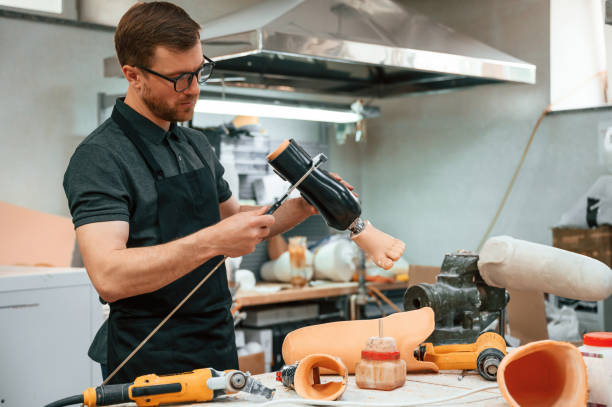
A Senior Orthotic Technician manages complex orthotic designs, mentors junior staff, and ensures high-quality fabrication. They often focus on...

0.0LPA
Orthotic Workshop Supervisor

Orthotic Workshop Supervisor

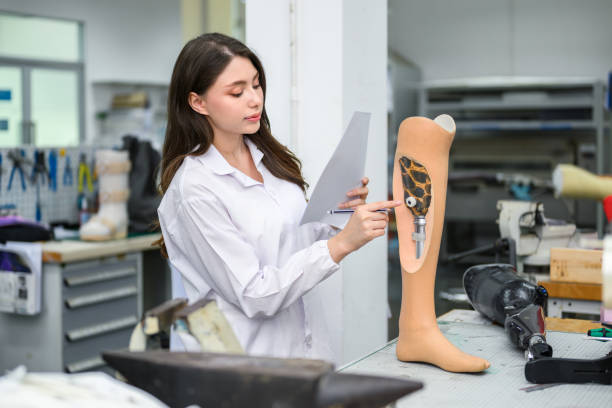
An Orthotic Workshop Supervisor oversees a team of technicians in a fabrication lab, manages production schedules, and maintains equipment and...

0.0LPA

Interested in this career?

Take the next step and explore more about Orthotic Technician.