Ophthalmic Assistant

Summary

An Ophthalmic Assistant is a healthcare professional who supports ophthalmologists in diagnosing and treating eye conditions by performing preliminary tests, assisting in procedures, and educating patients on eye care.

Share :
✨ Radial Mind Map - Ophthalmic Assistant
Nodes arranged in concentric circles

Loading radial mind map...

Overview

An Ophthalmic Assistant is a healthcare professional who supports ophthalmologists in diagnosing and treating eye conditions by performing preliminary tests, assisting in procedures, and educating patients on eye care. They work in diverse settings such as hospitals, eye clinics, and optical centers, aiding patients with vision issues ranging from refractive errors to complex eye diseases. Ophthalmic Assistants play a vital role in modern healthcare by ensuring accurate diagnostic data and facilitating efficient patient care, contributing to the prevention of blindness and the improvement of visual health in a world where eye disorders are increasingly prevalent due to aging populations and digital lifestyles.
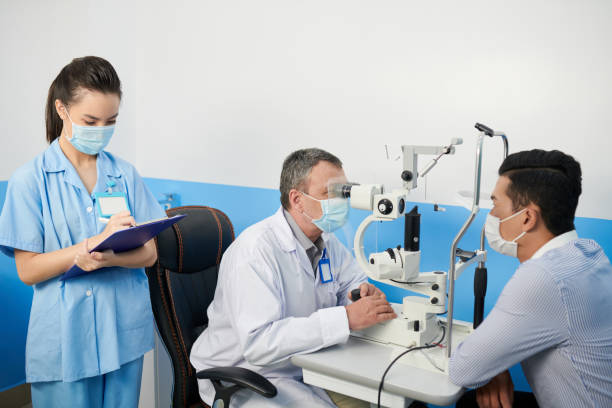
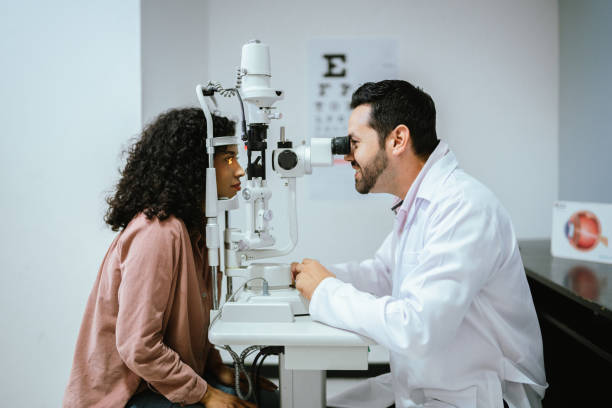
Ophthalmic Assistants are trained professionals who conduct vision tests, measure eye pressure, and assist in minor surgical procedures under the supervision of ophthalmologists. Their work involves preparing patients for examinations, maintaining ophthalmic equipment, and providing guidance on contact lens or glasses use. They balance technical tasks with patient interaction, often collaborating with optometrists and other eye care specialists for comprehensive care. Ophthalmic Assistants are essential to healthcare, serving as key support staff in eye care, enhancing diagnostic accuracy, and promoting visual wellness in a landscape where early detection and treatment of eye conditions are critical.

Roles and Responsibilities

💼
Ophthalmic Assistant
Roles and Responsibilities
Patient Assessment and Testing
Perform preliminary eye exams, including visual acuity tests and refraction measurements
Measure intraocular pressure to screen for conditions like glaucoma
Assistance in Procedures
Assist ophthalmologists during minor surgeries or diagnostic procedures like fundus photography
Prepare and sterilize instruments for eye examinations and treatments
Patient Preparation and Support
Assist with fitting contact lenses and instructing on proper usage
Equipment Maintenance
Operate and maintain diagnostic tools like slit lamps, tonometers, and autorefractors
Ensure calibration and cleanliness of ophthalmic instruments for accurate results
Documentation and Record-Keeping
Record patient histories, test results, and treatment plans in medical charts
Coordinate appointments and follow-ups for ongoing eye care
Patient Education
Provide information on eye health, preventive care, and lifestyle adjustments
Guide patients on managing chronic conditions like cataracts or diabetic retinopathy
Collaboration with Eye Care Team
Work alongside ophthalmologists and optometrists for integrated patient care
Refer patients for advanced treatments or specialist consultations as needed
Community Outreach and Advocacy
Participate in vision screening camps and eye health awareness programs
Advocate for early detection and treatment of eye disorders in underserved areas
Scientific Foundation
: A background in biology and physics aids in understanding eye anatomy and optics.
Clinical Exposure
: Practical training during courses builds essential skills in diagnostic testing.
Specialized Training
: Advanced certifications provide expertise in specific ophthalmic procedures.
Technical Proficiency
: Mastery of diagnostic equipment like slit lamps is critical for accurate assessments.
Interdisciplinary Knowledge
: Understanding eye diseases alongside patient care enhances service quality.
Certification Importance
: Registration with paramedical councils or boards is often required for legal practice.
Continuing Education
: Workshops or seminars are necessary to stay updated on eye care advancements.
Global Standards
: Aligning with international ophthalmic guidelines boosts opportunities for practice abroad.
Patient Interaction
: Strong communication skills are crucial for explaining procedures and building trust.
Entrance Examination Success
: Some programs may require entrance tests or prior qualifications for admission.
International Testing Requirements
: For practice abroad, exams or certifications specific to the country may be necessary.
Patricia Bath (Historical, USA)
: Pioneering ophthalmologist since the 1970s. Inventor of the Laserphaco Probe for cataract surgery, she inspired advancements in eye care technology. Her legacy influences ophthalmic support roles globally.
Dr. David Hubel (Historical, USA/Canada)
: Nobel Prize-winning neuroscientist since the 1960s. His research on visual processing shaped modern understanding of eye function. His work impacts diagnostic techniques used by assistants.
Dr.ArnallPatz (Historical, USA)
: Leader in retinopathy of prematurity research since the 1950s. His discoveries in pediatric eye care guide assistants in neonatal screenings. His contributions save vision worldwide.
Charles Kelman (Historical, USA)
: Innovator of phacoemulsification for cataract surgery since the 1960s. His technique revolutionized eye procedures, shaping the role of assistants in surgery. His impact is felt in clinics globally.
Dr.VenkataswamyGovindappa (Historical, India)
: Founder of Aravind Eye Hospital since the 1970s. Known as "Dr. V," he pioneered affordable eye care, training countless ophthalmic assistants. His model transformed vision care in India.
Dr.Narsing A. Rao (Contemporary, India/USA)
: Renowned ocular pathologist since the 1980s. Based at USC, his work on eye inflammation guides diagnostic support by assistants. His research enhances global eye care standards.
Dr.Gullapalli N. Rao (Contemporary, India)
: Founder of LV Prasad Eye Institute since the 1980s. His focus on accessible eye care has trained numerous assistants in India. His efforts combat blindness effectively.
Dr.Santosh G. Honavar (Contemporary, India)
: Leader in ocular oncology since the 1990s. Based at Centre for Sight, Hyderabad, he shapes advanced training for ophthalmic assistants. His work advances specialized eye care in India.
Dr.Namrata Sharma (Contemporary, India)
: Expert in corneal surgery since the 2000s. As a professor at AIIMS, New Delhi, she influences ophthalmic assistant education. Her research improves diagnostic and surgical support.
Dr. Jane Edmond (Contemporary, USA)
: Paediatric ophthalmologist since the 1990s. At Baylor College of Medicine, she advocates for assistant training in child eye care. Her leadership strengthens pediatric vision support globally.

Roles and Responsibilities

  • Patient Assessment and Testing
    • Perform preliminary eye exams, including visual acuity tests and refraction measurements
    • Measure intraocular pressure to screen for conditions like glaucoma
  • Assistance in Procedures
    • Assist ophthalmologists during minor surgeries or diagnostic procedures like fundus photography
    • Prepare and sterilize instruments for eye examinations and treatments
  • Patient Preparation and Support
    • Assist with fitting contact lenses and instructing on proper usage
  • Equipment Maintenance
    • Operate and maintain diagnostic tools like slit lamps, tonometers, and autorefractors
    • Ensure calibration and cleanliness of ophthalmic instruments for accurate results
  • Documentation and Record-Keeping
    • Record patient histories, test results, and treatment plans in medical charts
    • Coordinate appointments and follow-ups for ongoing eye care
  • Patient Education
    • Provide information on eye health, preventive care, and lifestyle adjustments
    • Guide patients on managing chronic conditions like cataracts or diabetic retinopathy
  • Collaboration with Eye Care Team
    • Work alongside ophthalmologists and optometrists for integrated patient care
    • Refer patients for advanced treatments or specialist consultations as needed
  • Community Outreach and Advocacy
    • Participate in vision screening camps and eye health awareness programs
    • Advocate for early detection and treatment of eye disorders in underserved areas


Study Route & Eligibility Criteria

RouteSteps
Route 1

1. 10+2 with Physics, Chemistry, Biology (PCB) or any stream 

2. Diploma in Ophthalmic Techniques or Assistance (1-2 years) 

3. Internship or clinical training (3-6 months) 

4. Practice as Ophthalmic Assistant

Route 2

1. 10+2 with PCB or any stream 

2. Bachelor’s degree in Optometry or Ophthalmic Technology (3-4 years) 

3. Hands-on training or internship 

4. Work as Ophthalmic Assistant or Technician

Route 3

1. 10+2 with any stream 

2. Certificate Course in Ophthalmic Assistance (6 months-1 year) 

3. On-the-job training in eye clinics 

4. Practice in entry-level ophthalmic roles

Route 4

1. 10+2 with PCB or any stream 

2. International training or degree in Ophthalmic Technology (2-4 years) 

3. Certification or licensure as per country regulations 

4. Practice abroad or in India


Significant Observations (Academic Related Points)

  • Scientific Foundation: A background in biology and physics aids in understanding eye anatomy and optics.
  • Clinical Exposure: Practical training during courses builds essential skills in diagnostic testing.
  • Specialized Training: Advanced certifications provide expertise in specific ophthalmic procedures.
  • Technical Proficiency: Mastery of diagnostic equipment like slit lamps is critical for accurate assessments.
  • Interdisciplinary Knowledge: Understanding eye diseases alongside patient care enhances service quality.
  • Certification Importance: Registration with paramedical councils or boards is often required for legal practice.
  • Continuing Education: Workshops or seminars are necessary to stay updated on eye care advancements.
  • Global Standards: Aligning with international ophthalmic guidelines boosts opportunities for practice abroad.
  • Patient Interaction: Strong communication skills are crucial for explaining procedures and building trust.
  • Entrance Examination Success: Some programs may require entrance tests or prior qualifications for admission.
  • International Testing Requirements: For practice abroad, exams or certifications specific to the country may be necessary.


Internships & Practical Exposure

  • Mandatory clinical training during diploma or degree programs in eye hospitals
  • Rotations in ophthalmic clinics for hands-on experience with diagnostic tools
  • Internships under ophthalmologists for exposure to surgical assistance
  • Observerships in vision care centers for broader exposure to patient management
  • Participation in community eye camps for vision screening and awareness
  • Training in patient assessment through real-world case studies and simulations
  • Exposure to contact lens fitting and patient education during internships
  • Clinical projects on eye health trends or equipment usage during training
  • Public health initiatives for promoting eye care in rural or underserved areas
  • International clinical attachments for global exposure to ophthalmic practices


Courses & Specializations to Enter the Field

  • Diploma in Ophthalmic Techniques
  • Bachelor’s in Optometry and Ophthalmic Technology
  • Certificate Course in Ophthalmic Assistance
  • Training in Refraction and Visual Acuity Testing
  • Specialization in Ophthalmic Surgical Assistance
  • Certification in Contact Lens Dispensing
  • Workshops on Glaucoma Screening Techniques
  • Training in Fundus Photography and Imaging
  • Specialization in Paediatric Ophthalmic Care
  • Certification in Low Vision Aids and Rehabilitation


Top Institutes for Ophthalmic Assistant Education (India)

InstituteCourse/ProgramOfficial Link
All India Institute of Medical Sciences (AIIMS), New DelhiDiploma in Ophthalmic Techniqueshttps://www.aiims.edu/
Sankara Nethralaya Academy, ChennaiDiploma in Ophthalmic Assistancehttps://www.sankaranethralaya.org/
LV Prasad Eye Institute, HyderabadOphthalmic Technician Traininghttps://www.lvpei.org/
Christian Medical College (CMC), VelloreParamedical Courses in Eye Carehttps://www.cmch-vellore.edu/
Aravind Eye Hospital, MaduraiOphthalmic Assistant Traininghttps://aravind.org/
Dr. Rajendra Prasad Centre for Ophthalmic Sciences, AIIMS, New DelhiOphthalmic Technology Courseshttps://www.aiims.edu/
Amrita Institute of Medical Sciences, KochiDiploma in Ophthalmic Assistancehttps://www.amrita.edu/
Manipal Academy of Higher Education, Manipal
  • B.Sc. in Optometry
https://www.manipal.edu/
SRM Institute of Science and Technology, ChennaiParamedical Ophthalmic Courseshttps://www.srmist.edu.in/
Narayana Health Academy, BangaloreOphthalmic Technician Traininghttps://www.narayanahealth.org/


Top International Institutes

InstitutionCourseCountryOfficial Link
Moorfields Eye Hospital NHS Foundation TrustOphthalmic Technician TrainingUKhttps://www.moorfields.nhs.uk/
University of TorontoOphthalmic Medical Personnel ProgramCanadahttps://www.utoronto.ca/
Johns Hopkins Wilmer Eye InstituteOphthalmic Technician ProgramUSAhttps://www.hopkinsmedicine.org/
University of MelbourneGraduate Diploma in Ophthalmic ScienceAustraliahttps://www.unimelb.edu.au/
Bascom Palmer Eye Institute, University of MiamiOphthalmic Technician TrainingUSAhttps://bascompalmer.org/
University of AucklandOphthalmic Technology CoursesNew Zealandhttps://www.auckland.ac.nz/
University College London (UCL) Institute of OphthalmologyOphthalmic Technician ProgramUKhttps://www.ucl.ac.uk/
Wills Eye HospitalOphthalmic Technician TrainingUSAhttps://www.willseye.org/
University of SydneyOphthalmic Science ProgramAustraliahttps://www.sydney.edu.au/
McGill University Health CentreOphthalmic Assistant TrainingCanadahttps://www.mcgill.ca/


Entrance Tests Required

India:

  • No standardized national entrance test for ophthalmic assistant courses; admission often based on merit or institute-specific criteria
  • National Eligibility cum Entrance Test (NEET-UG) for some paramedical or optometry bachelor’s programs
  • State-level paramedical entrance exams for diploma or degree admissions
  • University-specific entrance tests for ophthalmic technology programs


International:

  • Specific entrance exams or prerequisites as per institute for ophthalmic programs
  • Test of English as a Foreign Language (TOEFL) with a minimum score of 80-100 for non-native speakers
  • International English Language Testing System (IELTS) with a minimum score of 6.0-7.0
  • Pearson Test of English Academic (PTE Academic)
  • Duolingo English Test (accepted by some institutions)
  • Certification exams like the Certified Ophthalmic Assistant (COA) by the Joint Commission on Allied Health Personnel in Ophthalmology (JCAHPO) in the USA


Ideal Progressing Career Path

Trainee → Certified Ophthalmic Assistant → Senior Ophthalmic Assistant → Ophthalmic Technician → Ophthalmic Technologist/Supervisor → Eye Care Program Manager/Trainer


Major Areas of Employment

  • Eye hospitals for diagnostic and surgical support
  • Private ophthalmic clinics for patient assessments and care
  • Optical centers for vision testing and lens fitting
  • Government health programs for community eye screenings
  • Rehabilitation centers for low vision and blindness support
  • Research institutes for studies on eye diseases and treatments
  • Telemedicine platforms for remote eye care consultations
  • Academic institutions for training future ophthalmic assistants
  • Corporate health programs for employee vision wellness
  • Non-profit organizations for eye care outreach in underserved areas


Prominent Employers

IndiaInternational
Sankara Nethralaya, ChennaiMoorfields Eye Hospital, UK
LV Prasad Eye Institute, HyderabadJohns Hopkins Wilmer Eye Institute, USA
Aravind Eye Hospital, MaduraiBascom Palmer Eye Institute, USA
Apollo Hospitals (Eye Care Division)Wills Eye Hospital, USA
Fortis Healthcare (Ophthalmology)Royal Victorian Eye and Ear Hospital, Australia
Dr. Agarwal’s Eye Hospital, ChennaiToronto Eye Care, Canada
Max Healthcare (Eye Care Services)Singapore National Eye Centre, Singapore
Narayana Nethralaya, BangaloreMassachusetts Eye and Ear, USA
Shroff Eye Centre, New DelhiUniversity of Sydney Eye Clinic, Australia
Centre for Sight, New DelhiMcGill University Health Centre, Canada


Pros and Cons of the Profession

ProsCons
Opportunity to support vision health and prevent blindnessLimited scope for independent decision-making in patient care
High demand for eye care support due to aging populationsRepetitive tasks in diagnostic testing can lead to monotony
Rewarding work in improving patient quality of life through visionEmotional toll from dealing with patients facing vision loss
Diverse roles in clinical support, patient education, and outreachRisk of burnout due to high patient volumes in busy clinics
High potential for career growth with advanced certificationsLower salary compared to other specialized medical roles


Industry Trends and Future Outlook

  • Increasing use of telemedicine for remote vision screenings and consultations
  • Growth in demand for ophthalmic assistants due to rising eye disorders from digital exposure
  • Advances in diagnostic technology for more precise and automated eye testing
  • Rising focus on preventive eye care and early detection programs
  • Expansion of community outreach for vision screening in rural areas
  • Development of AI tools for assisting in eye disease diagnosis
  • Growing emphasis on low vision rehabilitation and patient support services
  • Increased collaboration between ophthalmic teams and general healthcare providers
  • Rising importance of training programs for handling advanced ophthalmic equipment
  • Emphasis on standardized certifications for global alignment in eye care support


Salary Expectations

Career LevelIndia (₹ per annum)International (USD per annum)
Trainee/Certified Ophthalmic Assistant (Early Career)1,50,000 - 3,00,00025,000 - 35,000
Senior Ophthalmic Assistant (Mid-Career)3,00,000 - 6,00,00035,000 - 50,000
Ophthalmic Technician6,00,000 - 10,00,00050,000 - 70,000
Ophthalmic Technologist/Supervisor10,00,000 - 15,00,00070,000 - 90,000
Eye Care Program Manager/Trainer15,00,000+90,000+

Note: Salaries vary based on location, experience, employer, and specialization. International figures are approximate and depend on the country and healthcare system.


Key Software Tools

  • Electronic Medical Record (EMR) systems for documenting patient eye data
  • Ophthalmic imaging software for analyzing fundus or OCT scans
  • Practice management tools for scheduling and patient follow-ups
  • Telehealth platforms like Zoom for remote eye care consultations
  • Diagnostic equipment software for operating autorefractors or tonometers
  • Research databases like PubMed for staying updated on eye care studies
  • Microsoft Office Suite for documentation and patient education materials
  • Secure messaging tools for coordinating with eye care teams
  • Vision screening apps for community outreach programs
  • Social media platforms for promoting eye health awareness


Professional Organizations and Networks

  • Joint Commission on Allied Health Personnel in Ophthalmology (JCAHPO)
  • American Association of Ophthalmic Assistants (AAOA)
  • International Council of Ophthalmology (ICO)
  • All India Ophthalmological Society (AIOS)
  • Indian Optometric Association (IOA)
  • Association of Schools and Colleges of Optometry (ASCO)
  • European Society of Cataract and Refractive Surgeons (ESCRS)
  • World Council of Optometry (WCO)
  • Asia-Pacific Academy of Ophthalmology (APAO)
  • Canadian Ophthalmological Society (COS)


Notable Ophthalmic Assistants and Industry Leaders (Top 10)

  • Patricia Bath (Historical, USA): Pioneering ophthalmologist since the 1970s. Inventor of the Laserphaco Probe for cataract surgery, she inspired advancements in eye care technology. Her legacy influences ophthalmic support roles globally.
     
  • Dr. David Hubel (Historical, USA/Canada): Nobel Prize-winning neuroscientist since the 1960s. His research on visual processing shaped modern understanding of eye function. His work impacts diagnostic techniques used by assistants.
     
  • Dr.ArnallPatz (Historical, USA): Leader in retinopathy of prematurity research since the 1950s. His discoveries in pediatric eye care guide assistants in neonatal screenings. His contributions save vision worldwide.
     
  • Charles Kelman (Historical, USA): Innovator of phacoemulsification for cataract surgery since the 1960s. His technique revolutionized eye procedures, shaping the role of assistants in surgery. His impact is felt in clinics globally.
     
  • Dr.VenkataswamyGovindappa (Historical, India): Founder of Aravind Eye Hospital since the 1970s. Known as "Dr. V," he pioneered affordable eye care, training countless ophthalmic assistants. His model transformed vision care in India.
     
  • Dr.Narsing A. Rao (Contemporary, India/USA): Renowned ocular pathologist since the 1980s. Based at USC, his work on eye inflammation guides diagnostic support by assistants. His research enhances global eye care standards.
     
  • Dr.Gullapalli N. Rao (Contemporary, India): Founder of LV Prasad Eye Institute since the 1980s. His focus on accessible eye care has trained numerous assistants in India. His efforts combat blindness effectively.
     
  • Dr.Santosh G. Honavar (Contemporary, India): Leader in ocular oncology since the 1990s. Based at Centre for Sight, Hyderabad, he shapes advanced training for ophthalmic assistants. His work advances specialized eye care in India.
     
  • Dr.Namrata Sharma (Contemporary, India): Expert in corneal surgery since the 2000s. As a professor at AIIMS, New Delhi, she influences ophthalmic assistant education. Her research improves diagnostic and surgical support.
     
  • Dr. Jane Edmond (Contemporary, USA): Paediatric ophthalmologist since the 1990s. At Baylor College of Medicine, she advocates for assistant training in child eye care. Her leadership strengthens pediatric vision support globally.
     

Advice for Aspiring Ophthalmic Assistants

  • Build a strong foundation in biology and health sciences to understand eye anatomy and function.
  • Seek early exposure to eye care through volunteer programs or observerships to confirm interest in the field.
  • Prepare thoroughly for entrance exams or certification requirements specific to your chosen program or region.
  • Pursue advanced certifications in areas like contact lens fitting or surgical assistance to gain expertise.
  • Stay updated on advancements in eye care by attending workshops and seminars.
  • Develop hands-on skills in diagnostic testing and equipment handling through clinical training.
  • Engage in community outreach or vision screening camps to build practical experience and impact.
  • Join professional associations like the Joint Commission on Allied Health Personnel in Ophthalmology (JCAHPO) for networking and resources.
  • Work on communication skills to explain eye care procedures and reassure patients effectively.
  • Explore international training programs for exposure to diverse ophthalmic practices and standards.
  • Volunteer in eye clinics or hospitals to understand patient needs and build experience.
  • Cultivate empathy to support patients dealing with vision loss or chronic eye conditions.
  • Attend continuing education programs to stay abreast of evolving diagnostic tools and techniques.
  • Build a network with ophthalmologists and optometrists for interdisciplinary collaboration.
  • Develop resilience to handle the emotional challenges of working with vision-impaired patients.
  • Balance clinical practice with continuous learning to adapt to growing trends in eye care.


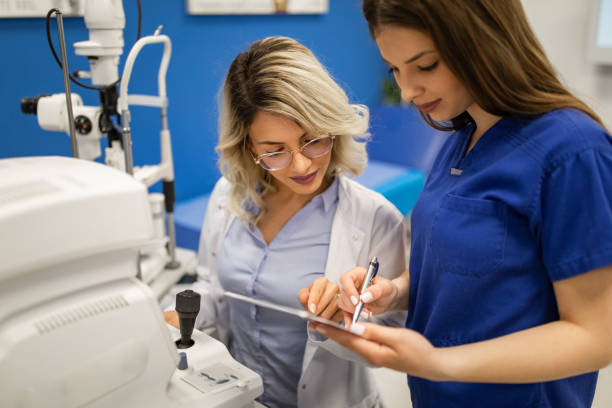
A career as an Ophthalmic Assistant offers a unique opportunity to serve at the forefront of vision healthcare, providing critical support in diagnosing and treating eye conditions to improve patient well-being. From conducting preliminary tests and assisting in procedures to educating patients on eye health, Ophthalmic Assistants play a pivotal role in modern eye care services. This field combines technical expertise, patient-centered care, and a commitment to visual wellness, offering diverse paths in hospitals, clinics, and community outreach. For those passionate about supporting vision health and addressing the growing demand for eye care in an era of digital strain and aging populations, a career as an Ophthalmic Assistant provides an intellectually stimulating and professionally rewarding journey with the potential to make significant contributions to healthcare and society by enhancing the quality of vision care worldwide.

 

Study Route & Eligibility Criteria

Study Route & Eligibility Criteria
Ophthalmic Assistant
Route 1
🎓
1
10+2 with Physics, Chemistry, Biology or any stream
🎓
2
Diploma in Ophthalmic Techniques or Assistance
1-2 years
💼
3
Internship or clinical training
3-6 months
💼
4
Practice as Ophthalmic Assistant
Route 2
🎓
1
10+2 with PCB or any stream
🏛️
2
Bachelor’s degree in Optometry or Ophthalmic Technology
3-4 years
💼
3
Hands-on training or internship
💼
4
Work as Ophthalmic Assistant or Technician
Route 3
🎓
1
10+2 with any stream
📚
2
Certificate Course in Ophthalmic Assistance
📚
3
On-the-job training in eye clinics
💼
4
Practice in entry-level ophthalmic roles
Route 4
🎓
1
10+2 with PCB or any stream
🏛️
2
International training or degree in Ophthalmic Technology
2-4 years
📚
3
Certification or licensure as per country regulations
💼
4
Practice abroad or in India
🎯 Ophthalmic Assistant - Professional

Significant Observations (Academic Related Points)

💡
Ophthalmic Assistant
Academic Related Points
1
Scientific Foundation
A background in biology and physics aids in understanding eye anatomy and optics.
2
Clinical Exposure
Practical training during courses builds essential skills in diagnostic testing.
3
Specialized Training
Advanced certifications provide expertise in specific ophthalmic procedures.
4
Technical Proficiency
Mastery of diagnostic equipment like slit lamps is critical for accurate assessments.
5
Interdisciplinary Knowledge
Understanding eye diseases alongside patient care enhances service quality.
6
Certification Importance
Registration with paramedical councils or boards is often required for legal practice.
7
Continuing Education
Workshops or seminars are necessary to stay updated on eye care advancements.
8
Global Standards
Aligning with international ophthalmic guidelines boosts opportunities for practice abroad.
9
Patient Interaction
Strong communication skills are crucial for explaining procedures and building trust.
10
Entrance Examination Success
Some programs may require entrance tests or prior qualifications for admission.
11
International Testing Requirements
For practice abroad, exams or certifications specific to the country may be necessary.
12
Patricia Bath (Historical, USA)
Pioneering ophthalmologist since the 1970s. Inventor of the Laserphaco Probe for cataract surgery, she inspired advancements in eye care technology. Her legacy influences ophthalmic support roles globally.
13
Dr. David Hubel (Historical, USA/Canada)
Nobel Prize-winning neuroscientist since the 1960s. His research on visual processing shaped modern understanding of eye function. His work impacts diagnostic techniques used by assistants.
14
Dr.ArnallPatz (Historical, USA)
Leader in retinopathy of prematurity research since the 1950s. His discoveries in pediatric eye care guide assistants in neonatal screenings. His contributions save vision worldwide.
15
Charles Kelman (Historical, USA)
Innovator of phacoemulsification for cataract surgery since the 1960s. His technique revolutionized eye procedures, shaping the role of assistants in surgery. His impact is felt in clinics globally.
16
Dr.VenkataswamyGovindappa (Historical, India)
Founder of Aravind Eye Hospital since the 1970s. Known as "Dr. V," he pioneered affordable eye care, training countless ophthalmic assistants. His model transformed vision care in India.
17
Dr.Narsing A. Rao (Contemporary, India/USA)
Renowned ocular pathologist since the 1980s. Based at USC, his work on eye inflammation guides diagnostic support by assistants. His research enhances global eye care standards.
18
Dr.Gullapalli N. Rao (Contemporary, India)
Founder of LV Prasad Eye Institute since the 1980s. His focus on accessible eye care has trained numerous assistants in India. His efforts combat blindness effectively.
19
Dr.Santosh G. Honavar (Contemporary, India)
Leader in ocular oncology since the 1990s. Based at Centre for Sight, Hyderabad, he shapes advanced training for ophthalmic assistants. His work advances specialized eye care in India.
20
Dr.Namrata Sharma (Contemporary, India)
Expert in corneal surgery since the 2000s. As a professor at AIIMS, New Delhi, she influences ophthalmic assistant education. Her research improves diagnostic and surgical support.
21
Dr. Jane Edmond (Contemporary, USA)
Paediatric ophthalmologist since the 1990s. At Baylor College of Medicine, she advocates for assistant training in child eye care. Her leadership strengthens pediatric vision support globally.

Internships & Practical Exposure

💼
Ophthalmic Assistant
Internships & Practical Experience
1
Mandatory clinical training during diploma or degree programs in eye hospitals
2
Rotations in ophthalmic clinics for hands-on experience with diagnostic tools
3
Internships under ophthalmologists for exposure to surgical assistance
4
Observerships in vision care centers for broader exposure to patient management
5
Participation in community eye camps for vision screening and awareness
6
Training in patient assessment through real-world case studies and simulations
7
Exposure to contact lens fitting and patient education during internships
8
Clinical projects on eye health trends or equipment usage during training
9
Public health initiatives for promoting eye care in rural or underserved areas
10
International clinical attachments for global exposure to ophthalmic practices
11
Diploma in Ophthalmic Techniques
12
Bachelor’s in Optometry and Ophthalmic Technology
13
Certificate Course in Ophthalmic Assistance
14
Training in Refraction and Visual Acuity Testing
15
Specialization in Ophthalmic Surgical Assistance
16
Certification in Contact Lens Dispensing
17
Workshops on Glaucoma Screening Techniques
18
Training in Fundus Photography and Imaging
19
Specialization in Paediatric Ophthalmic Care
20
Certification in Low Vision Aids and Rehabilitation
21
B.Sc. in Optometry
22
No standardized national entrance test for ophthalmic assistant courses; admission often based on merit or institute-specific criteria
23
National Eligibility cum Entrance Test (NEET-UG) for some paramedical or optometry bachelor’s programs
24
State-level paramedical entrance exams for diploma or degree admissions
25
University-specific entrance tests for ophthalmic technology programs
26
Specific entrance exams or prerequisites as per institute for ophthalmic programs
27
Test of English as a Foreign Language (TOEFL) with a minimum score of 80-100 for non-native speakers
28
International English Language Testing System (IELTS) with a minimum score of 6.0-7.0
29
Pearson Test of English Academic (PTE Academic)
30
Duolingo English Test (accepted by some institutions)
31
Certification exams like the Certified Ophthalmic Assistant (COA) by the Joint Commission on Allied Health Personnel in Ophthalmology (JCAHPO) in the USA
32
Eye hospitals for diagnostic and surgical support
33
Private ophthalmic clinics for patient assessments and care
34
Optical centers for vision testing and lens fitting
35
Government health programs for community eye screenings
36
Rehabilitation centers for low vision and blindness support
37
Research institutes for studies on eye diseases and treatments
38
Telemedicine platforms for remote eye care consultations
39
Academic institutions for training future ophthalmic assistants
40
Corporate health programs for employee vision wellness
41
Non-profit organizations for eye care outreach in underserved areas
42
Increasing use of telemedicine for remote vision screenings and consultations
43
Growth in demand for ophthalmic assistants due to rising eye disorders from digital exposure
44
Advances in diagnostic technology for more precise and automated eye testing
45
Rising focus on preventive eye care and early detection programs
46
Expansion of community outreach for vision screening in rural areas
47
Development of AI tools for assisting in eye disease diagnosis
48
Growing emphasis on low vision rehabilitation and patient support services
49
Increased collaboration between ophthalmic teams and general healthcare providers
50
Rising importance of training programs for handling advanced ophthalmic equipment
51
Emphasis on standardized certifications for global alignment in eye care support
52
Electronic Medical Record (EMR) systems for documenting patient eye data
53
Ophthalmic imaging software for analyzing fundus or OCT scans
54
Practice management tools for scheduling and patient follow-ups
55
Telehealth platforms like Zoom for remote eye care consultations
56
Diagnostic equipment software for operating autorefractors or tonometers
57
Research databases like PubMed for staying updated on eye care studies
58
Microsoft Office Suite for documentation and patient education materials
59
Secure messaging tools for coordinating with eye care teams
60
Vision screening apps for community outreach programs
61
Social media platforms for promoting eye health awareness
62
Joint Commission on Allied Health Personnel in Ophthalmology (JCAHPO)
63
American Association of Ophthalmic Assistants (AAOA)
64
International Council of Ophthalmology (ICO)
65
All India Ophthalmological Society (AIOS)
66
Indian Optometric Association (IOA)
67
Association of Schools and Colleges of Optometry (ASCO)
68
European Society of Cataract and Refractive Surgeons (ESCRS)
69
World Council of Optometry (WCO)
70
Asia-Pacific Academy of Ophthalmology (APAO)
71
Canadian Ophthalmological Society (COS)
72
Patricia Bath (Historical, USA): Pioneering ophthalmologist since the 1970s. Inventor of the Laserphaco Probe for cataract surgery, she inspired advancements in eye care technology. Her legacy influences ophthalmic support roles globally.
73
Dr. David Hubel (Historical, USA/Canada): Nobel Prize-winning neuroscientist since the 1960s. His research on visual processing shaped modern understanding of eye function. His work impacts diagnostic techniques used by assistants.
74
Dr.ArnallPatz (Historical, USA): Leader in retinopathy of prematurity research since the 1950s. His discoveries in pediatric eye care guide assistants in neonatal screenings. His contributions save vision worldwide.
75
Charles Kelman (Historical, USA): Innovator of phacoemulsification for cataract surgery since the 1960s. His technique revolutionized eye procedures, shaping the role of assistants in surgery. His impact is felt in clinics globally.
76
Dr.VenkataswamyGovindappa (Historical, India): Founder of Aravind Eye Hospital since the 1970s. Known as "Dr. V," he pioneered affordable eye care, training countless ophthalmic assistants. His model transformed vision care in India.
77
Dr.Narsing A. Rao (Contemporary, India/USA): Renowned ocular pathologist since the 1980s. Based at USC, his work on eye inflammation guides diagnostic support by assistants. His research enhances global eye care standards.
78
Dr.Gullapalli N. Rao (Contemporary, India): Founder of LV Prasad Eye Institute since the 1980s. His focus on accessible eye care has trained numerous assistants in India. His efforts combat blindness effectively.
79
Dr.Santosh G. Honavar (Contemporary, India): Leader in ocular oncology since the 1990s. Based at Centre for Sight, Hyderabad, he shapes advanced training for ophthalmic assistants. His work advances specialized eye care in India.
80
Dr.Namrata Sharma (Contemporary, India): Expert in corneal surgery since the 2000s. As a professor at AIIMS, New Delhi, she influences ophthalmic assistant education. Her research improves diagnostic and surgical support.
81
Dr. Jane Edmond (Contemporary, USA): Paediatric ophthalmologist since the 1990s. At Baylor College of Medicine, she advocates for assistant training in child eye care. Her leadership strengthens pediatric vision support globally.
82
Build a strong foundation in biology and health sciences to understand eye anatomy and function.
83
Seek early exposure to eye care through volunteer programs or observerships to confirm interest in the field.
84
Prepare thoroughly for entrance exams or certification requirements specific to your chosen program or region.
85
Pursue advanced certifications in areas like contact lens fitting or surgical assistance to gain expertise.
86
Stay updated on advancements in eye care by attending workshops and seminars.
87
Develop hands-on skills in diagnostic testing and equipment handling through clinical training.
88
Engage in community outreach or vision screening camps to build practical experience and impact.
89
Join professional associations like the Joint Commission on Allied Health Personnel in Ophthalmology (JCAHPO) for networking and resources.
90
Work on communication skills to explain eye care procedures and reassure patients effectively.
91
Explore international training programs for exposure to diverse ophthalmic practices and standards.
92
Volunteer in eye clinics or hospitals to understand patient needs and build experience.
93
Cultivate empathy to support patients dealing with vision loss or chronic eye conditions.
94
Attend continuing education programs to stay abreast of evolving diagnostic tools and techniques.
95
Build a network with ophthalmologists and optometrists for interdisciplinary collaboration.
96
Develop resilience to handle the emotional challenges of working with vision-impaired patients.
97
Balance clinical practice with continuous learning to adapt to growing trends in eye care.

Courses & Specializations to Enter the Field

📚
Ophthalmic Assistant
Courses & Specializations
📖
Diploma in Ophthalmic Techniques
📖
Bachelor’s in Optometry and Ophthalmic Technology
📖
Certificate Course in Ophthalmic Assistance
📖
Training in Refraction and Visual Acuity Testing
📖
Specialization in Ophthalmic Surgical Assistance
📖
Certification in Contact Lens Dispensing
📖
Workshops on Glaucoma Screening Techniques
📖
Training in Fundus Photography and Imaging
📖
Specialization in Paediatric Ophthalmic Care
📖
Certification in Low Vision Aids and Rehabilitation
📖
B.Sc. in Optometry
📖
No standardized national entrance test for ophthalmic assistant courses; admission often based on merit or institute-specific criteria
📖
National Eligibility cum Entrance Test (NEET-UG) for some paramedical or optometry bachelor’s programs
📖
State-level paramedical entrance exams for diploma or degree admissions
📖
University-specific entrance tests for ophthalmic technology programs
📖
Specific entrance exams or prerequisites as per institute for ophthalmic programs
📖
Test of English as a Foreign Language (TOEFL) with a minimum score of 80-100 for non-native speakers
📖
International English Language Testing System (IELTS) with a minimum score of 6.0-7.0
📖
Pearson Test of English Academic (PTE Academic)
📖
Duolingo English Test (accepted by some institutions)
📖
Certification exams like the Certified Ophthalmic Assistant (COA) by the Joint Commission on Allied Health Personnel in Ophthalmology (JCAHPO) in the USA
📖
Eye hospitals for diagnostic and surgical support
📖
Private ophthalmic clinics for patient assessments and care
📖
Optical centers for vision testing and lens fitting
📖
Government health programs for community eye screenings
📖
Rehabilitation centers for low vision and blindness support
📖
Research institutes for studies on eye diseases and treatments
📖
Telemedicine platforms for remote eye care consultations
📖
Academic institutions for training future ophthalmic assistants
📖
Corporate health programs for employee vision wellness
📖
Non-profit organizations for eye care outreach in underserved areas
📖
Increasing use of telemedicine for remote vision screenings and consultations
📖
Growth in demand for ophthalmic assistants due to rising eye disorders from digital exposure
📖
Advances in diagnostic technology for more precise and automated eye testing
📖
Rising focus on preventive eye care and early detection programs
📖
Expansion of community outreach for vision screening in rural areas
📖
Development of AI tools for assisting in eye disease diagnosis
📖
Growing emphasis on low vision rehabilitation and patient support services
📖
Increased collaboration between ophthalmic teams and general healthcare providers
📖
Rising importance of training programs for handling advanced ophthalmic equipment
📖
Emphasis on standardized certifications for global alignment in eye care support
📖
Electronic Medical Record (EMR) systems for documenting patient eye data
📖
Ophthalmic imaging software for analyzing fundus or OCT scans
📖
Practice management tools for scheduling and patient follow-ups
📖
Telehealth platforms like Zoom for remote eye care consultations
📖
Diagnostic equipment software for operating autorefractors or tonometers
📖
Research databases like PubMed for staying updated on eye care studies
📖
Microsoft Office Suite for documentation and patient education materials
📖
Secure messaging tools for coordinating with eye care teams
📖
Vision screening apps for community outreach programs
📖
Social media platforms for promoting eye health awareness
📖
Joint Commission on Allied Health Personnel in Ophthalmology (JCAHPO)
📖
American Association of Ophthalmic Assistants (AAOA)
📖
International Council of Ophthalmology (ICO)
📖
All India Ophthalmological Society (AIOS)
📖
Indian Optometric Association (IOA)
📖
Association of Schools and Colleges of Optometry (ASCO)
📖
European Society of Cataract and Refractive Surgeons (ESCRS)
📖
World Council of Optometry (WCO)
📖
Asia-Pacific Academy of Ophthalmology (APAO)
📖
Canadian Ophthalmological Society (COS)
📖
Patricia Bath (Historical, USA): Pioneering ophthalmologist since the 1970s. Inventor of the Laserphaco Probe for cataract surgery, she inspired advancements in eye care technology. Her legacy influences ophthalmic support roles globally.
📖
Dr. David Hubel (Historical, USA/Canada): Nobel Prize-winning neuroscientist since the 1960s. His research on visual processing shaped modern understanding of eye function. His work impacts diagnostic techniques used by assistants.
📖
Dr.ArnallPatz (Historical, USA): Leader in retinopathy of prematurity research since the 1950s. His discoveries in pediatric eye care guide assistants in neonatal screenings. His contributions save vision worldwide.
📖
Charles Kelman (Historical, USA): Innovator of phacoemulsification for cataract surgery since the 1960s. His technique revolutionized eye procedures, shaping the role of assistants in surgery. His impact is felt in clinics globally.
📖
Dr.VenkataswamyGovindappa (Historical, India): Founder of Aravind Eye Hospital since the 1970s. Known as "Dr. V," he pioneered affordable eye care, training countless ophthalmic assistants. His model transformed vision care in India.
📖
Dr.Narsing A. Rao (Contemporary, India/USA): Renowned ocular pathologist since the 1980s. Based at USC, his work on eye inflammation guides diagnostic support by assistants. His research enhances global eye care standards.
📖
Dr.Gullapalli N. Rao (Contemporary, India): Founder of LV Prasad Eye Institute since the 1980s. His focus on accessible eye care has trained numerous assistants in India. His efforts combat blindness effectively.
📖
Dr.Santosh G. Honavar (Contemporary, India): Leader in ocular oncology since the 1990s. Based at Centre for Sight, Hyderabad, he shapes advanced training for ophthalmic assistants. His work advances specialized eye care in India.
📖
Dr.Namrata Sharma (Contemporary, India): Expert in corneal surgery since the 2000s. As a professor at AIIMS, New Delhi, she influences ophthalmic assistant education. Her research improves diagnostic and surgical support.
📖
Dr. Jane Edmond (Contemporary, USA): Paediatric ophthalmologist since the 1990s. At Baylor College of Medicine, she advocates for assistant training in child eye care. Her leadership strengthens pediatric vision support globally.
📖
Build a strong foundation in biology and health sciences to understand eye anatomy and function.
📖
Seek early exposure to eye care through volunteer programs or observerships to confirm interest in the field.
📖
Prepare thoroughly for entrance exams or certification requirements specific to your chosen program or region.
📖
Pursue advanced certifications in areas like contact lens fitting or surgical assistance to gain expertise.
📖
Stay updated on advancements in eye care by attending workshops and seminars.
📖
Develop hands-on skills in diagnostic testing and equipment handling through clinical training.
📖
Engage in community outreach or vision screening camps to build practical experience and impact.
📖
Join professional associations like the Joint Commission on Allied Health Personnel in Ophthalmology (JCAHPO) for networking and resources.
📖
Work on communication skills to explain eye care procedures and reassure patients effectively.
📖
Explore international training programs for exposure to diverse ophthalmic practices and standards.
📖
Volunteer in eye clinics or hospitals to understand patient needs and build experience.
📖
Cultivate empathy to support patients dealing with vision loss or chronic eye conditions.
📖
Attend continuing education programs to stay abreast of evolving diagnostic tools and techniques.
📖
Build a network with ophthalmologists and optometrists for interdisciplinary collaboration.
📖
Develop resilience to handle the emotional challenges of working with vision-impaired patients.
📖
Balance clinical practice with continuous learning to adapt to growing trends in eye care.

Prominent Employers

🏢
Ophthalmic Assistant
🌟 Top Companies & Organizations
🇮🇳 India
🏛️
Sankara Nethralaya, Chennai
🏛️
LV Prasad Eye Institute, Hyderabad
🏛️
Aravind Eye Hospital, Madurai
🏛️
Apollo Hospitals (Eye Care Division)
🏛️
Fortis Healthcare (Ophthalmology)
🏛️
Dr. Agarwal’s Eye Hospital, Chennai
🏛️
Max Healthcare (Eye Care Services)
🏛️
Narayana Nethralaya, Bangalore
🏛️
Shroff Eye Centre, New Delhi
🏛️
Centre for Sight, New Delhi
🌍 International
🌐
Moorfields Eye Hospital, UK
🌐
Johns Hopkins Wilmer Eye Institute, USA
🌐
Bascom Palmer Eye Institute, USA
🌐
Wills Eye Hospital, USA
🌐
Royal Victorian Eye and Ear Hospital, Australia
🌐
Toronto Eye Care, Canada
🌐
Singapore National Eye Centre, Singapore
🌐
Massachusetts Eye and Ear, USA
🌐
University of Sydney Eye Clinic, Australia
🌐
McGill University Health Centre, Canada

Advice for Aspiring Ophthalmic Assistants

💡
Ophthalmic Assistant
🌟 Tips for Students & Parents
1
Build a strong foundation in biology and health sciences to understand eye anatomy and function.
2
Seek early exposure to eye care through volunteer programs or observerships to confirm interest in the field.
3
Prepare thoroughly for entrance exams or certification requirements specific to your chosen program or region.
4
Pursue advanced certifications in areas like contact lens fitting or surgical assistance to gain expertise.
5
Stay updated on advancements in eye care by attending workshops and seminars.
6
Develop hands-on skills in diagnostic testing and equipment handling through clinical training.
7
Engage in community outreach or vision screening camps to build practical experience and impact.
8
Join professional associations like the Joint Commission on Allied Health Personnel in Ophthalmology (JCAHPO) for networking and resources.
9
Work on communication skills to explain eye care procedures and reassure patients effectively.
10
Explore international training programs for exposure to diverse ophthalmic practices and standards.
11
Volunteer in eye clinics or hospitals to understand patient needs and build experience.
12
Cultivate empathy to support patients dealing with vision loss or chronic eye conditions.
13
Attend continuing education programs to stay abreast of evolving diagnostic tools and techniques.
14
Build a network with ophthalmologists and optometrists for interdisciplinary collaboration.
15
Develop resilience to handle the emotional challenges of working with vision-impaired patients.
16
Balance clinical practice with continuous learning to adapt to growing trends in eye care.
🎓 Final Message
A career as an Ophthalmic Assistant offers a unique opportunity to serve at the forefront of vision healthcare, providing critical support in diagnosing and treating eye conditions to improve patient well-being. From conducting preliminary tests and assisting in procedures to educating patients on eye health, Ophthalmic Assistants play a pivotal role in modern eye care services. This field combines technical expertise, patient-centered care, and a commitment to visual wellness, offering diverse paths in hospitals, clinics, and community outreach. For those passionate about supporting vision health and addressing the growing demand for eye care in an era of digital strain and aging populations, a career as an Ophthalmic Assistant provides an intellectually stimulating and professionally rewarding journey with the potential to make significant contributions to healthcare and society by enhancing the quality of vision care worldwide.
Knowledge & Skills You Will Learn
1
Pursue advanced certifications in areas like contact lens fitting or surgical assistance to gain expertise.
2
Develop hands-on skills in diagnostic testing and equipment handling through clinical training.
3
Work on communication skills to explain eye care procedures and reassure patients effectively.
Certified Ophthalmic Assistant

Certified Ophthalmic Assistant

Early-career professionals assist in basic eye exams and patient care. They develop technical skills. Their practice builds clinical experience....

0.0LPA

Senior Ophthalmic Assistant

Senior Ophthalmic Assistant

Experienced assistants handle complex diagnostic tests and patient support. They provide clinical expertise. Their skills enhance accuracy. They...

0.0LPA
Ophthalmic Technician

Ophthalmic Technician

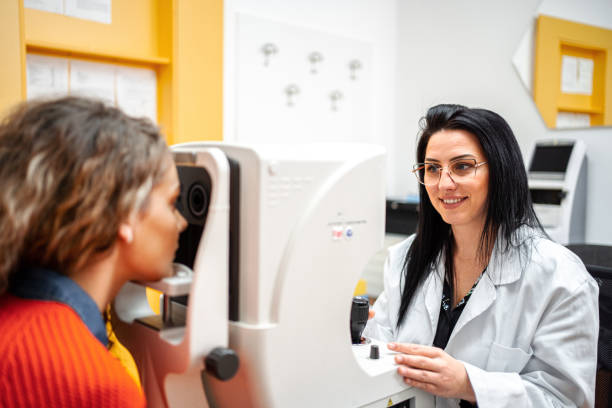
Specialists perform advanced diagnostics and assist in procedures. They integrate technical proficiency. Their expertise supports detailed...

0.0LPA

Interested in this career?

Take the next step and explore more about Ophthalmic Assistant.