Nephrologist

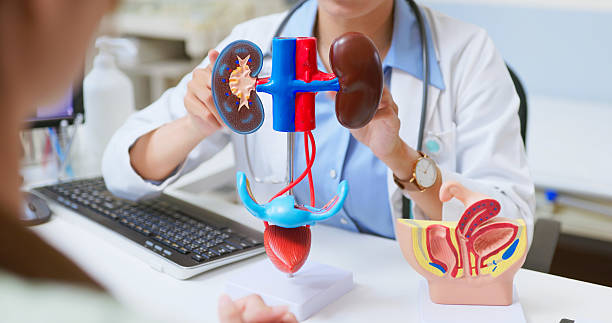
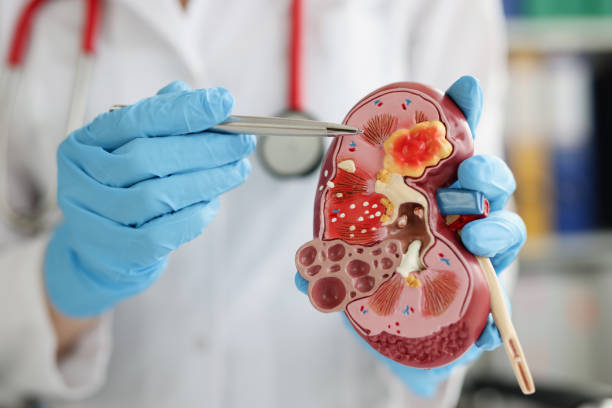
A Nephrologist is a medical doctor specializing in the diagnosis, treatment, and management of kidney diseases and disorders. They focus on conditions such as chronic kidney disease, kidney failure, electrolyte imbalances, hypertension related to kidney problems, and fluid management. Nephrologists play a critical role in patient care, including dialysis management, kidney transplantation, and preventive nephrology.
Share :

Nephrologist Mind Map

Tap any branch to jump straight to the matching accordion sectionโ€”Overview, Education, Career Path, Industry Insights, Resources, or Conclusionโ€”and explore the detailed guidance below.

Interactive map of Nephrologist learning paths Overview Role, mission, mindset Introduction & Summary Education Study routes & eligibility Courses & specializations Career Path Career progression Employment areas Recruiters Industry Insights Industry trends Future outlook Pros & cons Resources Career media FAQs

Each colorful branch maps to an accordion section belowโ€”click to reveal overview, study plans, role journeys, industry insights, practice resources, or concluding tips.

Overview

A Nephrologist is a medical doctor specializing in the diagnosis, treatment, and management of kidney diseases and disorders. They focus on conditions such as chronic kidney disease, kidney failure, electrolyte imbalances, hypertension related to kidney problems, and fluid management. Nephrologists play a critical role in patient care, including dialysis management, kidney transplantation, and preventive nephrology.

Nephrologists evaluate patients with kidney-related ailments through clinical examinations, laboratory tests, and imaging studies. They develop treatment plans to manage acute and chronic kidney conditions, including prescribing medications, managing dialysis, and preparing patients for kidney transplantation. Nephrologists work closely with other specialists such as urologists, endocrinologists, and cardiologists to provide comprehensive care. Their work involves both outpatient consultations and inpatient hospital care, often dealing with complex, life-threatening conditions.

Roles and Responsibilities

๐Ÿ’ผ
Nephrologist
Roles and Responsibilities
Diagnosis and Treatment
Identify kidney diseases through clinical evaluation and diagnostic tests.
Dialysis Management
Oversee hemodialysis and peritoneal dialysis treatments for kidney failure patients.
Kidney Transplantation
Evaluate transplant candidates and manage pre- and post-transplant care.
Patient Monitoring and Follow-up
Regularly monitor kidney function and adjust treatments accordingly.
Management of Electrolyte and Fluid Imbalances
Correct imbalances related to kidney dysfunction.
Hypertension Control
Manage high blood pressure caused by or affecting kidney health.
Patient Education and Counselling
Advise patients on lifestyle changes, medication adherence, and disease prevention.
Research and Clinical Trials
Participate in nephrology research to advance treatments and understanding of kidney diseases.
NEET-PG:
For admission to MD/DNB General Medicine and Paediatrics.
AIIMS PG Entrance Exam:
For postgraduate medical courses.
JIPMER PG Entrance Exam:
For admission to medical postgraduate courses.
DM/DNB Entrance Exams:
Conducted by various institutes for super-specialization.
Fellowship Entrance Exams:
For specialized nephrology training programs.
USMLE:
For medical licensure and residency in the USA.
PLAB:
For medical practice registration in the UK.
MCCQE:
For medical qualification in Canada.
IELTS / TOEFL:
For English proficiency in international programs.
University-specific entrance and fellowship exams.
Richard Bright (1789-1858, United Kingdom):
Known as the "Father of Nephrology," first described Bright's disease, linking kidney dysfunction to proteinuria and edema in the 1820s.
Willem Johan Kolff (1911-2009, Netherlands):
Invented the first practical dialysis machine in 1943, revolutionizing kidney failure treatment.
Belding H. Scribner (1921-2003, United States):
Developed the Scribner shunt in 1960, enabling long-term hemodialysis for chronic kidney failure.
John P. Merrill (1917-1984, United States):
Led the first successful kidney transplant in 1954, pioneering organ transplantation.
Joseph E. Murray (1919-2012, United States):
Performed the first successful human kidney transplant in 1954, earning the Nobel Prize in 1990.
Professor Vivekanand Jha (India):
Contributed to kidney disease research in low-resource settings, focusing on epidemiology and access to care.
Dr. M. K. Mani (India):
Introduced dialysis and kidney transplantation in India during the 1960s and 1970s, known as the "Father of Nephrology in India."
Dr. Kirpal Singh Chugh (1932-2017, India):
Pioneered nephrology in India, established one of the first departments at PGIMER, Chandigarh.
Barry M. Brenner (1937-, United States):
Developed the hyperfiltration hypothesis, shaping chronic kidney disease management.
Adeera Levin (Canada):
Recognized for chronic kidney disease management and patient-centered care, influencing global guidelines.

Roles and Responsibilities

  1. Diagnosis and Treatment
    • Identify kidney diseases through clinical evaluation and diagnostic tests.
  2. Dialysis Management
    • Oversee hemodialysis and peritoneal dialysis treatments for kidney failure patients.
  3. Kidney Transplantation
    • Evaluate transplant candidates and manage pre- and post-transplant care.
  4. Patient Monitoring and Follow-up
    • Regularly monitor kidney function and adjust treatments accordingly.
  5. Management of Electrolyte and Fluid Imbalances
    • Correct imbalances related to kidney dysfunction.
  6. Hypertension Control
    • Manage high blood pressure caused by or affecting kidney health.
  7. Patient Education and Counselling
    • Advise patients on lifestyle changes, medication adherence, and disease prevention.
  8. Research and Clinical Trials
    • Participate in nephrology research to advance treatments and understanding of kidney diseases.

ย 

Study Route & Eligibility Criteria

Alternate Routes

RouteSteps
Route 1: MBBS + MD/DNB in General Medicine + DM/DNB in Nephrology1. Complete MBBS degree.
2. Clear entrance exams for MD/DNB in General Medicine.
3. Complete MD/DNB in General Medicine.
4. Pursue super-specialization DM/DNB in Nephrology.
5. Obtain registration with Medical Council.
6. Start clinical practice as Nephrologist.
Route 2: MBBS + MD/DNB in Paediatrics + DM/DNB in Paediatric Nephrology1. Complete MBBS degree.
2. Pursue MD/DNB in Paediatrics.
3. Super-specialize with DM/DNB in Paediatric Nephrology.
4. Register as Paediatric Nephrologist.
5. Practice focused on kidney diseases in children.
Route 3: MBBS + MD in Internal Medicine + Fellowship in Nephrology1. Complete MBBS.
2. Obtain MD in Internal Medicine.
3. Pursue fellowship or certification courses in Nephrology.
4. Gain clinical experience in nephrology departments.
5. Practice as consultant nephrologist.
Route 4: MBBS + Diploma + Clinical Experience1. Complete MBBS.
2. Obtain diploma in nephrology or related fields.
3. Gain clinical experience under senior nephrologists.
4. Build expertise and start independent practice or join hospitals.

ย 

Significant Observations

  • Nephrology is a highly specialized and demanding medical field.
  • Requires strong knowledge of internal medicine, pathology, and physiology.
  • Involves long-term patient management and critical care skills.
  • Growing demand due to rising incidence of diabetes and hypertension-related kidney diseases.
  • Collaboration with multidisciplinary teams including dieticians, nurses, and surgeons is essential.
  • Work settings include hospitals, dialysis centers, transplant units, and research institutions.
  • Continuous medical education is necessary to keep up with advances in treatment.
  • Emotional resilience is important due to chronic and life-threatening nature of diseases.
  • Opportunities for academic and research careers in nephrology.
  • Increasing use of technology in diagnostics and treatment monitoring.

ย 

Internships & Practical Exposure

  • Clinical rotations in internal medicine and nephrology departments during MBBS and MD.
  • Hands-on experience with dialysis procedures and kidney biopsy techniques.
  • Exposure to management of acute kidney injury and chronic kidney disease patients.
  • Participation in kidney transplant evaluation and follow-up clinics.
  • Training in fluid and electrolyte management in critical care settings.
  • Observing and assisting in renal replacement therapies.
  • Involvement in patient counselling and education sessions.
  • Experience with diagnostic tools like ultrasound, CT, and lab tests for renal function.
  • Participation in nephrology research projects and clinical trials.
  • Attendance at nephrology conferences and workshops.

ย 

Courses & Specializations to Enter the Field

  • MBBS (Bachelor of Medicine and Bachelor of Surgery)
  • MD/DNB in General Medicine or Paediatrics
  • DM/DNB in Nephrology or Paediatric Nephrology
  • Fellowship programs in Nephrology, Dialysis, and Transplantation
  • Certification courses in Renal Pathology, Dialysis Technology, and Critical Care Nephrology
  • Training in Ultrasonography and Imaging related to Kidney Diseases
  • Courses on Renal Pharmacology and Immunology
  • Research methodology and clinical trial design
  • Patient communication and counselling training
  • Continuous professional development through CME programs

ย 

Top Institutes for Nephrology Education and Research

In India

InstituteCourse / ProgramOfficial Link
All India Institute of Medical Sciences (AIIMS), New DelhiDM Nephrologyhttps://www.aiims.edu/
Post Graduate Institute of Medical Education and Research (PGIMER), ChandigarhDM Nephrologyhttps://pgimer.edu.in/
Christian Medical College (CMC), VelloreDM Nephrologyhttps://www.cmch-vellore.edu/
Sanjay Gandhi Postgraduate Institute of Medical Sciences (SGPGIMS), LucknowDM Nephrologyhttps://www.sgpgims.org/
Maulana Azad Medical College (MAMC), New DelhiDM Nephrologyhttps://www.mamc.ac.in/
King Georgeโ€™s Medical University (KGMU), LucknowDM Nephrologyhttps://www.kgmu.org/
Institute of Post Graduate Medical Education & Research (IPGMER), KolkataDM Nephrologyhttps://ipgmer.gov.in/
Apollo Hospitals, ChennaiFellowship in Nephrologyhttps://www.apollohospitals.com/
Fortis Hospital, DelhiFellowship in Nephrologyhttps://www.fortishealthcare.com/
Medanta - The Medicity, GurgaonFellowship and Clinical Traininghttps://www.medanta.org/

ย 

International

InstitutionCourseCountryOfficial Link
Mayo Clinic College of MedicineNephrology FellowshipUSAhttps://college.mayo.edu/
Cleveland ClinicNephrology FellowshipUSAhttps://my.clevelandclinic.org/
University of TorontoNephrology ResidencyCanadahttps://www.utoronto.ca/
Royal Free Hospital, LondonNephrology TrainingUKhttps://www.royalfree.nhs.uk/
University of SydneyNephrology FellowshipAustraliahttps://www.sydney.edu.au/
Charitรฉ โ€“ Universitรคtsmedizin BerlinNephrology ProgramGermanyhttps://www.charite.de/
National University of SingaporeNephrology TrainingSingaporehttps://www.nus.edu.sg/
University of Cape TownNephrology FellowshipSouth Africahttps://www.uct.ac.za/
Karolinska InstituteNephrology ResearchSwedenhttps://ki.se/
University of TokyoNephrology ResidencyJapanhttps://www.u-tokyo.ac.jp/

ย 

Entrance Tests Required

India

  • NEET-PG:ย For admission to MD/DNB General Medicine and Paediatrics.
  • AIIMS PG Entrance Exam:ย For postgraduate medical courses.
  • JIPMER PG Entrance Exam:ย For admission to medical postgraduate courses.
  • DM/DNB Entrance Exams:ย Conducted by various institutes for super-specialization.
  • Fellowship Entrance Exams:ย For specialized nephrology training programs.


International

  • USMLE:ย For medical licensure and residency in the USA.
  • PLAB:ย For medical practice registration in the UK.
  • MCCQE:ย For medical qualification in Canada.
  • IELTS / TOEFL:ย For English proficiency in international programs.
  • University-specific entrance and fellowship exams.

ย 

Ideal Progressing Career Path

MBBS โ†’ MD/DNB General Medicine or Paediatrics โ†’ DM/DNB Nephrology โ†’ Junior Consultant Nephrologist โ†’ Senior Consultant / Head of Department โ†’ Professor / Researcher โ†’ Nephrology Specialist / Transplant Nephrologist

ย 

Major Areas of Employment

  • Hospitals and Medical Colleges
  • Dialysis Centers and Renal Care Clinics
  • Kidney Transplant Units
  • Research Institutes and Academic Centers
  • Pharmaceutical and Biomedical Companies
  • Government Health Departments and Public Health Programs
  • Private Practice and Multispecialty Clinics
  • Critical Care and Emergency Medicine Units
  • Medical Education and Training Institutions
  • Non-Governmental Organizations (NGOs) in Healthcare

ย 

Prominent Employers

IndiaInternational
All India Institute of Medical Sciences (AIIMS)Mayo Clinic, USA
Post Graduate Institute of Medical Education and Research (PGIMER)Cleveland Clinic, USA
Christian Medical College (CMC), VelloreUniversity of Toronto, Canada
Apollo HospitalsRoyal Free Hospital, UK
Fortis HealthcareUniversity of Sydney, Australia
Medanta - The MedicityCharitรฉ โ€“ Universitรคtsmedizin Berlin, Germany
Max HealthcareNational University of Singapore
Kokilaben Dhirubhai Ambani HospitalUniversity of Cape Town, South Africa
Manipal HospitalsKarolinska Institute, Sweden
Narayana HealthUniversity of Tokyo, Japan

ย 

Pros and Cons of the Profession

ProsCons
Highly respected medical specialty with critical impact on patient livesRequires long and rigorous training and specialization
Opportunity to work with advanced medical technology and treatmentsEmotional challenges dealing with chronic and terminal illnesses
Growing demand due to increasing prevalence of kidney diseasesHigh responsibility and stress in managing critical patients
Diverse career options including clinical practice, research, and teachingWork hours can be long, especially in hospital settings
Ability to improve quality of life through dialysis and transplantationContinuous need for updating knowledge and skills
Collaborative work environment with multidisciplinary teamsExposure to emotionally demanding patient care situations

ย 

Industry Trends and Future Outlook

  • Advances in dialysis technology and portable dialysis devices.
  • Growth in kidney transplantation and immunosuppressive therapies.
  • Increasing use of telemedicine and remote monitoring in nephrology care.
  • Development of regenerative medicine and stem cell therapies for kidney repair.
  • Enhanced focus on early detection and prevention of chronic kidney disease.
  • Integration of artificial intelligence and data analytics in diagnostics and treatment planning.
  • Expansion of personalized medicine approaches in nephrology.
  • Greater emphasis on patient-centered care and quality of life improvements.
  • Research into novel biomarkers and targeted therapies for kidney diseases.
  • Collaboration between nephrology and other specialties for holistic patient management.

ย 

Salary Expectations

Career LevelIndia (โ‚น per annum)International (US$ per annum)
Junior Consultant / Fellow8,00,000 - 15,00,000$80,000 - $120,000
Consultant Nephrologist15,00,000 - 35,00,000$120,000 - $180,000
Senior Consultant / Head of Department35,00,000 - 60,00,000$180,000 - $250,000
Professor / Renowned Specialist60,00,000+$250,000+

ย 

Key Software Tools

  • Electronic Medical Records (EMR) Systems
  • Dialysis Management Software
  • Ultrasound and Imaging Analysis Tools
  • Laboratory Information Systems (LIS)
  • Telemedicine Platforms
  • Data Analytics and Research Software (SPSS, R)
  • Clinical Decision Support Systems (CDSS)
  • Patient Monitoring and Vital Signs Software
  • Medical Literature and Database Access (PubMed, UpToDate)
  • Presentation and Documentation Tools

ย 

Professional Organizations and Networks

  • Indian Society of Nephrology (ISN)
  • International Society of Nephrology (ISN)
  • American Society of Nephrology (ASN)
  • European Renal Association โ€“ European Dialysis and Transplant Association (ERA-EDTA)
  • Indian Society of Paediatric Nephrology (ISPN)
  • National Kidney Foundation (NKF)
  • International Paediatric Nephrology Association (IPNA)
  • Renal Association (UK)
  • Indian Medical Association (IMA) โ€“ Nephrology Section
  • World Kidney Day Foundation

ย 

Notable Nephrologists and Their Contributions

  • Richard Bright (1789-1858, United Kingdom):ย Known as the "Father of Nephrology," first described Bright's disease, linking kidney dysfunction to proteinuria and edema in the 1820s.

    ย 
  • Willem Johan Kolff (1911-2009, Netherlands):ย Invented the first practical dialysis machine in 1943, revolutionizing kidney failure treatment.

    ย 
  • Belding H. Scribner (1921-2003, United States):ย Developed the Scribner shunt in 1960, enabling long-term hemodialysis for chronic kidney failure.

    ย 
  • John P. Merrill (1917-1984, United States):ย Led the first successful kidney transplant in 1954, pioneering organ transplantation.

    ย 
  • Joseph E. Murray (1919-2012, United States):ย Performed the first successful human kidney transplant in 1954, earning the Nobel Prize in 1990.

    ย 
  • Professor Vivekanand Jha (India):ย Contributed to kidney disease research in low-resource settings, focusing on epidemiology and access to care.

    ย 
  • Dr. M. K. Mani (India):ย Introduced dialysis and kidney transplantation in India during the 1960s and 1970s, known as the "Father of Nephrology in India."

    ย 
  • Dr. Kirpal Singh Chugh (1932-2017, India):ย Pioneered nephrology in India, established one of the first departments at PGIMER, Chandigarh.

    ย 
  • Barry M. Brenner (1937-, United States):ย Developed the hyperfiltration hypothesis, shaping chronic kidney disease management.

    ย 
  • Adeera Levin (Canada):ย Recognized for chronic kidney disease management and patient-centered care, influencing global guidelines.

ย 

Advice for Aspiring Nephrologists

  • Focus on strong academic performance in MBBS, especially in internal medicine.
  • Gain clinical exposure in nephrology departments during internships and residencies.
  • Prepare thoroughly for postgraduate entrance exams like NEET-PG and DM/DNB entrance.
  • Develop good communication skills for patient counseling and multidisciplinary teamwork.
  • Stay updated with latest research and advances in nephrology.
  • Pursue fellowships and specialized training to enhance expertise.
  • Build resilience to handle emotionally challenging patient care situations.
  • Engage in research activities to contribute to nephrology advancements.
  • Network with professional societies and attend conferences.
  • Maintain empathy and commitment to improving patient quality of life.

Conclusion

A career as a Nephrologist offers the opportunity to make a profound impact on patients suffering from kidney diseases through expert diagnosis, treatment, and management. This medical specialty combines clinical expertise, compassionate care, and ongoing research to improve patient outcomes and advance kidney health. For those dedicated to medicine and patient care, nephrology provides a challenging, rewarding, and respected career path with strong global demand.

ย 

Study Route & Eligibility Criteria

Study Route & Eligibility Criteria
Nephrologist
MBBS + MD/DNB in General Medicine + DM/DNB in Nephrology
๐Ÿ›๏ธ
1
Complete MBBS degree.
๐Ÿ“š
2
Clear entrance exams for MD/DNB in General Medicine.
๐Ÿ“š
3
Complete MD/DNB in General Medicine.
๐Ÿ’ผ
4
Pursue super-specialization DM/DNB in Nephrology.
๐ŸŒ
5
Obtain registration with Medical Council.
๐Ÿ’ผ
6
Start clinical practice as Nephrologist.
MBBS + MD/DNB in Paediatrics + DM/DNB in Paediatric Nephrology
๐Ÿ›๏ธ
1
Complete MBBS degree.
๐Ÿ›๏ธ
2
Pursue MD/DNB in Paediatrics.
๐Ÿ“š
3
Super-specialize with DM/DNB in Paediatric Nephrology.
๐Ÿ’ผ
4
Register as Paediatric Nephrologist.
๐Ÿ’ผ
5
Practice focused on kidney diseases in children.
MBBS + MD in Internal Medicine + Fellowship in Nephrology
๐ŸŽ“
1
Complete MBBS.
๐Ÿ›๏ธ
2
Obtain MD in Internal Medicine.
๐Ÿ“š
3
Pursue fellowship or certification courses in Nephrology.
๐Ÿ’ผ
4
Gain clinical experience in nephrology departments.
๐Ÿ’ผ
5
Practice as consultant nephrologist.
MBBS + Diploma + Clinical Experience
๐ŸŽ“
1
Complete MBBS.
๐ŸŽ“
2
Obtain diploma in nephrology or related fields.
๐Ÿ’ผ
3
Gain clinical experience under senior nephrologists.
๐Ÿ’ผ
4
Build expertise and start independent practice or join hospitals.
๐ŸŽฏ Nephrologist - Professional

Significant Observations (Academic Related Points)

๐Ÿ’ก
Nephrologist
Academic Related Points
1
NEET-PG:
For admission to MD/DNB General Medicine and Paediatrics.
2
AIIMS PG Entrance Exam:
For postgraduate medical courses.
3
JIPMER PG Entrance Exam:
For admission to medical postgraduate courses.
4
DM/DNB Entrance Exams:
Conducted by various institutes for super-specialization.
5
Fellowship Entrance Exams:
For specialized nephrology training programs.
6
USMLE:
For medical licensure and residency in the USA.
7
PLAB:
For medical practice registration in the UK.
8
MCCQE:
For medical qualification in Canada.
9
IELTS / TOEFL:
For English proficiency in international programs.
10
University-specific entrance and fellowship exams.
11
Richard Bright (1789-1858, United Kingdom):
Known as the "Father of Nephrology," first described Bright's disease, linking kidney dysfunction to proteinuria and edema in the 1820s.
12
Willem Johan Kolff (1911-2009, Netherlands):
Invented the first practical dialysis machine in 1943, revolutionizing kidney failure treatment.
13
Belding H. Scribner (1921-2003, United States):
Developed the Scribner shunt in 1960, enabling long-term hemodialysis for chronic kidney failure.
14
John P. Merrill (1917-1984, United States):
Led the first successful kidney transplant in 1954, pioneering organ transplantation.
15
Joseph E. Murray (1919-2012, United States):
Performed the first successful human kidney transplant in 1954, earning the Nobel Prize in 1990.
16
Professor Vivekanand Jha (India):
Contributed to kidney disease research in low-resource settings, focusing on epidemiology and access to care.
17
Dr. M. K. Mani (India):
Introduced dialysis and kidney transplantation in India during the 1960s and 1970s, known as the "Father of Nephrology in India."
18
Dr. Kirpal Singh Chugh (1932-2017, India):
Pioneered nephrology in India, established one of the first departments at PGIMER, Chandigarh.
19
Barry M. Brenner (1937-, United States):
Developed the hyperfiltration hypothesis, shaping chronic kidney disease management.
20
Adeera Levin (Canada):
Recognized for chronic kidney disease management and patient-centered care, influencing global guidelines.

Internships & Practical Exposure

๐Ÿ’ผ
Nephrologist
Internships & Practical Experience
1
Clinical rotations in internal medicine and nephrology departments during MBBS and MD.
2
Hands-on experience with dialysis procedures and kidney biopsy techniques.
3
Exposure to management of acute kidney injury and chronic kidney disease patients.
4
Participation in kidney transplant evaluation and follow-up clinics.
5
Training in fluid and electrolyte management in critical care settings.
6
Observing and assisting in renal replacement therapies.
7
Involvement in patient counselling and education sessions.
8
Experience with diagnostic tools like ultrasound, CT, and lab tests for renal function.
9
Participation in nephrology research projects and clinical trials.
10
Attendance at nephrology conferences and workshops.
11
MBBS (Bachelor of Medicine and Bachelor of Surgery)
12
MD/DNB in General Medicine or Paediatrics
13
DM/DNB in Nephrology or Paediatric Nephrology
14
Fellowship programs in Nephrology, Dialysis, and Transplantation
15
Certification courses in Renal Pathology, Dialysis Technology, and Critical Care Nephrology
16
Training in Ultrasonography and Imaging related to Kidney Diseases
17
Courses on Renal Pharmacology and Immunology
18
Research methodology and clinical trial design
19
Patient communication and counselling training
20
Continuous professional development through CME programs
21
NEET-PG:For admission to MD/DNB General Medicine and Paediatrics.
22
AIIMS PG Entrance Exam:For postgraduate medical courses.
23
JIPMER PG Entrance Exam:For admission to medical postgraduate courses.
24
DM/DNB Entrance Exams:Conducted by various institutes for super-specialization.
25
Fellowship Entrance Exams:For specialized nephrology training programs.
26
USMLE:For medical licensure and residency in the USA.
27
PLAB:For medical practice registration in the UK.
28
MCCQE:For medical qualification in Canada.
29
IELTS / TOEFL:For English proficiency in international programs.
30
University-specific entrance and fellowship exams.
31
Hospitals and Medical Colleges
32
Dialysis Centers and Renal Care Clinics
33
Kidney Transplant Units
34
Research Institutes and Academic Centers
35
Pharmaceutical and Biomedical Companies
36
Government Health Departments and Public Health Programs
37
Private Practice and Multispecialty Clinics
38
Critical Care and Emergency Medicine Units
39
Medical Education and Training Institutions
40
Non-Governmental Organizations (NGOs) in Healthcare
41
Advances in dialysis technology and portable dialysis devices.
42
Growth in kidney transplantation and immunosuppressive therapies.
43
Increasing use of telemedicine and remote monitoring in nephrology care.
44
Development of regenerative medicine and stem cell therapies for kidney repair.
45
Enhanced focus on early detection and prevention of chronic kidney disease.
46
Integration of artificial intelligence and data analytics in diagnostics and treatment planning.
47
Expansion of personalized medicine approaches in nephrology.
48
Greater emphasis on patient-centered care and quality of life improvements.
49
Research into novel biomarkers and targeted therapies for kidney diseases.
50
Collaboration between nephrology and other specialties for holistic patient management.
51
Electronic Medical Records (EMR) Systems
52
Dialysis Management Software
53
Ultrasound and Imaging Analysis Tools
54
Laboratory Information Systems (LIS)
55
Telemedicine Platforms
56
Data Analytics and Research Software (SPSS, R)
57
Clinical Decision Support Systems (CDSS)
58
Patient Monitoring and Vital Signs Software
59
Medical Literature and Database Access (PubMed, UpToDate)
60
Presentation and Documentation Tools
61
Indian Society of Nephrology (ISN)
62
International Society of Nephrology (ISN)
63
American Society of Nephrology (ASN)
64
European Renal Association โ€“ European Dialysis and Transplant Association (ERA-EDTA)
65
Indian Society of Paediatric Nephrology (ISPN)
66
National Kidney Foundation (NKF)
67
International Paediatric Nephrology Association (IPNA)
68
Renal Association (UK)
69
Indian Medical Association (IMA) โ€“ Nephrology Section
70
World Kidney Day Foundation
71
Richard Bright (1789-1858, United Kingdom):Known as the "Father of Nephrology," first described Bright's disease, linking kidney dysfunction to proteinuria and edema in the 1820s.
72
Willem Johan Kolff (1911-2009, Netherlands):Invented the first practical dialysis machine in 1943, revolutionizing kidney failure treatment.
73
Belding H. Scribner (1921-2003, United States):Developed the Scribner shunt in 1960, enabling long-term hemodialysis for chronic kidney failure.
74
John P. Merrill (1917-1984, United States):Led the first successful kidney transplant in 1954, pioneering organ transplantation.
75
Joseph E. Murray (1919-2012, United States):Performed the first successful human kidney transplant in 1954, earning the Nobel Prize in 1990.
76
Professor Vivekanand Jha (India):Contributed to kidney disease research in low-resource settings, focusing on epidemiology and access to care.
77
Dr. M. K. Mani (India):Introduced dialysis and kidney transplantation in India during the 1960s and 1970s, known as the "Father of Nephrology in India."
78
Dr. Kirpal Singh Chugh (1932-2017, India):Pioneered nephrology in India, established one of the first departments at PGIMER, Chandigarh.
79
Barry M. Brenner (1937-, United States):Developed the hyperfiltration hypothesis, shaping chronic kidney disease management.
80
Adeera Levin (Canada):Recognized for chronic kidney disease management and patient-centered care, influencing global guidelines.
81
Focus on strong academic performance in MBBS, especially in internal medicine.
82
Gain clinical exposure in nephrology departments during internships and residencies.
83
Prepare thoroughly for postgraduate entrance exams like NEET-PG and DM/DNB entrance.
84
Develop good communication skills for patient counseling and multidisciplinary teamwork.
85
Stay updated with latest research and advances in nephrology.
86
Pursue fellowships and specialized training to enhance expertise.
87
Build resilience to handle emotionally challenging patient care situations.
88
Engage in research activities to contribute to nephrology advancements.
89
Network with professional societies and attend conferences.
90
Maintain empathy and commitment to improving patient quality of life.

Courses & Specializations to Enter the Field

๐Ÿ“š
Nephrologist
Courses & Specializations
๐Ÿ“–
MBBS (Bachelor of Medicine and Bachelor of Surgery)
๐Ÿ“–
MD/DNB in General Medicine or Paediatrics
๐Ÿ“–
DM/DNB in Nephrology or Paediatric Nephrology
๐Ÿ“–
Fellowship programs in Nephrology, Dialysis, and Transplantation
๐Ÿ“–
Certification courses in Renal Pathology, Dialysis Technology, and Critical Care Nephrology
๐Ÿ“–
Training in Ultrasonography and Imaging related to Kidney Diseases
๐Ÿ“–
Courses on Renal Pharmacology and Immunology
๐Ÿ“–
Research methodology and clinical trial design
๐Ÿ“–
Patient communication and counselling training
๐Ÿ“–
Continuous professional development through CME programs
๐Ÿ“–
NEET-PG:For admission to MD/DNB General Medicine and Paediatrics.
๐Ÿ“–
AIIMS PG Entrance Exam:For postgraduate medical courses.
๐Ÿ“–
JIPMER PG Entrance Exam:For admission to medical postgraduate courses.
๐Ÿ“–
DM/DNB Entrance Exams:Conducted by various institutes for super-specialization.
๐Ÿ“–
Fellowship Entrance Exams:For specialized nephrology training programs.
๐Ÿ“–
USMLE:For medical licensure and residency in the USA.
๐Ÿ“–
PLAB:For medical practice registration in the UK.
๐Ÿ“–
MCCQE:For medical qualification in Canada.
๐Ÿ“–
IELTS / TOEFL:For English proficiency in international programs.
๐Ÿ“–
University-specific entrance and fellowship exams.
๐Ÿ“–
Hospitals and Medical Colleges
๐Ÿ“–
Dialysis Centers and Renal Care Clinics
๐Ÿ“–
Kidney Transplant Units
๐Ÿ“–
Research Institutes and Academic Centers
๐Ÿ“–
Pharmaceutical and Biomedical Companies
๐Ÿ“–
Government Health Departments and Public Health Programs
๐Ÿ“–
Private Practice and Multispecialty Clinics
๐Ÿ“–
Critical Care and Emergency Medicine Units
๐Ÿ“–
Medical Education and Training Institutions
๐Ÿ“–
Non-Governmental Organizations (NGOs) in Healthcare
๐Ÿ“–
Advances in dialysis technology and portable dialysis devices.
๐Ÿ“–
Growth in kidney transplantation and immunosuppressive therapies.
๐Ÿ“–
Increasing use of telemedicine and remote monitoring in nephrology care.
๐Ÿ“–
Development of regenerative medicine and stem cell therapies for kidney repair.
๐Ÿ“–
Enhanced focus on early detection and prevention of chronic kidney disease.
๐Ÿ“–
Integration of artificial intelligence and data analytics in diagnostics and treatment planning.
๐Ÿ“–
Expansion of personalized medicine approaches in nephrology.
๐Ÿ“–
Greater emphasis on patient-centered care and quality of life improvements.
๐Ÿ“–
Research into novel biomarkers and targeted therapies for kidney diseases.
๐Ÿ“–
Collaboration between nephrology and other specialties for holistic patient management.
๐Ÿ“–
Electronic Medical Records (EMR) Systems
๐Ÿ“–
Dialysis Management Software
๐Ÿ“–
Ultrasound and Imaging Analysis Tools
๐Ÿ“–
Laboratory Information Systems (LIS)
๐Ÿ“–
Telemedicine Platforms
๐Ÿ“–
Data Analytics and Research Software (SPSS, R)
๐Ÿ“–
Clinical Decision Support Systems (CDSS)
๐Ÿ“–
Patient Monitoring and Vital Signs Software
๐Ÿ“–
Medical Literature and Database Access (PubMed, UpToDate)
๐Ÿ“–
Presentation and Documentation Tools
๐Ÿ“–
Indian Society of Nephrology (ISN)
๐Ÿ“–
International Society of Nephrology (ISN)
๐Ÿ“–
American Society of Nephrology (ASN)
๐Ÿ“–
European Renal Association โ€“ European Dialysis and Transplant Association (ERA-EDTA)
๐Ÿ“–
Indian Society of Paediatric Nephrology (ISPN)
๐Ÿ“–
National Kidney Foundation (NKF)
๐Ÿ“–
International Paediatric Nephrology Association (IPNA)
๐Ÿ“–
Renal Association (UK)
๐Ÿ“–
Indian Medical Association (IMA) โ€“ Nephrology Section
๐Ÿ“–
World Kidney Day Foundation
๐Ÿ“–
Richard Bright (1789-1858, United Kingdom):Known as the "Father of Nephrology," first described Bright's disease, linking kidney dysfunction to proteinuria and edema in the 1820s.
๐Ÿ“–
Willem Johan Kolff (1911-2009, Netherlands):Invented the first practical dialysis machine in 1943, revolutionizing kidney failure treatment.
๐Ÿ“–
Belding H. Scribner (1921-2003, United States):Developed the Scribner shunt in 1960, enabling long-term hemodialysis for chronic kidney failure.
๐Ÿ“–
John P. Merrill (1917-1984, United States):Led the first successful kidney transplant in 1954, pioneering organ transplantation.
๐Ÿ“–
Joseph E. Murray (1919-2012, United States):Performed the first successful human kidney transplant in 1954, earning the Nobel Prize in 1990.
๐Ÿ“–
Professor Vivekanand Jha (India):Contributed to kidney disease research in low-resource settings, focusing on epidemiology and access to care.
๐Ÿ“–
Dr. M. K. Mani (India):Introduced dialysis and kidney transplantation in India during the 1960s and 1970s, known as the "Father of Nephrology in India."
๐Ÿ“–
Dr. Kirpal Singh Chugh (1932-2017, India):Pioneered nephrology in India, established one of the first departments at PGIMER, Chandigarh.
๐Ÿ“–
Barry M. Brenner (1937-, United States):Developed the hyperfiltration hypothesis, shaping chronic kidney disease management.
๐Ÿ“–
Adeera Levin (Canada):Recognized for chronic kidney disease management and patient-centered care, influencing global guidelines.
๐Ÿ“–
Focus on strong academic performance in MBBS, especially in internal medicine.
๐Ÿ“–
Gain clinical exposure in nephrology departments during internships and residencies.
๐Ÿ“–
Prepare thoroughly for postgraduate entrance exams like NEET-PG and DM/DNB entrance.
๐Ÿ“–
Develop good communication skills for patient counseling and multidisciplinary teamwork.
๐Ÿ“–
Stay updated with latest research and advances in nephrology.
๐Ÿ“–
Pursue fellowships and specialized training to enhance expertise.
๐Ÿ“–
Build resilience to handle emotionally challenging patient care situations.
๐Ÿ“–
Engage in research activities to contribute to nephrology advancements.
๐Ÿ“–
Network with professional societies and attend conferences.
๐Ÿ“–
Maintain empathy and commitment to improving patient quality of life.

Prominent Employers

๐Ÿข
Nephrologist
๐ŸŒŸ Top Companies & Organizations
๐Ÿ‡ฎ๐Ÿ‡ณ India
๐Ÿ›๏ธ
All India Institute of Medical Sciences (AIIMS)
๐Ÿ›๏ธ
Post Graduate Institute of Medical Education and Research (PGIMER)
๐Ÿ›๏ธ
Christian Medical College (CMC), Vellore
๐Ÿ›๏ธ
Apollo Hospitals
๐Ÿ›๏ธ
Fortis Healthcare
๐Ÿ›๏ธ
Medanta - The Medicity
๐Ÿ›๏ธ
Max Healthcare
๐Ÿ›๏ธ
Kokilaben Dhirubhai Ambani Hospital
๐Ÿ›๏ธ
Manipal Hospitals
๐Ÿ›๏ธ
Narayana Health
๐ŸŒ International
๐ŸŒ
Mayo Clinic, USA
๐ŸŒ
Cleveland Clinic, USA
๐ŸŒ
University of Toronto, Canada
๐ŸŒ
Royal Free Hospital, UK
๐ŸŒ
University of Sydney, Australia
๐ŸŒ
Charitรฉ โ€“ Universitรคtsmedizin Berlin, Germany
๐ŸŒ
National University of Singapore
๐ŸŒ
University of Cape Town, South Africa
๐ŸŒ
Karolinska Institute, Sweden
๐ŸŒ
University of Tokyo, Japan

Advice for Aspiring Nephrologists

๐Ÿ’ก
Nephrologist
๐ŸŒŸ Tips for Students & Parents
1
Focus on strong academic performance in MBBS, especially in internal medicine.
2
Gain clinical exposure in nephrology departments during internships and residencies.
3
Prepare thoroughly for postgraduate entrance exams like NEET-PG and DM/DNB entrance.
4
Develop good communication skills for patient counseling and multidisciplinary teamwork.
5
Stay updated with latest research and advances in nephrology.
6
Pursue fellowships and specialized training to enhance expertise.
7
Build resilience to handle emotionally challenging patient care situations.
8
Engage in research activities to contribute to nephrology advancements.
9
Network with professional societies and attend conferences.
10
Maintain empathy and commitment to improving patient quality of life.
๐ŸŽ“ Final Message
A career as a Nephrologist offers the opportunity to make a profound impact on patients suffering from kidney diseases through expert diagnosis, treatment, and management. This medical specialty combines clinical expertise, compassionate care, and ongoing research to improve patient outcomes and advance kidney health. For those dedicated to medicine and patient care, nephrology provides a challenging, rewarding, and respected career path with strong global demand.
Knowledge & Skills You Will Learn
1
Develop good communication skills for patient counseling and multidisciplinary teamwork.
2
Pursue fellowships and specialized training to enhance expertise.
Consultant Nephrologist

Consultant Nephrologist

โ€ข : Consultant Nephrologists diagnose and manage kidney diseases in hospital and outpatient settings. They oversee dialysis treatments, coordinate...

0.0LPA

Paediatric Nephrologist

Paediatric Nephrologist

โ€ข : Specializes in kidney disorders in children, including congenital abnormalities, nephrotic syndrome, and paediatric dialysis. Paediatric...

0.0LPA

Dialysis Specialist

Dialysis Specialist

โ€ข : Focuses on the management and optimization of dialysis therapies, including hemodialysis and peritoneal dialysis. They ensure treatment...

0.0LPA

Interested in this career?

Take the next step and explore more about Nephrologist.