Musical-Instrument Player

Summary

A Musical-Instrument Player is a skilled professional or artist who performs music using one or more instruments, such as a guitar, piano, violin, drums, or traditional instruments like the sitar or tabla.

Share :
✨ Radial Mind Map - Musical-Instrument Player
Nodes arranged in concentric circles

Loading radial mind map...

Overview

A Musical-Instrument Player is a skilled professional or artist who performs music using one or more instruments, such as a guitar, piano, violin, drums, or traditional instruments like the sitar or tabla. They work in diverse settings, including orchestras, bands, recording studios, live events, and educational institutions, collaborating with musicians, composers, and producers. Musical-Instrument Players play a crucial role in the music and entertainment industry by bringing compositions to life, in an era where music remains a universal language connecting cultures and emotions globally.
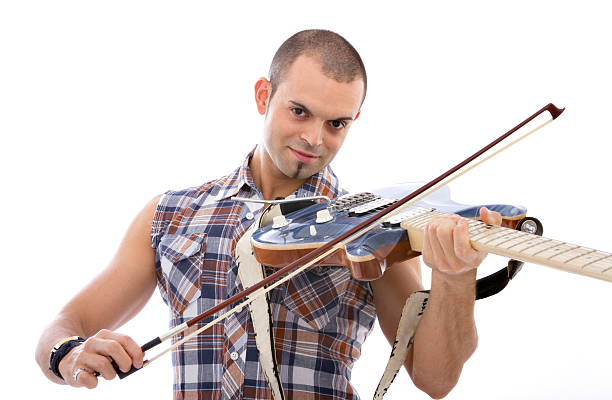
Musical-Instrument Players are dedicated artists responsible for mastering their chosen instrument(s) to perform, record, or teach music across various genres and platforms. Their role includes practicing extensively, interpreting musical scores, and contributing to creative projects through live performances or studio recordings. They combine technical proficiency with artistic expression, often working in dynamic and competitive environments to captivate audiences or support artistic visions. As key contributors to the music ecosystem, they drive cultural expression in a landscape increasingly reliant on diverse musical content to engage worldwide listeners.

Roles and Responsibilities

💼
Musical-Instrument Player
Roles and Responsibilities
Instrument Mastery
Develop and maintain high-level technical skills on one or more musical instruments.
Practice regularly to refine tone, timing, and expression for professional performance.
Performance Execution
Perform live at concerts, events, or shows, adapting to different venues and audiences.
Deliver recordings in studios with precision for albums, films, or other media.
Musical Interpretation
Read and interpret sheet music, scores, or improvisational cues during performances.
Collaborate with composers or bandmates to bring creative visions to life.
Repertoire Development
Build a diverse collection of pieces across genres to suit various performance needs.
Learn new compositions or styles to expand versatility and marketability.
Collaboration and Teamwork
Work with bands, orchestras, or ensembles to create cohesive musical outputs.
Coordinate with producers, directors, and other artists for synchronized performances.
Teaching and Mentorship
Instruct students or aspiring musicians in instrument techniques and music theory.
Provide guidance on performance skills and career development in music.
Equipment Maintenance
Care for and maintain instruments to ensure optimal sound quality and longevity.
Troubleshoot minor repairs or tuning issues to avoid performance disruptions.
Market Awareness
Stay updated on music trends and audience preferences to remain relevant.
Adapt performances or styles to appeal to target demographics or platforms.
Technical Foundation:
Mastery of instrument techniques and music theory is essential for professional performance.
Practical Skills:
Hands-on training with live performances or recordings develops core competencies.
Specialized Training:
Certifications in specific instruments or genres offer niche expertise.
Creative Awareness:
Understanding musical styles and audience expectations is vital for impactful performances.
Interdisciplinary Knowledge:
Familiarity with recording technology and stage presence improves career outcomes.
Certification Importance:
Recognition from reputed music schools or platforms can boost credibility.
Continuing Education:
Regular workshops are necessary to stay updated on performance trends and techniques.
Global Standards:
Exposure to international music styles enhances opportunities for global projects.
Attention to Detail:
Precision in timing and expression is critical for polished performances.
Entrance Examination Success:
Certain programs may require auditions or portfolio submissions for admission.
International Opportunities:
For global careers, certifications from platforms like Berklee may be beneficial.
Yo-Yo Ma (Contemporary, USA):
Legendary cellist since the 1970s. Known for his classical and cross-genre performances, he has inspired generations. His influence extends internationally.
Itzhak Perlman (Contemporary, Israel/USA):
Iconic violinist since the 1960s. His mastery in classical music and film scores is unparalleled. His impact resonates globally.
Lang Lang (Contemporary, China):
Renowned pianist since the 2000s. His dynamic performances have popularized classical music worldwide. His contributions influence global audiences.
Anoushka Shankar (Contemporary, India/UK):
Celebrated sitar player since the 1990s. Her fusion of Indian classical and contemporary music is groundbreaking. Her legacy extends internationally.
Zakir Hussain (Contemporary, India):
Master tabla player since the 1970s. His contributions to Indian classical and world music are legendary. His impact resonates globally.
Nils Frahm (Contemporary, Germany):
Innovative pianist and composer since the 2000s. Known for blending classical and electronic music. His influence extends internationally.
Ravi Shankar (Historical, India):
Sitar maestro since the 1940s. His work popularized Indian classical music globally. His contributions impact national and international audiences.
John Williams (Contemporary, USA):
Guitarist and composer since the 1950s. Known for iconic film scores and classical guitar mastery. His influence resonates globally.
Anne-Sophie Mutter (Contemporary, Germany):
Virtuoso violinist since the 1970s. Her performances in classical music have set global standards. Her impact extends internationally.
Ringo Starr (Contemporary, UK):
Iconic drummer since the 1960s. Known for his work with The Beatles and solo projects, he has shaped modern drumming. His influence resonates globally.

Roles and Responsibilities

  • Instrument Mastery
    • Develop and maintain high-level technical skills on one or more musical instruments.
    • Practice regularly to refine tone, timing, and expression for professional performance.
  • Performance Execution
    • Perform live at concerts, events, or shows, adapting to different venues and audiences.
    • Deliver recordings in studios with precision for albums, films, or other media.
  • Musical Interpretation
    • Read and interpret sheet music, scores, or improvisational cues during performances.
    • Collaborate with composers or bandmates to bring creative visions to life.
  • Repertoire Development
    • Build a diverse collection of pieces across genres to suit various performance needs.
    • Learn new compositions or styles to expand versatility and marketability.
  • Collaboration and Teamwork
    • Work with bands, orchestras, or ensembles to create cohesive musical outputs.
    • Coordinate with producers, directors, and other artists for synchronized performances.
  • Teaching and Mentorship
    • Instruct students or aspiring musicians in instrument techniques and music theory.
    • Provide guidance on performance skills and career development in music.
  • Equipment Maintenance
    • Care for and maintain instruments to ensure optimal sound quality and longevity.
    • Troubleshoot minor repairs or tuning issues to avoid performance disruptions.
  • Market Awareness
    • Stay updated on music trends and audience preferences to remain relevant.
    • Adapt performances or styles to appeal to target demographics or platforms.


Study Route & Eligibility Criteria

RouteSteps
Route 11. Basic education (10+2 or equivalent)
2. Short-term instrument training courses or workshops (3-6 months)
3. Practical training or performance roles
4. Work as Musical-Instrument Player
Route 21. Basic education (10+2)
2. Diploma in Music or Instrument Performance (1-2 years)
3. Hands-on experience in bands or events
4. Work as Musical-Instrument Player
Route 31. Basic education (10+2)
2. Bachelor’s degree in Music, Performing Arts, or Instrument Specialization (3-4 years)
3. Internship with ensembles or studios
4. Work as Musical-Instrument Player
Route 41. Basic education (10+2)
2. Master’s degree or advanced certification in Music Performance (1-2 years)
3. Build portfolio and network internationally
4. Work abroad or in India


Significant Observations (Academic Related Points)

  • Technical Foundation: Mastery of instrument techniques and music theory is essential for professional performance.
  • Practical Skills: Hands-on training with live performances or recordings develops core competencies.
  • Specialized Training: Certifications in specific instruments or genres offer niche expertise.
  • Creative Awareness: Understanding musical styles and audience expectations is vital for impactful performances.
  • Interdisciplinary Knowledge: Familiarity with recording technology and stage presence improves career outcomes.
  • Certification Importance: Recognition from reputed music schools or platforms can boost credibility.
  • Continuing Education: Regular workshops are necessary to stay updated on performance trends and techniques.
  • Global Standards: Exposure to international music styles enhances opportunities for global projects.
  • Attention to Detail: Precision in timing and expression is critical for polished performances.
  • Entrance Examination Success: Certain programs may require auditions or portfolio submissions for admission.
  • International Opportunities: For global careers, certifications from platforms like Berklee may be beneficial.


Internships & Practical Exposure

  • Mandatory practical training during certificate or degree programs in bands or orchestras.
  • Rotations in live events or recording studios for hands-on experience with real projects.
  • Apprenticeships under established musicians for exposure to real-time performance techniques.
  • Observerships in music ensembles for experience in group dynamics and stagecraft.
  • Participation in local gigs or cultural events for practical skill development.
  • Training in collaboration and performance management through real-world assignments and mock shows.
  • Exposure to high-stakes scenarios during internships at major music venues or labels.
  • Creative projects on performing original compositions or covers during training.
  • Community outreach initiatives for playing at local events or charity functions.
  • International music residency programs for global exposure to performance practices.


Courses & Specializations to Enter the Field

  • Certificate in Instrumental Music Performance
  • Diploma in Music Performance or Instrument Specialization
  • Bachelor’s in Music or Performing Arts
  • Master’s in Music Performance or Instrumental Studies
  • Training in Classical Music Techniques
  • Specialization in Jazz or Contemporary Music Performance
  • Certification in Traditional or Folk Instrument Playing
  • Workshops on Live Performance Skills
  • Training in Studio Recording for Instrumentalists
  • Certification in Music Theory and Composition


Top Institutes for Musical-Instrument Player Education (India)

InstituteCourse/ProgramOfficial Link
True School of Music, MumbaiDiploma in Music Performancehttps://trueschool.in/
A.R. Rahman’s KM Music Conservatory, ChennaiDiploma in Music Performancehttps://www.kmmc.in/
Shankar Mahadevan Academy, Online/Multiple CitiesCourses in Instrumental Musichttps://www.shankarmahadevanacademy.com/
Mumbai Music Institute, MumbaiCourses in Instrument Performancehttps://mumbaimusicinstitute.in/
Swarnabhoomi Academy of Music, ChennaiDiploma in Music Performancehttps://www.sam.org.in/
Delhi School of Music, DelhiCourses in Instrumental Musichttps://delhischoolofmusic.net/
Calcutta School of Music, KolkataCourses in Classical and Western Musichttps://calcuttaschoolofmusic.org/
Gandharva Mahavidyalaya, Multiple CitiesCourses in Indian Classical Instrumentshttps://gandharvamahavidyalaya.com/
Bhatkhande Music Institute, LucknowDiploma and Degree in Music Performancehttps://bhatkhandemusic.edu.in/
Madras Christian College (MCC), ChennaiBachelor’s in Performing Arts with Music Focushttps://www.mcc.edu.in/


Top International Institutes

InstitutionCourseCountryOfficial Link
Juilliard SchoolMusic Performance ProgramsUSAhttps://www.juilliard.edu/
Berklee College of MusicInstrumental PerformanceUSAhttps://www.berklee.edu/
Royal Academy of MusicBMus in PerformanceUKhttps://www.ram.ac.uk/
Curtis Institute of MusicBachelor of Music in PerformanceUSAhttps://www.curtis.edu/
Conservatoire de Paris (CNSMDP)Music Performance ProgramsFrancehttps://www.conservatoiredeparis.fr/
University of Music and Performing Arts ViennaInstrumental StudiesAustriahttps://www.mdw.ac.at/
Sydney Conservatorium of MusicBachelor of Music (Performance)Australiahttps://www.sydney.edu.au/music/
McGill University Schulich School of MusicBachelor of Music in PerformanceCanadahttps://www.mcgill.ca/music/
Royal College of MusicBMus in Instrumental PerformanceUKhttps://www.rcm.ac.uk/
New England ConservatoryBachelor and Master of MusicUSAhttps://necmusic.edu/


Entrance Tests Required

India:

  • Auditions or portfolio submissions for admission to music institutes
  • Institution-specific practical assessments for performance skills
  • National-level exams for university admissions like DUET (Delhi University Entrance Test)


International:

  • Portfolio or demo submissions for music performance programs
  • Specific entrance requirements or prerequisites as per institute
  • Test of English as a Foreign Language (TOEFL) with a minimum score of 80-100 for non-native speakers (if applicable)
  • International English Language Testing System (IELTS) with a minimum score of 6.0-7.0 (if applicable)
  • Pearson Test of English Academic (PTE Academic) (if applicable)
  • Duolingo English Test (accepted by some institutions)


Ideal Progressing Career Path

Trainee → Assistant Musician → Independent Musical-Instrument Player → Lead Musician → Band/Orchestra Director → Music Educator → Music Composer → Music Consultant


Major Areas of Employment

  • Orchestras for classical music performances
  • Bands for live gigs and recordings across genres
  • Recording studios for album and media production
  • Film and television industries for background scores
  • Advertising agencies for jingles and brand audio
  • Event management companies for live entertainment
  • Music schools and academies for teaching roles
  • Theatre productions for live musical accompaniment
  • Independent projects for freelance performances
  • Online content creation for streaming and digital media


Prominent Employers

IndiaInternational
Indian Symphony Orchestra, Multiple CitiesLondon Symphony Orchestra, UK
Bollywood Music Industry, MumbaiNew York Philharmonic, USA
T-Series, DelhiBerlin Philharmonic, Germany
Sony Music India, MumbaiVienna Philharmonic, Austria
Zee Music Company, MumbaiBoston Symphony Orchestra, USA
Saregama India Ltd., KolkataChicago Symphony Orchestra, USA
YRF Music, MumbaiRoyal Concertgebouw Orchestra, Netherlands
Times Music, MumbaiLos Angeles Philharmonic, USA
Eros Now Music, MumbaiSydney Symphony Orchestra, Australia
Saavn Media (JioSaavn), MumbaiToronto Symphony Orchestra, Canada


Pros and Cons of the Profession

ProsCons
Opportunity to express creativity through music performanceHigh pressure to maintain consistent performance quality
High demand for skilled players in diverse music sectorsIntense competition for top-tier gigs and contracts
Rewarding impact on audiences through live or recorded musicIrregular working hours with late-night gigs and travel
Diverse career paths across performance, teaching, and compositionUnstable income, especially for freelance or early-career players
Strong potential for growth with unique style and strong networkingPhysical strain from long practice sessions or performances


Industry Trends and Future Outlook

  • Growing adoption of digital platforms for virtual performances and streaming.
  • Rising demand for Musical-Instrument Players with skills in multi-genre versatility globally.
  • Advancements in music technology like virtual instruments and recording tools.
  • Heightened focus on independent artists and online content creation.
  • Expansion of social media branding, increasing the need for personal marketing strategies.
  • Development of integrated systems for real-time music collaboration across digital networks.
  • Increased emphasis on specialized training for emerging fields like interactive music.
  • Enhanced collaboration between musicians and content creators for multimedia projects.
  • Growing need for continuous education to master advanced performance techniques.
  • Focus on global music standards to align performance practices internationally.


Salary Expectations

Career LevelIndia (₹ per annum)International (USD per annum)
Trainee/Assistant Musician (Early Career)1,50,000 - 3,50,00020,000 - 35,000
Independent Musical-Instrument Player (Mid-Career)3,50,000 - 8,00,00035,000 - 60,000
Lead Musician8,00,000 - 15,00,00060,000 - 100,000
Band/Orchestra Director15,00,000 - 25,00,000100,000 - 150,000
Educator/Composer/Consultant25,00,000+150,000+

Note: Salaries vary based on location, experience, employer, and project scale. International figures are approximate and depend on the country and music sector.


Key Software Tools

  • Digital Audio Workstations (DAWs) like Logic Pro for recording and editing
  • Music Notation Software like Sibelius for reading and creating scores
  • Sound Libraries and Plugins for enhancing instrumental sounds
  • Audio Editing Software for refining performance recordings
  • Collaboration Platforms like Soundtrap for remote teamwork
  • Video Editing Tools like Adobe Premiere for syncing audio with visuals
  • Social Media Platforms for branding and performance promotion
  • Microsoft Office Suite for documentation and gig planning
  • Secure messaging tools for coordinating with bands and organizers
  • Simulation software for practicing virtual performances


Professional Organizations and Networks

  • Indian Music Industry (IMI)
  • All India Cine Workers Association (AICWA)
  • International Federation of Musicians (FIM)
  • British Musicians’ Union (MU)
  • American Federation of Musicians (AFM)
  • Australian Musicians Union (AMU)
  • Canadian Federation of Musicians (CFM)
  • Society of Composers & Lyricists (SCL), USA
  • International Society for Music Education (ISME)
  • Music Teachers National Association (MTNA), USA


Notable Musical-Instrument Players and Industry Leaders (Top 10)

  • Yo-Yo Ma (Contemporary, USA): Legendary cellist since the 1970s. Known for his classical and cross-genre performances, he has inspired generations. His influence extends internationally.
     
  • Itzhak Perlman (Contemporary, Israel/USA): Iconic violinist since the 1960s. His mastery in classical music and film scores is unparalleled. His impact resonates globally.
     
  • Lang Lang (Contemporary, China): Renowned pianist since the 2000s. His dynamic performances have popularized classical music worldwide. His contributions influence global audiences.
     
  • Anoushka Shankar (Contemporary, India/UK): Celebrated sitar player since the 1990s. Her fusion of Indian classical and contemporary music is groundbreaking. Her legacy extends internationally.
     
  • Zakir Hussain (Contemporary, India): Master tabla player since the 1970s. His contributions to Indian classical and world music are legendary. His impact resonates globally.
     
  • Nils Frahm (Contemporary, Germany): Innovative pianist and composer since the 2000s. Known for blending classical and electronic music. His influence extends internationally.
     
  • Ravi Shankar (Historical, India): Sitar maestro since the 1940s. His work popularized Indian classical music globally. His contributions impact national and international audiences.
     
  • John Williams (Contemporary, USA): Guitarist and composer since the 1950s. Known for iconic film scores and classical guitar mastery. His influence resonates globally.
     
  • Anne-Sophie Mutter (Contemporary, Germany): Virtuoso violinist since the 1970s. Her performances in classical music have set global standards. Her impact extends internationally.
     
  • Ringo Starr (Contemporary, UK): Iconic drummer since the 1960s. Known for his work with The Beatles and solo projects, he has shaped modern drumming. His influence resonates globally.
     

Advice for Aspiring Musical-Instrument Players

  • Build a strong foundation in music theory and instrument techniques by starting with formal or informal training early on.
  • Seek early exposure to local bands, orchestras, or small gigs to confirm interest in the field.
  • Prepare thoroughly for auditions or portfolio submissions required by music schools or performance opportunities for recognition.
  • Pursue advanced certifications in specific instruments or genres to gain technical expertise.
  • Stay updated on music trends and performance styles by following industry leaders and attending workshops.
  • Develop hands-on skills in live performance and studio recording through regular practice and collaborative projects.
  • Engage in local music events or online platforms to build real-world performance experience.
  • Join professional associations like the Indian Music Industry (IMI) for networking and resources.
  • Work on precision and attention to detail to ensure high-quality sound output and audience satisfaction.
  • Explore international music residencies or online platforms for exposure to diverse styles and standards.
  • Volunteer at community events or student projects to understand performance dynamics and build a portfolio.
  • Cultivate patience and adaptability to handle creative differences and demanding performance schedules.
  • Attend continuing education programs to stay abreast of evolving music techniques and technologies.
  • Build a network with musicians, labels, and event organizers for collaborative performance opportunities.
  • Develop resilience to manage long hours, rejections, and competitive performance environments.
  • Balance creative work with continuous learning to adapt to evolving trends in music and performance technology.

A career as a Musical-Instrument Player offers a unique opportunity to contribute to the music and entertainment industry by delivering captivating performances that blend technical skill with artistic expression. From shaping the sound of live concerts to collaborating with artists in dynamic studio environments, Musical-Instrument Players play a pivotal role in advancing modern music culture. This field combines musical passion, technical mastery, and a commitment to audience engagement, offering diverse paths in live performance, studio recording, teaching, and composition. For those passionate about crafting music as a transformative force, creating memorable experiences through sound, and addressing the growing demand for high-quality musical content in an era of digital connectivity and cultural exchange, a career as a Musical-Instrument Player provides an intellectually stimulating and professionally rewarding journey with the potential to make significant contributions to society by enhancing the power of music and uniting diverse audiences worldwide.


Study Route & Eligibility Criteria

Study Route & Eligibility Criteria
Musical-Instrument Player
Route 1
🎓
1
Basic education
📚
2
Short-term instrument training courses or workshops
3-6 months
💼
3
Practical training or performance roles
💼
4
Work as Musical-Instrument Player
Route 2
🎓
1
Basic education
🎓
2
Diploma in Music or Instrument Performance
1-2 years
💼
3
Hands-on experience in bands or events
💼
4
Work as Musical-Instrument Player
Route 3
🎓
1
Basic education
🏛️
2
Bachelor’s degree in Music, Performing Arts, or Instrument Specialization
3-4 years
💼
3
Internship with ensembles or studios
💼
4
Work as Musical-Instrument Player
Route 4
🎓
1
Basic education
🏛️
2
Master’s degree or advanced certification in Music Performance
1-2 years
💼
3
Build portfolio and network internationally
💼
4
Work abroad or in India
🎯 Musical-Instrument Player - Professional

Significant Observations (Academic Related Points)

💡
Musical-Instrument Player
Academic Related Points
1
Technical Foundation:
Mastery of instrument techniques and music theory is essential for professional performance.
2
Practical Skills:
Hands-on training with live performances or recordings develops core competencies.
3
Specialized Training:
Certifications in specific instruments or genres offer niche expertise.
4
Creative Awareness:
Understanding musical styles and audience expectations is vital for impactful performances.
5
Interdisciplinary Knowledge:
Familiarity with recording technology and stage presence improves career outcomes.
6
Certification Importance:
Recognition from reputed music schools or platforms can boost credibility.
7
Continuing Education:
Regular workshops are necessary to stay updated on performance trends and techniques.
8
Global Standards:
Exposure to international music styles enhances opportunities for global projects.
9
Attention to Detail:
Precision in timing and expression is critical for polished performances.
10
Entrance Examination Success:
Certain programs may require auditions or portfolio submissions for admission.
11
International Opportunities:
For global careers, certifications from platforms like Berklee may be beneficial.
12
Yo-Yo Ma (Contemporary, USA):
Legendary cellist since the 1970s. Known for his classical and cross-genre performances, he has inspired generations. His influence extends internationally.
13
Itzhak Perlman (Contemporary, Israel/USA):
Iconic violinist since the 1960s. His mastery in classical music and film scores is unparalleled. His impact resonates globally.
14
Lang Lang (Contemporary, China):
Renowned pianist since the 2000s. His dynamic performances have popularized classical music worldwide. His contributions influence global audiences.
15
Anoushka Shankar (Contemporary, India/UK):
Celebrated sitar player since the 1990s. Her fusion of Indian classical and contemporary music is groundbreaking. Her legacy extends internationally.
16
Zakir Hussain (Contemporary, India):
Master tabla player since the 1970s. His contributions to Indian classical and world music are legendary. His impact resonates globally.
17
Nils Frahm (Contemporary, Germany):
Innovative pianist and composer since the 2000s. Known for blending classical and electronic music. His influence extends internationally.
18
Ravi Shankar (Historical, India):
Sitar maestro since the 1940s. His work popularized Indian classical music globally. His contributions impact national and international audiences.
19
John Williams (Contemporary, USA):
Guitarist and composer since the 1950s. Known for iconic film scores and classical guitar mastery. His influence resonates globally.
20
Anne-Sophie Mutter (Contemporary, Germany):
Virtuoso violinist since the 1970s. Her performances in classical music have set global standards. Her impact extends internationally.
21
Ringo Starr (Contemporary, UK):
Iconic drummer since the 1960s. Known for his work with The Beatles and solo projects, he has shaped modern drumming. His influence resonates globally.

Internships & Practical Exposure

💼
Musical-Instrument Player
Internships & Practical Experience
1
Mandatory practical training during certificate or degree programs in bands or orchestras.
2
Rotations in live events or recording studios for hands-on experience with real projects.
3
Apprenticeships under established musicians for exposure to real-time performance techniques.
4
Observerships in music ensembles for experience in group dynamics and stagecraft.
5
Participation in local gigs or cultural events for practical skill development.
6
Training in collaboration and performance management through real-world assignments and mock shows.
7
Exposure to high-stakes scenarios during internships at major music venues or labels.
8
Creative projects on performing original compositions or covers during training.
9
Community outreach initiatives for playing at local events or charity functions.
10
International music residency programs for global exposure to performance practices.
11
Certificate in Instrumental Music Performance
12
Diploma in Music Performance or Instrument Specialization
13
Bachelor’s in Music or Performing Arts
14
Master’s in Music Performance or Instrumental Studies
15
Training in Classical Music Techniques
16
Specialization in Jazz or Contemporary Music Performance
17
Certification in Traditional or Folk Instrument Playing
18
Workshops on Live Performance Skills
19
Training in Studio Recording for Instrumentalists
20
Certification in Music Theory and Composition
21
Auditions or portfolio submissions for admission to music institutes
22
Institution-specific practical assessments for performance skills
23
National-level exams for university admissions like DUET (Delhi University Entrance Test)
24
Portfolio or demo submissions for music performance programs
25
Specific entrance requirements or prerequisites as per institute
26
Test of English as a Foreign Language (TOEFL) with a minimum score of 80-100 for non-native speakers (if applicable)
27
International English Language Testing System (IELTS) with a minimum score of 6.0-7.0 (if applicable)
28
Pearson Test of English Academic (PTE Academic) (if applicable)
29
Duolingo English Test (accepted by some institutions)
30
Orchestras for classical music performances
31
Bands for live gigs and recordings across genres
32
Recording studios for album and media production
33
Film and television industries for background scores
34
Advertising agencies for jingles and brand audio
35
Event management companies for live entertainment
36
Music schools and academies for teaching roles
37
Theatre productions for live musical accompaniment
38
Independent projects for freelance performances
39
Online content creation for streaming and digital media
40
Growing adoption of digital platforms for virtual performances and streaming.
41
Rising demand for Musical-Instrument Players with skills in multi-genre versatility globally.
42
Advancements in music technology like virtual instruments and recording tools.
43
Heightened focus on independent artists and online content creation.
44
Expansion of social media branding, increasing the need for personal marketing strategies.
45
Development of integrated systems for real-time music collaboration across digital networks.
46
Increased emphasis on specialized training for emerging fields like interactive music.
47
Enhanced collaboration between musicians and content creators for multimedia projects.
48
Growing need for continuous education to master advanced performance techniques.
49
Focus on global music standards to align performance practices internationally.
50
Digital Audio Workstations (DAWs) like Logic Pro for recording and editing
51
Music Notation Software like Sibelius for reading and creating scores
52
Sound Libraries and Plugins for enhancing instrumental sounds
53
Audio Editing Software for refining performance recordings
54
Collaboration Platforms like Soundtrap for remote teamwork
55
Video Editing Tools like Adobe Premiere for syncing audio with visuals
56
Social Media Platforms for branding and performance promotion
57
Microsoft Office Suite for documentation and gig planning
58
Secure messaging tools for coordinating with bands and organizers
59
Simulation software for practicing virtual performances
60
Indian Music Industry (IMI)
61
All India Cine Workers Association (AICWA)
62
International Federation of Musicians (FIM)
63
British Musicians’ Union (MU)
64
American Federation of Musicians (AFM)
65
Australian Musicians Union (AMU)
66
Canadian Federation of Musicians (CFM)
67
Society of Composers & Lyricists (SCL), USA
68
International Society for Music Education (ISME)
69
Music Teachers National Association (MTNA), USA
70
Yo-Yo Ma (Contemporary, USA):Legendary cellist since the 1970s. Known for his classical and cross-genre performances, he has inspired generations. His influence extends internationally.
71
Itzhak Perlman (Contemporary, Israel/USA):Iconic violinist since the 1960s. His mastery in classical music and film scores is unparalleled. His impact resonates globally.
72
Lang Lang (Contemporary, China):Renowned pianist since the 2000s. His dynamic performances have popularized classical music worldwide. His contributions influence global audiences.
73
Anoushka Shankar (Contemporary, India/UK):Celebrated sitar player since the 1990s. Her fusion of Indian classical and contemporary music is groundbreaking. Her legacy extends internationally.
74
Zakir Hussain (Contemporary, India):Master tabla player since the 1970s. His contributions to Indian classical and world music are legendary. His impact resonates globally.
75
Nils Frahm (Contemporary, Germany):Innovative pianist and composer since the 2000s. Known for blending classical and electronic music. His influence extends internationally.
76
Ravi Shankar (Historical, India):Sitar maestro since the 1940s. His work popularized Indian classical music globally. His contributions impact national and international audiences.
77
John Williams (Contemporary, USA):Guitarist and composer since the 1950s. Known for iconic film scores and classical guitar mastery. His influence resonates globally.
78
Anne-Sophie Mutter (Contemporary, Germany):Virtuoso violinist since the 1970s. Her performances in classical music have set global standards. Her impact extends internationally.
79
Ringo Starr (Contemporary, UK):Iconic drummer since the 1960s. Known for his work with The Beatles and solo projects, he has shaped modern drumming. His influence resonates globally.
80
Build a strong foundation in music theory and instrument techniques by starting with formal or informal training early on.
81
Seek early exposure to local bands, orchestras, or small gigs to confirm interest in the field.
82
Prepare thoroughly for auditions or portfolio submissions required by music schools or performance opportunities for recognition.
83
Pursue advanced certifications in specific instruments or genres to gain technical expertise.
84
Stay updated on music trends and performance styles by following industry leaders and attending workshops.
85
Develop hands-on skills in live performance and studio recording through regular practice and collaborative projects.
86
Engage in local music events or online platforms to build real-world performance experience.
87
Join professional associations like the Indian Music Industry (IMI) for networking and resources.
88
Work on precision and attention to detail to ensure high-quality sound output and audience satisfaction.
89
Explore international music residencies or online platforms for exposure to diverse styles and standards.
90
Volunteer at community events or student projects to understand performance dynamics and build a portfolio.
91
Cultivate patience and adaptability to handle creative differences and demanding performance schedules.
92
Attend continuing education programs to stay abreast of evolving music techniques and technologies.
93
Build a network with musicians, labels, and event organizers for collaborative performance opportunities.
94
Develop resilience to manage long hours, rejections, and competitive performance environments.
95
Balance creative work with continuous learning to adapt to evolving trends in music and performance technology.

Courses & Specializations to Enter the Field

📚
Musical-Instrument Player
Courses & Specializations
📖
Certificate in Instrumental Music Performance
📖
Diploma in Music Performance or Instrument Specialization
📖
Bachelor’s in Music or Performing Arts
📖
Master’s in Music Performance or Instrumental Studies
📖
Training in Classical Music Techniques
📖
Specialization in Jazz or Contemporary Music Performance
📖
Certification in Traditional or Folk Instrument Playing
📖
Workshops on Live Performance Skills
📖
Training in Studio Recording for Instrumentalists
📖
Certification in Music Theory and Composition
📖
Auditions or portfolio submissions for admission to music institutes
📖
Institution-specific practical assessments for performance skills
📖
National-level exams for university admissions like DUET (Delhi University Entrance Test)
📖
Portfolio or demo submissions for music performance programs
📖
Specific entrance requirements or prerequisites as per institute
📖
Test of English as a Foreign Language (TOEFL) with a minimum score of 80-100 for non-native speakers (if applicable)
📖
International English Language Testing System (IELTS) with a minimum score of 6.0-7.0 (if applicable)
📖
Pearson Test of English Academic (PTE Academic) (if applicable)
📖
Duolingo English Test (accepted by some institutions)
📖
Orchestras for classical music performances
📖
Bands for live gigs and recordings across genres
📖
Recording studios for album and media production
📖
Film and television industries for background scores
📖
Advertising agencies for jingles and brand audio
📖
Event management companies for live entertainment
📖
Music schools and academies for teaching roles
📖
Theatre productions for live musical accompaniment
📖
Independent projects for freelance performances
📖
Online content creation for streaming and digital media
📖
Growing adoption of digital platforms for virtual performances and streaming.
📖
Rising demand for Musical-Instrument Players with skills in multi-genre versatility globally.
📖
Advancements in music technology like virtual instruments and recording tools.
📖
Heightened focus on independent artists and online content creation.
📖
Expansion of social media branding, increasing the need for personal marketing strategies.
📖
Development of integrated systems for real-time music collaboration across digital networks.
📖
Increased emphasis on specialized training for emerging fields like interactive music.
📖
Enhanced collaboration between musicians and content creators for multimedia projects.
📖
Growing need for continuous education to master advanced performance techniques.
📖
Focus on global music standards to align performance practices internationally.
📖
Digital Audio Workstations (DAWs) like Logic Pro for recording and editing
📖
Music Notation Software like Sibelius for reading and creating scores
📖
Sound Libraries and Plugins for enhancing instrumental sounds
📖
Audio Editing Software for refining performance recordings
📖
Collaboration Platforms like Soundtrap for remote teamwork
📖
Video Editing Tools like Adobe Premiere for syncing audio with visuals
📖
Social Media Platforms for branding and performance promotion
📖
Microsoft Office Suite for documentation and gig planning
📖
Secure messaging tools for coordinating with bands and organizers
📖
Simulation software for practicing virtual performances
📖
Indian Music Industry (IMI)
📖
All India Cine Workers Association (AICWA)
📖
International Federation of Musicians (FIM)
📖
British Musicians’ Union (MU)
📖
American Federation of Musicians (AFM)
📖
Australian Musicians Union (AMU)
📖
Canadian Federation of Musicians (CFM)
📖
Society of Composers & Lyricists (SCL), USA
📖
International Society for Music Education (ISME)
📖
Music Teachers National Association (MTNA), USA
📖
Yo-Yo Ma (Contemporary, USA):Legendary cellist since the 1970s. Known for his classical and cross-genre performances, he has inspired generations. His influence extends internationally.
📖
Itzhak Perlman (Contemporary, Israel/USA):Iconic violinist since the 1960s. His mastery in classical music and film scores is unparalleled. His impact resonates globally.
📖
Lang Lang (Contemporary, China):Renowned pianist since the 2000s. His dynamic performances have popularized classical music worldwide. His contributions influence global audiences.
📖
Anoushka Shankar (Contemporary, India/UK):Celebrated sitar player since the 1990s. Her fusion of Indian classical and contemporary music is groundbreaking. Her legacy extends internationally.
📖
Zakir Hussain (Contemporary, India):Master tabla player since the 1970s. His contributions to Indian classical and world music are legendary. His impact resonates globally.
📖
Nils Frahm (Contemporary, Germany):Innovative pianist and composer since the 2000s. Known for blending classical and electronic music. His influence extends internationally.
📖
Ravi Shankar (Historical, India):Sitar maestro since the 1940s. His work popularized Indian classical music globally. His contributions impact national and international audiences.
📖
John Williams (Contemporary, USA):Guitarist and composer since the 1950s. Known for iconic film scores and classical guitar mastery. His influence resonates globally.
📖
Anne-Sophie Mutter (Contemporary, Germany):Virtuoso violinist since the 1970s. Her performances in classical music have set global standards. Her impact extends internationally.
📖
Ringo Starr (Contemporary, UK):Iconic drummer since the 1960s. Known for his work with The Beatles and solo projects, he has shaped modern drumming. His influence resonates globally.
📖
Build a strong foundation in music theory and instrument techniques by starting with formal or informal training early on.
📖
Seek early exposure to local bands, orchestras, or small gigs to confirm interest in the field.
📖
Prepare thoroughly for auditions or portfolio submissions required by music schools or performance opportunities for recognition.
📖
Pursue advanced certifications in specific instruments or genres to gain technical expertise.
📖
Stay updated on music trends and performance styles by following industry leaders and attending workshops.
📖
Develop hands-on skills in live performance and studio recording through regular practice and collaborative projects.
📖
Engage in local music events or online platforms to build real-world performance experience.
📖
Join professional associations like the Indian Music Industry (IMI) for networking and resources.
📖
Work on precision and attention to detail to ensure high-quality sound output and audience satisfaction.
📖
Explore international music residencies or online platforms for exposure to diverse styles and standards.
📖
Volunteer at community events or student projects to understand performance dynamics and build a portfolio.
📖
Cultivate patience and adaptability to handle creative differences and demanding performance schedules.
📖
Attend continuing education programs to stay abreast of evolving music techniques and technologies.
📖
Build a network with musicians, labels, and event organizers for collaborative performance opportunities.
📖
Develop resilience to manage long hours, rejections, and competitive performance environments.
📖
Balance creative work with continuous learning to adapt to evolving trends in music and performance technology.

Prominent Employers

🏢
Musical-Instrument Player
🌟 Top Companies & Organizations
🇮🇳 India
🏛️
Indian Symphony Orchestra, Multiple Cities
🏛️
Bollywood Music Industry, Mumbai
🏛️
T-Series, Delhi
🏛️
Sony Music India, Mumbai
🏛️
Zee Music Company, Mumbai
🏛️
Saregama India Ltd., Kolkata
🏛️
YRF Music, Mumbai
🏛️
Times Music, Mumbai
🏛️
Eros Now Music, Mumbai
🏛️
Saavn Media (JioSaavn), Mumbai
🌍 International
🌐
London Symphony Orchestra, UK
🌐
New York Philharmonic, USA
🌐
Berlin Philharmonic, Germany
🌐
Vienna Philharmonic, Austria
🌐
Boston Symphony Orchestra, USA
🌐
Chicago Symphony Orchestra, USA
🌐
Royal Concertgebouw Orchestra, Netherlands
🌐
Los Angeles Philharmonic, USA
🌐
Sydney Symphony Orchestra, Australia
🌐
Toronto Symphony Orchestra, Canada

Advice for Aspiring Musical-Instrument Players

💡
Musical-Instrument Player
🌟 Tips for Students & Parents
1
Build a strong foundation in music theory and instrument techniques by starting with formal or informal training early on.
2
Seek early exposure to local bands, orchestras, or small gigs to confirm interest in the field.
3
Prepare thoroughly for auditions or portfolio submissions required by music schools or performance opportunities for recognition.
4
Pursue advanced certifications in specific instruments or genres to gain technical expertise.
5
Stay updated on music trends and performance styles by following industry leaders and attending workshops.
6
Develop hands-on skills in live performance and studio recording through regular practice and collaborative projects.
7
Engage in local music events or online platforms to build real-world performance experience.
8
Join professional associations like the Indian Music Industry (IMI) for networking and resources.
9
Work on precision and attention to detail to ensure high-quality sound output and audience satisfaction.
10
Explore international music residencies or online platforms for exposure to diverse styles and standards.
11
Volunteer at community events or student projects to understand performance dynamics and build a portfolio.
12
Cultivate patience and adaptability to handle creative differences and demanding performance schedules.
13
Attend continuing education programs to stay abreast of evolving music techniques and technologies.
14
Build a network with musicians, labels, and event organizers for collaborative performance opportunities.
15
Develop resilience to manage long hours, rejections, and competitive performance environments.
16
Balance creative work with continuous learning to adapt to evolving trends in music and performance technology.
🎓 Final Message
A career as a Musical-Instrument Player offers a unique opportunity to contribute to the music and entertainment industry by delivering captivating performances that blend technical skill with artistic expression. From shaping the sound of live concerts to collaborating with artists in dynamic studio environments, Musical-Instrument Players play a pivotal role in advancing modern music culture. This field combines musical passion, technical mastery, and a commitment to audience engagement, offering diverse paths in live performance, studio recording, teaching, and composition. For those passionate about crafting music as a transformative force, creating memorable experiences through sound, and addressing the growing demand for high-quality musical content in an era of digital connectivity and cultural exchange, a career as a Musical-Instrument Player provides an intellectually stimulating and professionally rewarding journey with the potential to make significant contributions to society by enhancing the power of music and uniting diverse audiences worldwide.
Knowledge & Skills You Will Learn
1
Rising demand for Musical-Instrument Players with skills in multi-genre versatility globally.
2
Pursue advanced certifications in specific instruments or genres to gain technical expertise.
3
Develop hands-on skills in live performance and studio recording through regular practice and collaborative projects.
4
Cultivate patience and adaptability to handle creative differences and demanding performance schedules.
Trainee:

Trainee:

Entry-level individuals undergo foundational training in instrument performance under strict supervision. They acquire practical skills through...

0.0LPA

Assistant Musician:

Assistant Musician:

Early-career professionals assist in performances or recordings with increasing autonomy. They hone skills in live shows and studio work. Their...

0.0LPA

Independent Musical-Instrument Player:

Independent Musical-Instrument Player:

Experienced professionals perform for independent projects or smaller ensembles with high accuracy during diverse gigs. They offer expertise in...

0.0LPA

Interested in this career?

Take the next step and explore more about Musical-Instrument Player.