
Academic Writer
Academic Writer (Entry to Mid-Level)
Explore Career
Music Teacher is a rewarding and inspiring field within education and training that focuses on imparting knowledge and skills in music theory, performance, and appreciation to students of various age groups, fostering creativity and cultural understanding through the art of sound. In India, Music Teaching is a significant career path, driven by the country’s rich musical heritage, growing interest in both classical and contemporary music forms, and the integration of arts in educational curricula. With advancements in digital music tools, online learning platforms, and interdisciplinary arts education, this career plays a vital role in nurturing talent and preserving musical traditions. Music Teachers are essential for shaping the next generation of musicians, performers, and music enthusiasts while promoting emotional and intellectual growth through music. This profession contributes to industry progress through trends like virtual music lessons, music therapy in education, and the inclusion of diverse musical genres in teaching.

Music Teachers work in diverse environments such as schools, colleges, private academies, or as independent instructors, often collaborating with students, parents, school administrators, and fellow educators. Their responsibilities include designing lesson plans, teaching instrumental or vocal techniques, organizing performances, and assessing student progress in music skills. They face challenges like addressing India’s cultural and linguistic diversity in music education, adapting to varying student learning paces, and integrating technology into traditional teaching methods. By applying expertise in music theory, pedagogy, and performance, they inspire students to explore and excel in music. As key contributors to India’s education and training sectors, they drive advancements through trends like gamified music learning, cross-cultural music curricula, and digital production tools in classrooms.
| Route | Steps |
|---|---|
| Route 1: Bachelor’s in Music - Direct Entry | 1. Complete 10+2 in any stream with minimum 50% marks (music as a subject preferred). 2. Pursue a Bachelor’s degree in Music (BA Music, 3 years) via merit or entrance exams. 3. Gain experience through teaching or assisting in music schools. 4. Progress to Music Teacher with skills and certifications. |
| Route 2: Bachelor’s to Master’s Pathway | 1. Complete 10+2 and enroll in a Bachelor’s degree in Music or related fields. 2. Pursue a Master’s in Music (MA Music, 2 years) or Music Education via entrance exams or merit. 3. Build expertise through advanced study or internships in education. 4. Join specialized teaching roles with advanced qualifications. |
| Route 3: Diploma to Degree Pathway | 1. Complete 10+2 and enroll in a Diploma in Music or Vocal/Instrumental Training (1-2 years). 2. Transition to a Bachelor’s degree in Music via lateral entry or direct admission. 3. Work in assistant teaching roles for practical learning. 4. Build expertise to secure Music Teacher positions with experience. |
| Route 4: International Education Path | 1. Complete 10+2 and clear relevant language tests (e.g., IELTS, TOEFL). 2. Pursue music or music education degrees from international universities (e.g., USA, UK). 3. Gain global exposure through international teaching or performance projects. 4. Return to India or work internationally in music teaching roles. |
| Route 5: Vocational to Professional Pathway | 1. Complete 10th or 12th standard and enroll in vocational music training or certificate courses (6-12 months). 2. Pursue advanced diplomas or certifications in Music Education or Pedagogy. 3. Work as a part-time instructor for practical experience. 4. Build expertise and network to secure full-time Music Teacher positions. |
| Institute | Course/Program | Official Link |
|---|---|---|
| University of Delhi, Faculty of Music, Delhi | BA/MA in Music | https://www.du.ac.in/ |
| Banaras Hindu University (BHU), Varanasi | BA/MA in Music (Vocal/Instrumental) | https://www.bhu.ac.in/ |
| Rabindra Bharati University, Kolkata | BA/MA in Music and Music Education | https://www.rbu.ac.in/ |
| University of Mumbai, Department of Music, Mumbai | BA/MA in Music | https://www.mu.ac.in/ |
| Gandharva Mahavidyalaya, Delhi | Diploma in Music Teaching | https://www.gandharvamahavidyalaya.com/ |
| Prayag Sangeet Samiti, Allahabad | Diploma/Certificate in Music Education | https://www.prayagsangeetsamiti.co.in/ |
| Madras University, Department of Music, Chennai | BA/MA in Music | https://www.unom.ac.in/ |
| Visva-Bharati University, Santiniketan | BA/MA in Music (Tagore’s Music School) | https://www.visvabharati.ac.in/ |
| IGNOU (Indira Gandhi National Open University), Delhi | Certificate in Teaching of Music | https://www.ignou.ac.in/ |
| Annamalai University, Chidambaram | BA/MA in Music and Music Education | https://www.annamalaiuniversity.ac.in/ |
| Institution | Course | Country | Official Link |
|---|---|---|---|
| Berklee College of Music, Boston | BM/MA in Music Education | USA | https://www.berklee.edu/ |
| Juilliard School, New York | BM/MM in Music Education | USA | https://www.juilliard.edu/ |
| Royal College of Music, London | BMus/MMus in Music Education | UK | https://www.rcm.ac.uk/ |
| University of Music and Performing Arts, Vienna | BA/MA in Music Pedagogy | Austria | https://www.mdw.ac.at/ |
| University of Toronto, Faculty of Music, Toronto | BMus/MMus in Music Education | Canada | https://www.utoronto.ca/ |
| Sydney Conservatorium of Music, Sydney | BMus in Music Education | Australia | https://www.sydney.edu.au/ |
| Eastman School of Music, Rochester | BM/MM in Music Education | USA | https://www.esm.rochester.edu/ |
| Royal Academy of Music, London | BMus/MMus in Music Teaching | UK | https://www.ram.ac.uk/ |
| McGill University, Schulich School of Music, Montreal | BMus/MA in Music Education | Canada | https://www.mcgill.ca/ |
| Trinity Laban Conservatoire of Music and Dance, London | BMus/PG Dip in Music Education | UK | https://www.trinitylaban.ac.uk/ |
India:
International (for Relevant Studies or Exposure):
Music Teacher → Senior Music Teacher → Music Department Head → Music Curriculum Coordinator → Director of Music Education
| Indian Organizations | International Organizations |
|---|---|
| Kendriya Vidyalaya Sangathan (KVS), India | UNESCO (Arts Education Programs), Global |
| Navodaya Vidyalaya Samiti (NVS), India | International Society for Music Education (ISME), Global |
| Delhi Public School (DPS), Various Locations | National Association for Music Education (NAfME), USA |
| The Doon School, Dehradun | European Music Educators Association (EMEA), Europe |
| Shriram Schools, Various Locations | Trinity College London (Music Exams), UK |
| Sangeet Natak Akademi, Delhi | Associated Board of the Royal Schools of Music (ABRSM), UK |
| Gandharva Mahavidyalaya, Delhi | Berklee College of Music (Education Outreach), USA |
| Kalakshetra Foundation, Chennai | Juilliard School (Educational Programs), USA |
| Spic Macay (Cultural Education), India | Royal Conservatory of Music, Canada |
| National Council of Educational Research and Training (NCERT), Delhi | Suzuki Association of the Americas, USA |
| Pros | Cons |
|---|---|
| High impact through inspiring creativity and emotional growth in students | High pressure due to managing diverse student needs and performance expectations |
| Opportunity to work in diverse educational and cultural settings | Long hours, often involving after-school rehearsals or event preparations |
| Key role in preserving musical heritage and fostering talent | Challenges in securing funding or resources for music programs in some schools |
| Growing demand in India’s expanding arts education and private music sectors | Stress from balancing teaching, grading, and organizing student performances |
| Potential for recognition through student achievements or community events | Limited job stability in freelance or part-time roles, especially in early career |
| Career Level (Private/Public Sector Example) | India (₹ per annum) | International (USD per annum, Tentative) |
|---|---|---|
| Music Teacher (Entry to Mid-Level) | 2,00,000 - 4,00,000 | 25,000 - 40,000 |
| Senior Music Teacher (Mid-Level) | 4,00,000 - 7,00,000 | 40,000 - 55,000 |
| Music Department Head (Senior Level) | 7,00,000 - 10,00,000 | 55,000 - 70,000 |
| Music Curriculum Coordinator (Top Tier) | 10,00,000 - 15,00,000 | 70,000 - 85,000 |
| Director of Music Education (Elite Level) | 15,00,000 - 20,00,000+ | 85,000 - 100,000+ |
| Private Music Instructor (Specialized Role) | 2,50,000 - 5,00,000 | 30,000 - 45,000 |
| Music Therapy Educator (Specialized Role) | 3,00,000 - 6,00,000 | 35,000 - 50,000 |
Note: Salaries are indicative and vary based on location (metro vs. non-metro for India; country/region for international roles), employment type (school vs. freelance), and workload (full-time vs. part-time). Figures for India are updated estimates based on industry trends as of 2025, reflecting market growth, demand for music education, and data from sources like Glassdoor and industry reports. International figures are approximate averages based on global music teaching trends in countries like the USA, UK, or Canada, sourced from recent job portals and market analyses. Freelance instructors may earn per session or student.
A career in Music Teacher presents an extraordinary chance to ignite passion for the arts by blending musical expertise with a dedication to education, shaping young minds through the transformative power of melody, and leaving a lasting imprint with every note taught. Music Teachers stand as the vital custodians of India’s rich sonic traditions, harnessing their artistic insight and pedagogical zeal to cultivate talent and appreciation in a culturally vibrant landscape. This field fuses creative expression with instructional commitment, opening pathways in school music programs, private instruction, therapeutic music education, and innovative digital teaching platforms. For those captivated by the vision of fostering musical growth through educational excellence, driven by the goal of enriching lives with the beauty of sound, and ready to embrace the intricate demands of diverse learners, cultural nuances, and evolving teaching tools, a career as a Music Teacher offers a profoundly enriching journey. It empowers individuals to meet the artistic and emotional needs of students, amplify the resonance of cultural heritage, and contribute to a more harmonious world through the inspiring craft of music education.

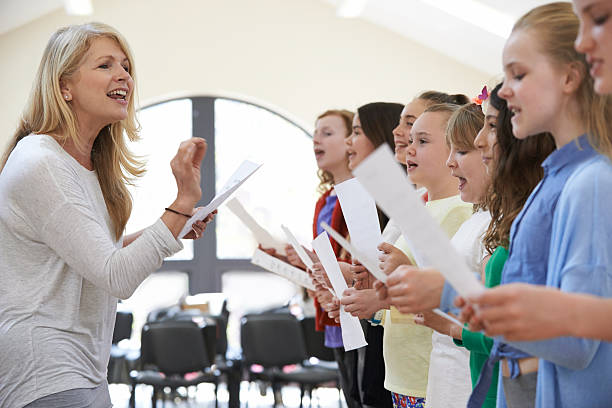
Music Teachers instruct students in schools or private academies in cities like Delhi and Mumbai, focusing on theory and performance. They nurture...
0.0LPA
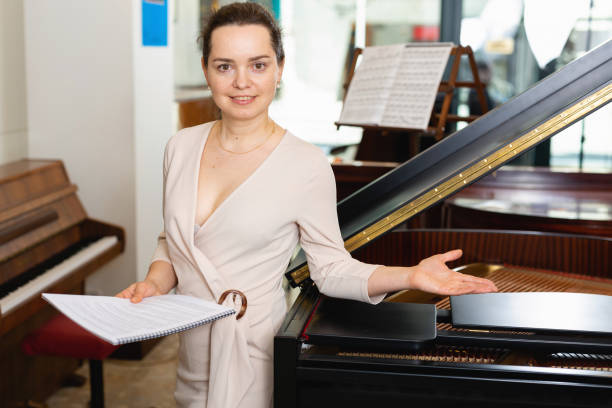
Senior Music Teachers lead advanced classes in hubs like Bangalore or Kolkata, mentoring junior educators. They design complex lessons. Their...
0.0LPA

Music Department Heads oversee music programs in metro city schools like Chennai or Hyderabad, managing faculty and events. They ensure curriculum...
0.0LPA
Take the next step and explore more about Music Teacher.
Explore similar career paths that might interest you