Museum Curator

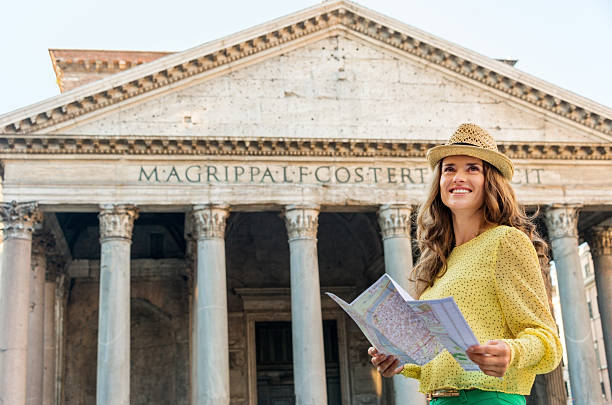
A Museum Curator is a professional dedicated to managing, preserving, and interpreting collections of artifacts, artworks, and historical objects in museums, ensuring their cultural, educational, and historical value is communicated to the public. They work in public and private museums, art galleries, cultural institutions, government heritage departments, and academic settings, collaborating with historians, conservators, educators, and exhibition designers. Museum Curators play a critical role in preserving cultural heritage and fostering public engagement in a world increasingly focused on education through cultural narratives, digital accessibility, and heritage tourism.
Share :
✨ Radial Mind Map - Museum Curator
Nodes arranged in concentric circles

Loading radial mind map...

Overview

A Museum Curator is a professional dedicated to managing, preserving, and interpreting collections of artifacts, artworks, and historical objects in museums, ensuring their cultural, educational, and historical value is communicated to the public. They work in public and private museums, art galleries, cultural institutions, government heritage departments, and academic settings, collaborating with historians, conservators, educators, and exhibition designers. Museum Curators play a critical role in preserving cultural heritage and fostering public engagement in a world increasingly focused on education through cultural narratives, digital accessibility, and heritage tourism.

Museum Curators are experts in art history, archaeology, or cultural studies, responsible for acquiring, cataloging, and displaying collections while designing exhibitions that educate and inspire visitors about history, art, or science. Their role involves research, collection management, and public outreach, often working in diverse settings such as museum galleries, research libraries, or community events. They combine expertise in historical context, conservation principles, and storytelling to address issues like cultural misrepresentation, artifact preservation, and public accessibility. As key contributors to cultural education, they help bridge the past and present in an era prioritizing cultural preservation, inclusive narratives, and digital museum experiences.

Roles and Responsibilities

💼
Museum Curator
Roles and Responsibilities
Collection Management
Acquire, catalog, and maintain museum collections, ensuring proper documentation of artifacts, artworks, and historical objects.
Oversee the storage and preservation of items to prevent deterioration, adhering to conservation standards.
Exhibition Design and Planning
Curate exhibitions by selecting themes, objects, and narratives that educate and engage diverse audiences.
Collaborate with designers and educators to create visually appealing and informative displays.
Research and Interpretation
Conduct in-depth research on collection items to uncover their historical, cultural, or artistic significance.
Develop interpretive materials such as labels, catalogs, and multimedia content to enhance visitor understanding.
Public Engagement and Education
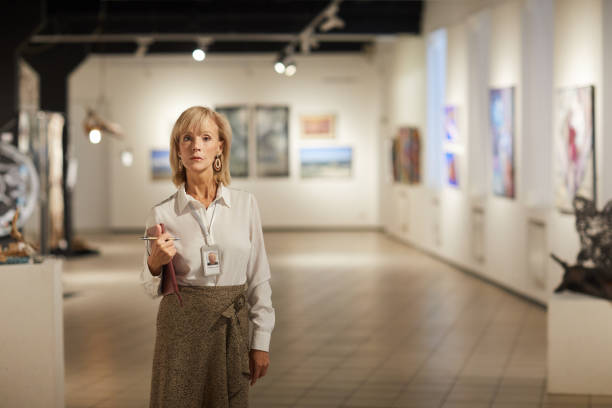
Organize educational programs, lectures, workshops, and guided tours to connect the public with museum collections.
Engage with schools, universities, and communities to promote cultural learning and appreciation.
Conservation Oversight
Work with conservators to ensure the long-term preservation of delicate or deteriorating artifacts.
Monitor environmental conditions like temperature and humidity in museum spaces to protect collections.
Fundraising and Grant Writing
Secure funding for exhibitions, acquisitions, and conservation projects through grants, sponsorships, and donations.
Prepare proposals and reports to justify funding needs to stakeholders or government bodies.
Digital Curation and Outreach
Develop digital content, virtual tours, and online databases to make collections accessible to a global audience.
Use social media and digital platforms to promote exhibitions and engage with virtual visitors.
Policy and Administration
Ensure compliance with legal and ethical standards for artifact acquisition, repatriation, and exhibition.
Manage budgets, staff, and administrative tasks related to museum operations and curatorial projects.

Roles and Responsibilities

  • Collection Management
    • Acquire, catalog, and maintain museum collections, ensuring proper documentation of artifacts, artworks, and historical objects.
    • Oversee the storage and preservation of items to prevent deterioration, adhering to conservation standards.
  • Exhibition Design and Planning
    • Curate exhibitions by selecting themes, objects, and narratives that educate and engage diverse audiences.
    • Collaborate with designers and educators to create visually appealing and informative displays.
  • Research and Interpretation
    • Conduct in-depth research on collection items to uncover their historical, cultural, or artistic significance.
    • Develop interpretive materials such as labels, catalogs, and multimedia content to enhance visitor understanding.
  • Public Engagement and Education
    • Organize educational programs, lectures, workshops, and guided tours to connect the public with museum collections.
    • Engage with schools, universities, and communities to promote cultural learning and appreciation.
  • Conservation Oversight
    • Work with conservators to ensure the long-term preservation of delicate or deteriorating artifacts.
    • Monitor environmental conditions like temperature and humidity in museum spaces to protect collections.
  • Fundraising and Grant Writing
    • Secure funding for exhibitions, acquisitions, and conservation projects through grants, sponsorships, and donations.
    • Prepare proposals and reports to justify funding needs to stakeholders or government bodies.
  • Digital Curation and Outreach
    • Develop digital content, virtual tours, and online databases to make collections accessible to a global audience.
    • Use social media and digital platforms to promote exhibitions and engage with virtual visitors.
  • Policy and Administration
    • Ensure compliance with legal and ethical standards for artifact acquisition, repatriation, and exhibition.
    • Manage budgets, staff, and administrative tasks related to museum operations and curatorial projects.


Study Route & Eligibility Criteria

Study Route & Eligibility Criteria
Museum Curator
Route 1
🎓
1
10+2 with Arts, History, or relevant subjects.
🏛️
2
Bachelor’s degree in History, Art History, Archaeology, or Museology .
3-4 years
💼
3
Gain practical experience through internships or training in museums or cultural institutions .
3-6 months
💼
4
Pursue entry-level roles like Curatorial Assistant or Museum Intern .
1-2 years
Route 2
🎓
1
10+2 with Arts or relevant subjects.
🏛️
2
Bachelor’s degree in Fine Arts, Anthropology, or Cultural Studies .
3-4 years
🏛️
3
Master’s degree in Museology, Art History, or Heritage Management .
💼
4
Work in museum documentation or exhibition support roles to gain experience .
1-2 years
🌍
5
Transition to Museum Curator roles with enhanced skills and knowledge.
Route 3
🎓
1
10+2 with Arts or relevant subjects.
🏛️
2
Bachelor’s degree in History, Archaeology, or related field .
3-4 years
📚
3
Pursue professional certifications like Certificate in Museum Studies or Curatorial Practices .
1-2 years
💼
4
Gain hands-on experience through roles in artifact cataloging or exhibition planning .
1-2 years
🌍
5
Establish a career as a Museum Curator in museums or cultural institutions.
Route 4
🎓
1
10+2 with Arts or relevant subjects.
🏛️
2
Bachelor’s degree from India in Art History, Museology, or related field .
3-4 years
🏛️
3
Pursue international certifications or advanced degrees in museum studies abroad .
1-2 years
🌍
4
Gain exposure through roles in global museum projects or international cultural organizations .
1-2 years
💼
5
Work as a Museum Curator in international markets or global cultural institutions.
🎯 Museum Curator - Professional

Significant Observations (Academic Related Points)

💡
Museum Curator
Academic Related Points
1
Cultural Foundation
Strong knowledge of art history, archaeology, or anthropology is essential for understanding museum collections.
2
Practical Skills
Hands-on training in artifact handling and exhibition design builds core competencies in curation.
3
Specialized Certifications
Credentials in museology or curatorial studies enhance professional credibility.
4
Ethical Expertise
Familiarity with cultural repatriation laws and ethical guidelines is crucial for collection management.
5
Public Engagement Focus
Understanding educational outreach and storytelling ensures effective communication with audiences.
6
Certification Relevance
Some positions may mandate specific certifications from recognized museum or cultural bodies.
7
Continuous Learning
Regular training is needed to keep up with evolving museum technologies and curatorial practices.
8
Global Awareness
Knowledge of international museum standards opens opportunities for cross-border curatorial roles.
9
Precision Focus
Attention to detail is vital for accurate cataloging and preservation of artifacts.
10
Entrance Exam Preparation
Admission to certain programs or competitive roles may require clearing entrance tests.
11
International Standards
For global roles, qualifications or certifications from international museum organizations may be required.

Internships & Practical Exposure

💼
Museum Curator
Internships & Practical Experience
1
Mandatory practical training during degree programs in museums or cultural institutions for real-world insights.
2
Rotations in art galleries or heritage centers for hands-on experience in collection management and exhibition setup.
3
Internships under senior curators for exposure to real-time artifact research and curatorial planning.
4
Observerships in government museums or cultural departments for insights into policy and ethical considerations.
5
Participation in exhibition design workshops and public engagement programs for practical skill development.
6
Training in conservation techniques and digital cataloging through real-world engagements in museum settings.
7
Exposure to tools like collection management software, digital imaging, and virtual exhibition platforms during internships.
8
Field projects on artifact documentation, exhibition curation, or cultural outreach during training.
9
Community outreach programs to engage diverse audiences in cultural education and museum activities.
10
International museum attachments for global exposure to diverse curatorial practices and exhibition standards.

Courses & Specializations to Enter the Field

📚
Museum Curator
Courses & Specializations
📖
Certificate in Museum Studies
📖
Bachelor’s in History, Art History, Archaeology, or Anthropology
📖
Master’s in Museology, Cultural Heritage Management, or Art History
📖
Ph.D. in Museum Studies or Cultural Preservation
📖
Specialization in Exhibition Design and Curation
📖
Certification in Artifact Conservation and Preservation
📖
Workshops on Digital Curation and Virtual Exhibitions
📖
Training in Cultural Heritage Interpretation
📖
Specialization in Ethnographic Collections Management
📖
Certification in Curatorial Practices and Museum Ethics

Prominent Employers

🏢
Museum Curator
🌟 Top Companies & Organizations
🇮🇳 India
🏛️
National Museum, New Delhi
🏛️
Indian Museum, Kolkata
🏛️
Chhatrapati Shivaji Maharaj Vastu Sangrahalaya, Mumbai
🏛️
Salar Jung Museum, Hyderabad
🏛️
National Gallery of Modern Art (NGMA), Delhi
🏛️
Victoria Memorial Hall, Kolkata
🏛️
Ministry of Culture, Government of India
🏛️
Archaeological Survey of India (ASI)
🏛️
Indian National Trust for Art and Cultural Heritage (INTACH)
🏛️
Nehru Memorial Museum & Library, New Delhi
🌍 International
🌐
The British Museum, UK
🌐
The Metropolitan Museum of Art (The Met), USA
🌐
The Louvre Museum, France
🌐
Smithsonian Institution, USA
🌐
Victoria and Albert Museum (V&A), UK
🌐
Museum of Modern Art (MoMA), USA
🌐
International Council of Museums (ICOM), Global
🌐
Getty Research Institute, USA
🌐
Rijksmuseum, Netherlands
🌐
Guggenheim Museum, USA

Advice for Aspiring Museum Curators

💡
Museum Curator
🌟 Tips for Students & Parents
1
Build a strong foundation in art history, archaeology, or cultural studies to understand museum collections and contexts.
2
Seek early exposure to museum operations or cultural projects through internships to confirm interest in the field.
3
Prepare thoroughly for entrance exams or certification requirements specific to your chosen program or region.
4
Pursue certifications in museum studies or curatorial practices to gain expertise in collection management and exhibition design.
5
Stay updated on advancements in museum technologies by attending industry conferences and workshops.
6
Develop hands-on skills in artifact handling, cataloging, and exhibition storytelling through practical training.
7
Engage in museum or gallery projects to build real-world experience in curating cultural narratives.
8
Join professional associations like the Museums Association of India (MAI) for resources and networking.
9
Work on research and interpretive skills to ensure engaging and accurate presentation of historical artifacts.
10
Explore international museum projects for exposure to diverse curatorial challenges and global standards.
11
Volunteer in community cultural or heritage programs to understand local audience needs and engagement.
12
Cultivate adaptability to handle diverse collections and evolving museum practices.
13
Attend continuing education programs to stay abreast of new digital curation tools and ethical trends.
14
Build a network with historians, conservators, educators, and cultural policymakers for collaborative efforts.
15
Develop resilience to manage the meticulous demands and ethical challenges of curating cultural heritage.
16
Balance research skills with communication to engage audiences and adapt to rapid changes in cultural priorities.
🎓 Final Message
A career as a Museum Curator offers a unique opportunity to contribute to cultural preservation and public education by managing and interpreting collections that connect past and present across diverse contexts. From curating exhibitions to fostering community engagement, Museum Curators play a pivotal role in modern cultural stewardship and historical storytelling. This field combines expertise in history, art, and a commitment to societal and cultural well-being, offering diverse paths in museums, galleries, research, and international projects. For those passionate about preserving heritage, adapting to global cultural challenges, and addressing critical educational needs in an era of increasing cultural urgency, a career as a Museum Curator provides an intellectually stimulating and professionally rewarding journey with the potential to make significant contributions to society by advancing cultural understanding and historical progress worldwide.
Knowledge & Skills You Will Learn
1
Repatriation Debates: Rising emphasis on ethical curation and repatriation of artifacts, necessitating expertise in international laws.
2
Sustainability in Museums: Emphasis on eco-friendly exhibition designs and energy-efficient museum operations.
3
Interdisciplinary Curation: Growing trend of blending art, science, and technology in exhibitions, requiring versatile curatorial skills.
4
Skill Development Needs: Demand for training in digital curation, cultural sensitivity, and inclusive exhibition design for future curators.
Curatorial Assistant

Curatorial Assistant

Mid-level professionals support research, artifact handling, and exhibition preparation, working in museums like the Indian Museum, Kolkata, or...

0.0LPA

Assistant Curator

Assistant Curator

Professionals manage smaller collections or exhibitions, assist senior curators, and engage in public outreach, employed by entities like...

0.0LPA
Museum Curator

Museum Curator

Experienced curators lead exhibition design, manage significant collections, and develop educational programs in major institutions like the Salar...

0.0LPA

Interested in this career?

Take the next step and explore more about Museum Curator.