Mineral Engineer

Summary

A Mineral Engineer specializes in the extraction, processing, and management of minerals and ores from the earth.

Share :
✨ Radial Mind Map - Mineral Engineer
Nodes arranged in concentric circles

Loading radial mind map...

Overview


A Mineral Engineer specializes in the extraction, processing, and management of minerals and ores from the earth. They apply principles of geology, chemistry, and engineering to develop efficient, sustainable methods for mining and mineral processing. Mineral Engineers play a vital role in supplying raw materials essential for industries such as construction, manufacturing, energy, and technology.
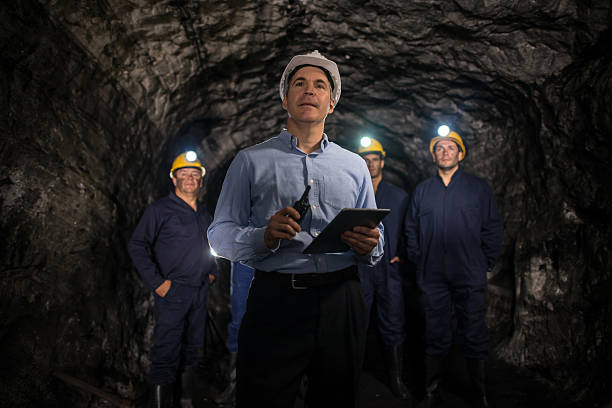
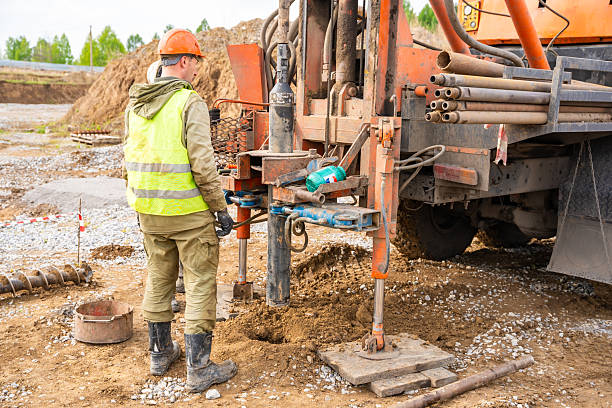
Mineral Engineers focus on the exploration, extraction, and processing of mineral resources. They design and optimize mining operations, including drilling, blasting, hauling, and mineral beneficiation processes such as crushing, grinding, flotation, and leaching. They evaluate ore quality, assess environmental impacts, and ensure compliance with safety and environmental regulations. Mineral Engineers collaborate with geologists, metallurgists, and environmental scientists to maximize resource recovery and minimize ecological footprint. Their work supports industries like mining, metallurgy, energy, and infrastructure development.

Roles and Responsibilities

💼
Mineral Engineer
Roles and Responsibilities
Mineral Exploration and Evaluation
Conduct geological surveys and sampling to locate and assess mineral deposits.
Mine Planning and Design
Develop plans for efficient and safe mining operations, including open-pit and underground mines.
Mineral Processing and Beneficiation
Design and optimize processes to extract valuable minerals from ores.
Environmental Management
Implement measures to minimize environmental impact and ensure regulatory compliance.
Safety Management
Develop and enforce safety protocols to protect workers and equipment.
Equipment Selection and Maintenance
Specify and maintain machinery used in mining and mineral processing.
Cost Analysis and Optimization
Analyze operational costs and implement strategies to improve profitability.
Research and Development
Innovate new technologies and processes for mineral extraction and processing.
JEE Advanced:
For admission to IITs for undergraduate engineering programs.
GATE (Graduate Aptitude Test in Engineering):
For postgraduate admissions and recruitment.
State-level engineering entrance exams:
For various universities offering mineral engineering courses.
University-specific entrance exams and interviews:
For postgraduate and doctoral programs.
GRE:
For graduate admissions in mineral and mining engineering programs.
TOEFL / IELTS:
For English proficiency in international studies.
University-specific entrance exams and interviews.
Professional certification exams:
In mining safety, mineral processing, or environmental management (optional).
Mineral Engineer:
Designs and manages the extraction and processing of mineral resources, optimizing operations for recovery and cost-efficiency.
Mining Engineer:
Focuses on planning, designing, and supervising mine construction and operation, ensuring safety and efficiency.
Mineral Processing Engineer:
Specializes in separation and purification of minerals from ores using processes like flotation and leaching.
Geological Engineer:
Applies geological science to mining, analyzing rock formations and assessing mineral deposits.
Environmental Engineer (Mining Focus):
Develops strategies to mitigate environmental impacts of mining, handling waste and reclamation.
Mine Safety Engineer:
Develops and implements safety protocols to protect workers and equipment in mining operations.
Mine Surveyor:
Measures and maps mining sites to provide spatial data for mine planning and operations.
Extractive Metallurgist:
Works on chemical and physical processes to extract metals from ores, focusing on refining techniques.
Operations Manager (Mining):
Oversees daily operations of mining and processing facilities, ensuring production and safety standards.
Research and Development Engineer (Minerals):
Innovates new extraction and processing technologies to improve efficiency and sustainability.
Georgius Agricola (1494-1555, Germany):
Known as the "Father of Mineralogy," authoredDe Re Metallica(1556), a foundational text on mining and mineral processing.
Antoine Lavoisier (1743-1794, France):
Influenced mineral processing through his work on chemical reactions and stoichiometry in the late 18th century.
John Smeaton (1724-1792, United Kingdom):
Contributed to early mineral processing with improvements in machinery and mill design.
Robert H. Richards (1844-1945, United States):
Known as the "Father of Ore Dressing," pioneered flotation techniques and systematic beneficiation.
Arthur F. Taggart (1884-1959, United States):
Wrote theHandbook of Mineral Dressing(1945), standardizing mineral engineering practices.
Dr. T. C. Rao (India):
Contributed to mineral processing with modeling and simulation of beneficiation processes, especially hydrocyclones.
Dr. G. V. Rao (India):
Specialized in beneficiation of low-grade ores and tailings recovery for sustainable practices.
Donald A. Dahlstrom (1921-2001, United States):
Innovated high-capacity thickeners and filtration systems for mineral processing.
Frank F. Aplan (1925-2019, United States):
Advanced flotation and surface chemistry in mineral processing.
Dr. S. K. Biswal (India):
Focused on processing iron ore and industrial minerals, contributing to sustainable beneficiation methods.

Roles and Responsibilities

  1. Mineral Exploration and Evaluation
    • Conduct geological surveys and sampling to locate and assess mineral deposits.
  2. Mine Planning and Design
    • Develop plans for efficient and safe mining operations, including open-pit and underground mines.
  3. Mineral Processing and Beneficiation
    • Design and optimize processes to extract valuable minerals from ores.
  4. Environmental Management
    • Implement measures to minimize environmental impact and ensure regulatory compliance.
  5. Safety Management
    • Develop and enforce safety protocols to protect workers and equipment.
  6. Equipment Selection and Maintenance
    • Specify and maintain machinery used in mining and mineral processing.
  7. Cost Analysis and Optimization
    • Analyze operational costs and implement strategies to improve profitability.
  8. Research and Development
    • Innovate new technologies and processes for mineral extraction and processing.


Study Route & Eligibility Criteria

Alternate Routes

RouteSteps
Route 1: Bachelor’s in Mineral Engineering / Mining Engineering1. Complete a Bachelor’s degree in Mineral Engineering, Mining Engineering, or related field.
2. Pursue internships or cooperative education in mining or mineral processing industries.
3. Gain practical experience in mining operations or mineral plants.
4. Seek employment in mineral engineering roles or pursue advanced studies.
Route 2: Geological Engineering + Mineral Processing Specialization1. Obtain a degree in Geological Engineering or Earth Sciences.
2. Specialize in mineral processing and beneficiation through electives or postgraduate studies.
3. Participate in mineral exploration and processing projects.
4. Transition into mineral engineering roles.
Route 3: Chemical Engineering + Mineral Processing Focus1. Earn a degree in Chemical Engineering.
2. Focus on mineral processing and extractive metallurgy through coursework and internships.
3. Gain experience in mineral extraction and refining.
4. Work in mineral processing or mining industries.
Route 4: Environmental Engineering + Mining Focus1. Complete a degree in Environmental Engineering.
2. Specialize in environmental management of mining operations.
3. Gain exposure to sustainability practices and regulations.
4. Work in environmental consulting or mining companies.


Significant Observations

  • Mineral Engineering integrates geology, chemistry, and engineering disciplines.
  • Requires strong analytical, technical, and problem-solving skills.
  • Growing emphasis on sustainable and eco-friendly mining practices.
  • Collaboration with environmental scientists and regulatory bodies is essential.
  • Work environments include mines, processing plants, research labs, and offices.
  • Continuous learning needed due to evolving mining technologies and regulations.
  • Opportunities exist globally in mining-rich regions and resource-based industries.


Internships & Practical Exposure

  • Internships in mining operations, mineral processing plants, or geological survey organizations.
  • Hands-on experience with drilling, blasting, ore sampling, and beneficiation techniques.
  • Training in mineral processing equipment such as crushers, mills, flotation cells, and leaching tanks.
  • Exposure to environmental monitoring and impact assessment.
  • Participation in mine safety audits and risk assessments.
  • Use of software for mine design, scheduling, and mineral processing simulation.
  • Involvement in cost analysis and operational optimization projects.
  • Collaboration with cross-disciplinary teams on mining and processing challenges.
  • Attendance at mining and mineral engineering conferences and workshops.
  • Preparation of technical reports and regulatory documentation.


Courses & Specializations to Enter the Field

  • Bachelor’s degrees in Mineral Engineering, Mining Engineering, Geological Engineering, or Chemical Engineering.
  • Master’s degrees specializing in Mineral Processing, Extractive Metallurgy, or Environmental Management in Mining.
  • Courses in Mineralogy, Geology, and Ore Deposits.
  • Training in Mine Planning, Design, and Safety.
  • Studies in Mineral Beneficiation, Crushing, Grinding, and Separation Techniques.
  • Courses on Environmental Impact Assessment and Sustainable Mining Practices.
  • Software training in mine simulation (Surpac, MineSight) and mineral processing modeling (MetSim, JKSimMet).
  • Quality control and regulatory compliance in mining operations.
  • Project management and technical communication.
  • Research methodology and data analysis.


Top Institutes for Mineral Engineering Education and Research

In India

InstituteCourse / ProgramOfficial Link
Indian Institute of Technology (IIT) KharagpurMining Engineeringhttps://www.iitkgp.ac.in/
Indian Institute of Technology (IIT) RoorkeeMining Engineeringhttps://www.iitr.ac.in/
National Institute of Technology (NIT) RourkelaMining Engineeringhttps://www.nitrkl.ac.in/
Indian School of Mines (IIT Dhanbad)Mineral Engineering / Mining Engineeringhttps://www.iitism.ac.in/
Birla Institute of Technology and Science (BITS), PilaniMineral Processinghttps://www.bits-pilani.ac.in/


International

InstitutionCourseCountryOfficial Link
Colorado School of MinesMineral EngineeringUSAhttps://www.mines.edu/
University of QueenslandMineral EngineeringAustraliahttps://www.uq.edu.au/
University of British Columbia (UBC)Mining and Mineral EngineeringCanadahttps://www.ubc.ca/
Curtin UniversityMining EngineeringAustraliahttps://www.curtin.edu.au/
University of WitwatersrandMineral EngineeringSouth Africahttps://www.wits.ac.za/
Imperial College LondonMineral Processing and Extractive MetallurgyUKhttps://www.imperial.ac.uk/
RWTH Aachen UniversityMining and Mineral EngineeringGermanyhttps://www.rwth-aachen.de/
University of AlbertaMining EngineeringCanadahttps://www.ualberta.ca/
University of New South Wales (UNSW)Mineral EngineeringAustraliahttps://www.unsw.edu.au/
Technical University of ClausthalMining and Mineral EngineeringGermanyhttps://www.tu-clausthal.de/


Entrance Tests Required

India

  • JEE Advanced: For admission to IITs for undergraduate engineering programs.
  • GATE (Graduate Aptitude Test in Engineering): For postgraduate admissions and recruitment.
  • State-level engineering entrance exams: For various universities offering mineral engineering courses.
  • University-specific entrance exams and interviews: For postgraduate and doctoral programs.


International

  • GRE: For graduate admissions in mineral and mining engineering programs.
  • TOEFL / IELTS: For English proficiency in international studies.
  • University-specific entrance exams and interviews.
  • Professional certification exams: In mining safety, mineral processing, or environmental management (optional).


Ideal Progressing Career Path

Undergraduate Student → Graduate Student (MSc/PhD) → Junior Mineral Engineer / Process Engineer → Mineral Engineer → Senior Mineral Engineer / Project Manager → Mine Manager / Operations Manager → Director of Mining / Mineral Resources


Leading Professions in Mineral Engineering Career

  • Mineral Engineer: Designs and manages the extraction and processing of mineral resources, optimizing operations for recovery and cost-efficiency.
  • Mining Engineer: Focuses on planning, designing, and supervising mine construction and operation, ensuring safety and efficiency.
  • Mineral Processing Engineer: Specializes in separation and purification of minerals from ores using processes like flotation and leaching.
  • Geological Engineer: Applies geological science to mining, analyzing rock formations and assessing mineral deposits.
  • Environmental Engineer (Mining Focus): Develops strategies to mitigate environmental impacts of mining, handling waste and reclamation.
  • Mine Safety Engineer: Develops and implements safety protocols to protect workers and equipment in mining operations.
  • Mine Surveyor: Measures and maps mining sites to provide spatial data for mine planning and operations.
  • Extractive Metallurgist: Works on chemical and physical processes to extract metals from ores, focusing on refining techniques.
  • Operations Manager (Mining): Oversees daily operations of mining and processing facilities, ensuring production and safety standards.
  • Research and Development Engineer (Minerals): Innovates new extraction and processing technologies to improve efficiency and sustainability.


Major Areas of Employment

  • Mining and mineral extraction companies
  • Mineral processing and beneficiation plants
  • Environmental consulting firms
  • Geological survey organizations
  • Manufacturing and metal production industries
  • Energy and power generation companies
  • Research and development laboratories
  • Government regulatory agencies
  • Safety and risk management consultancies
  • Academic and educational institutions


Prominent Employers

IndiaInternational
Coal India LimitedRio Tinto
National Mineral Development Corporation (NMDC)BHP Billiton
Hindustan Copper LimitedVale S.A.
Indian Bureau of MinesAnglo American
Vedanta ResourcesFreeport-McMoRan
Tata Steel Mining DivisionGlencore
Bharat Gold Mines LimitedBarrick Gold Corporation
Steel Authority of India Limited (SAIL)Newmont Corporation
Geological Survey of IndiaTeck Resources
Indian School of Mines (IIT Dhanbad)Kinross Gold


Pros and Cons of the Profession

ProsCons
Opportunity to work in dynamic and resource-rich environmentsWork can involve remote and harsh locations
Contribution to critical raw material supply for industriesExposure to physical hazards and heavy machinery
High demand in global mining and mineral sectorsWork may require shift schedules and extended hours
Involvement in sustainable and eco-friendly mining practicesRegulatory compliance can be complex and stringent
Blend of fieldwork, laboratory, and office rolesEnvironmental and social challenges in mining regions
Potential for career growth in operations, research, and managementSafety risks and emergency situations in mines


Skills Required

  • Strong understanding of geology, chemistry, and engineering principles
  • Proficiency in mineral exploration, mining, and processing techniques
  • Analytical and problem-solving skills
  • Knowledge of mine planning, safety, and environmental regulations
  • Experience with mining and processing simulation software
  • Effective communication and teamwork abilities
  • Ability to work in challenging field and industrial environments
  • Project management and operational optimization skills
  • Commitment to safety and sustainability practices
  • Adaptability and continuous learning mindset


Industry Trends and Future Outlook

  • Increasing use of automation and robotics in mining operations.
  • Advances in mineral processing technologies for higher recovery rates.
  • Growing focus on sustainable mining and environmental stewardship.
  • Integration of digital technologies and data analytics in mine management.
  • Expansion of exploration activities in new and remote regions.
  • Development of renewable energy minerals and critical materials.
  • Enhanced safety standards and risk management practices.
  • Collaboration between industry, academia, and government for innovation.
  • Adoption of circular economy principles in mineral resource management.
  • Globalization of mineral supply chains and regulatory frameworks.


Salary Expectations

Career LevelIndia (₹ per annum)International (US$ per annum)
Entry-Level Mineral Engineer3,00,000 - 6,00,000$50,000 - $70,000
Mid-Level Mineral Engineer6,00,000 - 12,00,000$70,000 - $100,000
Senior Mineral Engineer / Project Manager12,00,000 - 25,00,000$100,000 - $140,000
Director of Mining / Mineral Resources25,00,000 - 50,00,000+$140,000 - $200,000+


Key Software Tools

  • Surpac / MineSight – mine planning and geological modeling
  • MetSim / JKSimMet – mineral processing simulation
  • AutoCAD / SolidWorks – design and drafting
  • GIS software – spatial data analysis and mapping
  • MATLAB / Python – data analysis and process modeling
  • Environmental monitoring software
  • Statistical Process Control (SPC) tools
  • Laboratory Information Management Systems (LIMS)
  • Project management software (MS Project, Primavera)
  • Safety and risk assessment tools


Professional Organizations and Networks

  • Society for Mining, Metallurgy & Exploration (SME)
  • Indian Institute of Mineral Engineers (IIME)
  • International Mineral Processing Council (IMPC)
  • The Australasian Institute of Mining and Metallurgy (AusIMM)
  • Geological Society of India (GSI)
  • International Society of Mine Safety Professionals (ISMPS)
  • Canadian Institute of Mining, Metallurgy and Petroleum (CIM)
  • International Council on Mining and Metals (ICMM)
  • Mining and Metallurgical Society of America (MMSA)
  • The Institution of Engineers (India) – Mining Division


Notable Mineral Engineers and Their Contributions

  • Georgius Agricola (1494-1555, Germany): Known as the "Father of Mineralogy," authored De Re Metallica (1556), a foundational text on mining and mineral processing.
  • Antoine Lavoisier (1743-1794, France): Influenced mineral processing through his work on chemical reactions and stoichiometry in the late 18th century.
  • John Smeaton (1724-1792, United Kingdom): Contributed to early mineral processing with improvements in machinery and mill design.
  • Robert H. Richards (1844-1945, United States): Known as the "Father of Ore Dressing," pioneered flotation techniques and systematic beneficiation.
  • Arthur F. Taggart (1884-1959, United States): Wrote the Handbook of Mineral Dressing (1945), standardizing mineral engineering practices.
  • Dr. T. C. Rao (India): Contributed to mineral processing with modeling and simulation of beneficiation processes, especially hydrocyclones.
  • Dr. G. V. Rao (India): Specialized in beneficiation of low-grade ores and tailings recovery for sustainable practices.
  • Donald A. Dahlstrom (1921-2001, United States): Innovated high-capacity thickeners and filtration systems for mineral processing.
  • Frank F. Aplan (1925-2019, United States): Advanced flotation and surface chemistry in mineral processing.
  • Dr. S. K. Biswal (India): Focused on processing iron ore and industrial minerals, contributing to sustainable beneficiation methods.


Advice for Aspiring Mineral Engineers

  • Build a strong foundation in geology, chemistry, and engineering fundamentals.
  • Gain practical experience through internships and fieldwork in mining and mineral processing.
  • Learn to use mining and mineral processing software tools.
  • Stay updated on emerging mining technologies and environmental regulations.
  • Develop strong analytical, problem-solving, and communication skills.
  • Engage with professional societies and attend industry events.
  • Pursue advanced degrees (MSc, PhD) for research and leadership roles.
  • Emphasize safety and sustainability in all aspects of mining operations.
  • Cultivate adaptability and resilience for challenging work environments.
  • Network with industry professionals and seek mentorship opportunities.


A career as a Mineral Engineer offers the opportunity to work at the forefront of natural resource extraction and processing, supporting critical industries worldwide. By applying scientific and engineering principles, mineral engineers optimize mining operations, enhance mineral recovery, and promote sustainable practices. For those passionate about geology, engineering, and environmental stewardship, mineral engineering provides a challenging, dynamic, and rewarding career path with strong global demand.


Study Route & Eligibility Criteria

Study Route & Eligibility Criteria
Mineral Engineer
Bachelor’s in Mineral Engineering / Mining Engineering
🏛️
1
Complete a Bachelor’s degree in Mineral Engineering, Mining Engineering, or related field.
💼
2
Pursue internships or cooperative education in mining or mineral processing industries.
💼
3
Gain practical experience in mining operations or mineral plants.
💼
4
Seek employment in mineral engineering roles or pursue advanced studies.
Geological Engineering + Mineral Processing Specialization
🏛️
1
Obtain a degree in Geological Engineering or Earth Sciences.
🎓
2
Specialize in mineral processing and beneficiation through electives or postgraduate studies.
📚
3
Participate in mineral exploration and processing projects.
💼
4
Transition into mineral engineering roles.
Chemical Engineering + Mineral Processing Focus
🏛️
1
Earn a degree in Chemical Engineering.
📚
2
Focus on mineral processing and extractive metallurgy through coursework and internships.
💼
3
Gain experience in mineral extraction and refining.
💼
4
Work in mineral processing or mining industries.
Environmental Engineering + Mining Focus
🏛️
1
Complete a degree in Environmental Engineering.
🏛️
2
Specialize in environmental management of mining operations.
💼
3
Gain exposure to sustainability practices and regulations.
💼
4
Work in environmental consulting or mining companies.
🎯 Mineral Engineer - Professional

Significant Observations (Academic Related Points)

💡
Mineral Engineer
Academic Related Points
1
JEE Advanced:
For admission to IITs for undergraduate engineering programs.
2
GATE (Graduate Aptitude Test in Engineering):
For postgraduate admissions and recruitment.
3
State-level engineering entrance exams:
For various universities offering mineral engineering courses.
4
University-specific entrance exams and interviews:
For postgraduate and doctoral programs.
5
GRE:
For graduate admissions in mineral and mining engineering programs.
6
TOEFL / IELTS:
For English proficiency in international studies.
7
University-specific entrance exams and interviews.
8
Professional certification exams:
In mining safety, mineral processing, or environmental management (optional).
9
Mineral Engineer:
Designs and manages the extraction and processing of mineral resources, optimizing operations for recovery and cost-efficiency.
10
Mining Engineer:
Focuses on planning, designing, and supervising mine construction and operation, ensuring safety and efficiency.
11
Mineral Processing Engineer:
Specializes in separation and purification of minerals from ores using processes like flotation and leaching.
12
Geological Engineer:
Applies geological science to mining, analyzing rock formations and assessing mineral deposits.
13
Environmental Engineer (Mining Focus):
Develops strategies to mitigate environmental impacts of mining, handling waste and reclamation.
14
Mine Safety Engineer:
Develops and implements safety protocols to protect workers and equipment in mining operations.
15
Mine Surveyor:
Measures and maps mining sites to provide spatial data for mine planning and operations.
16
Extractive Metallurgist:
Works on chemical and physical processes to extract metals from ores, focusing on refining techniques.
17
Operations Manager (Mining):
Oversees daily operations of mining and processing facilities, ensuring production and safety standards.
18
Research and Development Engineer (Minerals):
Innovates new extraction and processing technologies to improve efficiency and sustainability.
19
Georgius Agricola (1494-1555, Germany):
Known as the "Father of Mineralogy," authoredDe Re Metallica(1556), a foundational text on mining and mineral processing.
20
Antoine Lavoisier (1743-1794, France):
Influenced mineral processing through his work on chemical reactions and stoichiometry in the late 18th century.
21
John Smeaton (1724-1792, United Kingdom):
Contributed to early mineral processing with improvements in machinery and mill design.
22
Robert H. Richards (1844-1945, United States):
Known as the "Father of Ore Dressing," pioneered flotation techniques and systematic beneficiation.
23
Arthur F. Taggart (1884-1959, United States):
Wrote theHandbook of Mineral Dressing(1945), standardizing mineral engineering practices.
24
Dr. T. C. Rao (India):
Contributed to mineral processing with modeling and simulation of beneficiation processes, especially hydrocyclones.
25
Dr. G. V. Rao (India):
Specialized in beneficiation of low-grade ores and tailings recovery for sustainable practices.
26
Donald A. Dahlstrom (1921-2001, United States):
Innovated high-capacity thickeners and filtration systems for mineral processing.
27
Frank F. Aplan (1925-2019, United States):
Advanced flotation and surface chemistry in mineral processing.
28
Dr. S. K. Biswal (India):
Focused on processing iron ore and industrial minerals, contributing to sustainable beneficiation methods.

Internships & Practical Exposure

💼
Mineral Engineer
Internships & Practical Experience
1
Internships in mining operations, mineral processing plants, or geological survey organizations.
2
Hands-on experience with drilling, blasting, ore sampling, and beneficiation techniques.
3
Training in mineral processing equipment such as crushers, mills, flotation cells, and leaching tanks.
4
Exposure to environmental monitoring and impact assessment.
5
Participation in mine safety audits and risk assessments.
6
Use of software for mine design, scheduling, and mineral processing simulation.
7
Involvement in cost analysis and operational optimization projects.
8
Collaboration with cross-disciplinary teams on mining and processing challenges.
9
Attendance at mining and mineral engineering conferences and workshops.
10
Preparation of technical reports and regulatory documentation.
11
Bachelor’s degrees in Mineral Engineering, Mining Engineering, Geological Engineering, or Chemical Engineering.
12
Master’s degrees specializing in Mineral Processing, Extractive Metallurgy, or Environmental Management in Mining.
13
Courses in Mineralogy, Geology, and Ore Deposits.
14
Training in Mine Planning, Design, and Safety.
15
Studies in Mineral Beneficiation, Crushing, Grinding, and Separation Techniques.
16
Courses on Environmental Impact Assessment and Sustainable Mining Practices.
17
Software training in mine simulation (Surpac, MineSight) and mineral processing modeling (MetSim, JKSimMet).
18
Quality control and regulatory compliance in mining operations.
19
Project management and technical communication.
20
Research methodology and data analysis.
21
JEE Advanced:For admission to IITs for undergraduate engineering programs.
22
GATE (Graduate Aptitude Test in Engineering):For postgraduate admissions and recruitment.
23
State-level engineering entrance exams:For various universities offering mineral engineering courses.
24
University-specific entrance exams and interviews:For postgraduate and doctoral programs.
25
GRE:For graduate admissions in mineral and mining engineering programs.
26
TOEFL / IELTS:For English proficiency in international studies.
27
University-specific entrance exams and interviews.
28
Professional certification exams:In mining safety, mineral processing, or environmental management (optional).
29
Mineral Engineer:Designs and manages the extraction and processing of mineral resources, optimizing operations for recovery and cost-efficiency.
30
Mining Engineer:Focuses on planning, designing, and supervising mine construction and operation, ensuring safety and efficiency.
31
Mineral Processing Engineer:Specializes in separation and purification of minerals from ores using processes like flotation and leaching.
32
Geological Engineer:Applies geological science to mining, analyzing rock formations and assessing mineral deposits.
33
Environmental Engineer (Mining Focus):Develops strategies to mitigate environmental impacts of mining, handling waste and reclamation.
34
Mine Safety Engineer:Develops and implements safety protocols to protect workers and equipment in mining operations.
35
Mine Surveyor:Measures and maps mining sites to provide spatial data for mine planning and operations.
36
Extractive Metallurgist:Works on chemical and physical processes to extract metals from ores, focusing on refining techniques.
37
Operations Manager (Mining):Oversees daily operations of mining and processing facilities, ensuring production and safety standards.
38
Research and Development Engineer (Minerals):Innovates new extraction and processing technologies to improve efficiency and sustainability.
39
Mining and mineral extraction companies
40
Mineral processing and beneficiation plants
41
Environmental consulting firms
42
Geological survey organizations
43
Manufacturing and metal production industries
44
Energy and power generation companies
45
Research and development laboratories
46
Government regulatory agencies
47
Safety and risk management consultancies
48
Academic and educational institutions
49
Strong understanding of geology, chemistry, and engineering principles
50
Proficiency in mineral exploration, mining, and processing techniques
51
Analytical and problem-solving skills
52
Knowledge of mine planning, safety, and environmental regulations
53
Experience with mining and processing simulation software
54
Effective communication and teamwork abilities
55
Ability to work in challenging field and industrial environments
56
Project management and operational optimization skills
57
Commitment to safety and sustainability practices
58
Adaptability and continuous learning mindset
59
Increasing use of automation and robotics in mining operations.
60
Advances in mineral processing technologies for higher recovery rates.
61
Growing focus on sustainable mining and environmental stewardship.
62
Integration of digital technologies and data analytics in mine management.
63
Expansion of exploration activities in new and remote regions.
64
Development of renewable energy minerals and critical materials.
65
Enhanced safety standards and risk management practices.
66
Collaboration between industry, academia, and government for innovation.
67
Adoption of circular economy principles in mineral resource management.
68
Globalization of mineral supply chains and regulatory frameworks.
69
Surpac / MineSight – mine planning and geological modeling
70
MetSim / JKSimMet – mineral processing simulation
71
AutoCAD / SolidWorks – design and drafting
72
GIS software – spatial data analysis and mapping
73
MATLAB / Python – data analysis and process modeling
74
Environmental monitoring software
75
Statistical Process Control (SPC) tools
76
Laboratory Information Management Systems (LIMS)
77
Project management software (MS Project, Primavera)
78
Safety and risk assessment tools
79
Society for Mining, Metallurgy & Exploration (SME)
80
Indian Institute of Mineral Engineers (IIME)
81
International Mineral Processing Council (IMPC)
82
The Australasian Institute of Mining and Metallurgy (AusIMM)
83
Geological Society of India (GSI)
84
International Society of Mine Safety Professionals (ISMPS)
85
Canadian Institute of Mining, Metallurgy and Petroleum (CIM)
86
International Council on Mining and Metals (ICMM)
87
Mining and Metallurgical Society of America (MMSA)
88
The Institution of Engineers (India) – Mining Division
89
Georgius Agricola (1494-1555, Germany):Known as the "Father of Mineralogy," authoredDe Re Metallica(1556), a foundational text on mining and mineral processing.
90
Antoine Lavoisier (1743-1794, France):Influenced mineral processing through his work on chemical reactions and stoichiometry in the late 18th century.
91
John Smeaton (1724-1792, United Kingdom):Contributed to early mineral processing with improvements in machinery and mill design.
92
Robert H. Richards (1844-1945, United States):Known as the "Father of Ore Dressing," pioneered flotation techniques and systematic beneficiation.
93
Arthur F. Taggart (1884-1959, United States):Wrote theHandbook of Mineral Dressing(1945), standardizing mineral engineering practices.
94
Dr. T. C. Rao (India):Contributed to mineral processing with modeling and simulation of beneficiation processes, especially hydrocyclones.
95
Dr. G. V. Rao (India):Specialized in beneficiation of low-grade ores and tailings recovery for sustainable practices.
96
Donald A. Dahlstrom (1921-2001, United States):Innovated high-capacity thickeners and filtration systems for mineral processing.
97
Frank F. Aplan (1925-2019, United States):Advanced flotation and surface chemistry in mineral processing.
98
Dr. S. K. Biswal (India):Focused on processing iron ore and industrial minerals, contributing to sustainable beneficiation methods.
99
Build a strong foundation in geology, chemistry, and engineering fundamentals.
100
Gain practical experience through internships and fieldwork in mining and mineral processing.
101
Learn to use mining and mineral processing software tools.
102
Stay updated on emerging mining technologies and environmental regulations.
103
Develop strong analytical, problem-solving, and communication skills.
104
Engage with professional societies and attend industry events.
105
Pursue advanced degrees (MSc, PhD) for research and leadership roles.
106
Emphasize safety and sustainability in all aspects of mining operations.
107
Cultivate adaptability and resilience for challenging work environments.
108
Network with industry professionals and seek mentorship opportunities.

Courses & Specializations to Enter the Field

📚
Mineral Engineer
Courses & Specializations
📖
Bachelor’s degrees in Mineral Engineering, Mining Engineering, Geological Engineering, or Chemical Engineering.
📖
Master’s degrees specializing in Mineral Processing, Extractive Metallurgy, or Environmental Management in Mining.
📖
Courses in Mineralogy, Geology, and Ore Deposits.
📖
Training in Mine Planning, Design, and Safety.
📖
Studies in Mineral Beneficiation, Crushing, Grinding, and Separation Techniques.
📖
Courses on Environmental Impact Assessment and Sustainable Mining Practices.
📖
Software training in mine simulation (Surpac, MineSight) and mineral processing modeling (MetSim, JKSimMet).
📖
Quality control and regulatory compliance in mining operations.
📖
Project management and technical communication.
📖
Research methodology and data analysis.
📖
JEE Advanced:For admission to IITs for undergraduate engineering programs.
📖
GATE (Graduate Aptitude Test in Engineering):For postgraduate admissions and recruitment.
📖
State-level engineering entrance exams:For various universities offering mineral engineering courses.
📖
University-specific entrance exams and interviews:For postgraduate and doctoral programs.
📖
GRE:For graduate admissions in mineral and mining engineering programs.
📖
TOEFL / IELTS:For English proficiency in international studies.
📖
University-specific entrance exams and interviews.
📖
Professional certification exams:In mining safety, mineral processing, or environmental management (optional).
📖
Mineral Engineer:Designs and manages the extraction and processing of mineral resources, optimizing operations for recovery and cost-efficiency.
📖
Mining Engineer:Focuses on planning, designing, and supervising mine construction and operation, ensuring safety and efficiency.
📖
Mineral Processing Engineer:Specializes in separation and purification of minerals from ores using processes like flotation and leaching.
📖
Geological Engineer:Applies geological science to mining, analyzing rock formations and assessing mineral deposits.
📖
Environmental Engineer (Mining Focus):Develops strategies to mitigate environmental impacts of mining, handling waste and reclamation.
📖
Mine Safety Engineer:Develops and implements safety protocols to protect workers and equipment in mining operations.
📖
Mine Surveyor:Measures and maps mining sites to provide spatial data for mine planning and operations.
📖
Extractive Metallurgist:Works on chemical and physical processes to extract metals from ores, focusing on refining techniques.
📖
Operations Manager (Mining):Oversees daily operations of mining and processing facilities, ensuring production and safety standards.
📖
Research and Development Engineer (Minerals):Innovates new extraction and processing technologies to improve efficiency and sustainability.
📖
Mining and mineral extraction companies
📖
Mineral processing and beneficiation plants
📖
Environmental consulting firms
📖
Geological survey organizations
📖
Manufacturing and metal production industries
📖
Energy and power generation companies
📖
Research and development laboratories
📖
Government regulatory agencies
📖
Safety and risk management consultancies
📖
Academic and educational institutions
📖
Strong understanding of geology, chemistry, and engineering principles
📖
Proficiency in mineral exploration, mining, and processing techniques
📖
Analytical and problem-solving skills
📖
Knowledge of mine planning, safety, and environmental regulations
📖
Experience with mining and processing simulation software
📖
Effective communication and teamwork abilities
📖
Ability to work in challenging field and industrial environments
📖
Project management and operational optimization skills
📖
Commitment to safety and sustainability practices
📖
Adaptability and continuous learning mindset
📖
Increasing use of automation and robotics in mining operations.
📖
Advances in mineral processing technologies for higher recovery rates.
📖
Growing focus on sustainable mining and environmental stewardship.
📖
Integration of digital technologies and data analytics in mine management.
📖
Expansion of exploration activities in new and remote regions.
📖
Development of renewable energy minerals and critical materials.
📖
Enhanced safety standards and risk management practices.
📖
Collaboration between industry, academia, and government for innovation.
📖
Adoption of circular economy principles in mineral resource management.
📖
Globalization of mineral supply chains and regulatory frameworks.
📖
Surpac / MineSight – mine planning and geological modeling
📖
MetSim / JKSimMet – mineral processing simulation
📖
AutoCAD / SolidWorks – design and drafting
📖
GIS software – spatial data analysis and mapping
📖
MATLAB / Python – data analysis and process modeling
📖
Environmental monitoring software
📖
Statistical Process Control (SPC) tools
📖
Laboratory Information Management Systems (LIMS)
📖
Project management software (MS Project, Primavera)
📖
Safety and risk assessment tools
📖
Society for Mining, Metallurgy & Exploration (SME)
📖
Indian Institute of Mineral Engineers (IIME)
📖
International Mineral Processing Council (IMPC)
📖
The Australasian Institute of Mining and Metallurgy (AusIMM)
📖
Geological Society of India (GSI)
📖
International Society of Mine Safety Professionals (ISMPS)
📖
Canadian Institute of Mining, Metallurgy and Petroleum (CIM)
📖
International Council on Mining and Metals (ICMM)
📖
Mining and Metallurgical Society of America (MMSA)
📖
The Institution of Engineers (India) – Mining Division
📖
Georgius Agricola (1494-1555, Germany):Known as the "Father of Mineralogy," authoredDe Re Metallica(1556), a foundational text on mining and mineral processing.
📖
Antoine Lavoisier (1743-1794, France):Influenced mineral processing through his work on chemical reactions and stoichiometry in the late 18th century.
📖
John Smeaton (1724-1792, United Kingdom):Contributed to early mineral processing with improvements in machinery and mill design.
📖
Robert H. Richards (1844-1945, United States):Known as the "Father of Ore Dressing," pioneered flotation techniques and systematic beneficiation.
📖
Arthur F. Taggart (1884-1959, United States):Wrote theHandbook of Mineral Dressing(1945), standardizing mineral engineering practices.
📖
Dr. T. C. Rao (India):Contributed to mineral processing with modeling and simulation of beneficiation processes, especially hydrocyclones.
📖
Dr. G. V. Rao (India):Specialized in beneficiation of low-grade ores and tailings recovery for sustainable practices.
📖
Donald A. Dahlstrom (1921-2001, United States):Innovated high-capacity thickeners and filtration systems for mineral processing.
📖
Frank F. Aplan (1925-2019, United States):Advanced flotation and surface chemistry in mineral processing.
📖
Dr. S. K. Biswal (India):Focused on processing iron ore and industrial minerals, contributing to sustainable beneficiation methods.
📖
Build a strong foundation in geology, chemistry, and engineering fundamentals.
📖
Gain practical experience through internships and fieldwork in mining and mineral processing.
📖
Learn to use mining and mineral processing software tools.
📖
Stay updated on emerging mining technologies and environmental regulations.
📖
Develop strong analytical, problem-solving, and communication skills.
📖
Engage with professional societies and attend industry events.
📖
Pursue advanced degrees (MSc, PhD) for research and leadership roles.
📖
Emphasize safety and sustainability in all aspects of mining operations.
📖
Cultivate adaptability and resilience for challenging work environments.
📖
Network with industry professionals and seek mentorship opportunities.

Prominent Employers

🏢
Mineral Engineer
🌟 Top Companies & Organizations
🇮🇳 India
🏛️
Coal India Limited
🏛️
National Mineral Development Corporation (NMDC)
🏛️
Hindustan Copper Limited
🏛️
Indian Bureau of Mines
🏛️
Vedanta Resources
🏛️
Tata Steel Mining Division
🏛️
Bharat Gold Mines Limited
🏛️
Steel Authority of India Limited (SAIL)
🏛️
Geological Survey of India
🏛️
Indian School of Mines (IIT Dhanbad)
🌍 International
🌐
Rio Tinto
🌐
BHP Billiton
🌐
Vale S.A.
🌐
Anglo American
🌐
Freeport-McMoRan
🌐
Glencore
🌐
Barrick Gold Corporation
🌐
Newmont Corporation
🌐
Teck Resources
🌐
Kinross Gold

Advice for Aspiring Mineral Engineers

💡
Mineral Engineer
🌟 Tips for Students & Parents
1
Build a strong foundation in geology, chemistry, and engineering fundamentals.
2
Gain practical experience through internships and fieldwork in mining and mineral processing.
3
Learn to use mining and mineral processing software tools.
4
Stay updated on emerging mining technologies and environmental regulations.
5
Develop strong analytical, problem-solving, and communication skills.
6
Engage with professional societies and attend industry events.
7
Pursue advanced degrees (MSc, PhD) for research and leadership roles.
8
Emphasize safety and sustainability in all aspects of mining operations.
9
Cultivate adaptability and resilience for challenging work environments.
10
Network with industry professionals and seek mentorship opportunities.
🎓 Final Message
A career as a Mineral Engineer offers the opportunity to work at the forefront of natural resource extraction and processing, supporting critical industries worldwide. By applying scientific and engineering principles, mineral engineers optimize mining operations, enhance mineral recovery, and promote sustainable practices. For those passionate about geology, engineering, and environmental stewardship, mineral engineering provides a challenging, dynamic, and rewarding career path with strong global demand.
Knowledge & Skills You Will Learn
1
Proficiency in mineral exploration, mining, and processing techniques
2
Analytical and problem-solving skills
3
Knowledge of mine planning, safety, and environmental regulations
4
Ability to work in challenging field and industrial environments
5
Project management and operational optimization skills
6
Commitment to safety and sustainability practices
7
Adaptability and continuous learning mindset
8
Develop strong analytical, problem-solving, and communication skills.
9
Emphasize safety and sustainability in all aspects of mining operations.
10
Cultivate adaptability and resilience for challenging work environments.
Mineral Engineer

Mineral Engineer

• : Mineral Engineers design and manage the extraction and processing of mineral resources. They optimize mining operations and beneficiation...

0.0LPA

Mining Engineer

Mining Engineer

• : Mining Engineers focus on the planning, design, and supervision of mine construction and operation. They develop efficient extraction methods,...

0.0LPA

Mineral Processing Engineer

Mineral Processing Engineer

• : Mineral Processing Engineers specialize in the separation and purification of minerals from ores. They design and optimize processes such as...

0.0LPA

Interested in this career?

Take the next step and explore more about Mineral Engineer.