Medical Equipment Technician

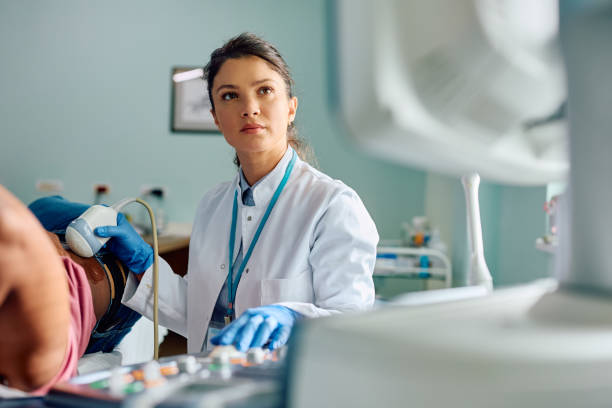
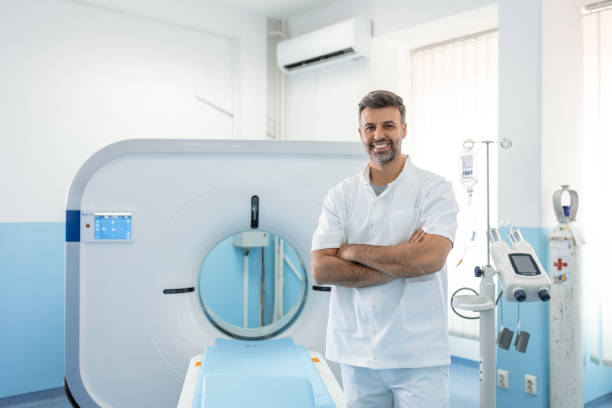
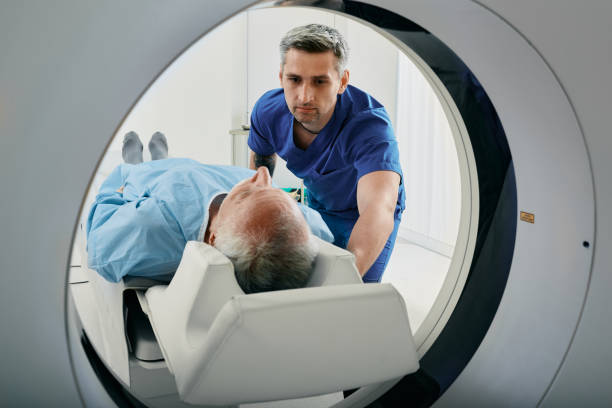
A Medical Equipment Technician, also known as a Biomedical Equipment Technician (BMET), is a specialized professional responsible for installing, maintaining, repairing, and calibrating medical equipment used in healthcare settings. They ensure that devices such as MRI machines, ventilators, and ultrasound systems function correctly to support patient diagnosis and treatment. Working in hospitals, clinics, diagnostic centers, and equipment manufacturing companies, Medical Equipment Technicians are essential for the safety and reliability of life-saving technology. This career falls under the Health Sciences career cluster, focusing on technical support for healthcare delivery.
Share :
✨ Radial Mind Map - Medical Equipment Technician
Nodes arranged in concentric circles

Loading radial mind map...

Overview

A Medical Equipment Technician, also known as a Biomedical Equipment Technician (BMET), is a specialized professional responsible for installing, maintaining, repairing, and calibrating medical equipment used in healthcare settings. They ensure that devices such as MRI machines, ventilators, and ultrasound systems function correctly to support patient diagnosis and treatment. Working in hospitals, clinics, diagnostic centers, and equipment manufacturing companies, Medical Equipment Technicians are essential for the safety and reliability of life-saving technology. This career falls under the Health Sciences career cluster, focusing on technical support for healthcare delivery.

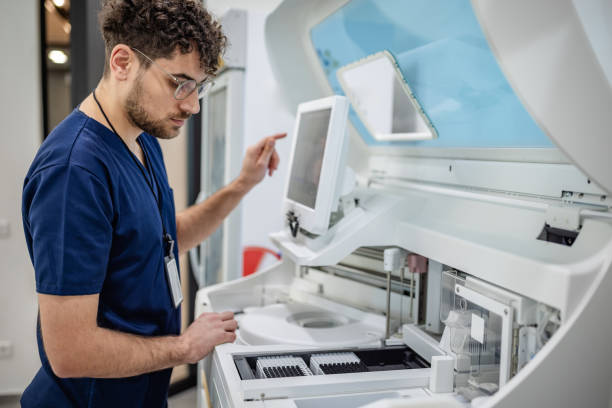
Medical Equipment Technicians troubleshoot and repair complex medical devices, perform routine maintenance to prevent malfunctions, and ensure equipment meets safety and performance standards. They collaborate with healthcare providers to address equipment issues promptly, minimizing downtime in critical care environments. Their role also includes training medical staff on proper equipment use and staying updated on technological advancements to handle cutting-edge devices. By maintaining the functionality of medical tools, these technicians directly contribute to accurate diagnoses, effective treatments, and overall patient safety in healthcare facilities.

Roles and Responsibilities

💼
Medical Equipment Technician
Roles and Responsibilities
Equipment Installation and Setup:
Install new medical equipment, ensuring proper setup and integration with hospital systems.
Test devices post-installation to confirm functionality and compliance with specifications.
Maintenance and Calibration:
Perform routine preventive maintenance on medical equipment to avoid breakdowns.
Calibrate devices like blood pressure monitors or imaging machines for accurate readings.
Repair and Troubleshooting:
Diagnose and repair malfunctions in medical equipment, replacing parts or adjusting settings as needed.
Respond to emergency repair requests to minimize disruptions in patient care.
Safety and Compliance:
Ensure equipment adheres to safety standards and regulatory guidelines (e.g., FDA, ISO, or Indian standards).
Conduct safety inspections and maintain records of maintenance and repairs for audits.
Training and Support:
Train healthcare staff on the correct operation and basic troubleshooting of medical devices.
Provide technical support to clinicians during equipment use or emergencies.
Inventory and Documentation:
Manage inventory of spare parts, tools, and equipment manuals for quick repairs.
Document maintenance schedules, repair logs, and equipment performance reports.
Collaboration with Manufacturers:
Communicate with equipment manufacturers for technical support, updates, or warranty claims.
Assist in evaluating new equipment for purchase based on technical specifications.
Technology Updates and Research:
Stay informed about advancements in medical technology to handle modern equipment.
Participate in testing or upgrading systems to improve functionality and efficiency.

Roles and Responsibilities:

  • Equipment Installation and Setup:
    • Install new medical equipment, ensuring proper setup and integration with hospital systems.
    • Test devices post-installation to confirm functionality and compliance with specifications.
  • Maintenance and Calibration:
    • Perform routine preventive maintenance on medical equipment to avoid breakdowns.
    • Calibrate devices like blood pressure monitors or imaging machines for accurate readings.
  • Repair and Troubleshooting:
    • Diagnose and repair malfunctions in medical equipment, replacing parts or adjusting settings as needed.
    • Respond to emergency repair requests to minimize disruptions in patient care.
  • Safety and Compliance:
    • Ensure equipment adheres to safety standards and regulatory guidelines (e.g., FDA, ISO, or Indian standards).
    • Conduct safety inspections and maintain records of maintenance and repairs for audits.
  • Training and Support:
    • Train healthcare staff on the correct operation and basic troubleshooting of medical devices.
    • Provide technical support to clinicians during equipment use or emergencies.
  • Inventory and Documentation:
    • Manage inventory of spare parts, tools, and equipment manuals for quick repairs.
    • Document maintenance schedules, repair logs, and equipment performance reports.
  • Collaboration with Manufacturers:
    • Communicate with equipment manufacturers for technical support, updates, or warranty claims.
    • Assist in evaluating new equipment for purchase based on technical specifications.
  • Technology Updates and Research:
    • Stay informed about advancements in medical technology to handle modern equipment.
    • Participate in testing or upgrading systems to improve functionality and efficiency.


Study Route & Eligibility Criteria

Study Route & Eligibility Criteria
Medical Equipment Technician
Route 1
🎓
1
10+2 with Physics, Chemistry, Mathematics/Biology
Route 2
🎓
1
10+2 with Physics, Chemistry, Mathematics/Biology
Route 3
🎓
1
10+2 with Physics, Chemistry, Mathematics/Biology
(International)
🎓
1
10+2 with Physics, Chemistry, Mathematics/Biology
🎯 Medical Equipment Technician - Professional

Internships & Practical Exposure

💼
Medical Equipment Technician
Internships & Practical Experience
1
Internships in hospitals or diagnostic centers to gain hands-on experience with medical equipment.
2
Practical training in repairing and maintaining devices like ventilators, X-ray machines, and monitors.
3
Participation in equipment installation projects to understand setup and integration processes.
4
Exposure to calibration and safety testing under the guidance of senior technicians.
5
Observerships with biomedical engineers to learn advanced troubleshooting techniques.
6
Involvement in inventory management of spare parts and tools during clinical rotations.
7
Training in regulatory compliance and documentation for equipment maintenance records.
8
Attendance at medical technology workshops or seminars for updates on device innovations.
9
Collaboration with equipment vendors for insights into manufacturer support and warranties.
10
Experience in training healthcare staff on equipment use during real-world assignments.

Courses & Specializations to Enter the Field

📚
Medical Equipment Technician
Courses & Specializations
📖
Diploma in Biomedical Engineering
📖
Bachelor’s Degree in Biomedical Engineering
📖
Certificate Course in Medical Equipment Technology
📖
Bachelor’s in Electronics Engineering with Medical Focus
📖
Certification in Biomedical Equipment Maintenance
📖
Training in Medical Imaging Equipment Repair
📖
Specialized Course in Critical Care Equipment Technology
📖
Certification in Equipment Safety and Compliance
📖
Training in Hospital Equipment Management Systems
📖
Continuing Education in Advanced Medical Device Technology

Prominent Employers

🏢
Medical Equipment Technician
🌟 Top Companies & Organizations
🇮🇳 India
🏛️
Apollo Hospitals
🏛️
Fortis Healthcare
🏛️
Max Healthcare
🏛️
Medanta - The Medicity
🏛️
Narayana Health
🏛️
Manipal Hospitals
🏛️
Sir Ganga Ram Hospital
🏛️
Kokilaben Dhirubhai Ambani Hospital
🏛️
Christian Medical College (CMC), Vellore
🏛️
All India Institute of Medical Sciences (AIIMS)
🌍 International
🌐
Mayo Clinic, USA
🌐
Johns Hopkins Hospital, USA
🌐
Cleveland Clinic, USA
🌐
GE Healthcare, USA
🌐
Siemens Healthineers, Germany/USA
🌐
Philips Healthcare, Netherlands/USA
🌐
Medtronic, USA
🌐
Stryker Corporation, USA
🌐
Fujifilm Medical Systems, Japan/USA
🌐
Canon Medical Systems, Japan/USA

Advice for Aspiring Medical Equipment Technicians

💡
Medical Equipment Technician
🌟 Tips for Students & Parents
1
Establish a solid foundation in electronics and biomedical principles through targeted education.
2
Gain hands-on experience via internships in hospitals to master equipment repair and maintenance.
3
Develop troubleshooting skills to address complex device issues under tight deadlines.
4
Pursue certifications like CBET to enhance technical credibility and career prospects.
5
Stay updated on medical technology advancements to handle cutting-edge devices effectively.
6
Cultivate precision and attention to detail to ensure equipment safety and accuracy.
7
Network with biomedical engineers and manufacturers for insights into emerging tools.
8
Enhance physical dexterity to manage intricate repairs and installations with ease.
9
Consider specializing in areas like imaging or critical care equipment for niche expertise.
10
Maintain a commitment to patient safety by prioritizing reliable equipment performance.
🎓 Final Message
Embarking on a journey as a Medical Equipment Technician provides a crucial opportunity to uphold the backbone of healthcare by ensuring the seamless operation of life-saving devices. These professionals stand as unsung heroes, safeguarding patient care through technical precision and innovation in medical technology. With diverse roles from hands-on repairs to strategic management across global healthcare landscapes, this field beckons those passionate about merging engineering with health impact. For individuals driven to support medical excellence through dependable equipment, this career offers a uniquely rewarding and forward-thinking professional path.
Knowledge & Skills You Will Learn
1
Growing integration of IoT in medical equipment, necessitating skills in networked device maintenance.
2
Global opportunities for skilled technicians with the rise of international healthcare networks.
Medical Equipment Technician

Medical Equipment Technician

A Medical Equipment Technician installs, maintains, and repairs medical devices in healthcare facilities, ensuring operational reliability for...

0.0LPA
Senior Medical Equipment Technician

Senior Medical Equipment Technician

A Senior Medical Equipment Technician handles complex repairs, mentors junior technicians, and oversees critical equipment maintenance in larger...

0.0LPA
Biomedical Equipment Supervisor

Biomedical Equipment Supervisor

A Biomedical Equipment Supervisor manages a team of technicians, coordinates maintenance schedules, and ensures compliance with safety standards....

0.0LPA

Interested in this career?

Take the next step and explore more about Medical Equipment Technician.