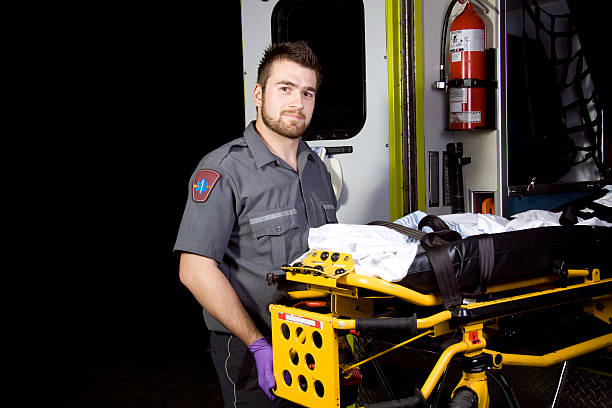
Medical Assistant

A Medical Assistant is a versatile healthcare professional who supports physicians, nurses, and other medical staff by performing clinical and administrative tasks in various healthcare settings. They assist with patient care, take vital signs, manage records, and ensure smooth operations in clinics, hospitals, and private practices. Medical Assistants are crucial in enhancing patient experiences and maintaining efficiency in medical environments. This career falls under the Health Sciences career cluster, focusing on direct patient support and healthcare administration.

Share :
Career tree mind map (horizontal) — Medical Assistant
Colored branches, hub circles, and underlined topics — same style as counselor course classic (types 18–19 in admin).
Loading mind map…

Medical Assistants play a dual role, handling both clinical duties such as preparing patients for examinations, drawing blood, and administering medications under supervision, as well as administrative tasks like scheduling appointments, maintaining medical records, and billing. They serve as a bridge between patients and healthcare providers, ensuring clear communication and efficient workflow. Their work directly impacts patient satisfaction and the quality of care delivered, making them indispensable in fast-paced medical settings. By balancing hands-on care with organizational responsibilities, Medical Assistants contribute significantly to the functionality of healthcare systems.

  • Patient Preparation and Support:
    • Prepare patients for examinations by taking vital signs like blood pressure, temperature, and pulse.
    • Assist during medical procedures by providing instruments and ensuring patient comfort.
  • Clinical Tasks:
    • Perform basic procedures such as drawing blood, collecting specimens, or administering injections under supervision.
    • Conduct simple diagnostic tests like ECGs or vision screenings as directed by physicians.
  • Administrative Duties:
    • Schedule patient appointments, manage calendars, and coordinate follow-up visits.
    • Maintain and update patient medical records with accuracy and confidentiality.
  • Billing and Coding:
    • Process insurance claims, handle billing inquiries, and code medical procedures for reimbursement.
    • Ensure compliance with healthcare regulations and documentation standards.
  • Patient Communication:
    • Relay instructions, test results, or medication information from doctors to patients.
    • Address patient queries and provide basic health education or appointment reminders.
  • Inventory and Equipment Management:
    • Sterilize medical instruments and ensure examination rooms are stocked with necessary supplies.
    • Monitor inventory levels and reorder medical or office supplies as needed.
  • Collaboration with Healthcare Team:
    • Work alongside physicians, nurses, and other staff to ensure seamless patient care delivery.
    • Assist in coordinating referrals or specialist consultations for patients.
  • Compliance and Safety:
    • Adhere to infection control protocols and maintain a clean, safe environment in clinical areas.
    • Follow legal and ethical guidelines related to patient privacy and healthcare practices.

RouteSteps
Route 11. 10+2 with any stream (Science preferred but not mandatory)
 2. Certificate or Diploma in Medical Assisting (6 months-1 year)
 3. On-the-job training or internship in a healthcare setting (3-6 months)
 4. Optional certification from recognized bodies (e.g., NHA or AMT in India context)
Route 21. 10+2 with any stream (Science preferred)
 2. Associate Degree or Bachelor’s in Medical Assisting or allied health (2-3 years)
 3. Practical training or internship in clinics or hospitals (3-6 months)
 4. Certification for enhanced employability (optional in India)
Route 31. 10+2 with any stream
 2. Vocational training program in Medical Assisting or Healthcare Assistance (6 months-1 year)
 3. Hands-on experience through internships or apprenticeships (3-6 months)
Route 4 (International)1. 10+2 with any stream (Science preferred)
 2. Diploma or Certificate in Medical Assisting from India (6 months-1 year)
 3. Pursue advanced certification or associate degree abroad (1-2 years)
 4. Internship or clinical training in international healthcare settings (3-6 months)
 5. Licensing or certification as per country requirements (e.g., CMA or RMA in the USA)

  • Short Training Period: Requires 6 months to 3 years of education, much quicker than many healthcare roles.
  • Dual Role Nature: Combines clinical and administrative responsibilities for a varied workday.
  • Patient Interaction: Involves direct contact with patients, enhancing interpersonal impact.
  • Entry-Level Accessibility: Offers a relatively low barrier to entry into the healthcare field.
  • Growing Demand: Increasing healthcare needs and aging populations boost job opportunities.
  • Flexible Settings: Opportunities in hospitals, clinics, outpatient centers, and specialty practices.
  • Supportive Role: Acts as a critical support to physicians, improving overall healthcare delivery.
  • Career Stepping Stone: Often serves as a gateway to advanced healthcare roles with further education.
  • Evolving Scope: Expanding responsibilities with advancements in healthcare technology and telemedicine.
  • Global Opportunities: Skills are transferable internationally, especially with certification.

  • Internships in hospitals or clinics to gain hands-on experience in patient care and administrative tasks.
  • Practical training in taking vital signs, assisting with minor procedures, and using medical equipment.
  • Exposure to medical record management and scheduling software during on-the-job training.
  • Participation in outpatient care settings to understand patient flow and clinical coordination.
  • Observerships with experienced medical assistants to learn best practices in patient interaction.
  • Involvement in multidisciplinary healthcare teams to support physicians and nurses in real-time.
  • Training in infection control and safety protocols in clinical environments.
  • Attendance at healthcare workshops or seminars for updates on medical assisting practices.
  • Collaboration with billing and coding teams to learn administrative healthcare processes.
  • Experience in patient communication and education under supervised clinical settings.

  • Certificate in Medical Assisting
  • Diploma in Medical Assisting
  • Associate Degree in Medical Assisting
  • Bachelor’s in Allied Health Sciences with Medical Assisting Focus
  • Certification in Phlebotomy for Clinical Skills
  • Training in Medical Billing and Coding
  • Specialized Courses in Electronic Health Records (EHR) Management
  • Certification in Basic Life Support (BLS) or CPR
  • Training in Clinical Procedures for Medical Assistants
  • Continuing Education in Healthcare Administration and Patient Care

InstituteCourse/ProgramOfficial Link
Apollo MedSkills, Multiple LocationsCertificate/Diploma in Medical Assistinghttps://www.apollomedskills.com/
Henry Harvin Education, Multiple LocationsMedical Assistant Certificationhttps://www.henryharvin.com/
Virohan Institute of Health and Management Sciences, Multiple LocationsDiploma in Medical Assistinghttps://virohan.com/
Manipal Academy of Higher Education, ManipalCertificate in Healthcare Assistinghttps://manipal.edu/
Symbiosis Institute of Health Sciences, PuneDiploma in Medical Assistinghttps://www.sihspune.org/
Fortis Healthcare Training Institute, Multiple LocationsCertificate in Medical Assistinghttps://www.fortishealthcare.com/
Max Institute of Health Education & Research, Multiple LocationsDiploma in Medical Assistinghttps://www.maxhealthcare.in/
Narayana Health Education, Multiple LocationsCertificate in Healthcare Supporthttps://www.narayanahealth.org/
Christian Medical College (CMC), VelloreCertificate in Medical Support Skillshttps://www.cmch-vellore.edu/
Medvarsity Online, HyderabadOnline Certificate in Medical Assistinghttps://www.medvarsity.com/

InstitutionCourseCountryOfficial Link
Penn Foster CollegeMedical Assistant DiplomaUSAhttps://www.pennfoster.edu/
Herzing UniversityDiploma/Associate in Medical AssistingUSAhttps://www.herzing.edu/
Durham CollegeMedical Office Administration CertificateCanadahttps://durhamcollege.ca/
TAFE QueenslandCertificate in Health Services AssistanceAustraliahttps://tafeqld.edu.au/
City & Guilds GroupDiploma in Medical AdministrationUKhttps://www.cityandguilds.com/
Rasmussen UniversityMedical Assisting Diploma/Associate DegreeUSAhttps://www.rasmussen.edu/
Southern New Hampshire UniversityAssociate in Medical Assisting (Online)USAhttps://www.snhu.edu/
Open CollegesCertificate in Health AdministrationAustraliahttps://www.opencolleges.edu.au/
Stenberg CollegeMedical Office Assistant DiplomaCanadahttps://www.stenbergcollege.com/
University of PhoenixCertificate in Medical Assisting (Online)USAhttps://www.phoenix.edu/

India:

  • No mandatory national-level entrance exams for most Medical Assistant programs; admission often based on 10+2 marks.
  • Institute-specific entrance tests or interviews for certain diploma or certificate courses (e.g., Apollo MedSkills or Virohan).
  • Basic aptitude or English proficiency tests may be required by some vocational training centers.

International:

  • No specific entrance exams for most Medical Assistant programs; admission often based on high school completion.
  • International English Language Testing System (IELTS) with a minimum score of 5.5-6.5 for non-native speakers in countries like Canada, UK, or Australia.
  • Test of English as a Foreign Language (TOEFL) with a minimum score of 80-90 for programs in the USA or Canada.
  • Country-specific certification exams for practicing as a Certified Medical Assistant (CMA) in the USA (via American Association of Medical Assistants - AAMA) or Registered Medical Assistant (RMA) via American Medical Technologists (AMT).
  • Basic skills assessments or placement tests may be required by some colleges for diploma or associate programs.
     

Medical Assistant → Senior Medical Assistant → Medical Office Supervisor → Medical Office Manager → Healthcare Administrator

  • Hospitals for supporting clinical and administrative tasks in various departments.
  • Private clinics and physician offices for direct patient care and office management.
  • Outpatient care centers for assisting with procedures and patient scheduling.
  • Urgent care facilities for handling high-volume patient interactions and emergencies.
  • Nursing homes and long-term care facilities for supporting elderly patient care logistics.
  • Specialty practices (e.g., dermatology, cardiology) for tailored clinical and administrative support.
  • Diagnostic laboratories for assisting with specimen collection and patient coordination.
  • Government health departments for administrative support in public health programs.
  • Medical billing and coding firms for focusing on healthcare documentation and reimbursement.
  • Telehealth services for remote patient coordination and administrative assistance.

IndiaInternational
Apollo HospitalsMayo Clinic, USA
Fortis HealthcareJohns Hopkins Hospital, USA
Max HealthcareCleveland Clinic, USA
Medanta - The MedicityMassachusetts General Hospital, USA
Narayana HealthKaiser Permanente, USA
Manipal HospitalsToronto General Hospital, Canada
Sir Ganga Ram HospitalRoyal Brompton Hospital, UK
Kokilaben Dhirubhai Ambani HospitalThe Alfred Hospital, Australia
Christian Medical College (CMC), VelloreSingapore General Hospital, Singapore
All India Institute of Medical Sciences (AIIMS)HCA Healthcare, USA

ProsCons
Quick entry into healthcare with minimal trainingHigh-stress environment due to fast-paced medical settings
Opportunity to work directly with patients and providersLimited autonomy as tasks are performed under supervision
Growing demand due to expanding healthcare needsPhysically demanding with long hours on feet and patient lifting
Versatile role combining clinical and administrative skillsLower pay compared to other healthcare professions like nursing
Potential stepping stone to advanced healthcare careersEmotional strain from dealing with ill or distressed patients

(Figures are approximate and based on latest available data as of 2026, subject to change.)

Career LevelIndia (₹ per annum)International (US$ per annum)
Medical Assistant (Entry-Level)2,00,000 - 4,00,000$30,000 - $40,000
Senior Medical Assistant4,00,000 - 6,00,000$40,000 - $50,000
Medical Office Supervisor6,00,000 - 9,00,000$50,000 - $65,000
Medical Office Manager9,00,000 - 15,00,000$65,000 - $85,000
Healthcare Administrator15,00,000 - 25,00,000$80,000 - $120,000

  • Electronic Health Records (EHR) Software for managing patient data and medical histories.
  • Medical Billing and Coding Software for processing insurance claims and reimbursements.
  • Appointment Scheduling Tools for organizing patient visits and follow-ups.
  • Telehealth Platforms for supporting virtual consultations and patient coordination.
  • Clinical Documentation Software for recording vital signs and procedure notes.
  • Inventory Management Systems for tracking medical supplies and equipment.
  • Patient Communication Tools for sending reminders and relaying information.
  • Diagnostic Software Interfaces for assisting with basic test result documentation.
  • Office Productivity Software (e.g., Microsoft Office) for administrative tasks and reporting.
  • Compliance and Safety Tracking Tools for ensuring adherence to healthcare regulations.

  • Indian Medical Association (IMA) - Allied Health Wing
  • Healthcare Federation of India (NATHEALTH)
  • American Association of Medical Assistants (AAMA)
  • American Medical Technologists (AMT)
  • National Healthcareer Association (NHA), USA
  • British Medical Association (BMA) - Support Staff Focus
  • Canadian Association of Medical Office Assistants (CAMOA)
  • Australian Health Practitioner Regulation Agency (AHPRA) - Support Roles
  • International Federation of Health Information Management Associations (IFHIMA)
  • World Health Organization (WHO) - Health Workforce Networks

  • Ms.Sunita Kapoor (India): A veteran medical assistant trainer at Apollo Hospitals, Delhi, since the 1990s, Ms. Kapoor has mentored hundreds of assistants, enhancing clinical support standards in India.
     
  • Mr. Anil Sharma (India): Based in Mumbai at Fortis Healthcare since the 2000s, Mr. Sharma has pioneered efficient medical office workflows, improving patient care coordination.
     
  • Ms.Priya Menon (India): Working at Max Healthcare, Bangalore, since the 2010s, Ms. Menon has focused on patient communication training for medical assistants across India.
     
  • Mr. Rajesh Kumar (India): A senior medical assistant at AIIMS, New Delhi, since the 1990s, Mr. Kumar has contributed to streamlining clinical operations in high-volume settings.
     
  • Ms.Neha Gupta (India): Based in Chennai at Narayana Health since the 2000s, Ms. Gupta has led initiatives for medical assistant skill development in southern India.
     
  • Ms. Cynthia Cherry (USA): A prominent figure in medical assisting since the 1980s, Ms. Cherry served as AAMA President and advocated for certification standards in the USA.
     
  • Mr. Donald A. Balasa (USA): CEO of the AAMA since the 2000s, Mr. Balasa has advanced the profession through legal advocacy and scope-of-practice expansions for medical assistants.
     
  • Ms. Linda Brown (Canada): A leader in medical office administration since the 1990s at Toronto General Hospital, Ms. Brown has shaped training programs for assistants in Canada.
     
  • Ms. Jane Wilson (UK): Working with the NHS since the 1980s, Ms. Wilson has focused on improving support staff roles, including medical assistants, in UK healthcare settings.
     
  • Mr. Michael Smith (Australia): Based at Royal Melbourne Hospital since the 2000s, Mr. Smith has driven initiatives for medical assistant integration in Australian outpatient care systems.
     

  • Build a solid foundation in basic medical knowledge and office skills during early training.
  • Gain practical experience through internships in diverse healthcare environments for real-world exposure.
  • Develop strong communication skills to interact effectively with patients and medical teams.
  • Pursue certifications like CMA or RMA to enhance credibility and job prospects.
  • Stay updated on healthcare technologies, especially EHR systems and telemedicine tools.
  • Cultivate empathy to provide compassionate support to patients in clinical settings.
  • Network with healthcare professionals to explore growth opportunities within medical facilities.
  • Sharpen organizational skills to manage the dual demands of clinical and administrative tasks.
  • Consider specializing in areas like phlebotomy or billing for niche expertise and advancement.
  • Maintain a commitment to lifelong learning to adapt to evolving healthcare practices and roles.

Embarking on a career as a Medical Assistant offers a unique gateway to impact healthcare by serving as a vital link between patients and providers through hands-on care and operational support. These professionals stand as pillars of efficiency, ensuring medical environments run smoothly while delivering compassionate service. With pathways spanning clinical assistance to administrative leadership and beyond, this field attracts those eager to dive into the heart of healthcare with minimal entry barriers. For anyone inspired to contribute to patient well-being and operational excellence, medical assisting presents a rewarding and dynamic professional journey.


Knowledge & Skills You Will Learn
1
Enhanced focus on patient-centered care, emphasizing communication skills for medical assistants.
2
Greater emphasis on certification for credibility and employability in competitive healthcare markets.
3
Shift toward multi-skilled roles, with medical assistants taking on broader clinical and administrative tasks.
Medical Assistant

Medical Assistant

A Medical Assistant performs clinical tasks like taking vital signs and administrative duties such as scheduling appointments in clinics or...

0.0LPA

Senior Medical Assistant

Senior Medical Assistant

A Senior Medical Assistant takes on more complex clinical tasks, mentors newer assistants, and often oversees daily operations in a medical office...

0.0LPA

Medical Office Supervisor

Medical Office Supervisor

A Medical Office Supervisor manages a team of medical assistants, coordinates workflow, and ensures compliance with healthcare protocols in a...

0.0LPA

Interested in this career?

Take the next step and explore more about Medical Assistant.