Medical Assistant

A Medical Assistant is a versatile healthcare professional who supports physicians, nurses, and other medical staff by performing clinical and administrative tasks in various healthcare settings. They assist with patient care, take vital signs, manage records, and ensure smooth operations in clinics, hospitals, and private practices. Medical Assistants are crucial in enhancing patient experiences and maintaining efficiency in medical environments. This career falls under the Health Sciences career cluster, focusing on direct patient support and healthcare administration.

Share :
✨ Radial Mind Map - Medical Assistant
Nodes arranged in concentric circles

Loading radial mind map...

Overview

A Medical Assistant is a versatile healthcare professional who supports physicians, nurses, and other medical staff by performing clinical and administrative tasks in various healthcare settings. They assist with patient care, take vital signs, manage records, and ensure smooth operations in clinics, hospitals, and private practices. Medical Assistants are crucial in enhancing patient experiences and maintaining efficiency in medical environments. This career falls under the Health Sciences career cluster, focusing on direct patient support and healthcare administration.

Medical Assistants play a dual role, handling both clinical duties such as preparing patients for examinations, drawing blood, and administering medications under supervision, as well as administrative tasks like scheduling appointments, maintaining medical records, and billing. They serve as a bridge between patients and healthcare providers, ensuring clear communication and efficient workflow. Their work directly impacts patient satisfaction and the quality of care delivered, making them indispensable in fast-paced medical settings. By balancing hands-on care with organizational responsibilities, Medical Assistants contribute significantly to the functionality of healthcare systems.


Roles and Responsibilities

💼
Medical Assistant
Roles and Responsibilities
Patient Preparation and Support:
Prepare patients for examinations by taking vital signs like blood pressure, temperature, and pulse.
Assist during medical procedures by providing instruments and ensuring patient comfort.
Clinical Tasks:
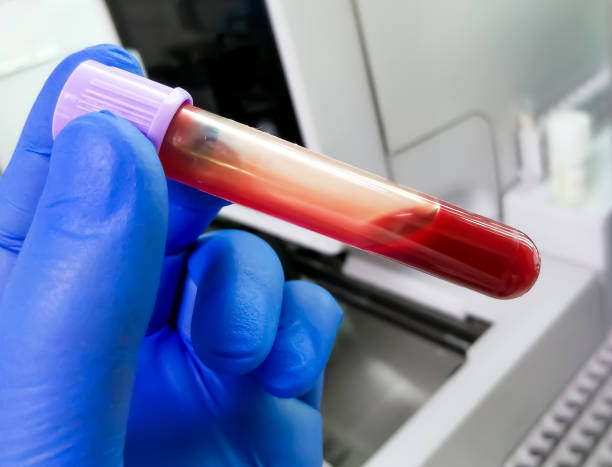
Perform basic procedures such as drawing blood, collecting specimens, or administering injections under supervision.
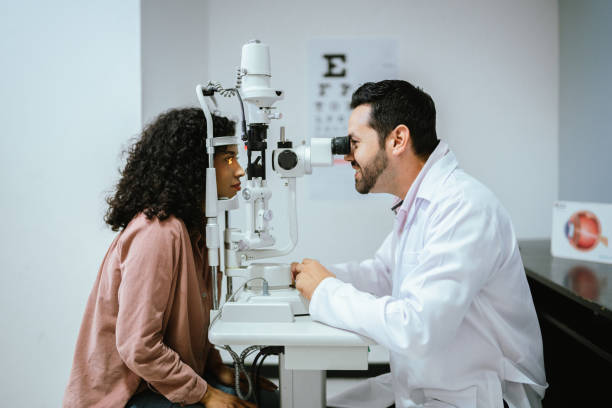
Conduct simple diagnostic tests like ECGs or vision screenings as directed by physicians.
Administrative Duties:
Schedule patient appointments, manage calendars, and coordinate follow-up visits.
Maintain and update patient medical records with accuracy and confidentiality.
Billing and Coding:
Process insurance claims, handle billing inquiries, and code medical procedures for reimbursement.
Ensure compliance with healthcare regulations and documentation standards.
Patient Communication:
Relay instructions, test results, or medication information from doctors to patients.
Address patient queries and provide basic health education or appointment reminders.
Inventory and Equipment Management:
Sterilize medical instruments and ensure examination rooms are stocked with necessary supplies.
Monitor inventory levels and reorder medical or office supplies as needed.
Collaboration with Healthcare Team:
Work alongside physicians, nurses, and other staff to ensure seamless patient care delivery.
Assist in coordinating referrals or specialist consultations for patients.
Compliance and Safety:
Adhere to infection control protocols and maintain a clean, safe environment in clinical areas.
Follow legal and ethical guidelines related to patient privacy and healthcare practices.

Roles and Responsibilities:

  • Patient Preparation and Support:
    • Prepare patients for examinations by taking vital signs like blood pressure, temperature, and pulse.
    • Assist during medical procedures by providing instruments and ensuring patient comfort.
  • Clinical Tasks:
    • Perform basic procedures such as drawing blood, collecting specimens, or administering injections under supervision.
    • Conduct simple diagnostic tests like ECGs or vision screenings as directed by physicians.
  • Administrative Duties:
    • Schedule patient appointments, manage calendars, and coordinate follow-up visits.
    • Maintain and update patient medical records with accuracy and confidentiality.
  • Billing and Coding:
    • Process insurance claims, handle billing inquiries, and code medical procedures for reimbursement.
    • Ensure compliance with healthcare regulations and documentation standards.
  • Patient Communication:
    • Relay instructions, test results, or medication information from doctors to patients.
    • Address patient queries and provide basic health education or appointment reminders.
  • Inventory and Equipment Management:
    • Sterilize medical instruments and ensure examination rooms are stocked with necessary supplies.
    • Monitor inventory levels and reorder medical or office supplies as needed.
  • Collaboration with Healthcare Team:
    • Work alongside physicians, nurses, and other staff to ensure seamless patient care delivery.
    • Assist in coordinating referrals or specialist consultations for patients.
  • Compliance and Safety:
    • Adhere to infection control protocols and maintain a clean, safe environment in clinical areas.
    • Follow legal and ethical guidelines related to patient privacy and healthcare practices.


Study Route & Eligibility Criteria

Study Route & Eligibility Criteria
Medical Assistant
Route 1
🎓
1
10+2 with any stream
Route 2
🎓
1
10+2 with any stream
Route 3
🎓
1
10+2 with any stream
(International)
🎓
1
10+2 with any stream
🎯 Medical Assistant - Professional

Internships & Practical Exposure

💼
Medical Assistant
Internships & Practical Experience
1
Internships in hospitals or clinics to gain hands-on experience in patient care and administrative tasks.
2
Practical training in taking vital signs, assisting with minor procedures, and using medical equipment.
3
Exposure to medical record management and scheduling software during on-the-job training.
4
Participation in outpatient care settings to understand patient flow and clinical coordination.
5
Observerships with experienced medical assistants to learn best practices in patient interaction.
6
Involvement in multidisciplinary healthcare teams to support physicians and nurses in real-time.
7
Training in infection control and safety protocols in clinical environments.
8
Attendance at healthcare workshops or seminars for updates on medical assisting practices.
9
Collaboration with billing and coding teams to learn administrative healthcare processes.
10
Experience in patient communication and education under supervised clinical settings.

Courses & Specializations to Enter the Field

📚
Medical Assistant
Courses & Specializations
📖
Certificate in Medical Assisting
📖
Diploma in Medical Assisting
📖
Associate Degree in Medical Assisting
📖
Bachelor’s in Allied Health Sciences with Medical Assisting Focus
📖
Certification in Phlebotomy for Clinical Skills
📖
Training in Medical Billing and Coding
📖
Specialized Courses in Electronic Health Records (EHR) Management
📖
Certification in Basic Life Support (BLS) or CPR
📖
Training in Clinical Procedures for Medical Assistants
📖
Continuing Education in Healthcare Administration and Patient Care

Prominent Employers

🏢
Medical Assistant
🌟 Top Companies & Organizations
🇮🇳 India
🏛️
Apollo Hospitals
🏛️
Fortis Healthcare
🏛️
Max Healthcare
🏛️
Medanta - The Medicity
🏛️
Narayana Health
🏛️
Manipal Hospitals
🏛️
Sir Ganga Ram Hospital
🏛️
Kokilaben Dhirubhai Ambani Hospital
🏛️
Christian Medical College (CMC), Vellore
🏛️
All India Institute of Medical Sciences (AIIMS)
🌍 International
🌐
Mayo Clinic, USA
🌐
Johns Hopkins Hospital, USA
🌐
Cleveland Clinic, USA
🌐
Massachusetts General Hospital, USA
🌐
Kaiser Permanente, USA
🌐
Toronto General Hospital, Canada
🌐
Royal Brompton Hospital, UK
🌐
The Alfred Hospital, Australia
🌐
Singapore General Hospital, Singapore
🌐
HCA Healthcare, USA

Advice for Aspiring Medical Assistants

💡
Medical Assistant
🌟 Tips for Students & Parents
1
Build a solid foundation in basic medical knowledge and office skills during early training.
2
Gain practical experience through internships in diverse healthcare environments for real-world exposure.
3
Develop strong communication skills to interact effectively with patients and medical teams.
4
Pursue certifications like CMA or RMA to enhance credibility and job prospects.
5
Stay updated on healthcare technologies, especially EHR systems and telemedicine tools.
6
Cultivate empathy to provide compassionate support to patients in clinical settings.
7
Network with healthcare professionals to explore growth opportunities within medical facilities.
8
Sharpen organizational skills to manage the dual demands of clinical and administrative tasks.
9
Consider specializing in areas like phlebotomy or billing for niche expertise and advancement.
10
Maintain a commitment to lifelong learning to adapt to evolving healthcare practices and roles.
🎓 Final Message
Embarking on a career as a Medical Assistant offers a unique gateway to impact healthcare by serving as a vital link between patients and providers through hands-on care and operational support. These professionals stand as pillars of efficiency, ensuring medical environments run smoothly while delivering compassionate service. With pathways spanning clinical assistance to administrative leadership and beyond, this field attracts those eager to dive into the heart of healthcare with minimal entry barriers. For anyone inspired to contribute to patient well-being and operational excellence, medical assisting presents a rewarding and dynamic professional journey.
Knowledge & Skills You Will Learn
1
Enhanced focus on patient-centered care, emphasizing communication skills for medical assistants.
2
Greater emphasis on certification for credibility and employability in competitive healthcare markets.
3
Shift toward multi-skilled roles, with medical assistants taking on broader clinical and administrative tasks.
Medical Assistant

Medical Assistant

A Medical Assistant performs clinical tasks like taking vital signs and administrative duties such as scheduling appointments in clinics or...

0.0LPA

Senior Medical Assistant

Senior Medical Assistant

A Senior Medical Assistant takes on more complex clinical tasks, mentors newer assistants, and often oversees daily operations in a medical office...

0.0LPA

Medical Office Supervisor

Medical Office Supervisor

A Medical Office Supervisor manages a team of medical assistants, coordinates workflow, and ensures compliance with healthcare protocols in a...

0.0LPA

Interested in this career?

Take the next step and explore more about Medical Assistant.