
Interpreter & Translator

Summary

An Interpreter & Translator is a professional who facilitates communication across languages by converting spoken or written content from one language to another, with the aim of ensuring accurate and culturally appropriate exchange of information.

Share :
✨ Radial Mind Map - Interpreter & Translator
Nodes arranged in concentric circles

Loading radial mind map...

Overview

An Interpreter & Translator is a professional who facilitates communication across languages by converting spoken or written content from one language to another, with the aim of ensuring accurate and culturally appropriate exchange of information. They work in diverse settings such as government agencies, international organizations, businesses, healthcare, legal systems, or as freelancers, collaborating with diplomats, clients, patients, and legal professionals. Interpreters and Translators play a crucial role in bridging linguistic and cultural gaps, enabling global communication and understanding in a sector focused on language proficiency, cultural sensitivity, and precision.
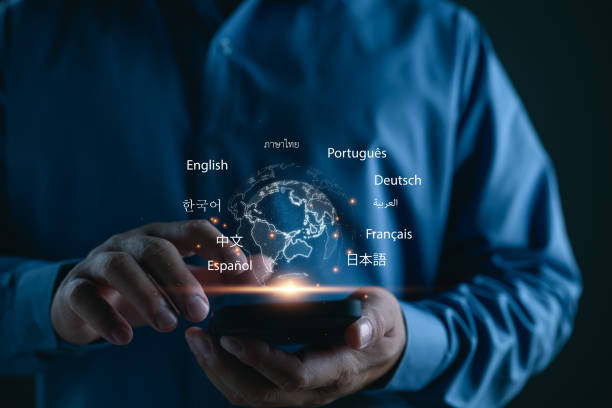
Interpreters and Translators are skilled linguists who render spoken or written messages accurately between languages, often working in high-pressure environments like conferences, courtrooms, or medical facilities. Their role involves interpreting speech in real-time (for interpreters) or translating written texts (for translators), ensuring clarity and cultural nuance, frequently under tight deadlines or during critical situations. They combine expertise in multiple languages, cultural knowledge, and specialized terminology to address challenges like idiomatic expressions, technical jargon, and ethical dilemmas. As key contributors to cross-cultural communication, they help shape diplomacy, business, and social inclusion in an industry increasingly driven by globalization, digital tools, and multilingual demands.

Roles and Responsibilities

💼
Interpreter & Translator
Roles and Responsibilities
Simultaneous and Consecutive Interpretation
Provide real-time interpretation during conferences, meetings, or events (simultaneous).
Interpret spoken content after the speaker pauses during interviews or legal proceedings (consecutive).
Written Translation
Translate documents, contracts, books, or websites while maintaining original meaning and tone.
Ensure accuracy in technical, legal, or medical terminology for specialized texts.
Cultural Mediation
Adapt content to reflect cultural nuances and avoid misunderstandings.
Act as a cultural liaison to facilitate smooth communication between parties.
Liaison and Escort Interpretation
Assist in informal settings or small group interactions by interpreting conversations.
Accompany clients or delegations during travel to provide language support.
Localization and Adaptation
Modify content for specific markets, such as software, advertisements, or media, to suit local languages and cultures.
Ensure translated materials resonate with target audiences.
Confidentiality and Ethics
Maintain strict confidentiality of sensitive information in legal, medical, or diplomatic settings.
Adhere to ethical standards by avoiding bias or personal opinions in translations.
Specialized Interpretation
Provide services in niche areas like sign language interpretation for the deaf or hard of hearing.
Work in high-stakes environments like emergency response or international negotiations.
Quality Control and Editing
Review translations for accuracy, grammar, and style before final delivery.
Collaborate with other linguists to ensure consistency in large projects.
Language Foundation:
Proficiency in at least two languages, including grammar and idiomatic usage, is essential for effective communication.
Practical Skills:
Hands-on training in interpretation techniques and translation software develops core competencies.
Specialized Training:
Certifications in medical, legal, or conference interpretation offer niche expertise.
Technology Proficiency:
Familiarity with Computer-Assisted Translation (CAT) tools and virtual interpretation platforms is vital for modern roles.
Interdisciplinary Knowledge:
Understanding cultural studies, law, or medicine improves translation accuracy in specialized fields.
Certification Importance:
Some roles may require certifications in interpretation or translation for credibility.
Continuing Education:
Regular workshops on language trends and technology are necessary to stay updated.
Global Standards:
Familiarity with international language service standards enhances opportunities for global roles.
Attention to Detail:
Precision in language and context is critical for accurate translations.
Entrance Examination Success:
Certain programs may require entrance tests for admission to language or translation courses.
International Testing Requirements:
For global opportunities, language proficiency tests like IELTS, TOEFL, or specific language exams may be needed.
Digital Translation Growth:
Increasing use of AI and machine translation tools for efficiency.
Rising Demand:
Growing need for interpreters/translators skilled in rare languages and localization.
Remote Interpretation:
Enhanced focus on virtual platforms for interpretation due to global connectivity.
Cultural Sensitivity Focus:
Emergence of demand for culturally nuanced translations in media and marketing.
Specialized Fields:
Adoption of expertise in medical, legal, and technical translation for niche markets.
Global Business Expansion:
Development of language services for international trade and e-commerce.
Sign Language Inclusion:
Use of interpreters for accessibility in education and public services.
Skill Development Needs:
Growing necessity for training in CAT tools and virtual interpretation software.
Accessibility Focus:
Increased efforts to provide translation for diverse and underserved communities.
Hybrid Language Services:
Blending human expertise with AI for faster and scalable translation solutions.
Hari Shankar Parsai (Literary Translation, India):
Renowned Hindi satirist and translator, known for cultural adaptation. His works bridge linguistic divides. His impact enriches Indian literature.
Premchand (Literary Translation, India):
Celebrated author and translator of European works into Hindi. His translations popularized global stories. His contributions shape literary exchange.
A.K. Ramanujan (Literary Translation, India):
Known for translating ancient Tamil and Kannada poetry into English. His works preserve cultural heritage. His impact influences global understanding.
GayatriChakravortySpivak (Literary Translation, India/USA):
Translator of Derrida’s works and postcolonial theorist. Her translations redefine philosophy. Her contributions elevate academic discourse.
Edward Fitzgerald (Literary Translation, UK):
Translator of "Rubaiyat of Omar Khayyam," blending Persian poetry with English style. His work popularized Eastern literature. His impact shapes cross-cultural poetry.
Constance Garnett (Literary Translation, UK):
Known for translating Russian classics like Tolstoy and Dostoevsky into English. Her efforts introduced Russian literature globally. Her contributions influence literary history.
Gregory Rabassa (Literary Translation, USA):
Translator of Latin American literature, including Gabriel García Márquez’s works. His translations popularized magical realism. His impact drives global readership.
Louise and Aylmer Maude (Literary Translation, UK):
Translators of Tolstoy’s major works into English. Their dedication preserved Russian narratives. Their contributions enrich world literature.
Eugene Nida (Translation Theory, USA):
Pioneer of dynamic equivalence in translation theory. His frameworks guide modern translators. His impact shapes translation studies.
Lori Chamberlain (Translation Theory, USA):
Known for feminist approaches to translation studies. Her theories challenge gender biases in language. Her contributions influence academic translation.

Roles and Responsibilities

  • Simultaneous and Consecutive Interpretation
    • Provide real-time interpretation during conferences, meetings, or events (simultaneous).
    • Interpret spoken content after the speaker pauses during interviews or legal proceedings (consecutive).
  • Written Translation
    • Translate documents, contracts, books, or websites while maintaining original meaning and tone.
    • Ensure accuracy in technical, legal, or medical terminology for specialized texts.
  • Cultural Mediation
    • Adapt content to reflect cultural nuances and avoid misunderstandings.
    • Act as a cultural liaison to facilitate smooth communication between parties.
  • Liaison and Escort Interpretation
    • Assist in informal settings or small group interactions by interpreting conversations.
    • Accompany clients or delegations during travel to provide language support.
  • Localization and Adaptation
    • Modify content for specific markets, such as software, advertisements, or media, to suit local languages and cultures.
    • Ensure translated materials resonate with target audiences.
  • Confidentiality and Ethics
    • Maintain strict confidentiality of sensitive information in legal, medical, or diplomatic settings.
    • Adhere to ethical standards by avoiding bias or personal opinions in translations.
  • Specialized Interpretation
    • Provide services in niche areas like sign language interpretation for the deaf or hard of hearing.
    • Work in high-stakes environments like emergency response or international negotiations.
  • Quality Control and Editing
    • Review translations for accuracy, grammar, and style before final delivery.
    • Collaborate with other linguists to ensure consistency in large projects.


Study Route & Eligibility Criteria

RouteSteps
Route 11. 10+2 in any stream (preferably with languages or humanities)
 2. Bachelor’s degree in Foreign Languages, Translation Studies, or Linguistics (3-4 years)
 3. Internship or assistant role in translation/interpretation (3-6 months)
 4. Practice as Junior Interpreter/Translator
Route 21. 10+2 in any stream
 2. Bachelor’s degree in Languages or related field (3-4 years)
 3. Master’s degree in Translation, Interpretation, or Linguistics (1-2 years)
 4. Work as Interpreter/Translator
Route 31. 10+2 in any stream
 2. Bachelor’s degree in Foreign Languages or Linguistics (3-4 years)
 3. Master’s degree in Translation Studies or Interpretation (1-2 years)
 4. Ph.D. in Linguistics or Translation Studies (3-5 years)
 5. Practice as Senior Interpreter/Translator or Academician
Route 41. 10+2 in any stream
 2. Short-term certification or diploma in Translation/Interpretation (6-12 months)
 3. Internship or entry-level role in language services
 4. Practice as Interpreter/Translator domestically or internationally


Significant Observations (Academic Related Points)

  • Language Foundation: Proficiency in at least two languages, including grammar and idiomatic usage, is essential for effective communication.
  • Practical Skills: Hands-on training in interpretation techniques and translation software develops core competencies.
  • Specialized Training: Certifications in medical, legal, or conference interpretation offer niche expertise.
  • Technology Proficiency: Familiarity with Computer-Assisted Translation (CAT) tools and virtual interpretation platforms is vital for modern roles.
  • Interdisciplinary Knowledge: Understanding cultural studies, law, or medicine improves translation accuracy in specialized fields.
  • Certification Importance: Some roles may require certifications in interpretation or translation for credibility.
  • Continuing Education: Regular workshops on language trends and technology are necessary to stay updated.
  • Global Standards: Familiarity with international language service standards enhances opportunities for global roles.
  • Attention to Detail: Precision in language and context is critical for accurate translations.
  • Entrance Examination Success: Certain programs may require entrance tests for admission to language or translation courses.
  • International Testing Requirements: For global opportunities, language proficiency tests like IELTS, TOEFL, or specific language exams may be needed.


Internships & Practical Exposure

  • Mandatory internships during degree programs in language service agencies or international organizations for real-world experience.
  • Rotations in interpretation departments for hands-on experience with live events or client interactions.
  • Internships under senior interpreters/translators for exposure to high-pressure translation challenges.
  • Observerships in legal or medical settings for experience in specialized interpretation.
  • Participation in mock interpretation projects for practical skill development in simultaneous translation.
  • Training in translation software through real-world document localization projects.
  • Exposure to virtual interpretation platforms and CAT tools during internships.
  • Volunteer roles in community translation or interpretation during training to build a portfolio.
  • Community engagement initiatives for translating local materials or assisting non-native speakers.
  • International language service attachments for global exposure to diverse linguistic practices.


Courses & Specializations to Enter the Field

  • Certificate in Translation and Interpretation.
  • Bachelor’s in Foreign Languages, Linguistics, or Translation Studies.
  • Master’s in Translation, Interpretation, or Applied Linguistics.
  • Ph.D. in Linguistics or Translation Studies.
  • Specialization in Conference Interpretation.
  • Certification in Medical Interpretation.
  • Workshops on Legal Translation.
  • Training in Sign Language Interpretation.
  • Specialization in Literary Translation.
  • Certification in Localization and Technical Translation.


Top Institutes for Interpreter & Translator Education (India)

InstituteCourse/ProgramOfficial Link
University of Delhi, DelhiBA/MA in Foreign Languageshttps://www.du.ac.in/
Jawaharlal Nehru University (JNU), New DelhiMA/Ph.D. in Languages & Translationhttps://www.jnu.ac.in/
Banaras Hindu University (BHU), VaranasiBA/MA in Foreign Languageshttps://www.bhu.ac.in/
University of Mumbai, MumbaiBA/MA in Languageshttps://mu.ac.in/
University of Calcutta, KolkataBA/MA in Languageshttps://www.caluniv.ac.in/
English and Foreign Languages University (EFLU), HyderabadBA/MA in Translation Studieshttps://www.efluniversity.ac.in/
Jamia Millia Islamia, New DelhiBA/MA in Languageshttps://www.jmi.ac.in/
IGNOU (Indira Gandhi National Open University), New DelhiCertificate/Diploma in Translationhttp://www.ignou.ac.in/
Symbiosis International University, PuneCertificate in Foreign Languageshttps://www.siu.edu.in/
Aligarh Muslim University (AMU), AligarhBA/MA in Languageshttps://www.amu.ac.in/


Top International Institutes

InstitutionCourseCountryOfficial Link
Middlebury Institute of International Studies at MontereyMA in Translation & InterpretationUSAhttps://www.middlebury.edu/institute/
University of GenevaMA in Translation & InterpretationSwitzerlandhttps://www.unige.ch/
University of BathMA in Interpreting & TranslatingUKhttps://www.bath.ac.uk/
University of OttawaMA in Translation StudiesCanadahttps://www.uottawa.ca/
University of New South Wales (UNSW)Master of Interpreting & TranslationAustraliahttps://www.unsw.edu.au/
Sorbonne Nouvelle UniversityMaster in Translation & InterpretationFrancehttps://www.univ-paris3.fr/
University of WestminsterMA in Translation & InterpretingUKhttps://www.westminster.ac.uk/
University of ViennaMA in Translation StudiesAustriahttps://www.univie.ac.at/
Beijing Foreign Studies UniversityMA in Translation & InterpretationChinahttp://en.bfsu.edu.cn/
University of AucklandMaster of Translation StudiesNew Zealandhttps://www.auckland.ac.nz/


Entrance Tests Required

India:

  • DUET (Delhi University Entrance Test): For admission to postgraduate programs at University of Delhi.
  • JNU Entrance Exam (JNUEE): For admission to MA programs at Jawaharlal Nehru University.
  • BHU PET (Postgraduate Entrance Test): For admission to MA programs at Banaras Hindu University.
  • EFLU Entrance Exam: For admission to programs at English and Foreign Languages University.
  • University-Specific Tests: Many institutes like Symbiosis and AMU conduct their own entrance exams.


International:

  • SAT (Scholastic Assessment Test): Required for undergraduate admissions in countries like the USA.
  • GRE (Graduate Record Examination): Required for postgraduate programs in translation studies in countries like the USA and Canada.
  • TOEFL (Test of English as a Foreign Language): Minimum score of 80-100 required for non-native speakers applying to programs in English-speaking countries.
  • IELTS (International English Language Testing System): Minimum score of 6.0-7.0 required for admission to universities in the UK, Australia, and other English-speaking regions.
  • PTE Academic (Pearson Test of English Academic): Accepted by many international institutes as an alternative to TOEFL or IELTS for English proficiency.


Ideal Progressing Career Path 

Trainee → Junior Interpreter/Translator → Interpreter/Translator → Senior Interpreter/Translator → Localization Specialist → Conference Interpreter → Language Consultant → Academician/Trainer


Major Areas of Employment

  • International organizations like the UN or EU for diplomatic interpretation and translation.
  • Government agencies for official document translation and public service interpretation.
  • Legal systems for court proceedings and contract translations.
  • Healthcare sectors for medical interpretation and patient communication.
  • Business and corporate sectors for international trade and marketing localization.
  • Media and publishing for translating books, films, and subtitles.
  • Education and academia for teaching languages or conducting linguistic research.
  • Tourism and hospitality for guiding and assisting international travelers.
  • Technology firms for software and website localization.
  • Freelance services for diverse projects across industries.


Prominent Employers

IndiaInternational
Ministry of External Affairs, IndiaUnited Nations (UN)
Indian Council for Cultural Relations (ICCR)European Union (EU)
All India Radio (AIR)World Health Organization (WHO)
DoordarshanInternational Monetary Fund (IMF)
National Translation Mission (NTM)Google Translate Team
Language Service Providers (e.g., Crystal Hues)Lionbridge Technologies
Embassies and Consulates in IndiaUNESCO
Indian Railways (for multilingual services)Netflix (for subtitles and dubbing)
IT Companies (e.g., TCS, Infosys for localization)Amazon (for global content)
Educational Institutions like EFLUBBC (for multilingual broadcasts)


Pros and Cons of the Profession

ProsCons
Opportunity to bridge linguistic and cultural gaps globallyOften requires intense focus and quick thinking, especially in interpretation
High intellectual satisfaction in mastering multiple languagesLimited job openings in high-profile international roles, leading to competition
Rewarding impact on diplomacy, healthcare, and education through communicationCan involve high stress during simultaneous interpretation or tight deadlines
Diverse career paths across government, corporate, and freelance sectorsRisk of mental fatigue due to constant language switching and precision demands
Strong potential for growth with increasing globalization and digital translation toolsLimited public recognition compared to other communication or creative roles


Industry Trends and Future Outlook

  • Digital Translation Growth: Increasing use of AI and machine translation tools for efficiency.
  • Rising Demand: Growing need for interpreters/translators skilled in rare languages and localization.
  • Remote Interpretation: Enhanced focus on virtual platforms for interpretation due to global connectivity.
  • Cultural Sensitivity Focus: Emergence of demand for culturally nuanced translations in media and marketing.
  • Specialized Fields: Adoption of expertise in medical, legal, and technical translation for niche markets.
  • Global Business Expansion: Development of language services for international trade and e-commerce.
  • Sign Language Inclusion: Use of interpreters for accessibility in education and public services.
  • Skill Development Needs: Growing necessity for training in CAT tools and virtual interpretation software.
  • Accessibility Focus: Increased efforts to provide translation for diverse and underserved communities.
  • Hybrid Language Services: Blending human expertise with AI for faster and scalable translation solutions.


Salary Expectations

Career LevelIndia (₹ per annum)International (USD per annum)
Trainee/Junior Interpreter/Translator (Early Career)2,00,000 - 4,00,00025,000 - 40,000
Interpreter/Translator (Mid-Career)4,00,000 - 8,00,00040,000 - 60,000
Senior Interpreter/Translator8,00,000 - 12,00,00060,000 - 85,000
Conference Interpreter/Language Consultant12,00,000 - 18,00,00085,000 - 120,000
Academician/Trainer10,00,000+70,000+
Note: Salaries may vary based on location, employer, experience, and specialization.  


Key Software Tools

  • Computer-Assisted Translation (CAT) Tools (e.g., SDL Trados, MemoQ) for efficient translation.
  • Machine Translation Platforms (e.g., Google Translate, DeepL) for initial drafts or reference.
  • Virtual Interpretation Platforms (e.g., Zoom, Interprefy) for remote simultaneous interpretation.
  • Terminology Management Software (e.g., MultiTerm) for maintaining glossaries.
  • Subtitling Software (e.g., Aegisub, Subtitle Edit) for media translation.
  • Voice Recognition Tools (e.g., Dragon NaturallySpeaking) for transcription and interpretation support.
  • Project Management Software (e.g., Trello, Asana) for coordinating translation projects.
  • Localization Tools (e.g., Crowdin, Lokalise) for adapting content to specific markets.
  • Collaboration Tools (e.g., Slack, Microsoft Teams) for team communication.
  • Document Management Systems (e.g., Google Docs) for sharing and editing translations.


Professional Organizations and Networks

  • Indian Translators Association (ITA).
  • American Translators Association (ATA), USA.
  • International Association of Conference Interpreters (AIIC).
  • Chartered Institute of Linguists (CIOL), UK.
  • International Federation of Translators (FIT).
  • Association of Translation Companies (ATC), UK.
  • National Association of Judiciary Interpreters and Translators (NAJIT), USA.
  • European Language Industry Association (ELIA).
  • Translators Without Borders (TWB).
  • Asia-Pacific Association for Machine Translation (AAMT).


Notable Interpreters & Translators and Industry Leaders (Top 10)

  • Hari Shankar Parsai (Literary Translation, India): Renowned Hindi satirist and translator, known for cultural adaptation. His works bridge linguistic divides. His impact enriches Indian literature.
     
  • Premchand (Literary Translation, India): Celebrated author and translator of European works into Hindi. His translations popularized global stories. His contributions shape literary exchange.
     
  • A.K. Ramanujan (Literary Translation, India): Known for translating ancient Tamil and Kannada poetry into English. His works preserve cultural heritage. His impact influences global understanding.
     
  • GayatriChakravortySpivak (Literary Translation, India/USA): Translator of Derrida’s works and postcolonial theorist. Her translations redefine philosophy. Her contributions elevate academic discourse.
     
  • Edward Fitzgerald (Literary Translation, UK): Translator of "Rubaiyat of Omar Khayyam," blending Persian poetry with English style. His work popularized Eastern literature. His impact shapes cross-cultural poetry.
     
  • Constance Garnett (Literary Translation, UK): Known for translating Russian classics like Tolstoy and Dostoevsky into English. Her efforts introduced Russian literature globally. Her contributions influence literary history.
     
  • Gregory Rabassa (Literary Translation, USA): Translator of Latin American literature, including Gabriel García Márquez’s works. His translations popularized magical realism. His impact drives global readership.
     
  • Louise and Aylmer Maude (Literary Translation, UK): Translators of Tolstoy’s major works into English. Their dedication preserved Russian narratives. Their contributions enrich world literature.
     
  • Eugene Nida (Translation Theory, USA): Pioneer of dynamic equivalence in translation theory. His frameworks guide modern translators. His impact shapes translation studies.
     
  • Lori Chamberlain (Translation Theory, USA): Known for feminist approaches to translation studies. Her theories challenge gender biases in language. Her contributions influence academic translation.
     

Advice for Aspiring Interpreters & Translators

  • Build a strong foundation in at least two languages, focusing on grammar, idioms, and cultural nuances.
  • Seek early exposure to language services through internships or assistant roles to confirm interest in the field.
  • Prepare thoroughly for entrance exams or certification requirements specific to your chosen program or region.
  • Pursue short courses in specialized interpretation or translation to gain expertise in niche areas.
  • Stay updated on linguistic trends by following industry journals and attending language conferences.
  • Develop hands-on skills in CAT tools and virtual platforms through practical assignments and projects.
  • Engage in real-world translation or interpretation projects or volunteer for community language services to build experience.
  • Join professional associations like ATA or AIIC for networking and resources.
  • Work on linguistic precision and cultural sensitivity to ensure high-quality communication.
  • Explore international language opportunities for exposure to diverse linguistic and cultural contexts.
  • Volunteer at local events or non-profits needing language support to understand practical challenges.
  • Cultivate adaptability to handle various language pairs and high-pressure environments.
  • Attend continuing education programs to stay abreast of evolving translation technology and industry standards.
  • Build a network with linguists, clients, and organizations for collaborative efforts.
  • Develop resilience to manage the mentally demanding nature of real-time interpretation and tight deadlines.
  • Balance linguistic accuracy with creativity to adapt to rapid advancements in global communication and digital tools.


A career as an Interpreter & Translator offers a remarkable opportunity to connect people and cultures, breaking down linguistic barriers to foster understanding and collaboration worldwide. Interpreters and Translators are the architects of global communication, using their language expertise to enable diplomacy, healthcare access, business expansion, and cultural exchange. This profession blends linguistic mastery with cultural insight, providing diverse pathways in government, corporate, healthcare, and freelance arenas. For those passionate about languages, driven by a desire to facilitate meaningful dialogue, and eager to navigate the evolving landscape of globalization and digital translation tools, becoming an Interpreter & Translator is a deeply fulfilling journey. It empowers individuals to shape cross-cultural interactions, ensuring that ideas and voices are heard and understood across the globe.


Study Route & Eligibility Criteria

Study Route & Eligibility Criteria
Interpreter & Translator
Route 1
🎓
1
10+2 in any stream
Route 2
🎓
1
10+2 in any stream
Route 3
🎓
1
10+2 in any stream
Route 4
🎓
1
10+2 in any stream
🎯 Interpreter & Translator - Professional

Significant Observations (Academic Related Points)

💡
Interpreter & Translator
Academic Related Points
1
Language Foundation:
Proficiency in at least two languages, including grammar and idiomatic usage, is essential for effective communication.
2
Practical Skills:
Hands-on training in interpretation techniques and translation software develops core competencies.
3
Specialized Training:
Certifications in medical, legal, or conference interpretation offer niche expertise.
4
Technology Proficiency:
Familiarity with Computer-Assisted Translation (CAT) tools and virtual interpretation platforms is vital for modern roles.
5
Interdisciplinary Knowledge:
Understanding cultural studies, law, or medicine improves translation accuracy in specialized fields.
6
Certification Importance:
Some roles may require certifications in interpretation or translation for credibility.
7
Continuing Education:
Regular workshops on language trends and technology are necessary to stay updated.
8
Global Standards:
Familiarity with international language service standards enhances opportunities for global roles.
9
Attention to Detail:
Precision in language and context is critical for accurate translations.
10
Entrance Examination Success:
Certain programs may require entrance tests for admission to language or translation courses.
11
International Testing Requirements:
For global opportunities, language proficiency tests like IELTS, TOEFL, or specific language exams may be needed.
12
Digital Translation Growth:
Increasing use of AI and machine translation tools for efficiency.
13
Rising Demand:
Growing need for interpreters/translators skilled in rare languages and localization.
14
Remote Interpretation:
Enhanced focus on virtual platforms for interpretation due to global connectivity.
15
Cultural Sensitivity Focus:
Emergence of demand for culturally nuanced translations in media and marketing.
16
Specialized Fields:
Adoption of expertise in medical, legal, and technical translation for niche markets.
17
Global Business Expansion:
Development of language services for international trade and e-commerce.
18
Sign Language Inclusion:
Use of interpreters for accessibility in education and public services.
19
Skill Development Needs:
Growing necessity for training in CAT tools and virtual interpretation software.
20
Accessibility Focus:
Increased efforts to provide translation for diverse and underserved communities.
21
Hybrid Language Services:
Blending human expertise with AI for faster and scalable translation solutions.
22
Hari Shankar Parsai (Literary Translation, India):
Renowned Hindi satirist and translator, known for cultural adaptation. His works bridge linguistic divides. His impact enriches Indian literature.
23
Premchand (Literary Translation, India):
Celebrated author and translator of European works into Hindi. His translations popularized global stories. His contributions shape literary exchange.
24
A.K. Ramanujan (Literary Translation, India):
Known for translating ancient Tamil and Kannada poetry into English. His works preserve cultural heritage. His impact influences global understanding.
25
GayatriChakravortySpivak (Literary Translation, India/USA):
Translator of Derrida’s works and postcolonial theorist. Her translations redefine philosophy. Her contributions elevate academic discourse.
26
Edward Fitzgerald (Literary Translation, UK):
Translator of "Rubaiyat of Omar Khayyam," blending Persian poetry with English style. His work popularized Eastern literature. His impact shapes cross-cultural poetry.
27
Constance Garnett (Literary Translation, UK):
Known for translating Russian classics like Tolstoy and Dostoevsky into English. Her efforts introduced Russian literature globally. Her contributions influence literary history.
28
Gregory Rabassa (Literary Translation, USA):
Translator of Latin American literature, including Gabriel García Márquez’s works. His translations popularized magical realism. His impact drives global readership.
29
Louise and Aylmer Maude (Literary Translation, UK):
Translators of Tolstoy’s major works into English. Their dedication preserved Russian narratives. Their contributions enrich world literature.
30
Eugene Nida (Translation Theory, USA):
Pioneer of dynamic equivalence in translation theory. His frameworks guide modern translators. His impact shapes translation studies.
31
Lori Chamberlain (Translation Theory, USA):
Known for feminist approaches to translation studies. Her theories challenge gender biases in language. Her contributions influence academic translation.

Internships & Practical Exposure

💼
Interpreter & Translator
Internships & Practical Experience
1
Mandatory internships during degree programs in language service agencies or international organizations for real-world experience.
2
Rotations in interpretation departments for hands-on experience with live events or client interactions.
3
Internships under senior interpreters/translators for exposure to high-pressure translation challenges.
4
Observerships in legal or medical settings for experience in specialized interpretation.
5
Participation in mock interpretation projects for practical skill development in simultaneous translation.
6
Training in translation software through real-world document localization projects.
7
Exposure to virtual interpretation platforms and CAT tools during internships.
8
Volunteer roles in community translation or interpretation during training to build a portfolio.
9
Community engagement initiatives for translating local materials or assisting non-native speakers.
10
International language service attachments for global exposure to diverse linguistic practices.
11
Certificate in Translation and Interpretation.
12
Bachelor’s in Foreign Languages, Linguistics, or Translation Studies.
13
Master’s in Translation, Interpretation, or Applied Linguistics.
14
Ph.D. in Linguistics or Translation Studies.
15
Specialization in Conference Interpretation.
16
Certification in Medical Interpretation.
17
Workshops on Legal Translation.
18
Training in Sign Language Interpretation.
19
Specialization in Literary Translation.
20
Certification in Localization and Technical Translation.
21
DUET (Delhi University Entrance Test): For admission to postgraduate programs at University of Delhi.
22
JNU Entrance Exam (JNUEE): For admission to MA programs at Jawaharlal Nehru University.
23
BHU PET (Postgraduate Entrance Test): For admission to MA programs at Banaras Hindu University.
24
EFLU Entrance Exam: For admission to programs at English and Foreign Languages University.
25
University-Specific Tests: Many institutes like Symbiosis and AMU conduct their own entrance exams.
26
SAT (Scholastic Assessment Test): Required for undergraduate admissions in countries like the USA.
27
GRE (Graduate Record Examination): Required for postgraduate programs in translation studies in countries like the USA and Canada.
28
TOEFL (Test of English as a Foreign Language): Minimum score of 80-100 required for non-native speakers applying to programs in English-speaking countries.
29
IELTS (International English Language Testing System): Minimum score of 6.0-7.0 required for admission to universities in the UK, Australia, and other English-speaking regions.
30
PTE Academic (Pearson Test of English Academic): Accepted by many international institutes as an alternative to TOEFL or IELTS for English proficiency.
31
International organizations like the UN or EU for diplomatic interpretation and translation.
32
Government agencies for official document translation and public service interpretation.
33
Legal systems for court proceedings and contract translations.
34
Healthcare sectors for medical interpretation and patient communication.
35
Business and corporate sectors for international trade and marketing localization.
36
Media and publishing for translating books, films, and subtitles.
37
Education and academia for teaching languages or conducting linguistic research.
38
Tourism and hospitality for guiding and assisting international travelers.
39
Technology firms for software and website localization.
40
Freelance services for diverse projects across industries.
41
Digital Translation Growth:Increasing use of AI and machine translation tools for efficiency.
42
Rising Demand:Growing need for interpreters/translators skilled in rare languages and localization.
43
Remote Interpretation:Enhanced focus on virtual platforms for interpretation due to global connectivity.
44
Cultural Sensitivity Focus:Emergence of demand for culturally nuanced translations in media and marketing.
45
Specialized Fields:Adoption of expertise in medical, legal, and technical translation for niche markets.
46
Global Business Expansion:Development of language services for international trade and e-commerce.
47
Sign Language Inclusion:Use of interpreters for accessibility in education and public services.
48
Skill Development Needs:Growing necessity for training in CAT tools and virtual interpretation software.
49
Accessibility Focus:Increased efforts to provide translation for diverse and underserved communities.
50
Hybrid Language Services:Blending human expertise with AI for faster and scalable translation solutions.
51
Computer-Assisted Translation (CAT) Tools (e.g., SDL Trados, MemoQ) for efficient translation.
52
Machine Translation Platforms (e.g., Google Translate, DeepL) for initial drafts or reference.
53
Virtual Interpretation Platforms (e.g., Zoom, Interprefy) for remote simultaneous interpretation.
54
Terminology Management Software (e.g., MultiTerm) for maintaining glossaries.
55
Subtitling Software (e.g., Aegisub, Subtitle Edit) for media translation.
56
Voice Recognition Tools (e.g., Dragon NaturallySpeaking) for transcription and interpretation support.
57
Project Management Software (e.g., Trello, Asana) for coordinating translation projects.
58
Localization Tools (e.g., Crowdin, Lokalise) for adapting content to specific markets.
59
Collaboration Tools (e.g., Slack, Microsoft Teams) for team communication.
60
Document Management Systems (e.g., Google Docs) for sharing and editing translations.
61
Indian Translators Association (ITA).
62
American Translators Association (ATA), USA.
63
International Association of Conference Interpreters (AIIC).
64
Chartered Institute of Linguists (CIOL), UK.
65
International Federation of Translators (FIT).
66
Association of Translation Companies (ATC), UK.
67
National Association of Judiciary Interpreters and Translators (NAJIT), USA.
68
European Language Industry Association (ELIA).
69
Translators Without Borders (TWB).
70
Asia-Pacific Association for Machine Translation (AAMT).
71
Hari Shankar Parsai (Literary Translation, India):Renowned Hindi satirist and translator, known for cultural adaptation. His works bridge linguistic divides. His impact enriches Indian literature.
72
Premchand (Literary Translation, India):Celebrated author and translator of European works into Hindi. His translations popularized global stories. His contributions shape literary exchange.
73
A.K. Ramanujan (Literary Translation, India):Known for translating ancient Tamil and Kannada poetry into English. His works preserve cultural heritage. His impact influences global understanding.
74
GayatriChakravortySpivak (Literary Translation, India/USA):Translator of Derrida’s works and postcolonial theorist. Her translations redefine philosophy. Her contributions elevate academic discourse.
75
Edward Fitzgerald (Literary Translation, UK):Translator of "Rubaiyat of Omar Khayyam," blending Persian poetry with English style. His work popularized Eastern literature. His impact shapes cross-cultural poetry.
76
Constance Garnett (Literary Translation, UK):Known for translating Russian classics like Tolstoy and Dostoevsky into English. Her efforts introduced Russian literature globally. Her contributions influence literary history.
77
Gregory Rabassa (Literary Translation, USA):Translator of Latin American literature, including Gabriel García Márquez’s works. His translations popularized magical realism. His impact drives global readership.
78
Louise and Aylmer Maude (Literary Translation, UK):Translators of Tolstoy’s major works into English. Their dedication preserved Russian narratives. Their contributions enrich world literature.
79
Eugene Nida (Translation Theory, USA):Pioneer of dynamic equivalence in translation theory. His frameworks guide modern translators. His impact shapes translation studies.
80
Lori Chamberlain (Translation Theory, USA):Known for feminist approaches to translation studies. Her theories challenge gender biases in language. Her contributions influence academic translation.
81
Build a strong foundation in at least two languages, focusing on grammar, idioms, and cultural nuances.
82
Seek early exposure to language services through internships or assistant roles to confirm interest in the field.
83
Prepare thoroughly for entrance exams or certification requirements specific to your chosen program or region.
84
Pursue short courses in specialized interpretation or translation to gain expertise in niche areas.
85
Stay updated on linguistic trends by following industry journals and attending language conferences.
86
Develop hands-on skills in CAT tools and virtual platforms through practical assignments and projects.
87
Engage in real-world translation or interpretation projects or volunteer for community language services to build experience.
88
Join professional associations like ATA or AIIC for networking and resources.
89
Work on linguistic precision and cultural sensitivity to ensure high-quality communication.
90
Explore international language opportunities for exposure to diverse linguistic and cultural contexts.
91
Volunteer at local events or non-profits needing language support to understand practical challenges.
92
Cultivate adaptability to handle various language pairs and high-pressure environments.
93
Attend continuing education programs to stay abreast of evolving translation technology and industry standards.
94
Build a network with linguists, clients, and organizations for collaborative efforts.
95
Develop resilience to manage the mentally demanding nature of real-time interpretation and tight deadlines.
96
Balance linguistic accuracy with creativity to adapt to rapid advancements in global communication and digital tools.

Courses & Specializations to Enter the Field

📚
Interpreter & Translator
Courses & Specializations
📖
Certificate in Translation and Interpretation.
📖
Bachelor’s in Foreign Languages, Linguistics, or Translation Studies.
📖
Master’s in Translation, Interpretation, or Applied Linguistics.
📖
Ph.D. in Linguistics or Translation Studies.
📖
Specialization in Conference Interpretation.
📖
Certification in Medical Interpretation.
📖
Workshops on Legal Translation.
📖
Training in Sign Language Interpretation.
📖
Specialization in Literary Translation.
📖
Certification in Localization and Technical Translation.
📖
DUET (Delhi University Entrance Test): For admission to postgraduate programs at University of Delhi.
📖
JNU Entrance Exam (JNUEE): For admission to MA programs at Jawaharlal Nehru University.
📖
BHU PET (Postgraduate Entrance Test): For admission to MA programs at Banaras Hindu University.
📖
EFLU Entrance Exam: For admission to programs at English and Foreign Languages University.
📖
University-Specific Tests: Many institutes like Symbiosis and AMU conduct their own entrance exams.
📖
SAT (Scholastic Assessment Test): Required for undergraduate admissions in countries like the USA.
📖
GRE (Graduate Record Examination): Required for postgraduate programs in translation studies in countries like the USA and Canada.
📖
TOEFL (Test of English as a Foreign Language): Minimum score of 80-100 required for non-native speakers applying to programs in English-speaking countries.
📖
IELTS (International English Language Testing System): Minimum score of 6.0-7.0 required for admission to universities in the UK, Australia, and other English-speaking regions.
📖
PTE Academic (Pearson Test of English Academic): Accepted by many international institutes as an alternative to TOEFL or IELTS for English proficiency.
📖
International organizations like the UN or EU for diplomatic interpretation and translation.
📖
Government agencies for official document translation and public service interpretation.
📖
Legal systems for court proceedings and contract translations.
📖
Healthcare sectors for medical interpretation and patient communication.
📖
Business and corporate sectors for international trade and marketing localization.
📖
Media and publishing for translating books, films, and subtitles.
📖
Education and academia for teaching languages or conducting linguistic research.
📖
Tourism and hospitality for guiding and assisting international travelers.
📖
Technology firms for software and website localization.
📖
Freelance services for diverse projects across industries.
📖
Digital Translation Growth:Increasing use of AI and machine translation tools for efficiency.
📖
Rising Demand:Growing need for interpreters/translators skilled in rare languages and localization.
📖
Remote Interpretation:Enhanced focus on virtual platforms for interpretation due to global connectivity.
📖
Cultural Sensitivity Focus:Emergence of demand for culturally nuanced translations in media and marketing.
📖
Specialized Fields:Adoption of expertise in medical, legal, and technical translation for niche markets.
📖
Global Business Expansion:Development of language services for international trade and e-commerce.
📖
Sign Language Inclusion:Use of interpreters for accessibility in education and public services.
📖
Skill Development Needs:Growing necessity for training in CAT tools and virtual interpretation software.
📖
Accessibility Focus:Increased efforts to provide translation for diverse and underserved communities.
📖
Hybrid Language Services:Blending human expertise with AI for faster and scalable translation solutions.
📖
Computer-Assisted Translation (CAT) Tools (e.g., SDL Trados, MemoQ) for efficient translation.
📖
Machine Translation Platforms (e.g., Google Translate, DeepL) for initial drafts or reference.
📖
Virtual Interpretation Platforms (e.g., Zoom, Interprefy) for remote simultaneous interpretation.
📖
Terminology Management Software (e.g., MultiTerm) for maintaining glossaries.
📖
Subtitling Software (e.g., Aegisub, Subtitle Edit) for media translation.
📖
Voice Recognition Tools (e.g., Dragon NaturallySpeaking) for transcription and interpretation support.
📖
Project Management Software (e.g., Trello, Asana) for coordinating translation projects.
📖
Localization Tools (e.g., Crowdin, Lokalise) for adapting content to specific markets.
📖
Collaboration Tools (e.g., Slack, Microsoft Teams) for team communication.
📖
Document Management Systems (e.g., Google Docs) for sharing and editing translations.
📖
Indian Translators Association (ITA).
📖
American Translators Association (ATA), USA.
📖
International Association of Conference Interpreters (AIIC).
📖
Chartered Institute of Linguists (CIOL), UK.
📖
International Federation of Translators (FIT).
📖
Association of Translation Companies (ATC), UK.
📖
National Association of Judiciary Interpreters and Translators (NAJIT), USA.
📖
European Language Industry Association (ELIA).
📖
Translators Without Borders (TWB).
📖
Asia-Pacific Association for Machine Translation (AAMT).
📖
Hari Shankar Parsai (Literary Translation, India):Renowned Hindi satirist and translator, known for cultural adaptation. His works bridge linguistic divides. His impact enriches Indian literature.
📖
Premchand (Literary Translation, India):Celebrated author and translator of European works into Hindi. His translations popularized global stories. His contributions shape literary exchange.
📖
A.K. Ramanujan (Literary Translation, India):Known for translating ancient Tamil and Kannada poetry into English. His works preserve cultural heritage. His impact influences global understanding.
📖
GayatriChakravortySpivak (Literary Translation, India/USA):Translator of Derrida’s works and postcolonial theorist. Her translations redefine philosophy. Her contributions elevate academic discourse.
📖
Edward Fitzgerald (Literary Translation, UK):Translator of "Rubaiyat of Omar Khayyam," blending Persian poetry with English style. His work popularized Eastern literature. His impact shapes cross-cultural poetry.
📖
Constance Garnett (Literary Translation, UK):Known for translating Russian classics like Tolstoy and Dostoevsky into English. Her efforts introduced Russian literature globally. Her contributions influence literary history.
📖
Gregory Rabassa (Literary Translation, USA):Translator of Latin American literature, including Gabriel García Márquez’s works. His translations popularized magical realism. His impact drives global readership.
📖
Louise and Aylmer Maude (Literary Translation, UK):Translators of Tolstoy’s major works into English. Their dedication preserved Russian narratives. Their contributions enrich world literature.
📖
Eugene Nida (Translation Theory, USA):Pioneer of dynamic equivalence in translation theory. His frameworks guide modern translators. His impact shapes translation studies.
📖
Lori Chamberlain (Translation Theory, USA):Known for feminist approaches to translation studies. Her theories challenge gender biases in language. Her contributions influence academic translation.
📖
Build a strong foundation in at least two languages, focusing on grammar, idioms, and cultural nuances.
📖
Seek early exposure to language services through internships or assistant roles to confirm interest in the field.
📖
Prepare thoroughly for entrance exams or certification requirements specific to your chosen program or region.
📖
Pursue short courses in specialized interpretation or translation to gain expertise in niche areas.
📖
Stay updated on linguistic trends by following industry journals and attending language conferences.
📖
Develop hands-on skills in CAT tools and virtual platforms through practical assignments and projects.
📖
Engage in real-world translation or interpretation projects or volunteer for community language services to build experience.
📖
Join professional associations like ATA or AIIC for networking and resources.
📖
Work on linguistic precision and cultural sensitivity to ensure high-quality communication.
📖
Explore international language opportunities for exposure to diverse linguistic and cultural contexts.
📖
Volunteer at local events or non-profits needing language support to understand practical challenges.
📖
Cultivate adaptability to handle various language pairs and high-pressure environments.
📖
Attend continuing education programs to stay abreast of evolving translation technology and industry standards.
📖
Build a network with linguists, clients, and organizations for collaborative efforts.
📖
Develop resilience to manage the mentally demanding nature of real-time interpretation and tight deadlines.
📖
Balance linguistic accuracy with creativity to adapt to rapid advancements in global communication and digital tools.

Prominent Employers

🏢
Interpreter & Translator
🌟 Top Companies & Organizations
🇮🇳 India
🏛️
Ministry of External Affairs, India
🏛️
Indian Council for Cultural Relations (ICCR)
🏛️
All India Radio (AIR)
🏛️
Doordarshan
🏛️
National Translation Mission (NTM)
🏛️
Language Service Providers (e.g., Crystal Hues)
🏛️
Embassies and Consulates in India
🏛️
Indian Railways (for multilingual services)
🏛️
IT Companies (e.g., TCS, Infosys for localization)
🏛️
Educational Institutions like EFLU
🌍 International
🌐
United Nations (UN)
🌐
European Union (EU)
🌐
World Health Organization (WHO)
🌐
International Monetary Fund (IMF)
🌐
Google Translate Team
🌐
Lionbridge Technologies
🌐
UNESCO
🌐
Netflix (for subtitles and dubbing)
🌐
Amazon (for global content)
🌐
BBC (for multilingual broadcasts)

Advice for Aspiring Interpreter & Translators

💡
Interpreter & Translator
🌟 Tips for Students & Parents
1
Build a strong foundation in at least two languages, focusing on grammar, idioms, and cultural nuances.
2
Seek early exposure to language services through internships or assistant roles to confirm interest in the field.
3
Prepare thoroughly for entrance exams or certification requirements specific to your chosen program or region.
4
Pursue short courses in specialized interpretation or translation to gain expertise in niche areas.
5
Stay updated on linguistic trends by following industry journals and attending language conferences.
6
Develop hands-on skills in CAT tools and virtual platforms through practical assignments and projects.
7
Engage in real-world translation or interpretation projects or volunteer for community language services to build experience.
8
Join professional associations like ATA or AIIC for networking and resources.
9
Work on linguistic precision and cultural sensitivity to ensure high-quality communication.
10
Explore international language opportunities for exposure to diverse linguistic and cultural contexts.
11
Volunteer at local events or non-profits needing language support to understand practical challenges.
12
Cultivate adaptability to handle various language pairs and high-pressure environments.
13
Attend continuing education programs to stay abreast of evolving translation technology and industry standards.
14
Build a network with linguists, clients, and organizations for collaborative efforts.
15
Develop resilience to manage the mentally demanding nature of real-time interpretation and tight deadlines.
16
Balance linguistic accuracy with creativity to adapt to rapid advancements in global communication and digital tools.
🎓 Final Message
A career as an Interpreter & Translator offers a remarkable opportunity to connect people and cultures, breaking down linguistic barriers to foster understanding and collaboration worldwide. Interpreters and Translators are the architects of global communication, using their language expertise to enable diplomacy, healthcare access, business expansion, and cultural exchange. This profession blends linguistic mastery with cultural insight, providing diverse pathways in government, corporate, healthcare, and freelance arenas. For those passionate about languages, driven by a desire to facilitate meaningful dialogue, and eager to navigate the evolving landscape of globalization and digital translation tools, becoming an Interpreter & Translator is a deeply fulfilling journey. It empowers individuals to shape cross-cultural interactions, ensuring that ideas and voices are heard and understood across the globe.
Knowledge & Skills You Will Learn
1
Rising Demand:Growing need for interpreters/translators skilled in rare languages and localization.
2
Specialized Fields:Adoption of expertise in medical, legal, and technical translation for niche markets.
3
Skill Development Needs:Growing necessity for training in CAT tools and virtual interpretation software.
4
Hybrid Language Services:Blending human expertise with AI for faster and scalable translation solutions.
5
Pursue short courses in specialized interpretation or translation to gain expertise in niche areas.
6
Develop hands-on skills in CAT tools and virtual platforms through practical assignments and projects.
7
Cultivate adaptability to handle various language pairs and high-pressure environments.
Trainee:

Trainee:

Entry-level individuals undergo basic training in translation or interpretation under supervision. They acquire practical skills through project...

0.0LPA

Junior Interpreter/Translator:

Junior Interpreter/Translator:

Early-career professionals handle basic language tasks with increasing autonomy. They hone skills in accuracy and cultural adaptation while...

0.0LPA

Interpreter/Translator:

Interpreter/Translator:

Experienced professionals manage complex language projects with high accuracy, using advanced linguistic techniques. They offer expertise in...

0.0LPA

Interested in this career?

Take the next step and explore more about Interpreter & Translator.