Armed Forces Medical Services (AFMS)
Medical Officer (Lieutenant/Captain)
Explore Career
The Indian Railway Management Service (IRMS) is a prestigious civil service under the Government of India, categorized as a Central Civil Service (Group A), dedicated to the efficient management, operation, and development of one of the world’s largest railway networks—Indian Railways. Established in 2020 by merging eight existing railway services (like IRTS, IRAS, IRPS, etc.) into a unified cadre, IRMS aims to streamline railway administration and foster a multidisciplinary approach to railway management. IRMS officers are instrumental in overseeing operations, infrastructure development, financial management, and personnel administration. With Indian Railways serving over 23 million passengers daily and a budget of ₹2.4 lakh crore for 2023-24, focusing on modernization and projects like Vande Bharat, the role of IRMS officers is critical. Rooted in operational efficiency, financial accountability, and public service, and fueled by trends such as digital ticketing, high-speed rail, and sustainability, this career drives India’s connectivity and economic growth. IRMS professionals work under the Ministry of Railways, contributing to the nation’s transport backbone. This career propels progress through innovations like smart railways, safety enhancements, and infrastructure upgrades.
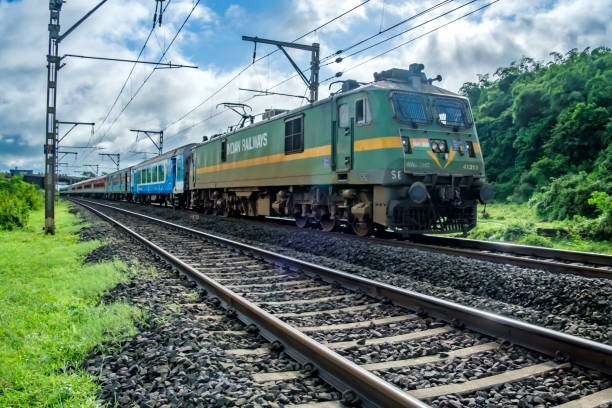
Indian Railway Management Service officers operate in diverse environments, including zonal railway headquarters, divisional offices, production units, and field stations across India’s vast railway network. They collaborate with railway personnel, government bodies, contractors, and public stakeholders within the national ecosystem. Their roles encompass managing train operations, infrastructure projects, financial oversight, and human resources while tackling challenges like operational delays, budget constraints, and the need for continuous modernization of aging infrastructure. They face issues such as public scrutiny, pressure to enhance safety standards, and balancing commercial goals with social obligations amidst evolving technological and policy demands. By leveraging expertise in railway operations, financial management, and strategic planning, they ensure seamless connectivity and efficiency. As key contributors to India’s transport and economic framework, they drive progress through trends like digital railway systems, high-speed corridors, and sustainable practices.
| Route | Steps |
| Route 1: Undergraduate Degree with UPSC Exam | 1. Complete 10+2 in any stream with minimum passing marks. 2. Pursue a Bachelor’s degree in any discipline (3-4 years). 3. Prepare for and clear the UPSC Civil Services Examination (CSE) with IRMS as preference. 4. Undergo training at Lal Bahadur Shastri National Academy of Administration (LBSNAA) and specialized railway institutes, starting as Assistant Divisional Manager or equivalent. |
| Route 2: Postgraduate Degree with UPSC Exam | 1. Complete a Bachelor’s degree in any discipline. 2. Pursue a Master’s degree in Management, Engineering, or related fields (1-2 years) for deeper knowledge. 3. Clear the UPSC CSE with IRMS as preferred service. 4. Join IRMS after training at LBSNAA and railway institutes. |
| Route 3: Engineering Degree with UPSC Exam | 1. Complete 10+2 in Science stream with minimum 50-60% marks. 2. Pursue a B.Tech/B.E. in Civil, Mechanical, Electrical, or related fields (4 years). 3. Prepare for and clear the UPSC CSE with IRMS as choice. 4. Start IRMS career post-training at LBSNAA and railway institutes. |
| Route 4: Commerce/Management Focus with UPSC Exam | 1. Complete 10+2 in Commerce or related stream with minimum 50-60% marks. 2. Pursue a B.Com, BBA, or related degree (3 years). 3. Clear the UPSC CSE opting for IRMS. 4. Begin IRMS career after training. |
| Route 5: Internal Promotion (Limited Scope) | 1. Join Indian Railways in Group B or lower cadres through Railway Recruitment Board (RRB) exams. 2. Gain experience and qualify for promotion to IRMS through limited competitive exams or departmental selection by UPSC. 3. Transition to IRMS roles after selection and training. |
India:
Assistant Divisional Railway Manager (Entry Level) → Divisional Railway Manager → Senior Divisional Railway Manager → General Manager (Zonal Level) → Member of Railway Board → Chairman and CEO, Railway Board (Top Tier)
| India (Government Bodies/Organizations) | Key Roles/Areas |
| Union Public Service Commission (UPSC), Delhi | Recruitment and Selection for IRMS |
| Ministry of Railways, Delhi | Railway Policy and Strategic Oversight |
| Railway Board, Delhi | National Railway Management and Governance |
| Indian Railway Institute of Transport Management (IRITM), Lucknow | IRMS Training in Operations and Management |
| Lal Bahadur Shastri National Academy of Administration (LBSNAA), Mussoorie | Initial IRMS Training |
| National Academy of Indian Railways (NAIR), Vadodara | Training in Railway Operations |
| Indian Railways Zonal Headquarters (17 Zones Nationwide) | Zonal Operations and Administration |
| Dedicated Freight Corridor Corporation of India (DFCCIL), Delhi | Freight Corridor Management |
| National High-Speed Rail Corporation Limited (NHSRCL), Delhi | High-Speed Rail Project Oversight |
| Indian Railway Catering and Tourism Corporation (IRCTC), Delhi | Ticketing and Tourism Services |
| Pros | Cons |
| High societal impact through managing India’s largest transport network | Limited public recognition compared to other civil services like IAS |
| Prestigious government role with job security and benefits like pension | Frequent transfers and postings, often to remote or smaller stations |
| Diverse responsibilities across operations, infrastructure, and finance | High workload during peak seasons or major railway projects |
| Opportunity to drive modernization and safety in public transport | Bureaucratic delays and resistance in implementing reforms or upgrades |
| Contribution to national connectivity and economic growth | Work-life balance issues due to extensive fieldwork and operational crises |
| Career Level (IRMS - Public Sector) | India (₹ per annum, Approx. as per 7th Pay Commission) |
| Assistant Divisional Railway Manager (Entry Level) | 6,00,000 - 8,00,000 (including allowances) |
| Divisional Railway Manager (Early-Mid Level) | 10,00,000 - 14,00,000 |
| Senior Divisional Railway Manager (Mid-Level) | 14,00,000 - 18,00,000 |
| General Manager (Zonal Level) | 18,00,000 - 22,00,000 |
| Member of Railway Board (Top Tier - Functional Head) | 22,00,000 - 27,00,000 |
| Chairman and CEO, Railway Board (Top Tier - Apex) | 27,00,000 - 30,00,000+ |
| Note: Salaries include basic pay, dearness allowance (DA), house rent allowance (HRA), and other benefits; they vary based on posting location and seniority. |
A career in the Indian Railway Management Service offers a transformative opportunity to manage and modernize India’s vast railway network by ensuring operational efficiency, safety, and connectivity for millions of passengers and freight operations. IRMS officers are the backbone of Indian Railways, using their expertise, analytical skills, and commitment to maintain integrity across operational, financial, and infrastructural systems, support national mobility, and enhance economic growth. This profession blends a passion for public service with strategic railway management, providing diverse pathways in operations, infrastructure development, commercial oversight, safety reforms, and beyond. For those passionate about transport governance, driven by a desire to serve the nation through railway efficiency, and eager to navigate the evolving landscape of rail modernization, becoming an IRMS officer is a deeply rewarding journey. It empowers individuals to address critical connectivity needs, maintain public trust, and advance national well-being through the transformative power of responsible, impactful, and accessible railway management.
Entry-level IRMS officers handling operational, commercial, or administrative tasks at divisional levels. They build foundational skills. Their...
0.0LPA
Early-to-mid-level officers overseeing entire railway divisions, managing operations, safety, and revenue. They focus on detailed oversight. Their...
0.0LPA
Mid-level officers leading larger divisions, supervising infrastructure projects, and improving service quality. They balance strategic roles....
0.0LPA
Take the next step and explore more about Indian Railway Management Service (IRMS).
Explore similar career paths that might interest you