Indian Postal Service (IPoS)

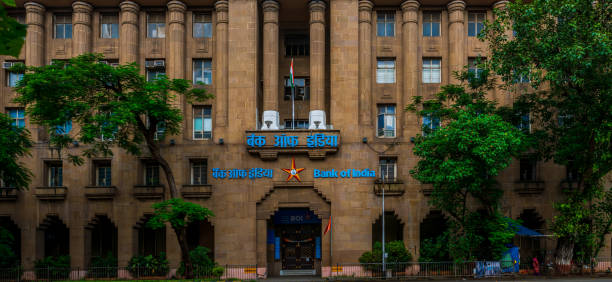
The Indian Postal Service (IPoS) is a prestigious civil service under the Government of India, categorized as a Central Civil Service (Group A), dedicated to managing and modernizing the country’s postal and mail services through the Department of Posts (DoP). IPoS officers play a pivotal role in overseeing the operations of India Post, one of the world’s largest postal networks, with over 1.55 lakh post offices serving rural and urban populations. With initiatives like India Post Payments Bank (IPPB), e-commerce logistics, and financial inclusion, IPoS drives accessibility and connectivity across the nation. Rooted in public service, operational efficiency, and financial management, and fueled by modern trends such as digital payments, logistics innovation, and rural outreach, this career is at the forefront of transforming traditional postal systems into a dynamic service network. IPoS professionals work under the Ministry of Communications, contributing to communication, banking, and e-commerce ecosystems. This career propels progress through trends like digital postal services, last-mile delivery solutions, and inclusive banking.
Share :
Career tree mind map (horizontal) — Indian Postal Service (IPoS)
Colored branches, hub circles, and underlined topics — same style as counselor course classic (types 18–19 in admin).
Loading mind map…

Indian Postal Service officers operate in diverse environments, including postal circles, regional offices, head post offices, and field units across India’s vast postal network. They collaborate with postal staff, government departments, financial institutions, and e-commerce partners within the national ecosystem. Their roles encompass managing mail operations, financial services, and digital initiatives while tackling challenges like operational inefficiencies, rural connectivity issues, and the need for continuous adaptation to technological advancements. They face issues such as public expectations for faster delivery, pressure to compete with private logistics, and balancing traditional services with modern demands amidst evolving policy and digital landscapes. By leveraging expertise in postal operations, financial inclusion, and strategic planning, they ensure seamless communication and service delivery. As key contributors to India’s communication and logistics framework, they drive progress through trends like digital mail systems, e-commerce partnerships, and banking outreach.

  • Postal Operations Management
    • Oversee the collection, sorting, and delivery of mail and parcels across urban and rural areas through post offices and logistics networks.
    • Ensure operational efficiency in mail processing centers and compliance with service delivery timelines.
  • Financial Services Oversight
    • Manage postal savings schemes, money orders, and other financial products offered by India Post, ensuring transparency and accessibility.
    • Supervise the operations of India Post Payments Bank (IPPB) to promote financial inclusion, especially in unbanked regions.
  • E-Commerce and Logistics
    • Facilitate last-mile delivery for e-commerce platforms through partnerships with companies like Amazon and Flipkart under India Post’s logistics network.
    • Implement strategies to enhance parcel services, speed post, and courier operations to compete with private players.
  • Digital Transformation
    • Drive the adoption of digital tools like mobile apps (e.g., PostInfo), e-money orders, and online tracking for enhanced customer experience.
    • Implement IT modernization projects under the DoP’s IT Modernization Plan to digitize postal operations and services.
  • Customer Service and Grievance Redressal
    • Address customer complaints related to mail delays, lost parcels, or financial transactions through effective grievance mechanisms.
    • Improve service quality by enhancing accessibility, especially in remote areas, and ensuring customer satisfaction.
  • Human Resource Management
    • Administer recruitment, training, and welfare of postal staff, including postmen, clerks, and other employees across circles.
    • Implement policies for employee skill development and operational efficiency in a large workforce.
  • Policy Implementation and Advisory
    • Assist in formulating postal policies on digitalization, financial services, and rural outreach under the Ministry of Communications.
    • Provide strategic inputs for long-term initiatives like expanding IPPB branches or enhancing e-commerce logistics.
  • Rural Outreach and Social Impact
    • Ensure postal services reach underserved and remote areas, supporting government schemes like Direct Benefit Transfer (DBT) through IPPB.
    • Promote financial literacy and inclusion by leveraging the postal network for banking and insurance services.
  • Training and Capacity Building
    • Train junior officers and staff in postal operations, digital tools, and customer service at institutes like Rafi Ahmed Kidwai National Postal Academy (RAKNPA).
    • Stay updated on global postal trends, national policies, and technological advancements through continuous learning programs.

RouteSteps
Route 1: Undergraduate Degree with UPSC Exam1. Complete 10+2 in any stream with minimum passing marks.
2. Pursue a Bachelor’s degree in any discipline (3-4 years).
3. Prepare for and clear the UPSC Civil Services Examination (CSE) with IPoS as preference.
4. Undergo training at Lal Bahadur Shastri National Academy of Administration (LBSNAA) and RAKNPA, starting as Assistant Superintendent of Posts or equivalent.
Route 2: Postgraduate Degree with UPSC Exam1. Complete a Bachelor’s degree in any discipline.
2. Pursue a Master’s degree in Management, Commerce, or related fields (1-2 years) for deeper knowledge.
3. Clear the UPSC CSE with IPoS as preferred service.
4. Join IPoS after training at LBSNAA and RAKNPA.
Route 3: Professional Degree with UPSC Exam1. Complete 10+2 in relevant stream with minimum 50-60% marks.
2. Pursue a professional degree like B.Com, BBA, or MBA (3-5 years).
3. Prepare for and clear the UPSC CSE with IPoS as choice.
4. Start IPoS career post-training at LBSNAA and RAKNPA.
Route 4: Commerce/Management Focus with UPSC Exam1. Complete 10+2 in Commerce or related stream with minimum 50-60% marks.
2. Pursue a B.Com or BBA (3 years).
3. Clear the UPSC CSE opting for IPoS.
4. Begin IPoS career after training.
Route 5: Internal Promotion (Limited Scope)1. Join India Post in Group B or lower cadres through Staff Selection Commission (SSC) or departmental exams.
2. Gain experience and qualify for promotion to IPoS through limited competitive exams or departmental selection by UPSC.
3. Transition to IPoS roles after selection and training.

  • Exposure through internships with regional postal offices or head post offices for insights into mail operations and financial services.
  • Training in postal logistics through observerships at sorting centers or IPPB branches during preparation or post-selection.
  • Participation in mock operational planning or case studies at coaching institutes to simulate real-world scenarios for UPSC preparation.
  • Observerships with India Post’s e-commerce logistics units or financial service branches to understand modern postal mechanisms.
  • Involvement in rural outreach programs or financial inclusion initiatives for practical understanding of connectivity challenges.
  • Exposure to digital postal tools and banking systems during training at RAKNPA or through online platforms.
  • Workshops on postal modernization, digital payments, and customer service for management readiness.
  • Volunteer roles in postal literacy campaigns or DBT distribution drives to apply theoretical knowledge and build networks.
  • Collaborative projects with peers during training to tackle real-world challenges like mail delays, financial discrepancies, or rural access.

  • Bachelor’s in any discipline (B.A./B.Sc./B.Com) for eligibility to appear in UPSC CSE.
  • Master’s in Management, Commerce, or Public Administration (MBA/M.Com/MPA) for advanced expertise in postal-related domains.
  • Professional Degrees like MBA (Logistics/Operations), B.Com, or BBA for domain-specific advantages in service.
  • Specializations in Logistics Management, Financial Services, or Public Policy during higher studies.
  • Short-term courses on Postal Operations, Digital Payments, and Financial Inclusion for UPSC preparation.
  • Training in Postal Management, E-Commerce Logistics, and Digital Tools through online platforms or institutes like RAKNPA.
  • Certifications like IGNOU’s Diploma in Public Administration or courses from NIFM (National Institute of Financial Management) for governance knowledge.

India:

  • UPSC Civil Services Examination (CSE): Mandatory for entry into IPoS, consisting of Preliminary (objective), Mains (descriptive), and Interview (personality test) stages; conducted annually. Ranking and preference determine allocation to IPoS.
  • Staff Selection Commission (SSC) Exams: For entry into Group B or lower postal cadres, which can be a pathway to IPoS through promotion (limited seats via departmental exams or UPSC).
  • University-Specific Tests for Academic Programs: Some institutes like IIMs or university commerce departments conduct entrance exams (e.g., CAT) for management or financial programs relevant to postal expertise.

Assistant Superintendent of Posts (Entry Level) → Superintendent of Posts → Senior Superintendent of Posts → Director of Postal Services → Chief Postmaster General (Circle Level) → Member, Postal Services Board → Director General of Posts (Top Tier)

  • Department of Posts (DoP) Headquarters: National-level policy formulation and strategic oversight (Delhi).
  • Postal Circles: Management of postal operations and services across 23 postal circles in India (e.g., Tamil Nadu Circle).
  • Regional Postal Offices: Operational and administrative control at the regional level within circles.
  • Head Post Offices: Oversight of major post offices for mail, financial, and customer services in urban centers.
  • India Post Payments Bank (IPPB): Management of banking operations and financial inclusion initiatives nationwide.
  • E-Commerce Logistics Units: Coordination of parcel delivery and partnerships with online platforms for last-mile connectivity.
  • Rural Post Offices (GraminDakSevak Branches): Service delivery and financial outreach in rural and remote areas.
  • Postal Training Centers: Capacity building and policy implementation support at institutes like RAKNPA.
  • Mail Processing Centers: Management of sorting and dispatch operations for efficient mail delivery.
  • International Mail Services: Oversight of cross-border mail and parcel services through foreign post offices.

India (Government Bodies/Organizations)Key Roles/Areas
Union Public Service Commission (UPSC), DelhiRecruitment and Selection for IPoS
Ministry of Communications, DelhiPostal Policy and Strategic Oversight
Department of Posts (DoP), DelhiNational Postal Management and Governance
Rafi Ahmed Kidwai National Postal Academy (RAKNPA), GhaziabadIPoS Training in Operations and Management
Lal Bahadur Shastri National Academy of Administration (LBSNAA), MussoorieInitial IPoS Training
India Post Payments Bank (IPPB), DelhiFinancial Inclusion and Banking Services
Postal Circles (23 Circles Nationwide)Regional Postal Operations and Services
National Savings Institute (NSI), DelhiPostal Savings Scheme Oversight
Business Development Directorate, DoP, DelhiE-Commerce and Logistics Partnerships
Postal Life Insurance (PLI) Directorate, DelhiInsurance Services through Postal Network

ProsCons
High societal impact through ensuring communication and financial inclusionLimited public recognition compared to other civil services like IAS
Prestigious government role with job security and benefits like pensionFrequent transfers and postings, often to rural or remote areas
Diverse responsibilities across postal operations, banking, and logisticsHigh workload during peak seasons or major e-commerce delivery periods
Opportunity to drive digital transformation and rural outreachBureaucratic delays and resistance in implementing modern reforms
Contribution to national connectivity and economic inclusionWork-life balance issues due to extensive fieldwork and operational demands

Career Level (IPoS - Public Sector)India (₹ per annum, Approx. as per 7th Pay Commission)
Assistant Superintendent of Posts (Entry Level)6,00,000 - 8,00,000 (including allowances)
Superintendent of Posts (Early Level)8,00,000 - 10,00,000
Senior Superintendent of Posts (Early-Mid Level)10,00,000 - 14,00,000
Director of Postal Services (Mid-Level)14,00,000 - 18,00,000
Chief Postmaster General (Circle Level)18,00,000 - 22,00,000
Member, Postal Services Board (Top Tier - Functional Head)22,00,000 - 27,00,000
Director General of Posts (Top Tier - Apex)27,00,000 - 30,00,000+
Note: Salaries include basic pay, dearness allowance (DA), house rent allowance (HRA), and other benefits; they vary based on posting location and seniority. 

  • Postal Management Systems: India Post’s in-house platforms like Meghdoot for mail operations and tracking.
  • Data Analytics Tools: Software for analyzing mail traffic, revenue data, and banking transaction efficiency.
  • Core Banking System (CBS): Tool for managing postal savings and IPPB transactions across branches.
  • E-Commerce Logistics Platforms: Systems for tracking and managing parcel delivery with private partners.
  • Digital Payment Tools: IPPB mobile app and POS devices for banking and payment services in rural areas.
  • Financial Oversight Software: Tools for postal budgeting, savings schemes, and audit reporting.
  • Legal and Policy Databases: Access to Indian Post Office Act, 1898, and government postal policies for compliance reference.
  • Postal Performance Reports: Annual DoP reports and financial statements for planning and evaluation.
  • Training Modules: Resources from RAKNPA and LBSNAA for skill development in postal management.
  • Current Affairs Resources: Newspapers (The Hindu, Business Standard) and PIB updates for postal and communication news.

  • Indian Postal Service Association, India.
  • Department of Posts (DoP) Networks, India.
  • Rafi Ahmed Kidwai National Postal Academy (RAKNPA) Alumni, India.
  • LalBahadurShastri National Academy of Administration (LBSNAA) Alumni, India.
  • Ministry of Communications Professional Forums, India.
  • India Post Payments Bank (IPPB) Networks, India.
  • Universal Postal Union (UPU) Collaborations, International (India Representation).
  • National Savings Institute (NSI) Networks, India.
  • Federation of Indian Chambers of Commerce & Industry (FICCI) E-Commerce Committees, India.
  • Confederation of Indian Industry (CII) Logistics and Communication Networks, India.

  • Uday Balakrishna (India, 1961-): Current Director General of Posts (since 2023), focusing on digital transformation and IPPB expansion. His vision modernizes systems. His impact enhances access.
     
  • VineetPandey (India, 1962-): Former Director General of Posts (2021-2023), led e-commerce logistics growth and rural banking initiatives. His strategies boosted outreach. His impact strengthened inclusion.
     
  • Pradipta Kumar Bisoi (India, 1960-): Former Director General of Posts (2019-2021), instrumental in scaling IPPB and digital postal services. His leadership digitized operations. His impact improved delivery.
     
  • Ananta Narayan Nanda (India, 1959-): Former Director General of Posts (2017-2019), focused on financial inclusion and postal savings reforms. His policies aided masses. His impact uplifted services.
     
  • B.V. Sudhakar (India, 1958-): Former Director General of Posts (2016-2017), pioneered e-commerce partnerships during India’s online shopping surge. His initiatives optimized logistics. His impact boosted revenue.
     
  • Kavery Banerjee (India, 1960-): Former Director General of Posts (2014-2016), first woman in the role, led IT modernization projects. Her leadership broke barriers. Her impact enhanced efficiency.
     
  • T. Murthy (India, 1957-): Senior IPoS officer, known for streamlining mail operations and rural outreach as Chief Postmaster General. His efforts built connectivity. His impact supported communities.
     
  • AlkaJha (India, 1963-): Senior IPoS officer, contributed to IPPB rollout and financial literacy programs in rural circles. Her work empowered regions. Her impact inspired inclusion.
     
  • Smita Kumar (India, 1962-): Senior IPoS officer, focused on customer service reforms and digital tracking as Member, Postal Services Board. Her oversight improved trust. Her impact elevated standards.
     
  • Charles Lobo (India, 1959-): Former Chief Postmaster General, known for operational reforms in international mail and parcel services. His vision connected borders. His impact reinforced networks.

  • Build a strong academic foundation in commerce, management, or public administration for UPSC preparation and postal knowledge.
  • Start UPSC CSE preparation early by studying NCERTs, postal policies, and newspapers like Business Standard for current communication updates.
  • Join reputed coaching institutes like Rau’s IAS or opt for self-study with online resources like ClearIAS for structured guidance.
  • Develop analytical and operational skills by practicing case studies on postal logistics and financial inclusion for UPSC Mains.
  • Gain exposure through internships with regional postal offices or IPPB branches to understand operational and banking challenges.
  • Stay updated on postal budgets, digital initiatives, and financial inclusion schemes through PIB updates and DoP publications.
  • Engage in mock interviews and personality development programs to refine communication skills for the UPSC interview stage.
  • Work on operational planning, financial analysis, and ethical decision-making to handle postal delays and rural service challenges.
  • Explore lower postal cadres through SSC exams as a stepping stone if initial UPSC attempts are unsuccessful, aiming for promotion to IPoS later.
  • Volunteer in postal outreach campaigns or financial literacy drives to build empathy and understand communication issues.
  • Cultivate resilience to handle high-pressure delivery cycles, frequent transfers, and rural posting challenges during service.
  • Focus on digital literacy to adapt to e-postal systems, banking apps, and logistics tools transforming the sector.
  • Attend continuing education programs or workshops at RAKNPA to stay abreast of trends like IPPB expansion and e-commerce logistics.
  • Commit to societal impact by aiming to strengthen India’s communication through efficient postal management and rural inclusion.


A career in the Indian Postal Service offers a transformative opportunity to manage and modernize India’s vast postal network by ensuring communication, financial inclusion, and connectivity for millions across urban and rural landscapes. IPoS officers are the backbone of India Post, using their expertise, analytical skills, and commitment to maintain integrity across operational, financial, and digital systems, support national connectivity, and enhance economic inclusion. This profession blends a passion for public service with strategic postal management, providing diverse pathways in mail operations, banking outreach, e-commerce logistics, digital reforms, and beyond. For those passionate about communication governance, driven by a desire to serve the nation through postal efficiency, and eager to navigate the evolving landscape of postal modernization, becoming an IPoS officer is a deeply rewarding journey. It empowers individuals to address critical connectivity needs, maintain public trust, and advance national well-being through the transformative power of responsible, impactful, and accessible postal management.

Knowledge & Skills You Will Learn
1
Sustainability Initiatives: Push for green postal operations, including electric vehicles for mail delivery in urban areas.
Assistant Superintendent of Posts (Entry Level)

Assistant Superintendent of Posts (Entry Level)

Entry-level IPoS officers handling operational and administrative tasks at sub-divisional or regional levels. They build foundational skills....

0.0LPA
Superintendent of Posts (Early Level)

Superintendent of Posts (Early Level)

Early-level officers overseeing postal operations and financial services in larger sub-divisions or regions. They focus on detailed duties. Their...

0.0LPA
Senior Superintendent of Posts (Early-Mid Level)

Senior Superintendent of Posts (Early-Mid Level)

Early-to-mid-level officers managing multiple postal units, supervising mail delivery, and financial operations. They balance oversight roles....

0.0LPA

Interested in this career?

Take the next step and explore more about Indian Postal Service (IPoS).