Hepatology

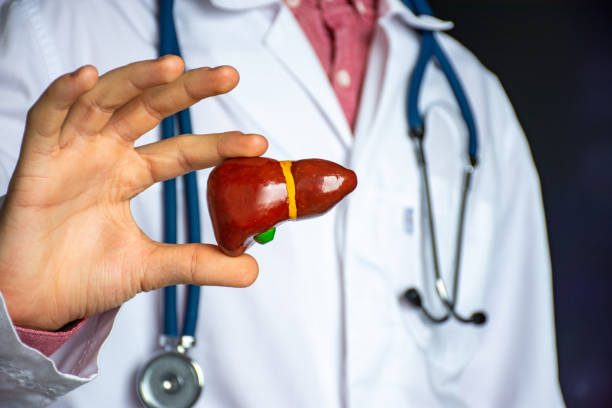
A Hepatologist is a specialized physician who diagnoses, treats, and manages disorders of the liver, gallbladder, biliary tree, and related conditions. They work within the healthcare sector, primarily in hospitals, private practices, academic medical centers, and research institutions. Hepatologists evaluate patients with liver-related issues, perform diagnostic procedures, develop treatment plans, and provide ongoing care for chronic hepatic conditions. Combining medical expertise, procedural skills, patient education, and preventive approaches, they play a crucial role in improving quality of life for patients suffering from liver diseases in a world where conditions like hepatitis, cirrhosis, and liver cancer are significant health challenges, affecting millions across all age groups and requiring specialized medical intervention for proper management and treatment.
Share :
Career tree mind map (horizontal) — Hepatology
Colored branches, hub circles, and underlined topics — same style as counselor course classic (types 18–19 in admin).
Loading mind map…

Hepatologists are medical specialists who focus on identifying and treating disorders of the liver and associated organs, including the gallbladder and biliary system. Their work involves conducting comprehensive patient evaluations, performing diagnostic and therapeutic procedures such as liver biopsies and imaging studies, developing personalized treatment plans including medications, lifestyle interventions, and transplant coordination, and educating patients on disease management and prevention strategies. They often operate in clinical settings, balancing direct patient care with research activities and interdisciplinary collaboration. Hepatologists are essential to healthcare delivery, serving as experts in complex liver disorders, providing relief for debilitating symptoms, managing life-threatening conditions like liver failure, and improving quality of life for patients with chronic hepatic diseases through evidence-based interventions and ongoing monitoring in a medical landscape where liver conditions continue to increase in prevalence and complexity due to factors like viral infections, alcohol use, and metabolic disorders.

  • Diagnosis and Assessment
    • Conduct comprehensive patient evaluations and medical histories for liver disorders.
    • Perform specialized diagnostic procedures (liver biopsy, imaging studies, elastography).
  • Treatment Planning and Implementation
    • Develop personalized treatment plans for hepatic conditions and biliary diseases.
    • Prescribe appropriate medications, dietary modifications, and therapeutic interventions.
  • Chronic Disease Management
    • Manage long-term conditions such as hepatitis, cirrhosis, and fatty liver disease.
    • Monitor patient responses and adjust treatment protocols as needed.
  • Patient Education and Management
    • Educate patients about disease prevention, nutrition, and self-management strategies.
    • Develop action plans for managing acute hepatic emergencies like liver failure or variceal bleeding.
  • Liver Transplant Coordination
    • Provide guidance on transplant recovery and immunosuppression management.
  • Research and Clinical Trials
    • Participate in clinical research on liver disorders and therapies.
    • Contribute to the development of new diagnostic and treatment approaches.
  • Interdisciplinary Collaboration
    • Consult with other medical specialists on complex cases (e.g., gastroenterologists, transplant surgeons).
    • Coordinate care with primary care physicians and other healthcare providers.
  • Emergency Care
    • Manage acute hepatic crises such as acute liver failure or hepatic encephalopathy.
    • Develop emergency protocols for high-risk patients.

RouteSteps
Route 1

1. 10+2 with Physics, Chemistry, Biology (PCB). 

2. MBBS degree (5.5 years including internship). 

3. MD/DNB in Internal Medicine (3 years). 

4. DM/Fellowship in Hepatology or Gastroenterology with Hepatology focus (3 years). 

5. Certification from relevant medical board.

Route 2

1. 10+2 with Physics, Chemistry, Biology (PCB). 

2. MBBS degree (5.5 years including internship). 

3. MD/DNB in General Medicine (3 years). 

4. Specialized training in Hepatology (2-3 years). 

5. Certification from relevant medical board.

Route 3

1. 10+2 with Physics, Chemistry, Biology (PCB). 

2. MBBS degree (5.5 years including internship).

3. MS/DNB in General Surgery (3 years). 

4. Fellowship in Hepatobiliary Surgery or Hepatology (2-3 years). 

5. Certification from relevant medical board.

Route 4

1. 10+2 with Physics, Chemistry, Biology (PCB). 

2. MBBS from India (5.5 years including internship). 

3. USMLE or equivalent international licensing exams. 

4. Residency in Internal Medicine in US/UK/Australia (3-4 years). 

5. Fellowship in Hepatology or Gastroenterology with Hepatology focus (2-3 years). 

6. Board certification in Hepatology or Gastroenterology.

  • Clinical rotations in hepatology or gastroenterology departments during medical school.
  • Observerships with practicing hepatologists to understand specialty workflow.
  • Research assistantships in liver disease research laboratories.
  • Elective rotations in hepatology clinics during internal medicine residency.
  • Participation in liver biopsy and imaging procedures under supervision.
  • Experience in liver disease management clinics.
  • Involvement in hepatitis screening and treatment programs.
  • Attendance at hepatology conferences and workshops.
  • Participation in liver transplant evaluation and follow-up programs.
  • Exposure to pediatric hepatology clinics for age-specific liver issues.

  • MBBS (Bachelor of Medicine and Bachelor of Surgery).
  • MD/DNB in Internal Medicine or General Medicine.
  • DM in Hepatology or Gastroenterology with Hepatology focus.
  • Fellowship in Hepatology or Liver Transplantation.
  • Certification courses in Advanced Liver Imaging Techniques.
  • Training in Liver Biopsy and Endoscopic Procedures.
  • Specialized courses in Viral Hepatitis Management.
  • Certification in Liver Transplant Coordination.
  • Advanced training in Pediatric Hepatology.
  • Continuing Medical Education courses in Hepatic Disorders.

InstituteCourse/ProgramOfficial Link
All India Institute of Medical Sciences (AIIMS), New DelhiDM in Hepatologyhttps://www.aiims.edu/
Postgraduate Institute of Medical Education and Research (PGIMER), ChandigarhDM in Hepatologyhttps://pgimer.edu.in/
Christian Medical College (CMC), VelloreDM in Hepatologyhttps://www.cmch-vellore.edu/
Sanjay Gandhi Postgraduate Institute of Medical Sciences, LucknowDM in Hepatologyhttps://www.sgpgi.ac.in/
King George's Medical University, LucknowDM in Hepatologyhttps://www.kgmu.org/
Seth GS Medical College and KEM Hospital, MumbaiDM in Hepatologyhttps://www.kem.edu/
Institute of Post Graduate Medical Education and Research, KolkataDM in Hepatologyhttps://www.ipgmer.gov.in/
Jawaharlal Institute of Postgraduate Medical Education and Research, PuducherryDM in Hepatologyhttps://jipmer.edu.in/
Amrita Institute of Medical Sciences, KochiDM in Hepatologyhttps://www.amrita.edu/
Institute of Liver and Biliary Sciences (ILBS), New DelhiDM in Hepatologyhttps://www.ilbs.in/

InstitutionCourseCountryOfficial Link
Harvard Medical SchoolHepatology Fellowship ProgramUSAhttps://hms.harvard.edu/
Johns Hopkins UniversityHepatology Fellowship ProgramUSAhttps://www.hopkinsmedicine.org/
University of California, San Francisco (UCSF)Hepatology Fellowship ProgramUSAhttps://medicine.ucsf.edu/
Mayo Clinic College of Medicine and ScienceHepatology Fellowship ProgramUSAhttps://college.mayo.edu/
Imperial College LondonMSc in Hepatology and Liver DiseasesUKhttps://www.imperial.ac.uk/
University of OxfordClinical Hepatology TrainingUKhttps://www.ox.ac.uk/
University of MelbourneSpecialist Training in HepatologyAustraliahttps://www.unimelb.edu.au/
University of TorontoHepatology Fellowship ProgramCanadahttps://www.utoronto.ca/
Karolinska InstitutetResearch Training in HepatologySwedenhttps://ki.se/en
National University of Singapore (NUS)Specialist Training in HepatologySingaporehttps://www.nus.edu.sg/

India:

  • National Eligibility cum Entrance Test (NEET-UG) for admission to MBBS programs.
  • National Eligibility cum Entrance Test for Postgraduate courses (NEET-PG) for MD/DNB programs.
  • National Eligibility cum Entrance Test for Superspeciality courses (NEET-SS) for DM programs.
  • All India Institute of Medical Sciences Entrance Examination for AIIMS DM programs.
  • Postgraduate Institute of Medical Education and Research Entrance Examination for PGIMER programs.
  • Jawaharlal Institute of Postgraduate Medical Education and Research Entrance Examination.
  • Christian Medical College Vellore Entrance Examination for fellowship programs.
  • State-level entrance examinations for various medical institutions.
  • Institute-specific entrance examinations for specialized fellowship programs.
  • National Board of Examinations Diplomate of National Board (DNB) entrance tests.

International:

  • United States Medical Licensing Examination (USMLE) for medical practice in the USA.
  • Medical College Admission Test (MCAT) for medical school admission in North America.
  • Professional and Linguistic Assessments Board (PLAB) test for medical practice in the UK.
  • International English Language Testing System (IELTS) with minimum score of 7.0-7.5 for international medical programs.
  • Test of English as a Foreign Language (TOEFL) with minimum score of 100-110 for US medical programs.
  • European Board Examination in Gastroenterology and Hepatology.
  • Australian Medical Council Examination for medical practice in Australia.
  • Medical Council of Canada Qualifying Examination for medical practice in Canada.
  • Royal College of Physicians and Surgeons of Canada Examination in Hepatology.

 Medical Student → Resident Physician (Internal Medicine) → Hepatology Fellow → Junior Hepatologist → Established Hepatologist → Senior Hepatologist/Department Head → Medical Director/Professor of Hepatology

  • Private hepatology practices for outpatient care.
  • Hospital-based hepatology departments for integrated care.
  • Academic medical centers combining patient care and teaching.
  • Research institutions focusing on liver health advances.
  • Pharmaceutical companies developing hepatic medications.
  • Government health agencies for public health initiatives.
  • Corporate healthcare systems providing specialty services.
  • Liver transplant centers for focused care.
  • Medical schools training future hepatologists.
  • Clinical trial organizations testing new hepatic treatments.

IndiaInternational
All India Institute of Medical Sciences (AIIMS)Mayo Clinic, USA
Apollo HospitalsCleveland Clinic, USA
Fortis HealthcareJohns Hopkins Hospital, USA
Max HealthcareMassachusetts General Hospital, USA
Medanta - The MedicityRoyal Free Hospital, UK
Sir Ganga Ram HospitalThe Alfred Hospital, Australia
Kokilaben Dhirubhai Ambani HospitalHospital for Sick Children, Canada
Narayana HealthCharité - Universitätsmedizin Berlin, Germany
Tata Memorial HospitalSingapore General Hospital, Singapore
Institute of Liver and Biliary Sciences (ILBS)Mount Sinai Hospital, USA

ProsCons
Significant improvement in patients' quality of life through effective treatments.Lengthy training period requiring 12-14 years after high school.
Intellectually stimulating field combining diagnostics and cutting-edge therapies.High emotional burden when dealing with life-threatening liver failure or cancer.
High demand due to rising prevalence of liver diseases globally.Stressful emergency situations like acute liver failure or variceal bleeding.
Strong patient relationships through ongoing management of chronic conditions.Complex reimbursement issues for certain hepatic treatments and procedures.
Opportunities for involvement in groundbreaking research and transplant therapies.Need to stay updated with rapidly evolving research and treatment protocols.

Career LevelIndia (₹ per annum)International (US$ per annum)
Medical Resident6,00,000 - 10,00,000$55,000 - $70,000
Hepatology Fellow10,00,000 - 15,00,000$70,000 - $85,000
Junior Hepatologist15,00,000 - 30,00,000$250,000 - $350,000
Established Hepatologist30,00,000 - 60,00,000$350,000 - $500,000
Senior Hepatologist/Director60,00,000 - 1,20,00,000$500,000 - $650,000

  • Electronic Health Record (EHR) systems for patient documentation.
  • Laboratory information systems for hepatic test results.
  • Liver imaging and analysis software for diagnostic evaluations.
  • Patient education and management apps for lifestyle and treatment tracking.
  • Telehealth platforms for remote consultations.
  • Clinical research databases for hepatology trials.
  • Medical literature databases for evidence-based practice.
  • Practice management systems for scheduling and billing.
  • Fibrosis assessment tools like FibroScan for non-invasive diagnostics.
  • Liver transplant coordination software for procedural management.

  • Indian National Association for Study of the Liver (INASL).
  • Indian Society of Gastroenterology (ISG).
  • American Association for the Study of Liver Diseases (AASLD).
  • European Association for the Study of the Liver (EASL).
  • British Association for the Study of the Liver (BASL).
  • Asian Pacific Association for the Study of the Liver (APASL).
  • American College of Gastroenterology (ACG).
  • Australian Liver Association (ALA).
  • Canadian Association for the Study of the Liver (CASL).

  • Dr. Shiv Kumar Sarin (Contemporary, India): Director of Institute of Liver and Biliary Sciences, Delhi, renowned for pioneering work on liver diseases and portal hypertension since the 1980s.
     
  • Dr. Rakesh Aggarwal (Contemporary, India): Director at JIPMER, Puducherry, known for research in viral hepatitis since the 1990s.
     
  • Dr. Anna Lok (Contemporary, USA): Professor at University of Michigan, influential in hepatitis B and C research since the 1980s.
     
  • Dr. Samir Shah (Contemporary, India): Head of Hepatology at Global Hospitals, Mumbai, recognized for contributions to liver transplantation since the 1990s.
     
  • Dr. Patrick Kamath (Contemporary, India/USA): Professor at Mayo Clinic, known for developing the MELD score for liver disease prognosis since the 1990s.
     
  • Dr. Guadalupe Garcia-Tsao (Contemporary, USA): Professor at Yale University, expert in cirrhosis and portal hypertension since the 1980s.
     
  • Dr. Subrat Kumar Acharya (Contemporary, India): Professor at AIIMS, New Delhi, noted for work on acute liver failure since the 1980s.
     
  • Dr. Michael R. Charlton (Contemporary, USA): Professor at University of Chicago, leading expert in liver transplantation and NAFLD since the 1990s.
     
  • Dr. Norah Terrault (Contemporary, USA): Professor at University of Southern California, influential in hepatitis management and liver transplant research since the 1990s.
     
  • Dr. Jean-François Dufour (Contemporary, Switzerland): Professor at University of Bern, known for research in hepatocellular carcinoma since the 1990s.
     

  • Focus on strong performance in basic sciences, particularly physiology and pathology, during medical school.
  • Seek early exposure to the specialty through electives and observerships in hepatology clinics.
  • Develop excellent clinical skills during internal medicine residency.
  • Build research experience in liver disorders or viral hepatitis when possible.
  • Prepare thoroughly for competitive fellowship applications in hepatology.
  • Cultivate mentoring relationships with established hepatologists for guidance.
  • Develop strong diagnostic skills for interpreting complex hepatic test results.
  • Stay current with rapidly evolving research in hepatology and liver transplant therapies.
  • Consider subspecialty interests within hepatology (e.g., pediatric hepatology, liver transplantation).
  • Balance clinical practice with continuing education throughout your career to remain updated on new therapies and trends.

A career as a Hepatologist offers the profound opportunity to transform patients' lives by diagnosing and treating liver disorders that can range from manageable to life-threatening. From conducting detailed diagnostic evaluations and developing personalized treatment plans to managing chronic conditions and providing ongoing support for lifestyle changes, Hepatologists play a pivotal role in helping patients understand, manage, and overcome hepatic disorders that significantly impact daily functioning and quality of life. This field combines scientific knowledge, clinical expertise, and compassionate care, offering diverse paths in private practice, academic medicine, research, and education. For those passionate about liver health, patient education, and improving quality of life through medical intervention, a career as a Hepatologist provides a deeply rewarding journey with significant potential for making meaningful differences in patients' lives through the prevention, diagnosis, and treatment of liver diseases in an era where lifestyle factors and viral infections continue to increase the prevalence and complexity of hepatic conditions worldwide.

Knowledge & Skills You Will Learn
1
Diagnostic acumen for identifying complex hepatic conditions
2
Technical proficiency in performing liver biopsies and interpreting imaging studies
3
Clinical judgment for developing appropriate treatment plans for liver disorders
4
Communication skills for explaining complex hepatic concepts to patients and families
5
Analytical abilities for interpreting laboratory results and liver function data
6
Attention to detail for identifying subtle patterns in liver disease presentations
7
Emergency management skills for treating acute hepatic crises
8
Research aptitude for staying current with evolving treatments and therapies
9
Patient education abilities for teaching self-management and preventive strategies
10
Collaborative skills for working with multidisciplinary healthcare teams, including gastroenterologists and transplant surgeons
Medical Student

Medical Student

Medical students complete foundational medical education, rotating through various specialties including hepatology. They learn basic sciences...

0.0LPA

Resident Physician

Resident Physician

Residents in Internal Medicine gain broad clinical experience while developing interest in liver disorders. They provide supervised patient care...

0.0LPA
Hepatology Fellow

Hepatology Fellow

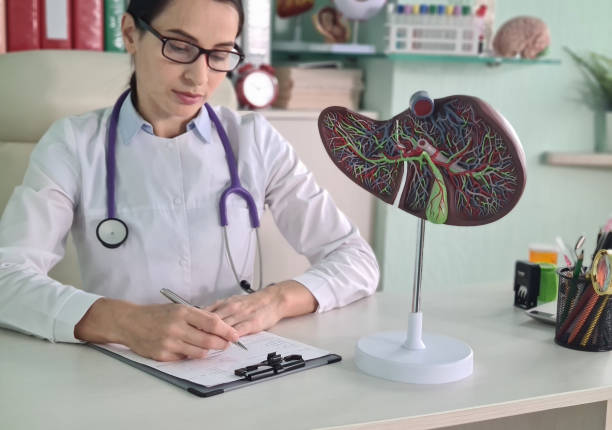
Fellows receive specialized training in liver-related diagnosis, procedures like liver biopsy, and treatment approaches under expert supervision....

0.0LPA

Interested in this career?

Take the next step and explore more about Hepatology.