Haematology

Summary

A Haematologist is a specialized physician who diagnoses, treats, and manages disorders of the blood, bone marrow, and lymphatic system.

Share :

Haematology Mind Map

Tap any branch to jump straight to the matching accordion sectionโ€”Overview, Education, Career Path, Industry Insights, Resources, or Conclusionโ€”and explore the detailed guidance below.

Interactive map of Haematology learning paths Overview Role, mission, mindset Introduction & Summary Education Study routes & eligibility Courses & specializations Career Path Career progression Employment areas Recruiters Industry Insights Industry trends Future outlook Pros & cons Resources Career media FAQs

Each colorful branch maps to an accordion section belowโ€”click to reveal overview, study plans, role journeys, industry insights, practice resources, or concluding tips.

Overview


ย A Haematologist is a specialized physician who diagnoses, treats, and manages disorders of the blood, bone marrow, and lymphatic system. They work within the healthcare sector, primarily in hospitals, private practices, academic medical centers, and research institutions. Haematologists evaluate patients with blood-related conditions, conduct diagnostic testing, develop treatment plans, and provide ongoing care for chronic hematologic disorders. Combining medical expertise, diagnostic skills, patient education, and preventive approaches, they play a crucial role in improving quality of life for patients suffering from blood disorders in a world where conditions like anaemia, leukaemia, and clotting disorders are significant health challenges, affecting millions across all age groups and requiring specialized medical intervention for proper management and treatment.
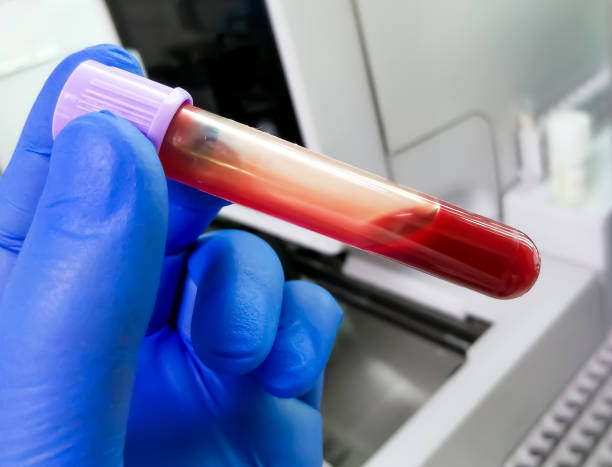
Haematologists are medical specialists who focus on identifying and treating disorders of the blood and blood-forming organs, which include conditions affecting red blood cells, white blood cells, platelets, bone marrow, and the lymphatic system. Their work involves conducting comprehensive patient evaluations, performing specialized diagnostic tests such as blood smears and bone marrow biopsies, developing personalized treatment plans including medications, transfusions, and chemotherapy, and educating patients on disease management and prevention strategies. They often operate in clinical settings, balancing direct patient care with research activities and interdisciplinary collaboration. Haematologists are essential to healthcare delivery, serving as experts in complex blood disorders, providing relief for debilitating symptoms, managing life-threatening conditions like blood cancers, and improving quality of life for patients with chronic hematologic diseases through evidence-based interventions and ongoing monitoring in a medical landscape where blood-related conditions continue to increase in prevalence and complexity due to genetic, environmental, and lifestyle factors.

Roles and Responsibilities

๐Ÿ’ผ
Haematology
Roles and Responsibilities
Diagnosis and Assessment
Conduct comprehensive patient evaluations and medical histories for blood disorders.
Perform specialized diagnostic testing (blood smears, bone marrow biopsies, genetic testing).
Treatment Planning and Implementation
Develop personalized treatment plans for hematologic conditions and blood cancers.
Prescribe appropriate medications, blood transfusions, chemotherapy, or stem cell transplants.
Chronic Disease Management
Manage long-term conditions such as anaemia, haemophilia, and sickle cell disease.
Monitor patient responses and adjust treatment protocols as needed.
Patient Education and Management
Educate patients about disease prevention, lifestyle modifications, and self-management strategies.
Develop action plans for managing acute hematologic emergencies like severe bleeding or thrombosis.
Blood Cancer Management
Diagnose and treat blood cancers like leukaemia, lymphoma, and multiple myeloma.
Provide guidance on cancer therapies and supportive care.
Research and Clinical Trials
Participate in clinical research on blood disorders and therapies.
Contribute to the development of new diagnostic and treatment approaches.
Interdisciplinary Collaboration
Consult with other medical specialists on complex cases (e.g., oncologists, transplant surgeons).
Coordinate care with primary care physicians and other healthcare providers.
Emergency Care
Manage acute hematologic crises such as disseminated intravascular coagulation (DIC) or acute leukaemia complications.
Develop emergency protocols for high-risk patients.
Competitive Entrance Examinations:
Clearing highly competitive exams like NEET-UG, NEET-PG, and NEET-SS in India, or USMLE for international practice, is critical for entry into MBBS, postgraduate, and super-specialty programs in Haematology.
Extended Academic Commitment:
Requires a prolonged academic journey of 12-14 years post-high school, including MBBS, residency, and specialized fellowship training in Haematology.
Strong Foundation in Core Subjects:
Academic excellence in subjects like Physiology, Pathology, and Internal Medicine during medical school is essential for understanding complex hematologic mechanisms.
Residency Performance:
Outstanding performance during Internal Medicine or Paediatrics residency is crucial for securing competitive Haematology fellowship positions.
Research and Publications:
Engaging in research projects and publishing papers during residency or fellowship can significantly enhance prospects for academic and clinical roles in Haematology.
Fellowship Selection:
Securing a fellowship in Haematology often requires a strong academic record, recommendation letters, and relevant clinical exposure during residency.
Continuous Medical Education (CME):
Mandatory participation in CME programs and workshops to stay updated with evolving hematologic research, diagnostic techniques, and treatment protocols.
Subspecialty Training:
Pursuing additional academic training in niche areas like Paediatric Haematology or Hematologic Oncology can provide a competitive edge in the field.
Language Proficiency for International Practice:
Clearing language proficiency tests like IELTS or TOEFL with high scores is often necessary for pursuing academic and clinical opportunities abroad.
Official Link
Institute-specific entrance examinations||
Dr. Mammen Chandy (Contemporary, India)
: Director of Tata Medical Center, Kolkata, renowned for pioneering bone marrow transplantation in India since the 1980s.
Dr. Vinod K. Prasad (Contemporary, India/USA):
Professor at Duke University, known for contributions to paediatric haematology and stem cell therapy since the 1990s.
Dr. H. Franklin Bunn (Contemporary, USA):
Professor at Harvard Medical School, influential in research on hemoglobinopathies like sickle cell disease since the 1970s.
Dr. Lalit Kumar (Contemporary, India):
Professor at AIIMS, New Delhi, recognized for work in multiple myeloma and stem cell transplantation since the 1990s.
Dr. Elaine Jaffe (Contemporary, USA)
: Pathologist at National Cancer Institute, leading expert in lymphoma classification since the 1970s.
Dr. Shaji Kumar (Contemporary, India/USA):
Professor at Mayo Clinic, known for research in multiple myeloma treatment since the 1990s.
Dr. Claire Harrison (Contemporary, UK)
: Professor at Guyโ€™s and St Thomasโ€™ NHS Foundation Trust, expert in myeloproliferative disorders since the 1990s.
Dr. Anupam Sachdeva (Contemporary, India):
Director at Sir Ganga Ram Hospital, Delhi, noted for contributions to paediatric haematology since the 1990s.
Dr. John C. Byrd (Contemporary, USA):
Professor at Ohio State University, pioneer in targeted therapies for chronic lymphocytic leukaemia since the 1990s.
Dr. Pier Mannuccio Mannucci (Contemporary, Italy):
Emeritus Professor at University of Milan, influential in haemophilia and thrombosis research since the 1970s.

Roles and Responsibilities:

  • Diagnosis and Assessment
    • Conduct comprehensive patient evaluations and medical histories for blood disorders.
    • Perform specialized diagnostic testing (blood smears, bone marrow biopsies, genetic testing).
  • Treatment Planning and Implementation
    • Develop personalized treatment plans for hematologic conditions and blood cancers.
    • Prescribe appropriate medications, blood transfusions, chemotherapy, or stem cell transplants.
  • Chronic Disease Management
    • Manage long-term conditions such as anaemia, haemophilia, and sickle cell disease.
    • Monitor patient responses and adjust treatment protocols as needed.
  • Patient Education and Management
    • Educate patients about disease prevention, lifestyle modifications, and self-management strategies.
    • Develop action plans for managing acute hematologic emergencies like severe bleeding or thrombosis.
  • Blood Cancer Management
    • Diagnose and treat blood cancers like leukaemia, lymphoma, and multiple myeloma.
    • Provide guidance on cancer therapies and supportive care.
  • Research and Clinical Trials
    • Participate in clinical research on blood disorders and therapies.
    • Contribute to the development of new diagnostic and treatment approaches.
  • Interdisciplinary Collaboration
    • Consult with other medical specialists on complex cases (e.g., oncologists, transplant surgeons).
    • Coordinate care with primary care physicians and other healthcare providers.
  • Emergency Care
    • Manage acute hematologic crises such as disseminated intravascular coagulation (DIC) or acute leukaemia complications.
    • Develop emergency protocols for high-risk patients.

ย 

Study Route & Eligibility Criteria:

RouteSteps
Route 1

1. 10+2 with Physics, Chemistry, Biology (PCB).ย 

2. MBBS degree (5.5 years including internship).ย 

3. MD/DNB in Internal Medicine or Paediatrics (3 years).ย 

4. DM/Fellowship in Haematology (3 years).ย 

5. Certification from relevant medical board.

Route 2

1. 10+2 with Physics, Chemistry, Biology (PCB).ย 

2. MBBS degree (5.5 years including internship).ย 

3. MD/DNB in General Medicine (3 years).ย 

4. Specialized training in Haematology (2-3 years).ย 

5. Certification from relevant medical board.

Route 3

1. 10+2 with Physics, Chemistry, Biology (PCB).ย 

2. MBBS degree (5.5 years including internship).ย 

3. MD/DNB in Pathology (3 years).ย 

4. Fellowship in Clinical Haematology (2-3 years).ย 

5. Certification from relevant medical board.

Route 4

1. 10+2 with Physics, Chemistry, Biology (PCB).ย 

2. MBBS from India (5.5 years including internship).ย 

3. USMLE or equivalent international licensing exams.ย 

4. Residency in Internal Medicine or Paediatrics in US/UK/Australia (3-4 years).ย 

5. Fellowship in Haematology or Haematology/Oncology (2-3 years).ย 

6. Board certification in Haematology.

ย 

Significant Observations (Academic Related Points):

  • Competitive Entrance Examinations:ย Clearing highly competitive exams like NEET-UG, NEET-PG, and NEET-SS in India, or USMLE for international practice, is critical for entry into MBBS, postgraduate, and super-specialty programs in Haematology.
  • Extended Academic Commitment:ย Requires a prolonged academic journey of 12-14 years post-high school, including MBBS, residency, and specialized fellowship training in Haematology.
  • Strong Foundation in Core Subjects:ย Academic excellence in subjects like Physiology, Pathology, and Internal Medicine during medical school is essential for understanding complex hematologic mechanisms.
  • Residency Performance:ย Outstanding performance during Internal Medicine or Paediatrics residency is crucial for securing competitive Haematology fellowship positions.
  • Research and Publications:ย Engaging in research projects and publishing papers during residency or fellowship can significantly enhance prospects for academic and clinical roles in Haematology.
  • Fellowship Selection:ย Securing a fellowship in Haematology often requires a strong academic record, recommendation letters, and relevant clinical exposure during residency.
  • Continuous Medical Education (CME):ย Mandatory participation in CME programs and workshops to stay updated with evolving hematologic research, diagnostic techniques, and treatment protocols.
  • Subspecialty Training:ย Pursuing additional academic training in niche areas like Paediatric Haematology or Hematologic Oncology can provide a competitive edge in the field.
  • Language Proficiency for International Practice:ย Clearing language proficiency tests like IELTS or TOEFL with high scores is often necessary for pursuing academic and clinical opportunities abroad.

ย 

Internships & Practical Exposure:

  • Clinical rotations in haematology departments during medical school.
  • Observerships with practicing haematologists to understand specialty workflow.
  • Research assistantships in haematology or blood cancer research laboratories.
  • Elective rotations in haematology clinics during internal medicine or paediatrics residency.
  • Participation in bone marrow biopsy and blood transfusion procedures under supervision.
  • Experience in blood disorder management clinics.
  • Involvement in interpreting blood smears and hematologic test results.
  • Attendance at haematology conferences and workshops.
  • Participation in sickle cell disease or haemophilia management programs.
  • Exposure to paediatric haematology clinics for age-specific blood issues.

ย 

Courses & Specializations to Enter the Field:

  • MBBS (Bachelor of Medicine and Bachelor of Surgery).
  • MD/DNB in Internal Medicine, Paediatrics, or Pathology.
  • DM in Haematology.
  • Fellowship in Haematology or Haematology/Oncology.
  • Certification courses in Advanced Hematologic Diagnostic Techniques.
  • Training in Bone Marrow Transplantation.
  • Specialized courses in Blood Cancer Management.
  • Certification in Coagulation Disorder Management.
  • Advanced training in Paediatric Haematology.
  • Continuing Medical Education courses in Hematologic Disorders.

ย 

Top Institutes for Haematologist Education (India):

InstituteCourse/ProgramOfficial Link
All India Institute of Medical Sciences (AIIMS), New DelhiDM in Haematologyhttps://www.aiims.edu/
Postgraduate Institute of Medical Education and Research (PGIMER), ChandigarhDM in Haematologyhttps://pgimer.edu.in/
Christian Medical College (CMC), VelloreDM in Haematologyhttps://www.cmch-vellore.edu/
Sanjay Gandhi Postgraduate Institute of Medical Sciences, LucknowDM in Haematologyhttps://www.sgpgi.ac.in/
King George's Medical University, LucknowDM in Haematologyhttps://www.kgmu.org/
Seth GS Medical College and KEM Hospital, MumbaiDM in Haematologyhttps://www.kem.edu/
Institute of Post Graduate Medical Education and Research, KolkataDM in Haematologyhttps://www.ipgmer.gov.in/
Jawaharlal Institute of Postgraduate Medical Education and Research, PuducherryDM in Haematologyhttps://jipmer.edu.in/
Amrita Institute of Medical Sciences, KochiDM in Haematologyhttps://www.amrita.edu/
Manipal Academy of Higher EducationFellowship in Haematologyhttps://manipal.edu/

ย 

Top International Institutes:

InstitutionCourseCountryOfficial Link
Harvard Medical SchoolHaematology Fellowship ProgramUSAhttps://hms.harvard.edu/
Johns Hopkins UniversityHaematology Fellowship ProgramUSAhttps://www.hopkinsmedicine.org/
University of California, San Francisco (UCSF)Haematology Fellowship ProgramUSAhttps://medicine.ucsf.edu/
Mayo Clinic College of Medicine and ScienceHaematology Fellowship ProgramUSAhttps://college.mayo.edu/
Imperial College LondonMSc in Haematology and Blood TransfusionUKhttps://www.imperial.ac.uk/
University of OxfordClinical Haematology TrainingUKhttps://www.ox.ac.uk/
University of MelbourneSpecialist Training in HaematologyAustraliahttps://www.unimelb.edu.au/
University of TorontoHaematology Fellowship ProgramCanadahttps://www.utoronto.ca/
Karolinska InstitutetResearch Training in HaematologySwedenhttps://ki.se/en
National University of Singapore (NUS)Specialist Training in HaematologySingaporehttps://www.nus.edu.sg/

ย 

Entrance Tests Required:India:

  • National Eligibility cum Entrance Test (NEET-UG) for admission to MBBS programs.
  • National Eligibility cum Entrance Test for Postgraduate courses (NEET-PG) for MD/DNB programs.
  • National Eligibility cum Entrance Test for Superspeciality courses (NEET-SS) for DM programs.
  • All India Institute of Medical Sciences Entrance Examination for AIIMS DM programs.
  • Postgraduate Institute of Medical Education and Research Entrance Examination for PGIMER programs.
  • Jawaharlal Institute of Postgraduate Medical Education and Research Entrance Examination.
  • Christian Medical College Vellore Entrance Examination for fellowship programs.
  • State-level entrance examinations for various medical institutions.
  • Institute-specific entrance examinations|ย Official Linkย |
  • National Board of Examinations Diplomate of National Board (DNB) entrance tests.

ย 

International:

  • United States Medical Licensing Examination (USMLE) for medical practice in the USA.
  • Medical College Admission Test (MCAT) for medical school admission in North America.
  • Professional and Linguistic Assessments Board (PLAB) test for medical practice in the UK.
  • International English Language Testing System (IELTS) with minimum score of 7.0-7.5 for international medical programs.
  • Test of English as a Foreign Language (TOEFL) with minimum score of 100-110 for US medical programs.
  • European Board Examination in Haematology.
  • Australian Medical Council Examination for medical practice in Australia.
  • Medical Council of Canada Qualifying Examination for medical practice in Canada.
  • Royal College of Physicians and Surgeons of Canada Examination in Haematology.

ย 

Ideal Progressing Career Path

Medical Student โ†’ Resident Physician (Internal Medicine/Paediatrics) โ†’ Haematology Fellow โ†’ Junior Haematologist โ†’ Established Haematologist โ†’ Senior Haematologist/Department Head โ†’ Medical Director/Professor of Haematology

ย 

Major Areas of Employment:

  • Private haematology practices for outpatient care.
  • Hospital-based haematology departments for integrated care.
  • Academic medical centers combining patient care and teaching.
  • Research institutions focusing on blood disorder advances.
  • Pharmaceutical companies developing hematologic medications.
  • Government health agencies for public health initiatives.
  • Corporate healthcare systems providing specialty services.
  • Blood cancer treatment centers for focused care.
  • Medical schools training future haematologists.
  • Clinical trial organizations testing new hematologic treatments.

ย 

Prominent Employers:

IndiaInternational
All India Institute of Medical Sciences (AIIMS)Mayo Clinic, USA
Apollo HospitalsCleveland Clinic, USA
Fortis HealthcareJohns Hopkins Hospital, USA
Max HealthcareMassachusetts General Hospital, USA
Medanta - The MedicityRoyal Free Hospital, UK
Sir Ganga Ram HospitalThe Alfred Hospital, Australia
Kokilaben Dhirubhai Ambani HospitalHospital for Sick Children, Canada
Narayana HealthCharitรฉ - Universitรคtsmedizin Berlin, Germany
Tata Memorial HospitalSingapore General Hospital, Singapore
Manipal HospitalsMount Sinai Hospital, USA

ย 

Pros and Cons of the Profession:

ProsCons
Significant improvement in patients' quality of life through effective treatments.Lengthy training period requiring 12-14 years after high school.
Intellectually stimulating field combining diagnostics and cutting-edge therapies.High emotional burden when dealing with life-threatening blood cancers.
High demand due to the critical nature of blood disorders and cancers.Stressful emergency situations like severe bleeding or clotting crises.
Strong patient relationships through ongoing management of chronic conditions.Complex reimbursement issues for certain hematologic treatments and procedures.
Opportunities for involvement in groundbreaking research and therapies.Need to stay updated with rapidly evolving research and treatment protocols.

ย 

Industry Trends and Future Outlook:

  • Growing emphasis on personalized medicine for blood disorders using genetic profiling.
  • Increasing use of targeted therapies and immunotherapies for blood cancers.
  • Expansion of telemedicine for routine haematology follow-up care.
  • Rising focus on early detection strategies for blood disorders through advanced diagnostics.
  • Development of gene therapies for inherited blood disorders like sickle cell disease and haemophilia.
  • Increasing research into the role of the immune system in hematologic conditions.
  • Growth in stem cell and bone marrow transplant technologies for curative treatments.
  • Expanding research into novel anticoagulants for clotting disorders.
  • Integration of mobile health technologies for patient monitoring and management.
  • Rising prevalence of hematologic conditions creating increased demand for specialists.

ย 

Salary Expectations:

Career LevelIndia (โ‚น per annum)International (US$ per annum)
Medical Resident6,00,000 - 10,00,000$55,000 - $70,000
Haematology Fellow10,00,000 - 15,00,000$70,000 - $85,000
Junior Haematologist15,00,000 - 30,00,000$250,000 - $350,000
Established Haematologist30,00,000 - 60,00,000$350,000 - $500,000
Senior Haematologist/Director60,00,000 - 1,20,00,000$500,000 - $650,000

ย 

Key Software Tools:

  • Electronic Health Record (EHR) systems for patient documentation.
  • Laboratory information systems for hematologic test results.
  • Blood imaging and analysis software for diagnostic evaluations.
  • Patient education and management apps for lifestyle and treatment tracking.
  • Telehealth platforms for remote consultations.
  • Clinical research databases for haematology trials.
  • Medical literature databases for evidence-based practice.
  • Practice management systems for scheduling and billing.
  • Genetic analysis software for personalized treatment planning.
  • Bone marrow transplant coordination tools for procedural management.

ย 

Professional Organizations and Networks:

  • Indian Society of Haematology and Blood Transfusion (ISHBT).
  • Association of Physicians of India (API).
  • American Society of Haematology (ASH).
  • European Haematology Association (EHA).
  • British Society for Haematology (BSH).
  • International Society on Thrombosis and Haemostasis (ISTH).
  • American Society of Clinical Oncology (ASCO) for hematologic oncology.
  • Australian Society of Haematology (ASH).
  • Canadian Haematology Society (CHS).

ย 

Notable Haematologists and Industry Leaders (Top 10):

  • Dr. Mammen Chandy (Contemporary, India): Director of Tata Medical Center, Kolkata, renowned for pioneering bone marrow transplantation in India since the 1980s.
    ย 
  • Dr. Vinod K. Prasad (Contemporary, India/USA): Professor at Duke University, known for contributions to paediatric haematology and stem cell therapy since the 1990s.
    ย 
  • Dr. H. Franklin Bunn (Contemporary, USA): Professor at Harvard Medical School, influential in research on hemoglobinopathies like sickle cell disease since the 1970s.
    ย 
  • Dr. Lalit Kumar (Contemporary, India): Professor at AIIMS, New Delhi, recognized for work in multiple myeloma and stem cell transplantation since the 1990s.
    ย 
  • Dr. Elaine Jaffe (Contemporary, USA): Pathologist at National Cancer Institute, leading expert in lymphoma classification since the 1970s.
    ย 
  • Dr. Shaji Kumar (Contemporary, India/USA): Professor at Mayo Clinic, known for research in multiple myeloma treatment since the 1990s.
    ย 
  • Dr. Claire Harrison (Contemporary, UK): Professor at Guyโ€™s and St Thomasโ€™ NHS Foundation Trust, expert in myeloproliferative disorders since the 1990s.
    ย 
  • Dr. Anupam Sachdeva (Contemporary, India): Director at Sir Ganga Ram Hospital, Delhi, noted for contributions to paediatric haematology since the 1990s.
    ย 
  • Dr. John C. Byrd (Contemporary, USA): Professor at Ohio State University, pioneer in targeted therapies for chronic lymphocytic leukaemia since the 1990s.
    ย 
  • Dr. Pier Mannuccio Mannucci (Contemporary, Italy): Emeritus Professor at University of Milan, influential in haemophilia and thrombosis research since the 1970s.

ย 

Advice for Aspiring Haematologists:

  • Focus on strong performance in basic sciences, particularly physiology and pathology, during medical school.
  • Seek early exposure to the specialty through electives and observerships in haematology clinics.
  • Develop excellent clinical skills during internal medicine or paediatrics residency.
  • Build research experience in blood disorders or hematologic oncology when possible.
  • Prepare thoroughly for competitive fellowship applications in haematology.
  • Cultivate mentoring relationships with established haematologists for guidance.
  • Develop strong diagnostic skills for interpreting complex hematologic test results.
  • Stay current with rapidly evolving research in haematology and blood cancer therapies.
  • Consider subspecialty interests within haematology (e.g., paediatric haematology, transfusion medicine).
  • Balance clinical practice with continuing education throughout your career to remain updated on new therapies and trends.

ย 

A career as a Haematologist offers the profound opportunity to transform patients' lives by diagnosing and treating blood disorders that can range from manageable to life-threatening. From conducting detailed diagnostic evaluations and developing personalized treatment plans to managing chronic conditions and providing ongoing support for lifestyle changes, Haematologists play a pivotal role in helping patients understand, manage, and overcome hematologic disorders that significantly impact daily functioning and quality of life. This field combines scientific knowledge, clinical expertise, and compassionate care, offering diverse paths in private practice, academic medicine, research, and education. For those passionate about blood health, patient education, and improving quality of life through medical intervention, a career as a Haematologist provides a deeply rewarding journey with significant potential for making meaningful differences in patients' lives through the prevention, diagnosis, and treatment of blood diseases in an era where genetic advancements and modern therapies continue to increase the potential for curing complex hematologic conditions worldwide.

ย 

Study Route & Eligibility Criteria

Study Route & Eligibility Criteria
Haematology
Route 1
๐ŸŽ“
1
10+2 with Physics, Chemistry, Biology .
๐Ÿ›๏ธ
2
MBBS degree .
๐Ÿ“š
3
MD/DNB in Internal Medicine or Paediatrics .
3 years
๐Ÿ’ผ
4
DM/Fellowship in Haematology .
3 years
๐ŸŒ
5
Certification from relevant medical board.
Route 2
๐ŸŽ“
1
10+2 with Physics, Chemistry, Biology .
๐Ÿ›๏ธ
2
MBBS degree .
๐Ÿ“š
3
MD/DNB in General Medicine .
3 years
๐Ÿ’ผ
4
Specialized training in Haematology .
2-3 years
๐ŸŒ
5
Certification from relevant medical board.
Route 3
๐ŸŽ“
1
10+2 with Physics, Chemistry, Biology .
๐Ÿ›๏ธ
2
MBBS degree .
๐Ÿ“š
3
MD/DNB in Pathology .
3 years
๐Ÿ’ผ
4
Fellowship in Clinical Haematology .
2-3 years
๐ŸŒ
5
Certification from relevant medical board.
Route 4
๐ŸŽ“
1
10+2 with Physics, Chemistry, Biology .
๐Ÿ›๏ธ
2
MBBS from India .
๐Ÿ“š
3
USMLE or equivalent international licensing exams.
๐Ÿ’ผ
4
Residency in Internal Medicine or Paediatrics in US/UK/Australia .
3-4 years
๐ŸŒ
5
Fellowship in Haematology or Haematology/Oncology .
2-3 years
๐Ÿ“‹
6
Board certification in Haematology.
๐ŸŽฏ Haematology - Professional

Significant Observations (Academic Related Points)

๐Ÿ’ก
Haematology
Academic Related Points
1
Competitive Entrance Examinations:
Clearing highly competitive exams like NEET-UG, NEET-PG, and NEET-SS in India, or USMLE for international practice, is critical for entry into MBBS, postgraduate, and super-specialty programs in Haematology.
2
Extended Academic Commitment:
Requires a prolonged academic journey of 12-14 years post-high school, including MBBS, residency, and specialized fellowship training in Haematology.
3
Strong Foundation in Core Subjects:
Academic excellence in subjects like Physiology, Pathology, and Internal Medicine during medical school is essential for understanding complex hematologic mechanisms.
4
Residency Performance:
Outstanding performance during Internal Medicine or Paediatrics residency is crucial for securing competitive Haematology fellowship positions.
5
Research and Publications:
Engaging in research projects and publishing papers during residency or fellowship can significantly enhance prospects for academic and clinical roles in Haematology.
6
Fellowship Selection:
Securing a fellowship in Haematology often requires a strong academic record, recommendation letters, and relevant clinical exposure during residency.
7
Continuous Medical Education (CME):
Mandatory participation in CME programs and workshops to stay updated with evolving hematologic research, diagnostic techniques, and treatment protocols.
8
Subspecialty Training:
Pursuing additional academic training in niche areas like Paediatric Haematology or Hematologic Oncology can provide a competitive edge in the field.
9
Language Proficiency for International Practice:
Clearing language proficiency tests like IELTS or TOEFL with high scores is often necessary for pursuing academic and clinical opportunities abroad.
10
Official Link
Institute-specific entrance examinations||
11
Dr. Mammen Chandy (Contemporary, India)
Director of Tata Medical Center, Kolkata, renowned for pioneering bone marrow transplantation in India since the 1980s.
12
Dr. Vinod K. Prasad (Contemporary, India/USA):
Professor at Duke University, known for contributions to paediatric haematology and stem cell therapy since the 1990s.
13
Dr. H. Franklin Bunn (Contemporary, USA):
Professor at Harvard Medical School, influential in research on hemoglobinopathies like sickle cell disease since the 1970s.
14
Dr. Lalit Kumar (Contemporary, India):
Professor at AIIMS, New Delhi, recognized for work in multiple myeloma and stem cell transplantation since the 1990s.
15
Dr. Elaine Jaffe (Contemporary, USA)
Pathologist at National Cancer Institute, leading expert in lymphoma classification since the 1970s.
16
Dr. Shaji Kumar (Contemporary, India/USA):
Professor at Mayo Clinic, known for research in multiple myeloma treatment since the 1990s.
17
Dr. Claire Harrison (Contemporary, UK)
Professor at Guyโ€™s and St Thomasโ€™ NHS Foundation Trust, expert in myeloproliferative disorders since the 1990s.
18
Dr. Anupam Sachdeva (Contemporary, India):
Director at Sir Ganga Ram Hospital, Delhi, noted for contributions to paediatric haematology since the 1990s.
19
Dr. John C. Byrd (Contemporary, USA):
Professor at Ohio State University, pioneer in targeted therapies for chronic lymphocytic leukaemia since the 1990s.
20
Dr. Pier Mannuccio Mannucci (Contemporary, Italy):
Emeritus Professor at University of Milan, influential in haemophilia and thrombosis research since the 1970s.

Internships & Practical Exposure

๐Ÿ’ผ
Haematology
Internships & Practical Experience
1
Clinical rotations in haematology departments during medical school.
2
Observerships with practicing haematologists to understand specialty workflow.
3
Research assistantships in haematology or blood cancer research laboratories.
4
Elective rotations in haematology clinics during internal medicine or paediatrics residency.
5
Participation in bone marrow biopsy and blood transfusion procedures under supervision.
6
Experience in blood disorder management clinics.
7
Involvement in interpreting blood smears and hematologic test results.
8
Attendance at haematology conferences and workshops.
9
Participation in sickle cell disease or haemophilia management programs.
10
Exposure to paediatric haematology clinics for age-specific blood issues.
11
MBBS (Bachelor of Medicine and Bachelor of Surgery).
12
MD/DNB in Internal Medicine, Paediatrics, or Pathology.
13
DM in Haematology.
14
Fellowship in Haematology or Haematology/Oncology.
15
Certification courses in Advanced Hematologic Diagnostic Techniques.
16
Training in Bone Marrow Transplantation.
17
Specialized courses in Blood Cancer Management.
18
Certification in Coagulation Disorder Management.
19
Advanced training in Paediatric Haematology.
20
Continuing Medical Education courses in Hematologic Disorders.
21
National Eligibility cum Entrance Test (NEET-UG) for admission to MBBS programs.
22
National Eligibility cum Entrance Test for Postgraduate courses (NEET-PG) for MD/DNB programs.
23
National Eligibility cum Entrance Test for Superspeciality courses (NEET-SS) for DM programs.
24
All India Institute of Medical Sciences Entrance Examination for AIIMS DM programs.
25
Postgraduate Institute of Medical Education and Research Entrance Examination for PGIMER programs.
26
Jawaharlal Institute of Postgraduate Medical Education and Research Entrance Examination.
27
Christian Medical College Vellore Entrance Examination for fellowship programs.
28
State-level entrance examinations for various medical institutions.
29
Institute-specific entrance examinations|Official Link|
30
National Board of Examinations Diplomate of National Board (DNB) entrance tests.
31
United States Medical Licensing Examination (USMLE) for medical practice in the USA.
32
Medical College Admission Test (MCAT) for medical school admission in North America.
33
Professional and Linguistic Assessments Board (PLAB) test for medical practice in the UK.
34
International English Language Testing System (IELTS) with minimum score of 7.0-7.5 for international medical programs.
35
Test of English as a Foreign Language (TOEFL) with minimum score of 100-110 for US medical programs.
36
European Board Examination in Haematology.
37
Australian Medical Council Examination for medical practice in Australia.
38
Medical Council of Canada Qualifying Examination for medical practice in Canada.
39
Royal College of Physicians and Surgeons of Canada Examination in Haematology.
40
Private haematology practices for outpatient care.
41
Hospital-based haematology departments for integrated care.
42
Academic medical centers combining patient care and teaching.
43
Research institutions focusing on blood disorder advances.
44
Pharmaceutical companies developing hematologic medications.
45
Government health agencies for public health initiatives.
46
Corporate healthcare systems providing specialty services.
47
Blood cancer treatment centers for focused care.
48
Medical schools training future haematologists.
49
Clinical trial organizations testing new hematologic treatments.
50
Growing emphasis on personalized medicine for blood disorders using genetic profiling.
51
Increasing use of targeted therapies and immunotherapies for blood cancers.
52
Expansion of telemedicine for routine haematology follow-up care.
53
Rising focus on early detection strategies for blood disorders through advanced diagnostics.
54
Development of gene therapies for inherited blood disorders like sickle cell disease and haemophilia.
55
Increasing research into the role of the immune system in hematologic conditions.
56
Growth in stem cell and bone marrow transplant technologies for curative treatments.
57
Expanding research into novel anticoagulants for clotting disorders.
58
Integration of mobile health technologies for patient monitoring and management.
59
Rising prevalence of hematologic conditions creating increased demand for specialists.
60
Electronic Health Record (EHR) systems for patient documentation.
61
Laboratory information systems for hematologic test results.
62
Blood imaging and analysis software for diagnostic evaluations.
63
Patient education and management apps for lifestyle and treatment tracking.
64
Telehealth platforms for remote consultations.
65
Clinical research databases for haematology trials.
66
Medical literature databases for evidence-based practice.
67
Practice management systems for scheduling and billing.
68
Genetic analysis software for personalized treatment planning.
69
Bone marrow transplant coordination tools for procedural management.
70
Indian Society of Haematology and Blood Transfusion (ISHBT).
71
Association of Physicians of India (API).
72
American Society of Haematology (ASH).
73
European Haematology Association (EHA).
74
British Society for Haematology (BSH).
75
International Society on Thrombosis and Haemostasis (ISTH).
76
American Society of Clinical Oncology (ASCO) for hematologic oncology.
77
Australian Society of Haematology (ASH).
78
Canadian Haematology Society (CHS).
79
Dr. Mammen Chandy (Contemporary, India): Director of Tata Medical Center, Kolkata, renowned for pioneering bone marrow transplantation in India since the 1980s.
80
Dr. Vinod K. Prasad (Contemporary, India/USA):Professor at Duke University, known for contributions to paediatric haematology and stem cell therapy since the 1990s.
81
Dr. H. Franklin Bunn (Contemporary, USA):Professor at Harvard Medical School, influential in research on hemoglobinopathies like sickle cell disease since the 1970s.
82
Dr. Lalit Kumar (Contemporary, India):Professor at AIIMS, New Delhi, recognized for work in multiple myeloma and stem cell transplantation since the 1990s.
83
Dr. Elaine Jaffe (Contemporary, USA): Pathologist at National Cancer Institute, leading expert in lymphoma classification since the 1970s.
84
Dr. Shaji Kumar (Contemporary, India/USA):Professor at Mayo Clinic, known for research in multiple myeloma treatment since the 1990s.
85
Dr. Claire Harrison (Contemporary, UK): Professor at Guyโ€™s and St Thomasโ€™ NHS Foundation Trust, expert in myeloproliferative disorders since the 1990s.
86
Dr. Anupam Sachdeva (Contemporary, India):Director at Sir Ganga Ram Hospital, Delhi, noted for contributions to paediatric haematology since the 1990s.
87
Dr. John C. Byrd (Contemporary, USA):Professor at Ohio State University, pioneer in targeted therapies for chronic lymphocytic leukaemia since the 1990s.
88
Dr. Pier Mannuccio Mannucci (Contemporary, Italy):Emeritus Professor at University of Milan, influential in haemophilia and thrombosis research since the 1970s.
89
Focus on strong performance in basic sciences, particularly physiology and pathology, during medical school.
90
Seek early exposure to the specialty through electives and observerships in haematology clinics.
91
Develop excellent clinical skills during internal medicine or paediatrics residency.
92
Build research experience in blood disorders or hematologic oncology when possible.
93
Prepare thoroughly for competitive fellowship applications in haematology.
94
Cultivate mentoring relationships with established haematologists for guidance.
95
Develop strong diagnostic skills for interpreting complex hematologic test results.
96
Stay current with rapidly evolving research in haematology and blood cancer therapies.
97
Consider subspecialty interests within haematology (e.g., paediatric haematology, transfusion medicine).
98
Balance clinical practice with continuing education throughout your career to remain updated on new therapies and trends.

Courses & Specializations to Enter the Field

๐Ÿ“š
Haematology
Courses & Specializations
๐Ÿ“–
MBBS (Bachelor of Medicine and Bachelor of Surgery).
๐Ÿ“–
MD/DNB in Internal Medicine, Paediatrics, or Pathology.
๐Ÿ“–
DM in Haematology.
๐Ÿ“–
Fellowship in Haematology or Haematology/Oncology.
๐Ÿ“–
Certification courses in Advanced Hematologic Diagnostic Techniques.
๐Ÿ“–
Training in Bone Marrow Transplantation.
๐Ÿ“–
Specialized courses in Blood Cancer Management.
๐Ÿ“–
Certification in Coagulation Disorder Management.
๐Ÿ“–
Advanced training in Paediatric Haematology.
๐Ÿ“–
Continuing Medical Education courses in Hematologic Disorders.
๐Ÿ“–
National Eligibility cum Entrance Test (NEET-UG) for admission to MBBS programs.
๐Ÿ“–
National Eligibility cum Entrance Test for Postgraduate courses (NEET-PG) for MD/DNB programs.
๐Ÿ“–
National Eligibility cum Entrance Test for Superspeciality courses (NEET-SS) for DM programs.
๐Ÿ“–
All India Institute of Medical Sciences Entrance Examination for AIIMS DM programs.
๐Ÿ“–
Postgraduate Institute of Medical Education and Research Entrance Examination for PGIMER programs.
๐Ÿ“–
Jawaharlal Institute of Postgraduate Medical Education and Research Entrance Examination.
๐Ÿ“–
Christian Medical College Vellore Entrance Examination for fellowship programs.
๐Ÿ“–
State-level entrance examinations for various medical institutions.
๐Ÿ“–
Institute-specific entrance examinations|Official Link|
๐Ÿ“–
National Board of Examinations Diplomate of National Board (DNB) entrance tests.
๐Ÿ“–
United States Medical Licensing Examination (USMLE) for medical practice in the USA.
๐Ÿ“–
Medical College Admission Test (MCAT) for medical school admission in North America.
๐Ÿ“–
Professional and Linguistic Assessments Board (PLAB) test for medical practice in the UK.
๐Ÿ“–
International English Language Testing System (IELTS) with minimum score of 7.0-7.5 for international medical programs.
๐Ÿ“–
Test of English as a Foreign Language (TOEFL) with minimum score of 100-110 for US medical programs.
๐Ÿ“–
European Board Examination in Haematology.
๐Ÿ“–
Australian Medical Council Examination for medical practice in Australia.
๐Ÿ“–
Medical Council of Canada Qualifying Examination for medical practice in Canada.
๐Ÿ“–
Royal College of Physicians and Surgeons of Canada Examination in Haematology.
๐Ÿ“–
Private haematology practices for outpatient care.
๐Ÿ“–
Hospital-based haematology departments for integrated care.
๐Ÿ“–
Academic medical centers combining patient care and teaching.
๐Ÿ“–
Research institutions focusing on blood disorder advances.
๐Ÿ“–
Pharmaceutical companies developing hematologic medications.
๐Ÿ“–
Government health agencies for public health initiatives.
๐Ÿ“–
Corporate healthcare systems providing specialty services.
๐Ÿ“–
Blood cancer treatment centers for focused care.
๐Ÿ“–
Medical schools training future haematologists.
๐Ÿ“–
Clinical trial organizations testing new hematologic treatments.
๐Ÿ“–
Growing emphasis on personalized medicine for blood disorders using genetic profiling.
๐Ÿ“–
Increasing use of targeted therapies and immunotherapies for blood cancers.
๐Ÿ“–
Expansion of telemedicine for routine haematology follow-up care.
๐Ÿ“–
Rising focus on early detection strategies for blood disorders through advanced diagnostics.
๐Ÿ“–
Development of gene therapies for inherited blood disorders like sickle cell disease and haemophilia.
๐Ÿ“–
Increasing research into the role of the immune system in hematologic conditions.
๐Ÿ“–
Growth in stem cell and bone marrow transplant technologies for curative treatments.
๐Ÿ“–
Expanding research into novel anticoagulants for clotting disorders.
๐Ÿ“–
Integration of mobile health technologies for patient monitoring and management.
๐Ÿ“–
Rising prevalence of hematologic conditions creating increased demand for specialists.
๐Ÿ“–
Electronic Health Record (EHR) systems for patient documentation.
๐Ÿ“–
Laboratory information systems for hematologic test results.
๐Ÿ“–
Blood imaging and analysis software for diagnostic evaluations.
๐Ÿ“–
Patient education and management apps for lifestyle and treatment tracking.
๐Ÿ“–
Telehealth platforms for remote consultations.
๐Ÿ“–
Clinical research databases for haematology trials.
๐Ÿ“–
Medical literature databases for evidence-based practice.
๐Ÿ“–
Practice management systems for scheduling and billing.
๐Ÿ“–
Genetic analysis software for personalized treatment planning.
๐Ÿ“–
Bone marrow transplant coordination tools for procedural management.
๐Ÿ“–
Indian Society of Haematology and Blood Transfusion (ISHBT).
๐Ÿ“–
Association of Physicians of India (API).
๐Ÿ“–
American Society of Haematology (ASH).
๐Ÿ“–
European Haematology Association (EHA).
๐Ÿ“–
British Society for Haematology (BSH).
๐Ÿ“–
International Society on Thrombosis and Haemostasis (ISTH).
๐Ÿ“–
American Society of Clinical Oncology (ASCO) for hematologic oncology.
๐Ÿ“–
Australian Society of Haematology (ASH).
๐Ÿ“–
Canadian Haematology Society (CHS).
๐Ÿ“–
Dr. Mammen Chandy (Contemporary, India): Director of Tata Medical Center, Kolkata, renowned for pioneering bone marrow transplantation in India since the 1980s.
๐Ÿ“–
Dr. Vinod K. Prasad (Contemporary, India/USA):Professor at Duke University, known for contributions to paediatric haematology and stem cell therapy since the 1990s.
๐Ÿ“–
Dr. H. Franklin Bunn (Contemporary, USA):Professor at Harvard Medical School, influential in research on hemoglobinopathies like sickle cell disease since the 1970s.
๐Ÿ“–
Dr. Lalit Kumar (Contemporary, India):Professor at AIIMS, New Delhi, recognized for work in multiple myeloma and stem cell transplantation since the 1990s.
๐Ÿ“–
Dr. Elaine Jaffe (Contemporary, USA): Pathologist at National Cancer Institute, leading expert in lymphoma classification since the 1970s.
๐Ÿ“–
Dr. Shaji Kumar (Contemporary, India/USA):Professor at Mayo Clinic, known for research in multiple myeloma treatment since the 1990s.
๐Ÿ“–
Dr. Claire Harrison (Contemporary, UK): Professor at Guyโ€™s and St Thomasโ€™ NHS Foundation Trust, expert in myeloproliferative disorders since the 1990s.
๐Ÿ“–
Dr. Anupam Sachdeva (Contemporary, India):Director at Sir Ganga Ram Hospital, Delhi, noted for contributions to paediatric haematology since the 1990s.
๐Ÿ“–
Dr. John C. Byrd (Contemporary, USA):Professor at Ohio State University, pioneer in targeted therapies for chronic lymphocytic leukaemia since the 1990s.
๐Ÿ“–
Dr. Pier Mannuccio Mannucci (Contemporary, Italy):Emeritus Professor at University of Milan, influential in haemophilia and thrombosis research since the 1970s.
๐Ÿ“–
Focus on strong performance in basic sciences, particularly physiology and pathology, during medical school.
๐Ÿ“–
Seek early exposure to the specialty through electives and observerships in haematology clinics.
๐Ÿ“–
Develop excellent clinical skills during internal medicine or paediatrics residency.
๐Ÿ“–
Build research experience in blood disorders or hematologic oncology when possible.
๐Ÿ“–
Prepare thoroughly for competitive fellowship applications in haematology.
๐Ÿ“–
Cultivate mentoring relationships with established haematologists for guidance.
๐Ÿ“–
Develop strong diagnostic skills for interpreting complex hematologic test results.
๐Ÿ“–
Stay current with rapidly evolving research in haematology and blood cancer therapies.
๐Ÿ“–
Consider subspecialty interests within haematology (e.g., paediatric haematology, transfusion medicine).
๐Ÿ“–
Balance clinical practice with continuing education throughout your career to remain updated on new therapies and trends.

Prominent Employers

๐Ÿข
Haematology
๐ŸŒŸ Top Companies & Organizations
๐Ÿ‡ฎ๐Ÿ‡ณ India
๐Ÿ›๏ธ
All India Institute of Medical Sciences (AIIMS)
๐Ÿ›๏ธ
Apollo Hospitals
๐Ÿ›๏ธ
Fortis Healthcare
๐Ÿ›๏ธ
Max Healthcare
๐Ÿ›๏ธ
Medanta - The Medicity
๐Ÿ›๏ธ
Sir Ganga Ram Hospital
๐Ÿ›๏ธ
Kokilaben Dhirubhai Ambani Hospital
๐Ÿ›๏ธ
Narayana Health
๐Ÿ›๏ธ
Tata Memorial Hospital
๐Ÿ›๏ธ
Manipal Hospitals
๐ŸŒ International
๐ŸŒ
Mayo Clinic, USA
๐ŸŒ
Cleveland Clinic, USA
๐ŸŒ
Johns Hopkins Hospital, USA
๐ŸŒ
Massachusetts General Hospital, USA
๐ŸŒ
Royal Free Hospital, UK
๐ŸŒ
The Alfred Hospital, Australia
๐ŸŒ
Hospital for Sick Children, Canada
๐ŸŒ
Charitรฉ - Universitรคtsmedizin Berlin, Germany
๐ŸŒ
Singapore General Hospital, Singapore
๐ŸŒ
Mount Sinai Hospital, USA

Advice for Aspiring Haematologys

๐Ÿ’ก
Haematology
๐ŸŒŸ Tips for Students & Parents
1
Focus on strong performance in basic sciences, particularly physiology and pathology, during medical school.
2
Seek early exposure to the specialty through electives and observerships in haematology clinics.
3
Develop excellent clinical skills during internal medicine or paediatrics residency.
4
Build research experience in blood disorders or hematologic oncology when possible.
5
Prepare thoroughly for competitive fellowship applications in haematology.
6
Cultivate mentoring relationships with established haematologists for guidance.
7
Develop strong diagnostic skills for interpreting complex hematologic test results.
8
Stay current with rapidly evolving research in haematology and blood cancer therapies.
9
Consider subspecialty interests within haematology (e.g., paediatric haematology, transfusion medicine).
10
Balance clinical practice with continuing education throughout your career to remain updated on new therapies and trends.
๐ŸŽ“ Final Message
A career as a Haematologist offers the profound opportunity to transform patients' lives by diagnosing and treating blood disorders that can range from manageable to life-threatening. From conducting detailed diagnostic evaluations and developing personalized treatment plans to managing chronic conditions and providing ongoing support for lifestyle changes, Haematologists play a pivotal role in helping patients understand, manage, and overcome hematologic disorders that significantly impact daily functioning and quality of life. This field combines scientific knowledge, clinical expertise, and compassionate care, offering diverse paths in private practice, academic medicine, research, and education. For those passionate about blood health, patient education, and improving quality of life through medical intervention, a career as a Haematologist provides a deeply rewarding journey with significant potential for making meaningful differences in patients' lives through the prevention, diagnosis, and treatment of blood diseases in an era where genetic advancements and modern therapies continue to increase the potential for curing complex hematologic conditions worldwide.
Knowledge & Skills You Will Learn
1
Develop excellent clinical skills during internal medicine or paediatrics residency.
2
Develop strong diagnostic skills for interpreting complex hematologic test results.
Resident Physician

Resident Physician

Residents in Internal Medicine or Paediatrics gain broad clinical experience while developing interest in blood disorders. They provide supervised...

0.0LPA

Haematology Fellow

Haematology Fellow

Fellows receive specialized training in blood-related diagnosis, testing procedures like bone marrow biopsies, and treatment approaches under...

0.0LPA

Junior Haematologist

Junior Haematologist

Early-career haematologists establish clinical practice, often joining established groups or hospitals while developing their patient base and...

0.0LPA

Interested in this career?

Take the next step and explore more about Haematology.