Forensic Medicine Doctor

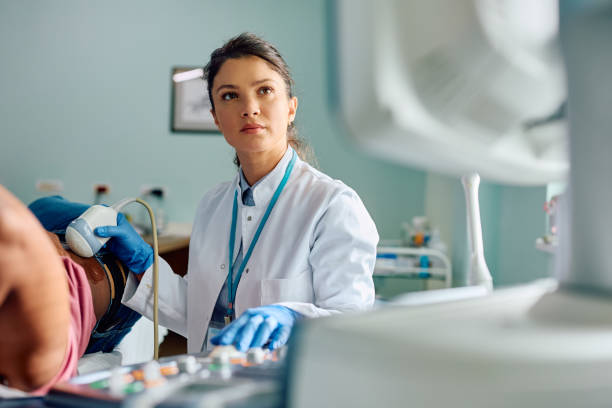
A Forensic Medicine Doctor, also known as a Forensic Pathologist, is a medical specialist who investigates unnatural, suspicious, or sudden deaths to determine their causes and circumstances. They bridge the gap between medicine and law, providing critical evidence for legal proceedings and contributing to public safety. Working in morgues, hospitals, forensic laboratories, and sometimes at crime scenes, these professionals are essential in solving mysteries surrounding death. This career falls under the Health Sciences career cluster, emphasizing medico-legal expertise and scientific analysis to uphold justice.
Share :
✨ Radial Mind Map - Forensic Medicine Doctor
Nodes arranged in concentric circles

Loading radial mind map...

Overview

A Forensic Medicine Doctor, also known as a Forensic Pathologist, is a medical specialist who investigates unnatural, suspicious, or sudden deaths to determine their causes and circumstances. They bridge the gap between medicine and law, providing critical evidence for legal proceedings and contributing to public safety. Working in morgues, hospitals, forensic laboratories, and sometimes at crime scenes, these professionals are essential in solving mysteries surrounding death. This career falls under the Health Sciences career cluster, emphasizing medico-legal expertise and scientific analysis to uphold justice.

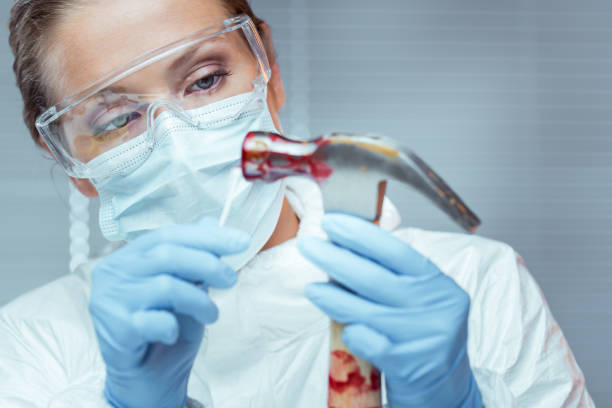
Forensic Medicine Doctors perform autopsies and detailed examinations of deceased individuals to uncover the cause and manner of death, whether due to accident, homicide, suicide, or natural causes. They collect and analyze evidence such as tissue samples, toxicology reports, and injury patterns, often testifying in court as expert witnesses. Their work supports criminal investigations, informs public health policies, and ensures accountability in cases of unnatural death. By combining medical knowledge with investigative skills, they play a pivotal role in delivering justice and protecting societal well-being.

Roles and Responsibilities

💼
Forensic Medicine Doctor
Roles and Responsibilities
Autopsy and Examination:
Conduct post-mortem examinations to determine the cause and time of death.
Document injuries, diseases, or toxic substances present in the body.
Evidence Collection:
Gather biological samples like blood, hair, or fluids for forensic analysis.
Preserve evidence for legal proceedings with strict chain-of-custody protocols.
Toxicology Analysis:
Evaluate toxicology reports to identify drugs, poisons, or alcohol in the system.
Correlate findings with potential causes of death or impairment.
Crime Scene Investigation:
Visit crime scenes to assess the context of death and collect initial evidence.
Collaborate with law enforcement to reconstruct events leading to death.
Court Testimony:
Provide expert testimony in legal cases regarding autopsy findings.
Explain complex medical details to judges, juries, and attorneys.
Report Preparation:
Compile detailed medico-legal reports for use in investigations and trials.
Ensure accuracy and clarity for legal and administrative purposes.
Public Health Contribution:
Identify patterns of unnatural deaths to inform public health interventions.
Report findings on epidemics, occupational hazards, or mass casualties.
Education and Consultation:
Train law enforcement, medical students, and legal professionals on forensic principles.
Consult with government bodies on policies related to death investigations.

Roles and Responsibilities:

  • Autopsy and Examination:
    • Conduct post-mortem examinations to determine the cause and time of death.
    • Document injuries, diseases, or toxic substances present in the body.
  • Evidence Collection:
    • Gather biological samples like blood, hair, or fluids for forensic analysis.
    • Preserve evidence for legal proceedings with strict chain-of-custody protocols.
  • Toxicology Analysis:
    • Evaluate toxicology reports to identify drugs, poisons, or alcohol in the system.
    • Correlate findings with potential causes of death or impairment.
  • Crime Scene Investigation:
    • Visit crime scenes to assess the context of death and collect initial evidence.
    • Collaborate with law enforcement to reconstruct events leading to death.
  • Court Testimony:
    • Provide expert testimony in legal cases regarding autopsy findings.
    • Explain complex medical details to judges, juries, and attorneys.
  • Report Preparation:
    • Compile detailed medico-legal reports for use in investigations and trials.
    • Ensure accuracy and clarity for legal and administrative purposes.
  • Public Health Contribution:
    • Identify patterns of unnatural deaths to inform public health interventions.
    • Report findings on epidemics, occupational hazards, or mass casualties.
  • Education and Consultation:
    • Train law enforcement, medical students, and legal professionals on forensic principles.
    • Consult with government bodies on policies related to death investigations.


Study Route & Eligibility Criteria

Study Route & Eligibility Criteria
Forensic Medicine Doctor
Route 1
🎓
1
10+2 with Physics, Chemistry, Biology
Route 2
🎓
1
10+2 with Physics, Chemistry, Biology
Route 3
🎓
1
10+2 with Physics, Chemistry, Biology
(International)
🎓
1
10+2 with Physics, Chemistry, Biology
🎯 Forensic Medicine Doctor - Professional

Internships & Practical Exposure

💼
Forensic Medicine Doctor
Internships & Practical Experience
1
Clinical rotations in forensic departments during MBBS internship.
2
Hands-on training in autopsy procedures during postgraduate studies.
3
Exposure to crime scene investigations under supervision.
4
Participation in toxicology and histopathology analysis in forensic labs.
5
Observerships at government forensic centers for real-world experience.
6
Involvement in medico-legal case documentation and reporting.
7
Training in courtroom testimony and evidence presentation.
8
Attendance at forensic medicine conferences and workshops.
9
Collaboration with police and legal teams during investigations.
10
Experience in mass casualty identification during disasters or accidents.

Courses & Specializations to Enter the Field

📚
Forensic Medicine Doctor
Courses & Specializations
📖
MBBS (Bachelor of Medicine and Bachelor of Surgery)
📖
MD/DNB in Forensic Medicine
📖
Diploma in Forensic Medicine
📖
Fellowship in Forensic Pathology
📖
Certification in Forensic Toxicology
📖
Training in Medico-Legal Investigation
📖
Specialized courses in Crime Scene Analysis
📖
Certification in Forensic Anthropology
📖
Courses in Forensic Odontology
📖
Continuing Medical Education in Legal Medicine

Prominent Employers

🏢
Forensic Medicine Doctor
🌟 Top Companies & Organizations
🇮🇳 India
🏛️
All India Institute of Medical Sciences (AIIMS)
🏛️
Central Forensic Science Laboratory (CFSL)
🏛️
National Institute of Criminology and Forensic Science
🏛️
State Forensic Science Laboratories (FSLs)
🏛️
King George’s Medical University Hospital
🏛️
Madras Medical College Hospital
🏛️
Seth GS Medical College and KEM Hospital
🏛️
Government Medical College, Kerala
🏛️
Osmania General Hospital
🏛️
Tata Memorial Hospital (forensic collaborations)
🌍 International
🌐
National Institute of Forensic Science, USA
🌐
FBI Laboratory, USA
🌐
Scotland Yard, UK
🌐
Royal Canadian Mounted Police, Canada
🌐
Australian Federal Police, Australia
🌐
Interpol, Global Headquarters, France
🌐
Mayo Clinic Forensic Department, USA
🌐
King’s College Hospital Forensic Unit, UK
🌐
Toronto General Hospital Forensic Unit, Canada
🌐
Cleveland Clinic Forensic Services, USA

Advice for Aspiring Forensic Medicine Doctors

💡
Forensic Medicine Doctor
🌟 Tips for Students & Parents
1
Build a strong foundation in biology and anatomy during early medical education.
2
Seek exposure to autopsy rooms and crime scenes through internships.
3
Develop emotional strength to handle traumatic and violent death cases.
4
Pursue postgraduate training in forensic medicine with hands-on autopsy experience.
5
Stay informed about advancements in forensic technology and DNA analysis.
6
Gain familiarity with legal systems to excel in courtroom testimonies.
7
Network with forensic experts and law enforcement for practical insights.
8
Hone analytical skills for interpreting complex medico-legal evidence.
9
Consider subspecialties like toxicology or anthropology for niche expertise.
10
Maintain personal well-being to cope with the psychological demands of the job.
🎓 Final Message
Venturing into a career as a Forensic Medicine Doctor presents a remarkable chance to blend medical science with the pursuit of justice, solving intricate puzzles of death that impact lives and legal outcomes. These specialists are indispensable in uncovering truths hidden within the deceased, serving as a vital link between health and law enforcement. With opportunities spanning forensic labs, courtrooms, and disaster response, this path appeals to those intrigued by investigation and committed to societal good. For individuals prepared to confront the challenges of mortality and legality, forensic medicine offers a deeply impactful and rewarding vocation.
Knowledge & Skills You Will Learn
1
Rising demand for forensic expertise in human rights violation cases.
Forensic Pathologist

Forensic Pathologist

A Forensic Pathologist conducts autopsies to determine the cause and manner of death in unnatural or suspicious cases. They provide critical...

0.0LPA
Chief Medical Examiner

Chief Medical Examiner

A Chief Medical Examiner oversees forensic investigations within a jurisdiction, managing a team of pathologists and ensuring compliance with...

0.0LPA
Forensic Toxicologist

Forensic Toxicologist

A Forensic Toxicologist specializes in detecting and analyzing drugs, poisons, and alcohol in biological samples to establish their role in a...

0.0LPA

Interested in this career?

Take the next step and explore more about Forensic Medicine Doctor.