Equity Analyst

Summary

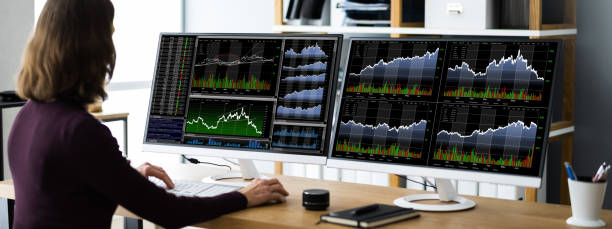
Equity Analysts evaluate publicly traded companies to provide investment recommendations on their stocks.

Share :
✨ Radial Mind Map - Equity Analyst
Nodes arranged in concentric circles

Loading radial mind map...

Overview

Equity Analysts evaluate publicly traded companies to provide investment recommendations on their stocks. They analyze financial statements, market trends, industry dynamics, and economic factors to assess a company’s value and growth potential. Their insights guide investors, portfolio managers, and financial institutions in making informed decisions about buying, holding, or selling equity securities.

Equity Analysts specialize in researching and analyzing companies listed on stock exchanges. They scrutinize financial reports, earnings forecasts, management strategies, and competitive positioning to estimate stock valuations. Using quantitative and qualitative methods, they produce detailed reports and investment theses. Equity Analysts work primarily in investment banks, brokerage firms, asset management companies, hedge funds, and financial advisory firms.

Roles and Responsibilities

💼
Equity Analyst
Roles and Responsibilities
Financial Statement Analysis
Reviewing income statements, balance sheets, and cash flow statements.
Calculating financial ratios and performance metrics.
Industry and Market Research
Analyzing industry trends, competitor performance, and macroeconomic factors.
Monitoring regulatory changes and market developments.
Valuation & Forecasting
Building financial models to forecast earnings, cash flows, and stock prices.
Applying valuation techniques such as discounted cash flow (DCF) and multiples.
Investment Recommendations
Preparing detailed equity research reports and investment notes.
Recommending buy, hold, or sell decisions based on analysis.
Client Communication
Presenting findings to portfolio managers, investors, and clients.
Responding to queries and providing market insights.
Risk Assessment
Identifying risks related to company performance, market volatility, and economic conditions.
Advising on risk mitigation strategies.
Investment Banks
: Assisting in equity research and financial modeling.
Brokerage Firms
: Market analysis and report preparation.
Asset Management Companies
: Supporting portfolio managers with research.
Financial Advisory Firms
: Conducting company and industry analysis.
Hedge Funds
: Quantitative and fundamental research roles.
Research Institutes and Financial Media
: Equity market reporting and analysis.
Undergraduate Degrees
: Finance, Commerce, Economics, Business Administration.
Postgraduate Programs
: MBA Finance, MSc Finance, Master’s in Financial Economics.
Online Courses
: Financial Modeling, Equity Valuation, Investment Analysis.
Certifications
: CFA, Financial Risk Manager (FRM), Certified Equity Professional (CEP).
Workshops
: Advanced Excel for Finance, Valuation Techniques, Sector Analysis.
Bloomberg Terminal
: Real-time financial data and analytics platform.
Reuters Eikon
: Market data and financial analysis tool.
Microsoft Excel
: Essential for financial modeling and data analysis.
FactSet
: Financial data and analytics software.
Capital IQ
: Market intelligence and analytics platform.
Tableau / Power BI
: Data visualization and reporting tools.
Python / R
: Programming languages for quantitative analysis and modeling.
SQL
: Database management and querying.
Thomson One
: Investment research and portfolio management software.
Morningstar Direct
: Investment research and analytics platform.
Peter Lynch (1944-, United States)
: Fidelity Magellan Fund manager (1977-1990) with a 29.2% annual return, influencing equity analysis throughOne Up on Wall Street(1989).
Mary Meeker (1959-, United States)
: Known as the “Queen of the Internet,” shaped tech stock strategies with Internet Trends Reports (1995-2019).
Jim Cramer (1955-, United States)
: Made equity analysis accessible viaMad Money(since 2005) and hedge fund experience.
Abby Joseph Cohen (1952-, United States)
: Goldman Sachs strategist (1990s-2010s), guided investors with bullish tech boom predictions.
Meredith Whitney (1969-, United States)
: Predicted the 2008 crisis with bearish bank calls in 2007, impacting financial sector analysis.
Ruchir Sharma (1970s-, India)
: Morgan Stanley’s Chief Global Strategist since the 1990s, shaped equity strategies with emerging market analysis.
Sanjiv Bhasin (Dates unavailable, India)
: IIFL Securities Director since the 2000s, influences Indian investors with stock recommendations.
Ashwani Gujral (1970-2023, India)
: Active since the 1990s, impacted Indian equity trading with technical analysis and books.
Porinju Veliyath (1962-, India)
: Founder of Equity Intelligence India (2002), inspired retail investors with contrarian small-cap investments.
David Blitzer (Dates unavailable, United States)
: Former S&P Dow Jones Indices head since the 1980s, provided critical benchmarks like the S&P 500.

Roles and Responsibilities

  1. Financial Statement Analysis
    • Reviewing income statements, balance sheets, and cash flow statements.
    • Calculating financial ratios and performance metrics.
  2. Industry and Market Research
    • Analyzing industry trends, competitor performance, and macroeconomic factors.
    • Monitoring regulatory changes and market developments.
  3. Valuation & Forecasting
    • Building financial models to forecast earnings, cash flows, and stock prices.
    • Applying valuation techniques such as discounted cash flow (DCF) and multiples.
  4. Investment Recommendations
    • Preparing detailed equity research reports and investment notes.
    • Recommending buy, hold, or sell decisions based on analysis.
  5. Client Communication
    • Presenting findings to portfolio managers, investors, and clients.
    • Responding to queries and providing market insights.
  6. Risk Assessment
    • Identifying risks related to company performance, market volatility, and economic conditions.
    • Advising on risk mitigation strategies.


Study Route & Eligibility Criteria

Alternate RouteSteps
Route 1: Finance/Commerce Degree1. Bachelor’s degree in Finance, Commerce, Accounting, or Economics.
 2. Internships in equity research, investment banking, or financial analysis.
 3. Certifications such as CFA (Chartered Financial Analyst).
 4. Entry-level analyst roles in brokerage or asset management firms.
Route 2: Economics or Business Degree + Finance Training1. Bachelor’s degree in Economics or Business Administration.
 2. Specialized courses in financial analysis and equity valuation.
 3. Practical exposure through internships or projects.
 4. Advanced certifications or MBA with finance focus.
Route 3: Engineering/Mathematics + Finance Certifications1. Bachelor’s degree in Engineering, Mathematics, or Statistics.
 2. Additional training in finance, accounting, and equity analysis.
 3. Passing CFA or similar professional exams.
 4. Entry through financial analytics or research roles.
Route 4: Self-Study + Professional Development1. Strong quantitative and analytical skills.
 2. Online courses in financial modeling, valuation, and equity research.
 3. Building a portfolio of stock analysis reports.
 4. Internships or junior analyst positions in financial firms.


Significant Observations

  • Increasing use of data analytics and AI in equity research.
  • Growing importance of ESG (Environmental, Social, and Governance) factors in stock analysis.
  • Rapidly changing market dynamics require continuous learning.
  • Demand for sector-specific expertise (technology, healthcare, energy).
  • Integration of global economic trends impacting equity markets.


Internships & Practical Exposure

  • Investment Banks: Assisting in equity research and financial modeling.
  • Brokerage Firms: Market analysis and report preparation.
  • Asset Management Companies: Supporting portfolio managers with research.
  • Financial Advisory Firms: Conducting company and industry analysis.
  • Hedge Funds: Quantitative and fundamental research roles.
  • Research Institutes and Financial Media: Equity market reporting and analysis.


Courses & Specializations to Enter the Field

  • Undergraduate Degrees: Finance, Commerce, Economics, Business Administration.
  • Postgraduate Programs: MBA Finance, MSc Finance, Master’s in Financial Economics.
  • Online Courses: Financial Modeling, Equity Valuation, Investment Analysis.
  • Certifications: CFA, Financial Risk Manager (FRM), Certified Equity Professional (CEP).
  • Workshops: Advanced Excel for Finance, Valuation Techniques, Sector Analysis.


Top Institutes for Equity Analyst Education in India

InstituteCourseOfficial Link
Indian Institute of Management (IIM) AhmedabadMBA Financehttps://iima.ac.in
Indian Institute of Management (IIM) BangaloreMBA Financehttps://iimb.ac.in
Xavier School of Management (XLRI)PGDM Financehttps://xlri.ac.in
National Institute of Securities Markets (NISM)Certification Courses in Securities Marketshttps://nism.ac.in
Symbiosis Institute of Business Management (SIBM)MBA Financehttps://sibm.edu
Institute of Chartered Accountants of India (ICAI)Chartered Accountancyhttps://icai.org
SP Jain Institute of Management and Research (SPJIMR)MBA Financehttps://spjimr.org
Narsee Monjee Institute of Management Studies (NMIMS)MBA Financehttps://nmims.edu
Christ UniversityMBA Financehttps://christuniversity.in
University of MumbaiMSc Financehttps://mu.ac.in


Top International Institutes

InstitutionCourseCountryOfficial Link
Harvard Business SchoolMBA FinanceUSAhttps://hbs.edu
London Business SchoolMBA FinanceUKhttps://london.edu
Wharton School, University of PennsylvaniaMBA FinanceUSAhttps://wharton.upenn.edu
INSEADMBA FinanceFrance/Singaporehttps://insead.edu
University of Chicago Booth School of BusinessMBA FinanceUSAhttps://chicagobooth.edu
Stanford Graduate School of BusinessMBA FinanceUSAhttps://gsb.stanford.edu
University of Oxford Saïd Business SchoolMBA FinanceUKhttps://sbs.ox.ac.uk
MIT Sloan School of ManagementMBA FinanceUSAhttps://mitsloan.mit.edu
New York University Stern School of BusinessMBA FinanceUSAhttps://stern.nyu.edu
National University of Singapore (NUS) Business SchoolMBA FinanceSingaporehttps://bschool.nus.edu.sg


Entrance Tests Required

India:

  • Common Admission Test (CAT) for MBA programs.
  • NISM certification exams for securities market professionals.
  • Institute-specific entrance exams for finance courses.

International:

  • GMAT for MBA programs.
  • GRE for certain finance master’s programs.
  • TOEFL/IELTS for non-native English speakers.


Ideal Progressing Career Path

Equity Research Intern → Junior Equity Analyst → Equity Analyst → Senior Equity Analyst → Sector Specialist → Portfolio Manager → Research Director → Chief Investment Officer → Financial Advisor / Consultant → Fund Manager


Major Areas of Employment

  • Investment Banks.
  • Brokerage Firms.
  • Asset Management Companies.
  • Hedge Funds and Mutual Funds.
  • Financial Advisory Firms.
  • Research and Rating Agencies.
  • Corporate Finance Departments.
  • Financial Media and Publications.
  • Wealth Management Firms.
  • Regulatory and Compliance Bodies.


Prominent Employers

IndiaInternational
ICICI SecuritiesGoldman Sachs
Kotak SecuritiesMorgan Stanley
HDFC SecuritiesJP Morgan Chase
Motilal OswalCredit Suisse
Axis CapitalBarclays
Reliance SecuritiesBank of America Merrill Lynch
Edelweiss Financial ServicesUBS
SBI Capital MarketsCiti
Angel BrokingWells Fargo
Aditya Birla CapitalDeutsche Bank


Pros and Cons of the Profession

ProsCons
High earning potential with bonuses and commissionsHigh-pressure environment with tight deadlines
Opportunity to work with dynamic financial marketsRequires continuous learning and market monitoring
Ability to influence investment decisionsLong working hours, especially during earnings seasons
Diverse career paths in finance and investmentMarket volatility can impact job stability
Develops strong analytical and financial modeling skillsCan be stressful due to market unpredictability
Exposure to global markets and economic trendsRequires deep understanding of complex financial instruments


Industry Trends and Future Outlook

  • Increasing use of AI and machine learning in equity research.
  • Rising importance of ESG factors in investment decisions.
  • Growth of passive investing impacting traditional equity analysis roles.
  • Expansion of global equity markets and cross-border investments.
  • Enhanced regulatory scrutiny affecting market practices.
  • Greater demand for sector-specific and thematic research.
  • Integration of alternative data sources for investment insights.
  • Development of automated financial modeling and reporting tools.
  • Growing focus on sustainable and impact investing.
  • Continued evolution of digital trading platforms and investor services.


Salary Expectations

Career LevelIndia (₹ per annum)International (US$ per annum)
Entry-Level Equity Analyst4,00,000 - 8,00,000$55,000 - $85,000
Mid-Level Analyst8,00,000 - 15,00,000$85,000 - $130,000
Senior Equity Analyst15,00,000 - 30,00,000$130,000 - $220,000
Portfolio Manager / Research Director25,00,000 - 50,00,000+$180,000 - $350,000+
Chief Investment Officer / Fund Manager40,00,000 - 70,00,000+$250,000 - $500,000+


Key Software Tools

  • Bloomberg Terminal: Real-time financial data and analytics platform.
  • Reuters Eikon: Market data and financial analysis tool.
  • Microsoft Excel: Essential for financial modeling and data analysis.
  • FactSet: Financial data and analytics software.
  • Capital IQ: Market intelligence and analytics platform.
  • Tableau / Power BI: Data visualization and reporting tools.
  • Python / R: Programming languages for quantitative analysis and modeling.
  • SQL: Database management and querying.
  • Thomson One: Investment research and portfolio management software.
  • Morningstar Direct: Investment research and analytics platform.


Professional Organizations and Networks

  • CFA Institute.
  • National Association of Securities Dealers (NASD).
  • Securities Analysts Association of India (SAAI).
  • Chartered Financial Analyst Society of India (CFASI).
  • Global Association of Risk Professionals (GARP).
  • Investment Analysts Society (IAS).
  • Association for Financial Professionals (AFP).
  • CFA Society New York.
  • CFA Society London.
  • Financial Planning Association (FPA).


Notable Equity Analysts and Their Contributions

  1. Peter Lynch (1944-, United States): Fidelity Magellan Fund manager (1977-1990) with a 29.2% annual return, influencing equity analysis through One Up on Wall Street (1989).
     
  2. Mary Meeker (1959-, United States): Known as the “Queen of the Internet,” shaped tech stock strategies with Internet Trends Reports (1995-2019).
     
  3. Jim Cramer (1955-, United States): Made equity analysis accessible via Mad Money (since 2005) and hedge fund experience.
     
  4. Abby Joseph Cohen (1952-, United States): Goldman Sachs strategist (1990s-2010s), guided investors with bullish tech boom predictions.
     
  5. Meredith Whitney (1969-, United States): Predicted the 2008 crisis with bearish bank calls in 2007, impacting financial sector analysis.
     
  6. Ruchir Sharma (1970s-, India): Morgan Stanley’s Chief Global Strategist since the 1990s, shaped equity strategies with emerging market analysis.
     
  7. Sanjiv Bhasin (Dates unavailable, India): IIFL Securities Director since the 2000s, influences Indian investors with stock recommendations.
     
  8. Ashwani Gujral (1970-2023, India): Active since the 1990s, impacted Indian equity trading with technical analysis and books.
     
  9. Porinju Veliyath (1962-, India): Founder of Equity Intelligence India (2002), inspired retail investors with contrarian small-cap investments.
     
  10. David Blitzer (Dates unavailable, United States): Former S&P Dow Jones Indices head since the 1980s, provided critical benchmarks like the S&P 500.


Advice for Aspiring Equity Analysts

  • Build a strong foundation in finance, accounting, and economics.
  • Pursue relevant certifications like CFA to enhance credibility.
  • Gain practical experience through internships and projects.
  • Develop advanced Excel and financial modeling skills.
  • Stay updated on market trends, economic news, and sector developments.
  • Cultivate strong communication skills to present complex analysis clearly.
  • Network within the finance industry and join professional organizations.
  • Be prepared for a demanding and fast-paced work environment.
  • Continuously improve quantitative and qualitative research abilities.
  • Embrace lifelong learning to adapt to evolving market technologies and regulations.


A career as an Equity Analyst offers an exciting opportunity to work at the heart of financial markets, combining analytical rigor with strategic insight. Equity Analysts play a crucial role in guiding investment decisions by evaluating company performance and market conditions. With diverse career paths in investment banking, asset management, hedge funds, and advisory services, this profession provides strong growth potential and global opportunities. As financial markets evolve, the demand for skilled equity analysts who can integrate data analytics, sector expertise, and economic understanding continues to rise, making it a rewarding and dynamic career choice.


Study Route & Eligibility Criteria

Study Route & Eligibility Criteria
Equity Analyst
Finance/Commerce Degree
🏛️
1
Bachelor’s degree in Finance, Commerce, Accounting, or Economics.
Economics or Business Degree + Finance Training
🏛️
1
Bachelor’s degree in Economics or Business Administration.
Engineering/Mathematics + Finance Certifications
🏛️
1
Bachelor’s degree in Engineering, Mathematics, or Statistics.
Self-Study + Professional Development
🎓
1
Strong quantitative and analytical skills.
🎯 Equity Analyst - Professional

Significant Observations (Academic Related Points)

💡
Equity Analyst
Academic Related Points
1
Investment Banks
Assisting in equity research and financial modeling.
2
Brokerage Firms
Market analysis and report preparation.
3
Asset Management Companies
Supporting portfolio managers with research.
4
Financial Advisory Firms
Conducting company and industry analysis.
5
Hedge Funds
Quantitative and fundamental research roles.
6
Research Institutes and Financial Media
Equity market reporting and analysis.
7
Undergraduate Degrees
Finance, Commerce, Economics, Business Administration.
8
Postgraduate Programs
MBA Finance, MSc Finance, Master’s in Financial Economics.
9
Online Courses
Financial Modeling, Equity Valuation, Investment Analysis.
10
Certifications
CFA, Financial Risk Manager (FRM), Certified Equity Professional (CEP).
11
Workshops
Advanced Excel for Finance, Valuation Techniques, Sector Analysis.
12
Bloomberg Terminal
Real-time financial data and analytics platform.
13
Reuters Eikon
Market data and financial analysis tool.
14
Microsoft Excel
Essential for financial modeling and data analysis.
15
FactSet
Financial data and analytics software.
16
Capital IQ
Market intelligence and analytics platform.
17
Tableau / Power BI
Data visualization and reporting tools.
18
Python / R
Programming languages for quantitative analysis and modeling.
19
SQL
Database management and querying.
20
Thomson One
Investment research and portfolio management software.
21
Morningstar Direct
Investment research and analytics platform.
22
Peter Lynch (1944-, United States)
Fidelity Magellan Fund manager (1977-1990) with a 29.2% annual return, influencing equity analysis throughOne Up on Wall Street(1989).
23
Mary Meeker (1959-, United States)
Known as the “Queen of the Internet,” shaped tech stock strategies with Internet Trends Reports (1995-2019).
24
Jim Cramer (1955-, United States)
Made equity analysis accessible viaMad Money(since 2005) and hedge fund experience.
25
Abby Joseph Cohen (1952-, United States)
Goldman Sachs strategist (1990s-2010s), guided investors with bullish tech boom predictions.
26
Meredith Whitney (1969-, United States)
Predicted the 2008 crisis with bearish bank calls in 2007, impacting financial sector analysis.
27
Ruchir Sharma (1970s-, India)
Morgan Stanley’s Chief Global Strategist since the 1990s, shaped equity strategies with emerging market analysis.
28
Sanjiv Bhasin (Dates unavailable, India)
IIFL Securities Director since the 2000s, influences Indian investors with stock recommendations.
29
Ashwani Gujral (1970-2023, India)
Active since the 1990s, impacted Indian equity trading with technical analysis and books.
30
Porinju Veliyath (1962-, India)
Founder of Equity Intelligence India (2002), inspired retail investors with contrarian small-cap investments.
31
David Blitzer (Dates unavailable, United States)
Former S&P Dow Jones Indices head since the 1980s, provided critical benchmarks like the S&P 500.

Internships & Practical Exposure

💼
Equity Analyst
Internships & Practical Experience
1
Investment Banks: Assisting in equity research and financial modeling.
2
Brokerage Firms: Market analysis and report preparation.
3
Asset Management Companies: Supporting portfolio managers with research.
4
Financial Advisory Firms: Conducting company and industry analysis.
5
Hedge Funds: Quantitative and fundamental research roles.
6
Research Institutes and Financial Media: Equity market reporting and analysis.
7
Undergraduate Degrees: Finance, Commerce, Economics, Business Administration.
8
Postgraduate Programs: MBA Finance, MSc Finance, Master’s in Financial Economics.
9
Online Courses: Financial Modeling, Equity Valuation, Investment Analysis.
10
Certifications: CFA, Financial Risk Manager (FRM), Certified Equity Professional (CEP).
11
Workshops: Advanced Excel for Finance, Valuation Techniques, Sector Analysis.
12
Common Admission Test (CAT) for MBA programs.
13
NISM certification exams for securities market professionals.
14
Institute-specific entrance exams for finance courses.
15
GMAT for MBA programs.
16
GRE for certain finance master’s programs.
17
TOEFL/IELTS for non-native English speakers.
18
Investment Banks.
19
Brokerage Firms.
20
Asset Management Companies.
21
Hedge Funds and Mutual Funds.
22
Financial Advisory Firms.
23
Research and Rating Agencies.
24
Corporate Finance Departments.
25
Financial Media and Publications.
26
Wealth Management Firms.
27
Regulatory and Compliance Bodies.
28
Increasing use of AI and machine learning in equity research.
29
Rising importance of ESG factors in investment decisions.
30
Growth of passive investing impacting traditional equity analysis roles.
31
Expansion of global equity markets and cross-border investments.
32
Enhanced regulatory scrutiny affecting market practices.
33
Greater demand for sector-specific and thematic research.
34
Integration of alternative data sources for investment insights.
35
Development of automated financial modeling and reporting tools.
36
Growing focus on sustainable and impact investing.
37
Continued evolution of digital trading platforms and investor services.
38
Bloomberg Terminal: Real-time financial data and analytics platform.
39
Reuters Eikon: Market data and financial analysis tool.
40
Microsoft Excel: Essential for financial modeling and data analysis.
41
FactSet: Financial data and analytics software.
42
Capital IQ: Market intelligence and analytics platform.
43
Tableau / Power BI: Data visualization and reporting tools.
44
Python / R: Programming languages for quantitative analysis and modeling.
45
SQL: Database management and querying.
46
Thomson One: Investment research and portfolio management software.
47
Morningstar Direct: Investment research and analytics platform.
48
CFA Institute.
49
National Association of Securities Dealers (NASD).
50
Securities Analysts Association of India (SAAI).
51
Chartered Financial Analyst Society of India (CFASI).
52
Global Association of Risk Professionals (GARP).
53
Investment Analysts Society (IAS).
54
Association for Financial Professionals (AFP).
55
CFA Society New York.
56
CFA Society London.
57
Financial Planning Association (FPA).
58
Peter Lynch (1944-, United States): Fidelity Magellan Fund manager (1977-1990) with a 29.2% annual return, influencing equity analysis throughOne Up on Wall Street(1989).
59
Mary Meeker (1959-, United States): Known as the “Queen of the Internet,” shaped tech stock strategies with Internet Trends Reports (1995-2019).
60
Jim Cramer (1955-, United States): Made equity analysis accessible viaMad Money(since 2005) and hedge fund experience.
61
Abby Joseph Cohen (1952-, United States): Goldman Sachs strategist (1990s-2010s), guided investors with bullish tech boom predictions.
62
Meredith Whitney (1969-, United States): Predicted the 2008 crisis with bearish bank calls in 2007, impacting financial sector analysis.
63
Ruchir Sharma (1970s-, India): Morgan Stanley’s Chief Global Strategist since the 1990s, shaped equity strategies with emerging market analysis.
64
Sanjiv Bhasin (Dates unavailable, India): IIFL Securities Director since the 2000s, influences Indian investors with stock recommendations.
65
Ashwani Gujral (1970-2023, India): Active since the 1990s, impacted Indian equity trading with technical analysis and books.
66
Porinju Veliyath (1962-, India): Founder of Equity Intelligence India (2002), inspired retail investors with contrarian small-cap investments.
67
David Blitzer (Dates unavailable, United States): Former S&P Dow Jones Indices head since the 1980s, provided critical benchmarks like the S&P 500.
68
Build a strong foundation in finance, accounting, and economics.
69
Pursue relevant certifications like CFA to enhance credibility.
70
Gain practical experience through internships and projects.
71
Develop advanced Excel and financial modeling skills.
72
Stay updated on market trends, economic news, and sector developments.
73
Cultivate strong communication skills to present complex analysis clearly.
74
Network within the finance industry and join professional organizations.
75
Be prepared for a demanding and fast-paced work environment.
76
Continuously improve quantitative and qualitative research abilities.
77
Embrace lifelong learning to adapt to evolving market technologies and regulations.

Courses & Specializations to Enter the Field

📚
Equity Analyst
Courses & Specializations
📖
Undergraduate Degrees: Finance, Commerce, Economics, Business Administration.
📖
Postgraduate Programs: MBA Finance, MSc Finance, Master’s in Financial Economics.
📖
Online Courses: Financial Modeling, Equity Valuation, Investment Analysis.
📖
Certifications: CFA, Financial Risk Manager (FRM), Certified Equity Professional (CEP).
📖
Workshops: Advanced Excel for Finance, Valuation Techniques, Sector Analysis.
📖
Common Admission Test (CAT) for MBA programs.
📖
NISM certification exams for securities market professionals.
📖
Institute-specific entrance exams for finance courses.
📖
GMAT for MBA programs.
📖
GRE for certain finance master’s programs.
📖
TOEFL/IELTS for non-native English speakers.
📖
Investment Banks.
📖
Brokerage Firms.
📖
Asset Management Companies.
📖
Hedge Funds and Mutual Funds.
📖
Financial Advisory Firms.
📖
Research and Rating Agencies.
📖
Corporate Finance Departments.
📖
Financial Media and Publications.
📖
Wealth Management Firms.
📖
Regulatory and Compliance Bodies.
📖
Increasing use of AI and machine learning in equity research.
📖
Rising importance of ESG factors in investment decisions.
📖
Growth of passive investing impacting traditional equity analysis roles.
📖
Expansion of global equity markets and cross-border investments.
📖
Enhanced regulatory scrutiny affecting market practices.
📖
Greater demand for sector-specific and thematic research.
📖
Integration of alternative data sources for investment insights.
📖
Development of automated financial modeling and reporting tools.
📖
Growing focus on sustainable and impact investing.
📖
Continued evolution of digital trading platforms and investor services.
📖
Bloomberg Terminal: Real-time financial data and analytics platform.
📖
Reuters Eikon: Market data and financial analysis tool.
📖
Microsoft Excel: Essential for financial modeling and data analysis.
📖
FactSet: Financial data and analytics software.
📖
Capital IQ: Market intelligence and analytics platform.
📖
Tableau / Power BI: Data visualization and reporting tools.
📖
Python / R: Programming languages for quantitative analysis and modeling.
📖
SQL: Database management and querying.
📖
Thomson One: Investment research and portfolio management software.
📖
Morningstar Direct: Investment research and analytics platform.
📖
CFA Institute.
📖
National Association of Securities Dealers (NASD).
📖
Securities Analysts Association of India (SAAI).
📖
Chartered Financial Analyst Society of India (CFASI).
📖
Global Association of Risk Professionals (GARP).
📖
Investment Analysts Society (IAS).
📖
Association for Financial Professionals (AFP).
📖
CFA Society New York.
📖
CFA Society London.
📖
Financial Planning Association (FPA).
📖
Peter Lynch (1944-, United States): Fidelity Magellan Fund manager (1977-1990) with a 29.2% annual return, influencing equity analysis throughOne Up on Wall Street(1989).
📖
Mary Meeker (1959-, United States): Known as the “Queen of the Internet,” shaped tech stock strategies with Internet Trends Reports (1995-2019).
📖
Jim Cramer (1955-, United States): Made equity analysis accessible viaMad Money(since 2005) and hedge fund experience.
📖
Abby Joseph Cohen (1952-, United States): Goldman Sachs strategist (1990s-2010s), guided investors with bullish tech boom predictions.
📖
Meredith Whitney (1969-, United States): Predicted the 2008 crisis with bearish bank calls in 2007, impacting financial sector analysis.
📖
Ruchir Sharma (1970s-, India): Morgan Stanley’s Chief Global Strategist since the 1990s, shaped equity strategies with emerging market analysis.
📖
Sanjiv Bhasin (Dates unavailable, India): IIFL Securities Director since the 2000s, influences Indian investors with stock recommendations.
📖
Ashwani Gujral (1970-2023, India): Active since the 1990s, impacted Indian equity trading with technical analysis and books.
📖
Porinju Veliyath (1962-, India): Founder of Equity Intelligence India (2002), inspired retail investors with contrarian small-cap investments.
📖
David Blitzer (Dates unavailable, United States): Former S&P Dow Jones Indices head since the 1980s, provided critical benchmarks like the S&P 500.
📖
Build a strong foundation in finance, accounting, and economics.
📖
Pursue relevant certifications like CFA to enhance credibility.
📖
Gain practical experience through internships and projects.
📖
Develop advanced Excel and financial modeling skills.
📖
Stay updated on market trends, economic news, and sector developments.
📖
Cultivate strong communication skills to present complex analysis clearly.
📖
Network within the finance industry and join professional organizations.
📖
Be prepared for a demanding and fast-paced work environment.
📖
Continuously improve quantitative and qualitative research abilities.
📖
Embrace lifelong learning to adapt to evolving market technologies and regulations.

Prominent Employers

🏢
Equity Analyst
🌟 Top Companies & Organizations
🇮🇳 India
🏛️
ICICI Securities
🏛️
Kotak Securities
🏛️
HDFC Securities
🏛️
Motilal Oswal
🏛️
Axis Capital
🏛️
Reliance Securities
🏛️
Edelweiss Financial Services
🏛️
SBI Capital Markets
🏛️
Angel Broking
🏛️
Aditya Birla Capital
🌍 International
🌐
Goldman Sachs
🌐
Morgan Stanley
🌐
JP Morgan Chase
🌐
Credit Suisse
🌐
Barclays
🌐
Bank of America Merrill Lynch
🌐
UBS
🌐
Citi
🌐
Wells Fargo
🌐
Deutsche Bank

Advice for Aspiring Equity Analysts

💡
Equity Analyst
🌟 Tips for Students & Parents
1
Build a strong foundation in finance, accounting, and economics.
2
Pursue relevant certifications like CFA to enhance credibility.
3
Gain practical experience through internships and projects.
4
Develop advanced Excel and financial modeling skills.
5
Stay updated on market trends, economic news, and sector developments.
6
Cultivate strong communication skills to present complex analysis clearly.
7
Network within the finance industry and join professional organizations.
8
Be prepared for a demanding and fast-paced work environment.
9
Continuously improve quantitative and qualitative research abilities.
10
Embrace lifelong learning to adapt to evolving market technologies and regulations.
🎓 Final Message
A career as an Equity Analyst offers an exciting opportunity to work at the heart of financial markets, combining analytical rigor with strategic insight. Equity Analysts play a crucial role in guiding investment decisions by evaluating company performance and market conditions. With diverse career paths in investment banking, asset management, hedge funds, and advisory services, this profession provides strong growth potential and global opportunities. As financial markets evolve, the demand for skilled equity analysts who can integrate data analytics, sector expertise, and economic understanding continues to rise, making it a rewarding and dynamic career choice.

Knowledge & Skills You Will Learn
1
Develop advanced Excel and financial modeling skills.
2
Cultivate strong communication skills to present complex analysis clearly.
Equity Analyst:

Equity Analyst:

Equity Analysts conduct comprehensive research and analysis of publicly traded companies to evaluate their financial health, growth prospects, and...

0.0LPA

Sector Specialist

Sector Specialist

Sector Specialists focus exclusively on a particular industry or sector such as technology, healthcare, energy, or consumer goods. They develop...

0.0LPA

Portfolio Manager

Portfolio Manager

Portfolio Managers are responsible for managing investment portfolios, making strategic decisions on asset allocation and stock selection based on...

0.0LPA

Interested in this career?

Take the next step and explore more about Equity Analyst.