Environmental Economist

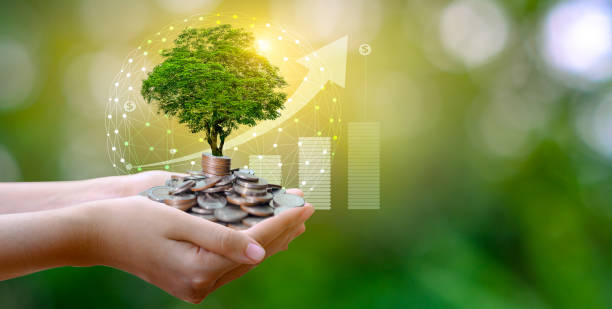
Environmental Economics is a specialized and critical field within economics that focuses on the interplay between economic activities and the environment, aiming to design policies and strategies that balance economic growth with environmental sustainability. In India, Environmental Economics is an increasingly important career path, driven by the countryโ€™s pressing environmental challenges, rapid industrialization, and commitment to global sustainability goals. With growing concerns over climate change, resource depletion, and pollution, this career plays a pivotal role in shaping policies for a greener economy. Environmental Economists are essential for evaluating the economic impact of environmental policies, assessing resource management, and advising on sustainable development practices. This profession contributes to industry progress through trends like green economic modelling, carbon pricing mechanisms, and ecosystem valuation.

Share :
โœจ Radial Mind Map - Environmental Economist
Nodes arranged in concentric circles

Loading radial mind map...

Overview

Environmental Economics is a specialized and critical field within economics that focuses on the interplay between economic activities and the environment, aiming to design policies and strategies that balance economic growth with environmental sustainability. In India, Environmental Economics is an increasingly important career path, driven by the countryโ€™s pressing environmental challenges, rapid industrialization, and commitment to global sustainability goals. With growing concerns over climate change, resource depletion, and pollution, this career plays a pivotal role in shaping policies for a greener economy. Environmental Economists are essential for evaluating the economic impact of environmental policies, assessing resource management, and advising on sustainable development practices. This profession contributes to industry progress through trends like green economic modelling, carbon pricing mechanisms, and ecosystem valuation.

Environmental Economists work in diverse settings such as government agencies, environmental organizations, research institutes, international bodies, or private consultancies, often collaborating with ecologists, policymakers, data analysts, and development experts. Their responsibilities include analyzing the costs and benefits of environmental policies, valuing natural resources, and developing economic models to address issues like pollution or climate change. They face challenges like quantifying intangible environmental benefits, navigating conflicting economic and ecological priorities, and addressing regional disparities in Indiaโ€™s vast environmental landscape. By leveraging expertise in economic analysis, environmental valuation, and policy design, they promote sustainable resource use. As vital contributors to Indiaโ€™s environmental and economic policy sectors, they drive progress through trends like renewable energy economics, circular economy frameworks, and climate adaptation strategies.

Roles and Responsibilities

๐Ÿ’ผ
Environmental Economist
Roles and Responsibilities
Environmental Policy Analysis and Design
Evaluate the economic impact of environmental regulations, conservation programs, or climate policies.
Design policies or incentives to promote sustainable practices while minimizing economic disruptions.
Cost-Benefit Analysis of Environmental Projects
Conduct economic assessments of projects like renewable energy adoption, pollution control, or reforestation.
Quantify costs, benefits, and trade-offs to guide decision-making for sustainable development.
Natural Resource Valuation
Estimate the economic value of ecosystems, biodiversity, or natural resources like water and forests.
Use valuation techniques to inform conservation strategies or compensation mechanisms.
Climate Change Economic Modeling
Develop models to predict the economic consequences of climate change or mitigation strategies.
Assess the financial implications of carbon taxes, emissions trading, or adaptation measures.
Data Analysis and Forecasting
Analyze environmental and economic data to identify trends in resource use, pollution, or policy outcomes.
Forecast future environmental costs or benefits based on economic growth or policy scenarios.
Stakeholder Collaboration and Advocacy
Work with government bodies, NGOs, and industries to align economic policies with environmental goals.
Advocate for sustainable practices through evidence-based recommendations and public engagement.
Research and Reporting
Conduct research on environmental issues like deforestation, air quality, or renewable energy economics.
Prepare reports, policy briefs, or academic papers to communicate findings to stakeholders or policymakers.
Monitoring Environmental Economic Indicators
Track indicators like carbon footprints, resource depletion rates, or green GDP to assess policy effectiveness.
Evaluate the economic impact of global environmental trends or crises on national or regional levels.


Roles and Responsibilities

  • Environmental Policy Analysis and Design
    • Evaluate the economic impact of environmental regulations, conservation programs, or climate policies.
    • Design policies or incentives to promote sustainable practices while minimizing economic disruptions.
  • Cost-Benefit Analysis of Environmental Projects
    • Conduct economic assessments of projects like renewable energy adoption, pollution control, or reforestation.
    • Quantify costs, benefits, and trade-offs to guide decision-making for sustainable development.
  • Natural Resource Valuation
    • Estimate the economic value of ecosystems, biodiversity, or natural resources like water and forests.
    • Use valuation techniques to inform conservation strategies or compensation mechanisms.
  • Climate Change Economic Modeling
    • Develop models to predict the economic consequences of climate change or mitigation strategies.
    • Assess the financial implications of carbon taxes, emissions trading, or adaptation measures.
  • Data Analysis and Forecasting
    • Analyze environmental and economic data to identify trends in resource use, pollution, or policy outcomes.
    • Forecast future environmental costs or benefits based on economic growth or policy scenarios.
  • Stakeholder Collaboration and Advocacy
    • Work with government bodies, NGOs, and industries to align economic policies with environmental goals.
    • Advocate for sustainable practices through evidence-based recommendations and public engagement.
  • Research and Reporting
    • Conduct research on environmental issues like deforestation, air quality, or renewable energy economics.
    • Prepare reports, policy briefs, or academic papers to communicate findings to stakeholders or policymakers.
  • Monitoring Environmental Economic Indicators
    • Track indicators like carbon footprints, resource depletion rates, or green GDP to assess policy effectiveness.
    • Evaluate the economic impact of global environmental trends or crises on national or regional levels.

ย 

Study Route & Eligibility Criteria

Study Route & Eligibility Criteria
Environmental Economist
Bachelorโ€™s in Economics or Environmental Science - Direct Entry
๐ŸŽ“
1
Complete 10+2 in any stream with minimum 50% marks.
๐Ÿ›๏ธ
2
Pursue B.A./B.Sc. in Economics or Environmental Science .
3 years
๐Ÿ’ผ
3
Gain experience in environmental research or policy roles through entry positions.
๐Ÿ’ผ
4
Progress to Environmental Economist with specialized skills or higher studies.
Bachelorโ€™s to Masterโ€™s Pathway
๐ŸŽ“
1
Complete 10+2 and enroll in B.A./B.Sc. in Economics or Environmental Science.
๐Ÿ“š
2
Pursue M.A./M.Sc. in Environmental Economics or related field via entrance exams.
๐Ÿ“š
3
Build skills through research or sustainability projects.
๐Ÿ“š
4
Join environmental economics roles in government or private sectors with advanced qualifications.
Masterโ€™s to Ph.D. Specialization
๐Ÿ›๏ธ
1
Complete Bachelorโ€™s and Masterโ€™s in Economics, Environmental Science, or Environmental Economics.
๐Ÿ“š
2
Pursue Ph.D. in Environmental Economics via entrance exams like UGC-NET.
๐Ÿ“š
3
Conduct original research on environmental policy or resource issues.
๐Ÿ’ผ
4
Join senior roles in academia, policy think tanks, or environmental organizations.
International Education Path
๐ŸŽ“
1
Complete 10+2 and clear relevant entrance exams or language tests .
๐Ÿ›๏ธ
2
Pursue degrees in Environmental Economics or Sustainable Development from international universities .
๐Ÿ’ผ
3
Gain global exposure through international projects or internships.
๐Ÿ’ผ
4
Return to India or work internationally in environmental economics roles.
Short-Term Courses and Practical Entry
๐ŸŽ“
1
Complete 10+2 or basic education in any stream.
๐Ÿ“š
2
Enroll in short-term certificate courses in Environmental Economics or Sustainable Development.
3-6 months
๐Ÿ’ผ
3
Work in assistant roles or NGOs for hands-on learning.
๐Ÿ’ผ
4
Build a portfolio and network to secure economist positions with experience.
๐ŸŽฏ Environmental Economist - Professional

Significant Observations (Academic Related Points)

๐Ÿ’ก
Environmental Economist
Academic Related Points
1
Eligibility Criteria
10+2 in any stream (Commerce/Science preferred) is generally required for undergraduate programs; relevant bachelorโ€™s degree for postgraduate programs with an interest in economics and environmental issues.
2
Competitive Examinations
Entrance exams like DUET, JNU-EE, or UGC-NET are required for premier institutes in India; international programs may require IELTS, TOEFL, or GRE.
3
Practical Skills
Hands-on experience in environmental data analysis, policy evaluation, and resource valuation is critical for success.
4
Physical Standards
Not typically mandatory, though roles may involve occasional travel for field research or site assessments.
5
Technical Knowledge
Proficiency in statistical software, environmental modeling, and economic analysis is essential.
6
Continuous Training
Workshops on climate policy, green economics, and sustainability tools are crucial for staying relevant.
7
Field Readiness
Exposure to real-world environmental challenges, conservation projects, and policy impacts builds practical competence.
8
Cultural Awareness
Understanding diverse environmental priorities and regional ecological issues aids in effective policy design.
9
Analytical and Ethical Balance
Combining economic rigor with a commitment to environmental sustainability is key to success.
10
Ethical Commitment
Adherence to unbiased research and sustainable advocacy builds professional credibility.
11
Networking Ability
Building relationships with environmentalists, policymakers, and industry experts is crucial for career growth.

Courses & Specializations to Enter the Field

๐Ÿ“š
Environmental Economist
Courses & Specializations
๐Ÿ“–
Bachelor of Arts (B.A.) in Economics for foundational skills in economic theory with environmental applications.
๐Ÿ“–
Bachelor of Science (B.Sc.) in Environmental Science or Economics for a quantitative focus on ecological data.
๐Ÿ“–
Master of Arts (M.A.) in Environmental Economics for advanced expertise in sustainability and resource analysis.
๐Ÿ“–
Master of Science (M.Sc.) in Environmental Economics or Sustainable Development for technical and research-oriented skills.
๐Ÿ“–
Ph.D. in Environmental Economics for specialized research and leadership roles in environmental policy or academia.
๐Ÿ“–
Specialization in Climate Change Economics, Natural Resource Management, Green Energy Economics, or Ecosystem Valuation.
๐Ÿ“–
Short-term courses on Environmental Policy Analysis, Carbon Pricing, and Sustainability Metrics.
๐Ÿ“–
Certifications in Environmental Data Analysis, Climate Modeling, and Sustainable Development for professional credibility.

Prominent Employers

๐Ÿข
Environmental Economist
๐ŸŒŸ Top Companies & Organizations
๐Ÿ‡ฎ๐Ÿ‡ณ India
๐ŸŒ International

Advice for Aspiring Environmental Economists

๐Ÿ’ก
Environmental Economist
๐ŸŒŸ Tips for Students & Parents
1
Build a strong foundation in economics, environmental science, and data analysis for a robust skill set in sustainability solutions.
2
Pursue early exposure through research roles in environmental projects or policy initiatives to understand real-world ecological challenges.
3
Create a portfolio showcasing impactful environmental economic studies, policy analyses, or valuation projects to attract opportunities.
4
Stay updated on climate trends, sustainability goals, and analytical tools through continuous learning and industry forums.
5
Develop proficiency in statistical software and environmental modeling techniques for a competitive edge in research.
6
Join reputed institutes like JNU or international programs for quality education and professional connections.
7
Work on resilience to handle complex environmental data, policy resistance, and high-stakes ecological environments.
8
Explore opportunities in smaller NGOs or regional sustainability projects to gain experience if larger roles are initially out of reach.
9
Network with environmental scientists, policymakers, and green industry leaders at conferences to broaden professional ties.
10
Cultivate adaptability to manage shifting environmental regulations, climate crises, and emerging green technologies.
11
Focus on societal impact by championing sustainable, equitable, and innovative environmental practices in your work.
๐ŸŽ“ Final Message
A career in Environmental Economics presents a unique chance to harmonize economic progress with ecological preservation by excelling in resource analysis and policy innovation, fostering advancements through sustainable frameworks, and safeguarding the planet with every strategic environmental solution. Environmental Economists stand as the forward-thinking stewards of Indiaโ€™s ecological and economic balance, utilizing their analytical skills and passion to deliver meaningful change across diverse landscapes. This discipline merges meticulous research with a dedication to sustainability, unlocking avenues in environmental policy design, climate impact assessment, natural resource valuation, and global green collaboration. For individuals driven to address environmental challenges through economic perspectives, motivated by the vision to create impact with sustainability-focused strategies, and prepared to tackle the evolving complexities of ecological and economic interdependence, a career as an Environmental Economist offers a truly enriching path. It empowers one to confront pressing environmental and economic issues, enhance sustainability models, and contribute to global well-being through the profound application of environmental economic insight.
Knowledge & Skills You Will Learn
1
Renewable Energy Economics: Growing analysis of the economic viability of solar, wind, and other clean energy sources.
2
Global Sustainability Goals: Indian economists aligning with international frameworks like the Paris Agreement or SDGs.
Environmental Research Analyst (Entry to Mid-Level)

Environmental Research Analyst (Entry to Mid-Level)

Early-career professionals analyzing environmental data and policy impacts for research institutes or NGOs in cities like Delhi and Bangalore,...

0.0LPA

Environmental Economist (Mid-Level)

Environmental Economist (Mid-Level)

Economists evaluating environmental policies and resource management for government or private organizations in hubs like Mumbai, focusing on...

0.0LPA

Senior Environmental Economist (Senior Level)

Senior Environmental Economist (Senior Level)

Experienced economists leading research on climate economics or resource valuation for national bodies in metro cities like Hyderabad, advising on...

0.0LPA

Interested in this career?

Take the next step and explore more about Environmental Economist.