Endoscopy Technologist

Summary

An Endoscopy Technologist, also known as an Endoscopic Technician, is a specialized healthcare professional trained to assist in endoscopic procedures that involve examining the interior of a patient’s body, typically the gastrointestinal tr...

Share :
✨ Radial Mind Map - Endoscopy Technologist
Nodes arranged in concentric circles

Loading radial mind map...

Overview

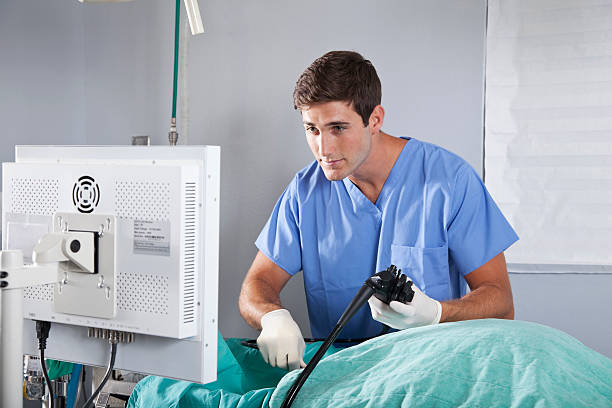
An Endoscopy Technologist, also known as an Endoscopic Technician, is a specialized healthcare professional trained to assist in endoscopic procedures that involve examining the interior of a patient’s body, typically the gastrointestinal tract, using an endoscope—a flexible tube with a camera and light. They work in hospitals, outpatient clinics, surgical centers, and gastroenterology practices, collaborating with gastroenterologists, surgeons, and other medical staff. Endoscopy Technologists play a vital role in modern healthcare by ensuring the proper functioning of endoscopic equipment, supporting physicians during procedures, and contributing to patient safety and comfort, in an era where minimally invasive diagnostic and therapeutic procedures are increasingly essential due to rising digestive health issues and an aging population.
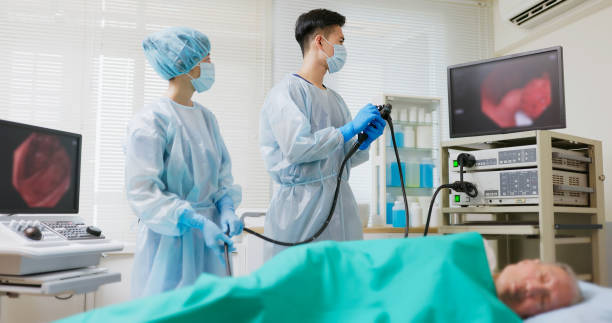
Endoscopy Technologists are skilled professionals responsible for preparing and maintaining endoscopic equipment, assisting during procedures such as colonoscopies, gastroscopies, and endoscopic retrograde cholangiopancreatography (ERCP), and ensuring a sterile and safe environment. Their role includes setting up procedure rooms, handling specimens for laboratory analysis, and providing patient support before, during, and after examinations. They combine technical expertise with patient care skills, often working in fast-paced environments to support accurate diagnoses and treatments. As key contributors to gastroenterology and surgical teams, they enable effective management of conditions like ulcers, cancers, and inflammatory bowel diseases in a landscape increasingly focused on early detection and minimally invasive interventions.

Roles and Responsibilities

💼
Endoscopy Technologist
Roles and Responsibilities
Equipment Preparation
Set up endoscopic instruments and accessories, ensuring they are sterilized and ready for procedures.
Inspect equipment for functionality and report any malfunctions or damage to supervisors.
Procedure Assistance
Assist physicians during endoscopic procedures by passing instruments, adjusting equipment, and managing patient positioning.
Support advanced procedures like biopsies, polyp removals, or stent placements as directed by medical staff.
Ensure clear visualization for the physician by managing suction, irrigation, or lens cleaning during examinations.
Patient Support
Prepare patients for procedures by explaining the process and addressing their concerns to reduce anxiety.
Monitor patients’ vital signs and comfort levels during procedures, reporting any issues to the medical team.
Specimen Handling
Collect and label tissue or fluid samples obtained during procedures for laboratory testing.
Ensure proper storage and transport of specimens to maintain integrity for analysis.
Sterility and Safety
Adhere to infection control protocols to maintain a sterile environment and prevent cross-contamination.
Clean, disinfect, and sterilize endoscopic equipment according to regulatory standards after each use.
Documentation
Record procedural details, patient responses, and equipment usage in electronic medical records.
Assist in preparing reports or logs for quality assurance and compliance purposes.
Equipment Maintenance
Perform routine maintenance on endoscopic tools and coordinate with biomedical teams for repairs or replacements.
Troubleshoot minor technical issues during procedures to ensure uninterrupted workflow.
Patient Education
Provide post-procedure instructions to patients regarding recovery, diet, or follow-up care.
Answer basic questions to ensure patients feel informed and supported throughout their experience.
Scientific Foundation:
Strong knowledge of human anatomy, physiology, and gastroenterology is essential for understanding endoscopic procedures.
Technical Skills:
Practical training in handling endoscopic equipment develops core competencies in procedural support.
Specialized Training:
Certifications in specific endoscopic techniques (e.g., ERCP or endoscopic ultrasound) offer niche expertise.
Equipment Proficiency:
Mastery of endoscope operation, sterilization, and troubleshooting is vital for procedural success.
Interdisciplinary Knowledge:
Understanding gastroenterology and surgical protocols improves procedural outcomes.
Certification Importance:
Registration with allied health councils or certification bodies may be required for practice.
Continuing Education:
Regular workshops are necessary to stay updated on endoscopic technologies and techniques.
Global Standards:
Compliance with international guidelines enhances opportunities for global roles.
Attention to Detail:
Precision in equipment setup and patient monitoring is critical for safety and accuracy.
Entrance Examination Success:
Certain programs may require entrance tests or specific qualifications for admission.
International Testing Requirements:
For global practice, certifications like those from the Society of Gastroenterology Nurses and Associates (SGNA) may be needed.
Dr. Shinya Hiromi (Historical, Japan):
Pioneer in colonoscopy since the 1960s. His development of the modern colonoscope and polypectomy techniques revolutionized gastrointestinal diagnostics and treatment. His impact shapes endoscopic practices globally.
Dr. Basil Hirschowitz (Historical, USA):
Innovator in fiber-optic endoscopy since the 1950s. His invention of the first practical fiber-optic endoscope transformed minimally invasive diagnostics. His contributions influence the field worldwide.
Dr. Harold Hopkins (Historical, UK):
Leader in endoscopic optics since the 1950s. His advancements in lens technology enhanced visualization during procedures, laying the groundwork for modern endoscopy. His work impacts practices globally.
Dr. William S. McCune (Historical, USA):
Renowned for early endoscopic innovations since the 1960s. His pioneering work in endoscopic retrograde cholangiopancreatography (ERCP) advanced biliary and pancreatic diagnostics. His influence extends internationally.
Dr.MeinhardClassen (Contemporary, Germany):
Expert in therapeutic endoscopy since the 1970s. His contributions to endoscopic techniques for gastrointestinal bleeding and cancer treatment have saved countless lives. His efforts shape the field globally.
Dr. Jerome D. Waye (Contemporary, USA):
Renowned expert in colonoscopy since the 1970s. His research and textbooks on endoscopic procedures standardize training and practice. His impact elevates endoscopy worldwide.
Dr. Christopher J. Gostout (Contemporary, USA):
Leader in endoscopic innovation since the 1980s. His work on endoscopic bariatric therapies and natural orifice transluminal endoscopic surgery (NOTES) supports cutting-edge care. His influence resonates internationally.
Dr.Nageshwar Reddy (Contemporary, India):
Specialist in gastrointestinal endoscopy since the 1980s. His innovations in therapeutic endoscopy and leadership at the Asian Institute of Gastroenterology improve patient outcomes. His contributions elevate standards globally.
Dr. Paul Swain (Contemporary, UK):
Expert in endoscopic technology since the 1990s. His development of capsule endoscopy revolutionized non-invasive diagnostics for the small intestine. His efforts shape the future of the field internationally.
Dr.Haruhiro Inoue (Contemporary, Japan):
Innovator in endoscopic surgery since the 2000s. His pioneering work on peroral endoscopic myotomy (POEM) for esophageal disorders advances minimally invasive techniques. His work influences endoscopy worldwide.

Roles and Responsibilities

  • Equipment Preparation
    • Set up endoscopic instruments and accessories, ensuring they are sterilized and ready for procedures.
    • Inspect equipment for functionality and report any malfunctions or damage to supervisors.
  • Procedure Assistance
    • Assist physicians during endoscopic procedures by passing instruments, adjusting equipment, and managing patient positioning.
    • Support advanced procedures like biopsies, polyp removals, or stent placements as directed by medical staff.
    • Ensure clear visualization for the physician by managing suction, irrigation, or lens cleaning during examinations.
  • Patient Support
    • Prepare patients for procedures by explaining the process and addressing their concerns to reduce anxiety.
    • Monitor patients’ vital signs and comfort levels during procedures, reporting any issues to the medical team.
  • Specimen Handling
    • Collect and label tissue or fluid samples obtained during procedures for laboratory testing.
    • Ensure proper storage and transport of specimens to maintain integrity for analysis.
  • Sterility and Safety
    • Adhere to infection control protocols to maintain a sterile environment and prevent cross-contamination.
    • Clean, disinfect, and sterilize endoscopic equipment according to regulatory standards after each use.
  • Documentation
    • Record procedural details, patient responses, and equipment usage in electronic medical records.
    • Assist in preparing reports or logs for quality assurance and compliance purposes.
  • Equipment Maintenance
    • Perform routine maintenance on endoscopic tools and coordinate with biomedical teams for repairs or replacements.
    • Troubleshoot minor technical issues during procedures to ensure uninterrupted workflow.
  • Patient Education
    • Provide post-procedure instructions to patients regarding recovery, diet, or follow-up care.
    • Answer basic questions to ensure patients feel informed and supported throughout their experience.


Study Route & Eligibility Criteria

RouteSteps
Route 11. 10+2 with Physics, Chemistry, Biology (PCB) or equivalent
2. Certificate in Endoscopy Technology (6 months-1 year)
3. Internship or clinical training (3-6 months)
4. Practice as Endoscopy Technician
Route 21. 10+2 with PCB
2. Diploma in Endoscopy or Surgical Technology (1-2 years)
3. Hands-on training or internship in endoscopy units
4. Work as Endoscopy Technologist
Route 31. 10+2 with PCB
2. Bachelor’s degree in Allied Health Sciences or Surgical Technology (3-4 years)
3. Training in endoscopic procedures
4. Practice as Endoscopy Technologist
Route 41. 10+2 with PCB
2. Advanced certification or international training in Endoscopy Technology (1-2 years)
3. Licensure as per country regulations
4. Practice abroad or in India


Significant Observations (Academic Related Points)

  • Scientific Foundation: Strong knowledge of human anatomy, physiology, and gastroenterology is essential for understanding endoscopic procedures.
  • Technical Skills: Practical training in handling endoscopic equipment develops core competencies in procedural support.
  • Specialized Training: Certifications in specific endoscopic techniques (e.g., ERCP or endoscopic ultrasound) offer niche expertise.
  • Equipment Proficiency: Mastery of endoscope operation, sterilization, and troubleshooting is vital for procedural success.
  • Interdisciplinary Knowledge: Understanding gastroenterology and surgical protocols improves procedural outcomes.
  • Certification Importance: Registration with allied health councils or certification bodies may be required for practice.
  • Continuing Education: Regular workshops are necessary to stay updated on endoscopic technologies and techniques.
  • Global Standards: Compliance with international guidelines enhances opportunities for global roles.
  • Attention to Detail: Precision in equipment setup and patient monitoring is critical for safety and accuracy.
  • Entrance Examination Success: Certain programs may require entrance tests or specific qualifications for admission.
  • International Testing Requirements: For global practice, certifications like those from the Society of Gastroenterology Nurses and Associates (SGNA) may be needed.


Internships & Practical Exposure

  • Mandatory clinical training during certificate or degree programs in endoscopy or surgical units.
  • Rotations in gastroenterology departments for hands-on experience with endoscopic equipment.
  • Internships under senior technologists or gastroenterologists for exposure to real-time procedural support.
  • Observerships in surgical centers for experience in diverse endoscopic techniques.
  • Participation in procedural simulations for practical skill development.
  • Training in infection control and patient safety protocols through real-world case studies and mock scenarios.
  • Exposure to high-acuity scenarios during internships in hospital endoscopy suites.
  • Clinical projects on improving procedural efficiency or patient comfort during training.
  • Public health initiatives for assisting in gastrointestinal health awareness programs.
  • International hospital attachments for global exposure to endoscopic practices.


Courses & Specializations to Enter the Field

  • Certificate in Endoscopy Technology
  • Diploma in Endoscopy or Surgical Technology
  • Bachelor’s in Allied Health Sciences or Surgical Technology
  • Training in Gastrointestinal Endoscopy Procedures
  • Specialization in Advanced Endoscopic Techniques (e.g., ERCP, EUS)
  • Certification in Sterile Processing and Infection Control
  • Workshops on Endoscopic Equipment Maintenance and Safety
  • Training in Endoscopic Biopsy and Specimen Handling
  • Specialization in Paediatric Endoscopy
  • Certification in Basic Life Support (BLS) for emergency response


Top Institutes for Endoscopy Technologist Education (India)

InstituteCourse/ProgramOfficial Link
All India Institute of Medical Sciences (AIIMS), New DelhiDiploma in Surgical Technologyhttps://www.aiims.edu/
Christian Medical College (CMC), VelloreDiploma and B.Sc. in Allied Health Scienceshttps://www.cmch-vellore.edu/
Manipal Academy of Higher Education, ManipalB.Sc. in Allied Health Scienceshttps://www.manipal.edu/
Sri Ramachandra Institute of Higher Education and Research, ChennaiB.Sc. in Allied Health Scienceshttps://www.sriramachandra.edu.in/
Kasturba Medical College (KMC), MangaloreDiploma and Degree in Surgical Technologyhttps://manipal.edu/kmc-mangalore.html
Amrita Institute of Medical Sciences, KochiB.Sc. in Allied Health Scienceshttps://www.amrita.edu/
Jawaharlal Institute of Postgraduate Medical Education & Research (JIPMER), PuducherryDiploma in Surgical Technologyhttps://www.jipmer.edu.in/
King George’s Medical University (KGMU), LucknowDiploma and B.Sc. in Allied Health Scienceshttps://www.kgmu.org/
Nizam’s Institute of Medical Sciences (NIMS), HyderabadDiploma in Surgical Technologyhttps://www.nims.edu.in/
Postgraduate Institute of Medical Education and Research (PGIMER), ChandigarhDiploma in Surgical Technologyhttps://pgimer.edu.in/


Top International Institutes

InstitutionCourseCountryOfficial Link
Johns Hopkins UniversitySurgical Technology TrainingUSAhttps://www.jhu.edu/
University of TorontoAllied Health ProgramsCanadahttps://www.utoronto.ca/
University College London (UCL)Biomedical Science with Surgical FocusUKhttps://www.ucl.ac.uk/
University of MelbourneSurgical TechnologyAustraliahttps://www.unimelb.edu.au/
Mayo Clinic College of Medicine and ScienceEndoscopy Technology ProgramUSAhttps://www.mayo.edu/
King’s College LondonBiomedical Science (Surgical Technology)UKhttps://www.kcl.ac.uk/
University of British ColumbiaAllied Health ProgramsCanadahttps://www.ubc.ca/
Monash UniversitySurgical TechnologyAustraliahttps://www.monash.edu/
Karolinska InstitutetSurgical Science TrainingSwedenhttps://www.ki.se/
University of California, San FranciscoEndoscopy Technology ProgramsUSAhttps://www.ucsf.edu/


Entrance Tests Required

India:

  • All India Institute of Medical Sciences (AIIMS) Paramedical Entrance Exam
  • National Eligibility cum Entrance Test (NEET-UG) for some undergraduate allied health programs
  • State-level paramedical entrance exams for diploma or degree admissions
  • University-specific entrance tests for surgical technology programs


International:

  • Specific entrance exams or prerequisites as per institute for endoscopy technology programs
  • Test of English as a Foreign Language (TOEFL) with a minimum score of 80-100 for non-native speakers
  • International English Language Testing System (IELTS) with a minimum score of 6.0-7.0
  • Pearson Test of English Academic (PTE Academic)
  • Duolingo English Test (accepted by some institutions)
  • Graduate Record Examinations (GRE) for certain international postgraduate programs


Ideal Progressing Career Path

Trainee → Certified Endoscopy Technician → Senior Endoscopy Technologist → Lead Endoscopy Specialist → Endoscopy Unit Supervisor/Manager → Endoscopy Educator → Endoscopy Department Director → Endoscopy Consultant


Major Areas of Employment

  • Hospitals for gastrointestinal diagnostics and treatments
  • Outpatient clinics for routine endoscopic procedures
  • Surgical centers for minimally invasive interventions
  • Gastroenterology practices for specialized digestive health assessments
  • Government health facilities for public gastrointestinal health programs
  • Private clinics for advanced endoscopic services
  • Academic medical centers for training future technologists
  • Mobile endoscopy units for community health programs
  • Research institutions for studies on endoscopic technology
  • Ambulatory surgery centers for day-case procedures


Prominent Employers

IndiaInternational
Apollo HospitalsMayo Clinic, USA
Fortis HealthcareCleveland Clinic, USA
Max HealthcareJohns Hopkins Hospital, USA
Medanta - The MedicityRoyal Brompton Hospital, UK
Narayana HealthToronto General Hospital, Canada
Manipal HospitalsSt Vincent’s Hospital, Australia
AIIMS (All India Institute of Medical Sciences)Karolinska University Hospital, Sweden
CMC (Christian Medical College), VelloreMount Sinai Hospital, USA
Lilavati Hospital, MumbaiGuy’s and St Thomas’ NHS Foundation Trust, UK
Kokilaben Dhirubhai Ambani HospitalMassachusetts General Hospital, USA


Pros and Cons of the Profession

ProsCons
Opportunity to contribute to critical gastrointestinal diagnosticsHigh-pressure environment due to the critical nature of procedures
High demand for Endoscopy Technologists in hospitals and clinicsEmotional strain from handling patients with severe conditions
Rewarding impact on patient outcomes through procedural supportRepetitive nature of tasks can lead to physical strain over time
Diverse career paths across hospitals, clinics, and surgical centersRisk of exposure to infections, requiring strict safety adherence
Strong potential for growth with advanced certifications in endoscopyNeed for continuous learning to keep up with evolving technologies


Industry Trends and Future Outlook

  • Growing adoption of advanced endoscopic technologies like robotic-assisted systems for precision.
  • Rising demand for Endoscopy Technologists due to increasing prevalence of gastrointestinal disorders globally.
  • Advancements in high-definition and 3D endoscopic imaging for improved diagnostics.
  • Heightened focus on telemedicine for remote endoscopic consultations and follow-ups.
  • Expansion of AI-driven endoscopic tools for automated detection of abnormalities.
  • Development of integrated systems for real-time procedural monitoring and documentation.
  • Increased emphasis on specialized training for pediatric or therapeutic endoscopy.
  • Enhanced collaboration between technologists and gastroenterologists for optimized patient outcomes.
  • Growing need for continuous education to master advanced endoscopic systems.
  • Focus on global certification standards to align endoscopic practices internationally.


Salary Expectations

Career LevelIndia (₹ per annum)International (USD per annum)
Trainee/Certified Endoscopy Technician (Early Career)1,80,000 - 3,00,00030,000 - 45,000
Senior Endoscopy Technologist (Mid-Career)3,00,000 - 5,50,00045,000 - 60,000
Lead Endoscopy Specialist5,50,000 - 8,00,00060,000 - 75,000
Endoscopy Unit Supervisor/Manager8,00,000 - 11,00,00075,000 - 90,000
Educator/Endoscopy Department Director11,00,000+90,000+

Note: Salaries vary based on location, experience, employer, and specialization. International figures are approximate and depend on the country and healthcare sector.


Key Software Tools

  • Endoscopic Imaging Software for capturing and analyzing procedural visuals
  • Electronic Medical Records (EMR) for patient and procedural data tracking
  • Equipment Management Software for maintaining and troubleshooting endoscopic devices
  • Telemedicine Platforms for remote consultation with gastroenterologists
  • Procedural Analysis Tools for assessing endoscopic findings
  • Teleconferencing tools like Zoom for remote collaboration with medical teams
  • Clinical databases for staying updated on endoscopic protocols
  • Microsoft Office Suite for documentation and report preparation
  • Secure messaging tools for coordinating with endoscopy unit staff
  • Simulation software for training on endoscopic scenarios and patient care


Professional Organizations and Networks

  • Society of Gastroenterology Nurses and Associates (SGNA)
  • American Society for Gastrointestinal Endoscopy (ASGE)
  • Certification Board for Sterile Processing and Distribution (CBSPD)
  • British Society of Gastroenterology (BSG)
  • European Society of Gastrointestinal Endoscopy (ESGE)
  • Canadian Association of Gastroenterology (CAG)
  • International Federation for the Surgery of Obesity and Metabolic Disorders (IFSO)
  • World Endoscopy Organization (WEO)
  • Australian Gastrointestinal Endoscopy Association (AGEA)
  • Indian Society of Gastroenterology (ISG)
  • World Health Organization (WHO) Gastrointestinal Health Programs


Notable Endoscopy Technologists and Industry Leaders (Top 10)

  • Dr. Shinya Hiromi (Historical, Japan): Pioneer in colonoscopy since the 1960s. His development of the modern colonoscope and polypectomy techniques revolutionized gastrointestinal diagnostics and treatment. His impact shapes endoscopic practices globally.
     
  • Dr. Basil Hirschowitz (Historical, USA): Innovator in fiber-optic endoscopy since the 1950s. His invention of the first practical fiber-optic endoscope transformed minimally invasive diagnostics. His contributions influence the field worldwide.
     
  • Dr. Harold Hopkins (Historical, UK): Leader in endoscopic optics since the 1950s. His advancements in lens technology enhanced visualization during procedures, laying the groundwork for modern endoscopy. His work impacts practices globally.
     
  • Dr. William S. McCune (Historical, USA): Renowned for early endoscopic innovations since the 1960s. His pioneering work in endoscopic retrograde cholangiopancreatography (ERCP) advanced biliary and pancreatic diagnostics. His influence extends internationally.
     
  • Dr.MeinhardClassen (Contemporary, Germany): Expert in therapeutic endoscopy since the 1970s. His contributions to endoscopic techniques for gastrointestinal bleeding and cancer treatment have saved countless lives. His efforts shape the field globally.
     
  • Dr. Jerome D. Waye (Contemporary, USA): Renowned expert in colonoscopy since the 1970s. His research and textbooks on endoscopic procedures standardize training and practice. His impact elevates endoscopy worldwide.
     
  • Dr. Christopher J. Gostout (Contemporary, USA): Leader in endoscopic innovation since the 1980s. His work on endoscopic bariatric therapies and natural orifice transluminal endoscopic surgery (NOTES) supports cutting-edge care. His influence resonates internationally.
     
  • Dr.Nageshwar Reddy (Contemporary, India): Specialist in gastrointestinal endoscopy since the 1980s. His innovations in therapeutic endoscopy and leadership at the Asian Institute of Gastroenterology improve patient outcomes. His contributions elevate standards globally.
     
  • Dr. Paul Swain (Contemporary, UK): Expert in endoscopic technology since the 1990s. His development of capsule endoscopy revolutionized non-invasive diagnostics for the small intestine. His efforts shape the future of the field internationally.
     
  • Dr.Haruhiro Inoue (Contemporary, Japan): Innovator in endoscopic surgery since the 2000s. His pioneering work on peroral endoscopic myotomy (POEM) for esophageal disorders advances minimally invasive techniques. His work influences endoscopy worldwide.
     

Advice for Aspiring Endoscopy Technologists

  • Build a strong foundation in biology, anatomy, and physiology to understand gastrointestinal diagnostics.
  • Seek early exposure to gastroenterology or surgical units through volunteer programs to confirm interest in the field.
  • Prepare thoroughly for entrance exams or certification requirements specific to your chosen program or region.
  • Pursue advanced certifications in specialized endoscopic techniques like ERCP or endoscopic ultrasound to gain expertise.
  • Stay updated on advancements in endoscopic technology by attending workshops and seminars.
  • Develop hands-on skills in operating endoscopic equipment through practical training.
  • Engage in clinical or gastrointestinal health projects to build real-world experience.
  • Join professional associations like the Society of Gastroenterology Nurses and Associates (SGNA) for networking and resources.
  • Work on precision and attention to detail to ensure accurate procedural support and patient safety.
  • Explore international training programs for exposure to diverse endoscopic practices and standards.
  • Volunteer in endoscopy units or surgical centers to understand patient needs and build experience.
  • Cultivate patience and empathy to support patients during uncomfortable procedures.
  • Attend continuing education programs to stay abreast of evolving endoscopic methods and technologies.
  • Build a network with gastroenterologists, surgeons, and other technologists for collaborative patient care efforts.
  • Develop resilience to handle patient anxieties and high-stakes procedural scenarios.
  • Balance clinical work with continuous learning to adapt to rapid advancements in endoscopic systems.


A career as an Endoscopy Technologist offers a unique opportunity to contribute to patient care and gastrointestinal health by supporting the diagnosis and treatment of digestive conditions through minimally invasive procedures. From assisting in critical colonoscopies, gastroscopies, and therapeutic interventions to ensuring accurate data and equipment functionality for gastroenterologists and surgeons in dynamic environments, Endoscopy Technologists play a pivotal role in modern healthcare systems. This field combines technical expertise, attention to detail, and a commitment to patient well-being, offering diverse paths in hospitals, outpatient clinics, and surgical centers. For those passionate about advancing gastrointestinal care, supporting procedural precision, and addressing the growing prevalence of related disorders in an era of advanced technology and patient-centered care, a career as an Endoscopy Technologist provides an intellectually stimulating and professionally rewarding journey with the potential to make significant contributions to society by enhancing the quality of endoscopic services and patient outcomes worldwide.

 

Study Route & Eligibility Criteria

Study Route & Eligibility Criteria
Endoscopy Technologist
Route 1
🎓
1
10+2 with Physics, Chemistry, Biology or equivalent
📚
2
Certificate in Endoscopy Technology
💼
3
Internship or clinical training
3-6 months
💼
4
Practice as Endoscopy Technician
Route 2
🎓
1
10+2 with PCB
🎓
2
Diploma in Endoscopy or Surgical Technology
1-2 years
💼
3
Hands-on training or internship in endoscopy units
💼
4
Work as Endoscopy Technologist
Route 3
🎓
1
10+2 with PCB
🏛️
2
Bachelor’s degree in Allied Health Sciences or Surgical Technology
3-4 years
📚
3
Training in endoscopic procedures
💼
4
Practice as Endoscopy Technologist
Route 4
🎓
1
10+2 with PCB
🏛️
2
Advanced certification or international training in Endoscopy Technology
1-2 years
📚
3
Licensure as per country regulations
💼
4
Practice abroad or in India
🎯 Endoscopy Technologist - Professional

Significant Observations (Academic Related Points)

💡
Endoscopy Technologist
Academic Related Points
1
Scientific Foundation:
Strong knowledge of human anatomy, physiology, and gastroenterology is essential for understanding endoscopic procedures.
2
Technical Skills:
Practical training in handling endoscopic equipment develops core competencies in procedural support.
3
Specialized Training:
Certifications in specific endoscopic techniques (e.g., ERCP or endoscopic ultrasound) offer niche expertise.
4
Equipment Proficiency:
Mastery of endoscope operation, sterilization, and troubleshooting is vital for procedural success.
5
Interdisciplinary Knowledge:
Understanding gastroenterology and surgical protocols improves procedural outcomes.
6
Certification Importance:
Registration with allied health councils or certification bodies may be required for practice.
7
Continuing Education:
Regular workshops are necessary to stay updated on endoscopic technologies and techniques.
8
Global Standards:
Compliance with international guidelines enhances opportunities for global roles.
9
Attention to Detail:
Precision in equipment setup and patient monitoring is critical for safety and accuracy.
10
Entrance Examination Success:
Certain programs may require entrance tests or specific qualifications for admission.
11
International Testing Requirements:
For global practice, certifications like those from the Society of Gastroenterology Nurses and Associates (SGNA) may be needed.
12
Dr. Shinya Hiromi (Historical, Japan):
Pioneer in colonoscopy since the 1960s. His development of the modern colonoscope and polypectomy techniques revolutionized gastrointestinal diagnostics and treatment. His impact shapes endoscopic practices globally.
13
Dr. Basil Hirschowitz (Historical, USA):
Innovator in fiber-optic endoscopy since the 1950s. His invention of the first practical fiber-optic endoscope transformed minimally invasive diagnostics. His contributions influence the field worldwide.
14
Dr. Harold Hopkins (Historical, UK):
Leader in endoscopic optics since the 1950s. His advancements in lens technology enhanced visualization during procedures, laying the groundwork for modern endoscopy. His work impacts practices globally.
15
Dr. William S. McCune (Historical, USA):
Renowned for early endoscopic innovations since the 1960s. His pioneering work in endoscopic retrograde cholangiopancreatography (ERCP) advanced biliary and pancreatic diagnostics. His influence extends internationally.
16
Dr.MeinhardClassen (Contemporary, Germany):
Expert in therapeutic endoscopy since the 1970s. His contributions to endoscopic techniques for gastrointestinal bleeding and cancer treatment have saved countless lives. His efforts shape the field globally.
17
Dr. Jerome D. Waye (Contemporary, USA):
Renowned expert in colonoscopy since the 1970s. His research and textbooks on endoscopic procedures standardize training and practice. His impact elevates endoscopy worldwide.
18
Dr. Christopher J. Gostout (Contemporary, USA):
Leader in endoscopic innovation since the 1980s. His work on endoscopic bariatric therapies and natural orifice transluminal endoscopic surgery (NOTES) supports cutting-edge care. His influence resonates internationally.
19
Dr.Nageshwar Reddy (Contemporary, India):
Specialist in gastrointestinal endoscopy since the 1980s. His innovations in therapeutic endoscopy and leadership at the Asian Institute of Gastroenterology improve patient outcomes. His contributions elevate standards globally.
20
Dr. Paul Swain (Contemporary, UK):
Expert in endoscopic technology since the 1990s. His development of capsule endoscopy revolutionized non-invasive diagnostics for the small intestine. His efforts shape the future of the field internationally.
21
Dr.Haruhiro Inoue (Contemporary, Japan):
Innovator in endoscopic surgery since the 2000s. His pioneering work on peroral endoscopic myotomy (POEM) for esophageal disorders advances minimally invasive techniques. His work influences endoscopy worldwide.

Internships & Practical Exposure

💼
Endoscopy Technologist
Internships & Practical Experience
1
Mandatory clinical training during certificate or degree programs in endoscopy or surgical units.
2
Rotations in gastroenterology departments for hands-on experience with endoscopic equipment.
3
Internships under senior technologists or gastroenterologists for exposure to real-time procedural support.
4
Observerships in surgical centers for experience in diverse endoscopic techniques.
5
Participation in procedural simulations for practical skill development.
6
Training in infection control and patient safety protocols through real-world case studies and mock scenarios.
7
Exposure to high-acuity scenarios during internships in hospital endoscopy suites.
8
Clinical projects on improving procedural efficiency or patient comfort during training.
9
Public health initiatives for assisting in gastrointestinal health awareness programs.
10
International hospital attachments for global exposure to endoscopic practices.
11
Certificate in Endoscopy Technology
12
Diploma in Endoscopy or Surgical Technology
13
Bachelor’s in Allied Health Sciences or Surgical Technology
14
Training in Gastrointestinal Endoscopy Procedures
15
Specialization in Advanced Endoscopic Techniques (e.g., ERCP, EUS)
16
Certification in Sterile Processing and Infection Control
17
Workshops on Endoscopic Equipment Maintenance and Safety
18
Training in Endoscopic Biopsy and Specimen Handling
19
Specialization in Paediatric Endoscopy
20
Certification in Basic Life Support (BLS) for emergency response
21
All India Institute of Medical Sciences (AIIMS) Paramedical Entrance Exam
22
National Eligibility cum Entrance Test (NEET-UG) for some undergraduate allied health programs
23
State-level paramedical entrance exams for diploma or degree admissions
24
University-specific entrance tests for surgical technology programs
25
Specific entrance exams or prerequisites as per institute for endoscopy technology programs
26
Test of English as a Foreign Language (TOEFL) with a minimum score of 80-100 for non-native speakers
27
International English Language Testing System (IELTS) with a minimum score of 6.0-7.0
28
Pearson Test of English Academic (PTE Academic)
29
Duolingo English Test (accepted by some institutions)
30
Graduate Record Examinations (GRE) for certain international postgraduate programs
31
Hospitals for gastrointestinal diagnostics and treatments
32
Outpatient clinics for routine endoscopic procedures
33
Surgical centers for minimally invasive interventions
34
Gastroenterology practices for specialized digestive health assessments
35
Government health facilities for public gastrointestinal health programs
36
Private clinics for advanced endoscopic services
37
Academic medical centers for training future technologists
38
Mobile endoscopy units for community health programs
39
Research institutions for studies on endoscopic technology
40
Ambulatory surgery centers for day-case procedures
41
Growing adoption of advanced endoscopic technologies like robotic-assisted systems for precision.
42
Rising demand for Endoscopy Technologists due to increasing prevalence of gastrointestinal disorders globally.
43
Advancements in high-definition and 3D endoscopic imaging for improved diagnostics.
44
Heightened focus on telemedicine for remote endoscopic consultations and follow-ups.
45
Expansion of AI-driven endoscopic tools for automated detection of abnormalities.
46
Development of integrated systems for real-time procedural monitoring and documentation.
47
Increased emphasis on specialized training for pediatric or therapeutic endoscopy.
48
Enhanced collaboration between technologists and gastroenterologists for optimized patient outcomes.
49
Growing need for continuous education to master advanced endoscopic systems.
50
Focus on global certification standards to align endoscopic practices internationally.
51
Endoscopic Imaging Software for capturing and analyzing procedural visuals
52
Electronic Medical Records (EMR) for patient and procedural data tracking
53
Equipment Management Software for maintaining and troubleshooting endoscopic devices
54
Telemedicine Platforms for remote consultation with gastroenterologists
55
Procedural Analysis Tools for assessing endoscopic findings
56
Teleconferencing tools like Zoom for remote collaboration with medical teams
57
Clinical databases for staying updated on endoscopic protocols
58
Microsoft Office Suite for documentation and report preparation
59
Secure messaging tools for coordinating with endoscopy unit staff
60
Simulation software for training on endoscopic scenarios and patient care
61
Society of Gastroenterology Nurses and Associates (SGNA)
62
American Society for Gastrointestinal Endoscopy (ASGE)
63
Certification Board for Sterile Processing and Distribution (CBSPD)
64
British Society of Gastroenterology (BSG)
65
European Society of Gastrointestinal Endoscopy (ESGE)
66
Canadian Association of Gastroenterology (CAG)
67
International Federation for the Surgery of Obesity and Metabolic Disorders (IFSO)
68
World Endoscopy Organization (WEO)
69
Australian Gastrointestinal Endoscopy Association (AGEA)
70
Indian Society of Gastroenterology (ISG)
71
World Health Organization (WHO) Gastrointestinal Health Programs
72
Dr. Shinya Hiromi (Historical, Japan):Pioneer in colonoscopy since the 1960s. His development of the modern colonoscope and polypectomy techniques revolutionized gastrointestinal diagnostics and treatment. His impact shapes endoscopic practices globally.
73
Dr. Basil Hirschowitz (Historical, USA):Innovator in fiber-optic endoscopy since the 1950s. His invention of the first practical fiber-optic endoscope transformed minimally invasive diagnostics. His contributions influence the field worldwide.
74
Dr. Harold Hopkins (Historical, UK):Leader in endoscopic optics since the 1950s. His advancements in lens technology enhanced visualization during procedures, laying the groundwork for modern endoscopy. His work impacts practices globally.
75
Dr. William S. McCune (Historical, USA):Renowned for early endoscopic innovations since the 1960s. His pioneering work in endoscopic retrograde cholangiopancreatography (ERCP) advanced biliary and pancreatic diagnostics. His influence extends internationally.
76
Dr.MeinhardClassen (Contemporary, Germany):Expert in therapeutic endoscopy since the 1970s. His contributions to endoscopic techniques for gastrointestinal bleeding and cancer treatment have saved countless lives. His efforts shape the field globally.
77
Dr. Jerome D. Waye (Contemporary, USA):Renowned expert in colonoscopy since the 1970s. His research and textbooks on endoscopic procedures standardize training and practice. His impact elevates endoscopy worldwide.
78
Dr. Christopher J. Gostout (Contemporary, USA):Leader in endoscopic innovation since the 1980s. His work on endoscopic bariatric therapies and natural orifice transluminal endoscopic surgery (NOTES) supports cutting-edge care. His influence resonates internationally.
79
Dr.Nageshwar Reddy (Contemporary, India):Specialist in gastrointestinal endoscopy since the 1980s. His innovations in therapeutic endoscopy and leadership at the Asian Institute of Gastroenterology improve patient outcomes. His contributions elevate standards globally.
80
Dr. Paul Swain (Contemporary, UK):Expert in endoscopic technology since the 1990s. His development of capsule endoscopy revolutionized non-invasive diagnostics for the small intestine. His efforts shape the future of the field internationally.
81
Dr.Haruhiro Inoue (Contemporary, Japan):Innovator in endoscopic surgery since the 2000s. His pioneering work on peroral endoscopic myotomy (POEM) for esophageal disorders advances minimally invasive techniques. His work influences endoscopy worldwide.
82
Build a strong foundation in biology, anatomy, and physiology to understand gastrointestinal diagnostics.
83
Seek early exposure to gastroenterology or surgical units through volunteer programs to confirm interest in the field.
84
Prepare thoroughly for entrance exams or certification requirements specific to your chosen program or region.
85
Pursue advanced certifications in specialized endoscopic techniques like ERCP or endoscopic ultrasound to gain expertise.
86
Stay updated on advancements in endoscopic technology by attending workshops and seminars.
87
Develop hands-on skills in operating endoscopic equipment through practical training.
88
Engage in clinical or gastrointestinal health projects to build real-world experience.
89
Join professional associations like the Society of Gastroenterology Nurses and Associates (SGNA) for networking and resources.
90
Work on precision and attention to detail to ensure accurate procedural support and patient safety.
91
Explore international training programs for exposure to diverse endoscopic practices and standards.
92
Volunteer in endoscopy units or surgical centers to understand patient needs and build experience.
93
Cultivate patience and empathy to support patients during uncomfortable procedures.
94
Attend continuing education programs to stay abreast of evolving endoscopic methods and technologies.
95
Build a network with gastroenterologists, surgeons, and other technologists for collaborative patient care efforts.
96
Develop resilience to handle patient anxieties and high-stakes procedural scenarios.
97
Balance clinical work with continuous learning to adapt to rapid advancements in endoscopic systems.

Courses & Specializations to Enter the Field

📚
Endoscopy Technologist
Courses & Specializations
📖
Certificate in Endoscopy Technology
📖
Diploma in Endoscopy or Surgical Technology
📖
Bachelor’s in Allied Health Sciences or Surgical Technology
📖
Training in Gastrointestinal Endoscopy Procedures
📖
Specialization in Advanced Endoscopic Techniques (e.g., ERCP, EUS)
📖
Certification in Sterile Processing and Infection Control
📖
Workshops on Endoscopic Equipment Maintenance and Safety
📖
Training in Endoscopic Biopsy and Specimen Handling
📖
Specialization in Paediatric Endoscopy
📖
Certification in Basic Life Support (BLS) for emergency response
📖
All India Institute of Medical Sciences (AIIMS) Paramedical Entrance Exam
📖
National Eligibility cum Entrance Test (NEET-UG) for some undergraduate allied health programs
📖
State-level paramedical entrance exams for diploma or degree admissions
📖
University-specific entrance tests for surgical technology programs
📖
Specific entrance exams or prerequisites as per institute for endoscopy technology programs
📖
Test of English as a Foreign Language (TOEFL) with a minimum score of 80-100 for non-native speakers
📖
International English Language Testing System (IELTS) with a minimum score of 6.0-7.0
📖
Pearson Test of English Academic (PTE Academic)
📖
Duolingo English Test (accepted by some institutions)
📖
Graduate Record Examinations (GRE) for certain international postgraduate programs
📖
Hospitals for gastrointestinal diagnostics and treatments
📖
Outpatient clinics for routine endoscopic procedures
📖
Surgical centers for minimally invasive interventions
📖
Gastroenterology practices for specialized digestive health assessments
📖
Government health facilities for public gastrointestinal health programs
📖
Private clinics for advanced endoscopic services
📖
Academic medical centers for training future technologists
📖
Mobile endoscopy units for community health programs
📖
Research institutions for studies on endoscopic technology
📖
Ambulatory surgery centers for day-case procedures
📖
Growing adoption of advanced endoscopic technologies like robotic-assisted systems for precision.
📖
Rising demand for Endoscopy Technologists due to increasing prevalence of gastrointestinal disorders globally.
📖
Advancements in high-definition and 3D endoscopic imaging for improved diagnostics.
📖
Heightened focus on telemedicine for remote endoscopic consultations and follow-ups.
📖
Expansion of AI-driven endoscopic tools for automated detection of abnormalities.
📖
Development of integrated systems for real-time procedural monitoring and documentation.
📖
Increased emphasis on specialized training for pediatric or therapeutic endoscopy.
📖
Enhanced collaboration between technologists and gastroenterologists for optimized patient outcomes.
📖
Growing need for continuous education to master advanced endoscopic systems.
📖
Focus on global certification standards to align endoscopic practices internationally.
📖
Endoscopic Imaging Software for capturing and analyzing procedural visuals
📖
Electronic Medical Records (EMR) for patient and procedural data tracking
📖
Equipment Management Software for maintaining and troubleshooting endoscopic devices
📖
Telemedicine Platforms for remote consultation with gastroenterologists
📖
Procedural Analysis Tools for assessing endoscopic findings
📖
Teleconferencing tools like Zoom for remote collaboration with medical teams
📖
Clinical databases for staying updated on endoscopic protocols
📖
Microsoft Office Suite for documentation and report preparation
📖
Secure messaging tools for coordinating with endoscopy unit staff
📖
Simulation software for training on endoscopic scenarios and patient care
📖
Society of Gastroenterology Nurses and Associates (SGNA)
📖
American Society for Gastrointestinal Endoscopy (ASGE)
📖
Certification Board for Sterile Processing and Distribution (CBSPD)
📖
British Society of Gastroenterology (BSG)
📖
European Society of Gastrointestinal Endoscopy (ESGE)
📖
Canadian Association of Gastroenterology (CAG)
📖
International Federation for the Surgery of Obesity and Metabolic Disorders (IFSO)
📖
World Endoscopy Organization (WEO)
📖
Australian Gastrointestinal Endoscopy Association (AGEA)
📖
Indian Society of Gastroenterology (ISG)
📖
World Health Organization (WHO) Gastrointestinal Health Programs
📖
Dr. Shinya Hiromi (Historical, Japan):Pioneer in colonoscopy since the 1960s. His development of the modern colonoscope and polypectomy techniques revolutionized gastrointestinal diagnostics and treatment. His impact shapes endoscopic practices globally.
📖
Dr. Basil Hirschowitz (Historical, USA):Innovator in fiber-optic endoscopy since the 1950s. His invention of the first practical fiber-optic endoscope transformed minimally invasive diagnostics. His contributions influence the field worldwide.
📖
Dr. Harold Hopkins (Historical, UK):Leader in endoscopic optics since the 1950s. His advancements in lens technology enhanced visualization during procedures, laying the groundwork for modern endoscopy. His work impacts practices globally.
📖
Dr. William S. McCune (Historical, USA):Renowned for early endoscopic innovations since the 1960s. His pioneering work in endoscopic retrograde cholangiopancreatography (ERCP) advanced biliary and pancreatic diagnostics. His influence extends internationally.
📖
Dr.MeinhardClassen (Contemporary, Germany):Expert in therapeutic endoscopy since the 1970s. His contributions to endoscopic techniques for gastrointestinal bleeding and cancer treatment have saved countless lives. His efforts shape the field globally.
📖
Dr. Jerome D. Waye (Contemporary, USA):Renowned expert in colonoscopy since the 1970s. His research and textbooks on endoscopic procedures standardize training and practice. His impact elevates endoscopy worldwide.
📖
Dr. Christopher J. Gostout (Contemporary, USA):Leader in endoscopic innovation since the 1980s. His work on endoscopic bariatric therapies and natural orifice transluminal endoscopic surgery (NOTES) supports cutting-edge care. His influence resonates internationally.
📖
Dr.Nageshwar Reddy (Contemporary, India):Specialist in gastrointestinal endoscopy since the 1980s. His innovations in therapeutic endoscopy and leadership at the Asian Institute of Gastroenterology improve patient outcomes. His contributions elevate standards globally.
📖
Dr. Paul Swain (Contemporary, UK):Expert in endoscopic technology since the 1990s. His development of capsule endoscopy revolutionized non-invasive diagnostics for the small intestine. His efforts shape the future of the field internationally.
📖
Dr.Haruhiro Inoue (Contemporary, Japan):Innovator in endoscopic surgery since the 2000s. His pioneering work on peroral endoscopic myotomy (POEM) for esophageal disorders advances minimally invasive techniques. His work influences endoscopy worldwide.
📖
Build a strong foundation in biology, anatomy, and physiology to understand gastrointestinal diagnostics.
📖
Seek early exposure to gastroenterology or surgical units through volunteer programs to confirm interest in the field.
📖
Prepare thoroughly for entrance exams or certification requirements specific to your chosen program or region.
📖
Pursue advanced certifications in specialized endoscopic techniques like ERCP or endoscopic ultrasound to gain expertise.
📖
Stay updated on advancements in endoscopic technology by attending workshops and seminars.
📖
Develop hands-on skills in operating endoscopic equipment through practical training.
📖
Engage in clinical or gastrointestinal health projects to build real-world experience.
📖
Join professional associations like the Society of Gastroenterology Nurses and Associates (SGNA) for networking and resources.
📖
Work on precision and attention to detail to ensure accurate procedural support and patient safety.
📖
Explore international training programs for exposure to diverse endoscopic practices and standards.
📖
Volunteer in endoscopy units or surgical centers to understand patient needs and build experience.
📖
Cultivate patience and empathy to support patients during uncomfortable procedures.
📖
Attend continuing education programs to stay abreast of evolving endoscopic methods and technologies.
📖
Build a network with gastroenterologists, surgeons, and other technologists for collaborative patient care efforts.
📖
Develop resilience to handle patient anxieties and high-stakes procedural scenarios.
📖
Balance clinical work with continuous learning to adapt to rapid advancements in endoscopic systems.

Prominent Employers

🏢
Endoscopy Technologist
🌟 Top Companies & Organizations
🇮🇳 India
🏛️
Apollo Hospitals
🏛️
Fortis Healthcare
🏛️
Max Healthcare
🏛️
Medanta - The Medicity
🏛️
Narayana Health
🏛️
Manipal Hospitals
🏛️
AIIMS (All India Institute of Medical Sciences)
🏛️
CMC (Christian Medical College), Vellore
🏛️
Lilavati Hospital, Mumbai
🏛️
Kokilaben Dhirubhai Ambani Hospital
🌍 International
🌐
Mayo Clinic, USA
🌐
Cleveland Clinic, USA
🌐
Johns Hopkins Hospital, USA
🌐
Royal Brompton Hospital, UK
🌐
Toronto General Hospital, Canada
🌐
St Vincent’s Hospital, Australia
🌐
Karolinska University Hospital, Sweden
🌐
Mount Sinai Hospital, USA
🌐
Guy’s and St Thomas’ NHS Foundation Trust, UK
🌐
Massachusetts General Hospital, USA

Advice for Aspiring Endoscopy Technologists

💡
Endoscopy Technologist
🌟 Tips for Students & Parents
1
Build a strong foundation in biology, anatomy, and physiology to understand gastrointestinal diagnostics.
2
Seek early exposure to gastroenterology or surgical units through volunteer programs to confirm interest in the field.
3
Prepare thoroughly for entrance exams or certification requirements specific to your chosen program or region.
4
Pursue advanced certifications in specialized endoscopic techniques like ERCP or endoscopic ultrasound to gain expertise.
5
Stay updated on advancements in endoscopic technology by attending workshops and seminars.
6
Develop hands-on skills in operating endoscopic equipment through practical training.
7
Engage in clinical or gastrointestinal health projects to build real-world experience.
8
Join professional associations like the Society of Gastroenterology Nurses and Associates (SGNA) for networking and resources.
9
Work on precision and attention to detail to ensure accurate procedural support and patient safety.
10
Explore international training programs for exposure to diverse endoscopic practices and standards.
11
Volunteer in endoscopy units or surgical centers to understand patient needs and build experience.
12
Cultivate patience and empathy to support patients during uncomfortable procedures.
13
Attend continuing education programs to stay abreast of evolving endoscopic methods and technologies.
14
Build a network with gastroenterologists, surgeons, and other technologists for collaborative patient care efforts.
15
Develop resilience to handle patient anxieties and high-stakes procedural scenarios.
16
Balance clinical work with continuous learning to adapt to rapid advancements in endoscopic systems.
🎓 Final Message
A career as an Endoscopy Technologist offers a unique opportunity to contribute to patient care and gastrointestinal health by supporting the diagnosis and treatment of digestive conditions through minimally invasive procedures. From assisting in critical colonoscopies, gastroscopies, and therapeutic interventions to ensuring accurate data and equipment functionality for gastroenterologists and surgeons in dynamic environments, Endoscopy Technologists play a pivotal role in modern healthcare systems. This field combines technical expertise, attention to detail, and a commitment to patient well-being, offering diverse paths in hospitals, outpatient clinics, and surgical centers. For those passionate about advancing gastrointestinal care, supporting procedural precision, and addressing the growing prevalence of related disorders in an era of advanced technology and patient-centered care, a career as an Endoscopy Technologist provides an intellectually stimulating and professionally rewarding journey with the potential to make significant contributions to society by enhancing the quality of endoscopic services and patient outcomes worldwide.
Knowledge & Skills You Will Learn
1
Pursue advanced certifications in specialized endoscopic techniques like ERCP or endoscopic ultrasound to gain expertise.
2
Develop hands-on skills in operating endoscopic equipment through practical training.
Certified Endoscopy Technician

Certified Endoscopy Technician

Early-career professionals assist in basic endoscopic tasks with increasing autonomy. They hone technical skills in operating endoscopic...

0.0LPA

Senior Endoscopy Technologist

Senior Endoscopy Technologist

Experienced professionals manage complex endoscopic setups with high accuracy during diverse cases. They offer technical expertise in optimizing...

0.0LPA
Lead Endoscopy Specialist

Lead Endoscopy Specialist

Specialists oversee advanced endoscopic support in high-demand scenarios with exceptional competence. They integrate deep technical knowledge with...

0.0LPA

Interested in this career?

Take the next step and explore more about Endoscopy Technologist.