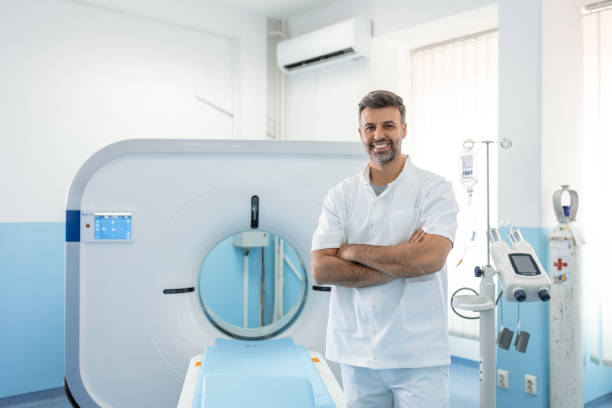
CT-Scan Technologist
Certified CT-Scan Technician
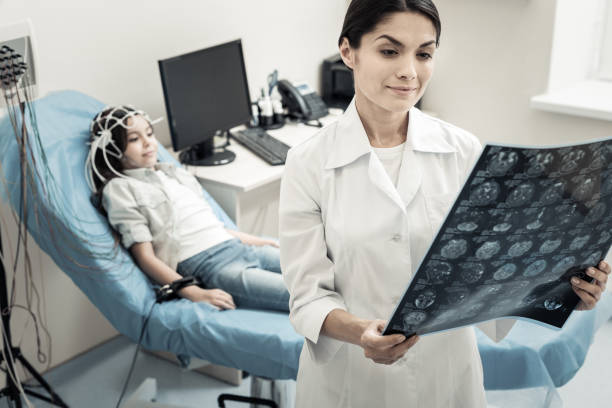
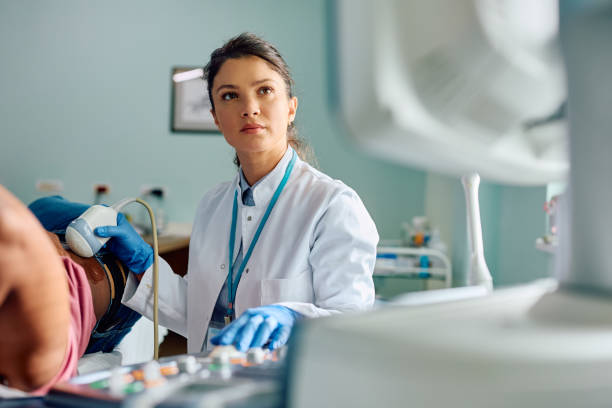
Explore CareerAn END Technologist, also known as an Electroneurodiagnostic Technologist or Neurodiagnostic Technologist, is a specialized healthcare professional trained to perform a variety of diagnostic tests that assess the electrical activity of the brain, nerves, and muscles (including EEG, EMG, and Nerve Conduction Studies). They work in hospitals, neurology clinics, diagnostic centers, and research facilities, collaborating with neurologists, physiatrists, and other medical staff. END Technologists play a crucial role in modern healthcare by providing essential data for the diagnosis and treatment of neurological and neuromuscular disorders, in an era where such conditions are increasingly prevalent due to aging populations, chronic diseases, and lifestyle factors.
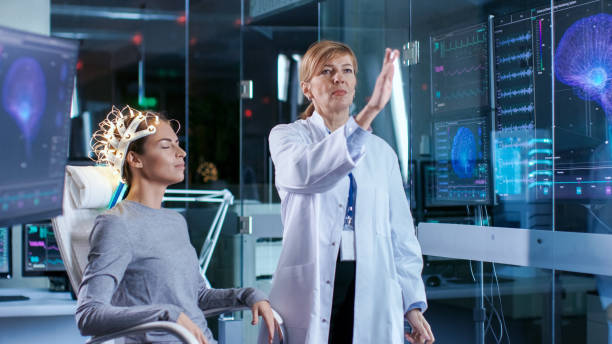
An END Technologist, also known as an Electroneurodiagnostic Technologist or Neurodiagnostic Technologist, is a specialized healthcare professional trained to perform a variety of diagnostic tests that assess the electrical activity of the brain, nerves, and muscles (including EEG, EMG, and Nerve Conduction Studies). They work in hospitals, neurology clinics, diagnostic centers, and research facilities, collaborating with neurologists, physiatrists, and other medical staff. END Technologists play a crucial role in modern healthcare by providing essential data for the diagnosis and treatment of neurological and neuromuscular disorders, in an era where such conditions are increasingly prevalent due to aging populations, chronic diseases, and lifestyle factors.
END Technologists are skilled professionals responsible for conducting a range of electroneurodiagnostic tests such as electroencephalograms (EEGs) for brain activity, electromyograms (EMGs) for muscle function, and nerve conduction studies (NCS) for nerve function to detect abnormalities like epilepsy, neuropathy, or muscular dystrophy. Their role includes preparing patients for procedures, operating specialized equipment, and capturing accurate recordings of neurodiagnostic activity. They combine technical expertise with patient care skills, often working in structured environments to support comprehensive neurological assessments. As key contributors to neurodiagnostics, they enable precise diagnoses and effective treatment plans in a landscape increasingly focused on early detection and management of neurological and neuromuscular conditions.
Roles and Responsibilities
Study Route & Eligibility Criteria
| Route | Steps |
| Route 1 | 1. 10+2 with Physics, Chemistry, Biology (PCB) 2. Certificate in Electroneurodiagnostic Technology (6 months-1 year) 3. Internship or clinical training (3-6 months) 4. Practice as END Technician |
| Route 2 | 1. 10+2 with PCB 2. Diploma in END or Neurotechnology (1-2 years) 3. Hands-on training or internship in neurology units 4. Work as END Technologist |
| Route 3 | 1. 10+2 with PCB 2. Bachelor’s degree in Neurotechnology (B.Sc. NT) (3-4 years) 3. Training in END procedures 4. Practice as END Technologist |
| Route 4 | 1. 10+2 with PCB 2. Master’s degree or international certification in Neurotechnology (2-3 years) 3. Licensure as per country regulations 4. Practice abroad or in India |
Significant Observations (Academic Related Points)
Internships & Practical Exposure
Courses & Specializations to Enter the Field
Top Institutes for END Technologist Education (India)
| Institute | Course/Program | Official Link |
| All India Institute of Medical Sciences (AIIMS), New Delhi | Diploma in Neurotechnology | https://www.aiims.edu/ |
| Christian Medical College (CMC), Vellore | Diploma and B.Sc. in Neurotechnology | https://www.cmch-vellore.edu/ |
| Manipal Academy of Higher Education, Manipal | B.Sc. in Neurotechnology | https://www.manipal.edu/ |
| Sri Ramachandra Institute of Higher Education and Research, Chennai | B.Sc. in Neurotechnology | https://www.sriramachandra.edu.in/ |
| Kasturba Medical College (KMC), Mangalore | Diploma and Degree in Neurotechnology | https://manipal.edu/kmc-mangalore.html |
| Amrita Institute of Medical Sciences, Kochi | B.Sc. in Neurotechnology | https://www.amrita.edu/ |
| Jawaharlal Institute of Postgraduate Medical Education & Research (JIPMER), Puducherry | Diploma in Neurotechnology | https://www.jipmer.edu.in/ |
| King George’s Medical University (KGMU), Lucknow | Diploma and B.Sc. in Neurotechnology | https://www.kgmu.org/ |
| Nizam’s Institute of Medical Sciences (NIMS), Hyderabad | Diploma in Neurotechnology | https://www.nims.edu.in/ |
| Postgraduate Institute of Medical Education and Research (PGIMER), Chandigarh | Diploma in Neurotechnology | https://pgimer.edu.in/ |
Top International Institutes
| Institution | Course | Country | Official Link |
| Johns Hopkins University | Neurodiagnostic Technology Training | USA | https://www.jhu.edu/ |
| University of Toronto | Neurotechnology Programs | Canada | https://www.utoronto.ca/ |
| University College London (UCL) | Biomedical Science with Neuro Focus | UK | https://www.ucl.ac.uk/ |
| University of Melbourne | Neurodiagnostic Technology | Australia | https://www.unimelb.edu.au/ |
| Mayo Clinic College of Medicine and Science | END Technology Program | USA | https://www.mayo.edu/ |
| King’s College London | Biomedical Science (Neurotechnology) | UK | https://www.kcl.ac.uk/ |
| University of British Columbia | Neurodiagnostic Programs | Canada | https://www.ubc.ca/ |
| Monash University | Neurotechnology | Australia | https://www.monash.edu/ |
| Karolinska Institutet | Neurodiagnostic Science Training | Sweden | https://www.ki.se/ |
| University of California, San Francisco | END Technology Programs | USA | https://www.ucsf.edu/ |
Entrance Tests Required
India:
International:
Ideal Progressing Career Path
Trainee → Certified END Technician → Senior END Technologist → Lead Neurodiagnostic Specialist → Neurodiagnostic Lab Supervisor/Manager → Neurodiagnostic Educator → Neurodiagnostic Lab Director → Neurodiagnostic Consultant
Major Areas of Employment
Prominent Employers
| India | International |
| Apollo Hospitals | Mayo Clinic, USA |
| Fortis Healthcare | Cleveland Clinic, USA |
| Max Healthcare | Johns Hopkins Hospital, USA |
| Medanta - The Medicity | Royal Brompton Hospital, UK |
| Narayana Health | Toronto General Hospital, Canada |
| Manipal Hospitals | St Vincent’s Hospital, Australia |
| AIIMS (All India Institute of Medical Sciences) | Karolinska University Hospital, Sweden |
| CMC (Christian Medical College), Vellore | Mount Sinai Hospital, USA |
| Lilavati Hospital, Mumbai | Guy’s and St Thomas’ NHS Foundation Trust, UK |
| Kokilaben Dhirubhai Ambani Hospital | Massachusetts General Hospital, USA |
Pros and Cons of the Profession
| Pros | Cons |
| Opportunity to contribute to critical neurological and neuromuscular diagnostics | High-pressure environment due to the critical nature of brain, muscle, and nerve conditions |
| High demand for END Technologists in hospitals and diagnostic centers | Emotional strain from handling patients with severe neurological or neuromuscular issues |
| Rewarding impact on patient outcomes through accurate recordings | Repetitive nature of testing tasks can lead to physical strain over time |
| Diverse career paths across hospitals, clinics, and research settings | Risk of workplace stress due to the need for precision in diagnostics |
| Strong potential for growth with advanced certifications in neurodiagnostic testing | Need for continuous learning to keep up with evolving END technologies |
Industry Trends and Future Outlook
Salary Expectations
| Career Level | India (₹ per annum) | International (USD per annum) |
| Trainee/Certified END Technician (Early Career) | 1,80,000 - 3,00,000 | 30,000 - 45,000 |
| Senior END Technologist (Mid-Career) | 3,00,000 - 5,50,000 | 45,000 - 60,000 |
| Lead Neurodiagnostic Specialist | 5,50,000 - 8,00,000 | 60,000 - 75,000 |
| Neurodiagnostic Lab Supervisor/Manager | 8,00,000 - 11,00,000 | 75,000 - 90,000 |
| Educator/Neurodiagnostic Lab Director | 11,00,000+ | 90,000+ |
Note: Salaries vary based on location, experience, employer, and specialization. International figures are approximate and depend on the country and healthcare sector.
Key Software Tools
Professional Organizations and Networks
Notable END Technologists and Industry Leaders (Top 10)
Advice for Aspiring END Technologists
A career as an END Technologist offers a unique opportunity to contribute to patient care and neurological health by supporting the diagnosis and management of brain, muscle, and nerve conditions through precise diagnostic testing. From performing critical electroencephalograms, electromyograms, and nerve conduction studies to ensuring accurate data for neurologists and physiatrists in dynamic environments, END Technologists play a pivotal role in modern healthcare systems. This field combines technical expertise, attention to detail, and a commitment to patient well-being, offering diverse paths in hospitals, neurology clinics, and diagnostic centers. For those passionate about advancing neurological and neuromuscular care, supporting diagnostic precision, and addressing the growing prevalence of related disorders in an era of advanced technology and patient-centered care, a career as an END Technologist provides an intellectually stimulating and professionally rewarding journey with the potential to make significant contributions to society by enhancing the quality of neurodiagnostic services and patient outcomes worldwide.


Early-career professionals assist in basic END tasks (EEG, EMG, NCS) with increasing autonomy. They hone technical skills in operating END...
0.0LPA

Experienced professionals manage complex END setups with high accuracy during diverse cases. They offer technical expertise in optimizing END...
0.0LPA
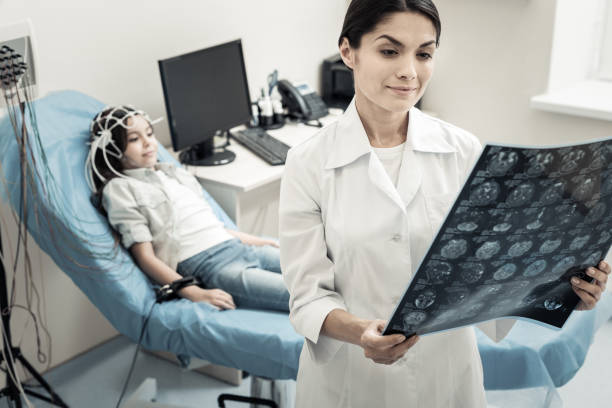
Specialists oversee advanced END support in high-demand scenarios with exceptional competence. They integrate deep technical knowledge with...
0.0LPA
Take the next step and explore more about END Technologist.
Explore similar career paths that might interest you