Emergency Medicine Doctor

An Emergency Medicine Doctor is a highly trained physician specializing in the immediate diagnosis, treatment, and management of acute illnesses, injuries, and life-threatening conditions. Operating in high-pressure environments such as hospital emergency departments, trauma centers, and pre-hospital settings, these doctors are pivotal in providing rapid medical intervention to stabilize patients and save lives. This career falls under the Health Sciences career cluster, emphasizing urgent care, crisis management, and critical decision-making in unpredictable situations.
Share :
✨ Radial Mind Map - Emergency Medicine Doctor
Nodes arranged in concentric circles

Loading radial mind map...

Overview

An Emergency Medicine Doctor is a highly trained physician specializing in the immediate diagnosis, treatment, and management of acute illnesses, injuries, and life-threatening conditions. Operating in high-pressure environments such as hospital emergency departments, trauma centers, and pre-hospital settings, these doctors are pivotal in providing rapid medical intervention to stabilize patients and save lives. This career falls under the Health Sciences career cluster, emphasizing urgent care, crisis management, and critical decision-making in unpredictable situations.

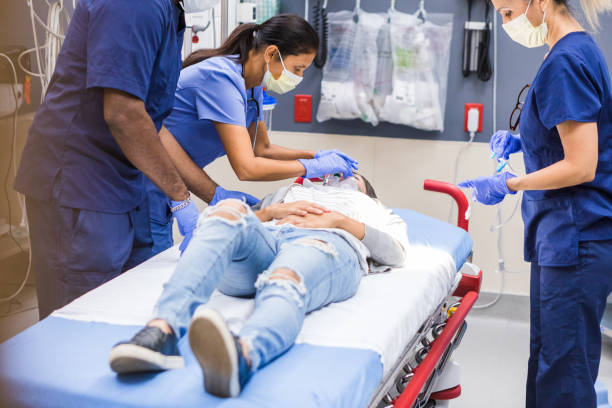
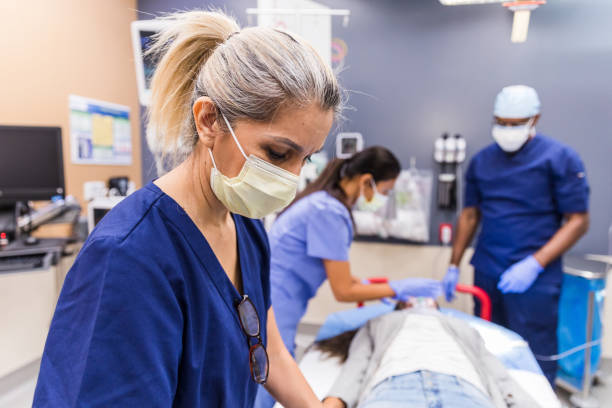
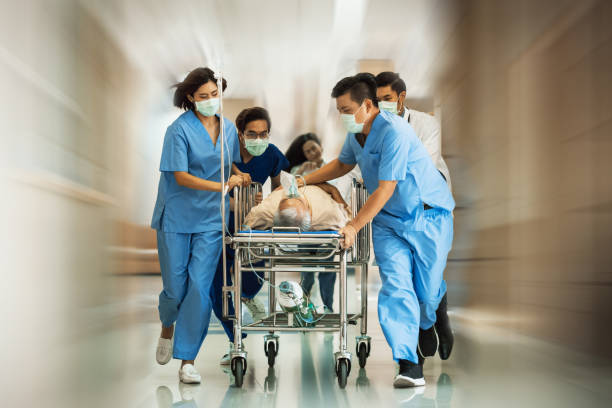
Emergency Medicine Doctors are frontline medical professionals who address a wide spectrum of medical emergencies, from trauma and cardiac arrests to acute infections and poisoning. Their work involves quick assessment of patient conditions, performing life-saving procedures like intubation or CPR, ordering diagnostic tests, and coordinating with specialists for further care. They often work in chaotic, fast-paced settings, balancing multiple cases while maintaining composure. These doctors are integral to healthcare systems, ensuring immediate response to crises, reducing mortality rates, and providing a safety net for communities during emergencies.

Roles and Responsibilities

💼
Emergency Medicine Doctor
Roles and Responsibilities
Patient Assessment and Diagnosis:
Perform rapid evaluations of patients with acute conditions.
Use clinical skills and diagnostic tools to identify life-threatening issues.
Emergency Interventions:
Administer life-saving treatments such as resuscitation, wound care, and fracture stabilization.
Perform emergency procedures like intubation, chest tube insertion, or defibrillation.
Coordination of Care:
Collaborate with surgical teams, intensive care units, and other specialists for patient transfers.
Direct paramedics and nursing staff during critical situations.
Trauma Management:
Lead trauma response for accidents, gunshot wounds, or severe injuries.
Prioritize treatment based on injury severity in mass casualty events.
Patient Stabilization:
Stabilize patients for transport or admission to specialized units.
Manage pain and prevent further deterioration during initial care.
Documentation and Communication:
Record patient data accurately for legal and medical purposes.
Communicate effectively with families about patient conditions and treatment plans.
Disaster Response:
Participate in disaster preparedness and response during natural calamities or pandemics.
Organize triage systems in large-scale emergencies.
Training and Supervision:
Mentor junior doctors and medical students in emergency protocols.
Conduct simulations and drills to maintain team readiness.

Roles and Responsibilities:

  • Patient Assessment and Diagnosis:
    • Perform rapid evaluations of patients with acute conditions.
    • Use clinical skills and diagnostic tools to identify life-threatening issues.
  • Emergency Interventions:
    • Administer life-saving treatments such as resuscitation, wound care, and fracture stabilization.
    • Perform emergency procedures like intubation, chest tube insertion, or defibrillation.
  • Coordination of Care:
    • Collaborate with surgical teams, intensive care units, and other specialists for patient transfers.
    • Direct paramedics and nursing staff during critical situations.
  • Trauma Management:
    • Lead trauma response for accidents, gunshot wounds, or severe injuries.
    • Prioritize treatment based on injury severity in mass casualty events.
  • Patient Stabilization:
    • Stabilize patients for transport or admission to specialized units.
    • Manage pain and prevent further deterioration during initial care.
  • Documentation and Communication:
    • Record patient data accurately for legal and medical purposes.
    • Communicate effectively with families about patient conditions and treatment plans.
  • Disaster Response:
    • Participate in disaster preparedness and response during natural calamities or pandemics.
    • Organize triage systems in large-scale emergencies.
  • Training and Supervision:
    • Mentor junior doctors and medical students in emergency protocols.
    • Conduct simulations and drills to maintain team readiness.


Study Route & Eligibility Criteria

Study Route & Eligibility Criteria
Emergency Medicine Doctor
Route 1
🎓
1
10+2 with Physics, Chemistry, Biology
Route 2
🎓
1
10+2 with Physics, Chemistry, Biology
Route 3
🎓
1
10+2 with Physics, Chemistry, Biology
(International)
🎓
1
10+2 with Physics, Chemistry, Biology
Route 5
🎓
1
10+2 with Physics, Chemistry, Biology
🎯 Emergency Medicine Doctor - Professional

Internships & Practical Exposure

💼
Emergency Medicine Doctor
Internships & Practical Experience
1
Clinical rotations in emergency departments during MBBS internship.
2
Hands-on training in trauma care and resuscitation during residency.
3
Exposure to pre-hospital care through ambulance ride-alongs.
4
Participation in disaster response drills and simulations.
5
Supervised practice in performing emergency procedures like suturing or airway management.
6
Observerships in busy trauma centers for real-world experience.
7
Involvement in critical care units for managing unstable patients.
8
Attendance at emergency medicine conferences and workshops.
9
Training in advanced cardiac and trauma life support (ACLS/ATLS).
10
Exposure to pediatric and geriatric emergency care settings.

Courses & Specializations to Enter the Field

📚
Emergency Medicine Doctor
Courses & Specializations
📖
MBBS (Bachelor of Medicine and Bachelor of Surgery)
📖
MD/DNB in Emergency Medicine
📖
Fellowship in Trauma and Critical Care
📖
Certification in Advanced Trauma Life Support (ATLS)
📖
Training in Advanced Cardiac Life Support (ACLS)
📖
Specialized courses in Disaster Medicine
📖
Certification in Pediatric Advanced Life Support (PALS)
📖
Fellowship in Pre-Hospital Emergency Medicine
📖
Courses in Point-of-Care Ultrasound for Emergency Settings
📖
Continuing Medical Education in Emergency Toxicology

Prominent Employers

🏢
Emergency Medicine Doctor
🌟 Top Companies & Organizations
🇮🇳 India
🏛️
All India Institute of Medical Sciences (AIIMS)
🏛️
Apollo Hospitals
🏛️
Fortis Healthcare
🏛️
Max Healthcare
🏛️
Medanta - The Medicity
🏛️
Sir Ganga Ram Hospital
🏛️
Kokilaben Dhirubhai Ambani Hospital
🏛️
Narayana Health
🏛️
Manipal Hospitals
🏛️
Aster DM Healthcare
🌍 International
🌐
Mayo Clinic, USA
🌐
Johns Hopkins Hospital, USA
🌐
Massachusetts General Hospital, USA
🌐
Royal London Hospital, UK
🌐
Toronto General Hospital, Canada
🌐
Alfred Hospital, Australia
🌐
Charité - Universitätsmedizin, Germany
🌐
Singapore General Hospital, Singapore
🌐
King’s College Hospital, UK
🌐
Cleveland Clinic, USA

Advice for Aspiring Emergency Medicine Doctors

💡
Emergency Medicine Doctor
🌟 Tips for Students & Parents
1
Build a strong foundation in basic sciences and clinical skills during medical school.
2
Seek early exposure to emergency departments through electives and internships.
3
Develop resilience and stress management techniques to handle high-pressure scenarios.
4
Pursue certifications like ACLS and ATLS to enhance practical skills.
5
Prepare rigorously for competitive residency programs in emergency medicine.
6
Network with experienced emergency physicians for mentorship and guidance.
7
Hone leadership skills to manage teams during critical situations.
8
Stay updated on the latest emergency care protocols and technologies.
9
Consider subspecialties like trauma or disaster medicine for focused expertise.
10
Maintain physical and mental well-being to sustain a demanding career.
🎓 Final Message
A career as an Emergency Medicine Doctor offers a unique chance to be at the forefront of life-saving medical care, tackling urgent and unpredictable challenges with skill and determination. These professionals are essential in bridging the gap between crisis and recovery, blending quick thinking, clinical mastery, and compassionate service. With opportunities spanning hospitals, disaster zones, and academic arenas, this field is ideal for those driven by a passion for urgent care and a commitment to making an immediate difference. For individuals ready to embrace intensity and impact, emergency medicine presents a profoundly fulfilling path in a world where every second counts.
Knowledge & Skills You Will Learn
1
Development of simulation-based training for enhanced skill acquisition.
Emergency Medicine Resident

Emergency Medicine Resident

Undergoes intensive training in emergency protocols, handling diverse cases under supervision while mastering critical procedures. This stage...

0.0LPA
Junior Emergency Physician

Junior Emergency Physician

Begins independent practice in emergency departments, managing routine and moderately complex cases while building expertise. They often work...

0.0LPA
Established Emergency Physician

Established Emergency Physician

Handles a high volume of critical cases, often serving as a key decision-maker in trauma and acute care settings. They become a reliable resource...

0.0LPA

Interested in this career?

Take the next step and explore more about Emergency Medicine Doctor.