Overview
An Embroidery Specialist is a skilled tradesperson responsible for designing, creating, and applying intricate embroidery patterns on fabrics, garments, and other textile products using hand or machine techniques. They enhance the aesthetic value of clothing, accessories, and home décor items while adhering to cultural, safety, and quality standards. This comprehensive guide provides the latest information (based on trends and data up to 2026) on job roles, education, salary, and prospects within India for this vocational career, with a focus on both government and private sectors.
Roles and Responsibilities
a) Technical and Crafting Responsibilities:
- Design and create embroidery patterns, either by hand or using computerized embroidery machines, to embellish garments, accessories, or home textiles like sarees, lehengas, and curtains.
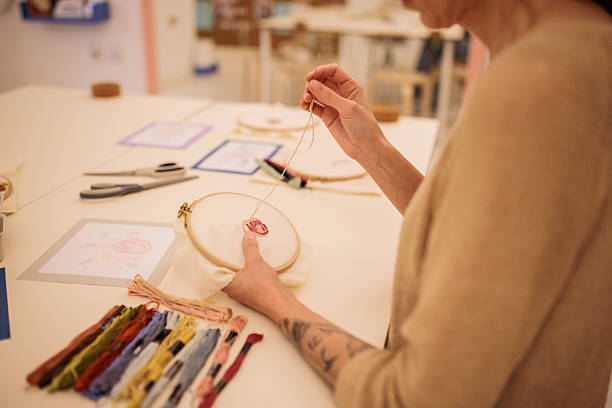
- Sew intricate designs using needles, threads, beads, sequins, or other embellishments, ensuring precision and durability of the work.
- Diagnose and troubleshoot issues with embroidery, such as uneven stitching, thread breakage, or design misalignment, and perform repairs or adjustments as needed.
- Perform maintenance tasks on embroidered items, such as reinforcing stitches or cleaning delicate work to preserve appearance and longevity.
- Work on specialized projects such as traditional hand embroidery (e.g., Zari, Chikankari), custom couture, or industrial-scale embroidery with additional training.
b) Administrative and Customer Service Responsibilities:
- Interpret client requirements, cultural motifs, or design sketches to execute embroidery projects accurately.
- Communicate with clients or supervisors to understand preferences, provide cost estimates, and explain the scope of work.
- Maintain records of designs, materials used, and project timelines for compliance and future reference.
- Ensure adherence to safety standards and regulations, such as proper handling of needles and equipment, to prevent hazards like cuts or repetitive strain injuries.
- Collaborate with tailors, fashion designers, or textile manufacturers to integrate embroidery into broader garment or product designs.
Study Route & Eligibility Criteria
Embroidery Specialist Study Route & Eligibility Criteria
Study route information is not available for this career.
Embroidery Specialist
Professional
Educational Requirements and Study Routes
Eligibility Criteria
| Level | Eligibility |
| Entry-Level (Certificate) | Minimum 8th or 10th standard pass; interest in craftsmanship or design is beneficial. |
| Diploma (Optional) | 10th or 12th standard pass, preferably with interest in textiles or artistic subjects for advanced training. |
| Advanced Roles (Further Training) | Certificate or diploma in Embroidery or Textile Design; relevant work experience preferred. |
Study Routes
| Route | Focus Area | Duration | Outcome |
| Certificate Programs | Basic Embroidery and Needlework | 3-6 months | Entry-level roles in local embroidery units or small-scale projects. |
| Diploma Programs | Embroidery Technology, Textile Design | 1-2 years | Positions in boutiques, textile industries, or private firms. |
| ITI (Industrial Training Institute) Courses | Embroidery and Needle Work Trade | 1-2 years | Practical skills for immediate employment in garment or textile sectors. |
| Short-Term Training (Optional) | Traditional Embroidery (e.g., Zari, Phulkari), Machine Embroidery | 1-3 months | Specialized skills for emerging fields like heritage crafts or modern couture. |