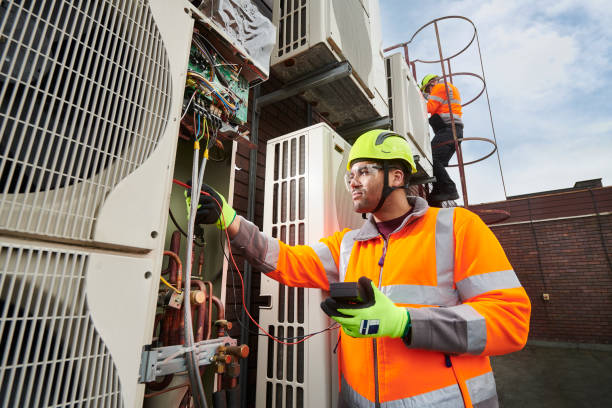
Overview
An Electrician is a skilled tradesperson responsible for installing, maintaining, and repairing electrical systems and equipment in residential, commercial, and industrial settings. They ensure the safe and efficient functioning of electrical wiring, circuits, and machinery, adhering to safety standards and regulations. This comprehensive guide provides the latest information (based on trends and data up to 2026) on job roles, education, salary, and prospects within India for this vocational career, with a focus on both government and private sectors.
Roles and Responsibilities
a) Technical and Repair Responsibilities:
- Install electrical systems, including wiring, conduits, circuit breakers, and lighting fixtures, in buildings and infrastructure projects.
- Diagnose and troubleshoot electrical issues using testing devices like multimeters and ammeters to identify faults in circuits or equipment.
- Repair or replace faulty wiring, switches, outlets, and other electrical components to restore functionality and ensure safety.
- Perform routine maintenance of electrical systems to prevent power outages, short circuits, or equipment failures.
- Work on specialized systems such as renewable energy setups (solar panels, wind turbines), industrial machinery, or smart home automation with additional training.
b) Administrative and Customer Service Responsibilities:
- Read and interpret blueprints, technical diagrams, and electrical codes to plan and execute installations or repairs.
- Communicate with clients or supervisors to understand requirements, provide cost estimates, and explain the scope of electrical work.
- Maintain records of work performed, materials used, and safety inspections for compliance and future reference.
- Ensure adherence to safety standards, such as the National Electrical Code (NEC) or Indian Electricity Rules, to prevent hazards like shocks or fires.
- Collaborate with other tradespeople, such as plumbers or construction workers, to integrate electrical systems into broader projects.
Study Route & Eligibility Criteria
Electrician Study Route & Eligibility Criteria
Study route information is not available for this career.
Electrician
Professional
Educational Requirements and Study Routes
Eligibility Criteria
| Level | Eligibility |
| Entry-Level (Certificate) | Minimum 8th or 10th standard pass; interest in science or technical subjects is beneficial. |
| Diploma (Optional) | 10th or 12th standard pass, preferably with science or mathematics for advanced training. |
| Advanced Roles (Further Training) | Certificate or diploma in Electrical Engineering/Technology; relevant work experience preferred. |
Study Routes
| Route | Focus Area | Duration | Outcome |
| Certificate Programs | Basic Electrical Wiring, Repairs | 3-6 months | Entry-level roles in residential or small-scale projects. |
| Diploma Programs | Electrical Engineering, Installation | 1-3 years | Positions in government projects, industrial setups, or private firms. |
| ITI (Industrial Training Institute) Courses | Electrician Trade, Wireman | 1-2 years | Practical skills for immediate employment in construction or maintenance. |
| Short-Term Training (Optional) | Solar PV Installation, Smart Grid Technology | 1-3 months | Specialized skills for emerging fields like renewable energy. |