Editor

Summary

An Editor is a professional who reviews, revises, and refines written content to ensure clarity, accuracy, and coherence, with the aim of enhancing the quality of publications, media, or digital content.

Share :
✨ Radial Mind Map - Editor
Nodes arranged in concentric circles

Loading radial mind map...

Overview

An Editor is a professional who reviews, revises, and refines written content to ensure clarity, accuracy, and coherence, with the aim of enhancing the quality of publications, media, or digital content. They work in publishing houses, newsrooms, advertising agencies, corporate environments, or as freelancers, collaborating with writers, journalists, designers, and content creators. Editors play a crucial role in shaping narratives, maintaining editorial standards, and ensuring that content resonates with target audiences in a sector focused on communication, storytelling, and information dissemination.
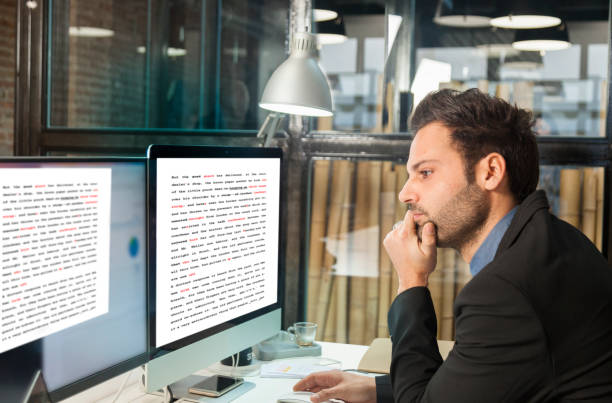
Editors are meticulous and creative professionals responsible for polishing text, ensuring factual accuracy, and aligning content with style guides or brand voice, often working across genres like books, articles, scripts, or online media. Their role involves correcting grammar, improving structure, and providing feedback to authors, often in fast-paced environments such as newsrooms or under tight publishing deadlines. They combine expertise in language, critical thinking, and cultural awareness to address challenges like maintaining reader engagement, meeting deadlines, and adapting to digital platforms. As key contributors to effective communication, they help shape public discourse and creative expression in an industry increasingly driven by multimedia content, digital publishing, and audience analytics.

Roles and Responsibilities

💼
Editor
Roles and Responsibilities
Content Review and Revision
Proofread and edit manuscripts, articles, or digital content for grammar, style, and clarity.
Ensure factual accuracy and consistency in tone, voice, and messaging.
Structural and Developmental Editing
Provide feedback on content structure, plot, or argumentation to improve overall flow.
Collaborate with authors to refine ideas and enhance narrative or informational impact.
Style and Compliance Management
Adhere to style guides (e.g., AP, Chicago, MLA) or brand guidelines for consistency.
Ensure content aligns with legal, ethical, and cultural standards.
Project Coordination
Manage editorial calendars, deadlines, and workflows for publishing or content teams.
Coordinate with designers, printers, or digital teams for final production.
Content Strategy and Planning
Develop editorial strategies to align content with audience needs or market trends.
Commission articles, stories, or features based on editorial vision or goals.
Mentorship and Feedback
Guide writers or junior editors by providing constructive feedback and training.
Foster creativity while maintaining editorial quality and standards.
Digital Content Optimization
Edit content for SEO, readability, and engagement on digital platforms.
Adapt traditional content for blogs, social media, or multimedia formats.
Quality Assurance
Conduct final reviews to ensure error-free content before publication or release.
Monitor reader feedback or analytics to refine future editorial decisions.
Language Foundation:
Strong knowledge of grammar, syntax, and style is essential for editing accuracy.
Practical Skills:
Hands-on training in editing software and style guides develops core competencies.
Specialized Training:
Certifications in editing or digital content creation offer niche expertise.
Technology Proficiency:
Familiarity with content management systems and SEO tools is vital for modern editing.
Interdisciplinary Knowledge:
Understanding journalism, marketing, and design improves editorial strategies.
Certification Importance:
Some roles may require certifications in editing or publishing for credibility.
Continuing Education:
Regular workshops on editorial trends and digital tools are necessary to stay updated.
Global Standards:
Familiarity with international style guides enhances opportunities for global roles.
Attention to Detail:
Precision in language and fact-checking is critical for content integrity.
Entrance Examination Success:
Certain programs may require entrance tests for admission to journalism or literature courses.
International Testing Requirements:
For global opportunities, language proficiency tests like IELTS or TOEFL may be needed.
Digital Content Growth:
Increasing focus on editing for online platforms, blogs, and social media.
Rising Demand:
Growing need for editors skilled in SEO and multimedia content.
AI in Editing:
Adoption of AI tools for grammar checks and content suggestions.
Self-Publishing Boom:
Rise in demand for freelance editors due to independent authors and creators.
Interactive Content:
Emergence of editing for podcasts, videos, and immersive storytelling.
Global Collaboration:
Enhanced focus on international content partnerships and translations.
Policy Emphasis:
Development of ethical guidelines for digital content and misinformation.
Skill Development Needs:
Growing necessity for training in digital tools and content analytics.
Accessibility Focus:
Increased efforts to edit content for diverse and inclusive audiences.
Hybrid Publishing Models:
Blending traditional and digital formats for broader content reach.
Vinod K. Jose (Journalism, India):
Executive Editor at The Caravan, known for investigative journalism. His editorial vision shapes political narratives. His contributions elevate Indian media.
Shobhaa De (Literature, India):
Editor and columnist, known for bold commentary and bestselling books. Her work influences popular culture. Her impact drives editorial discourse.
RituMenon (Publishing, India):
Co-founder of Kali for Women, known for feminist publishing. Her editorial focus empowers marginalized voices. Her contributions shape Indian literature.
Nandini Mehta (Publishing, India):
Former editor at Penguin India, known for nurturing Indian authors. Her vision shaped contemporary writing. Her impact enriches publishing diversity.
Tina Brown (Journalism, UK/USA):
Former editor of Vanity Fair and The New Yorker, known for transformative magazine editing. Her leadership redefined journalism. Her contributions influence global media.
Anna Wintour (Fashion Journalism, USA):
Editor-in-Chief of Vogue, known for iconic editorial direction. Her vision shapes fashion media. Her impact drives cultural trends.
Graydon Carter (Journalism, USA):
Former editor of Vanity Fair, known for in-depth storytelling. His editorial style engages readers. His contributions set industry benchmarks.
David Remnick (Journalism, USA):
Editor of The New Yorker, known for award-winning journalism. His leadership fosters intellectual content. His impact shapes editorial excellence.
Katharine Viner (Journalism, UK):
Editor-in-Chief of The Guardian, known for digital journalism innovation. Her strategies expand global reach. Her contributions redefine news editing.
Diana Athill (Literature, UK):
Renowned editor and author, known for nurturing literary talent. Her memoirs reveal editorial insights. Her impact influences publishing history.

Roles and Responsibilities

  • Content Review and Revision
    • Proofread and edit manuscripts, articles, or digital content for grammar, style, and clarity.
    • Ensure factual accuracy and consistency in tone, voice, and messaging.
  • Structural and Developmental Editing
    • Provide feedback on content structure, plot, or argumentation to improve overall flow.
    • Collaborate with authors to refine ideas and enhance narrative or informational impact.
  • Style and Compliance Management
    • Adhere to style guides (e.g., AP, Chicago, MLA) or brand guidelines for consistency.
    • Ensure content aligns with legal, ethical, and cultural standards.
  • Project Coordination
    • Manage editorial calendars, deadlines, and workflows for publishing or content teams.
    • Coordinate with designers, printers, or digital teams for final production.
  • Content Strategy and Planning
    • Develop editorial strategies to align content with audience needs or market trends.
    • Commission articles, stories, or features based on editorial vision or goals.
  • Mentorship and Feedback
    • Guide writers or junior editors by providing constructive feedback and training.
    • Foster creativity while maintaining editorial quality and standards.
  • Digital Content Optimization
    • Edit content for SEO, readability, and engagement on digital platforms.
    • Adapt traditional content for blogs, social media, or multimedia formats.
  • Quality Assurance
    • Conduct final reviews to ensure error-free content before publication or release.
    • Monitor reader feedback or analytics to refine future editorial decisions.


Study Route & Eligibility Criteria

RouteSteps
Route 11. 10+2 in any stream (preferably with English, Literature, or Journalism)
 2. Bachelor’s degree in English, Journalism, or Communications (3-4 years)
 3. Internship or assistant role in publishing/newsrooms (3-6 months)
 4. Practice as Junior Editor or Editorial Assistant
Route 21. 10+2 in any stream
 2. Bachelor’s degree in English, Journalism, or related field (3-4 years)
 3. Master’s degree in Journalism, Publishing, or Literature (1-2 years)
 4. Work as Editor or Content Strategist
Route 31. 10+2 in any stream
 2. Bachelor’s degree in English or Communications (3-4 years)
 3. Master’s degree in Editing, Publishing, or Creative Writing (1-2 years)
 4. Ph.D. in Literature or Media Studies (3-5 years)
 5. Practice as Senior Editor or Academician
Route 41. 10+2 in any stream
 2. Short-term certification or diploma in Editing or Publishing (6-12 months)
 3. Internship or entry-level role in media or publishing houses
 4. Practice as Editor domestically or internationally


Significant Observations (Academic Related Points)

  • Language Foundation: Strong knowledge of grammar, syntax, and style is essential for editing accuracy.
  • Practical Skills: Hands-on training in editing software and style guides develops core competencies.
  • Specialized Training: Certifications in editing or digital content creation offer niche expertise.
  • Technology Proficiency: Familiarity with content management systems and SEO tools is vital for modern editing.
  • Interdisciplinary Knowledge: Understanding journalism, marketing, and design improves editorial strategies.
  • Certification Importance: Some roles may require certifications in editing or publishing for credibility.
  • Continuing Education: Regular workshops on editorial trends and digital tools are necessary to stay updated.
  • Global Standards: Familiarity with international style guides enhances opportunities for global roles.
  • Attention to Detail: Precision in language and fact-checking is critical for content integrity.
  • Entrance Examination Success: Certain programs may require entrance tests for admission to journalism or literature courses.
  • International Testing Requirements: For global opportunities, language proficiency tests like IELTS or TOEFL may be needed.


Internships & Practical Exposure

  • Mandatory internships during degree programs in publishing houses or newsrooms for editing experience.
  • Rotations in editorial departments for hands-on experience with manuscript revision.
  • Internships under senior editors for exposure to real-time content challenges.
  • Observerships in media companies for experience in content workflows and deadlines.
  • Participation in mock editing projects for practical skill development in style consistency.
  • Training in digital editing through real-world online content projects.
  • Exposure to editing software and content management systems during internships.
  • Volunteer roles in literary magazines or blogs during training to build a portfolio.
  • Community engagement initiatives for editing local publications or newsletters.
  • International publishing attachments for global exposure to diverse editorial practices.


Courses & Specializations to Enter the Field

  • Certificate in Editing and Proofreading.
  • Bachelor’s in English, Journalism, or Mass Communication.
  • Master’s in Journalism, Publishing, or Creative Writing.
  • Ph.D. in Literature or Media Studies.
  • Specialization in Digital Content Editing.
  • Certification in Technical Writing and Editing.
  • Workshops on Editorial Strategy.
  • Training in Copyediting.
  • Specialization in Developmental Editing.
  • Certification in SEO and Content Optimization.


Top Institutes for Editor Education (India)

InstituteCourse/ProgramOfficial Link
University of Delhi, DelhiBA/MA in English & Journalismhttps://www.du.ac.in/
Jawaharlal Nehru University (JNU), New DelhiMA in English & Media Studieshttps://www.jnu.ac.in/
Symbiosis Institute of Media & Communication, PuneMA in Journalism & Mass Communicationhttps://www.simc.edu/
University of Mumbai, MumbaiBA/MA in English & Journalismhttps://mu.ac.in/
University of Calcutta, KolkataMA in English & Journalismhttps://www.caluniv.ac.in/
Christ University, BangaloreBA/MA in English & Media Studieshttps://www.christuniversity.in/
Amity School of Communication, NoidaBA/MA in Journalism & Mass Communicationhttps://www.amity.edu/
IGNOU (Indira Gandhi National Open University), New DelhiMA in English & Journalismhttp://www.ignou.ac.in/
Indian Institute of Mass Communication (IIMC), New DelhiPG Diploma in Journalismhttps://iimc.nic.in/
Manipal Institute of Communication, ManipalBA/MA in Media & Communicationhttps://manipal.edu/


Top International Institutes

InstitutionCourseCountryOfficial Link
Columbia UniversityMA in JournalismUSAhttps://www.columbia.edu/
University of MissouriMA in JournalismUSAhttps://missouri.edu/
University of OxfordMSt in Creative WritingUKhttps://www.ox.ac.uk/
New York University (NYU)MA in PublishingUSAhttps://www.nyu.edu/
University of SydneyMaster of PublishingAustraliahttps://www.sydney.edu.au/
University of TorontoMA in English & PublishingCanadahttps://www.utoronto.ca/
University College London (UCL)MA in PublishingUKhttps://www.ucl.ac.uk/
University of AmsterdamMA in Media StudiesNetherlandshttps://www.uva.nl/
King’s College LondonMA in Creative Writing & PublishingUKhttps://www.kcl.ac.uk/
Emerson CollegeMA in Publishing & WritingUSAhttps://www.emerson.edu/


Entrance Tests Required

India:

  • DUET (Delhi University Entrance Test): For admission to postgraduate programs at University of Delhi.
  • JNU Entrance Exam (JNUEE): For admission to MA programs at Jawaharlal Nehru University.
  • IIMC Entrance Exam: For admission to programs at Indian Institute of Mass Communication.
  • SET (Symbiosis Entrance Test): For admission to programs at Symbiosis Institute of Media & Communication.
  • University-Specific Tests: Many institutes like Christ University and Amity conduct their own entrance exams.


International:

  • SAT (Scholastic Assessment Test): Required for undergraduate admissions in countries like the USA.
  • GRE (Graduate Record Examination): Required for postgraduate programs in journalism or publishing in countries like the USA and Canada.
  • TOEFL (Test of English as a Foreign Language): Minimum score of 80-100 required for non-native speakers applying to programs in English-speaking countries.
  • IELTS (International English Language Testing System): Minimum score of 6.0-7.0 required for admission to universities in the UK, Australia, and other English-speaking regions.
  • PTE Academic (Pearson Test of English Academic): Accepted by many international institutes as an alternative to TOEFL or IELTS for English proficiency.


Ideal Progressing Career Path 

Trainee → Editorial Assistant → Junior Editor → Editor → Senior Editor → Managing Editor → Editorial Director → Publishing Consultant


Major Areas of Employment

  • Publishing houses for editing books, magazines, and academic journals.
  • Newsrooms for refining articles, editorials, and breaking news content.
  • Advertising agencies for polishing marketing copy and campaigns.
  • Corporate communications for editing internal and external content.
  • Digital media platforms for optimizing online articles, blogs, and social media.
  • Universities and research institutes for editing academic papers and publications.
  • Government agencies for reviewing policy documents and public communications.
  • Non-profit organizations for editing reports, grants, and advocacy materials.
  • Freelance editing for working on diverse projects across industries.
  • Film and television for script editing and content development.


Prominent Employers

IndiaInternational
Penguin Random House IndiaPenguin Random House
HarperCollins IndiaHarperCollins
Oxford University Press IndiaOxford University Press
The Times of IndiaThe New York Times
Hindustan TimesThe Guardian, UK
The HinduThe Washington Post
Hachette IndiaHachette Book Group
India Today GroupBBC
Bloomsbury IndiaSimon & Schuster
NDTVCNN


Pros and Cons of the Profession

ProsCons
Opportunity to shape narratives and influence readers through polished contentOften requires meticulous attention to detail, which can be mentally taxing
High intellectual satisfaction in refining language and ideasLimited job openings in prestigious publications, leading to high competition
Rewarding impact on communication and storytelling through editorial workCan involve long hours during tight deadlines or publication cycles
Diverse career paths across publishing, media, and digital contentRisk of burnout due to repetitive tasks like proofreading or revisions
Strong potential for growth with increasing focus on digital and multimedia contentLimited public recognition compared to authors or other creative roles


Industry Trends and Future Outlook

  • Digital Content Growth: Increasing focus on editing for online platforms, blogs, and social media.
  • Rising Demand: Growing need for editors skilled in SEO and multimedia content.
  • AI in Editing: Adoption of AI tools for grammar checks and content suggestions.
  • Self-Publishing Boom: Rise in demand for freelance editors due to independent authors and creators.
  • Interactive Content: Emergence of editing for podcasts, videos, and immersive storytelling.
  • Global Collaboration: Enhanced focus on international content partnerships and translations.
  • Policy Emphasis: Development of ethical guidelines for digital content and misinformation.
  • Skill Development Needs: Growing necessity for training in digital tools and content analytics.
  • Accessibility Focus: Increased efforts to edit content for diverse and inclusive audiences.
  • Hybrid Publishing Models: Blending traditional and digital formats for broader content reach.


Salary Expectations

Career LevelIndia (₹ per annum)International (USD per annum)
Trainee/Editorial Assistant (Early Career)2,00,000 - 4,00,00025,000 - 40,000
Junior Editor (Mid-Career)4,00,000 - 8,00,00040,000 - 60,000
Editor/Senior Editor8,00,000 - 12,00,00060,000 - 85,000
Managing Editor/Publishing Consultant12,00,000 - 18,00,00085,000 - 120,000
Academician/Trainer10,00,000+70,000+
Note: Salaries may vary based on location, employer, experience, and specialization.  


Key Software Tools

  • Editing Software (e.g., Microsoft Word, Google Docs) for content revision and tracking changes.
  • Grammar Tools (e.g., Grammarly, ProWritingAid) for language and style checks.
  • Content Management Systems (e.g., WordPress, Drupal) for digital content editing.
  • Style Guide Tools (e.g., Chicago Manual of Style Online) for editorial consistency.
  • Project Management Software (e.g., Trello, Asana) for coordinating editorial workflows.
  • SEO Tools (e.g., Yoast SEO, SEMrush) for optimizing online content.
  • Publishing Software (e.g., Adobe InDesign) for layout and final production.
  • Collaboration Tools (e.g., Slack, Microsoft Teams) for team communication.
  • Plagiarism Checkers (e.g., Turnitin, Copyscape) for content originality.
  • Analytics Tools (e.g., Google Analytics) for tracking content performance.


Professional Organizations and Networks

  • Editors’ Association of India (EAI).
  • Society for Editors and Proofreaders (SfEP), UK.
  • American Copy Editors Society (ACES), USA.
  • Editorial Freelancers Association (EFA), USA.
  • Chartered Institute of Editing and Proofreading (CIEP), UK.
  • National Association of Independent Writers and Editors (NAIWE), USA.
  • Indian Journalists Union (IJU).
  • International Association of Professional Writers and Editors (IAPWE).
  • Association of Indian Magazine Editors (AIME).
  • Global Editors Network (GEN).


Notable Editors and Industry Leaders (Top 10)

  • Vinod K. Jose (Journalism, India): Executive Editor at The Caravan, known for investigative journalism. His editorial vision shapes political narratives. His contributions elevate Indian media.
     
  • Shobhaa De (Literature, India): Editor and columnist, known for bold commentary and bestselling books. Her work influences popular culture. Her impact drives editorial discourse.
     
  • RituMenon (Publishing, India): Co-founder of Kali for Women, known for feminist publishing. Her editorial focus empowers marginalized voices. Her contributions shape Indian literature.
     
  • Nandini Mehta (Publishing, India): Former editor at Penguin India, known for nurturing Indian authors. Her vision shaped contemporary writing. Her impact enriches publishing diversity.
     
  • Tina Brown (Journalism, UK/USA): Former editor of Vanity Fair and The New Yorker, known for transformative magazine editing. Her leadership redefined journalism. Her contributions influence global media.
     
  • Anna Wintour (Fashion Journalism, USA): Editor-in-Chief of Vogue, known for iconic editorial direction. Her vision shapes fashion media. Her impact drives cultural trends.
     
  • Graydon Carter (Journalism, USA): Former editor of Vanity Fair, known for in-depth storytelling. His editorial style engages readers. His contributions set industry benchmarks.
     
  • David Remnick (Journalism, USA): Editor of The New Yorker, known for award-winning journalism. His leadership fosters intellectual content. His impact shapes editorial excellence.
     
  • Katharine Viner (Journalism, UK): Editor-in-Chief of The Guardian, known for digital journalism innovation. Her strategies expand global reach. Her contributions redefine news editing.
     
  • Diana Athill (Literature, UK): Renowned editor and author, known for nurturing literary talent. Her memoirs reveal editorial insights. Her impact influences publishing history.
     

Advice for Aspiring Editors

  • Build a strong foundation in language, grammar, and style to refine content effectively.
  • Seek early exposure to editorial work through internships or assistant roles to confirm interest in the field.
  • Prepare thoroughly for entrance exams or certification requirements specific to your chosen program or region.
  • Pursue short courses in editing, proofreading, or digital content to gain expertise.
  • Stay updated on publishing trends by following industry journals and attending workshops.
  • Develop hands-on skills in editing software and content optimization through practical assignments and portfolio building.
  • Engage in real-world editing projects or volunteer at local publications to build experience.
  • Join professional associations like EFA or CIEP for networking and resources.
  • Work on precision and constructive feedback to ensure high-quality content.
  • Explore international editing opportunities for exposure to diverse content and styles.
  • Volunteer at literary events or online platforms to understand practical challenges.
  • Cultivate adaptability to handle various content types and publication needs.
  • Attend continuing education programs to stay abreast of evolving digital tools and editorial trends.
  • Build a network with writers, publishers, and designers for collaborative efforts.
  • Develop resilience to manage the meticulous and often deadline-driven nature of editorial work.
  • Balance editorial rigor with creativity to adapt to rapid advancements in content creation and delivery.


A career as an Editor offers a remarkable opportunity to shape the way stories, ideas, and information are communicated, ensuring they captivate and inform diverse audiences. Editors are the unsung heroes of content creation, refining raw material into polished works that resonate across books, news, and digital platforms. This profession blends linguistic precision with creative insight, providing pathways in publishing, journalism, corporate communications, and freelance arenas. For those passionate about language, driven by a desire to enhance clarity and impact, and eager to navigate the evolving landscape of digital and traditional media, becoming an Editor is a deeply fulfilling journey. It empowers individuals to influence thought, elevate narratives, and contribute to global conversations by ensuring content achieves its fullest potential.


Study Route & Eligibility Criteria

Study Route & Eligibility Criteria
Editor
Route 1
🎓
1
10+2 in any stream
Route 2
🎓
1
10+2 in any stream
Route 3
🎓
1
10+2 in any stream
Route 4
🎓
1
10+2 in any stream
🎯 Editor - Professional

Significant Observations (Academic Related Points)

💡
Editor
Academic Related Points
1
Language Foundation:
Strong knowledge of grammar, syntax, and style is essential for editing accuracy.
2
Practical Skills:
Hands-on training in editing software and style guides develops core competencies.
3
Specialized Training:
Certifications in editing or digital content creation offer niche expertise.
4
Technology Proficiency:
Familiarity with content management systems and SEO tools is vital for modern editing.
5
Interdisciplinary Knowledge:
Understanding journalism, marketing, and design improves editorial strategies.
6
Certification Importance:
Some roles may require certifications in editing or publishing for credibility.
7
Continuing Education:
Regular workshops on editorial trends and digital tools are necessary to stay updated.
8
Global Standards:
Familiarity with international style guides enhances opportunities for global roles.
9
Attention to Detail:
Precision in language and fact-checking is critical for content integrity.
10
Entrance Examination Success:
Certain programs may require entrance tests for admission to journalism or literature courses.
11
International Testing Requirements:
For global opportunities, language proficiency tests like IELTS or TOEFL may be needed.
12
Digital Content Growth:
Increasing focus on editing for online platforms, blogs, and social media.
13
Rising Demand:
Growing need for editors skilled in SEO and multimedia content.
14
AI in Editing:
Adoption of AI tools for grammar checks and content suggestions.
15
Self-Publishing Boom:
Rise in demand for freelance editors due to independent authors and creators.
16
Interactive Content:
Emergence of editing for podcasts, videos, and immersive storytelling.
17
Global Collaboration:
Enhanced focus on international content partnerships and translations.
18
Policy Emphasis:
Development of ethical guidelines for digital content and misinformation.
19
Skill Development Needs:
Growing necessity for training in digital tools and content analytics.
20
Accessibility Focus:
Increased efforts to edit content for diverse and inclusive audiences.
21
Hybrid Publishing Models:
Blending traditional and digital formats for broader content reach.
22
Vinod K. Jose (Journalism, India):
Executive Editor at The Caravan, known for investigative journalism. His editorial vision shapes political narratives. His contributions elevate Indian media.
23
Shobhaa De (Literature, India):
Editor and columnist, known for bold commentary and bestselling books. Her work influences popular culture. Her impact drives editorial discourse.
24
RituMenon (Publishing, India):
Co-founder of Kali for Women, known for feminist publishing. Her editorial focus empowers marginalized voices. Her contributions shape Indian literature.
25
Nandini Mehta (Publishing, India):
Former editor at Penguin India, known for nurturing Indian authors. Her vision shaped contemporary writing. Her impact enriches publishing diversity.
26
Tina Brown (Journalism, UK/USA):
Former editor of Vanity Fair and The New Yorker, known for transformative magazine editing. Her leadership redefined journalism. Her contributions influence global media.
27
Anna Wintour (Fashion Journalism, USA):
Editor-in-Chief of Vogue, known for iconic editorial direction. Her vision shapes fashion media. Her impact drives cultural trends.
28
Graydon Carter (Journalism, USA):
Former editor of Vanity Fair, known for in-depth storytelling. His editorial style engages readers. His contributions set industry benchmarks.
29
David Remnick (Journalism, USA):
Editor of The New Yorker, known for award-winning journalism. His leadership fosters intellectual content. His impact shapes editorial excellence.
30
Katharine Viner (Journalism, UK):
Editor-in-Chief of The Guardian, known for digital journalism innovation. Her strategies expand global reach. Her contributions redefine news editing.
31
Diana Athill (Literature, UK):
Renowned editor and author, known for nurturing literary talent. Her memoirs reveal editorial insights. Her impact influences publishing history.

Internships & Practical Exposure

💼
Editor
Internships & Practical Experience
1
Mandatory internships during degree programs in publishing houses or newsrooms for editing experience.
2
Rotations in editorial departments for hands-on experience with manuscript revision.
3
Internships under senior editors for exposure to real-time content challenges.
4
Observerships in media companies for experience in content workflows and deadlines.
5
Participation in mock editing projects for practical skill development in style consistency.
6
Training in digital editing through real-world online content projects.
7
Exposure to editing software and content management systems during internships.
8
Volunteer roles in literary magazines or blogs during training to build a portfolio.
9
Community engagement initiatives for editing local publications or newsletters.
10
International publishing attachments for global exposure to diverse editorial practices.
11
Certificate in Editing and Proofreading.
12
Bachelor’s in English, Journalism, or Mass Communication.
13
Master’s in Journalism, Publishing, or Creative Writing.
14
Ph.D. in Literature or Media Studies.
15
Specialization in Digital Content Editing.
16
Certification in Technical Writing and Editing.
17
Workshops on Editorial Strategy.
18
Training in Copyediting.
19
Specialization in Developmental Editing.
20
Certification in SEO and Content Optimization.
21
DUET (Delhi University Entrance Test): For admission to postgraduate programs at University of Delhi.
22
JNU Entrance Exam (JNUEE): For admission to MA programs at Jawaharlal Nehru University.
23
IIMC Entrance Exam: For admission to programs at Indian Institute of Mass Communication.
24
SET (Symbiosis Entrance Test): For admission to programs at Symbiosis Institute of Media & Communication.
25
University-Specific Tests: Many institutes like Christ University and Amity conduct their own entrance exams.
26
SAT (Scholastic Assessment Test): Required for undergraduate admissions in countries like the USA.
27
GRE (Graduate Record Examination): Required for postgraduate programs in journalism or publishing in countries like the USA and Canada.
28
TOEFL (Test of English as a Foreign Language): Minimum score of 80-100 required for non-native speakers applying to programs in English-speaking countries.
29
IELTS (International English Language Testing System): Minimum score of 6.0-7.0 required for admission to universities in the UK, Australia, and other English-speaking regions.
30
PTE Academic (Pearson Test of English Academic): Accepted by many international institutes as an alternative to TOEFL or IELTS for English proficiency.
31
Publishing houses for editing books, magazines, and academic journals.
32
Newsrooms for refining articles, editorials, and breaking news content.
33
Advertising agencies for polishing marketing copy and campaigns.
34
Corporate communications for editing internal and external content.
35
Digital media platforms for optimizing online articles, blogs, and social media.
36
Universities and research institutes for editing academic papers and publications.
37
Government agencies for reviewing policy documents and public communications.
38
Non-profit organizations for editing reports, grants, and advocacy materials.
39
Freelance editing for working on diverse projects across industries.
40
Film and television for script editing and content development.
41
Digital Content Growth:Increasing focus on editing for online platforms, blogs, and social media.
42
Rising Demand:Growing need for editors skilled in SEO and multimedia content.
43
AI in Editing:Adoption of AI tools for grammar checks and content suggestions.
44
Self-Publishing Boom:Rise in demand for freelance editors due to independent authors and creators.
45
Interactive Content:Emergence of editing for podcasts, videos, and immersive storytelling.
46
Global Collaboration:Enhanced focus on international content partnerships and translations.
47
Policy Emphasis:Development of ethical guidelines for digital content and misinformation.
48
Skill Development Needs:Growing necessity for training in digital tools and content analytics.
49
Accessibility Focus:Increased efforts to edit content for diverse and inclusive audiences.
50
Hybrid Publishing Models:Blending traditional and digital formats for broader content reach.
51
Editing Software (e.g., Microsoft Word, Google Docs) for content revision and tracking changes.
52
Grammar Tools (e.g., Grammarly, ProWritingAid) for language and style checks.
53
Content Management Systems (e.g., WordPress, Drupal) for digital content editing.
54
Style Guide Tools (e.g., Chicago Manual of Style Online) for editorial consistency.
55
Project Management Software (e.g., Trello, Asana) for coordinating editorial workflows.
56
SEO Tools (e.g., Yoast SEO, SEMrush) for optimizing online content.
57
Publishing Software (e.g., Adobe InDesign) for layout and final production.
58
Collaboration Tools (e.g., Slack, Microsoft Teams) for team communication.
59
Plagiarism Checkers (e.g., Turnitin, Copyscape) for content originality.
60
Analytics Tools (e.g., Google Analytics) for tracking content performance.
61
Editors’ Association of India (EAI).
62
Society for Editors and Proofreaders (SfEP), UK.
63
American Copy Editors Society (ACES), USA.
64
Editorial Freelancers Association (EFA), USA.
65
Chartered Institute of Editing and Proofreading (CIEP), UK.
66
National Association of Independent Writers and Editors (NAIWE), USA.
67
Indian Journalists Union (IJU).
68
International Association of Professional Writers and Editors (IAPWE).
69
Association of Indian Magazine Editors (AIME).
70
Global Editors Network (GEN).
71
Vinod K. Jose (Journalism, India):Executive Editor at The Caravan, known for investigative journalism. His editorial vision shapes political narratives. His contributions elevate Indian media.
72
Shobhaa De (Literature, India):Editor and columnist, known for bold commentary and bestselling books. Her work influences popular culture. Her impact drives editorial discourse.
73
RituMenon (Publishing, India):Co-founder of Kali for Women, known for feminist publishing. Her editorial focus empowers marginalized voices. Her contributions shape Indian literature.
74
Nandini Mehta (Publishing, India):Former editor at Penguin India, known for nurturing Indian authors. Her vision shaped contemporary writing. Her impact enriches publishing diversity.
75
Tina Brown (Journalism, UK/USA):Former editor of Vanity Fair and The New Yorker, known for transformative magazine editing. Her leadership redefined journalism. Her contributions influence global media.
76
Anna Wintour (Fashion Journalism, USA):Editor-in-Chief of Vogue, known for iconic editorial direction. Her vision shapes fashion media. Her impact drives cultural trends.
77
Graydon Carter (Journalism, USA):Former editor of Vanity Fair, known for in-depth storytelling. His editorial style engages readers. His contributions set industry benchmarks.
78
David Remnick (Journalism, USA):Editor of The New Yorker, known for award-winning journalism. His leadership fosters intellectual content. His impact shapes editorial excellence.
79
Katharine Viner (Journalism, UK):Editor-in-Chief of The Guardian, known for digital journalism innovation. Her strategies expand global reach. Her contributions redefine news editing.
80
Diana Athill (Literature, UK):Renowned editor and author, known for nurturing literary talent. Her memoirs reveal editorial insights. Her impact influences publishing history.
81
Build a strong foundation in language, grammar, and style to refine content effectively.
82
Seek early exposure to editorial work through internships or assistant roles to confirm interest in the field.
83
Prepare thoroughly for entrance exams or certification requirements specific to your chosen program or region.
84
Pursue short courses in editing, proofreading, or digital content to gain expertise.
85
Stay updated on publishing trends by following industry journals and attending workshops.
86
Develop hands-on skills in editing software and content optimization through practical assignments and portfolio building.
87
Engage in real-world editing projects or volunteer at local publications to build experience.
88
Join professional associations like EFA or CIEP for networking and resources.
89
Work on precision and constructive feedback to ensure high-quality content.
90
Explore international editing opportunities for exposure to diverse content and styles.
91
Volunteer at literary events or online platforms to understand practical challenges.
92
Cultivate adaptability to handle various content types and publication needs.
93
Attend continuing education programs to stay abreast of evolving digital tools and editorial trends.
94
Build a network with writers, publishers, and designers for collaborative efforts.
95
Develop resilience to manage the meticulous and often deadline-driven nature of editorial work.
96
Balance editorial rigor with creativity to adapt to rapid advancements in content creation and delivery.

Courses & Specializations to Enter the Field

📚
Editor
Courses & Specializations
📖
Certificate in Editing and Proofreading.
📖
Bachelor’s in English, Journalism, or Mass Communication.
📖
Master’s in Journalism, Publishing, or Creative Writing.
📖
Ph.D. in Literature or Media Studies.
📖
Specialization in Digital Content Editing.
📖
Certification in Technical Writing and Editing.
📖
Workshops on Editorial Strategy.
📖
Training in Copyediting.
📖
Specialization in Developmental Editing.
📖
Certification in SEO and Content Optimization.
📖
DUET (Delhi University Entrance Test): For admission to postgraduate programs at University of Delhi.
📖
JNU Entrance Exam (JNUEE): For admission to MA programs at Jawaharlal Nehru University.
📖
IIMC Entrance Exam: For admission to programs at Indian Institute of Mass Communication.
📖
SET (Symbiosis Entrance Test): For admission to programs at Symbiosis Institute of Media & Communication.
📖
University-Specific Tests: Many institutes like Christ University and Amity conduct their own entrance exams.
📖
SAT (Scholastic Assessment Test): Required for undergraduate admissions in countries like the USA.
📖
GRE (Graduate Record Examination): Required for postgraduate programs in journalism or publishing in countries like the USA and Canada.
📖
TOEFL (Test of English as a Foreign Language): Minimum score of 80-100 required for non-native speakers applying to programs in English-speaking countries.
📖
IELTS (International English Language Testing System): Minimum score of 6.0-7.0 required for admission to universities in the UK, Australia, and other English-speaking regions.
📖
PTE Academic (Pearson Test of English Academic): Accepted by many international institutes as an alternative to TOEFL or IELTS for English proficiency.
📖
Publishing houses for editing books, magazines, and academic journals.
📖
Newsrooms for refining articles, editorials, and breaking news content.
📖
Advertising agencies for polishing marketing copy and campaigns.
📖
Corporate communications for editing internal and external content.
📖
Digital media platforms for optimizing online articles, blogs, and social media.
📖
Universities and research institutes for editing academic papers and publications.
📖
Government agencies for reviewing policy documents and public communications.
📖
Non-profit organizations for editing reports, grants, and advocacy materials.
📖
Freelance editing for working on diverse projects across industries.
📖
Film and television for script editing and content development.
📖
Digital Content Growth:Increasing focus on editing for online platforms, blogs, and social media.
📖
Rising Demand:Growing need for editors skilled in SEO and multimedia content.
📖
AI in Editing:Adoption of AI tools for grammar checks and content suggestions.
📖
Self-Publishing Boom:Rise in demand for freelance editors due to independent authors and creators.
📖
Interactive Content:Emergence of editing for podcasts, videos, and immersive storytelling.
📖
Global Collaboration:Enhanced focus on international content partnerships and translations.
📖
Policy Emphasis:Development of ethical guidelines for digital content and misinformation.
📖
Skill Development Needs:Growing necessity for training in digital tools and content analytics.
📖
Accessibility Focus:Increased efforts to edit content for diverse and inclusive audiences.
📖
Hybrid Publishing Models:Blending traditional and digital formats for broader content reach.
📖
Editing Software (e.g., Microsoft Word, Google Docs) for content revision and tracking changes.
📖
Grammar Tools (e.g., Grammarly, ProWritingAid) for language and style checks.
📖
Content Management Systems (e.g., WordPress, Drupal) for digital content editing.
📖
Style Guide Tools (e.g., Chicago Manual of Style Online) for editorial consistency.
📖
Project Management Software (e.g., Trello, Asana) for coordinating editorial workflows.
📖
SEO Tools (e.g., Yoast SEO, SEMrush) for optimizing online content.
📖
Publishing Software (e.g., Adobe InDesign) for layout and final production.
📖
Collaboration Tools (e.g., Slack, Microsoft Teams) for team communication.
📖
Plagiarism Checkers (e.g., Turnitin, Copyscape) for content originality.
📖
Analytics Tools (e.g., Google Analytics) for tracking content performance.
📖
Editors’ Association of India (EAI).
📖
Society for Editors and Proofreaders (SfEP), UK.
📖
American Copy Editors Society (ACES), USA.
📖
Editorial Freelancers Association (EFA), USA.
📖
Chartered Institute of Editing and Proofreading (CIEP), UK.
📖
National Association of Independent Writers and Editors (NAIWE), USA.
📖
Indian Journalists Union (IJU).
📖
International Association of Professional Writers and Editors (IAPWE).
📖
Association of Indian Magazine Editors (AIME).
📖
Global Editors Network (GEN).
📖
Vinod K. Jose (Journalism, India):Executive Editor at The Caravan, known for investigative journalism. His editorial vision shapes political narratives. His contributions elevate Indian media.
📖
Shobhaa De (Literature, India):Editor and columnist, known for bold commentary and bestselling books. Her work influences popular culture. Her impact drives editorial discourse.
📖
RituMenon (Publishing, India):Co-founder of Kali for Women, known for feminist publishing. Her editorial focus empowers marginalized voices. Her contributions shape Indian literature.
📖
Nandini Mehta (Publishing, India):Former editor at Penguin India, known for nurturing Indian authors. Her vision shaped contemporary writing. Her impact enriches publishing diversity.
📖
Tina Brown (Journalism, UK/USA):Former editor of Vanity Fair and The New Yorker, known for transformative magazine editing. Her leadership redefined journalism. Her contributions influence global media.
📖
Anna Wintour (Fashion Journalism, USA):Editor-in-Chief of Vogue, known for iconic editorial direction. Her vision shapes fashion media. Her impact drives cultural trends.
📖
Graydon Carter (Journalism, USA):Former editor of Vanity Fair, known for in-depth storytelling. His editorial style engages readers. His contributions set industry benchmarks.
📖
David Remnick (Journalism, USA):Editor of The New Yorker, known for award-winning journalism. His leadership fosters intellectual content. His impact shapes editorial excellence.
📖
Katharine Viner (Journalism, UK):Editor-in-Chief of The Guardian, known for digital journalism innovation. Her strategies expand global reach. Her contributions redefine news editing.
📖
Diana Athill (Literature, UK):Renowned editor and author, known for nurturing literary talent. Her memoirs reveal editorial insights. Her impact influences publishing history.
📖
Build a strong foundation in language, grammar, and style to refine content effectively.
📖
Seek early exposure to editorial work through internships or assistant roles to confirm interest in the field.
📖
Prepare thoroughly for entrance exams or certification requirements specific to your chosen program or region.
📖
Pursue short courses in editing, proofreading, or digital content to gain expertise.
📖
Stay updated on publishing trends by following industry journals and attending workshops.
📖
Develop hands-on skills in editing software and content optimization through practical assignments and portfolio building.
📖
Engage in real-world editing projects or volunteer at local publications to build experience.
📖
Join professional associations like EFA or CIEP for networking and resources.
📖
Work on precision and constructive feedback to ensure high-quality content.
📖
Explore international editing opportunities for exposure to diverse content and styles.
📖
Volunteer at literary events or online platforms to understand practical challenges.
📖
Cultivate adaptability to handle various content types and publication needs.
📖
Attend continuing education programs to stay abreast of evolving digital tools and editorial trends.
📖
Build a network with writers, publishers, and designers for collaborative efforts.
📖
Develop resilience to manage the meticulous and often deadline-driven nature of editorial work.
📖
Balance editorial rigor with creativity to adapt to rapid advancements in content creation and delivery.

Prominent Employers

🏢
Editor
🌟 Top Companies & Organizations
🇮🇳 India
🏛️
Penguin Random House India
🏛️
HarperCollins India
🏛️
Oxford University Press India
🏛️
The Times of India
🏛️
Hindustan Times
🏛️
The Hindu
🏛️
Hachette India
🏛️
India Today Group
🏛️
Bloomsbury India
🏛️
NDTV
🌍 International
🌐
Penguin Random House
🌐
HarperCollins
🌐
Oxford University Press
🌐
The New York Times
🌐
The Guardian, UK
🌐
The Washington Post
🌐
Hachette Book Group
🌐
BBC
🌐
Simon & Schuster
🌐
CNN

Advice for Aspiring Editors

💡
Editor
🌟 Tips for Students & Parents
1
Build a strong foundation in language, grammar, and style to refine content effectively.
2
Seek early exposure to editorial work through internships or assistant roles to confirm interest in the field.
3
Prepare thoroughly for entrance exams or certification requirements specific to your chosen program or region.
4
Pursue short courses in editing, proofreading, or digital content to gain expertise.
5
Stay updated on publishing trends by following industry journals and attending workshops.
6
Develop hands-on skills in editing software and content optimization through practical assignments and portfolio building.
7
Engage in real-world editing projects or volunteer at local publications to build experience.
8
Join professional associations like EFA or CIEP for networking and resources.
9
Work on precision and constructive feedback to ensure high-quality content.
10
Explore international editing opportunities for exposure to diverse content and styles.
11
Volunteer at literary events or online platforms to understand practical challenges.
12
Cultivate adaptability to handle various content types and publication needs.
13
Attend continuing education programs to stay abreast of evolving digital tools and editorial trends.
14
Build a network with writers, publishers, and designers for collaborative efforts.
15
Develop resilience to manage the meticulous and often deadline-driven nature of editorial work.
16
Balance editorial rigor with creativity to adapt to rapid advancements in content creation and delivery.
🎓 Final Message
A career as an Editor offers a remarkable opportunity to shape the way stories, ideas, and information are communicated, ensuring they captivate and inform diverse audiences. Editors are the unsung heroes of content creation, refining raw material into polished works that resonate across books, news, and digital platforms. This profession blends linguistic precision with creative insight, providing pathways in publishing, journalism, corporate communications, and freelance arenas. For those passionate about language, driven by a desire to enhance clarity and impact, and eager to navigate the evolving landscape of digital and traditional media, becoming an Editor is a deeply fulfilling journey. It empowers individuals to influence thought, elevate narratives, and contribute to global conversations by ensuring content achieves its fullest potential.
Knowledge & Skills You Will Learn
1
Rising Demand:Growing need for editors skilled in SEO and multimedia content.
2
Skill Development Needs:Growing necessity for training in digital tools and content analytics.
3
Pursue short courses in editing, proofreading, or digital content to gain expertise.
4
Develop hands-on skills in editing software and content optimization through practical assignments and portfolio building.
5
Cultivate adaptability to handle various content types and publication needs.
Trainee:

Trainee:

Entry-level individuals undergo basic training in proofreading and content review under supervision. They acquire practical skills through project...

0.0LPA

Editorial Assistant:

Editorial Assistant:

Early-career professionals handle basic editing tasks with increasing autonomy. They hone skills in content revision and style adherence while...

0.0LPA

Junior Editor:

Junior Editor:

Experienced professionals manage routine editing projects with high accuracy, using advanced language techniques. They offer expertise in clarity...

0.0LPA

Interested in this career?

Take the next step and explore more about Editor.