Overview
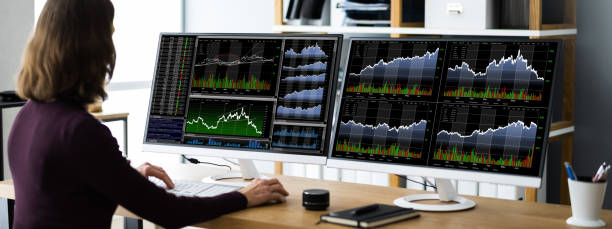
An Economic Research Analyst is a professional dedicated to studying economic trends, policies, and data to provide insights and forecasts that inform decision-making for businesses, governments, financial institutions, and policy organizations. They work in industries such as economics, finance, public policy, consulting, and academia, collaborating with economists, policymakers, data scientists, and business leaders. Economic Research Analysts play a critical role in shaping economic strategies and understanding market dynamics in a world increasingly focused on globalization, data-driven decisions, and economic uncertainty.
Economic Research Analysts are experts in economic data analysis and forecasting, responsible for collecting, interpreting, and modeling economic data to assess market conditions, evaluate policy impacts, and predict future trends for strategic planning. Their role involves rigorous research, statistical analysis, and report preparation, often working in settings such as research institutes, corporate offices, government agencies, or virtual environments. They combine expertise in econometrics, market trends, and policy analysis to address challenges like inflation, unemployment, trade imbalances, or fiscal policy effects. As key contributors to informed decision-making, they help organizations and societies thrive in an era prioritizing economic stability, predictive analytics, and sustainable growth.
Roles and Responsibilities
💼
Economic Research Analyst
Roles and Responsibilities
Economic Data Collection and Analysis
Gather data on economic indicators such as GDP, inflation, unemployment, and trade balances from reliable sources.
Analyze data to identify patterns, correlations, and trends that impact markets or policy outcomes.
Economic Forecasting and Modeling
Develop econometric models to predict economic trends, market behavior, or policy impacts using statistical tools.
Provide forecasts on interest rates, economic growth, or sector performance to guide strategic decisions.
Policy Impact Assessment
Evaluate the potential effects of fiscal, monetary, or trade policies on economies, industries, or specific demographics.
Provide recommendations to policymakers or businesses based on policy analysis outcomes.
Market and Industry Research
Conduct in-depth research on specific industries, markets, or regions to understand economic drivers and challenges.
Assess global economic events, geopolitical risks, and market dynamics to inform stakeholders.
Report Writing and Presentation
Prepare detailed reports, white papers, and presentations summarizing research findings and economic insights.
Communicate complex economic concepts and forecasts in a clear, actionable manner for diverse audiences.
Strategic Advisory Support
Advise businesses, governments, or financial institutions on economic strategies for investment, budgeting, or policy formulation.
Support decision-making by providing data-driven insights on economic risks and opportunities.
Data Visualization and Interpretation
Use charts, graphs, and other visualization tools to present economic data effectively to stakeholders.
Interpret data results to draw meaningful conclusions for business or policy applications.
Collaboration and Stakeholder Engagement
Work with cross-functional teams, including economists, statisticians, and policymakers, to align research with objectives.
Engage with clients or government bodies to understand specific economic research needs and deliver tailored insights.
Roles and Responsibilities
- Economic Data Collection and Analysis
- Gather data on economic indicators such as GDP, inflation, unemployment, and trade balances from reliable sources.
- Analyze data to identify patterns, correlations, and trends that impact markets or policy outcomes.
- Economic Forecasting and Modeling
- Develop econometric models to predict economic trends, market behavior, or policy impacts using statistical tools.
- Provide forecasts on interest rates, economic growth, or sector performance to guide strategic decisions.
- Policy Impact Assessment
- Evaluate the potential effects of fiscal, monetary, or trade policies on economies, industries, or specific demographics.
- Provide recommendations to policymakers or businesses based on policy analysis outcomes.
- Market and Industry Research
- Conduct in-depth research on specific industries, markets, or regions to understand economic drivers and challenges.
- Assess global economic events, geopolitical risks, and market dynamics to inform stakeholders.
- Report Writing and Presentation
- Prepare detailed reports, white papers, and presentations summarizing research findings and economic insights.
- Communicate complex economic concepts and forecasts in a clear, actionable manner for diverse audiences.
- Strategic Advisory Support
- Advise businesses, governments, or financial institutions on economic strategies for investment, budgeting, or policy formulation.
- Support decision-making by providing data-driven insights on economic risks and opportunities.
- Data Visualization and Interpretation
- Use charts, graphs, and other visualization tools to present economic data effectively to stakeholders.
- Interpret data results to draw meaningful conclusions for business or policy applications.
- Collaboration and Stakeholder Engagement
- Work with cross-functional teams, including economists, statisticians, and policymakers, to align research with objectives.
- Engage with clients or government bodies to understand specific economic research needs and deliver tailored insights.
Study Route & Eligibility Criteria
Study Route & Eligibility Criteria
Economic Research Analyst
Route 1
🎓
1
10+2 with Commerce, Mathematics, or relevant subjects.
🏛️
2
Bachelor’s degree in Economics, Statistics, or Finance .
3-4 years
💼
3
Gain practical experience through internships or training in economic research or data analysis roles .
3-6 months
💼
4
Pursue entry-level roles like Junior Economic Analyst or Research Assistant .
1-2 years
Route 2
🎓
1
10+2 with Commerce or relevant subjects.
🏛️
2
Bachelor’s degree in Economics, Commerce, or related field .
3-4 years
🏛️
3
Master’s degree in Economics, Applied Economics, or Econometrics .
💼
4
Work in research, data analysis, or policy roles to gain experience .
1-2 years
🌍
5
Transition to Economic Research Analyst roles with enhanced skills and knowledge.
Route 3
🎓
1
10+2 with Commerce or relevant subjects.
🏛️
2
Bachelor’s degree in Economics, Statistics, or related field .
3-4 years
📚
3
Pursue professional certifications like Certified Economic Analyst or advanced econometrics courses .
1-2 years
💼
4
Gain hands-on experience through roles in economic research or policy analysis .
1-2 years
🌍
5
Establish a career as an Economic Research Analyst in research or financial sectors.
Route 4
🎓
1
10+2 with Commerce or relevant subjects.
🏛️
2
Bachelor’s degree from India in Economics or related field .
3-4 years
🏛️
3
Pursue international certifications or advanced degrees in economics or econometrics abroad .
1-2 years
🌍
4
Gain exposure through roles in global research institutes or international organizations .
1-2 years
💼
5
Work as an Economic Research Analyst in international markets or global firms.
🎯
Economic Research Analyst - Professional
Significant Observations (Academic Related Points)
💡
Economic Research Analyst
Academic Related Points
1
Economic Foundation
Strong knowledge of economics, statistics, or finance is essential for analyzing complex economic data.
2
Practical Skills
Hands-on training in data analysis and econometrics builds core competencies in economic research.
3
Specialized Certifications
Credentials in economic analysis or data modeling enhance professional credibility.
4
Industry Expertise
Familiarity with economic sectors and policy frameworks is crucial for relevant insights.
5
Analytical Focus
Understanding economic indicators and statistical methods ensures accurate research outcomes.
6
Certification Relevance
Some positions may mandate specific certifications from recognized economic or statistical bodies.
7
Continuous Learning
Regular training is needed to keep up with evolving economic theories and analytical tools.
8
Global Awareness
Knowledge of international economic trends opens opportunities for cross-border research roles.
9
Precision Focus
Attention to detail is vital for accurate data interpretation and forecasting.
10
Entrance Exam Preparation
Admission to certain programs or competitive roles may require clearing entrance tests.
11
International Standards
For global roles, qualifications or certifications from international economic organizations may be required.
Internships & Practical Exposure
💼
Economic Research Analyst
Internships & Practical Experience
1
Mandatory practical training during degree programs in economic research or policy analysis units for real-world insights.
2
Rotations in research institutes or financial analysis teams for hands-on experience in data collection and economic modeling.
3
Internships under senior economists for exposure to real-time economic forecasting and policy impact studies.
4
Observerships in government or corporate research teams for insights into economic strategy and market analysis.
5
Participation in economic data analysis competitions and research simulations for practical skill development in forecasting.
6
Training in statistical software and economic databases through real-world engagements in research projects.
7
Exposure to tools like econometric platforms, data visualization software, and research databases during internships.
8
Field projects on economic trend analysis, policy evaluation, or market studies during training.
9
Community outreach programs to engage with local economies and understand grassroots economic challenges on the ground.
10
International economic research project attachments for global exposure to diverse economic systems and analytical standards.
Courses & Specializations to Enter the Field
📚
Economic Research Analyst
Courses & Specializations
📖
Certificate in Economic Analysis
📖
Bachelor’s in Economics, Statistics, or Finance
📖
Master’s in Economics, Applied Economics, or Econometrics
📖
Ph.D. in Economics or Economic Policy
📖
Specialization in Macroeconomics and Policy Analysis
📖
Certification in Certified Economic Analyst
📖
Workshops on Econometric Modeling and Forecasting
📖
Training in Economic Data Analysis and Visualization
📖
Specialization in International Economics and Trade
📖
Certification in Data Science for Economics
Prominent Employers
🏢
Economic Research Analyst
🌟 Top Companies & Organizations
🇮🇳 India
🏛️
CRISIL, Mumbai
🏛️
ICRA, Gurugram
🏛️
NITI Aayog, New Delhi
🏛️
Reserve Bank of India (RBI), Mumbai
🏛️
Ernst & Young (EY) India, Mumbai
🏛️
PwC India, Mumbai
🏛️
Deloitte India, Mumbai
🏛️
HDFC Bank, Mumbai
🏛️
Asian Development Bank (ADB) India, New Delhi
🏛️
World Bank India, New Delhi
🌍 International
🌐
World Bank, USA
🌐
International Monetary Fund (IMF), USA
🌐
Organisation for Economic Co-operation and Development (OECD), France
🌐
Federal Reserve, USA
🌐
Moody’s Analytics, USA
🌐
S&P Global, USA
🌐
Fitch Ratings, UK
🌐
Bloomberg Economics, USA
🌐
McKinsey Global Institute, USA
🌐
Economist Intelligence Unit (EIU), UK
Advice for Aspiring Economic Research Analysts
💡
Economic Research Analyst
🌟 Tips for Students & Parents
1
Build a strong foundation in economics, statistics, or finance to understand complex economic data and trends.
2
Seek early exposure to data analysis or economic research projects through internships to confirm interest in the field.
3
Prepare thoroughly for entrance exams or certification requirements specific to your chosen program or region.
4
Pursue certifications in economic analysis or econometrics to gain expertise in data modeling and forecasting.
5
Stay updated on global economic trends and policy changes by attending industry conferences and workshops.
6
Develop hands-on skills in statistical analysis, econometric modeling, and data visualization through practical experience.
7
Engage in economic research or policy analysis projects to build real-world experience in data-driven insights.
8
Join professional associations like the Indian Economic Association (IEA) for resources and networking.
9
Work on analytical and communication skills to ensure impactful research findings and stakeholder presentations.
10
Explore international economic research projects for exposure to diverse economic challenges and global standards.
11
Volunteer in local economic or community initiatives to understand grassroots economic issues and impacts.
12
Cultivate adaptability to handle various economic sectors and evolving research methodologies.
13
Attend continuing education programs to stay abreast of new analytical tools and economic theories.
14
Build a network with economists, policymakers, and researchers for collaborative opportunities.
15
Develop resilience to manage the high-pressure demands and intellectual challenges of economic research.
16
Balance analytical precision with strategic interpretation to drive economic insights and adapt to rapid global changes.
🎓 Final Message
A career as an Economic Research Analyst offers a unique opportunity to contribute to economic understanding and societal progress by providing data-driven insights across diverse industries and policy areas. From forecasting market trends to shaping fiscal strategies, Economic Research Analysts play a pivotal role in modern economic decision-making and strategic planning. This field combines expertise in economic analysis, statistical modeling, and a commitment to informed policy, offering diverse paths in research, government, finance, consulting, and international sectors. For those passionate about unraveling economic complexities, adapting to global challenges, and addressing critical data needs in an era of increasing economic uncertainty, a career as an Economic Research Analyst provides an intellectually stimulating and professionally rewarding journey with the potential to make significant contributions to society by advancing economic stability and sustainable growth worldwide.