
Disaster Management

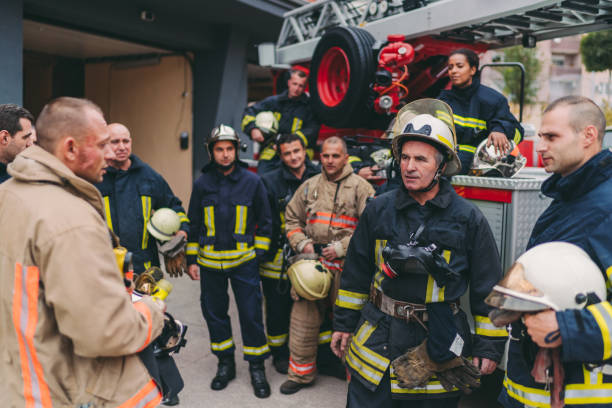
A Disaster Management Professional is an expert in planning, coordinating, and implementing strategies to prevent, mitigate, respond to, and recover from natural and human-made disasters. They work in government agencies, non-governmental organizations (NGOs), international bodies, or private sectors, collaborating with emergency services, policymakers, and communities. Disaster Management Professionals play a crucial role in saving lives, protecting infrastructure, and building resilient societies in a field driven by risk assessment, emergency preparedness, and humanitarian response.
Share :
Career tree mind map (horizontal) — Disaster Management
Colored branches, hub circles, and underlined topics — same style as counselor course classic (types 18–19 in admin).
Loading mind map…

Disaster Management Professionals are proactive and resourceful individuals who operate in high-pressure environments such as emergency operation centers, disaster-affected areas, or policy offices, using tools like Geographic Information Systems (GIS), risk modelling software, and communication networks. Their role involves assessing vulnerabilities, coordinating relief efforts, and educating communities, often facing challenges like unpredictable crises or resource constraints. They combine expertise in risk analysis, crisis response, and stakeholder coordination to deliver effective solutions. As key contributors to public safety and resilience, they help shape the future of disaster preparedness, climate adaptation, and humanitarian aid in a sector increasingly driven by technology, data analytics, and global collaboration.

  • Risk Assessment and Planning
    • Identify potential hazards and vulnerabilities in communities or regions through data analysis.
    • Develop disaster preparedness and mitigation plans to minimize impact.
  • Emergency Response Coordination
    • Organize and lead response teams during disasters like earthquakes, floods, or industrial accidents.
    • Ensure timely deployment of resources, personnel, and aid to affected areas.
  • Community Education and Training
    • Conduct awareness programs and drills to prepare communities for disaster scenarios.
    • Train local authorities and volunteers in emergency protocols and safety measures.
  • Policy Development and Advocacy
    • Formulate policies and guidelines for disaster risk reduction at local or national levels.
    • Advocate for resilient infrastructure and sustainable urban planning.
  • Resource Management and Logistics
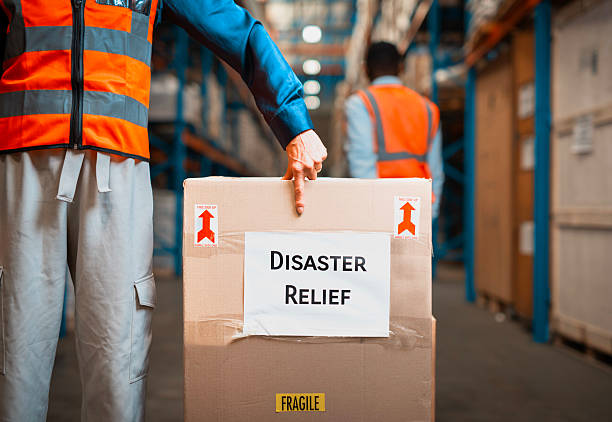
    • Manage stockpiles of emergency supplies like food, water, and medical kits.
    • Coordinate logistics for efficient distribution during crisis situations.
  • Post-Disaster Recovery and Rehabilitation
    • Assess damage and needs after a disaster to plan recovery efforts.
    • Support rebuilding efforts and psychological aid for affected populations.
  • Monitoring and Early Warning Systems
    • Utilize technology to monitor environmental changes and issue timely warnings.
    • Collaborate with meteorological and geological agencies for accurate predictions.
  • Stakeholder Collaboration
    • Work with government bodies, NGOs, and international agencies for unified disaster response.
    • Facilitate communication between diverse groups for effective crisis management.
  • Research and Data Analysis
    • Conduct studies on past disasters to improve future preparedness strategies.
    • Analyze data to predict trends and enhance risk reduction measures.

RouteSteps
Route 1

1. 10+2 in any stream

2. Certificate/Diploma in Disaster Management (6 months-1 year)

3. Internship at emergency services or NGOs

4. Practice as Junior Disaster Management Officer

Route 2

1. 10+2 in any stream

2. Bachelor’s degree in Disaster Management/Emergency Services (3-4 years)

3. Internship or entry-level role in disaster response agencies

4. Work as Disaster Management Specialist

Route 3

1. 10+2 in any stream

2. Bachelor’s degree in Disaster Management or related field (3-4 years)

3. Master’s degree in Disaster Management or Emergency Planning (1-2 years)

4. Gain experience in crisis response roles

5. Work as Senior Disaster Manager or Coordinator

Route 4

1. 10+2 in any stream

2. Bachelor’s degree in Disaster Management or related field (3-4 years)

3. Master’s degree in Disaster Management (1-2 years)

4. Ph.D. in Disaster Studies or Risk Management (3-5 years)

5. Practice as Disaster Management Consultant or Academic Lead

  • Mandatory internships during degree programs at disaster response agencies or NGOs for real-world experience.
  • Rotations in risk assessment, emergency response, and recovery planning for hands-on exposure to diverse tasks.
  • Internships under experienced disaster managers for training in crisis coordination and community outreach.
  • Observerships at emergency operation centers or disaster sites for applied insights.
  • Participation in mock disaster drills or simulations for skill development in response strategies.
  • Training in GIS and early warning systems through real-world projects like hazard mapping.
  • Exposure to post-disaster rehabilitation during internships for skills in recovery planning.
  • Volunteer roles in disaster relief organizations to build a portfolio.
  • Community engagement projects for promoting disaster awareness and preparedness.
  • International disaster response attachments for global exposure to advanced crisis management practices.

  • Certificate in Disaster Management or Emergency Response.
  • Diploma in Disaster Preparedness and Mitigation.
  • Bachelor’s in Disaster Management, Emergency Services, or Environmental Science.
  • Master’s in Disaster Management, Risk Reduction, or Humanitarian Action.
  • Specialization in Natural Disaster Management, Urban Resilience, or Climate Adaptation.
  • Workshops on Crisis Communication or GIS for Disaster Mapping.
  • Training in Emergency Medical Response or Search and Rescue Operations.
  • Specialization in Humanitarian Logistics or Disaster Policy Planning.
  • Certification in Risk Assessment or Early Warning Systems.
  • Short courses in Community-Based Disaster Risk Management.

InstituteCourse/ProgramOfficial Link
National Institute of Disaster Management (NIDM), DelhiPG Diploma in Disaster Managementhttps://nidm.gov.in/
Tata Institute of Social Sciences (TISS), MumbaiMA in Disaster Managementhttps://www.tiss.edu/
Indira Gandhi National Open University (IGNOU), DelhiPG Diploma/Certificate in Disaster Managementhttps://www.ignou.ac.in/
Jamia Millia Islamia, DelhiMA in Disaster Managementhttps://www.jmi.ac.in/
Amity Institute of Disaster Management, Noida
  • B.Sc./M.Sc. in Disaster Management
https://www.amity.edu/
Guru Gobind Singh Indraprastha University (GGSIPU), DelhiPG Diploma in Disaster Preparednesshttps://www.ipu.ac.in/
University of North Bengal, SiliguriPG Diploma in Disaster Managementhttps://www.nbu.ac.in/
Annamalai University, Tamil NaduMBA in Disaster Managementhttps://annamalaiuniversity.ac.in/
Sikkim Manipal University, GangtokCertificate in Disaster Managementhttps://www.smu.edu.in/
Christ University, BangaloreCertificate/Diploma in Disaster Managementhttps://www.christuniversity.in/

InstitutionCourseCountryOfficial Link
University College London (UCL), Institute for Risk and Disaster ReductionMSc in Risk, Disaster and ResilienceUKhttps://www.ucl.ac.uk/risk-disaster-reduction/
University of Copenhagen, Copenhagen Centre for Disaster ResearchMSc in Disaster ManagementDenmarkhttps://www.cope.ku.dk/
University of Manchester, Humanitarian and Conflict Response InstituteMA in Humanitarian ActionUKhttps://www.hcri.manchester.ac.uk/
Tufts University, Feinstein International CenterMA in Humanitarian AssistanceUSAhttps://nutrition.tufts.edu/
University of Queensland, School of Earth and Environmental SciencesMSc in Disaster ManagementAustraliahttps://sees.uq.edu.au/
Kyoto University, Disaster Prevention Research InstituteMaster’s in Disaster Risk ManagementJapanhttps://www.dpri.kyoto-u.ac.jp/en/
University of Auckland, School of EnvironmentMSc in Disaster ManagementNew Zealandhttps://www.auckland.ac.nz/en/science.html
Lund University, Centre for Risk Assessment and ManagementMSc in Disaster Risk ManagementSwedenhttps://www.lunduniversity.lu.se/
University of Hawaii at Manoa, National Disaster Preparedness Training CenterCertificate in Disaster PreparednessUSAhttps://ndptc.hawaii.edu/
King’s College London, Department of GeographyMA in Disasters, Adaptation & DevelopmentUKhttps://www.kcl.ac.uk/geography

India:

  • TISSNET (Tata Institute of Social Sciences National Entrance Test): For admission to MA in Disaster Management at TISS, Mumbai.
  • IGNOU OPENMAT (for MBA programs): For admission to MBA in Disaster Management at IGNOU (if applicable).
  • JMI Entrance Test (JamiaMilliaIslamia): For admission to MA in Disaster Management at Jamia Millia Islamia, Delhi.
  • Amity JEE (Amity Joint Entrance Examination): For admission to disaster management programs at Amity University, Noida.
  • GGSIPU CET (Guru Gobind Singh Indraprastha University Common Entrance Test): For admission to PG Diploma in Disaster Preparedness at GGSIPU, Delhi.
  • University-Specific Tests: For admission to disaster management programs at universities like Christ University or Annamalai University.


International:

  • GRE (Graduate Record Examination): Required for admission to graduate programs in disaster management or related fields in the USA, UK, and other countries at universities like Tufts or UCL.
  • GMAT (Graduate Management Admission Test): Occasionally required for disaster management programs with a focus on administration or policy internationally.
  • TOEFL (Test of English as a Foreign Language): Minimum score of 80-100 required for non-native speakers applying to disaster management programs in English-speaking countries like the USA, UK, or Australia.
  • IELTS (International English Language Testing System): Minimum score of 6.5-7.0 required for admission to disaster management programs in the UK, Australia, and other English-speaking regions.
  • Portfolio or Work Experience: Many international programs, such as at University of Manchester, may require evidence of prior work or volunteer experience in disaster or humanitarian fields.
  • Interview or Statement of Purpose: Certain programs assess candidates through personal interviews or essays to evaluate commitment and fit for disaster management roles.

Junior Disaster Management Officer → Disaster Management Specialist → Senior Disaster Manager → Emergency Response Coordinator → Disaster Risk Reduction Expert → Regional Disaster Management Head → National Disaster Policy Advisor → Chief Disaster Management Officer → Disaster Management Consultant → Disaster Studies Professor

  • Government disaster management agencies for policy and response coordination.
  • Non-governmental organizations for humanitarian aid and community resilience.
  • International bodies like the UN for global disaster risk reduction initiatives.
  • Private sector consultancies for corporate disaster preparedness planning.
  • Research institutions for studying disaster trends and mitigation strategies.
  • Emergency services for on-ground response and rescue operations.
  • Urban planning departments for integrating resilience into infrastructure.
  • Environmental agencies for addressing climate-related disasters.
  • Healthcare organizations for medical response during crises.
  • Educational institutions for teaching disaster management and awareness.

IndiaInternational
National Disaster Management Authority (NDMA), DelhiUnited Nations Office for Disaster Risk Reduction (UNDRR), Global
National Disaster Response Force (NDRF), Multiple LocationsInternational Federation of Red Cross and Red Crescent Societies (IFRC), Global
State Disaster Management Authorities (SDMA), Multiple LocationsWorld Bank - Global Facility for Disaster Reduction and Recovery (GFDRR), Global
Tata Institute of Social Sciences (TISS), MumbaiUNICEF, Global
Indian Red Cross Society, Multiple LocationsOxfam International, Global
ActionAid India, Multiple LocationsSave the Children, Global
CARE India, Multiple LocationsMédecins Sans Frontières (MSF), Global
SEEDS India, DelhiWorld Vision International, Global
Sphere India, DelhiCARE International, Global
Plan India, Multiple LocationsMercy Corps, Global

ProsCons
Opportunity to save lives and make a societal impactOften involves high stress during active disaster scenarios
High personal satisfaction in building resilient communitiesCan face emotional toll from witnessing loss and devastation
Rewarding role in a globally relevant and evolving fieldMay require working in hazardous or remote environments
Diverse career paths across government, NGO, and private sectorsRisk of burnout due to unpredictable crises and long hours
Strong potential for growth with increasing climate challengesUncertainty in funding or resources for disaster programs

Career LevelIndia (₹ per annum)International (USD per annum)
Junior Disaster Management Officer (Early Career)3,00,000 - 6,00,00030,000 - 45,000
Disaster Management Specialist (Mid-Career)6,00,000 - 10,00,00045,000 - 60,000
Senior Disaster Manager/Coordinator10,00,000 - 18,00,00060,000 - 80,000
Disaster Risk Reduction Expert/Regional Head18,00,000 - 25,00,00080,000 - 110,000
Chief Disaster Management Officer/Consultant25,00,000+110,000+
Note: Salaries may vary based on location, employer, experience, and specialization.  

  • Geographic Information Systems (e.g., ArcGIS, QGIS) for hazard mapping and spatial analysis.
  • Disaster Modeling Software (e.g., HAZUS, RiskScape) for predicting disaster impacts.
  • Early Warning Systems (e.g., SAHANA, Alertus) for issuing timely alerts.
  • Resource Management Tools (e.g., WebEOC, Crisis Track) for coordinating emergency supplies.
  • Data Analytics Platforms (e.g., Tableau, Power BI) for analyzing disaster trends and needs.
  • Communication Software (e.g., Slack, Zello) for real-time crisis coordination.
  • Remote Sensing Tools (e.g., ENVI, Google Earth Engine) for monitoring environmental changes.
  • Mobile Apps (e.g., Disaster Alert, FEMA App) for public communication and updates.
  • Cloud Collaboration Platforms (e.g., Google Workspace, Microsoft 365) for team coordination.
  • Simulation Software (e.g., AnyLogic) for disaster response training and planning.

  • International Association of Emergency Managers (IAEM), Global.
  • United Nations Office for Disaster Risk Reduction (UNDRR), Global.
  • Asian Disaster Preparedness Center (ADPC), Asia.
  • National Disaster Management Authority (NDMA), India.
  • Indian Society of Earthquake Technology (ISET), India.
  • Global Facility for Disaster Reduction and Recovery (GFDRR), Global.
  • Humanitarian OpenStreetMap Team (HOT), Global.
  • Disaster Emergency Committee (DEC), UK.
  • Pacific Disaster Center (PDC), USA.
  • International Federation of Red Cross and Red Crescent Societies (IFRC), Global.

  • Mami Mizutori (Japan/Global): Special Representative of the UN Secretary-General for Disaster Risk Reduction, leading global resilience efforts under UNDRR. Her policies shape frameworks. Her impact drives global action.
     
  • P.K. Mishra (India): Principal Secretary to the Prime Minister of India, instrumental in shaping India’s disaster management policies at NDMA. His leadership saves lives. His impact strengthens preparedness.
     
  • Craig Fugate (USA): Former FEMA Administrator, known for modernizing US disaster response with tech-driven strategies. His reforms enhance efficiency. His impact sets standards.
     
  • Rajib Shaw (Japan/India): Professor at Keio University, expert in community-based disaster risk management in Asia. His research guides policy. His impact builds resilience.
     
  • Helen Clark (New Zealand/Global): Former UNDP Administrator, advocated for disaster risk reduction in sustainable development globally. Her vision integrates solutions. Her impact fosters safety.
     
  • Vinod Chandra Menon (India): Former NDMA member, key in establishing India’s disaster response framework and NDRF. His initiatives protect millions. His impact reforms systems.
     
  • Kerry Sieh (USA/Singapore): Director of Earth Observatory of Singapore, focusing on earthquake and tsunami risk mitigation. His studies predict hazards. His impact saves communities.
     
  • Ilan Kelman (UK): Professor at UCL, specializing in disaster risk reduction and climate adaptation globally. His insights shape strategies. His impact bridges academia and action.
     
  • Jemilah Mahmood (Malaysia/Global): Founder of MERCY Malaysia, leading humanitarian disaster response in Asia and beyond. Her work aids victims. Her impact inspires aid.
     
  • Margaret Arnold (USA/Global): Senior Social Development Specialist at World Bank, focusing on disaster resilience and urban planning. Her projects rebuild lives. Her impact fortifies futures.
     

  • Build a strong foundation in risk analysis and emergency protocols to navigate crisis scenarios.
  • Seek early exposure to disaster roles through internships to confirm interest in resilience building.
  • Prepare thoroughly for competitive exams like TISSNET with structured study plans.
  • Pursue short courses in GIS or emergency response to gain expertise in key areas.
  • Stay updated on disaster trends by following resources like UNDRR or NDMA reports.
  • Develop hands-on skills in crisis coordination and community training through practical experience.
  • Engage in internships at disaster agencies or NGOs for real-world exposure.
  • Join professional associations like IAEM or ADPC for networking and resources.
  • Work on precision in risk assessment and resource planning to ensure effective outcomes.
  • Explore international opportunities for exposure to global disaster management standards.
  • Volunteer in disaster relief or community preparedness to understand diverse needs.
  • Cultivate adaptability to handle unpredictable crises and cultural contexts.
  • Attend continuing education programs to stay abreast of disaster tools and policies.
  • Build a network with emergency professionals and policymakers for collaborative growth.
  • Develop resilience to manage the emotional and physical demands of disaster work.
  • Balance technical expertise with empathy to adapt to evolving disaster challenges.


A career in Disaster Management offers a profound opportunity to protect lives, driving progress through strategic planning and crisis response, fostering safety with every initiative. Disaster Management Professionals are the architects of resilience, using their skills to empower communities, address vulnerabilities, and promote recovery across diverse settings. This profession blends technical precision with humanitarian impact, providing pathways in government, NGOs, research, and beyond. For those passionate about public safety and social good, driven by a desire to mitigate risks, and eager to embrace the evolving landscape of digital tools and global frameworks, becoming a Disaster Management Professional is a deeply rewarding journey. It empowers individuals to shape safer futures, address critical emergency needs, and advance human progress through the transformative power of disaster resilience.
Knowledge & Skills You Will Learn
1
Rising Demand:Growing need for professionals skilled in climate adaptation and urban resilience.
2
Skill Development Needs:Growing necessity for training in tech-driven disaster tools and analytics.
3
Sustainability Focus:Increased efforts to integrate disaster resilience into sustainable development.
Disaster Management Specialist

Disaster Management Specialist

Early-career professionals who independently handle disaster preparedness plans, coordinate small-scale responses, and train communities under...

0.0LPA
Senior Disaster Manager

Senior Disaster Manager

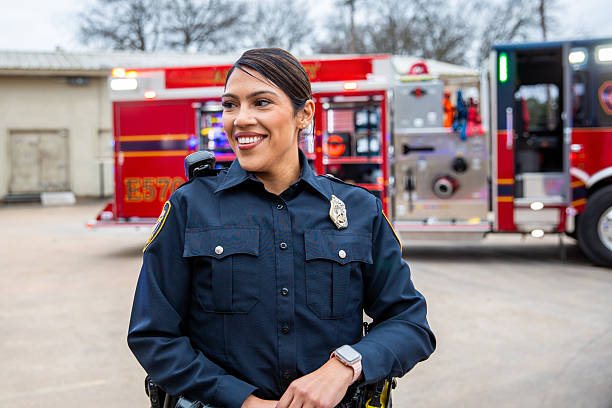
Mid-level professionals who lead complex disaster response operations, oversee teams, and develop mitigation strategies. They handle diverse...

0.0LPA
Emergency Response Coordinator

Emergency Response Coordinator

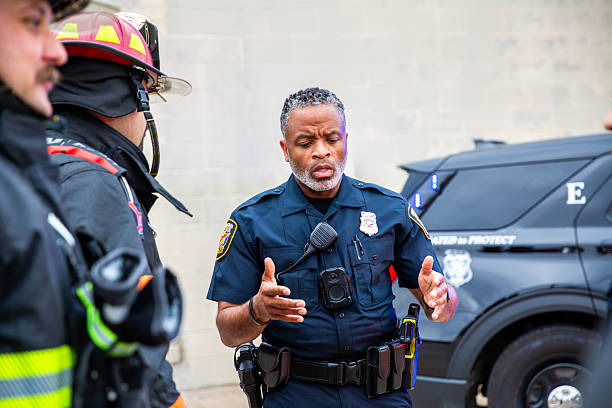
Experienced professionals who focus on crisis response logistics, providing leadership during active disasters in agencies or humanitarian groups....

0.0LPA

Interested in this career?

Take the next step and explore more about Disaster Management.