Digital-Performance Artist

Summary

A Digital-Performance Artist is a creative professional who uses digital technologies, such as virtual reality, augmented reality, motion capture, and interactive media, to create and perform art that engages audiences in innovative, often immersive

Share :
✨ Radial Mind Map - Digital-Performance Artist
Nodes arranged in concentric circles

Loading radial mind map...

Overview

A Digital-Performance Artist is a creative professional who uses digital technologies, such as virtual reality, augmented reality, motion capture, and interactive media, to create and perform art that engages audiences in innovative, often immersive ways. They work in digital studios, theatres, galleries, online platforms, and cultural events, collaborating with technologists, directors, designers, and other artists. Digital-Performance Artists play a crucial role in the evolving arts and entertainment industry by pushing the boundaries of traditional performance through technology, in an era where digital experiences are increasingly central to cultural expression and audience interaction.
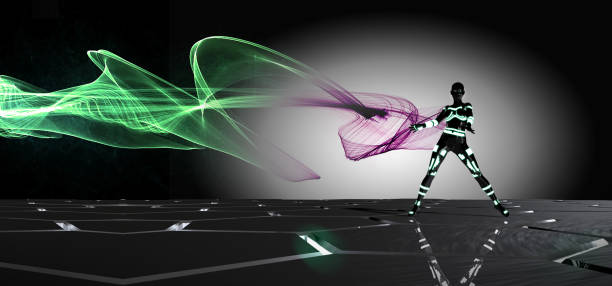
Digital-Performance Artists are versatile innovators who blend artistic expression with cutting-edge digital tools to craft performances that transcend physical spaces, often delivered through virtual environments or interactive platforms. Their role includes conceptualizing performances, integrating technology like 3D modeling or live-streaming, and engaging audiences in novel formats. They combine creativity with technical proficiency, working in dynamic and experimental settings to redefine storytelling and performance art. As key contributors to the digital arts ecosystem, they drive cultural innovation in a world increasingly shaped by virtual connectivity and immersive media experiences.

Roles and Responsibilities

💼
Digital-Performance Artist
Roles and Responsibilities
Concept Development
Create original performance ideas that leverage digital tools like VR, AR, or interactive software.
Collaborate with teams to align artistic vision with technological possibilities.
Digital Creation
Design and animate digital characters, environments, or effects using specialized software.
Develop virtual or augmented reality experiences for live or recorded performances.
Performance Execution
Perform live or pre-recorded acts using motion capture suits, avatars, or digital interfaces.
Adapt performances in real-time based on audience interaction or platform feedback.
Technology Integration
Work with programmers and engineers to integrate digital tools into live or online shows.
Ensure seamless operation of hardware and software during performances.
Audience Engagement
Design interactive elements to involve audiences in digital performances or virtual spaces.
Utilize social media or streaming platforms to reach global viewers in real-time.
Rehearsal and Testing
Practice performances using digital setups to perfect timing, visuals, and interaction.
Test technology setups to troubleshoot glitches or improve user experience.
Collaboration and Feedback
Partner with directors, designers, and technologists to refine digital performance elements.
Incorporate feedback from peers or audiences to enhance future projects.
Documentation and Promotion
Record performances for archival purposes or online distribution to wider audiences.
Promote work through digital portfolios, social media, or virtual galleries.
Digital Foundation:
Knowledge of digital tools, virtual platforms, and performance theory is essential for innovative work.
Practical Skills:
Hands-on training with VR/AR tools or motion capture develops core competencies.
Specialized Training:
Certifications in digital media or interactive arts offer niche expertise.
Creative Awareness:
Understanding audience interaction and digital storytelling is vital for engagement.
Interdisciplinary Knowledge:
Familiarity with animation, coding, and performance arts improves career outcomes.
Certification Importance:
Recognition from reputed digital arts schools or associations boosts credibility.
Continuing Education:
Regular workshops are necessary to stay updated on digital trends and technologies.
Global Standards:
Exposure to international digital performance practices enhances opportunities for global projects.
Attention to Detail:
Precision in integrating technology and performance elements is critical for seamless experiences.
Entrance Examination Success:
Certain programs may require portfolios or project submissions for admission.
International Opportunities:
For global careers, certifications from platforms like MIT Media Lab may be beneficial.
Laurie Anderson (Contemporary, USA):
Pioneering multimedia artist since the 1970s. Known for integrating technology into performances likeUnited States Live. Her influence resonates globally.
Rafael Lozano-Hemmer (Contemporary, Mexico/Canada):
Renowned digital artist since the 1990s. Famous for interactive installations and performances. His impact extends internationally.
Anish Kapoor (Contemporary, India/UK):
Celebrated artist since the 1980s. Known for digital and immersive art experiences alongside sculptures. His influence resonates worldwide.
Stelarc (Historical, Australia):
Iconic performance artist since the 1970s. Recognized for blending human performance with robotics and digital tech. His legacy impacts global digital arts.
Ryoji Ikeda (Contemporary, Japan):
Acclaimed digital artist since the 1990s. Known for immersive audiovisual performances and installations. His impact resonates globally.
Namita Gokhale (Contemporary, India):
Notable cultural figure and digital arts advocate since the 1980s. Recognized for promoting digital storytelling in Indian contexts. Her influence extends nationally and internationally.
Bill Viola (Historical, USA):
Pioneering video and digital artist since the 1970s. Famous for creating immersive performance art using digital media. His legacy impacts worldwide audiences.
Shilpa Gupta (Contemporary, India):
Esteemed digital and performance artist since the 2000s. Known for interactive digital installations and multimedia works. Her contributions resonate globally.
Marina Abramović (Contemporary, Serbia/USA):
Legendary performance artist since the 1970s. Recognized for integrating digital elements in later works like virtual reality experiences. Her influence extends internationally.
Team Lab (Contemporary, Japan):
Innovative collective since the 2000s. Famous for creating interactive digital performances and immersive art environments. Their impact is felt worldwide.

Roles and Responsibilities

  • Concept Development
    • Create original performance ideas that leverage digital tools like VR, AR, or interactive software.
    • Collaborate with teams to align artistic vision with technological possibilities.
  • Digital Creation
    • Design and animate digital characters, environments, or effects using specialized software.
    • Develop virtual or augmented reality experiences for live or recorded performances.
  • Performance Execution
    • Perform live or pre-recorded acts using motion capture suits, avatars, or digital interfaces.
    • Adapt performances in real-time based on audience interaction or platform feedback.
  • Technology Integration
    • Work with programmers and engineers to integrate digital tools into live or online shows.
    • Ensure seamless operation of hardware and software during performances.
  • Audience Engagement
    • Design interactive elements to involve audiences in digital performances or virtual spaces.
    • Utilize social media or streaming platforms to reach global viewers in real-time.
  • Rehearsal and Testing
    • Practice performances using digital setups to perfect timing, visuals, and interaction.
    • Test technology setups to troubleshoot glitches or improve user experience.
  • Collaboration and Feedback
    • Partner with directors, designers, and technologists to refine digital performance elements.
    • Incorporate feedback from peers or audiences to enhance future projects.
  • Documentation and Promotion
    • Record performances for archival purposes or online distribution to wider audiences.
    • Promote work through digital portfolios, social media, or virtual galleries.


Study Route & Eligibility Criteria

RouteSteps
Route 11. Basic education (10+2 or equivalent)
2. Short-term digital arts or performance workshops (3-6 months)
3. Practical training or assistant roles in digital projects
4. Work as Digital-Performance Artist
Route 21. Basic education (10+2)
2. Diploma in Digital Media or Performance Arts (1-2 years)
3. Hands-on experience with local digital art groups
4. Work as Digital-Performance Artist
Route 31. Basic education (10+2)
2. Bachelor’s degree in Digital Arts, Media, or Performing Arts with Technology Focus (3-4 years)
3. Internship with digital studios or productions
4. Work as Digital-Performance Artist
Route 41. Basic education (10+2)
2. Master’s degree or advanced certification in Digital Performance or Media Arts (1-2 years)
3. Build portfolio and network internationally
4. Work abroad or in India


Significant Observations (Academic Related Points)

  • Digital Foundation: Knowledge of digital tools, virtual platforms, and performance theory is essential for innovative work.
  • Practical Skills: Hands-on training with VR/AR tools or motion capture develops core competencies.
  • Specialized Training: Certifications in digital media or interactive arts offer niche expertise.
  • Creative Awareness: Understanding audience interaction and digital storytelling is vital for engagement.
  • Interdisciplinary Knowledge: Familiarity with animation, coding, and performance arts improves career outcomes.
  • Certification Importance: Recognition from reputed digital arts schools or associations boosts credibility.
  • Continuing Education: Regular workshops are necessary to stay updated on digital trends and technologies.
  • Global Standards: Exposure to international digital performance practices enhances opportunities for global projects.
  • Attention to Detail: Precision in integrating technology and performance elements is critical for seamless experiences.
  • Entrance Examination Success: Certain programs may require portfolios or project submissions for admission.
  • International Opportunities: For global careers, certifications from platforms like MIT Media Lab may be beneficial.


Internships & Practical Exposure

  • Mandatory practical training during certificate or degree programs in digital studios or media labs.
  • Rotations in digital performance or interactive media roles for hands-on experience with real projects.
  • Apprenticeships under established digital artists for exposure to real-time creative processes.
  • Observerships in professional digital art collectives for experience in virtual performance dynamics.
  • Participation in local digital festivals or online events for practical skill development.
  • Training in collaboration and digital tool usage through real-world assignments and mock projects.
  • Exposure to high-stakes scenarios during internships at major digital media companies or VR studios.
  • Creative projects on designing small-scale digital performances or interactive content during training.
  • Community outreach initiatives for creating digital art at local events or virtual platforms.
  • International digital residency programs for global exposure to performance practices.


Courses & Specializations to Enter the Field

  • Certificate in Digital Performance and Media Arts
  • Diploma in Interactive Media or Digital Arts
  • Bachelor’s in Digital Media or Performing Arts with Technology Focus
  • Master’s in Digital Performance or New Media Arts
  • Training in Virtual Reality (VR) and Augmented Reality (AR) for Performance
  • Specialization in Motion Capture and Digital Animation
  • Certification in Interactive Storytelling and Game Design
  • Workshops on Live Streaming and Digital Audience Engagement
  • Training in 3D Modelling for Performance Environments
  • Certification in Multimedia Arts and Technology Integration


Top Institutes for Digital-Performance Artist Education (India)

InstituteCourse/ProgramOfficial Link
National Institute of Design (NID), AhmedabadPrograms in Digital Media and Animationhttps://www.nid.edu/
Srishti Manipal Institute of Art, Design and Technology, BangaloreCourses in Digital Media Artshttps://srishtimanipalinstitute.in/
Whistling Woods International, MumbaiPrograms in Media and Digital Artshttps://www.whistlingwoods.net/
MIT Institute of Design, PuneDigital Media and Interaction Designhttps://www.mitid.edu.in/
Indian Institute of Technology (IIT), BombayCourses in Interaction Design and Mediahttps://www.iitb.ac.in/
Pearl Academy, Delhi/MumbaiPrograms in Digital and Media Artshttps://pearlacademy.com/
Symbiosis Institute of Design, PuneDigital Media and Communication Designhttps://www.sid.edu.in/
Christ University, BangaloreBachelor’s in Media and Digital Artshttps://www.christuniversity.in/
Amity School of Communication, NoidaCourses in Digital Media and Animationhttps://www.amity.edu/asco/
Arena Animation, Multiple LocationsDigital Media and Animation Courseshttps://www.arena-multimedia.com/


Top International Institutes

InstitutionCourseCountryOfficial Link
MIT Media LabMedia Arts and SciencesUSAhttps://www.media.mit.edu/
Tisch School of the Arts, NYUBFA/MFA in Interactive TelecommunicationsUSAhttps://tisch.nyu.edu/
Royal College of Art (RCA)MA in Digital DirectionUKhttps://www.rca.ac.uk/
California Institute of the Arts (CalArts)Program in Experimental AnimationUSAhttps://calarts.edu/
University of Southern California (USC)Interactive Media and Game DesignUSAhttps://www.usc.edu/
Aalto UniversityMedia Lab and Digital ArtsFinlandhttps://www.aalto.fi/
Goldsmiths, University of LondonMA in Computational ArtsUKhttps://www.gold.ac.uk/
Parsons School of DesignMFA in Design and TechnologyUSAhttps://www.newschool.edu/parsons/
Queensland University of Technology (QUT)Digital Media and Performance ArtsAustraliahttps://www.qut.edu.au/
University of Toronto, Interactive Digital MediaDigital Media and Performance StudiesCanadahttps://www.utoronto.ca/


Entrance Tests Required

India:

  • Portfolio or project submissions for admission to digital arts programs
  • Institution-specific practical assessments for digital skills or creative abilities
  • Entrance exams for university admissions like NID Entrance Test or UCEED (Undergraduate Common Entrance Exam for Design)


International:

  • Portfolio or project submissions for digital performance programs
  • Specific entrance requirements or prerequisites as per institute
  • Test of English as a Foreign Language (TOEFL) with a minimum score of 80-100 for non-native speakers (if applicable)
  • International English Language Testing System (IELTS) with a minimum score of 6.0-7.0 (if applicable)
  • Pearson Test of English Academic (PTE Academic) (if applicable)
  • Duolingo English Test (accepted by some institutions)


Ideal Progressing Career Path

Trainee → Assistant Digital-Performance Artist → Independent Digital-Performance Artist → Lead Digital Artist → Digital Performance Director → Digital Media Producer → Digital Arts Educator → Digital Performance Consultant


Major Areas of Employment

  • Digital media studios for VR/AR performance creation
  • Theatre companies for integrating digital elements into live shows
  • Gaming industries for interactive character and narrative design
  • Film and animation studios for motion capture performances
  • Cultural festivals for digital art installations and performances
  • Educational institutions for teaching digital performance arts
  • Online platforms for live-streamed or virtual performances
  • Independent projects for freelance digital art creation
  • Advertising agencies for interactive digital campaigns
  • Non-profit organizations for digital-based cultural initiatives


Prominent Employers

IndiaInternational
Prime Focus, MumbaiEpic Games, USA
Red Chillies Entertainment, MumbaiUnity Technologies, USA
Yash Raj Films, MumbaiOculus (Meta), USA
Technicolor India, BangaloreElectronic Arts (EA), USA
DQ Entertainment, HyderabadUbisoft, France
Green Gold Animation, HyderabadSony Interactive Entertainment, USA
Toonz Media Group, TrivandrumActivision Blizzard, USA
Maya Digital Studios, MumbaiNiantic, USA
Zee Entertainment Enterprises, MumbaiGoogle (AR/VR Projects), USA
Eros International, MumbaiMicrosoft (HoloLens), USA


Pros and Cons of the Profession

ProsCons
Opportunity to pioneer new forms of artistic expression through technologyHigh pressure to master complex digital tools and meet creative deadlines
High demand for innovative digital artists in media and entertainmentIntense competition for recognition in a rapidly evolving field
Rewarding impact on audiences through immersive and interactive contentIrregular working hours with long periods of project development
Diverse career paths across digital performance, media production, and educationTechnical challenges or glitches during live digital performances
Strong potential for growth with unique creative style and technological expertiseLimited public recognition compared to traditional performance artists


Industry Trends and Future Outlook

  • Growing adoption of VR and AR for immersive digital performances and virtual events.
  • Rising demand for Digital-Performance Artists with skills in interactive and multi-platform content globally.
  • Advancements in motion capture and AI technology for realistic digital avatars and performances.
  • Heightened focus on hybrid events combining physical and digital performance spaces.
  • Expansion of online branding, increasing the need for virtual performance skills.
  • Development of integrated systems for real-time audience interaction across digital networks.
  • Increased emphasis on specialized training for emerging fields like metaverse performances.
  • Enhanced collaboration between digital artists and game developers for interactive projects.
  • Growing need for continuous education to master advanced digital tools and techniques.
  • Focus on global digital standards to align performance practices internationally.


Salary Expectations

Career LevelIndia (₹ per annum)International (USD per annum)
Trainee/Assistant Digital-Performance Artist (Early Career)1,50,000 - 3,50,00025,000 - 40,000
Independent Digital-Performance Artist (Mid-Career)3,50,000 - 8,00,00040,000 - 70,000
Lead Digital Artist8,00,000 - 15,00,00070,000 - 100,000
Digital Performance Director/Digital Media Producer15,00,000 - 25,00,000100,000 - 150,000
Digital Arts Educator/Consultant25,00,000+150,000+

Note: Salaries vary based on location, experience, employer, and project scale. International figures are approximate and depend on the country and digital arts sector.


Key Software Tools

  • Digital Creation Software like Blender for 3D modeling and animation
  • VR/AR Development Tools like Unity or Unreal Engine for immersive environments
  • Motion Capture Software like OptiTrack for performance recording
  • Interactive Media Platforms like TouchDesigner for live visuals
  • Collaboration Tools like Slack for team coordination on digital projects
  • Live Streaming Software like OBS Studio for virtual performances
  • Social Media Platforms for promotion and audience engagement
  • Microsoft Office Suite for documentation and project planning
  • Secure messaging tools for real-time coordination with creative teams
  • Simulation software for testing virtual performance setups


Professional Organizations and Networks

  • Indian Animation and VFX Association (IAVA)
  • Media, Entertainment & Arts Alliance (MEAA), Australia
  • International Game Developers Association (IGDA)
  • Digital Media Association (DiMA), USA
  • Virtual Reality/Augmented Reality Association (VR/AR Association)
  • Society for Animation Studies (SAS)
  • Interactive Arts and Media Association
  • ACM SIGGRAPH (Special Interest Group on Computer Graphics)
  • European Digital Art and Culture Network (EDACN)
  • New Media Caucus (NMC), USA


Notable Digital-Performance Artists and Industry Leaders (Top 10)

  • Laurie Anderson (Contemporary, USA): Pioneering multimedia artist since the 1970s. Known for integrating technology into performances like United States Live. Her influence resonates globally.
     
  • Rafael Lozano-Hemmer (Contemporary, Mexico/Canada): Renowned digital artist since the 1990s. Famous for interactive installations and performances. His impact extends internationally.
     
  • Anish Kapoor (Contemporary, India/UK): Celebrated artist since the 1980s. Known for digital and immersive art experiences alongside sculptures. His influence resonates worldwide.
     
  • Stelarc (Historical, Australia): Iconic performance artist since the 1970s. Recognized for blending human performance with robotics and digital tech. His legacy impacts global digital arts.
     
  • Ryoji Ikeda (Contemporary, Japan): Acclaimed digital artist since the 1990s. Known for immersive audiovisual performances and installations. His impact resonates globally.
     
  • Namita Gokhale (Contemporary, India): Notable cultural figure and digital arts advocate since the 1980s. Recognized for promoting digital storytelling in Indian contexts. Her influence extends nationally and internationally.
     
  • Bill Viola (Historical, USA): Pioneering video and digital artist since the 1970s. Famous for creating immersive performance art using digital media. His legacy impacts worldwide audiences.
     
  • Shilpa Gupta (Contemporary, India): Esteemed digital and performance artist since the 2000s. Known for interactive digital installations and multimedia works. Her contributions resonate globally.
     
  • Marina Abramović (Contemporary, Serbia/USA): Legendary performance artist since the 1970s. Recognized for integrating digital elements in later works like virtual reality experiences. Her influence extends internationally.
     
  • Team Lab (Contemporary, Japan): Innovative collective since the 2000s. Famous for creating interactive digital performances and immersive art environments. Their impact is felt worldwide.
     

Advice for Aspiring Digital-Performance Artists

  • Build a strong foundation in digital media and performance arts by starting with formal or informal training early on.
  • Seek early exposure to local digital art groups, online platforms, or tech festivals to confirm interest in the field.
  • Prepare thoroughly for portfolio submissions or project demos required by digital arts programs or creative opportunities for recognition.
  • Pursue advanced certifications in digital media or interactive performance to gain specialized expertise.
  • Stay updated on digital trends and emerging technologies by following industry leaders and attending workshops.
  • Develop hands-on skills in VR/AR, motion capture, and interactive design through regular practice and collaborative projects.
  • Engage in local digital art exhibitions or virtual events to build real-world project experience.
  • Join professional associations like the VR/AR Association for networking and resources.
  • Work on precision and attention to detail to ensure high-quality digital outputs and seamless user experiences.
  • Explore international digital residencies or online platforms for exposure to diverse technological and artistic standards.
  • Volunteer at community tech-art events or cultural projects to create digital content and build a portfolio.
  • Cultivate patience and adaptability to handle technical challenges and demanding project schedules.
  • Attend continuing education programs to stay abreast of evolving digital tools and performance techniques.
  • Build a network with technologists, designers, and other artists for collaborative digital opportunities.
  • Develop resilience to manage technical failures, creative rejections, and competitive digital environments.
  • Balance creative experimentation with continuous learning to adapt to evolving trends in digital performance and technology.


A career as a Digital-Performance Artist offers a unique opportunity to contribute to the arts and entertainment industry by delivering groundbreaking experiences that blend artistic vision with digital innovation. From crafting immersive virtual performances to designing interactive media in dynamic technological environments, Digital-Performance Artists play a pivotal role in advancing cultural expression and audience engagement. This field combines a passion for creativity, technical mastery, and a commitment to pushing boundaries, offering diverse paths in digital performance, media production, and interactive arts. For those passionate about redefining storytelling as a transformative digital force, creating memorable experiences through technological artistry, and addressing the growing demand for immersive and interactive content in an era of virtual connectivity and multimedia expansion, a career as a Digital-Performance Artist provides an intellectually stimulating and professionally rewarding journey with the potential to make significant contributions to society by enhancing the power of digital creativity and uniting diverse audiences worldwide.


Study Route & Eligibility Criteria

Study Route & Eligibility Criteria
Digital-Performance Artist
Route 1
🎓
1
Basic education
💼
2
Short-term digital arts or performance workshops
3-6 months
💼
3
Practical training or assistant roles in digital projects
💼
4
Work as Digital-Performance Artist
Route 2
🎓
1
Basic education
🎓
2
Diploma in Digital Media or Performance Arts
1-2 years
💼
3
Hands-on experience with local digital art groups
💼
4
Work as Digital-Performance Artist
Route 3
🎓
1
Basic education
🏛️
2
Bachelor’s degree in Digital Arts, Media, or Performing Arts with Technology Focus
3-4 years
💼
3
Internship with digital studios or productions
💼
4
Work as Digital-Performance Artist
Route 4
🎓
1
Basic education
🏛️
2
Master’s degree or advanced certification in Digital Performance or Media Arts
1-2 years
💼
3
Build portfolio and network internationally
💼
4
Work abroad or in India
🎯 Digital-Performance Artist - Professional

Significant Observations (Academic Related Points)

💡
Digital-Performance Artist
Academic Related Points
1
Digital Foundation:
Knowledge of digital tools, virtual platforms, and performance theory is essential for innovative work.
2
Practical Skills:
Hands-on training with VR/AR tools or motion capture develops core competencies.
3
Specialized Training:
Certifications in digital media or interactive arts offer niche expertise.
4
Creative Awareness:
Understanding audience interaction and digital storytelling is vital for engagement.
5
Interdisciplinary Knowledge:
Familiarity with animation, coding, and performance arts improves career outcomes.
6
Certification Importance:
Recognition from reputed digital arts schools or associations boosts credibility.
7
Continuing Education:
Regular workshops are necessary to stay updated on digital trends and technologies.
8
Global Standards:
Exposure to international digital performance practices enhances opportunities for global projects.
9
Attention to Detail:
Precision in integrating technology and performance elements is critical for seamless experiences.
10
Entrance Examination Success:
Certain programs may require portfolios or project submissions for admission.
11
International Opportunities:
For global careers, certifications from platforms like MIT Media Lab may be beneficial.
12
Laurie Anderson (Contemporary, USA):
Pioneering multimedia artist since the 1970s. Known for integrating technology into performances likeUnited States Live. Her influence resonates globally.
13
Rafael Lozano-Hemmer (Contemporary, Mexico/Canada):
Renowned digital artist since the 1990s. Famous for interactive installations and performances. His impact extends internationally.
14
Anish Kapoor (Contemporary, India/UK):
Celebrated artist since the 1980s. Known for digital and immersive art experiences alongside sculptures. His influence resonates worldwide.
15
Stelarc (Historical, Australia):
Iconic performance artist since the 1970s. Recognized for blending human performance with robotics and digital tech. His legacy impacts global digital arts.
16
Ryoji Ikeda (Contemporary, Japan):
Acclaimed digital artist since the 1990s. Known for immersive audiovisual performances and installations. His impact resonates globally.
17
Namita Gokhale (Contemporary, India):
Notable cultural figure and digital arts advocate since the 1980s. Recognized for promoting digital storytelling in Indian contexts. Her influence extends nationally and internationally.
18
Bill Viola (Historical, USA):
Pioneering video and digital artist since the 1970s. Famous for creating immersive performance art using digital media. His legacy impacts worldwide audiences.
19
Shilpa Gupta (Contemporary, India):
Esteemed digital and performance artist since the 2000s. Known for interactive digital installations and multimedia works. Her contributions resonate globally.
20
Marina Abramović (Contemporary, Serbia/USA):
Legendary performance artist since the 1970s. Recognized for integrating digital elements in later works like virtual reality experiences. Her influence extends internationally.
21
Team Lab (Contemporary, Japan):
Innovative collective since the 2000s. Famous for creating interactive digital performances and immersive art environments. Their impact is felt worldwide.

Internships & Practical Exposure

💼
Digital-Performance Artist
Internships & Practical Experience
1
Mandatory practical training during certificate or degree programs in digital studios or media labs.
2
Rotations in digital performance or interactive media roles for hands-on experience with real projects.
3
Apprenticeships under established digital artists for exposure to real-time creative processes.
4
Observerships in professional digital art collectives for experience in virtual performance dynamics.
5
Participation in local digital festivals or online events for practical skill development.
6
Training in collaboration and digital tool usage through real-world assignments and mock projects.
7
Exposure to high-stakes scenarios during internships at major digital media companies or VR studios.
8
Creative projects on designing small-scale digital performances or interactive content during training.
9
Community outreach initiatives for creating digital art at local events or virtual platforms.
10
International digital residency programs for global exposure to performance practices.
11
Certificate in Digital Performance and Media Arts
12
Diploma in Interactive Media or Digital Arts
13
Bachelor’s in Digital Media or Performing Arts with Technology Focus
14
Master’s in Digital Performance or New Media Arts
15
Training in Virtual Reality (VR) and Augmented Reality (AR) for Performance
16
Specialization in Motion Capture and Digital Animation
17
Certification in Interactive Storytelling and Game Design
18
Workshops on Live Streaming and Digital Audience Engagement
19
Training in 3D Modelling for Performance Environments
20
Certification in Multimedia Arts and Technology Integration
21
Portfolio or project submissions for admission to digital arts programs
22
Institution-specific practical assessments for digital skills or creative abilities
23
Entrance exams for university admissions like NID Entrance Test or UCEED (Undergraduate Common Entrance Exam for Design)
24
Portfolio or project submissions for digital performance programs
25
Specific entrance requirements or prerequisites as per institute
26
Test of English as a Foreign Language (TOEFL) with a minimum score of 80-100 for non-native speakers (if applicable)
27
International English Language Testing System (IELTS) with a minimum score of 6.0-7.0 (if applicable)
28
Pearson Test of English Academic (PTE Academic) (if applicable)
29
Duolingo English Test (accepted by some institutions)
30
Digital media studios for VR/AR performance creation
31
Theatre companies for integrating digital elements into live shows
32
Gaming industries for interactive character and narrative design
33
Film and animation studios for motion capture performances
34
Cultural festivals for digital art installations and performances
35
Educational institutions for teaching digital performance arts
36
Online platforms for live-streamed or virtual performances
37
Independent projects for freelance digital art creation
38
Advertising agencies for interactive digital campaigns
39
Non-profit organizations for digital-based cultural initiatives
40
Growing adoption of VR and AR for immersive digital performances and virtual events.
41
Rising demand for Digital-Performance Artists with skills in interactive and multi-platform content globally.
42
Advancements in motion capture and AI technology for realistic digital avatars and performances.
43
Heightened focus on hybrid events combining physical and digital performance spaces.
44
Expansion of online branding, increasing the need for virtual performance skills.
45
Development of integrated systems for real-time audience interaction across digital networks.
46
Increased emphasis on specialized training for emerging fields like metaverse performances.
47
Enhanced collaboration between digital artists and game developers for interactive projects.
48
Growing need for continuous education to master advanced digital tools and techniques.
49
Focus on global digital standards to align performance practices internationally.
50
Digital Creation Software like Blender for 3D modeling and animation
51
VR/AR Development Tools like Unity or Unreal Engine for immersive environments
52
Motion Capture Software like OptiTrack for performance recording
53
Interactive Media Platforms like TouchDesigner for live visuals
54
Collaboration Tools like Slack for team coordination on digital projects
55
Live Streaming Software like OBS Studio for virtual performances
56
Social Media Platforms for promotion and audience engagement
57
Microsoft Office Suite for documentation and project planning
58
Secure messaging tools for real-time coordination with creative teams
59
Simulation software for testing virtual performance setups
60
Indian Animation and VFX Association (IAVA)
61
Media, Entertainment & Arts Alliance (MEAA), Australia
62
International Game Developers Association (IGDA)
63
Digital Media Association (DiMA), USA
64
Virtual Reality/Augmented Reality Association (VR/AR Association)
65
Society for Animation Studies (SAS)
66
Interactive Arts and Media Association
67
ACM SIGGRAPH (Special Interest Group on Computer Graphics)
68
European Digital Art and Culture Network (EDACN)
69
New Media Caucus (NMC), USA
70
Laurie Anderson (Contemporary, USA):Pioneering multimedia artist since the 1970s. Known for integrating technology into performances likeUnited States Live. Her influence resonates globally.
71
Rafael Lozano-Hemmer (Contemporary, Mexico/Canada):Renowned digital artist since the 1990s. Famous for interactive installations and performances. His impact extends internationally.
72
Anish Kapoor (Contemporary, India/UK):Celebrated artist since the 1980s. Known for digital and immersive art experiences alongside sculptures. His influence resonates worldwide.
73
Stelarc (Historical, Australia):Iconic performance artist since the 1970s. Recognized for blending human performance with robotics and digital tech. His legacy impacts global digital arts.
74
Ryoji Ikeda (Contemporary, Japan):Acclaimed digital artist since the 1990s. Known for immersive audiovisual performances and installations. His impact resonates globally.
75
Namita Gokhale (Contemporary, India):Notable cultural figure and digital arts advocate since the 1980s. Recognized for promoting digital storytelling in Indian contexts. Her influence extends nationally and internationally.
76
Bill Viola (Historical, USA):Pioneering video and digital artist since the 1970s. Famous for creating immersive performance art using digital media. His legacy impacts worldwide audiences.
77
Shilpa Gupta (Contemporary, India):Esteemed digital and performance artist since the 2000s. Known for interactive digital installations and multimedia works. Her contributions resonate globally.
78
Marina Abramović (Contemporary, Serbia/USA):Legendary performance artist since the 1970s. Recognized for integrating digital elements in later works like virtual reality experiences. Her influence extends internationally.
79
Team Lab (Contemporary, Japan):Innovative collective since the 2000s. Famous for creating interactive digital performances and immersive art environments. Their impact is felt worldwide.
80
Build a strong foundation in digital media and performance arts by starting with formal or informal training early on.
81
Seek early exposure to local digital art groups, online platforms, or tech festivals to confirm interest in the field.
82
Prepare thoroughly for portfolio submissions or project demos required by digital arts programs or creative opportunities for recognition.
83
Pursue advanced certifications in digital media or interactive performance to gain specialized expertise.
84
Stay updated on digital trends and emerging technologies by following industry leaders and attending workshops.
85
Develop hands-on skills in VR/AR, motion capture, and interactive design through regular practice and collaborative projects.
86
Engage in local digital art exhibitions or virtual events to build real-world project experience.
87
Join professional associations like the VR/AR Association for networking and resources.
88
Work on precision and attention to detail to ensure high-quality digital outputs and seamless user experiences.
89
Explore international digital residencies or online platforms for exposure to diverse technological and artistic standards.
90
Volunteer at community tech-art events or cultural projects to create digital content and build a portfolio.
91
Cultivate patience and adaptability to handle technical challenges and demanding project schedules.
92
Attend continuing education programs to stay abreast of evolving digital tools and performance techniques.
93
Build a network with technologists, designers, and other artists for collaborative digital opportunities.
94
Develop resilience to manage technical failures, creative rejections, and competitive digital environments.
95
Balance creative experimentation with continuous learning to adapt to evolving trends in digital performance and technology.

Courses & Specializations to Enter the Field

📚
Digital-Performance Artist
Courses & Specializations
📖
Certificate in Digital Performance and Media Arts
📖
Diploma in Interactive Media or Digital Arts
📖
Bachelor’s in Digital Media or Performing Arts with Technology Focus
📖
Master’s in Digital Performance or New Media Arts
📖
Training in Virtual Reality (VR) and Augmented Reality (AR) for Performance
📖
Specialization in Motion Capture and Digital Animation
📖
Certification in Interactive Storytelling and Game Design
📖
Workshops on Live Streaming and Digital Audience Engagement
📖
Training in 3D Modelling for Performance Environments
📖
Certification in Multimedia Arts and Technology Integration
📖
Portfolio or project submissions for admission to digital arts programs
📖
Institution-specific practical assessments for digital skills or creative abilities
📖
Entrance exams for university admissions like NID Entrance Test or UCEED (Undergraduate Common Entrance Exam for Design)
📖
Portfolio or project submissions for digital performance programs
📖
Specific entrance requirements or prerequisites as per institute
📖
Test of English as a Foreign Language (TOEFL) with a minimum score of 80-100 for non-native speakers (if applicable)
📖
International English Language Testing System (IELTS) with a minimum score of 6.0-7.0 (if applicable)
📖
Pearson Test of English Academic (PTE Academic) (if applicable)
📖
Duolingo English Test (accepted by some institutions)
📖
Digital media studios for VR/AR performance creation
📖
Theatre companies for integrating digital elements into live shows
📖
Gaming industries for interactive character and narrative design
📖
Film and animation studios for motion capture performances
📖
Cultural festivals for digital art installations and performances
📖
Educational institutions for teaching digital performance arts
📖
Online platforms for live-streamed or virtual performances
📖
Independent projects for freelance digital art creation
📖
Advertising agencies for interactive digital campaigns
📖
Non-profit organizations for digital-based cultural initiatives
📖
Growing adoption of VR and AR for immersive digital performances and virtual events.
📖
Rising demand for Digital-Performance Artists with skills in interactive and multi-platform content globally.
📖
Advancements in motion capture and AI technology for realistic digital avatars and performances.
📖
Heightened focus on hybrid events combining physical and digital performance spaces.
📖
Expansion of online branding, increasing the need for virtual performance skills.
📖
Development of integrated systems for real-time audience interaction across digital networks.
📖
Increased emphasis on specialized training for emerging fields like metaverse performances.
📖
Enhanced collaboration between digital artists and game developers for interactive projects.
📖
Growing need for continuous education to master advanced digital tools and techniques.
📖
Focus on global digital standards to align performance practices internationally.
📖
Digital Creation Software like Blender for 3D modeling and animation
📖
VR/AR Development Tools like Unity or Unreal Engine for immersive environments
📖
Motion Capture Software like OptiTrack for performance recording
📖
Interactive Media Platforms like TouchDesigner for live visuals
📖
Collaboration Tools like Slack for team coordination on digital projects
📖
Live Streaming Software like OBS Studio for virtual performances
📖
Social Media Platforms for promotion and audience engagement
📖
Microsoft Office Suite for documentation and project planning
📖
Secure messaging tools for real-time coordination with creative teams
📖
Simulation software for testing virtual performance setups
📖
Indian Animation and VFX Association (IAVA)
📖
Media, Entertainment & Arts Alliance (MEAA), Australia
📖
International Game Developers Association (IGDA)
📖
Digital Media Association (DiMA), USA
📖
Virtual Reality/Augmented Reality Association (VR/AR Association)
📖
Society for Animation Studies (SAS)
📖
Interactive Arts and Media Association
📖
ACM SIGGRAPH (Special Interest Group on Computer Graphics)
📖
European Digital Art and Culture Network (EDACN)
📖
New Media Caucus (NMC), USA
📖
Laurie Anderson (Contemporary, USA):Pioneering multimedia artist since the 1970s. Known for integrating technology into performances likeUnited States Live. Her influence resonates globally.
📖
Rafael Lozano-Hemmer (Contemporary, Mexico/Canada):Renowned digital artist since the 1990s. Famous for interactive installations and performances. His impact extends internationally.
📖
Anish Kapoor (Contemporary, India/UK):Celebrated artist since the 1980s. Known for digital and immersive art experiences alongside sculptures. His influence resonates worldwide.
📖
Stelarc (Historical, Australia):Iconic performance artist since the 1970s. Recognized for blending human performance with robotics and digital tech. His legacy impacts global digital arts.
📖
Ryoji Ikeda (Contemporary, Japan):Acclaimed digital artist since the 1990s. Known for immersive audiovisual performances and installations. His impact resonates globally.
📖
Namita Gokhale (Contemporary, India):Notable cultural figure and digital arts advocate since the 1980s. Recognized for promoting digital storytelling in Indian contexts. Her influence extends nationally and internationally.
📖
Bill Viola (Historical, USA):Pioneering video and digital artist since the 1970s. Famous for creating immersive performance art using digital media. His legacy impacts worldwide audiences.
📖
Shilpa Gupta (Contemporary, India):Esteemed digital and performance artist since the 2000s. Known for interactive digital installations and multimedia works. Her contributions resonate globally.
📖
Marina Abramović (Contemporary, Serbia/USA):Legendary performance artist since the 1970s. Recognized for integrating digital elements in later works like virtual reality experiences. Her influence extends internationally.
📖
Team Lab (Contemporary, Japan):Innovative collective since the 2000s. Famous for creating interactive digital performances and immersive art environments. Their impact is felt worldwide.
📖
Build a strong foundation in digital media and performance arts by starting with formal or informal training early on.
📖
Seek early exposure to local digital art groups, online platforms, or tech festivals to confirm interest in the field.
📖
Prepare thoroughly for portfolio submissions or project demos required by digital arts programs or creative opportunities for recognition.
📖
Pursue advanced certifications in digital media or interactive performance to gain specialized expertise.
📖
Stay updated on digital trends and emerging technologies by following industry leaders and attending workshops.
📖
Develop hands-on skills in VR/AR, motion capture, and interactive design through regular practice and collaborative projects.
📖
Engage in local digital art exhibitions or virtual events to build real-world project experience.
📖
Join professional associations like the VR/AR Association for networking and resources.
📖
Work on precision and attention to detail to ensure high-quality digital outputs and seamless user experiences.
📖
Explore international digital residencies or online platforms for exposure to diverse technological and artistic standards.
📖
Volunteer at community tech-art events or cultural projects to create digital content and build a portfolio.
📖
Cultivate patience and adaptability to handle technical challenges and demanding project schedules.
📖
Attend continuing education programs to stay abreast of evolving digital tools and performance techniques.
📖
Build a network with technologists, designers, and other artists for collaborative digital opportunities.
📖
Develop resilience to manage technical failures, creative rejections, and competitive digital environments.
📖
Balance creative experimentation with continuous learning to adapt to evolving trends in digital performance and technology.

Prominent Employers

🏢
Digital-Performance Artist
🌟 Top Companies & Organizations
🇮🇳 India
🏛️
Prime Focus, Mumbai
🏛️
Red Chillies Entertainment, Mumbai
🏛️
Yash Raj Films, Mumbai
🏛️
Technicolor India, Bangalore
🏛️
DQ Entertainment, Hyderabad
🏛️
Green Gold Animation, Hyderabad
🏛️
Toonz Media Group, Trivandrum
🏛️
Maya Digital Studios, Mumbai
🏛️
Zee Entertainment Enterprises, Mumbai
🏛️
Eros International, Mumbai
🌍 International
🌐
Epic Games, USA
🌐
Unity Technologies, USA
🌐
Oculus (Meta), USA
🌐
Electronic Arts (EA), USA
🌐
Ubisoft, France
🌐
Sony Interactive Entertainment, USA
🌐
Activision Blizzard, USA
🌐
Niantic, USA
🌐
Google (AR/VR Projects), USA
🌐
Microsoft (HoloLens), USA

Advice for Aspiring Digital-Performance Artists

💡
Digital-Performance Artist
🌟 Tips for Students & Parents
1
Build a strong foundation in digital media and performance arts by starting with formal or informal training early on.
2
Seek early exposure to local digital art groups, online platforms, or tech festivals to confirm interest in the field.
3
Prepare thoroughly for portfolio submissions or project demos required by digital arts programs or creative opportunities for recognition.
4
Pursue advanced certifications in digital media or interactive performance to gain specialized expertise.
5
Stay updated on digital trends and emerging technologies by following industry leaders and attending workshops.
6
Develop hands-on skills in VR/AR, motion capture, and interactive design through regular practice and collaborative projects.
7
Engage in local digital art exhibitions or virtual events to build real-world project experience.
8
Join professional associations like the VR/AR Association for networking and resources.
9
Work on precision and attention to detail to ensure high-quality digital outputs and seamless user experiences.
10
Explore international digital residencies or online platforms for exposure to diverse technological and artistic standards.
11
Volunteer at community tech-art events or cultural projects to create digital content and build a portfolio.
12
Cultivate patience and adaptability to handle technical challenges and demanding project schedules.
13
Attend continuing education programs to stay abreast of evolving digital tools and performance techniques.
14
Build a network with technologists, designers, and other artists for collaborative digital opportunities.
15
Develop resilience to manage technical failures, creative rejections, and competitive digital environments.
16
Balance creative experimentation with continuous learning to adapt to evolving trends in digital performance and technology.
🎓 Final Message
A career as a Digital-Performance Artist offers a unique opportunity to contribute to the arts and entertainment industry by delivering groundbreaking experiences that blend artistic vision with digital innovation. From crafting immersive virtual performances to designing interactive media in dynamic technological environments, Digital-Performance Artists play a pivotal role in advancing cultural expression and audience engagement. This field combines a passion for creativity, technical mastery, and a commitment to pushing boundaries, offering diverse paths in digital performance, media production, and interactive arts. For those passionate about redefining storytelling as a transformative digital force, creating memorable experiences through technological artistry, and addressing the growing demand for immersive and interactive content in an era of virtual connectivity and multimedia expansion, a career as a Digital-Performance Artist provides an intellectually stimulating and professionally rewarding journey with the potential to make significant contributions to society by enhancing the power of digital creativity and uniting diverse audiences worldwide.
Knowledge & Skills You Will Learn
1
Rising demand for Digital-Performance Artists with skills in interactive and multi-platform content globally.
2
Expansion of online branding, increasing the need for virtual performance skills.
3
Pursue advanced certifications in digital media or interactive performance to gain specialized expertise.
4
Develop hands-on skills in VR/AR, motion capture, and interactive design through regular practice and collaborative projects.
5
Cultivate patience and adaptability to handle technical challenges and demanding project schedules.
Trainee:

Trainee:

Entry-level individuals undergo foundational training in digital arts under strict supervision. They acquire practical skills through hands-on...

0.0LPA

Assistant Digital-Performance Artist:

Assistant Digital-Performance Artist:

Early-career professionals assist in digital projects or performances with increasing autonomy. They hone skills in VR/AR integration and...

0.0LPA

Independent Digital-Performance Artist:

Independent Digital-Performance Artist:

Experienced professionals create independent digital works or performances with high accuracy during diverse projects. They offer expertise in...

0.0LPA

Interested in this career?

Take the next step and explore more about Digital-Performance Artist.